
Canal, church and village pubs
Clayworth
Walk beside the Chesterfield Canal, see Phoebe Anna Traquair's chancel murals at St Peter's, then settle into one of Clayworth's pubs.
- Best for
- Canal walking and Arts and Crafts murals
- Give it
- A one-hour village loop or a 2.5-mile canal circuit
- Don't miss
- Traquair's murals on all four chancel walls
The Fox verdict
A canal village with an exceptional church interior
Clayworth pairs canal walking with a Grade I church, two village pubs and unusually detailed social history.
The 46-mile Cuckoo Way runs through Clayworth, while a 2.5-mile circular walk follows the towpath from Clayworth Top Bridge. At St Peter's, Phoebe Anna Traquair's murals cover all four chancel walls in vibrant colour and substantial gilding.
Where to go
Places in Clayworth
Every place below is checked against a published source, listed with what it is and how long to give it.
Local signatures
3 placesThe Brewers Arms
An 18th-century traditional village pub with a patio garden, two changing real ales and a collection of water jugs used for spirits behind the bar.
- Visit length
- Editorial estimate: allow around 75 minutes
- Locality
- Town Street
- Access
- Dog friendly.
The Blacksmiths
A gastro pub with letting rooms, a real fire, a garden, a permanent Timothy Taylor Landlord and rotating guest ales.
- Visit length
- Editorial estimate: allow around 75 minutes
- Locality
- Town Street
- Access
- Dogs are welcome for daytime visits.
St Peter's Church
A Grade I church of Norman origin whose chancel is covered on all four walls by Phoebe Anna Traquair's 1904-05 murals, with biblical scenes, vibrant colour and substantial gilding.
- Visit length
- Editorial estimate: allow around 45 minutes
- Locality
- Clayworth
Walks & outdoors
2 placesChesterfield Canal
A 2.5-mile circuit begins at Clayworth Top Bridge, follows the towpath past Otter's Bridge to Gray's Bridge, then returns by Wiseton Road and the village. The towpath becomes uneven and unsurfaced, and part of the road has no pavement.
- Visit length
- Editorial estimate: allow around 2 hours
- Locality
- Chesterfield Canal through Clayworth
Idle Valley Nature Reserve
A large nature reserve near Retford, with lakes, trails and a visitor centre.
- Visit length
- Editorial estimate: allow around 2 hours
- Locality
- Idle Valley, near Retford
History & heritage
1 placeMattersey Priory
English Heritage-managed ruins of a Gilbertine priory on the River Idle.
- Visit length
- Editorial estimate: allow around 60 minutes
- Locality
- Mattersey, by the River Idle
- Access
- There is no vehicle access to the priory. Park in Mattersey village; the final approach crosses a stile into a privately owned field by permission of the landowner. Animals may be grazing, and dogs are not allowed.
No places match this filter. Choose All places to reset the list.
Three ways to explore Clayworth
Signature outings
Traquair's gilded murals
Lady D'Arcy Godolphin Osborne commissioned the murals in thanks for her son Joseph Laycock's safe return from the Boer War, giving the chancel paintings a personal connection to nearby Wiseton Hall.
Mattersey's Gilbertine ruins
Entry to the priory is free, but visitors must leave vehicles in Mattersey village and continue along rough Abbey Road before crossing a stile into the field.
Trails at Idle Valley
For an easier start, the Wildlife Trust describes a wheelchair- and pushchair-friendly lakeside walk with a brass-rubbing trail near the visitor centre.
The village story
Clayworth: Canal Paths and Traquair Murals
Pubs beside the canal, a church filled with Traquair murals and a village recorded from Domesday onwards.
Two pubs and the canal
At The Brewers Arms, a collection of water jugs used for spirits is the sort of detail you might miss at first glance. The Town Street pub has a patio garden, welcomes dogs and serves two changing real ales.
The other village pub, The Blacksmiths, is also on Town Street, with four bedrooms and a two-bedroom cottage in a converted brick barn beside the pub, a walled garden and a log-burning stove. Timothy Taylor Landlord is a regular cask ale alongside a changing guest beer.
The canal takes over
For a longer wander through Clayworth, follow the canal beyond the village street.
The Chesterfield Canal opened throughout in 1777 and passes Clayworth on its way from Chesterfield to West Stockwith. Its 46-mile towpath is the Cuckoo Way. A two-and-a-half-mile circuit starts at Clayworth Top Bridge, follows the towpath past Otter's Bridge to Gray's Bridge, then returns along Wiseton Road and through the village. The towpath becomes uneven and unsurfaced, and part of the road has no pavement.
St Peter's and the Traquair murals
The church is St Peter's, Grade I listed, Norman in origin with later medieval additions. Pevsner found the 13th-century nave arcades "very weird" — the piers and arches don't appear to relate to each other, a mismatch nobody has fully explained.
The real reason to go inside is the chancel, where all four walls are covered in murals painted in 1904-05 by Phoebe Anna Traquair, Scotland's first professional female artist — one of only two murals by her in England, and the largest single artwork in the east of England. Lady D'Arcy Godolphin Osborne commissioned it to mark her son Captain Joseph Laycock's safe return from the Boer War; the scenes include the Annunciation, the Last Supper and Christ in Gethsemane, thick with gilding.
From Domesday to the Rector's Book
The Domesday surveyors valued the whole place at £1 6s 2d.
Clayworth's other claim to fame is a piece of paper. The Rector's Book, 62 parchment leaves kept by Rev. William Sampson between 1676 and 1701, includes two full household listings taken twelve years apart, showing that something like half the village had moved on in that time — figures the historian Peter Laslett later used in "The World We Have Lost," his 1965 study of pre-industrial England.
Nearby connections and back to the water
Retford, around six miles away, has the nearest railway station. To visit Mattersey Priory, park in Mattersey village and walk or cycle along rough Abbey Road; the final approach crosses a stile into a field. Wiseton Hall was once home to the Laycock family, whose story returns in the murals.
Boats still pass through Clayworth on the canal, giving the village a lively link to the water.
Stay around Nottinghamshire
Make a longer stay of it
Travel Fox holiday homes around Nottinghamshire, linked directly to their property pages.
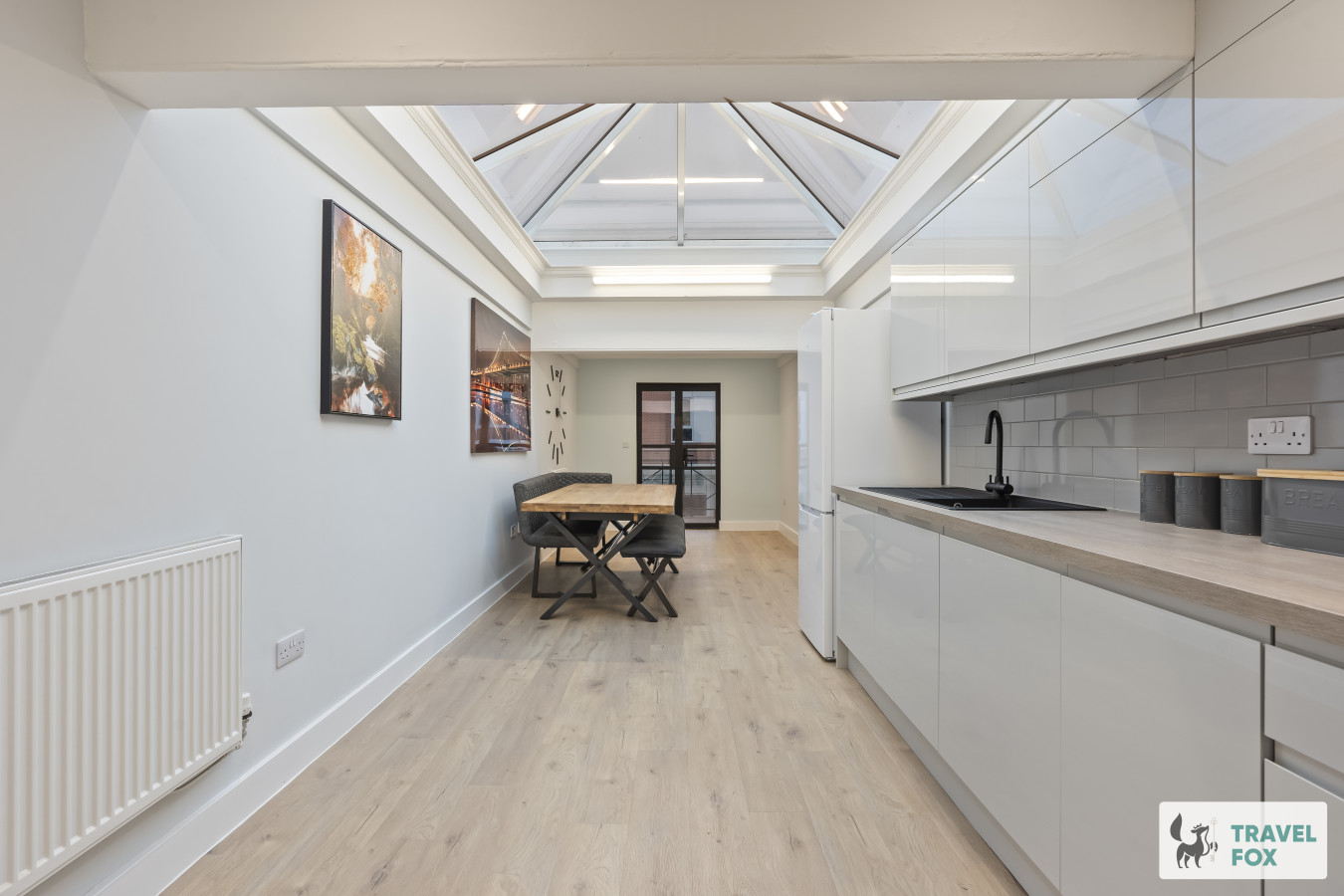
Nottingham
Camila's Penthouse Central Stay with Balcony
- Sleeps 16
- 5 bedrooms
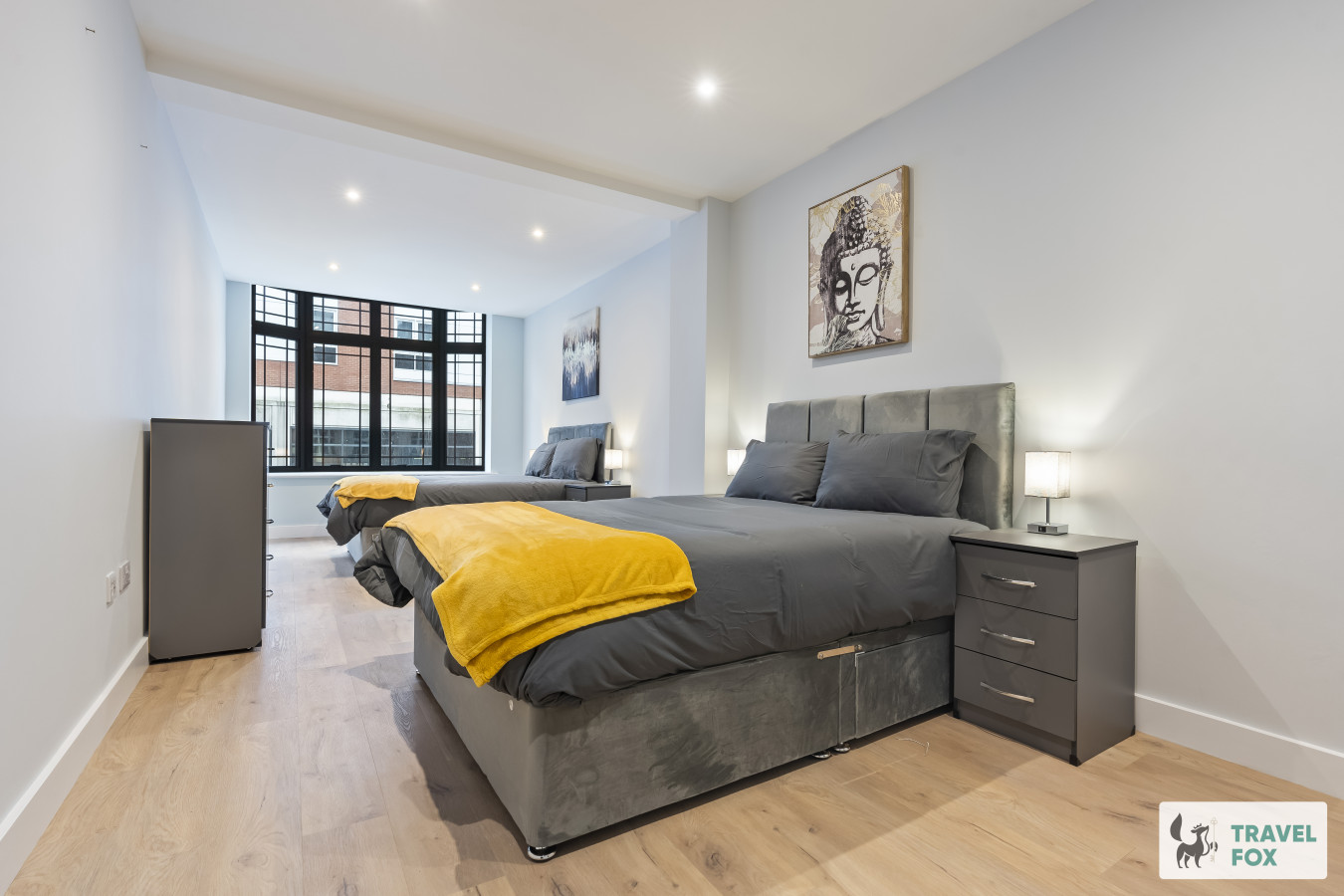
Nottingham
Blair's Central Stay
- Sleeps 16
- 5 bedrooms
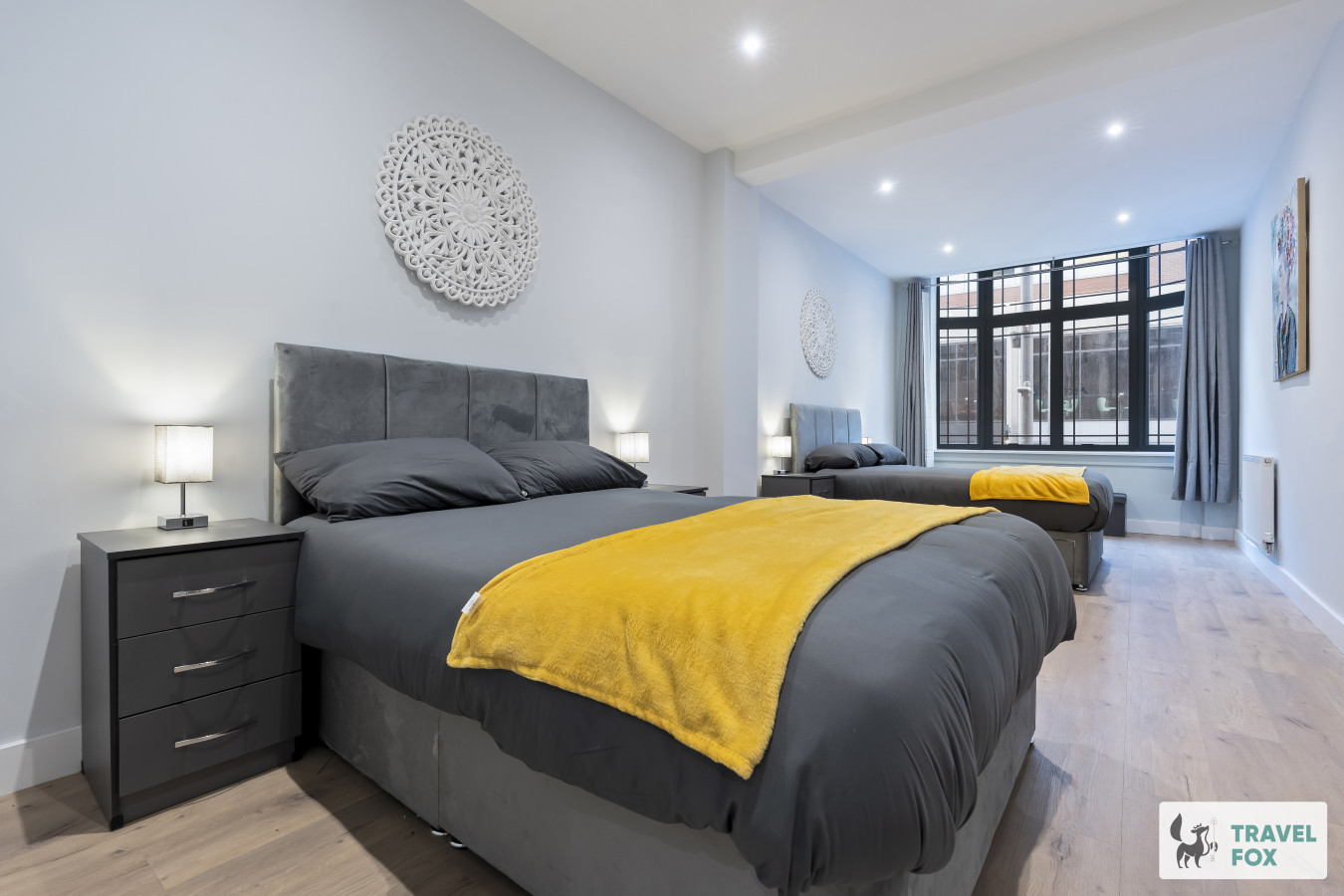
Nottingham
Anna's Central Stay
- Sleeps 16
- 5 bedrooms
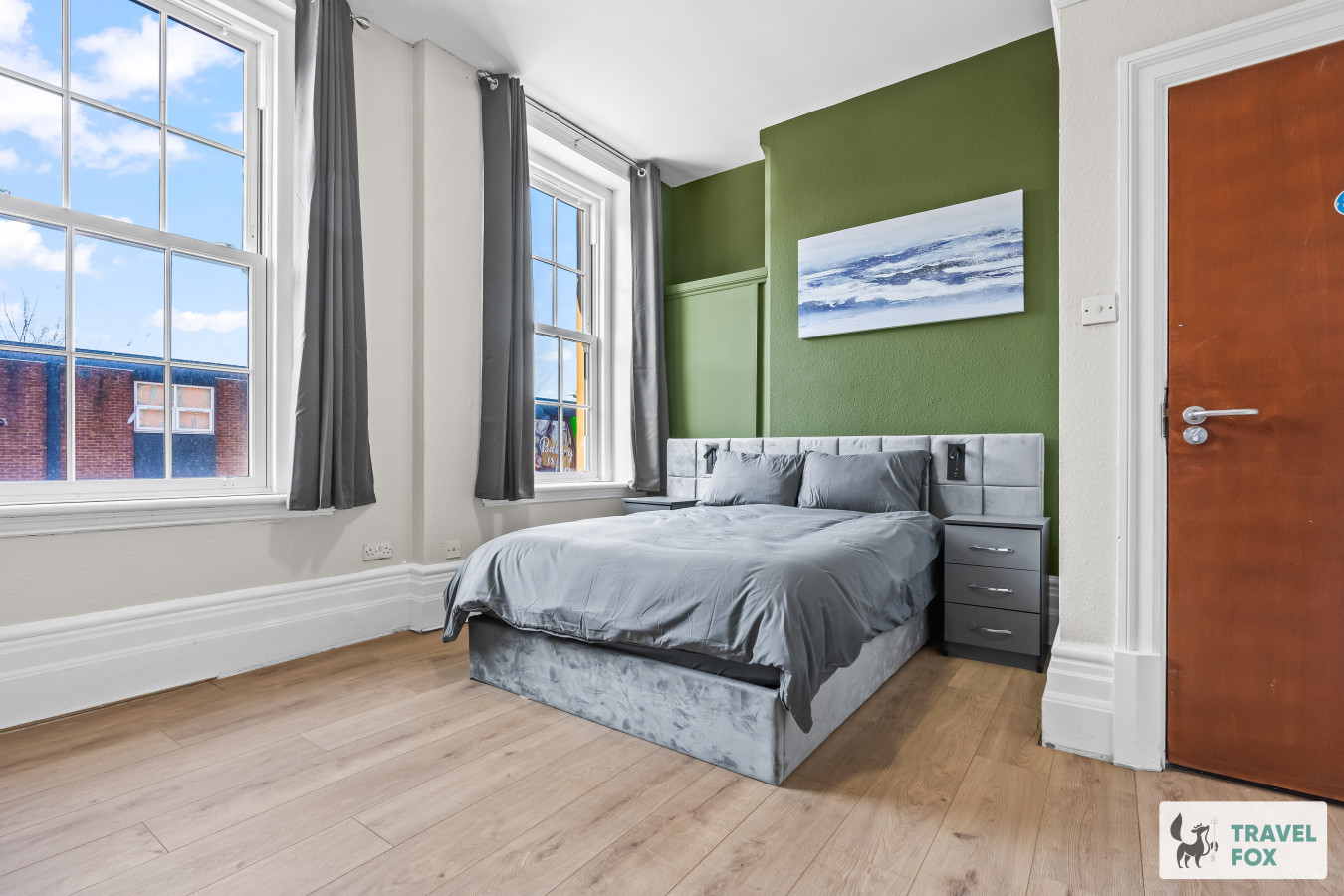
Nottingham
Melissa's Central Stay
- Sleeps 13
- 5 bedrooms
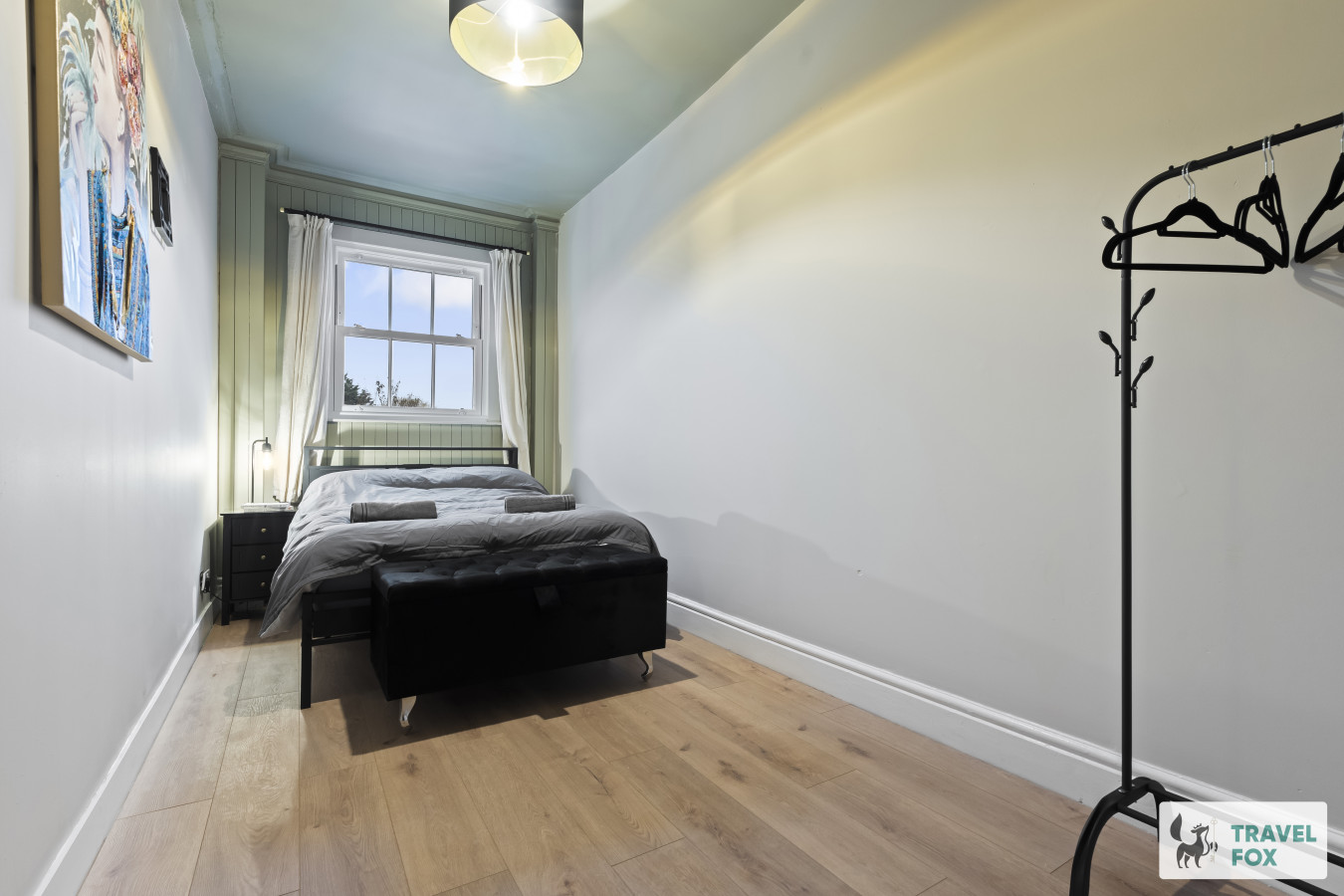
Nottingham
Callie's Central Stay
- Sleeps 9
- 3 bedrooms
For homeowners
Own a holiday home near Clayworth?
We manage holiday lets across the UK from 12% commission, charged after cleaning costs, with no lock-in. A co-founder visits before you decide.
How our holiday let management works →
A guide with a point of view
Written from research. Edited for real journeys.
Use the Official site links for live practical details, then use this guide for context, ideas and room to explore.
Sources
Every place on this page is checked against a published source. Each entry links the record we used and names who publishes it.
- The Brewers Arms — brewersarmsclayworth.co.uk operator, sector body or destination organisation
- The Blacksmiths — blacksmithsclayworth.co.uk operator, sector body or destination organisation
- St Peter's Church — historicengland.org.uk statutory register or public authority record not machine-readable; publisher restricts automated access
- Chesterfield Canal — canalrivertrust.org.uk national body or asset manager
- Mattersey Priory — english-heritage.org.uk national body or asset manager
- Idle Valley Nature Reserve — nottinghamshirewildlife.org other published source