
Canal, church and Cossall Giants
Cossall
A hilltop Nottinghamshire village above the Erewash Valley, where a disused canal nature reserve meets church craft, Waterloo stories and D.H. Lawrence connections.
- Best for
- Canal walks and local history
- Give it
- A half day between church, memorial and canal
- Don't miss
- The Waterloo memorial to three Cossall men
The Fox verdict
A small village with unusually vivid stories
Come for the Nottingham Canal nature reserve and stay for the churchyard's account of Cossall's Waterloo soldiers.
St Catherine's combines a 13th-century core, a 15th-century font and an oak reredos carved by village workers. Below the hilltop village, the disused Nottingham Canal has become a linear nature reserve, while the churchyard memorial records the Cossall Giants and Thomas Wheatley, who returned from Waterloo to work at the forge.
Where to go
Places in Cossall
Every place below is checked against a published source, listed with what it is and how long to give it.
Local signatures
3 placesSt Catherine's Church
A Grade II* church with a 13th-century core, a 15th-century font, two bells in an old wooden frame and an oak reredos carved by village workers.
- Visit length
- Editorial estimate: Allow around 45 minutes
- Locality
- at the highest point of the village
Cossall Canal Walk
A three-mile circular walk beside the disused Nottingham Canal, with a mostly level compacted-stone canal section and one steeper section to the north.
- Visit length
- Editorial estimate: Allow around 90 minutes
- Locality
- along the valley below the village
- Access
- The canal towpath is compacted stone and mostly level, with one steeper section to the north; stiles and steps restrict access into the village.
Nottingham Canal Nature Reserve
A linear nature reserve on the disused Nottingham Canal, with habitat for wildflowers, butterflies, dragonflies, damselflies and birdlife.
- Visit length
- Editorial estimate: Allow around 90 minutes
- Locality
- along the valley below the village
History & heritage
3 placesCossall Waterloo Memorial
The Grade II memorial honours John Shaw, Richard Waplington and Thomas Wheatley, three Cossall men who fought at Waterloo.
- Visit length
- Editorial estimate: Allow around 25 minutes
- Locality
- in St Catherine's churchyard
Erewash Museum
A local history museum in a Grade II listed Georgian house, with exhibitions, a courtyard and gardens.
- Visit length
- Editorial estimate: Allow around 90 minutes
- Locality
- Ilkeston
Wollaton Hall & Deer Park
An Elizabethan mansion housing Nottingham's Natural History Museum, set in a historic deer park.
- Visit length
- Editorial estimate: Allow around 90 minutes
- Locality
- Nottingham
No places match this filter. Choose All places to reset the list.
Three ways to explore Cossall
Signature outings
Meet the Cossall Giants
Trace the names of John Shaw and Richard Waplington, remembered as the Cossall Giants, alongside Waterloo survivor Thomas Wheatley.
Look for wetland life
Look for butterflies, dragonflies, damselflies and birdlife around the disused canal nature reserve.
Add an Elizabethan finale
Continue to Wollaton Hall, where an Elizabethan mansion housing Nottingham's Natural History Museum stands in a historic deer park.
The village story
Cossall Village Guide
From canal wildlife and church carving to Waterloo memory, a farm shop and nearby museum stops.
The farm shop on Awsworth Lane
Trinity Farm Organics on Awsworth Lane has a farm shop and café.
The shop stocks organic produce and groceries, and the café serves food.
Canal wildlife and church craft
Below the village, the disused Nottingham Canal follows the Erewash Valley. Built in 1796 to carry coal, it became a local nature reserve in 1993. Dragonflies, damselflies and wildflowers can be found along the towpath. The three-mile Cossall Canal Walk follows compacted-stone paths; the canal section is mostly level, with a steeper stretch to the north, while stiles and steps restrict access into the village.
St Catherine's Church sits at the highest point of the village, its 13th-century core largely reworked in 1842. Inside is a 15th-century font, two bells in an old wooden frame — one inscribed 1733 — and an oak reredos carved by villagers rather than bought in. The east windows commemorate the Burrows family, whose daughter Louie was engaged to D.H. Lawrence; he used Cossall as the model for "Cossethay" in The Rainbow, and Church Cottage, where she lived, still carries a plaque. Her father carved woodwork inside the church too.
Waterloo stories and almshouses
In the churchyard, a memorial unveiled in 1877 honours three Cossall men who fought at Waterloo. John Shaw and Richard Waplington served in the Life Guards and died in the battle; the two are remembered as the Cossall Giants.
Near the church, the Grade II* Willoughby Almshouses date from 1685. The row has eight dwellings, a higher central bay and a sundial. The original endowment provided each resident with ten pounds a year, a new grey cloth gown every two years and five shillings' worth of coal.
Nearby links and Wheatley's return
Nearby Ilkeston has a railway station and Erewash Museum, housed in a Georgian building with gardens. Wollaton Hall offers an Elizabethan mansion and deer park for a further outing.
Thomas Wheatley was the only one of the three to survive Waterloo. He returned to Cossall and worked at the Babbington Colliery forge; he is buried in the churchyard.
Stay around Nottinghamshire
Make a longer stay of it
Travel Fox holiday homes around Nottinghamshire, linked directly to their property pages.
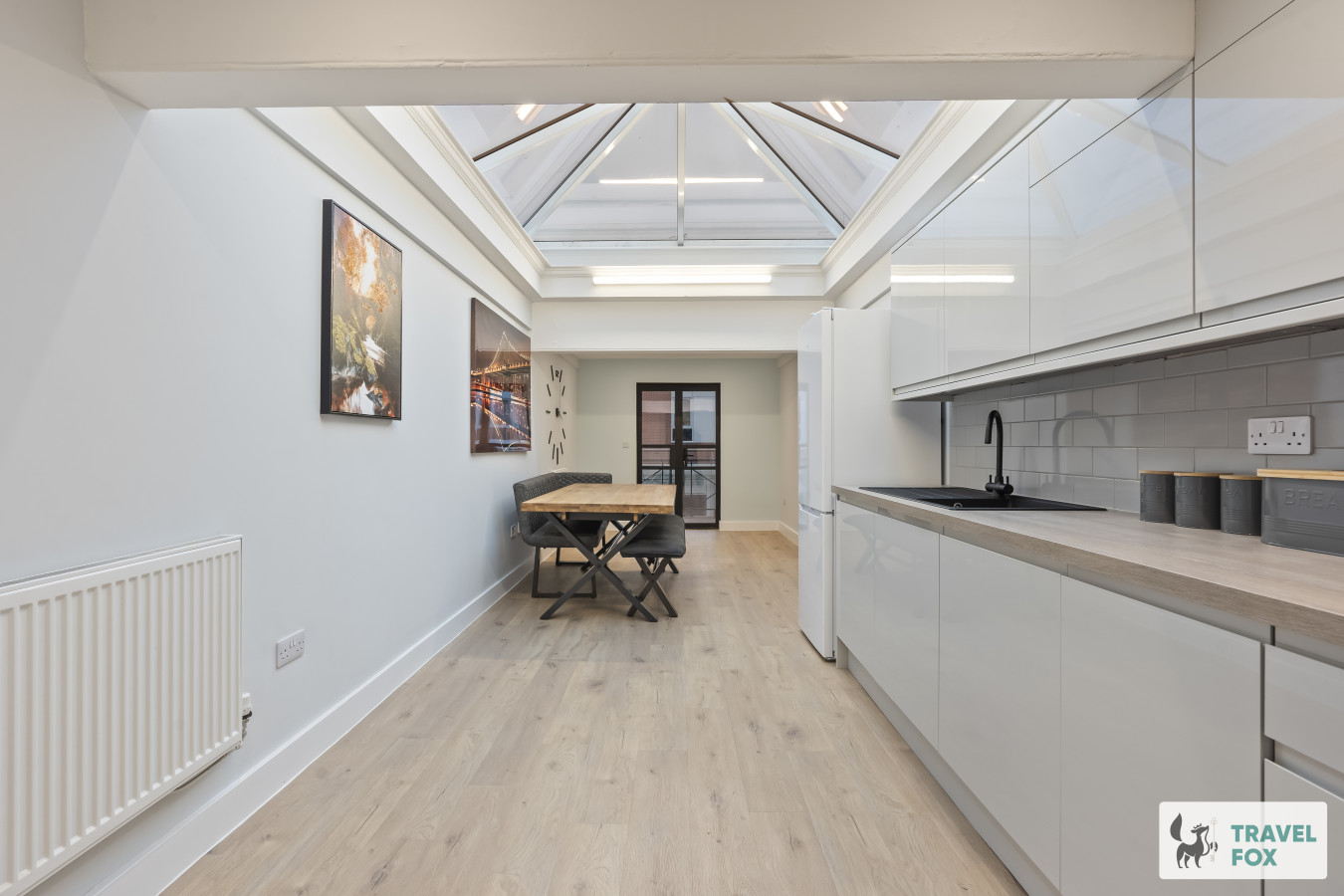
Nottingham
Camila's Penthouse Central Stay with Balcony
- Sleeps 16
- 5 bedrooms
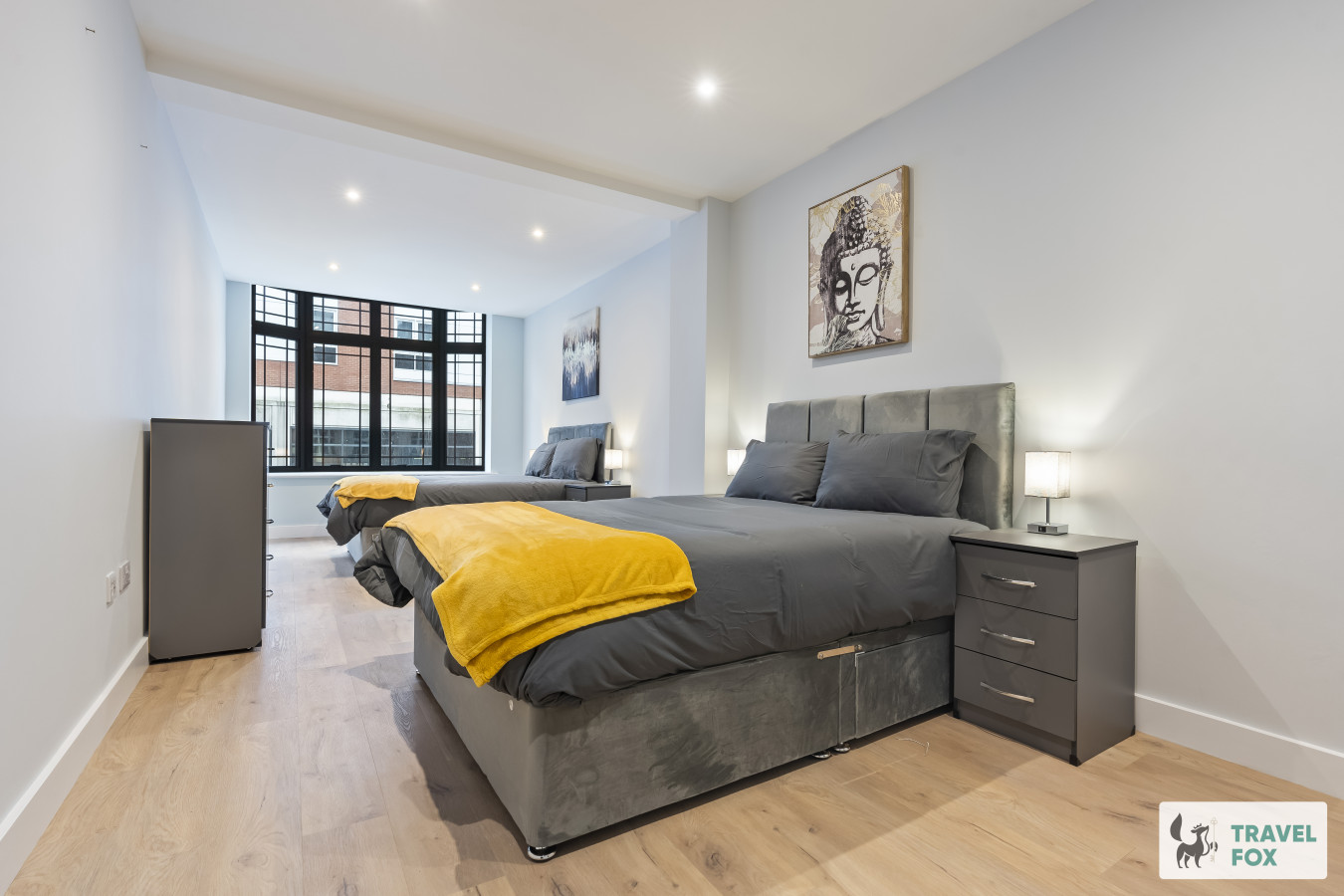
Nottingham
Blair's Central Stay
- Sleeps 16
- 5 bedrooms

Nottingham
Anna's Central Stay
- Sleeps 16
- 5 bedrooms
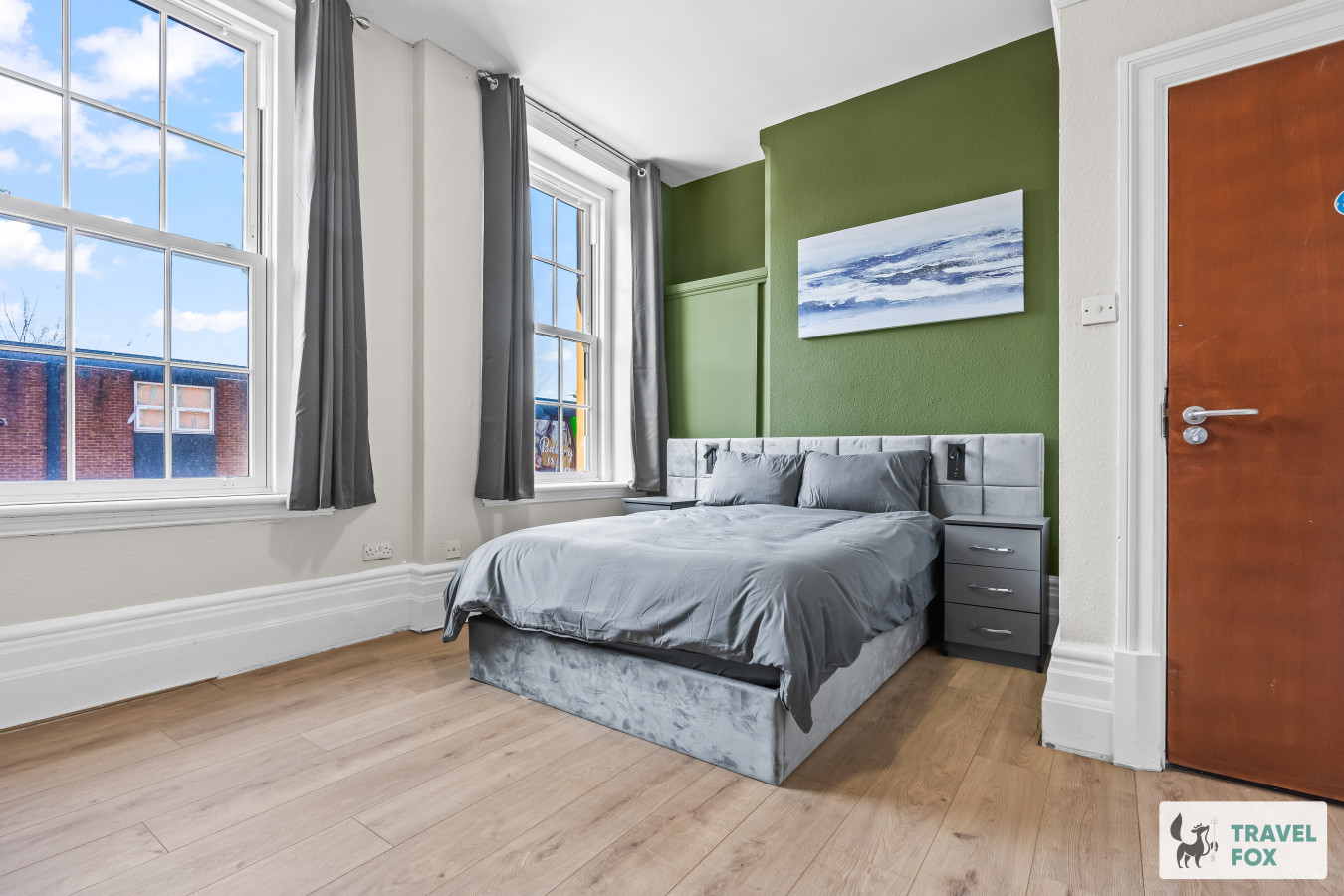
Nottingham
Melissa's Central Stay
- Sleeps 13
- 5 bedrooms
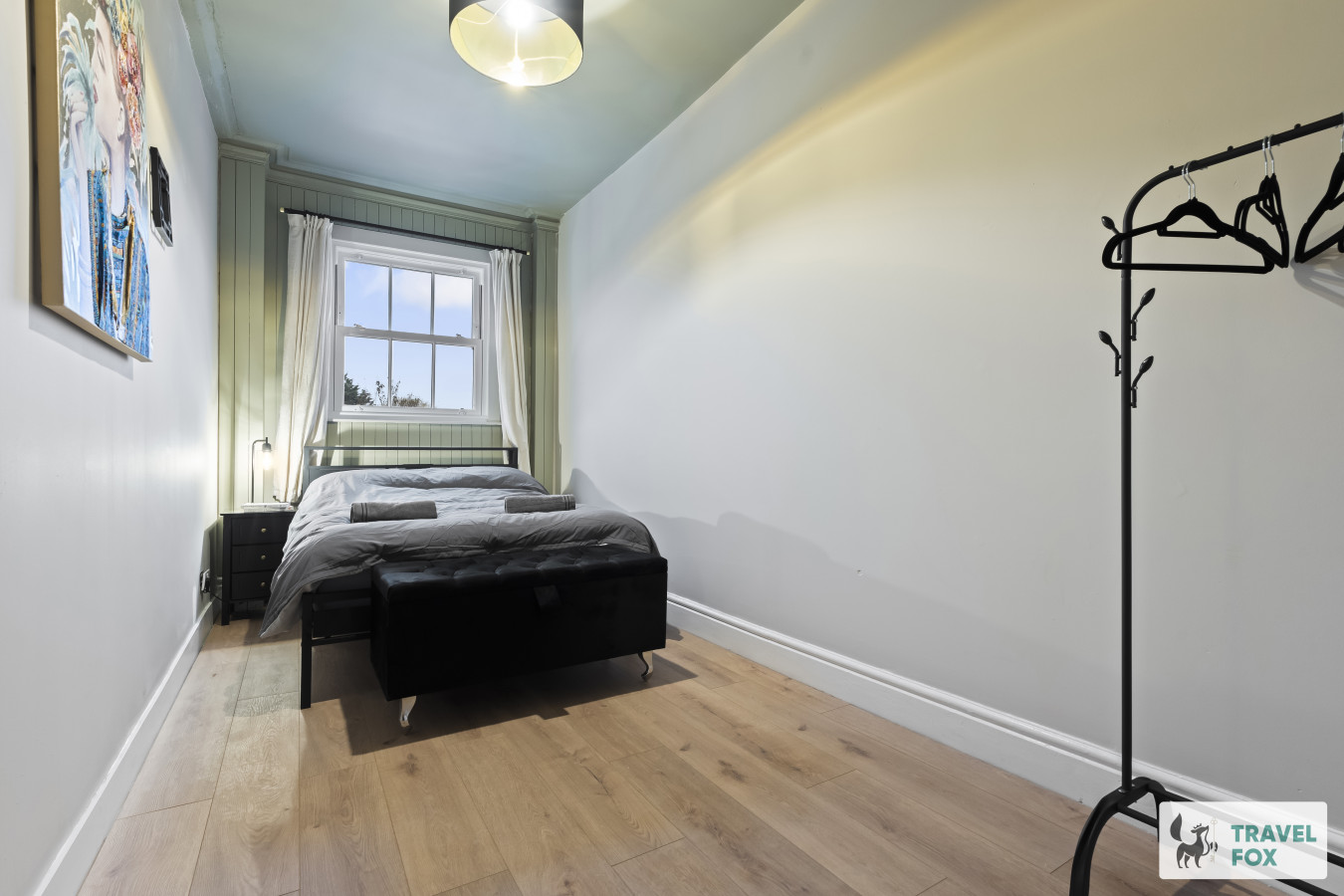
Nottingham
Callie's Central Stay
- Sleeps 9
- 3 bedrooms
For homeowners
Own a holiday home near Cossall?
We manage holiday lets across the UK from 12% commission, charged after cleaning costs, with no lock-in. A co-founder visits before you decide.
How our holiday let management works →
A guide with a point of view
Written from research. Edited for real journeys.
Use the Official site links for live practical details, then use this guide for context, ideas and room to explore.
Sources
Every place on this page is checked against a published source. Each entry links the record we used and names who publishes it.
- St Catherine's Church — historicengland.org.uk statutory register or public authority record not machine-readable; publisher restricts automated access
- Cossall Waterloo Memorial — historicengland.org.uk statutory register or public authority record not machine-readable; publisher restricts automated access
- Cossall Canal Walk — nottinghamshire.gov.uk statutory register or public authority
- Nottingham Canal Nature Reserve — broxtowe.gov.uk statutory register or public authority
- Erewash Museum — erewash.gov.uk statutory register or public authority
- Wollaton Hall & Deer Park — wollatonhall.org.uk operator, sector body or destination organisation