
Dukeries walks and village history
Cuckney
A River Poulter village where a country pub, castle earthworks and two documented walking routes connect Cuckney with Welbeck.
- Best for
- Village history, estate walks and real ale
- Give it
- A few hours
- Don't miss
- St Mary's churchyard and the surviving castle earthworks
The Fox verdict
A compact village with deep layers
Come for the Greendale Oak, St Mary's and the River Poulter; use the documented trails to connect Cuckney with Welbeck.
Cuckney works best as a history-and-walking visit. The church stands within the former castle bailey, low earthworks survive at the churchyard edge, and the millpond brings the River Poulter into the day. At Welbeck, about 2.1 miles from Cuckney in a straight line, the farm shop and café broaden the choice without pretending that Cuckney has shops of its own.
Where to go
Places in Cuckney
Every place below is checked against a published source, listed with what it is and how long to give it.
Local signatures
3 placesThe Greendale Oak
Cuckney's country pub has a choice of real ales, a garden and a designated dog-friendly area.
- Visit length
- Editorial estimate: Allow around 75 minutes
- Locality
- Budby Road, Cuckney
- Access
- Muddy boots are welcome, and the pub has a designated doggy friendly area.
Cuckney Castle Earthworks
The low motte, wide ditch and faint bailey traces are what remain of Thomas de Cuckney's 11th- or 12th-century fortress, razed after the Anarchy.
- Visit length
- Editorial estimate: Allow around 30 minutes
- Locality
- Cuckney Castle remains beside St Mary's churchyard
Welbeck Farm Shop
An award-winning farm shop that sources roughly two-thirds of its range from the Welbeck estate.
- Visit length
- Editorial estimate: Allow around 30 minutes
- Locality
- The Courtyard at Welbeck
Food & drink
1 placeThe Harley Café
A café at Welbeck managed by Welbeck Farm Shop and located along the walking link from the estate into Cuckney.
- Visit length
- Editorial estimate: Allow around 45 minutes
- Locality
- The Courtyard at Welbeck
Walks & outdoors
1 placeRiver Poulter Millpond
A close-to-home River Poulter stop with swans and coot on the millpond.
- Visit length
- Editorial estimate: Allow around 30 minutes
- Locality
- on the River Poulter, via School Lane or the playing field
History & heritage
1 placeSt Mary's Church
A Grade I church with a 12th-century Norman core, painted decoration, a reputed Pierrepont tomb slab and the unresolved story of roughly 200 skeletons found beneath the nave in 1951.
- Visit length
- Editorial estimate: Allow around 30 minutes
- Locality
- Norton Cuckney
No places match this filter. Choose All places to reset the list.
Three ways to explore Cuckney
Signature outings
The Hatfield question
At St Mary's, the 1951 discovery of roughly 200 skeletons connects the church to an unresolved investigation into the Battle of Hatfield.
Swans on the Poulter
Pause at the River Poulter millpond to watch swans and coot.
The castle by the churchyard
See the surviving motte and ditch beside St Mary's churchyard.
The village story
Cuckney Village Guide
One village pub opens onto a story of estate walks, castle remains, a disputed battle site and the River Poulter.
Ale, roasts and the village pub
The Greendale Oak sits on Budby Road with a doggy friendly area built into the floor plan, alongside the restaurant, the snug, the bar and a garden the pub itself calls a "superb outside area." Muddy boots are welcome. Up to seven real ales are usually on, two regulars from Everards — Sunchaser and Tiger — plus five rotating guests that have recently included Ashover Littlemoor Citra and Castle Rock Elsie Mo, and real cider besides.
Food runs noon to nine most days, noon to seven on Sundays, when the roasts are the reason people come back. Reviewers mention the venison burger and the steak pie. Thursday is fish market night, Wednesday is the quiz.
One pub, one bus and a trail to Welbeck
One TripAdvisor regular has been coming "for over 40 years," and calls it "a little gem" — in a village with exactly one pub, it does a lot of work. The Stagecoach 209 stops right outside on Budby Road, running between Edwinstowe and Worksop.
There's no shop in Cuckney itself, which is the honest gap in an otherwise well-fed village. What there is instead is a walk: the Water Meadows trail out of Welbeck Estate crosses fields and a kissing gate past Lady Margaret Hall and comes out at the Greendale Oak, and along the way sits the Welbeck Farm Shop and the Harley Café, now open seven days a week.
Castle, church and the Hatfield mystery
St Mary's Church stands inside what used to be the bailey of Cuckney Castle, a motte-and-bailey fortress built by Thomas de Cuckney, who also founded Welbeck Abbey in 1140. The castle was pulled down after the civil war of Stephen's reign known as the Anarchy; the motte and its ditch are still there at the churchyard edge, scheduled since 1953. Inside the church, a worn black marble slab is reputed to be the tomb of Robert Pierrepont, 1st Earl of Kingston-upon-Hull. Pevsner catalogued the building for his Nottinghamshire volume, and its painted decoration has been described as deserving to be more widely known.
In 1951, workmen shoring up the nave columns against mining subsidence dug into the floor and found around 200 human skeletons. Professor Maurice Barley, who recorded the find, described the remains as lying "very close, indeed jostled with each other in the trenches." The area was once known as Hatfield, and the tradition holds that this is where King Edwin of Northumbria fell in 632, his body later carried to Whitby. The Battle of Hatfield Investigation Society is still out there with ground-penetrating radar trying to prove it. Nobody currently knows where the reinterred remains are.
Robin Hood Way and the road in
The Robin Hood Way loops through here too, past the Welbeck deer park where you can watch white deer graze. Most people arrive along Cuckney Hill on the A60, with Worksop and its station five and a half miles away.
The Poulter, millpond and watermill school
Closer to home, the millpond on the River Poulter has swans and coot, reached down School Lane past the primary school — itself a converted 1846 watermill, still teaching around 140 children a short walk from the water.
Stay around Nottinghamshire
Make a longer stay of it
Travel Fox holiday homes around Nottinghamshire, linked directly to their property pages.
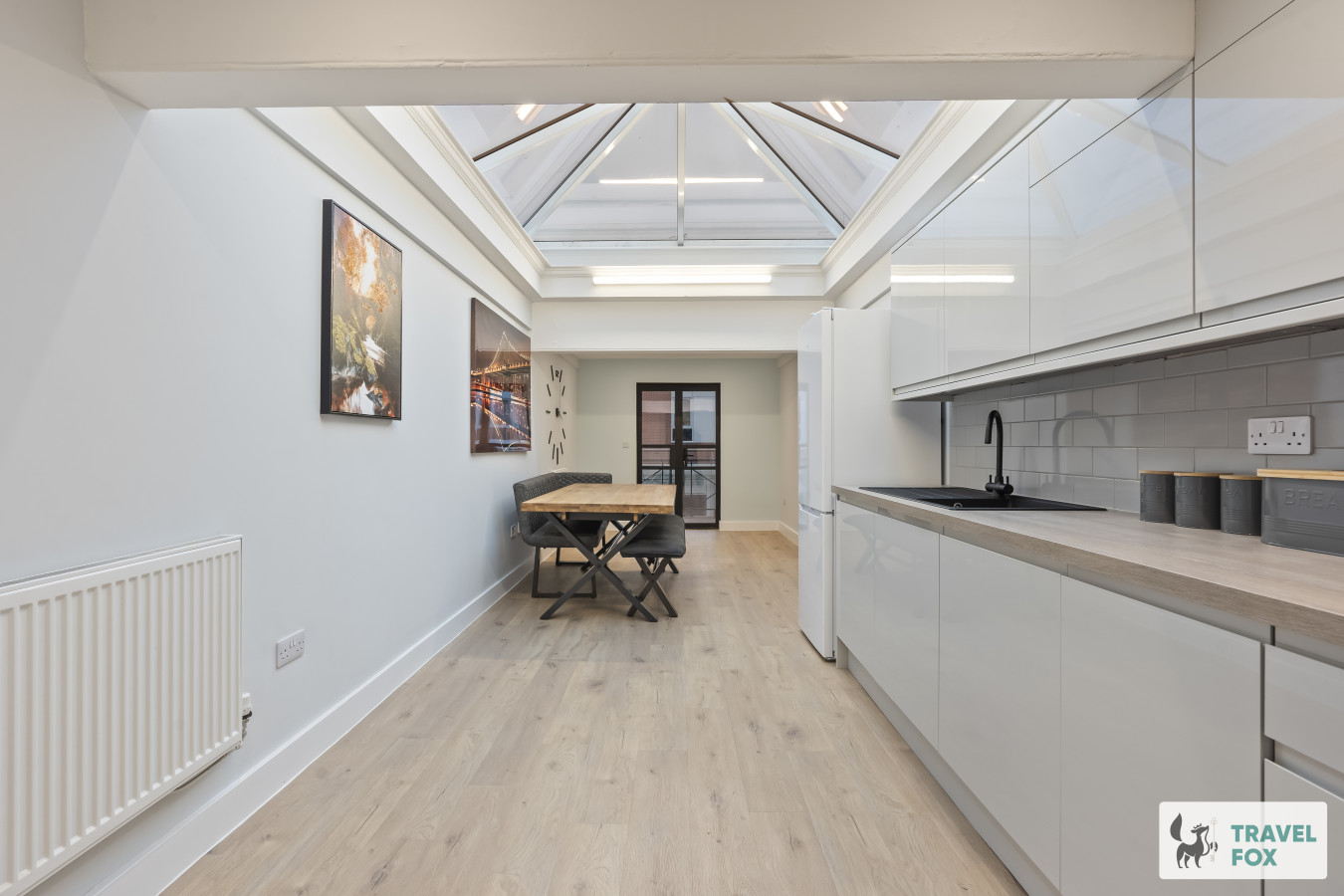
Nottingham
Camila's Penthouse Central Stay with Balcony
- Sleeps 16
- 5 bedrooms
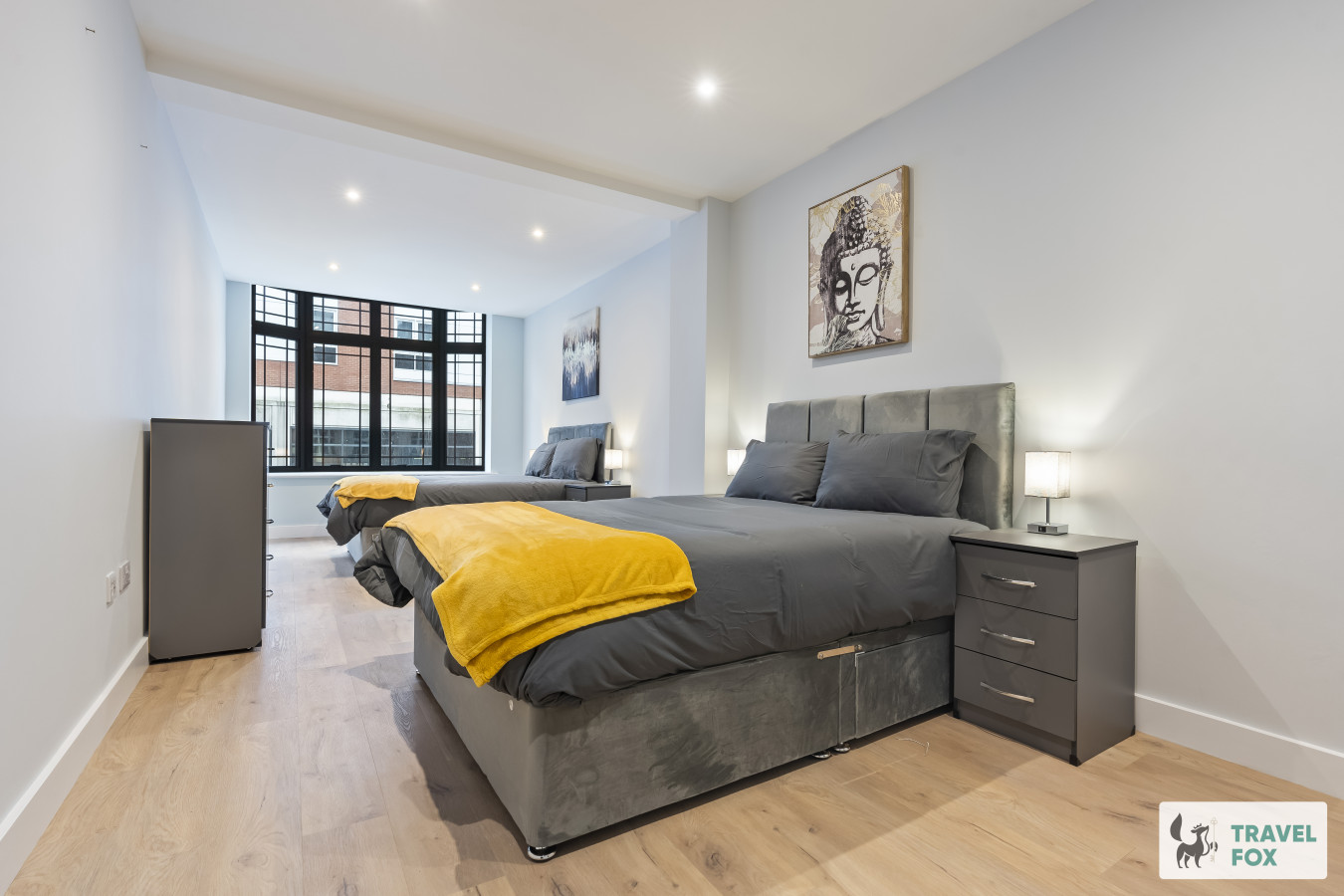
Nottingham
Blair's Central Stay
- Sleeps 16
- 5 bedrooms
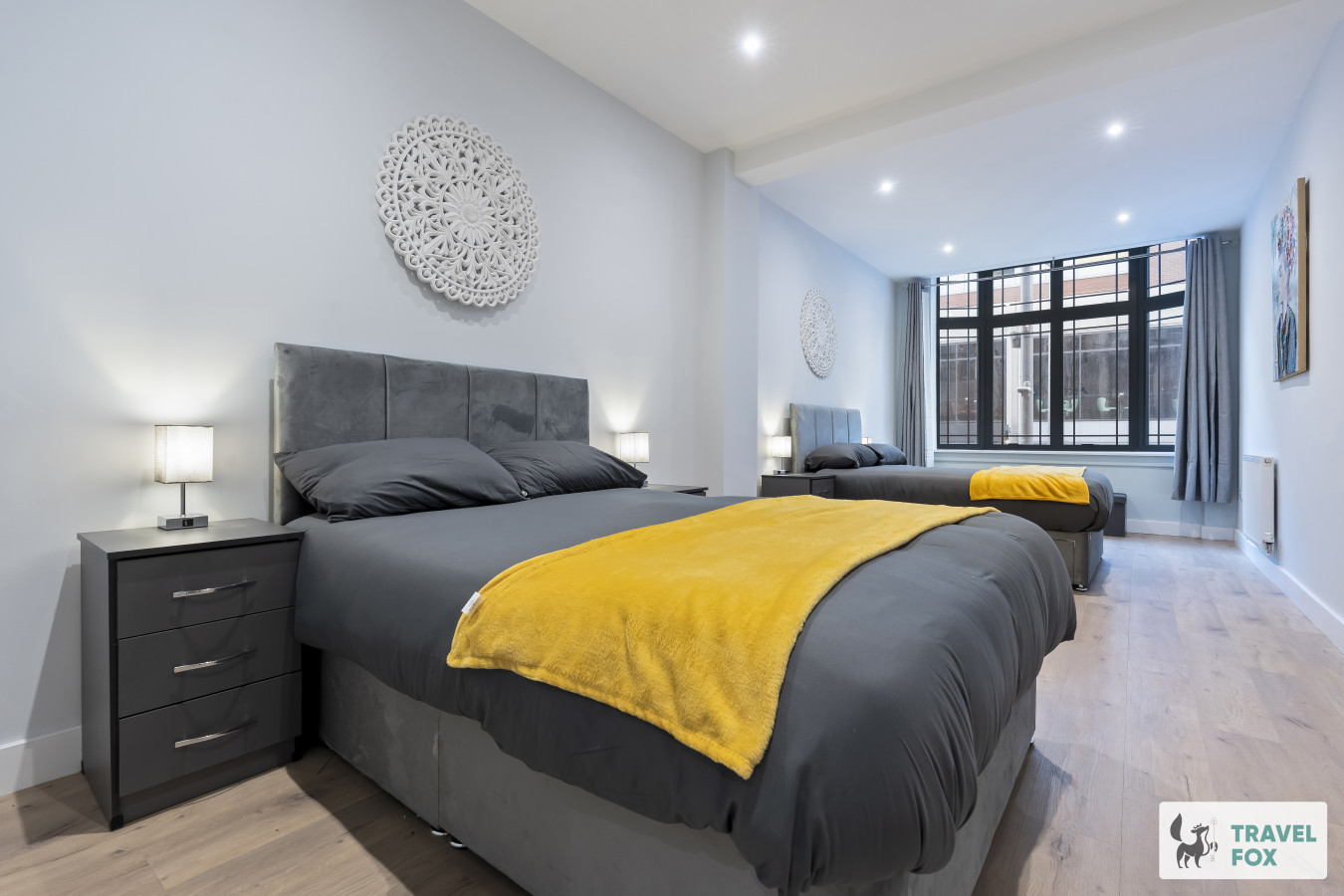
Nottingham
Anna's Central Stay
- Sleeps 16
- 5 bedrooms
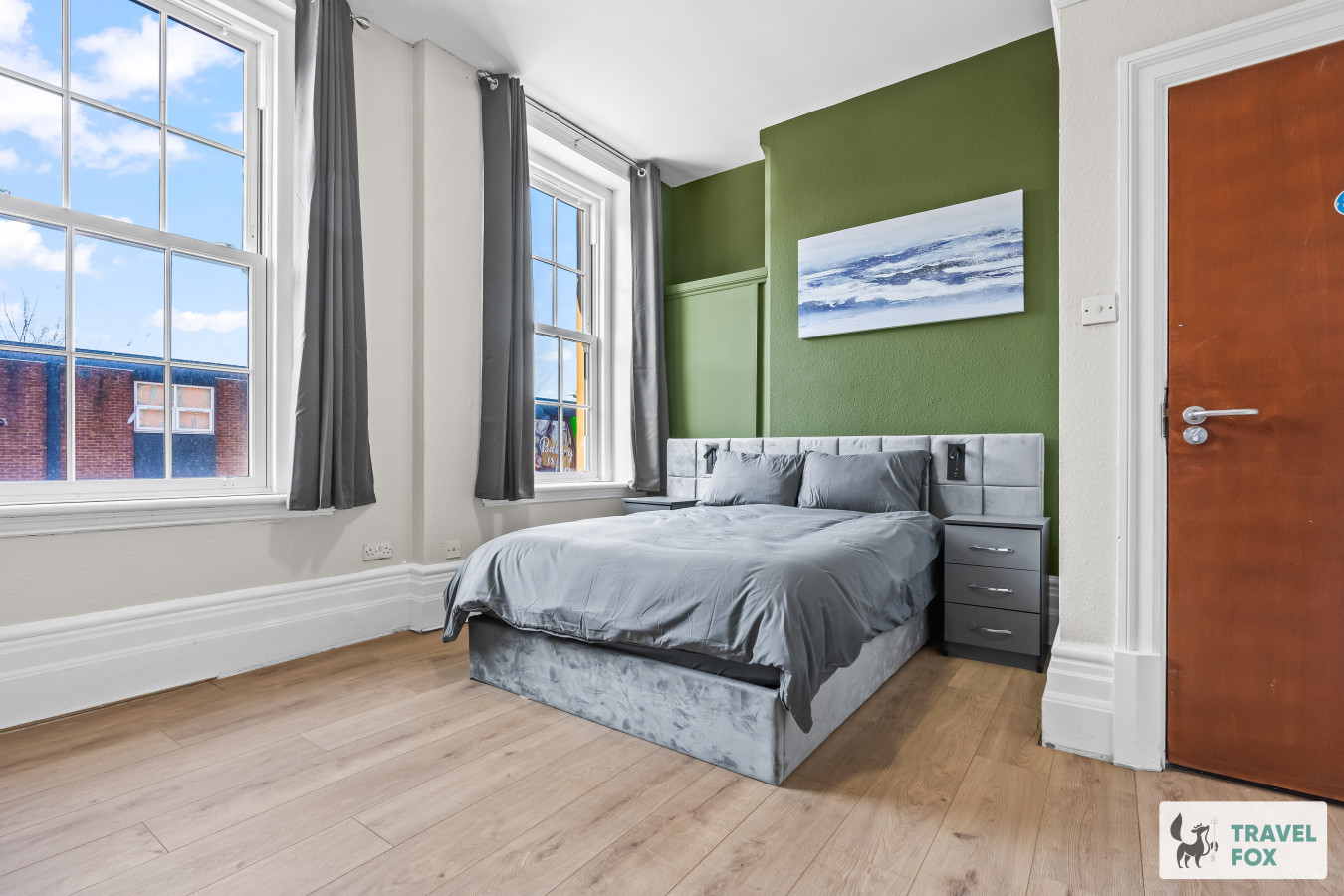
Nottingham
Melissa's Central Stay
- Sleeps 13
- 5 bedrooms
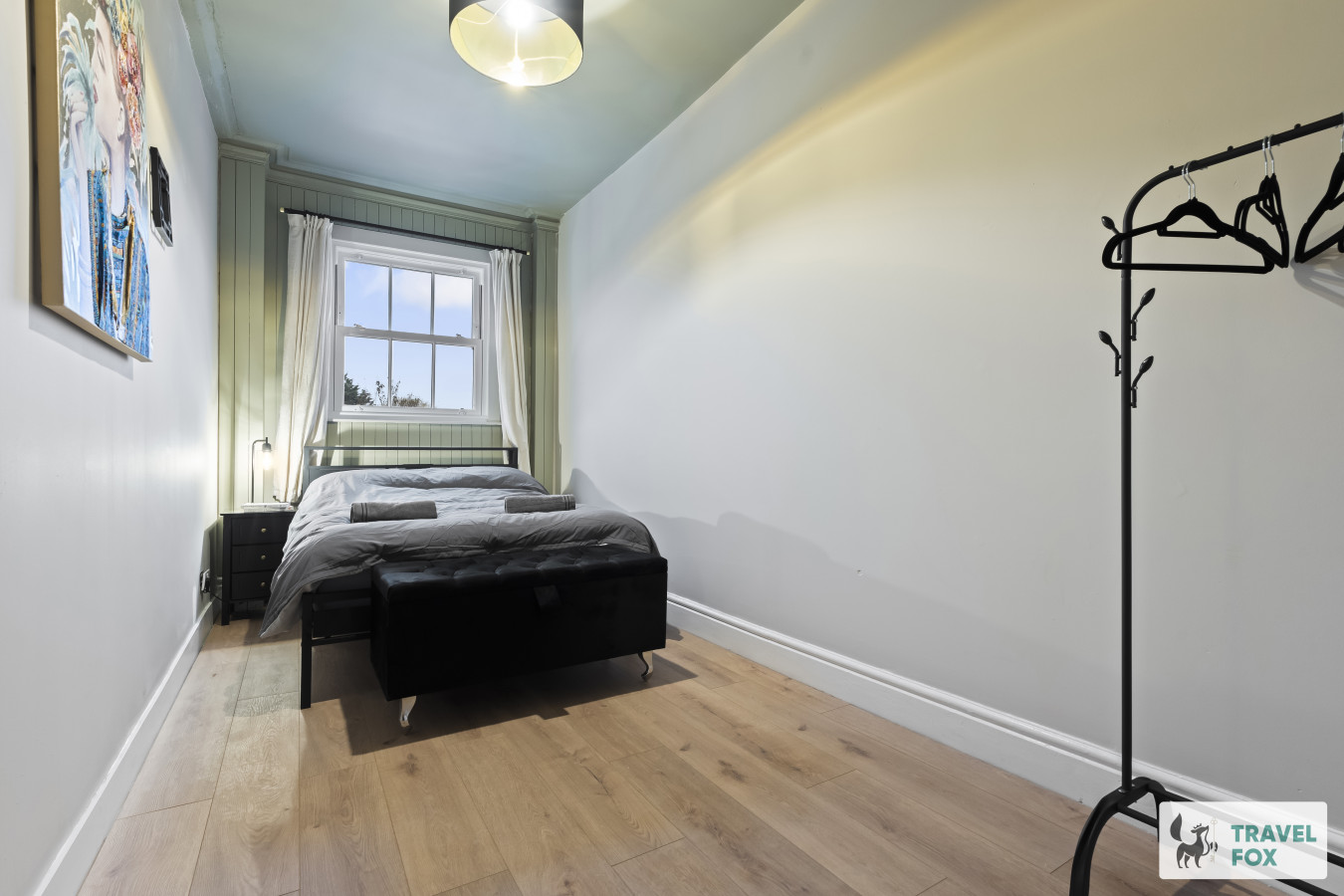
Nottingham
Callie's Central Stay
- Sleeps 9
- 3 bedrooms
For homeowners
Own a holiday home near Cuckney?
We manage holiday lets across the UK from 12% commission, charged after cleaning costs, with no lock-in. A co-founder visits before you decide.
How our holiday let management works →
A guide with a point of view
Written from research. Edited for real journeys.
Use the Official site links for live practical details, then use this guide for context, ideas and room to explore.
Sources
Every place on this page is checked against a published source. Each entry links the record we used and names who publishes it.
- The Greendale Oak — greendaleoak.co.uk operator, sector body or destination organisation
- St Mary's Church — historicengland.org.uk statutory register or public authority record not machine-readable; publisher restricts automated access
- Cuckney Castle Earthworks — historicengland.org.uk statutory register or public authority record not machine-readable; publisher restricts automated access
- River Poulter Millpond — historicengland.org.uk statutory register or public authority record not machine-readable; publisher restricts automated access
- Welbeck Farm Shop — welbeckfarmshop.co.uk operator, sector body or destination organisation
- The Harley Café — welbeckfarmshop.co.uk other published source