
A Trent Valley pause
East Drayton
A small village with a richly detailed medieval church and routes across the Trent Valley landscape.
- Best for
- Medieval architecture, village history and nearby routes
- Village landmark
- Grade I St Peter's Church
- Don't miss
- St Peter's carved south porch
The Fox verdict
Come for St Peter's and the Trent Valley
East Drayton pairs medieval craftsmanship with nearby walking and cycling routes.
St Peter's anchors the village; Fledborough Viaduct carries National Cycle Route 647 over the Trent. Dunham Toll Bridge adds another historic river crossing to the east.
Where to go
Places in East Drayton
Every place below is checked against a published source, listed with what it is and how long to give it.
Local signatures
3 placesSt Peter's Church
A Grade I medieval parish church with a carved 15th-century south porch, a wooden rood screen and a 14th-century incised floor slab.
- Visit length
- Editorial estimate: around 45 minutes
- Locality
- At the crossroads of Top Street, Low Street, Church Lane and North Green
Dunham Toll Bridge
A historic Trent crossing built in 1832 and rebuilt in steel in 1978, between Newark and Gainsborough.
- Visit length
- Editorial estimate: around 20 minutes
- Locality
- At the A57 crossing near Dunham-on-Trent
Fledborough Viaduct
A former railway viaduct carrying National Cycle Route 647 across the River Trent, with fifty-nine brick arches and four metal girder spans over the river.
- Visit length
- Editorial estimate: around 30 minutes
- Locality
- Across the River Trent between Fledborough and Clifton-on-Trent
Walks & outdoors
1 placeClumber Park
A former ducal estate with parkland, gardens and a lake, offering paths through woods and open landscape. Central Bark Car Park is a named start for a walk in the park.
- Visit length
- Editorial estimate: around 150 minutes
- Locality
- Clumber Park near Worksop; start at Central Bark Car Park
History & heritage
1 placeSt Gregory's Church, Fledborough
A medieval church above the River Trent flood plain, with medieval tombs, fourteenth-century stained glass and two surviving panels of an Easter sepulchre.
- Visit length
- Editorial estimate: around 45 minutes
- Locality
- Fledborough, above the River Trent flood plain
No places match this filter. Choose All places to reset the list.
Three ways to explore East Drayton
Signature outings
St Peter's carved porch
St Peter's Church combines a Grade I medieval exterior with a carved 15th-century south porch, a wooden rood screen and a 14th-century incised floor slab.
St Gregory's Church, Fledborough
St Gregory's Church is a medieval church set above the River Trent flood plain, with medieval tombs and fourteenth-century stained glass.
Explore Clumber Park
Walk among the former ducal estate's parkland, gardens and lake near Worksop.
The village story
St Peter's and the Trent Valley at East Drayton
A Grade I medieval church, village history and routes through the Trent Valley landscape.
East Drayton's Historic Buildings
East Drayton's Old Harrow Inn on Top Street is a Grade II-listed former public house, now a cottage.
The former public house spans late 17th-, early 18th- and 19th-century phases. Its fabric includes red brick, surviving timber framing and pantile roofs.
Village Lanes
East Drayton lies in the flat, low-lying clay country of the Trent Valley.
Quiet lanes and open countryside extend around the crossroads, making the streets and nearby paths the focus of a visit.
St Peter's and Drayton
The village's four streets — Top Street, Low Street, Church Lane and North Green — meet at a crossroads centred on St Peter's Church. The Grade I church is almost entirely Perpendicular outside, with a 15th-century south porch carved with human heads and animal figures beneath a ribbed stone vault built to resemble timber. Inside are a wooden rood screen of the same period and a 14th-century incised floor slab with a simple cross.
The Domesday survey recorded the place simply as "Drayton"; the "East" was added later to distinguish it from West Drayton, four miles west. The settlement was held by King Edward in 1066 and King William in 1086; Domesday recorded 33 households and 13 plough teams.
Hawksmoor and the Trent
Architect Nicholas Hawksmoor was born near East Drayton in 1661. At about eighteen he went to London to work for Christopher Wren, later collaborated with John Vanbrugh on Castle Howard and Blenheim Palace, and designed six London churches.
National Cycle Route 647 follows a disused railway path across the Trent on Fledborough Viaduct, which has fifty-nine brick arches and four river spans. Farther north along the Trent, Dunham Toll Bridge carries the A57 over the river on piers dating from the original 19th-century crossing.
Further Afield and the Tower
Clumber Park near Worksop, about 9.5 miles from East Drayton to its Central Bark Car Park in a straight line, has parkland, gardens and a lake for a longer outing. East Drayton is included in Nottinghamshire's on-demand bus zone, and Retford is the nearest station.
Painted wedding 'cake rings' sit high on the tower walls, commemorating a local custom from the 18th and 19th centuries. They hang above the former ringing gallery.
Stay around Nottinghamshire
Make a longer stay of it
Travel Fox holiday homes around Nottinghamshire, linked directly to their property pages.
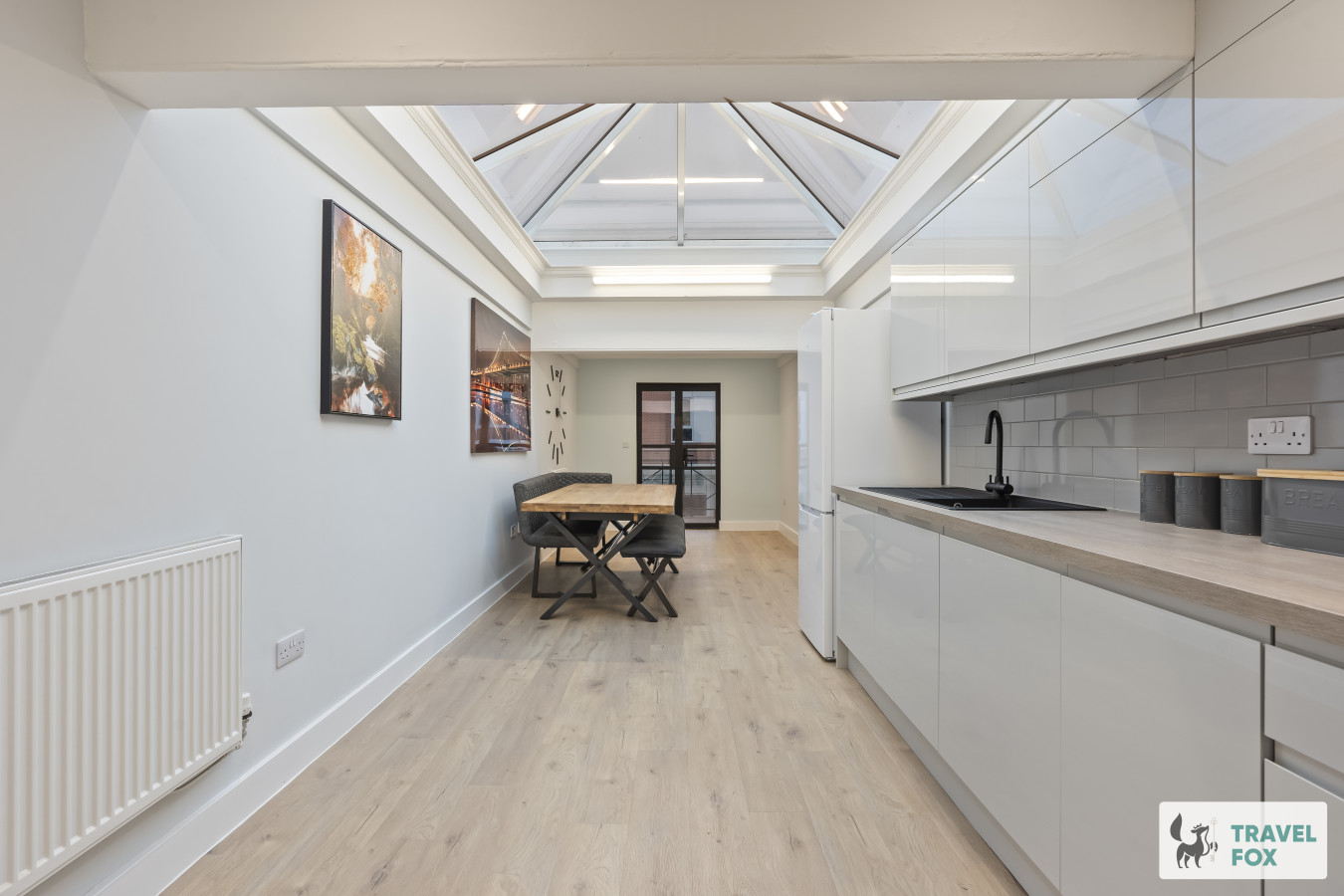
Nottingham
Camila's Penthouse Central Stay with Balcony
- Sleeps 16
- 5 bedrooms
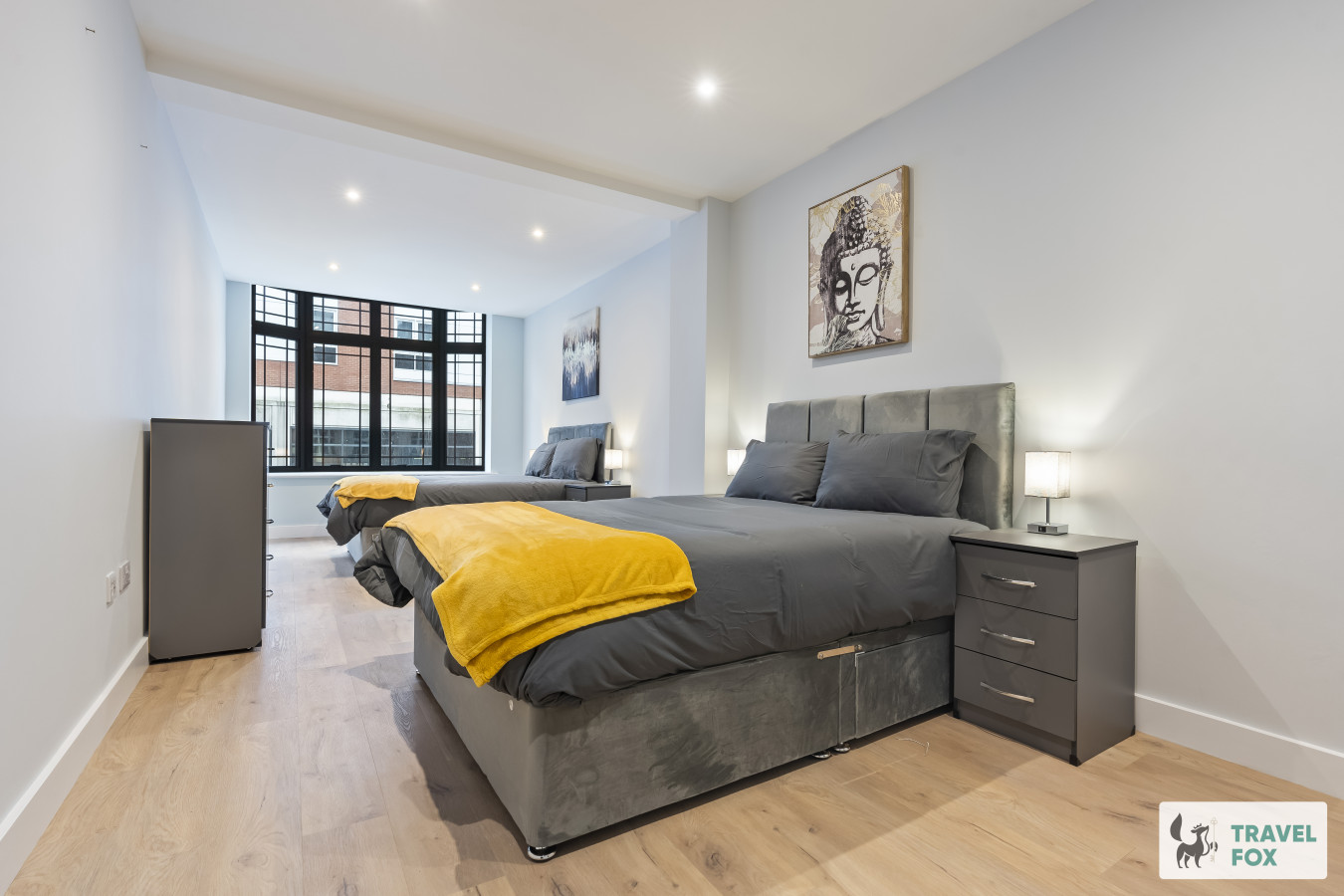
Nottingham
Blair's Central Stay
- Sleeps 16
- 5 bedrooms
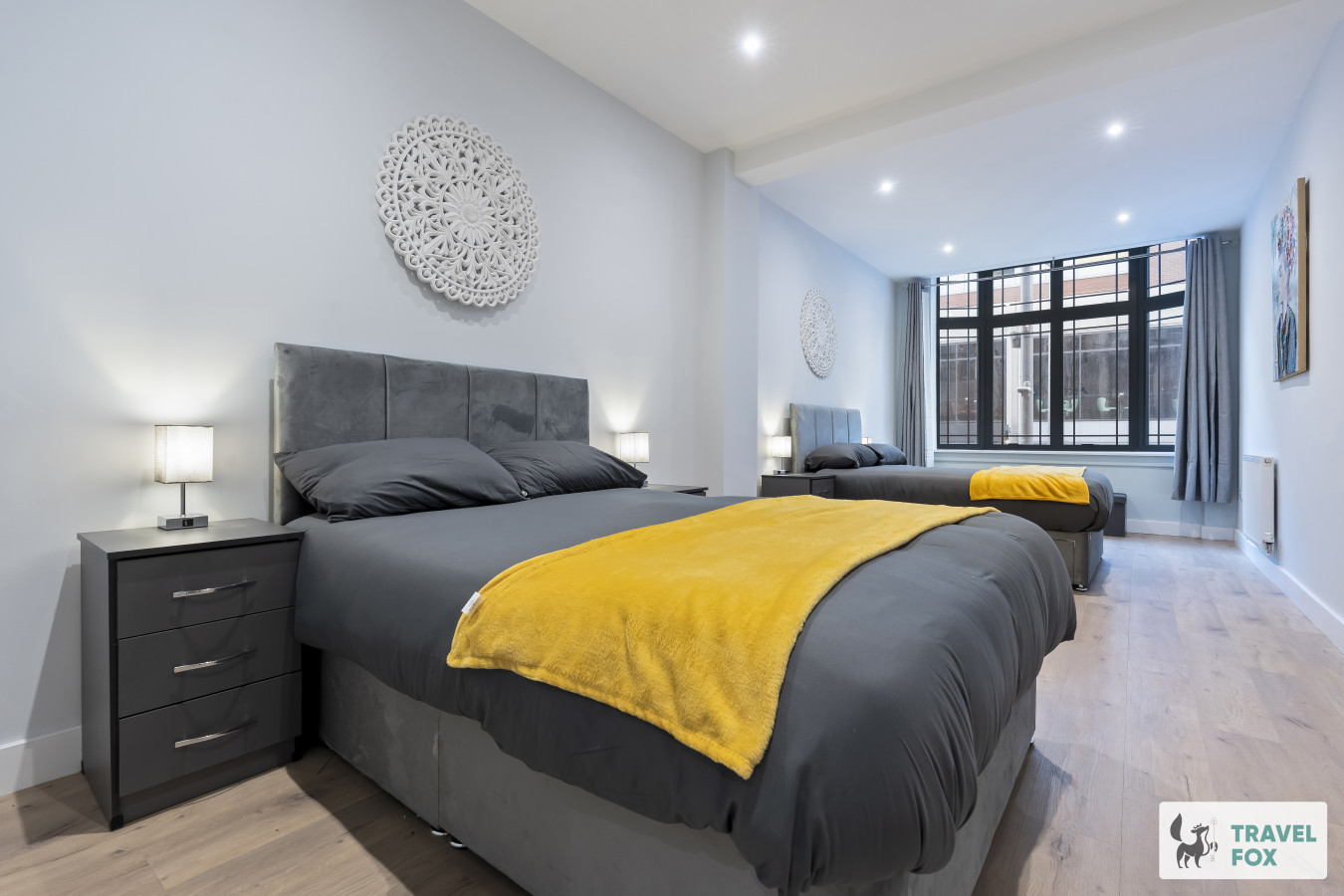
Nottingham
Anna's Central Stay
- Sleeps 16
- 5 bedrooms
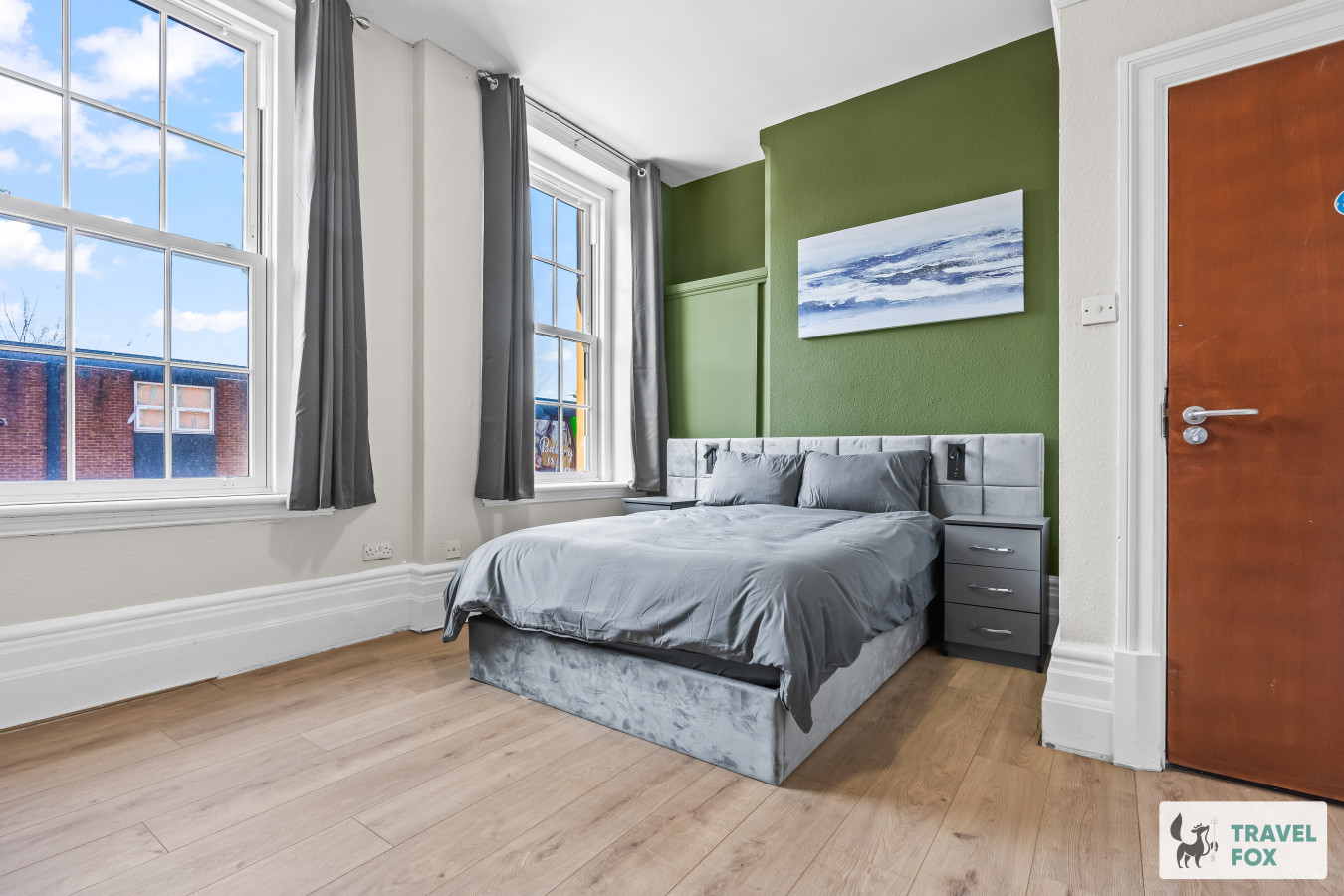
Nottingham
Melissa's Central Stay
- Sleeps 13
- 5 bedrooms
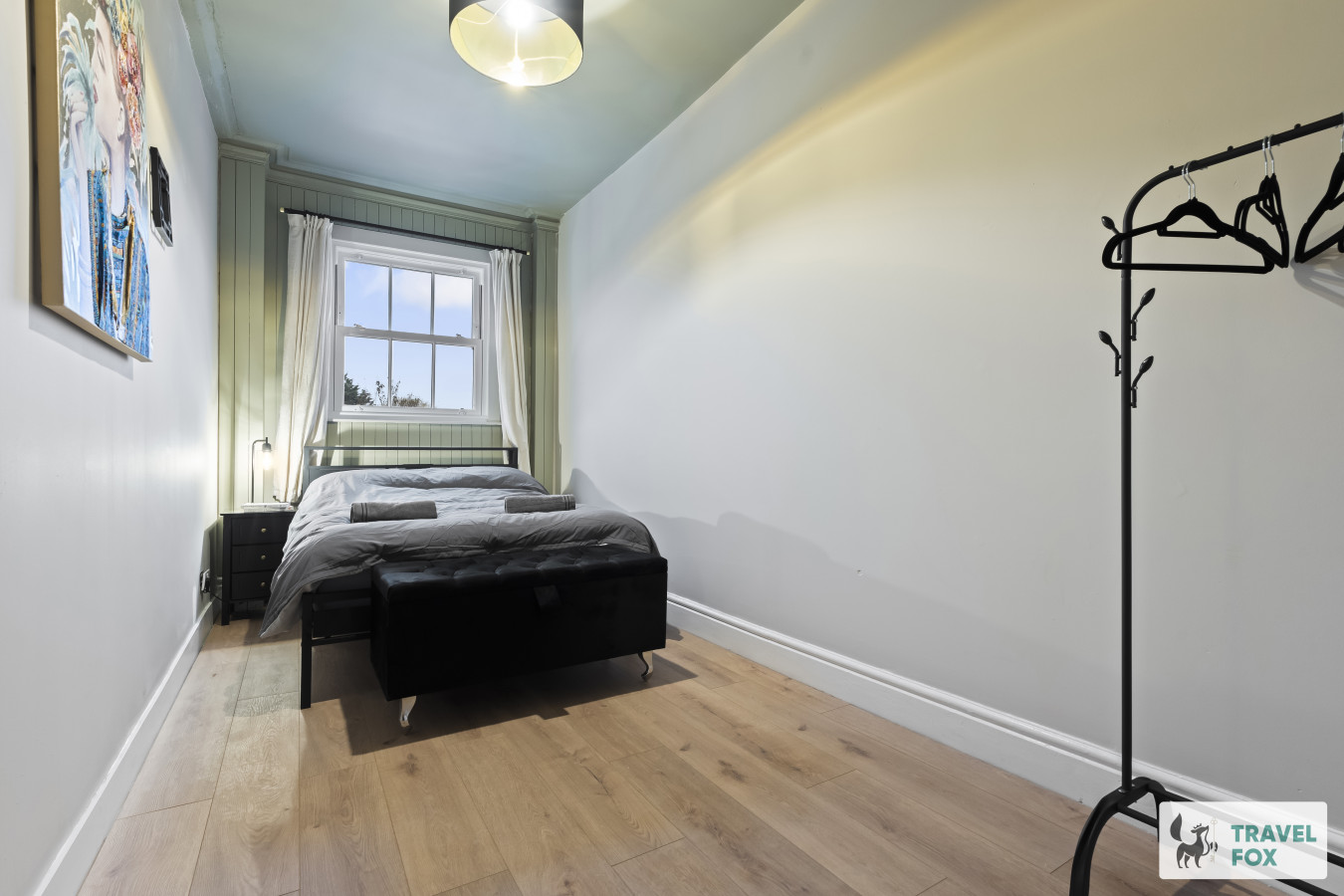
Nottingham
Callie's Central Stay
- Sleeps 9
- 3 bedrooms
For homeowners
Own a holiday home near East Drayton?
We manage holiday lets across the UK from 12% commission, charged after cleaning costs, with no lock-in. A co-founder visits before you decide.
How our holiday let management works →
A guide with a point of view
Written from research. Edited for real journeys.
Use the Official site links for live practical details, then use this guide for context, ideas and room to explore.
Sources
Every place on this page is checked against a published source. Each entry links the record we used and names who publishes it.
- St Peter's Church — historicengland.org.uk statutory register or public authority
- Dunham Toll Bridge — dunhambridge.co.uk operator, sector body or destination organisation
- Fledborough Viaduct — walkwheelcycletrust.org.uk operator, sector body or destination organisation
- St Gregory's Church, Fledborough — visitchurches.org.uk operator, sector body or destination organisation
- Clumber Park — nationaltrust.org.uk operator, sector body or destination organisation