
The last pitched battle of the Wars of the Roses
East Stoke
A small village near the Trent water meadows, with a battlefield trail and medieval church; Eden Hall Day Spa is nearby in Elston.
- Best for
- Battlefield walking and church history
- Give it
- Ninety minutes for the battlefield trail
- Don't miss
- Red Gutter and St Oswald's historic objects
The Fox verdict
A quiet village with a decisive battlefield story
East Stoke pairs a marked battlefield walk with the layered interior of St Oswald's and the water meadows beside the Trent.
The Battle of Stoke Field Trail is the main reason to visit, following interpretation panels from Trent Lane past St Oswald's Church to its final panel on Fosse Road. Nearby options include Eden Hall Day Spa in Elston and the Bromley at Fiskerton, which requires a road journey from East Stoke.
Where to go
Places in East Stoke
Every place below is checked against a published source, listed with what it is and how long to give it.
Local signatures
3 placesBattle of Stoke Field Trail
A marked trail with five interpretation panels covering Burrand Furlong, Red Gutter and the final approach to St Oswald's Church.
- Visit length
- Editorial estimate: Allow around 1.5 hours
- Locality
- starting on Trent Lane, opposite Eden Hall Day Spa
- Access
- Stony public bridleway and footpath sections; not suitable for buggies or limited mobility.
Eden Hall Day Spa
A Grade II* listed Victorian mansion used as a day spa, with an outdoor hydrotherapy pool, a saltwater vitality pool, a thermal suite and two dining options.
- Visit length
- Editorial estimate: Allow around 3 hours
- Locality
- just off the A46 via the Thorpe/East Stoke/Elston slip road
The Bromley at Fiskerton
A riverside pub and restaurant at Fiskerton with a garden overlooking the Trent. Reaching it from East Stoke requires a road journey.
- Visit length
- Editorial estimate: Allow around 1 hour 15 minutes
- Locality
- Fiskerton, on the opposite bank of the Trent; reached from East Stoke by road
History & heritage
2 placesSt Oswald's Church
A Grade II* church with a 13th-century west tower, four bells cast in 1591, medieval glass and objects linked to Lord Pauncefote.
- Visit length
- Editorial estimate: Allow around 30 minutes
- Locality
- adjacent to Stoke Hall
Trent Lane river approach
Trent Lane approaches the river on the East Stoke side near the historic Fiskerton crossing. A ferry once linked the banks, but the old ford has been lost.
- Visit length
- Editorial estimate: Allow around 1 hour
- Locality
- Trent Lane on the East Stoke side of the river
No places match this filter. Choose All places to reset the list.
Three ways to explore East Stoke
Signature outings
Follow Trent Lane
Look towards Fiskerton from the East Stoke bank: Yorkist rebels crossed at a ford that was later lost to river improvement.
Unwind at Eden Hall
The spa occupies Elston Towers, a country house built for Robert Middleton in 1872; its listed interiors include marble-lined rooms and coloured glass.
Trace Pauncefote's story
See the Union Jack that covered Lord Pauncefote's coffin and the bronze angel above his churchyard grave.
The village story
From Trent Lane to the Red Gutter
A Trent-side village shaped by an old Roman road, a vanished ferry and the last pitched battle of the Wars of the Roses.
Fosse Way and the lost village pub
Red-roofed houses gather around a crossroads where the Fosse Way used to run straight through, splitting the village in two until the A46 bypass took the traffic half a mile east in 2012. The Trent sits about half a mile further on, through water meadows with great trees leaning over the churchyard wall.
There's no pub in East Stoke any more. The Pauncefote Arms on the Fosse Road ran as a village pub and an award-winning restaurant for more than twelve years before it closed. Nobody has reopened it.
The lost crossing and Elston's spa
The Bromley sits at Fiskerton on the far bank of the Trent, with a riverside garden. A ferry once crossed here on the old route between Newark and Nottingham, but the former ford has been lost. From East Stoke, the track leads towards the river, not across it; visiting the pub now means taking a road journey.
Bring any supplies you need for the walk. Nearby in Elston, Eden Hall occupies a Victorian mansion with an outdoor hydrotherapy pool, a saltwater vitality pool and a spa garden.
A small village and its battlefield trail
East Stoke parish recorded 175 residents in the 2021 census.
The main reason people come is the walk. The Battle of Stoke Field Trail starts on Trent Lane, diagonally opposite Eden Hall, and takes about ninety minutes over bridleway, footpath and pavement — unsuitable for buggies or people with limited mobility. Five panels trace the battle through the riverside landscape and past the Red Gutter. The route passes St Oswald's, which has battlefield displays inside, before reaching its final panel on Fosse Road. Laybys on Fosse Road are about 300 yards from the start; route 90 stops at East Stoke, Moor Lane.
St Oswald's and the Pauncefote legacy
St Oswald's is Grade II* listed, its squat west tower thirteenth-century, its four bells cast in 1591 by Henry II Oldfield of Nottingham. There's medieval glass in the chancel window and a piscina of similar age. The stones in the porch are grooved and worn, said locally to have been hollowed out by soldiers sharpening their swords after the battle.
Inside, a Union Jack that once flew over the British Embassy in Washington hangs near the tower. It draped the coffin of Julian, Lord Pauncefote, Britain's first ambassador to the United States, when his body was brought home in 1902; he's buried in the churchyard under a bronze angel. The oak pulpit was carved by Mrs Henry Bromley, of the family at Stoke Hall next door, now a wedding venue.
Three hours that settled a crown
The battle itself lasted about three hours. Henry VII's army, roughly 12,000 strong, met a Yorkist force built around German and Swiss mercenaries and Irish troops rallying behind a boy called Lambert Simnel, put forward as a rival king. Estimates of the dead run to several thousand. Simnel was pardoned and sent to work in the royal kitchens as a spit-turner. He was later promoted to falconer.
Stay around Nottinghamshire
Make a longer stay of it
Travel Fox holiday homes around Nottinghamshire, linked directly to their property pages.
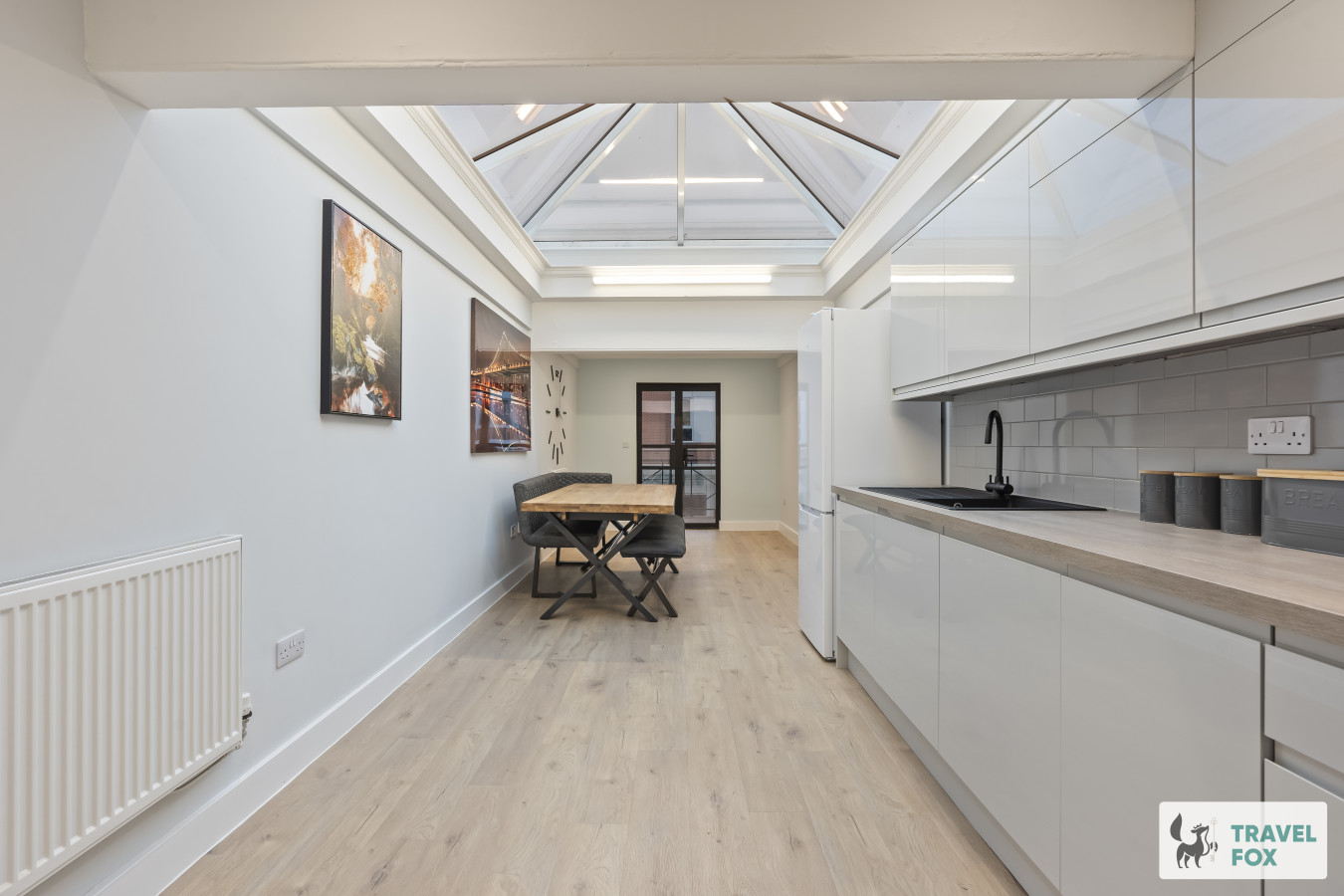
Nottingham
Camila's Penthouse Central Stay with Balcony
- Sleeps 16
- 5 bedrooms
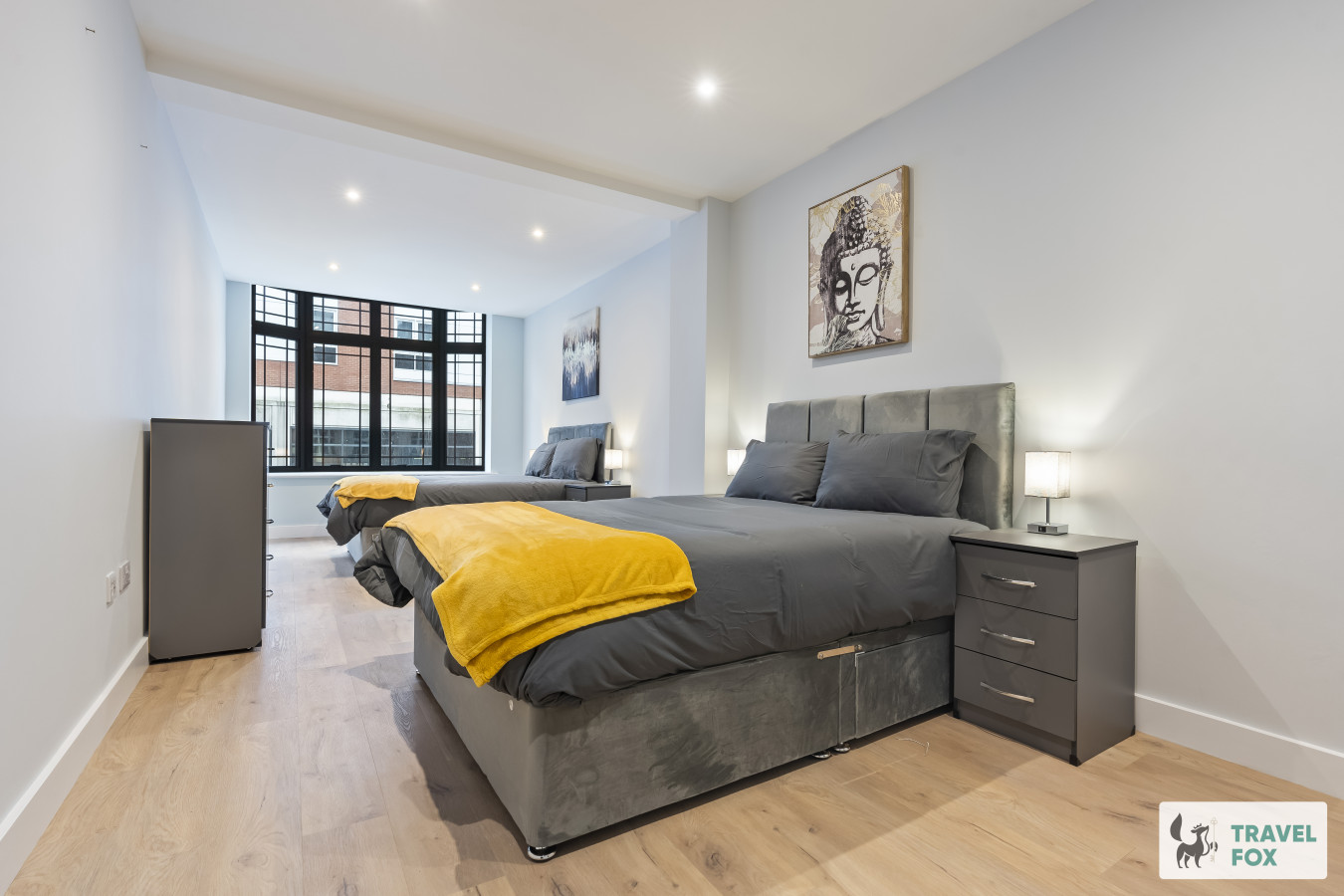
Nottingham
Blair's Central Stay
- Sleeps 16
- 5 bedrooms
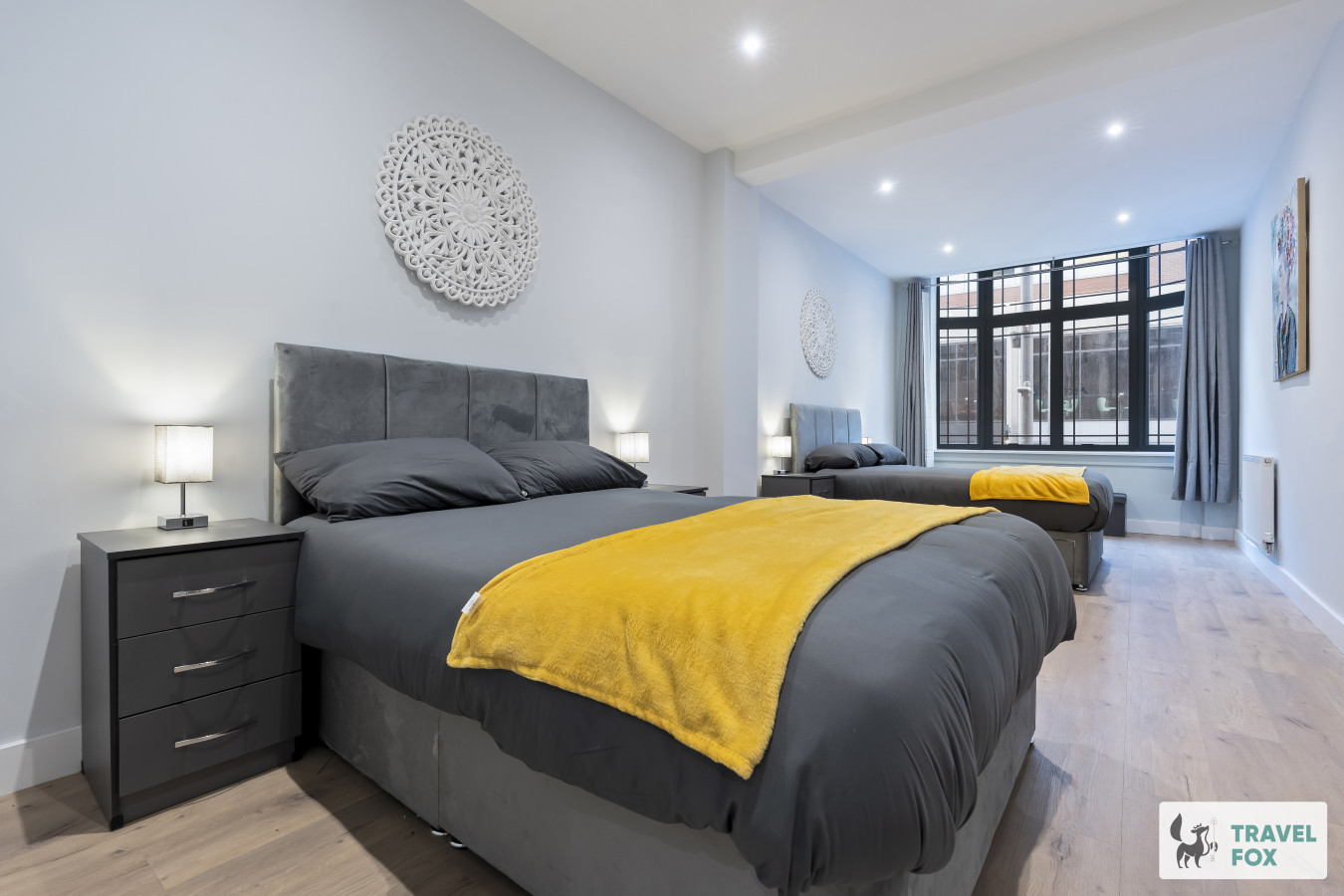
Nottingham
Anna's Central Stay
- Sleeps 16
- 5 bedrooms
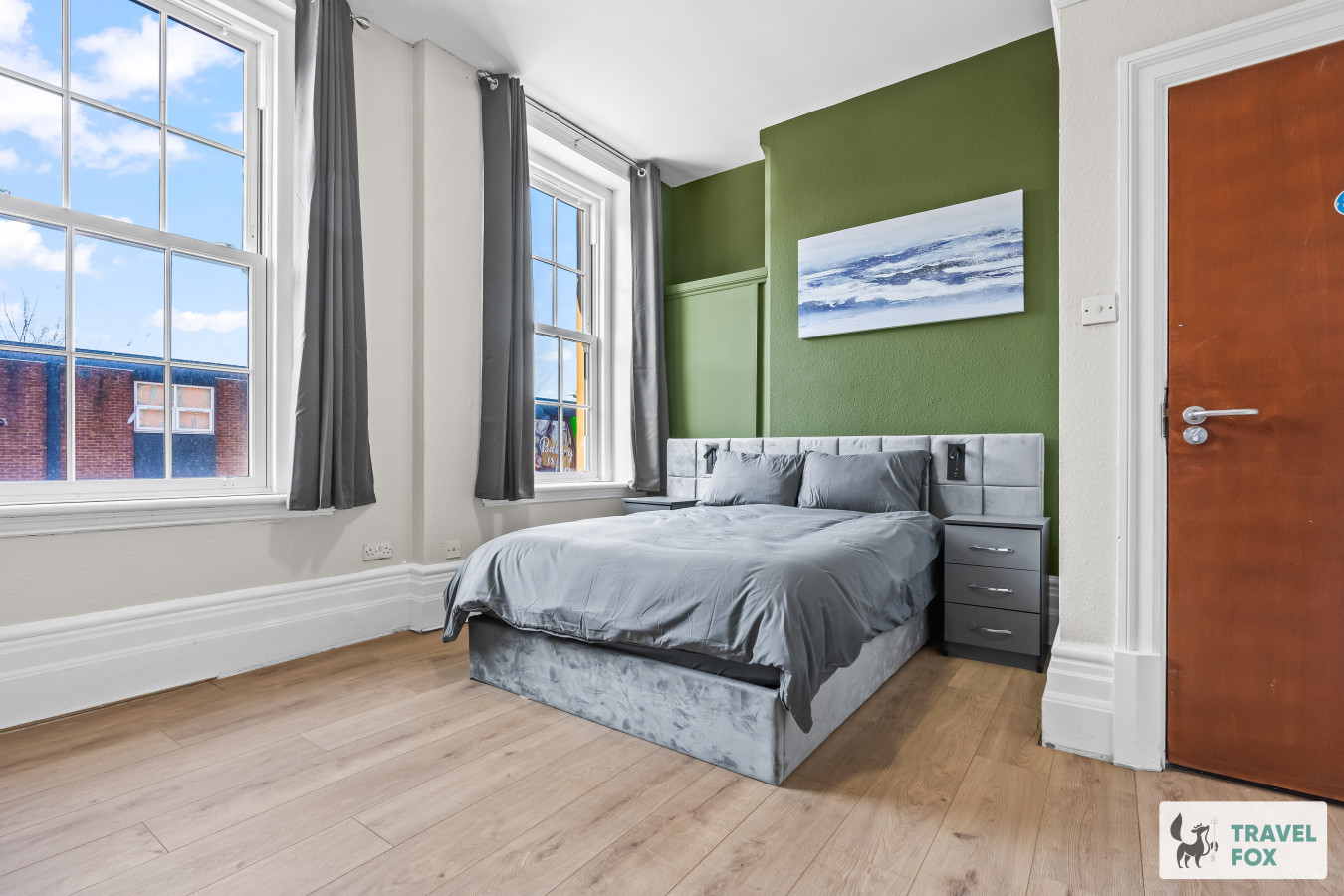
Nottingham
Melissa's Central Stay
- Sleeps 13
- 5 bedrooms
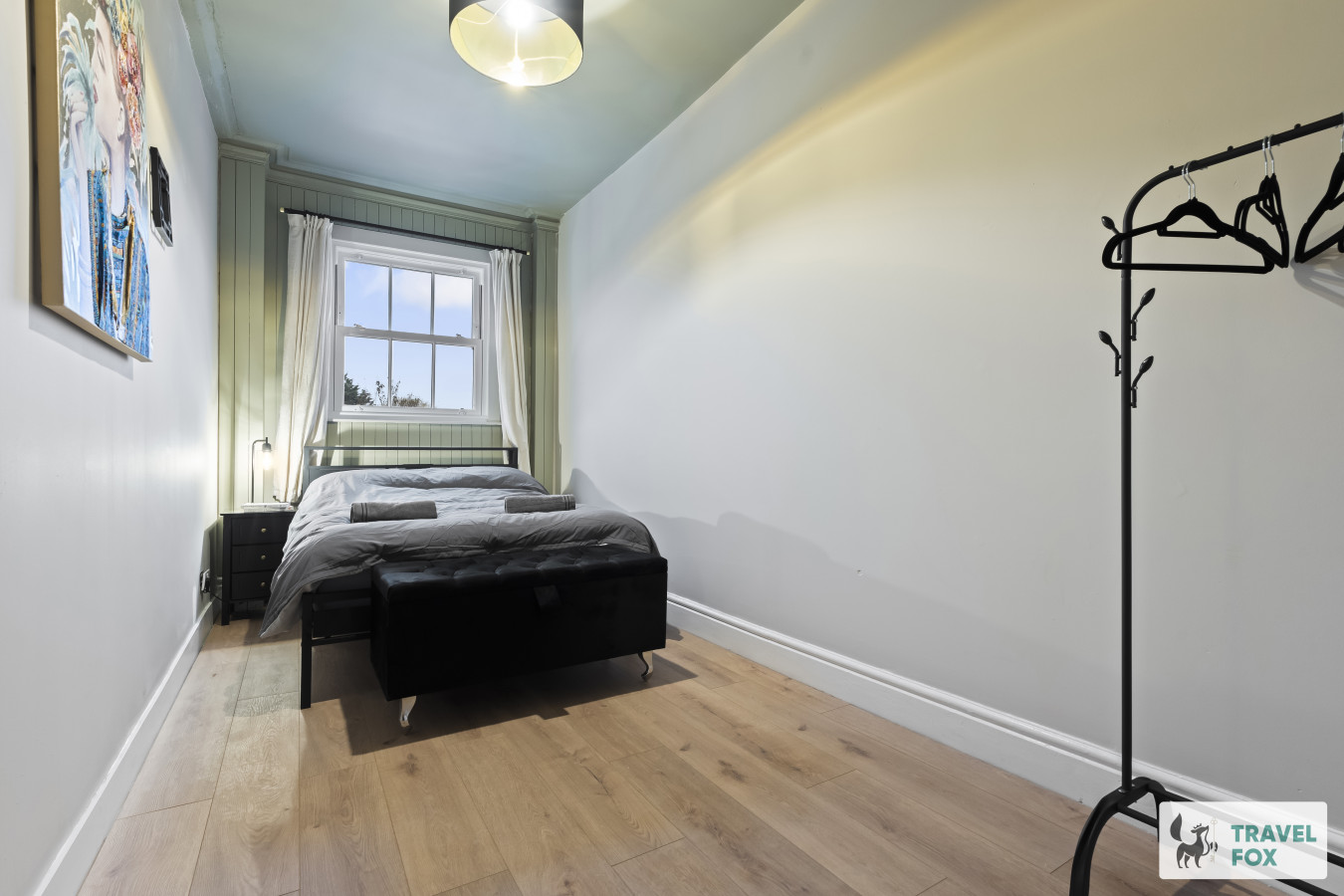
Nottingham
Callie's Central Stay
- Sleeps 9
- 3 bedrooms
For homeowners
Own a holiday home near East Stoke?
We manage holiday lets across the UK from 12% commission, charged after cleaning costs, with no lock-in. A co-founder visits before you decide.
How our holiday let management works →
A guide with a point of view
Written from research. Edited for real journeys.
Use the Official site links for live practical details, then use this guide for context, ideas and room to explore.
Sources
Every place on this page is checked against a published source. Each entry links the record we used and names who publishes it.
- Battle of Stoke Field Trail — nottinghamshire.gov.uk statutory register or public authority
- St Oswald's Church — achurchnearyou.com national body or asset manager
- Eden Hall Day Spa — visit-nottinghamshire.co.uk operator, sector body or destination organisation
- The Bromley at Fiskerton — bromleyfiskerton.co.uk operator, sector body or destination organisation
- Trent Lane river approach — hugofox.com other published source