
Shrine, motte and village table
Egmanton
A small farming village with a living pilgrimage tradition, a Norman castle mound and the last survivor of its three historic pubs.
- Best for
- Church history, Norman earthworks and pub food
- Give it
- Time for the church, motte and a meal
- Don't miss
- The medieval pilgrims' crosses at St Mary's
The Fox verdict
A living shrine beside a Norman past
Egmanton brings together medieval pilgrimage marks, a revived shrine, a 14-metre castle motte and a reopened village pub.
St Mary's is the village set piece, where Norman and 15th-century fabric sits within a largely Victorian rebuilding and the Shrine of Our Lady continues to draw organised pilgrimages. Gaddick Hill supplies the post-Conquest earthwork, while the Old Plough Inn adds the village's surviving pub story and a place for a meal.
Where to go
Places in Egmanton
Every place below is checked against a published source, listed with what it is and how long to give it.
Local signatures
3 placesChurch of St Mary and the Shrine of Our Lady of Egmanton
A Grade I church with visible Norman fabric, a 15th-century west tower, Ninian Comper's gilded shrine and medieval pilgrims' crosses scratched into the south door and north aisle.
- Visit length
- Editorial estimate: allow around 45 minutes
- Locality
- Egmanton
Gaddick Hill motte-and-bailey castle
A 14-metre motte built by Roger de Busli shortly after the Conquest, described in the research as one of Nottinghamshire's best-preserved examples; a farm now occupies the old bailey.
- Visit length
- Editorial estimate: allow around 45 minutes
- Locality
- behind the village
The Dovecote Inn
A country inn on Cross Hill in Laxton, beside the separate visitor centre for the village’s open-field heritage.
- Visit length
- Editorial estimate: allow around 75 minutes
- Locality
- village centre, Laxton
Food & drink
1 placeThe Old Plough Inn
Egmanton's sole surviving historic pub has reopened under John and Lisa Gregory, with John cooking home-made food including steak and Guinness pie, a fillet steak burger and Sunday roast.
- Visit length
- Editorial estimate: allow around 90 minutes
- Locality
- Main Street
History & heritage
1 placeLaxton open-field system
England's last village still working a medieval open-field system, where three great fields are farmed in narrow strips and a Court Leet jury oversees the arrangement.
- Visit length
- Editorial estimate: allow around 90 minutes
- Locality
- Laxton
No places match this filter. Choose All places to reset the list.
Three ways to explore Egmanton
Signature outings
Make the Old Plough the meal stop
Egmanton's sole surviving pub serves home-cooked dishes under chef and co-owner John Gregory, including steak and Guinness pie and Sunday roast.
Find the crosses at St Mary's
Look for the medieval pilgrims' crosses at the south door before seeing Comper's gilded Virgin and Child on the north wall of the chancel.
See Laxton's open fields
Laxton's South, West and Mill fields remain divided into narrow strips overseen by a Court Leet jury.
The village story
A shrine village between Tuxford and Laxton
The locked article moves from Egmanton's surviving pub and neighbouring villages to its church, Norman motte, walking links and a pilgrimage banner kept for the next gathering.
The last pub and the missing shop
The sign outside the Old Plough Inn on Main Street doesn't need to mention Egmanton's other two pubs, because neither has existed since 1880. The New Plough and the Rose and Crown are gone; the Old Plough closed briefly too, in early 2024, before John and Lisa Gregory bought it and reopened. John is head chef, classically trained to rosette standard, with more than 25 years behind him: beef steak and Guinness pie under a puff pastry lid with hand-cut chips, an 8oz fillet steak burger with Poacher cheddar, baby gem and bacon. Sunday roast runs midday to six; lunch is Wednesday to Saturday. One TripAdvisor reviewer called it "the best Sunday dinner I have had in a long time." Dogs are welcome in the beer garden, where Black Sheep Best Bitter is on the pumps. Until the early 1980s the Old Plough incorporated the village shop, the last one Egmanton had.
There's no shop in Egmanton now. Tuxford has shops, the A1 junction and buses. Laxton still farms three great open fields in narrow medieval strips, the last village in England to do so, overseen every November by a Court Leet jury. The Dovecote Inn stands beside Laxton Visitor Centre and has four dining areas and a changing list of real ales.
A Victorian church with a medieval memory
Egmanton's own set piece is the church. St Mary's looks largely Victorian outside — most of the fabric is, after an 1896–98 rebuilding paid for by the 7th Duke of Newcastle — but the tower is 15th century, with Norman stonework underneath it all. On the north wall of the chancel is the Shrine of Our Lady of Egmanton, designed by Ninian Comper: a gilded Virgin and Child on a painted bracket, ringed by a garland of red and white roses. The medieval original was destroyed in the Reformation in 1547 and stayed that way until 1929, when the first organised Easter pilgrimage in centuries drew visitors from Leicester, Leeds, Sheffield and Lincoln. The Society of Our Lady of Egmanton still runs three a year, opening with a Pilgrim Mass at noon. Pilgrims' crosses scratched into the stone of the south door by medieval visitors are still there to find.
The Norman mound behind the village
Behind the village, Gaddick Hill rises 14 metres — the motte of a castle built by Roger de Busli shortly after 1066, one of the best-preserved in Nottinghamshire, now a mound with a farm on the old bailey. Domesday valued the whole place at £4, unchanged from 1066.
Paths to Laxton and Moorhouse
Walks go in most directions: a circular route to Laxton and back is just under eight miles of footpaths and lanes past open farmland, and Walk 55 on the Farnsfield Walks blog links Egmanton, Laxton and Moorhouse along the edge of Egmanton Wood. Buses are Nottsbus On Demand, a bookable minibus reached by app, or the 37 from Tuxford to Retford and Newark.
The banner waiting for pilgrimage
In 1930 the Reverend Alfred Hope Patten, who had restored the shrine at Walsingham, visited Egmanton and left a banner as a gift. It's still kept at the church, in a village of under 300 people, folded away until the next pilgrimage needs it.
Stay around Nottinghamshire
Make a longer stay of it
Travel Fox holiday homes around Nottinghamshire, linked directly to their property pages.
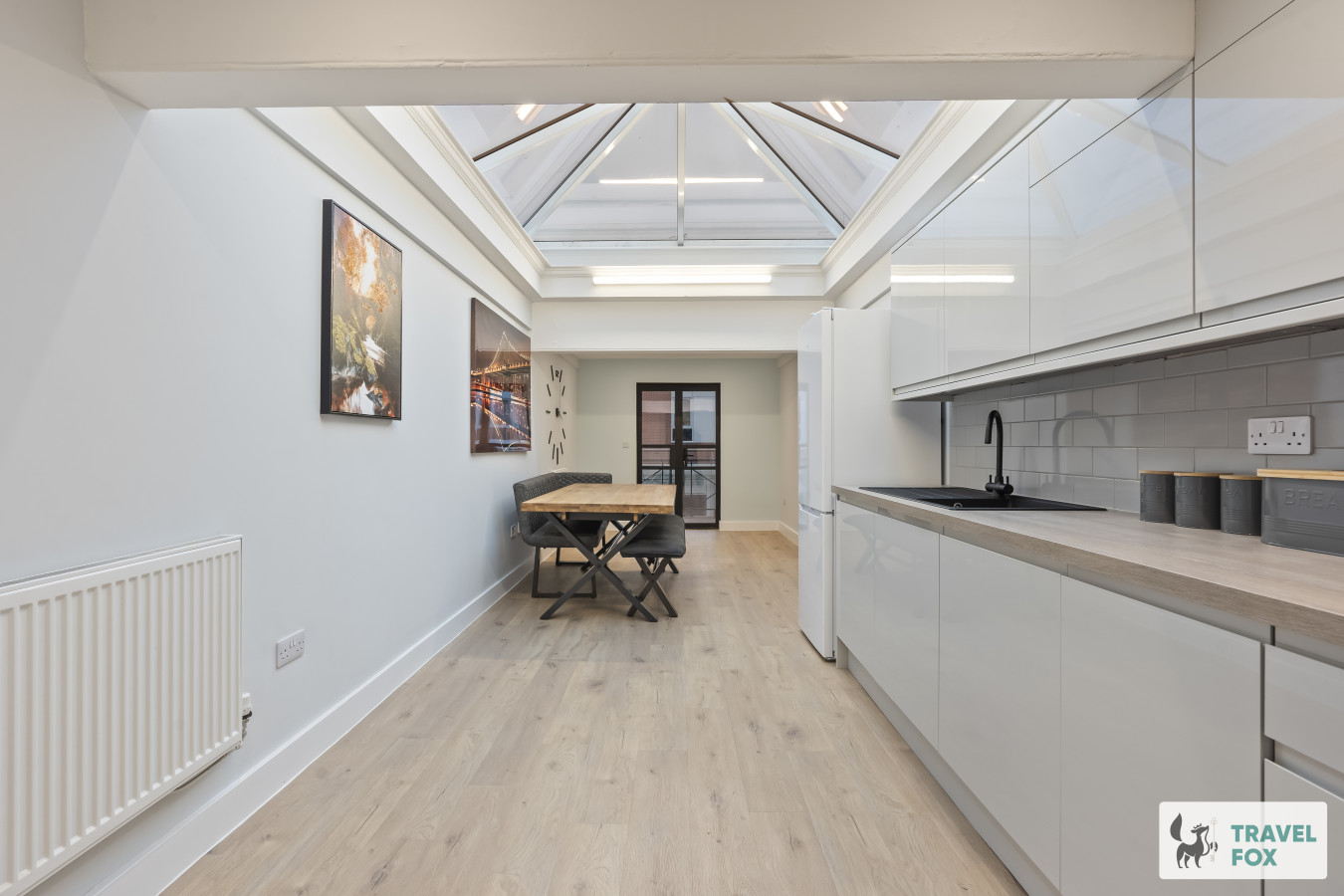
Nottingham
Camila's Penthouse Central Stay with Balcony
- Sleeps 16
- 5 bedrooms
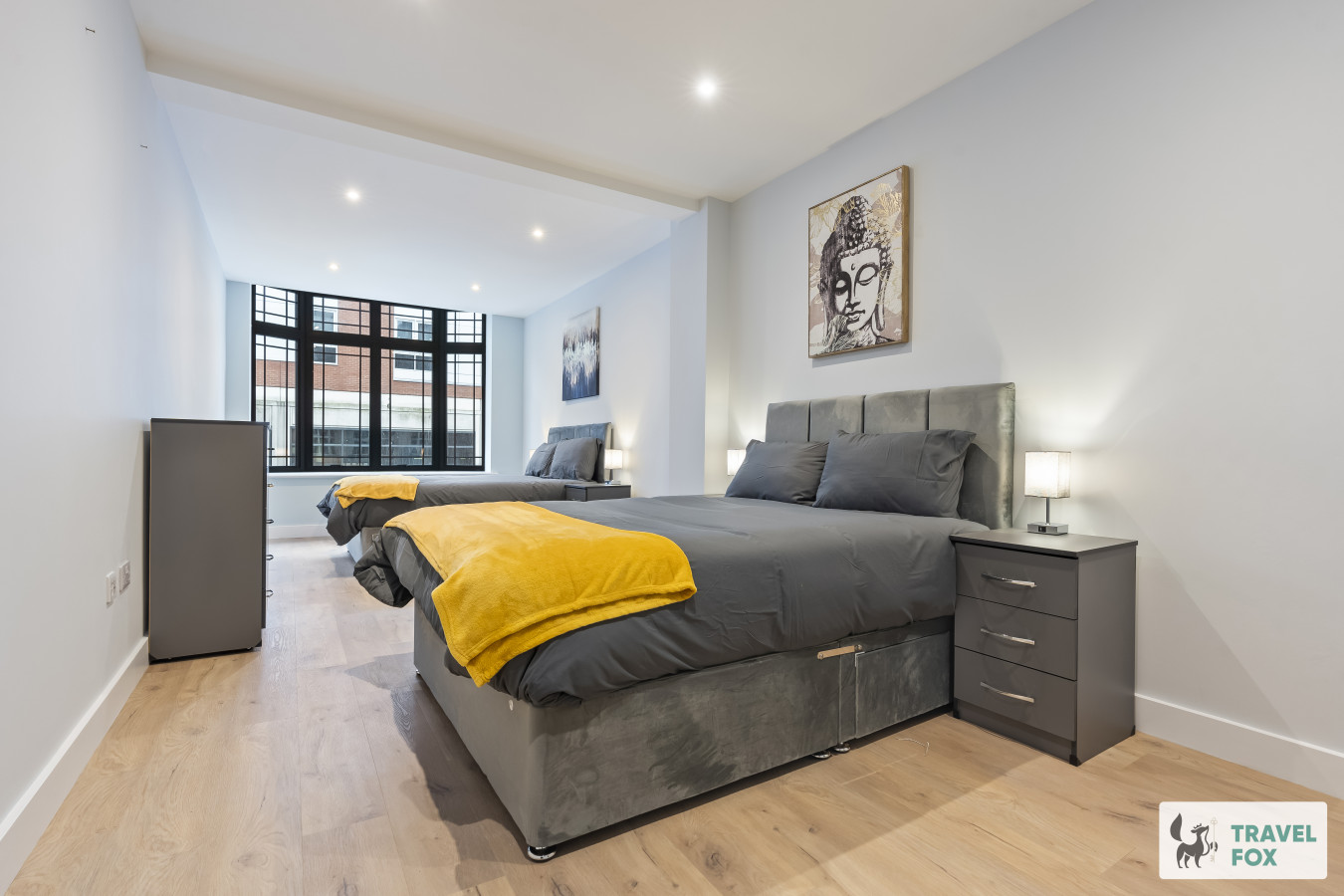
Nottingham
Blair's Central Stay
- Sleeps 16
- 5 bedrooms
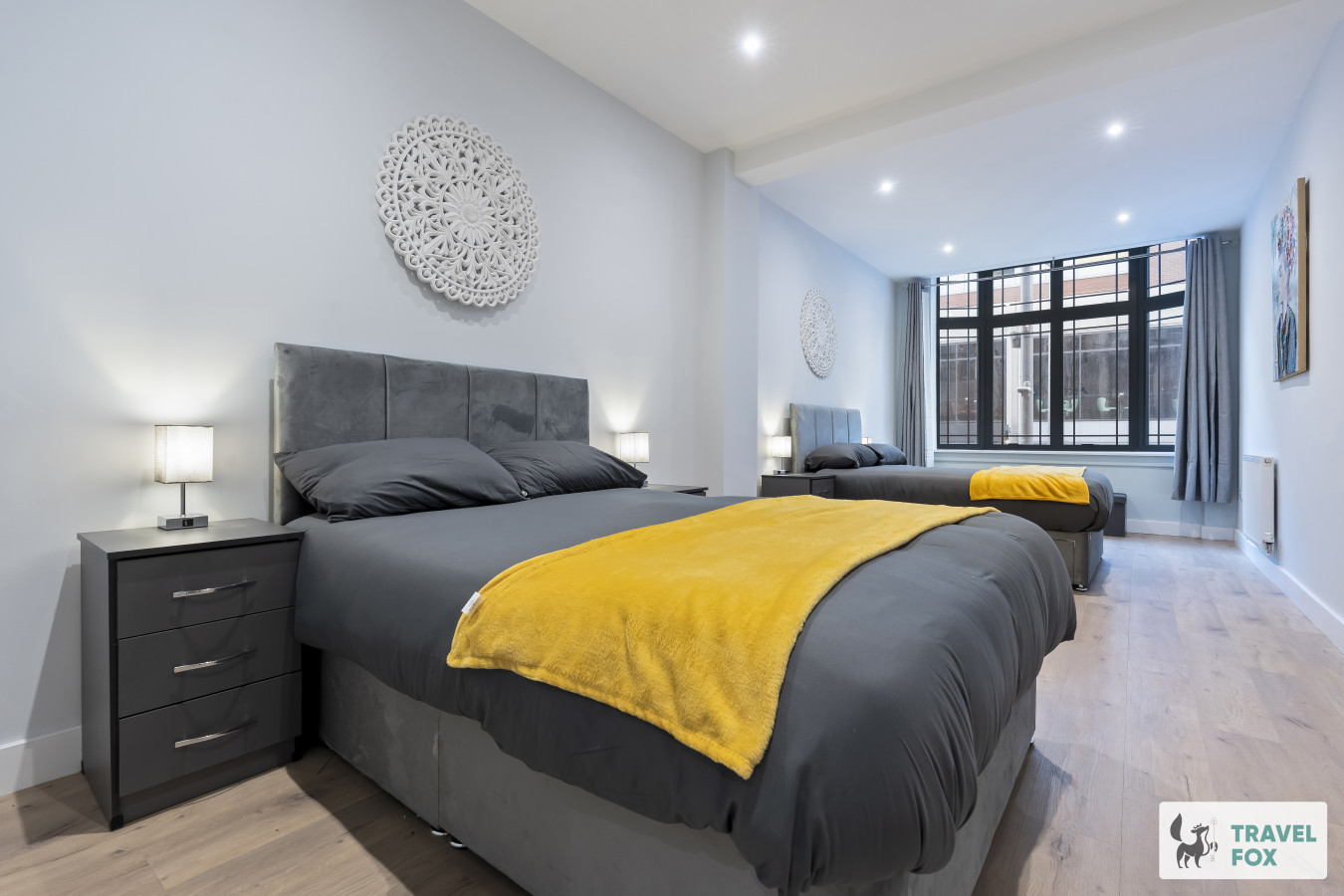
Nottingham
Anna's Central Stay
- Sleeps 16
- 5 bedrooms
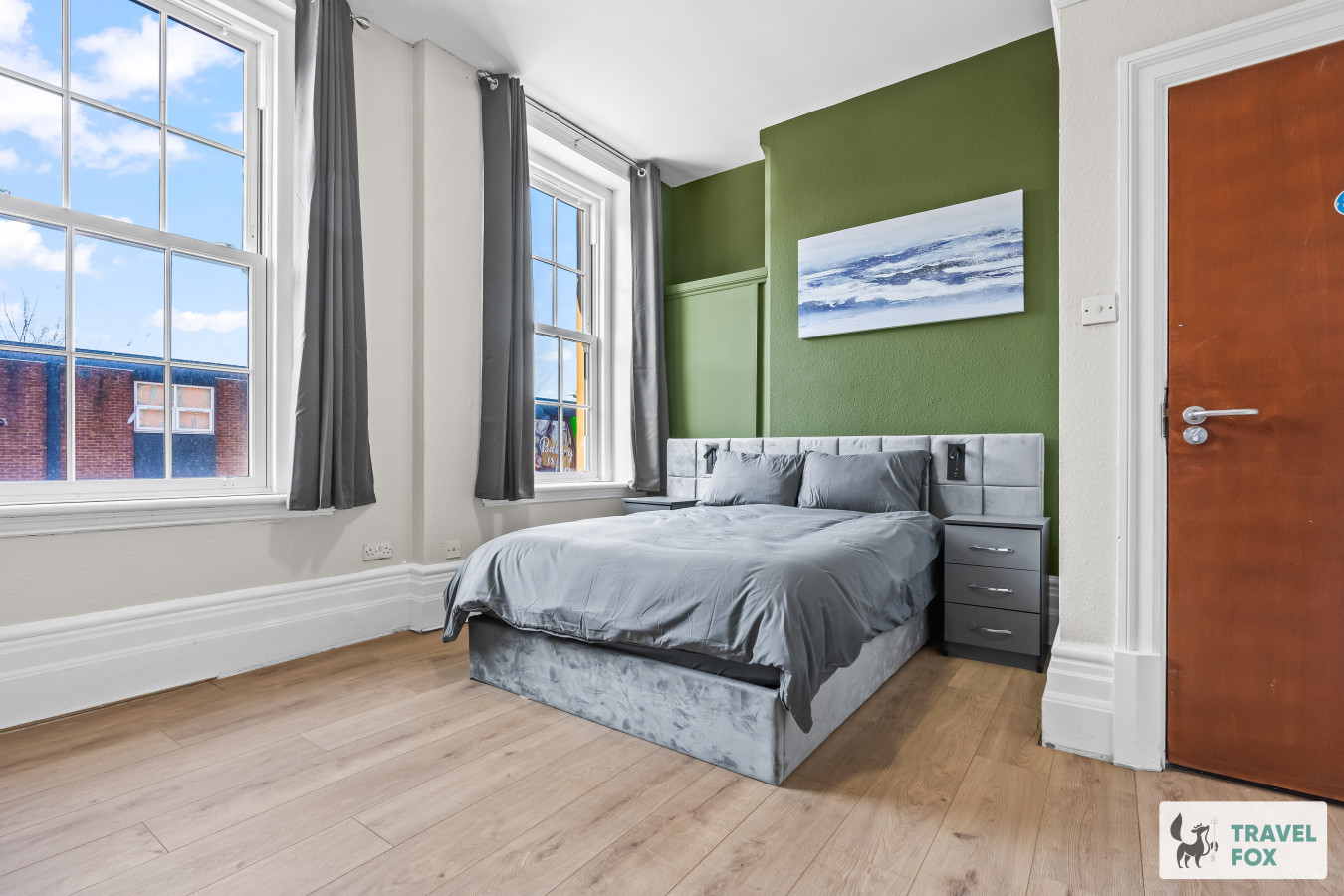
Nottingham
Melissa's Central Stay
- Sleeps 13
- 5 bedrooms
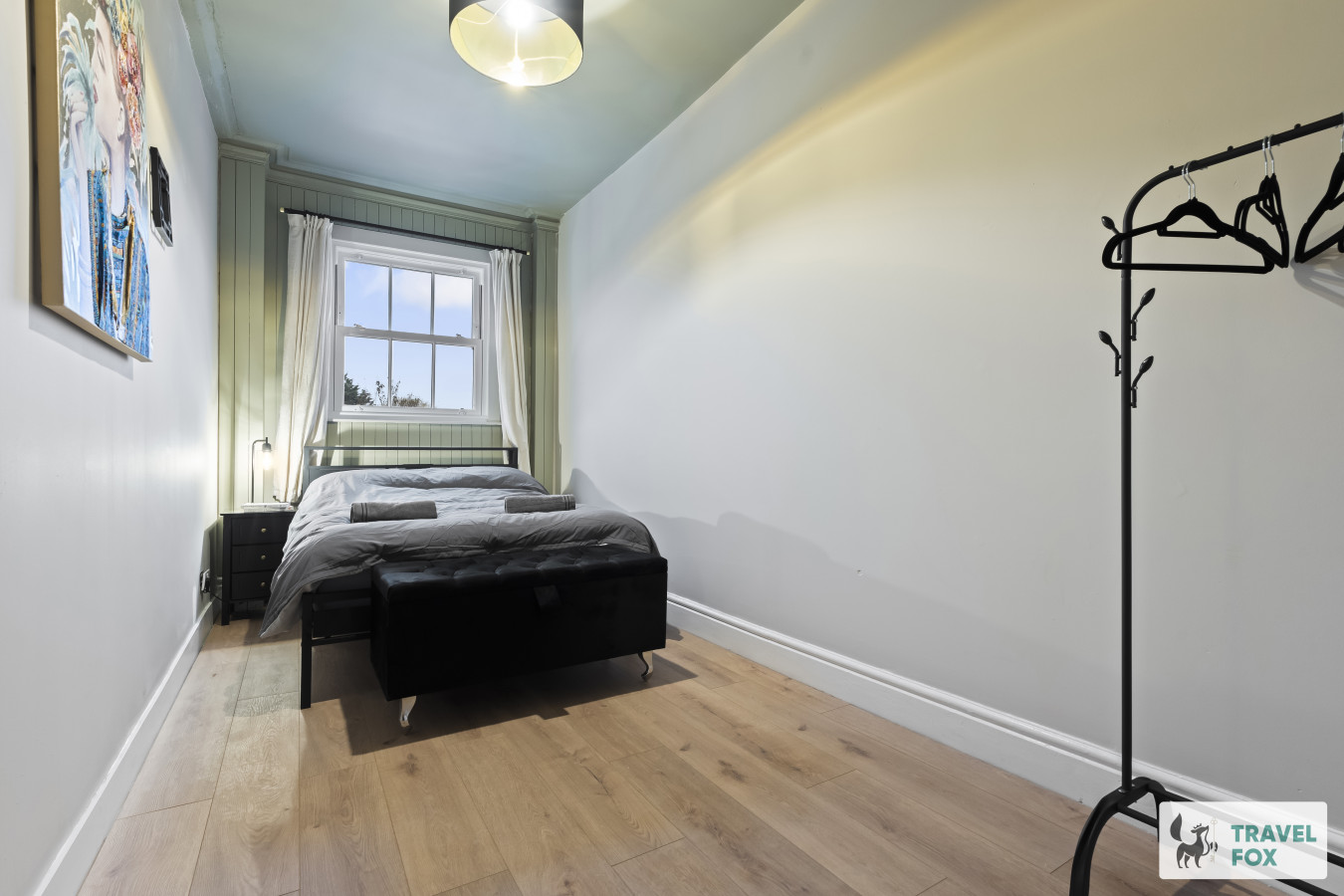
Nottingham
Callie's Central Stay
- Sleeps 9
- 3 bedrooms
For homeowners
Own a holiday home near Egmanton?
We manage holiday lets across the UK from 12% commission, charged after cleaning costs, with no lock-in. A co-founder visits before you decide.
How our holiday let management works →
A guide with a point of view
Written from research. Edited for real journeys.
Use the Official site links for live practical details, then use this guide for context, ideas and room to explore.
Sources
Every place on this page is checked against a published source. Each entry links the record we used and names who publishes it.
- The Old Plough Inn — oldploughinn.co.uk operator, sector body or destination organisation
- Church of St Mary and the Shrine of Our Lady of Egmanton — historicengland.org.uk statutory register or public authority record not machine-readable; publisher restricts automated access
- Gaddick Hill motte-and-bailey castle — historicengland.org.uk statutory register or public authority record not machine-readable; publisher restricts automated access
- The Dovecote Inn — thedovecoteinnlaxton.co.uk operator, sector body or destination organisation
- Laxton open-field system — visit-nottinghamshire.co.uk operator, sector body or destination organisation