
Village shop stories and Norman stone
Flintham
A South Nottinghamshire village where a volunteer shop, an unusual museum collection, a Norman church tower and a destination inn make a compact day out.
- Best for
- Village history, church architecture and pub dining
- Local walk
- A signposted five-mile circular from the Boot and Shoe
- Garden access
- Occasional National Garden Scheme openings
The Fox verdict
A village whose old shop still shapes the visit
Flintham links a volunteer-run community shop to a museum founded from stock and paperwork rediscovered in the old shop's outbuildings.
Add the Norman herringbone stonework of St Augustine's tower, the occasionally opened walled gardens at Flintham Hall and a meal or overnight stay at the Boot and Shoe Inn, and the village supports a focused heritage-and-food visit.
Where to go
Places in Flintham
Every place below is checked against a published source, listed with what it is and how long to give it.
Local signatures
3 placesThe Boot and Shoe Inn
A recently renovated gastropub and country inn with four boutique rooms, a warm rustic interior, garden drinks and a menu ranging from small plates to Sunday roasts and venison loin.
- Visit length
- Editorial estimate: around 90 minutes
- Locality
- Flintham
Flintham Community Shop
A shop owned and run by the local community, staffed entirely by volunteers and stocking everyday groceries, cards, pet food, wine and beer, with local suppliers used where possible.
- Visit length
- Editorial estimate: around 20 minutes
- Locality
- Flintham
Flintham Hall Gardens
Occasionally opened walled gardens at the 1798 hall, whose later work by Lewis Wyatt and Thomas Chambers Hine included the tower, turret and celebrated conservatory.
- Visit length
- Editorial estimate: around 90 minutes
- Locality
- Flintham
- Access
- The hall itself is not generally open; the gardens open occasionally through the National Garden Scheme.
History & heritage
2 placesFlintham Museum
A museum whose founding collection grew from unsold village-shop stock and paperwork rediscovered in 1990; it opened in 1999 and was a finalist for European Museum of the Year in 2001.
- Visit length
- Editorial estimate: around 60 minutes
- Locality
- Flintham
- Access
- No regular opening hours; visits by appointment.
St Augustine's Church
A Grade I church with a Norman tower and Early English chancel arches; the tower has herringbone stonework and four bells, while the nave was largely rebuilt in Mansfield stone in 1828.
- Visit length
- Editorial estimate: around 35 minutes
- Locality
- Flintham
No places match this filter. Choose All places to reset the list.
Three ways to explore Flintham
Signature outings
Bookend the visit at the inn
Choose the Boot and Shoe for its warm, recently renovated interior, garden drinks, four boutique rooms and menu of small plates, larger dishes and Sunday roasts.
Compare Norman tower and rebuilt nave
Look for herringbone stonework in St Augustine's Norman tower, then compare it with the nave rebuilt in Mansfield stone in 1828.
See how shop stock became a museum
Trace the story from village-shop stock and paperwork rediscovered in 1990 to a museum that opened in 1999 and reached a European award final in 2001.
The village story
Flintham Village Guide
Volunteer effort, an old shop's rediscovered stock, Norman stonework and a hall conservatory give Flintham its distinctive threads.
The Shop That Seeded a Museum
Flintham Community Shop is staffed entirely by volunteers, and sells what a village actually runs through in a week: baked beans, toilet roll, milk, bread, eggs, pies, cakes, dog food, cat food, wine and beer, sourced locally where it can.
It occupies the site of a shop that traded for about 150 years before closing in 1982.
In 1990 someone found the old shop's unsold stock and paperwork under dust in the outbuildings behind it. That discovery became the founding collection of Flintham Museum, which opened in May 1999 and was a finalist for European Museum of the Year in 2001.
Rooms, Roasts and a Five-Mile Circuit
The Boot and Shoe Inn is the other reason to come. It has four boutique rooms, a recently renovated interior of exposed brickwork, candles and wall sconces, and a garden for drinks when the weather allows it.
The same team runs the White Horse in Lincoln, and the food follows a similar register: venison croquettes at £7.50, mushroom pâté on Hambleton focaccia at £6.50, a heritage pumpkin and goats cheese pie at £18, venison loin at £32, Sunday roasts from £17.
One TripAdvisor reviewer called the roast potatoes "the best pub/restaurant roast potatoes we think we've ever had." Another noted the prices sit on the higher side for a village pub, which the venison loin does nothing to dispute.
Norman Stone and Domesday Names
The pub is dog friendly, and it's also the start and finish of a signposted five-mile circular walk out through Syerston, Elston and Sibthorpe and back — flat, easy, about three hours at no particular pace.
St Augustine's church has a Norman tower with herringbone stonework and four bells, the oldest cast in 1613.
The nave is younger — rebuilt in Mansfield stone in 1828 after the original became ruinous — so what you're looking at is a Victorian nave attached to a Norman tower, the join fairly plain to the eye.
The Hall, Its Conservatory and Its Restorer
The Domesday Book records a church and a priest here in 1086, along with 36 households and a value to the lord of one pound, which was also its value in 1066 under a man named Thori, son of Roald. By 1086 it belonged to Reginald of Flintham.
Flintham Hall dates from 1798, was extended by the architect Lewis Wyatt in the 1820s and 1830s, and was remodelled in the 1850s by Thomas Chambers Hine, who added the tower, the turret and a conservatory said to be the finest of its kind in the country.
The hall itself isn't generally open, though the walled gardens go on show occasionally through the National Garden Scheme.
Reaching Flintham and Reviving a Folk Play
Myles Thoroton Hildyard, who inherited it, won the Military Cross escaping a German prisoner-of-war camp after the fall of Crete, and later spent decades restoring the park, the conservatory and the garden he'd grown up in. The hall has since stood in for period drama, including Easy Virtue with Colin Firth.
Newark station is six or seven miles off, the village sits just off the A46, and NottsBus On Demand runs a bookable service into Newark, Monday to Saturday, 9:30 till 2:30.
Flintham's Plough Boy's Play, a seven-character folk drama running to 151 lines, hadn't been performed since 1925 until the Foresters Morris Men revived it in 2014 with the village's own schoolboys playing the parts.
Stay around Nottinghamshire
Make a longer stay of it
Travel Fox holiday homes around Nottinghamshire, linked directly to their property pages.
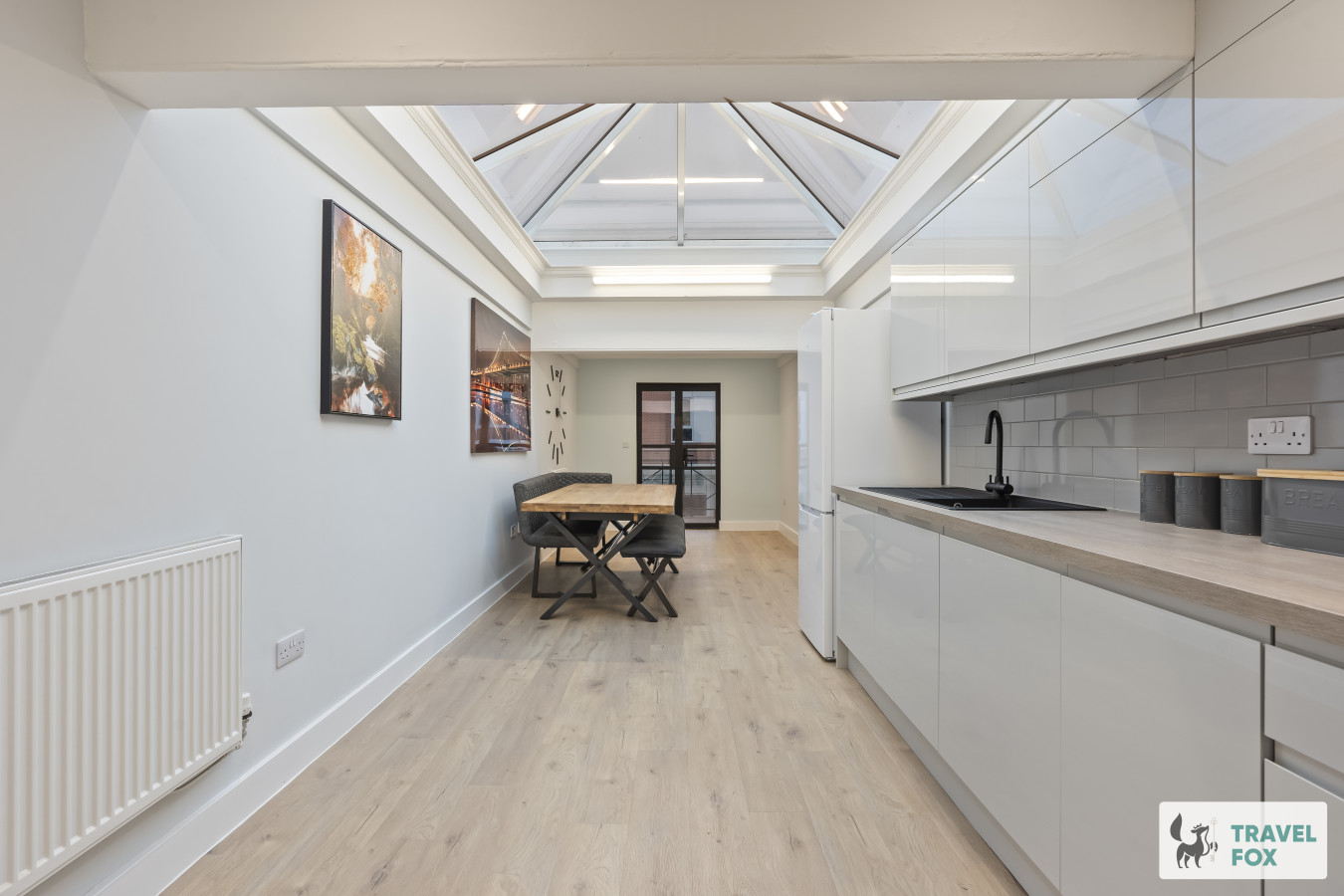
Nottingham
Camila's Penthouse Central Stay with Balcony
- Sleeps 16
- 5 bedrooms
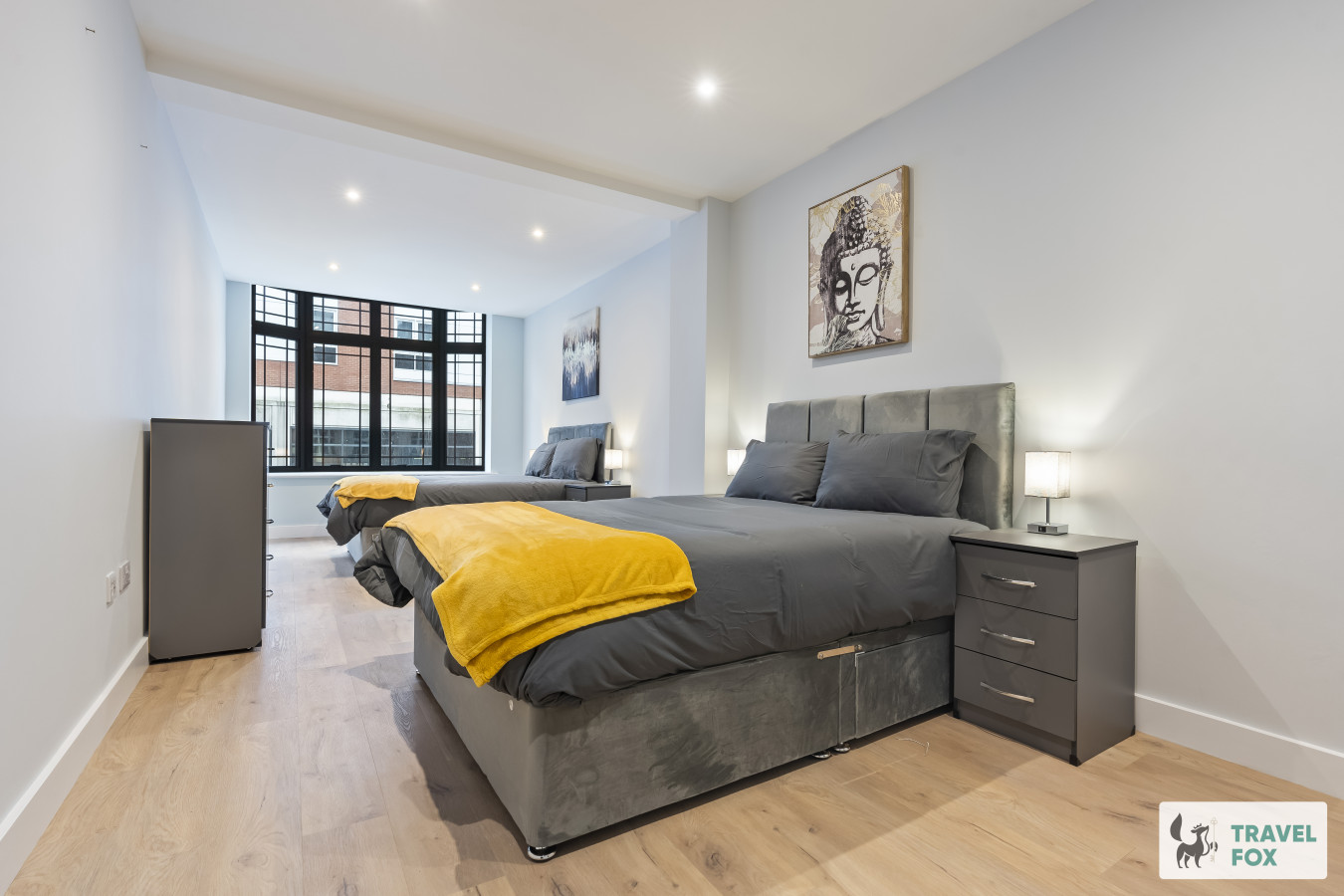
Nottingham
Blair's Central Stay
- Sleeps 16
- 5 bedrooms
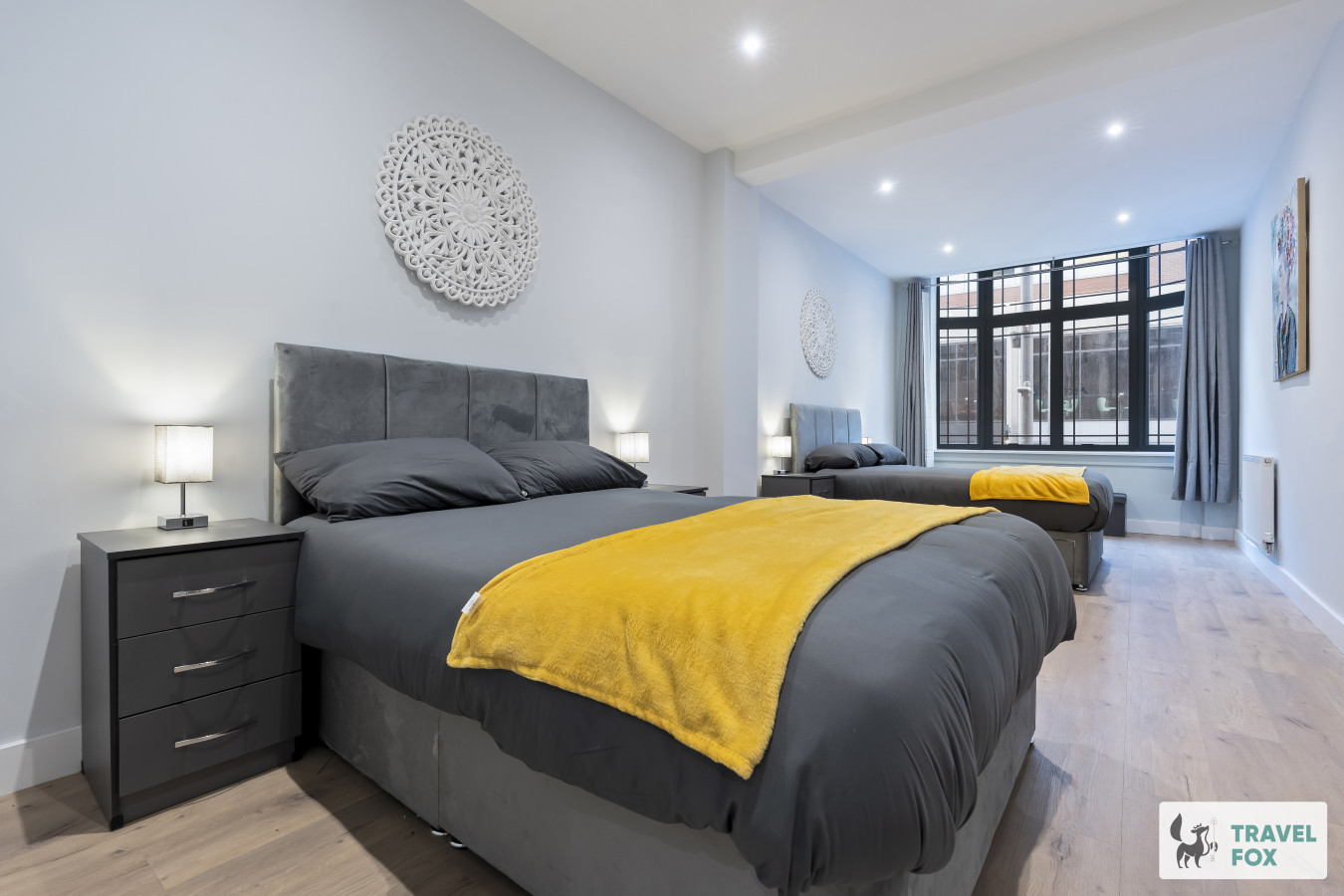
Nottingham
Anna's Central Stay
- Sleeps 16
- 5 bedrooms
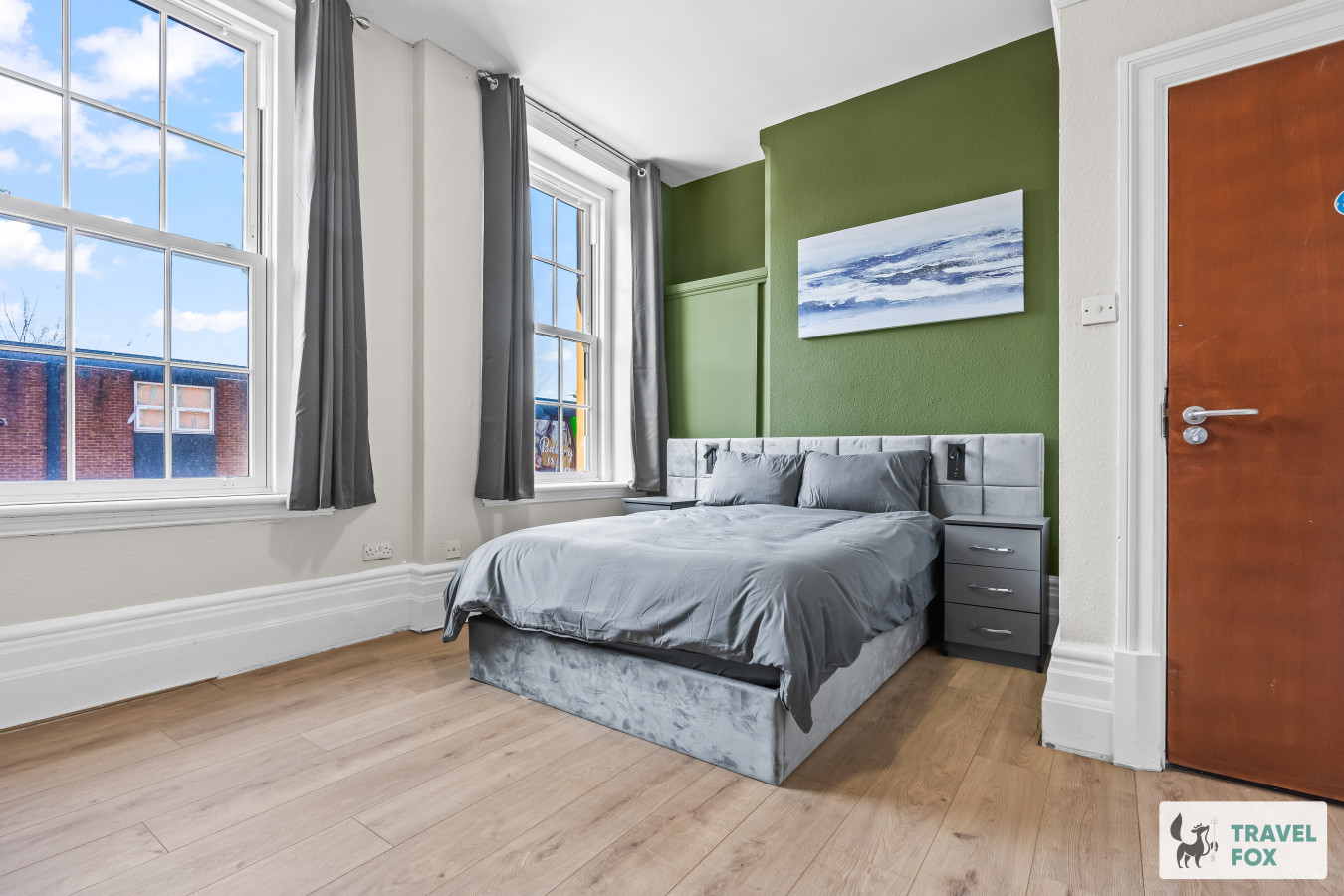
Nottingham
Melissa's Central Stay
- Sleeps 13
- 5 bedrooms
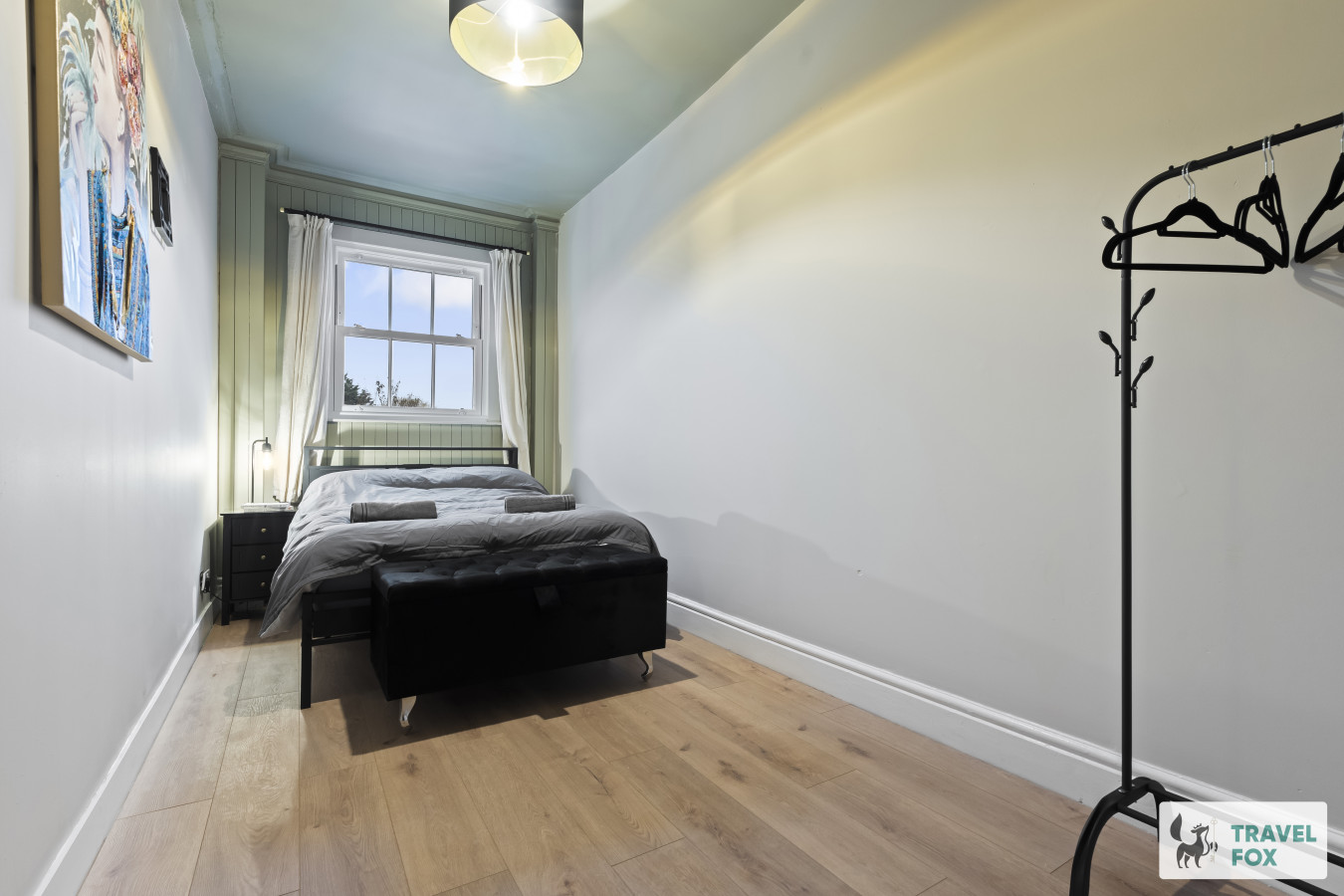
Nottingham
Callie's Central Stay
- Sleeps 9
- 3 bedrooms
For homeowners
Own a holiday home near Flintham?
We manage holiday lets across the UK from 12% commission, charged after cleaning costs, with no lock-in. A co-founder visits before you decide.
How our holiday let management works →
A guide with a point of view
Written from research. Edited for real journeys.
Use the Official site links for live practical details, then use this guide for context, ideas and room to explore.
Sources
Every place on this page is checked against a published source. Each entry links the record we used and names who publishes it.
- The Boot and Shoe Inn — bootshoeflintham.co.uk operator, sector body or destination organisation
- Flintham Community Shop — flinthamvillage.org.uk operator, sector body or destination organisation
- Flintham Museum — flinthammuseum.org.uk operator, sector body or destination organisation
- St Augustine's Church — historicengland.org.uk statutory register or public authority record not machine-readable; publisher restricts automated access
- Flintham Hall Gardens — historicengland.org.uk statutory register or public authority record not machine-readable; publisher restricts automated access