
Pit, spire and community
Gedling
A former colliery landscape, a 180-foot steeple and two distinctive pubs give Gedling its shape.
- Best for
- Country-park walks and mining history
- Give it
- A half day with time for a pub stop
- Don't miss
- A walk through Gedling Country Park
The Fox verdict
A colliery landscape remade for walking
Gedling pairs the open skyline of its country park with a remarkable medieval spire and two contrasting community pubs.
The country park carries the strongest sense of place: former colliery land now holds grassland, woodland, wetlands, lagoons and views across three counties. All Hallows' brings a much older layer, while the Willowbrook makes an easy food-and-drink counterpoint.
Where to go
Places in Gedling
Every place below is checked against a published source, listed with what it is and how long to give it.
Local signatures
3 placesGedling Country Park
A mix of grassland, woodland, wetlands and lagoons, with footpaths, two viewing platforms, a visitor centre, a café and mining-themed play.
- Visit length
- Editorial estimate: Allow around 1 hour 45 minutes
- Locality
- on the former colliery site
All Hallows' Church
A church on an 11th-century worship site, with a c.1320 tower and spire, surviving Norman fabric and a rood-screen dated 1540.
- Visit length
- Editorial estimate: Allow around 45 minutes
- Locality
- Gedling
Gedling parkrun
A free, timed 5k on an undulating figure-of-eight course of gravel and tarmac; the separate junior event is a 2k for ages four to fourteen.
- Visit length
- Editorial estimate: Allow around 1 hour
- Locality
- Gedling Country Park
Food & drink
1 placeThe Willowbrook
A spacious Castle Rock community pub with twelve real ales, a walled beer garden and a menu of pub classics, burgers, pizzas and changing specials.
- Visit length
- Editorial estimate: Allow around 1 hour 30 minutes
- Locality
- Main Road
Walks & outdoors
1 placeColwick Country Park
A nearby park with two lakes, a marina, woodland and meadow, plus access to riverside walking on the Trent Valley Way.
- Visit length
- Editorial estimate: Allow around 1 hour 30 minutes
- Locality
- Colwick
No places match this filter. Choose All places to reset the list.
Three ways to explore Gedling
Signature outings
Walk the former colliery
Follow Gedling Country Park paths through restored grassland, woodland and wetlands on the former colliery land.
Try the rotating ales
The Willowbrook keeps twelve real ales, including two permanent Castle Rock beers and rotating guests.
Take in Colwick's lakes
Pair the two lakes and marina with woodland, meadow and a stretch of the Trent Valley Way.
The town story
Gedling Town Guide
From the Cheggo and Castle Rock ales to a remade colliery landscape, Gedling's story moves between community gathering places, industry and a much older church.
Two pubs on Main Road
The Gedling Inn, on Main Road, was the Chesterfield Arms until 2011, and it's still the Cheggo to anyone who drank there as a Home Ales house before the sign changed.
It runs a 2-for-1 deal on pub food Monday to Saturday and a homemade Sunday lunch from local suppliers, with a quiz on Thursdays and Sky Sports on three screens. The beer garden takes dogs and runs children's activities, and reviewers rate it 4.5 out of 5 on Tripadvisor - 36th out of more than 1,200 restaurants in Nottingham, with the portions and roast dinners praised most.
The Willowbrook, further along Main Road, belongs to Castle Rock Brewery and keeps twelve real ales on, two of them permanent Castle Rock beers, the rest rotating. It's a bigger, newer-feeling room than the Cheggo, with a walled beer garden and free parking across the road. The fish and chips and the hand-cut chips get most of the mentions.
The colliery becomes a country park
Between the two pubs, that's most of a Saturday accounted for.
Gedling Country Park is the other draw, and it used to be the colliery. Its grassland, woodland, wetlands and lagoons have viewing platforms looking into Lincolnshire and Leicestershire on a clear day. Short-eared owls and skylarks nest out there, with lapwings and butterflies you don't see on most walks this close to a city. There's a mining-themed tower slide and zip wire for children, and a café for everyone else.
A free, timed 5k parkrun sets off from the park every Saturday at 9am, on a figure-of-eight course of gravel and tarmac; a junior 2k version runs on Sundays for ages four to fourteen.
Pit of Nations and community sport
The colliery employed 3,746 men at its 1923 peak, drawn from around thirty countries - hence the nickname, the Pit of All Nations. It closed in 1991.
Gedling Colliery Cricket Club plays at Mapperley Top; the Indoor Bowls Club has run since 1987.
All Hallows and Tolkien
All Hallows' Church has a steeple 180 feet tall - the second-tallest spire in Nottinghamshire, after Newark's - built around 1320 on a much older site. Nikolaus Pevsner noticed the subtle bulge on the sides of the spire and called the effect "elegant, almost sensuous, in an Indian way." Inside, a rood screen dated 1540 survives, moved from its original spot but still there.
J.R.R. Tolkien has a quieter connection to the village. He stayed with Edwin and Jane Neave here in 1904; Edwin is buried in the churchyard. Jane later renamed a nearby farm Phoenix Farm, and visiting in 1914 Tolkien wrote "The Voyage of Éarendel the Evening Star" there - the poem that grew into Middle-earth.
Routes, rails and remembered pubs
Netherfield is the nearest working station - Gedling's own closed in 1960 - and the A612 bypasses toward the A6097. The number 44, the Red Line, runs between Nottingham, Colwick, Netherfield and Gedling. Colwick Country Park, with its lakes and the Trent Valley Way, is a short drive away.
The Grey Goose, on the site of what's now a care home, closed in October 2010 after decades as the village's other pub - people called it the Mucky Duck. Long enough ago that Gedling Eye still runs reader memories of it, people writing in simply to say they miss the place.
Stay around Nottinghamshire
Make a longer stay of it
Travel Fox holiday homes around Nottinghamshire, linked directly to their property pages.

Gedling
Bella's House: Motor Point Arena
- Sleeps 12
- 3 bedrooms
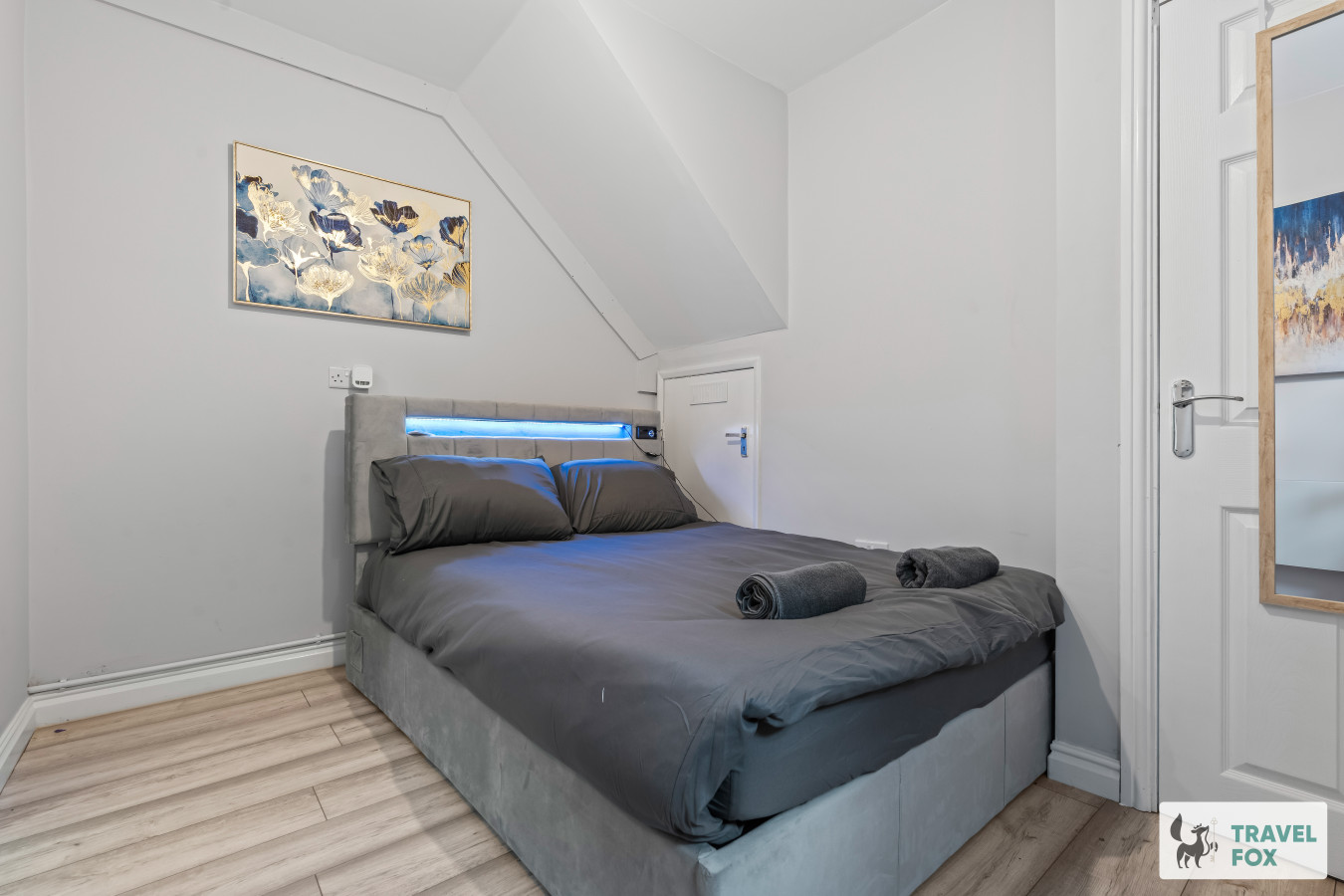
Gedling
Bella's Lodge
- Sleeps 8
- 3 bedrooms
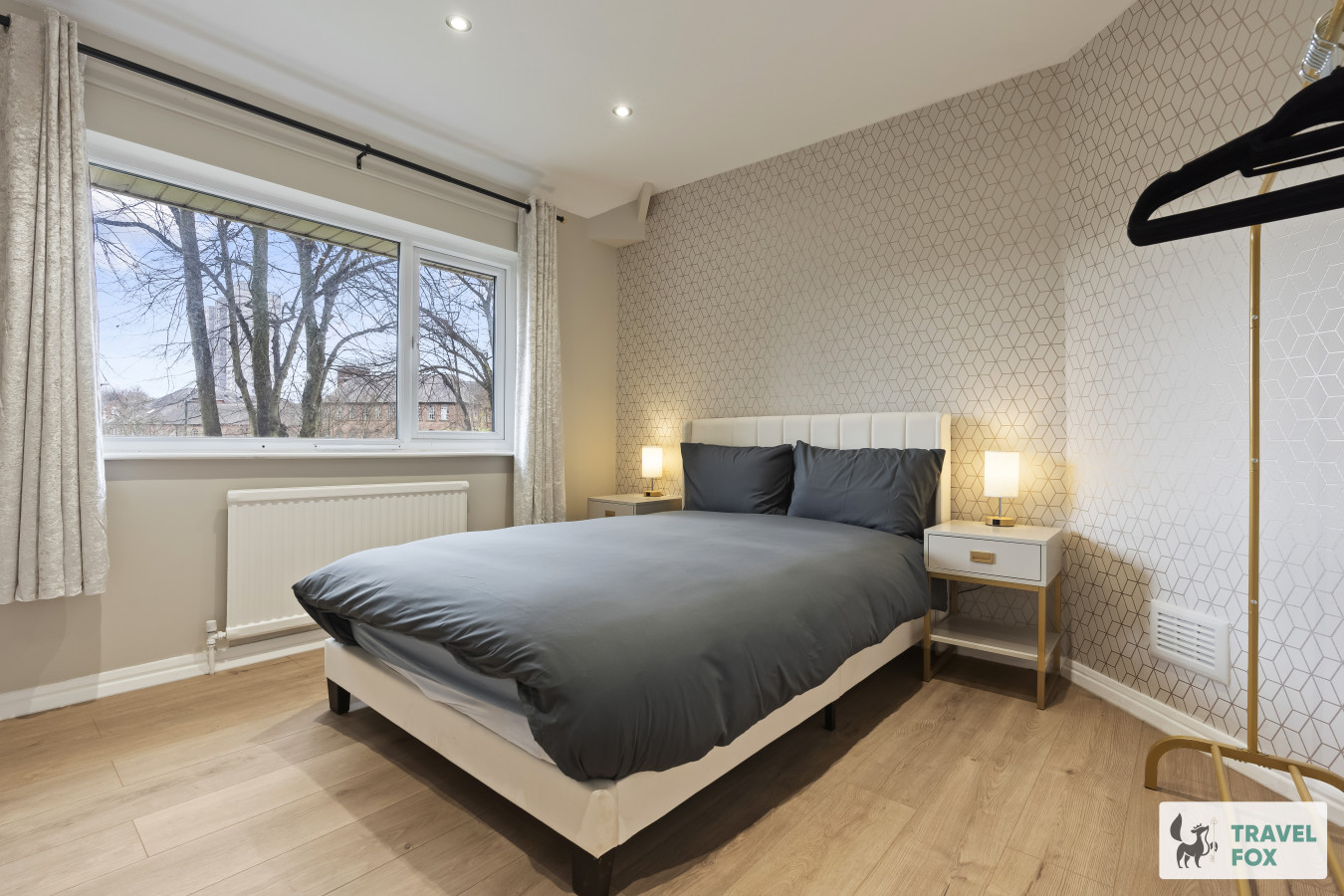
Nottingham
Rosie's Central Stay and Parking
- Sleeps 10
- 4 bedrooms
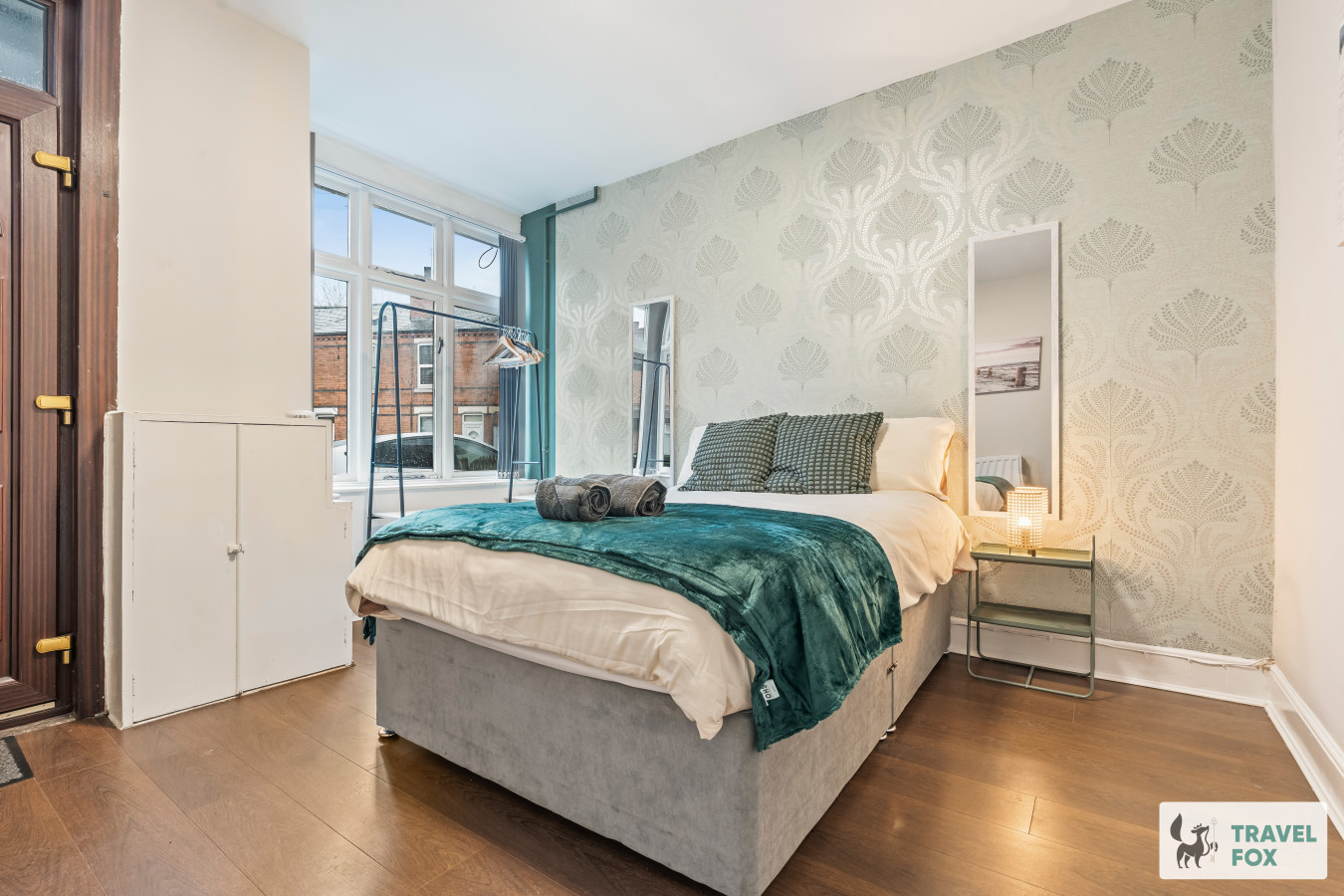
Nottingham
Becky's House: Near Motor Point and Free Parking!
- Sleeps 10
- 4 bedrooms
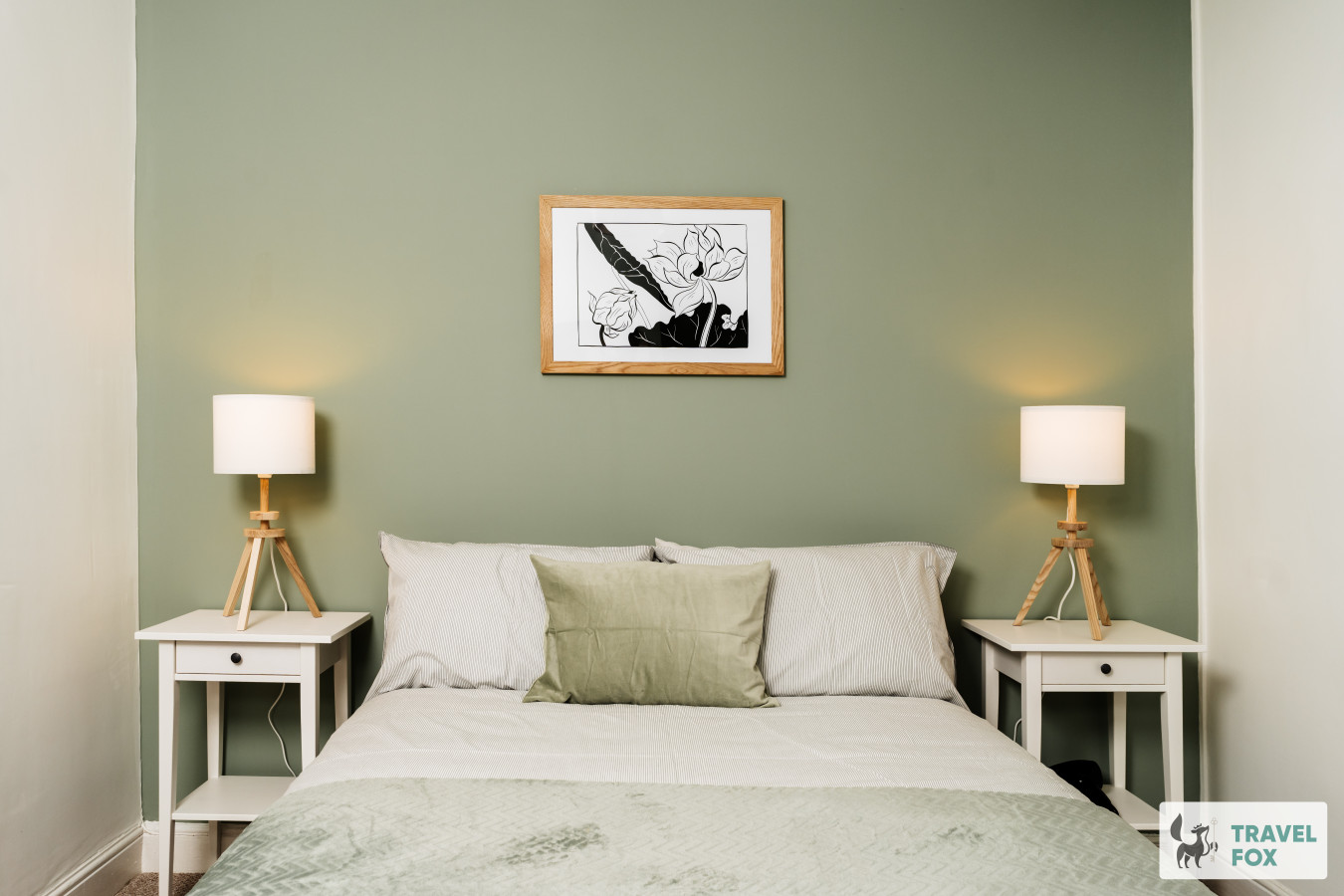
Nottingham
Alice's Central Stay: Parking + Motor Point Arena
- Sleeps 8
- 3 bedrooms
For homeowners
Own a holiday home near Gedling?
We manage holiday lets across the UK from 12% commission, charged after cleaning costs, with no lock-in. A co-founder visits before you decide.
How our holiday let management works →
A guide with a point of view
Written from research. Edited for real journeys.
Use the Official site links for live practical details, then use this guide for context, ideas and room to explore.
Sources
Every place on this page is checked against a published source. Each entry links the record we used and names who publishes it.
- Gedling Country Park — gedlingcountrypark.com operator, sector body or destination organisation
- All Hallows' Church — allhallowschurchgedling.com operator, sector body or destination organisation
- The Willowbrook — castlerockbrewery.co.uk other published source
- Colwick Country Park — nottinghamcity.gov.uk statutory register or public authority
- Gedling parkrun — parkrun.org.uk operator, sector body or destination organisation record not machine-readable; publisher restricts automated access