
High ground, long horizons
Gringley-on-the-Hill
A ridge-top village shaped by a prehistoric lookout, canal walks, a Norman-rooted church and its sole surviving pub.
- Best for
- Hilltop views, village history and canal walking
- Give it
- A relaxed half day
- Don't miss
- Beacon Hill's views across the Carrs
The Fox verdict
A hilltop village with history underfoot
Come for the contrast between the ridge, the prehistoric beacon mound and the level Chesterfield Canal towpath below.
Gringley-on-the-Hill rewards a focused visit: Beacon Hill supplies the long view, St Peter and St Paul's carries the village's Norman origins, and the medieval cross recalls its market and fair. The Blue Bell, the last of four High Street pubs, gives the walk a natural finish.
Where to go
Places in Gringley-on-the-Hill
Every place below is checked against a published source, listed with what it is and how long to give it.
Local signatures
3 placesSt Peter and St Paul's Church
A Grade II* church begun around 1180, with a Norman blocked doorway, an Early English pillar piscina and a later Perpendicular Gothic west tower with four pinnacles and six bells.
- Visit length
- Editorial estimate: around 45 minutes
- Locality
- Gringley-on-the-Hill
Chesterfield Canal Cuckoo Way
The long-distance towpath runs below Gringley, passing Drakeholes Tunnel and continuing through Misterton towards the River Trent at West Stockwith.
- Visit length
- Editorial estimate: around 75 minutes
- Locality
- Drakeholes, west of Gringley-on-the-Hill
- Access
- The towpath offers level, easy walking in contrast to the ridge-top village.
Gringley Market Cross
The surviving 14th-century market or village cross is a scheduled monument: a broken octagonal shaft standing around seven feet high and a reminder of the medieval Monday market and annual fair.
- Visit length
- Editorial estimate: around 20 minutes
- Locality
- Cross Hill
Food & drink
1 placeThe Blue Bell Inn
The village's sole surviving pub occupies an 18th-century building and advertises homemade pies, Sunday lunch, pizzas, skewers, real ales, a beer garden and a heated covered terrace.
- Visit length
- Editorial estimate: around 90 minutes
- Locality
- High Street, Gringley on the Hill
History & heritage
1 placeBeacon Hill
A prehistoric beacon mound with a levelled oval platform and artificially scarped sides, offering panoramic views across the Carrs and, on a clear day, towards Lincoln Cathedral.
- Visit length
- Editorial estimate: around 60 minutes
- Locality
- east side of the village
No places match this filter. Choose All places to reset the list.
Three ways to explore Gringley-on-the-Hill
Signature outings
Climb to the prehistoric beacon
Make the short climb to the levelled mound, then look across the Carrs and, when the day is clear, towards Lincoln Cathedral across the Trent valley.
Read the church in layers
Start with the church's Norman origins, then pick out the later Perpendicular west tower, its embattled parapet and four pinnacles.
Finish at the Blue Bell
Choose from the advertised pie, Sunday lunch, pizza or skewer menus, with real ales and countryside views from the beer garden.
The village story
Gringley-on-the-Hill Village Guide
A sole surviving pub, a ridge above the Carrs and layers of village history from a prehistoric mound to a 40.1°C record.
The Last Pub Standing
The Blue Bell on the High Street is the last pub standing in Gringley-on-the-Hill. It's an eighteenth-century building, run by Adam Kay, who returned in 2019 after an earlier stint from 2011 to 2016. The menu runs to homemade pies, a local favourite, alongside Sunday lunch, pizzas, skewers, and a Dirty Dog menu — about as close as it comes to a formal dog policy.
There's a beer garden with countryside views, a heated covered terrace, and a rotating selection of real ales. Quiz nights and live music run weekly, and street-food weekends bring guest food trucks into the courtyard.
Ridge, Roads and Lost Shops
Beyond the Blue Bell there isn't much shopping. The parish council says it plainly: "the post office has gone. All the shops and garages which populated the village in the early 20th century are also gone." Gringley is a commuter village now, some farming behind the scenes, nowhere to buy milk on the way in.
The village sits on a ridge, the highest point on the road between Bawtry and Gainsborough, looking north over the old marshland of the Carrs and, on a clear day, south-east to Lincoln Cathedral across the Trent valley. Arthur Mee called it "an airy village" with "lovely views and steep and dangerous ways" in 1938, and walking up from the canal to the High Street you still feel the climb. The A631 runs along the village's south edge; Retford station is about eight miles south, with a local bus via Clayworth.
Walks, Water and the Norman Church
What the village has instead of shops is the walking. Beacon Hill, a levelled prehistoric mound on the east side with scarped sides up to eleven metres high, gives a view the parish council calls five counties wide. Below it, the Chesterfield Canal, built by James Brindley, runs along the foot of the ridge past the Drakeholes Tunnel on the Cuckoo Way towpath — level, easy walking. A circular route to Clayworth and back along the canal runs about 8 miles.
St Peter & St Paul's church, Grade II*, began as a Norman building around 1180 and picked up a Perpendicular Gothic tower with four pinnacles and six bells, the oldest cast in 1520 by Robert Mellors. It's mentioned in Domesday Book, though nothing of that first building survives. The Domesday entry values the whole place at £10 in 1066, down to £4 by 1086.
Four Pubs and Forty Degrees
Four pubs once lined the High Street when it was a busy turnpike road — the Blue Bell, the White Hart, the Cross Keys and the Butchers Arms. The White Hart doubled as the post office in 1844, handling mail to Louth, Bawtry and Sheffield, before closing in 1980 and becoming a private house. The Cross Keys' licence moved to a new building on the bypass in 1935; the Butchers Arms is a private house today, known as Sunnyside Cottage.
On 19 July 2022, Gringley-on-the-Hill recorded 40.1°C — the northernmost place in the UK ever to go above 40 degrees.
A Park and Finds from the Past
There's a new community-funded play park by the recreation ground, and an active History Club running since 2010. A Victorian regimental button from the Queen's 16th Lancers turned up in a resident's garden on Middlebridge Road. A silver seal, found separately nearby by metal detector, was examined by a museum in 2004.
Stay around Nottinghamshire
Make a longer stay of it
Travel Fox holiday homes around Nottinghamshire, linked directly to their property pages.
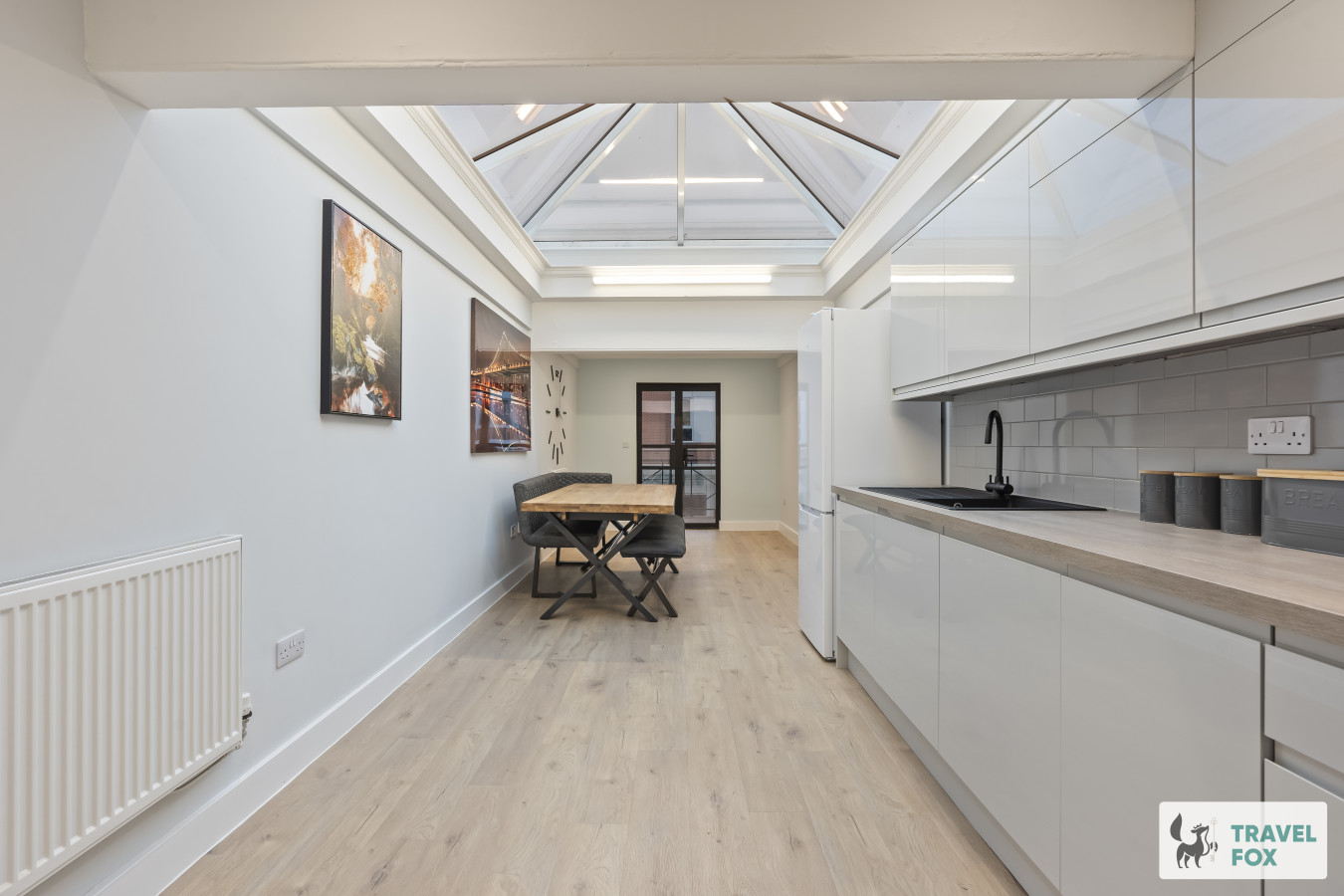
Nottingham
Camila's Penthouse Central Stay with Balcony
- Sleeps 16
- 5 bedrooms
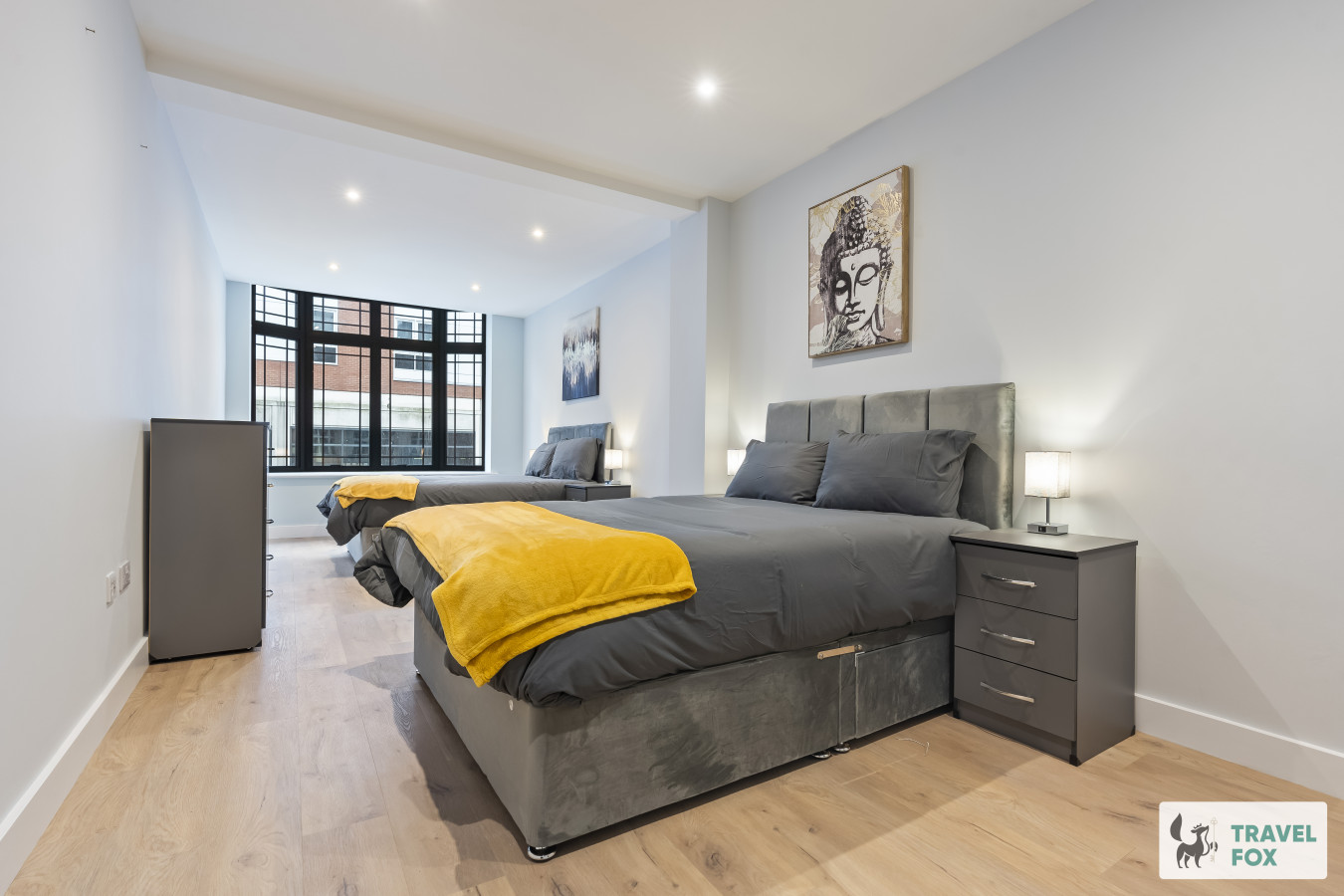
Nottingham
Blair's Central Stay
- Sleeps 16
- 5 bedrooms
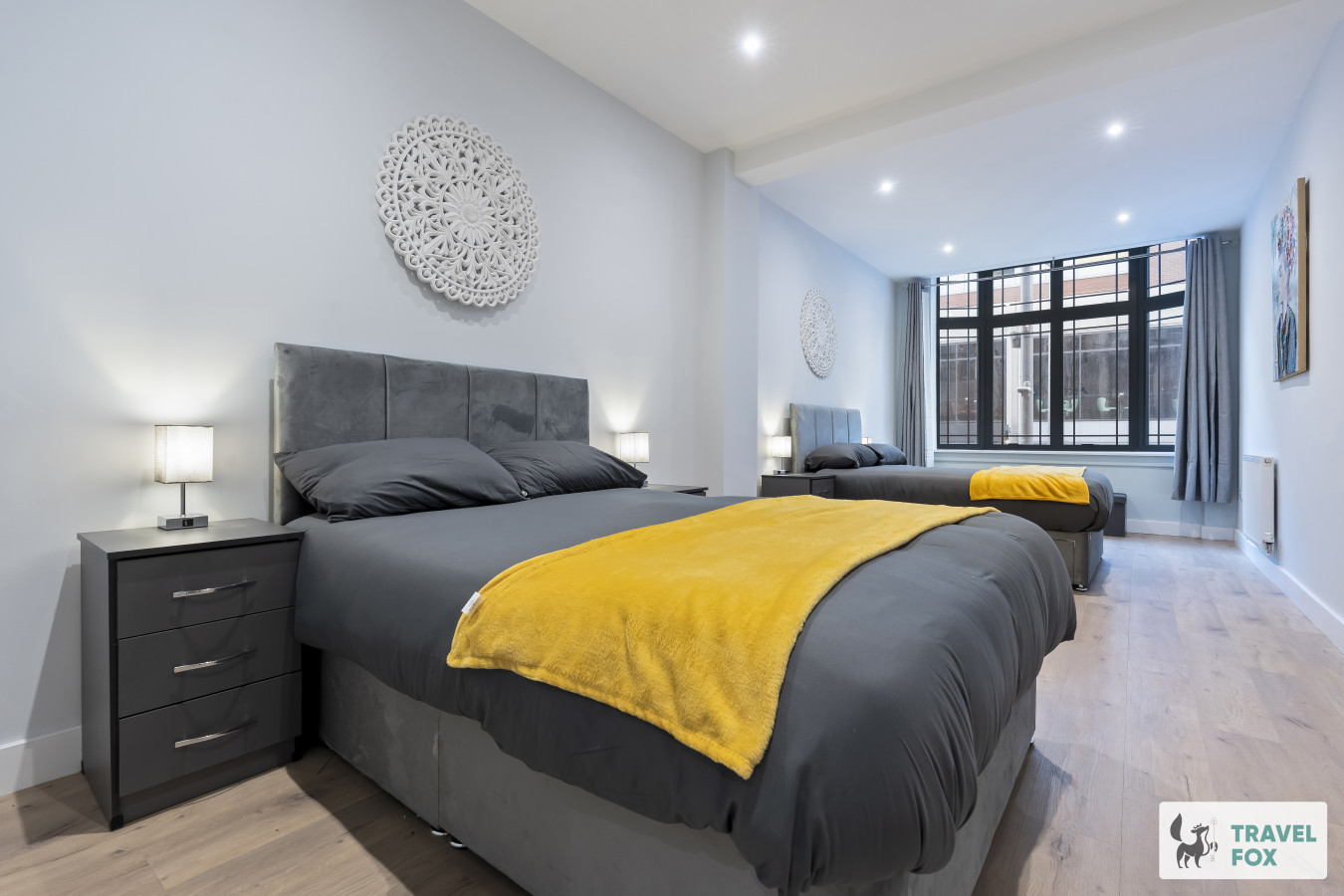
Nottingham
Anna's Central Stay
- Sleeps 16
- 5 bedrooms
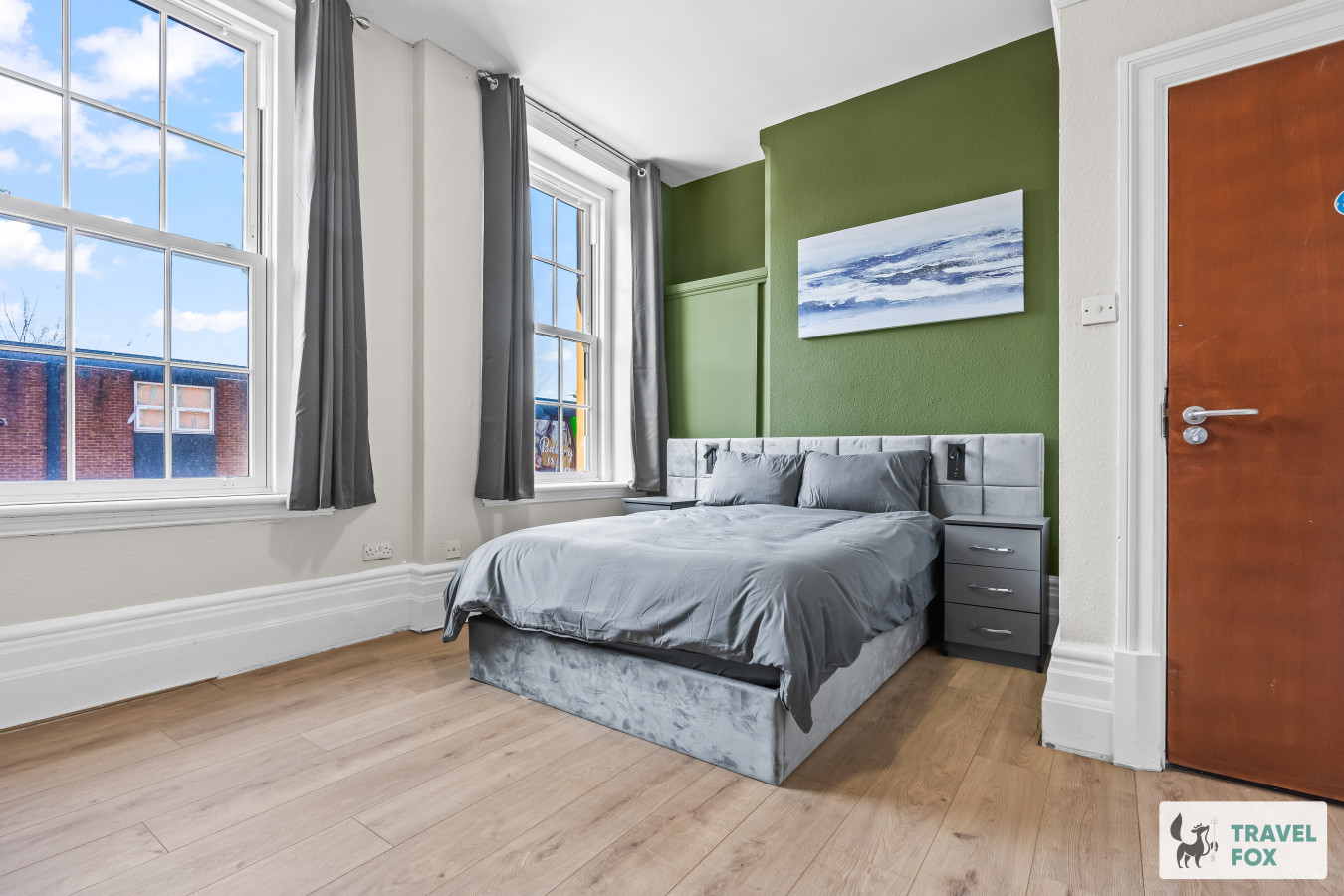
Nottingham
Melissa's Central Stay
- Sleeps 13
- 5 bedrooms
Nottingham
Callie's Central Stay
- Sleeps 9
- 3 bedrooms
For homeowners
Own a holiday home near Gringley-on-the-Hill?
We manage holiday lets across the UK from 12% commission, charged after cleaning costs, with no lock-in. A co-founder visits before you decide.
How our holiday let management works →
A guide with a point of view
Written from research. Edited for real journeys.
Use the Official site links for live practical details, then use this guide for context, ideas and room to explore.
Sources
Every place on this page is checked against a published source. Each entry links the record we used and names who publishes it.
- The Blue Bell Inn — thebluebellgringley.co.uk operator, sector body or destination organisation
- St Peter and St Paul's Church — historicengland.org.uk statutory register or public authority record not machine-readable; publisher restricts automated access
- Beacon Hill — historicengland.org.uk statutory register or public authority record not machine-readable; publisher restricts automated access
- Chesterfield Canal Cuckoo Way — canalrivertrust.org.uk national body or asset manager
- Gringley Market Cross — bassetlaw.gov.uk statutory register or public authority