
A small village with deep history
Hawton
A Grade I church, Civil War history, nearby riverside walking and overnight lakeside stays shape a visit to Hawton.
- Best for
- Medieval church carving and Civil War history
- Start with
- All Saints' Church
- Don't miss
- The church's c.1330 Easter Sepulchre
The Fox verdict
Come for one remarkable church, then follow Hawton's wider story
All Saints' is Hawton's strongest visitor draw; Farndon's signed riverside circuit and Hawton Waters' overnight stays offer two different ways to spend more time nearby.
The Grade I church contains an elaborate Easter Sepulchre rediscovered during its 1843–44 restoration. Hawton's scheduled redoubt records the village's part in the siege of Newark, but the field monument has no visitor route. Fishing at Hawton Waters is for overnight lodge or caravan-site guests; Phoenix Lodge includes paddleboarding, rowing and open-water swimming. The National Civil War Centre provides a nearby museum stop, while Newark Castle and Gardens remain inaccessible during works.
Where to go
Places in Hawton
Every place below is checked against a published source, listed with what it is and how long to give it.
Local signatures
3 placesAll Saints' Church
A Grade I church whose c.1330 Easter Sepulchre shows sleeping Roman soldiers, the risen Christ, apostles and a tiny carved footprint; the carving was rediscovered during the 1843–44 restoration after being plastered over.
- Visit length
- Editorial estimate: allow around 60 minutes.
- Locality
- Hawton
- Access
- Guided tours and refreshments form part of a seasonal programme.
Hawton Waters
Hawton Waters has a 14-acre lake, more than 150 acres of estate woodland, lodges, a shepherd's hut and touring pitches. Fishing is for overnight lodge or caravan-site guests; Phoenix Lodge includes free lake access with paddleboarding, rowing and open-water swimming.
- Visit length
- Editorial estimate: allow around 120 minutes for lake activities during an overnight stay.
- Locality
- Cotham Lane, in Hawton parish south of Hawton hamlet
- Access
- Lake fishing is for overnight lodge or caravan-site guests. Phoenix Lodge includes free lake access; terms differ for other accommodation and activities.
Farndon Circular Walk
A 3.5-mile circular walk starting at Farndon's riverside picnic area and running mainly beside the River Trent.
- Visit length
- Editorial estimate: allow around 90 minutes
- Locality
- the nearby riverside village of Farndon and its marina
Food & drink
1 placeThe Castle Barge
A former grain barge moored on the River Trent in Newark and converted into a pub in 1980.
- Visit length
- Editorial estimate: allow around 75 minutes
- Locality
- Newark
History & heritage
2 placesNewark Castle and Gardens
Newark's riverside castle has stood for nearly 900 years. The Gatehouse Project means visitors cannot explore the castle and gardens; a limited route leads to the registration office and public toilets.
- Visit length
- Editorial estimate: allow around 15 minutes for the limited route to the registration office and public toilets.
- Locality
- Newark-on-Trent
National Civil War Centre
Newark's Civil War museum provides a nearby companion stop to Hawton's Parliamentarian redoubt and the Civil War bullet hole in the church door.
- Visit length
- Editorial estimate: allow around 90 minutes
- Locality
- Newark-on-Trent
No places match this filter. Choose All places to reset the list.
Three ways to explore Hawton
Signature outings
The bullet-marked door
A hole attributed to a Civil War musket pellet marks All Saints' west door; the church holds medieval carvings.
Newark's riverside castle
The Gatehouse Project prevents visitors from exploring the castle and gardens; a limited route leads to the registration office and public toilets.
A pint on a grain barge
The Castle Barge is a former grain barge moored on the Trent and converted into a pub in 1980.
The village story
Hawton Village Guide
Hawton's medieval church, Civil War landscape and links with the River Trent and Newark make this small village worth a closer look.
The Church Door and the River Plain
A hole attributed to a Civil War musket pellet marks All Saints' west door. The church's chancel holds an elaborate medieval Easter Sepulchre.
Hawton lies about two miles from Newark-on-Trent beside the River Devon. The parish church rises above the surrounding fields and water meadows; a signed walk along the Trent starts at the riverside picnic area in the neighbouring village.
Pubs and Shops Nearby
For a pub, head into Newark. The Castle Barge was once a working grain barge and was converted into a pub in 1980; it is moored on the River Trent at Town Wharf.
For tackle, Angling Direct Newark is at Hardy's Business Park in Farndon, outside Hawton village.
Hawton Waters and the Trent Walk
Hawton Waters on Cotham Lane has a 14-acre fishing lake, more than 150 acres of estate woodland, two lodges, a shepherd's hut and touring pitches. Fishing is for overnight lodge or caravan-site guests. Phoenix Lodge sleeps four and includes free lake access, paddleboarding, rowing and open-water swimming.
The 3.5-mile Farndon Circular Walk begins at the riverside picnic area in Farndon and runs mainly beside the River Trent, passing the marina and riverside wildlife.
Church Carvings and Siege Earthworks
The church is Grade I listed, and its chancel contains the Easter Sepulchre carved around 1330. Sleeping soldiers guard the tomb at its base; above them are scenes of the Resurrection and Ascension, including a small carved footprint. The chancel carvings were uncovered beneath plaster and whitewash during the 1843–44 restoration, and a plaster copy of the sepulchre was shown at the Great Exhibition of 1851. The same masons may also have worked at Southwell Minster.
About 250 metres west of the church, a scheduled medieval moated site was reused as a Parliamentarian redoubt during the Civil War. The precise date when the fort came into use is unknown; the Parliamentarian headquarters appear to have been occupied by 2 March 1646. The monument lies in fields without a visitor route. Domesday Book recorded two churches at Hawton in 1086, though no physical evidence of those buildings survives.
Newark Links and Earlier Hawton
Newark has the National Civil War Centre. Newark Castle and Gardens cannot currently be explored during the Gatehouse Project; a limited route leads to the registration office and public toilets, with access expected to return in summer 2027. Nottsbus On Demand serves Hawton, with journeys bookable by app or phone.
Hawton's Domesday record mentions a mill, a priest and two churches in 1086. No physical evidence of those early churches survives, but the record adds a longer backdrop to the medieval stonework at the church.
Stay around Nottinghamshire
Make a longer stay of it
Travel Fox holiday homes around Nottinghamshire, linked directly to their property pages.
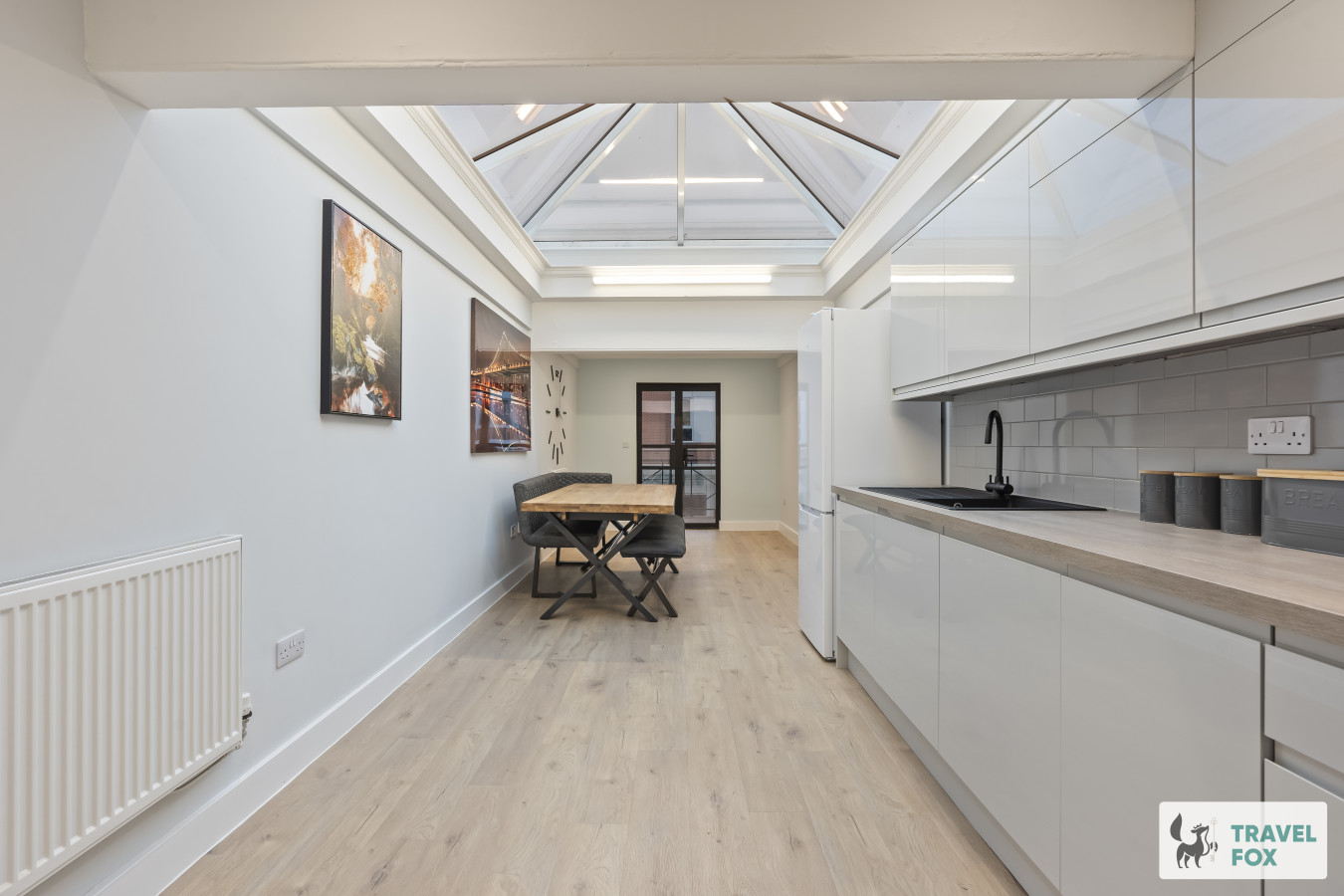
Nottingham
Camila's Penthouse Central Stay with Balcony
- Sleeps 16
- 5 bedrooms
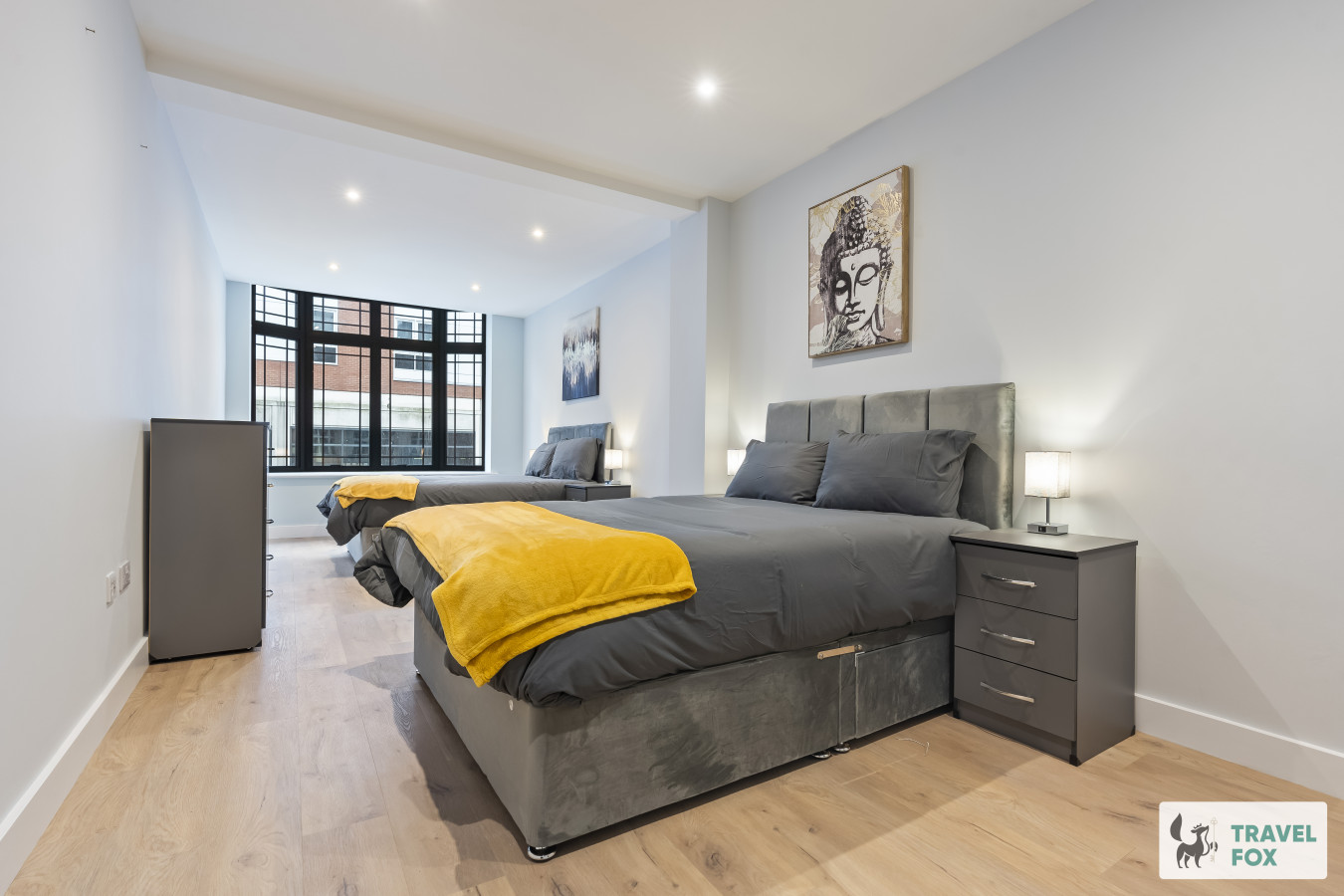
Nottingham
Blair's Central Stay
- Sleeps 16
- 5 bedrooms
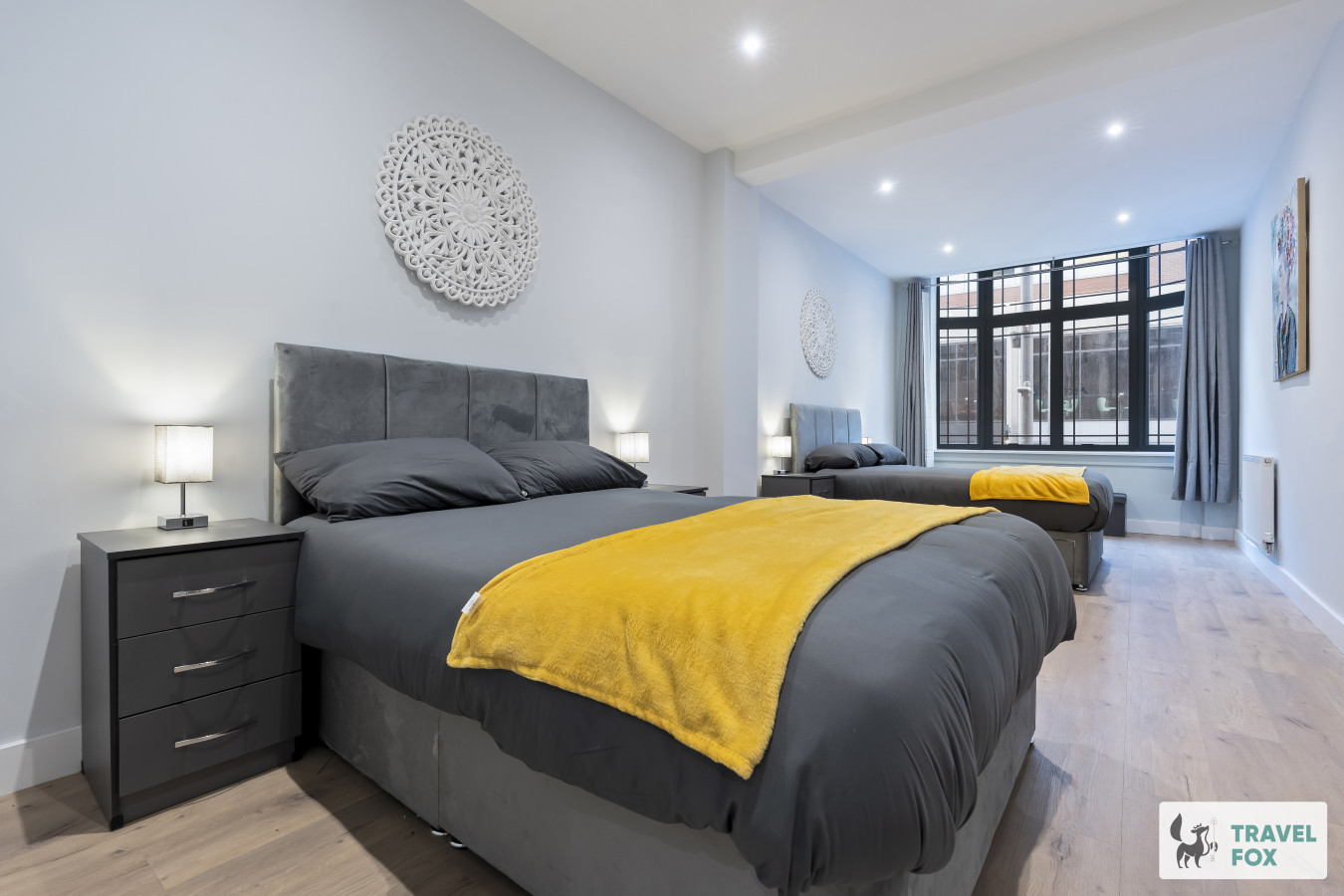
Nottingham
Anna's Central Stay
- Sleeps 16
- 5 bedrooms
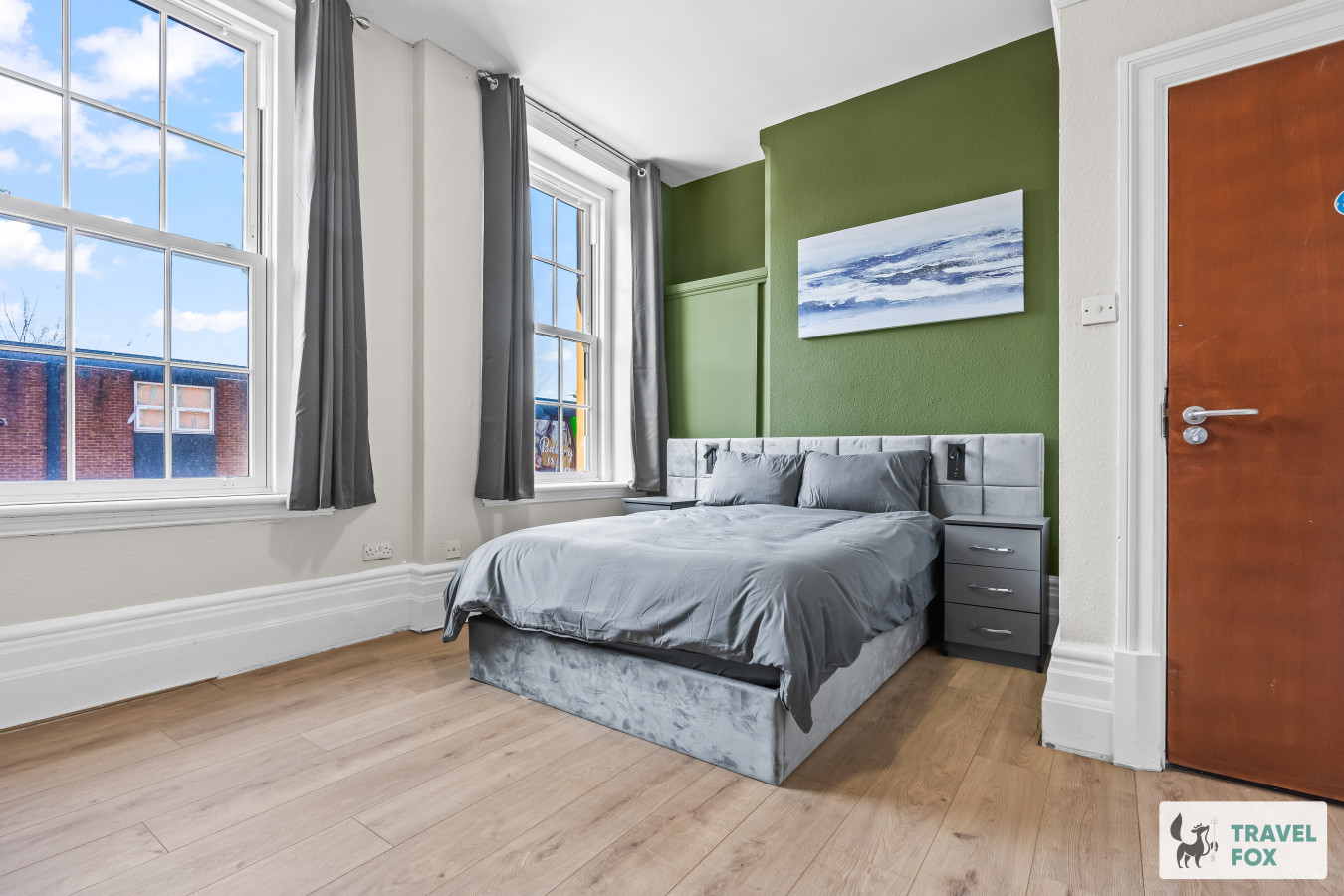
Nottingham
Melissa's Central Stay
- Sleeps 13
- 5 bedrooms
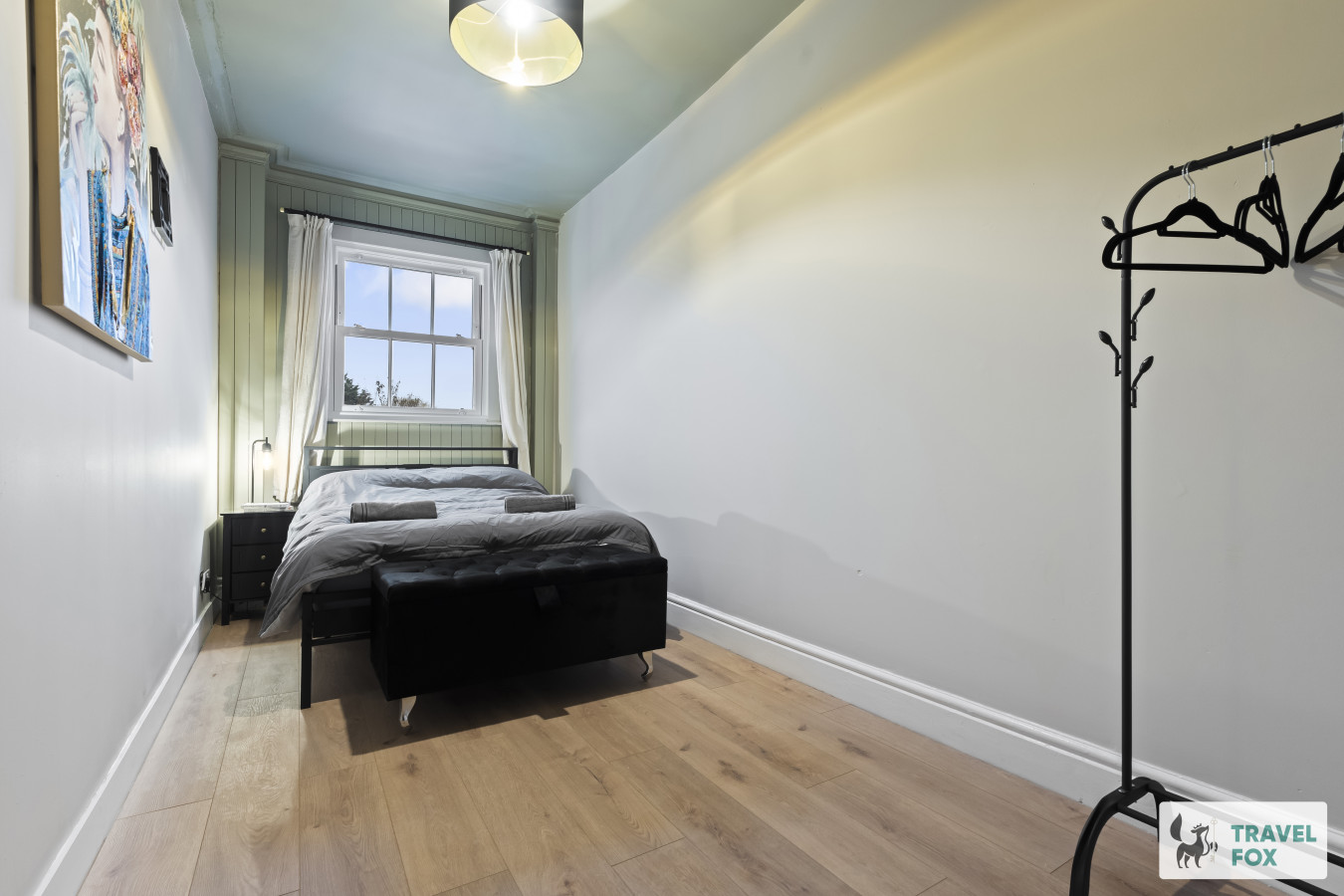
Nottingham
Callie's Central Stay
- Sleeps 9
- 3 bedrooms
For homeowners
Own a holiday home near Hawton?
We manage holiday lets across the UK from 12% commission, charged after cleaning costs, with no lock-in. A co-founder visits before you decide.
How our holiday let management works →
A guide with a point of view
Written from research. Edited for real journeys.
Use the Official site links for live practical details, then use this guide for context, ideas and room to explore.
Sources
Every place on this page is checked against a published source. Each entry links the record we used and names who publishes it.
- All Saints' Church — historicengland.org.uk statutory register or public authority record not machine-readable; publisher restricts automated access
- Hawton Waters — hawtonwaters.co.uk operator, sector body or destination organisation
- Farndon Circular Walk — nottinghamshire.gov.uk statutory register or public authority
- Newark Castle and Gardens — newarkcastleandgardens.co.uk operator, sector body or destination organisation
- National Civil War Centre — nationalcivilwarcentre.com operator, sector body or destination organisation
- The Castle Barge — castlebarge.com operator, sector body or destination organisation