
Church stories beside the Trent
Holme
A tiny riverside hamlet shaped by a flood-shifted parish, John Barton's wool wealth and a raised walk towards Langford Lowfields.
- Best for
- Church carving and riverside walking
- Give it
- A church visit and an embankment walk
- Don't miss
- John Barton's cadaver tomb and carved bench-ends
The Fox verdict
Come for the church, stay for the river story
Holme is a small hamlet whose church, embankment path and place on the opposite side of the Trent from its old parish give a short visit unusual depth.
St Giles' combines John Barton's tomb, rebus, early Tudor bench-ends and surviving medieval glass with the legend of Nan Scott's chamber above the porch. Beyond it, the raised path towards Langford Lowfields opens the village into a longer riverside outing.
Where to go
Places in Holme
Every place below is checked against a published source, listed with what it is and how long to give it.
Local signatures
3 placesSt Giles' Church, Holme
A church largely rebuilt and doubled in size for wool merchant John Barton in the 1480s, with his cadaver tomb, repeated barrel-and-bar rebus, carved early Tudor bench-ends and surviving medieval glass.
- Visit length
- Editorial estimate: allow around 45 minutes
- Locality
- Holme, on a sandy knoll overlooking the River Trent
- Access
- Dog friendly, with level access to the main areas.
Newark Air Museum
A family-oriented museum outing at Winthorpe, on the old A46 route, and one of the nearest such outings to Holme.
- Visit length
- Editorial estimate: allow around 2 hours
- Locality
- Winthorpe, on the old A46 route
National Civil War Centre
A Civil War history stop in Newark-on-Trent, the town roughly four miles south of Holme.
- Visit length
- Editorial estimate: allow around 90 minutes
- Locality
- Newark-on-Trent
Food & drink
1 placeThe Muskham Ferry
A riverside pub serving beer-battered fish and chips, slow-cooked pies and Sunday roasts, with a beer garden overlooking the Trent.
- Visit length
- Editorial estimate: allow around 75 minutes
- Locality
- North Muskham, across the Trent
- Access
- Dog friendly inside and out.
Walks & outdoors
2 placesTrent Valley Way at Holme
A raised embankment walk towards Langford Lowfields, about five metres above the surrounding fields, with views of Winthorpe angling lake and North Muskham across the river.
- Visit length
- Editorial estimate: allow around 90 minutes
- Locality
- Along and near Holme via Langford Lane
Langford Lowfields
An RSPB and Tarmac lowland wetland and reedbed reserve where recorded species include bitterns, marsh harriers and avocets.
- Visit length
- Editorial estimate: allow around 90 minutes
- Locality
- Near Collingham, east of Holme
No places match this filter. Choose All places to reset the list.
Three ways to explore Holme
Signature outings
Find Barton's rebus
Look for the barrel crossed by a bar, John Barton's punning rebus, repeated through St Giles' and on his tomb.
Look for wetland birds
Visit Langford Lowfields, where bitterns, marsh harriers and avocets are among the recorded species.
Pause at the old ferry
Choose pub classics at The Muskham Ferry and sit in the beer garden overlooking the river near the old crossing site.
The village story
Holme Village Guide
A church chamber legend, a river that redrew the parish and an embankment walk through the Trent landscape.
Nan Scott and a Village Across the Trent
Above the porch of St Giles' Church is a room with a 15th-century oak door, an 18th-century chest, and a table too big to have been carried up the narrow stair — built in place, most likely, though the story people prefer is that a villager called Nan Scott shut herself in there during the plague of 1666, watching her neighbours' funerals through the window below, and stayed on rather than come out to an empty village.
Holme itself is small enough that the legend does most of the talking. Eighty people live here, on the east bank of the Trent, and there is no pub or shop within the village boundary. What Holme has instead is the church on its sandy knoll, a raised embankment path along the river, and a location that's been slightly wrong since the sixteenth century, when a flood shifted the Trent's course and left the village stranded on the far side from its own parish.
Along the Embankment to the Old Ferry
The walking makes up for the rest. The path north from Winthorpe follows Holme Lane along the river, then climbs the embankment towards Langford Lowfields, a good five metres above the fields, with Winthorpe's angling lake on one side and North Muskham visible across the water, before reaching the RSPB reserve, where bitterns, marsh harriers and avocets are recorded.
For food and a pint, that's the Muskham Ferry, across the river in North Muskham: beer-battered fish and chips, slow-cooked pies, a Sunday roast, and fresh fish from Grimsby on Wednesdays, with Greene King Abbot and three rotating guest ales. It's dog friendly, has a beer garden over the water, and stands close to where the old ferry used to cross.
Wool, War and High Water
The church is the reason to stop. It was rebuilt and doubled in size in the 1480s by John Barton, a wool merchant who died in 1491 and is buried in the chancel beside his wife Isabella, above a carved cadaver tomb. His rebus — a barrel crossed by a bar, punning on "Bar-tun" — turns up throughout the building, beneath a verse from his house window recorded as "I thanke God, and ever shall, It is the sheep have paid for all." Bench-ends are carved with angels, dogs and birds, and medieval glass survives in the chancel and Lady Chapel.
The Trent has flooded here repeatedly — 1683, 1770, 1795, 1875, and most recently on 25 October 2023, cutting the village off by road and affecting around forty properties. The last sturgeon caught in the Trent, eight and a half feet long and 250lbs, was landed near Holme in 1902; during the Civil War, Lord Bellasis of Holme Hall governed Newark Castle when it surrendered to Parliament in 1646.
Newark, Langford and the Parish Divide
Newark-on-Trent is four miles south, with the National Civil War Centre; Newark Castle station is about the same distance, and a Centrebus 367 stop at Holme Lane runs into town.
The embankment path also passes the site of the old Muskham Ferry, which once carried Muskham's children across the water to school in Holme — a crossing needed until the church register and the map agreed on which side everyone actually lived.
Stay around Nottinghamshire
Make a longer stay of it
Travel Fox holiday homes around Nottinghamshire, linked directly to their property pages.
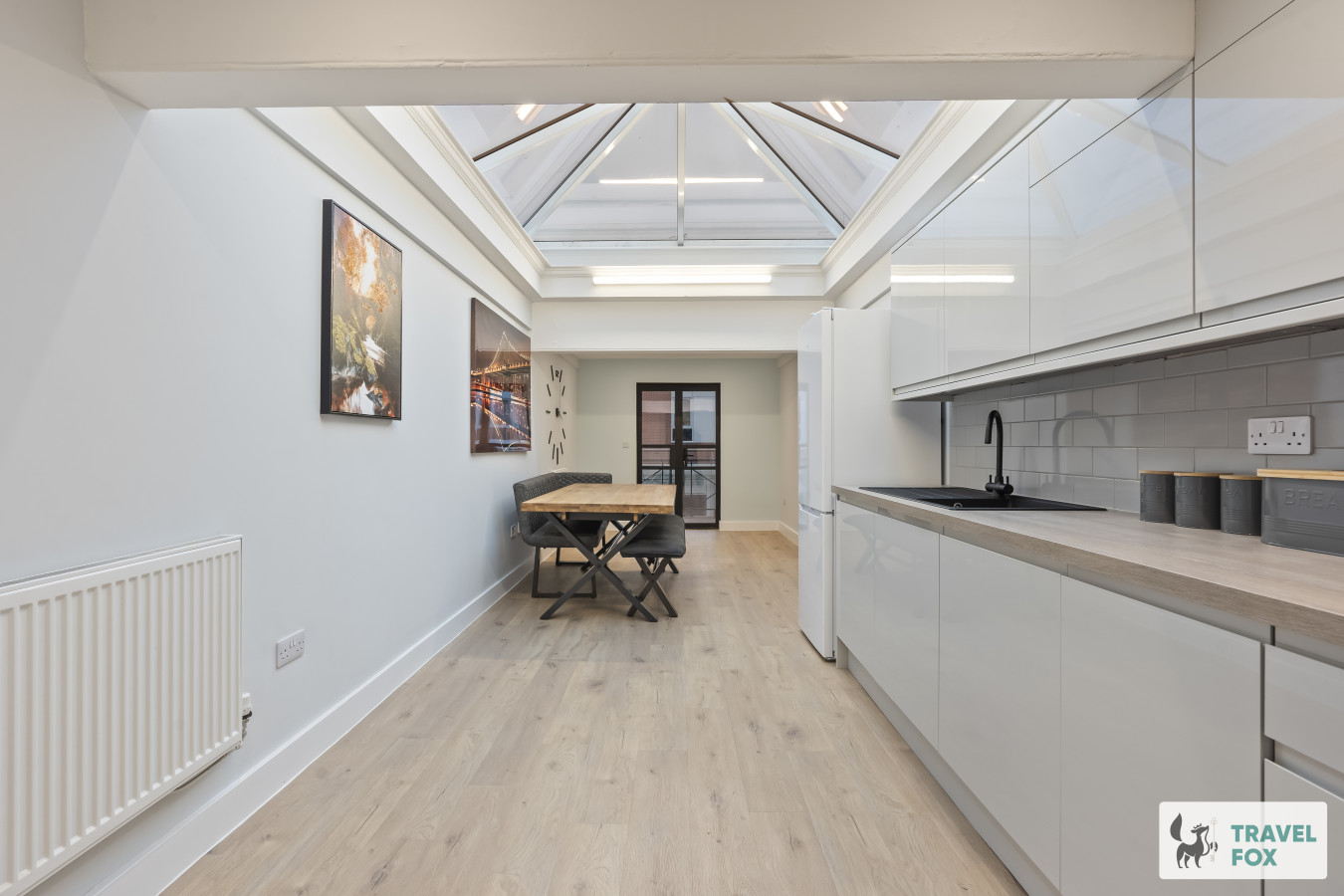
Nottingham
Camila's Penthouse Central Stay with Balcony
- Sleeps 16
- 5 bedrooms
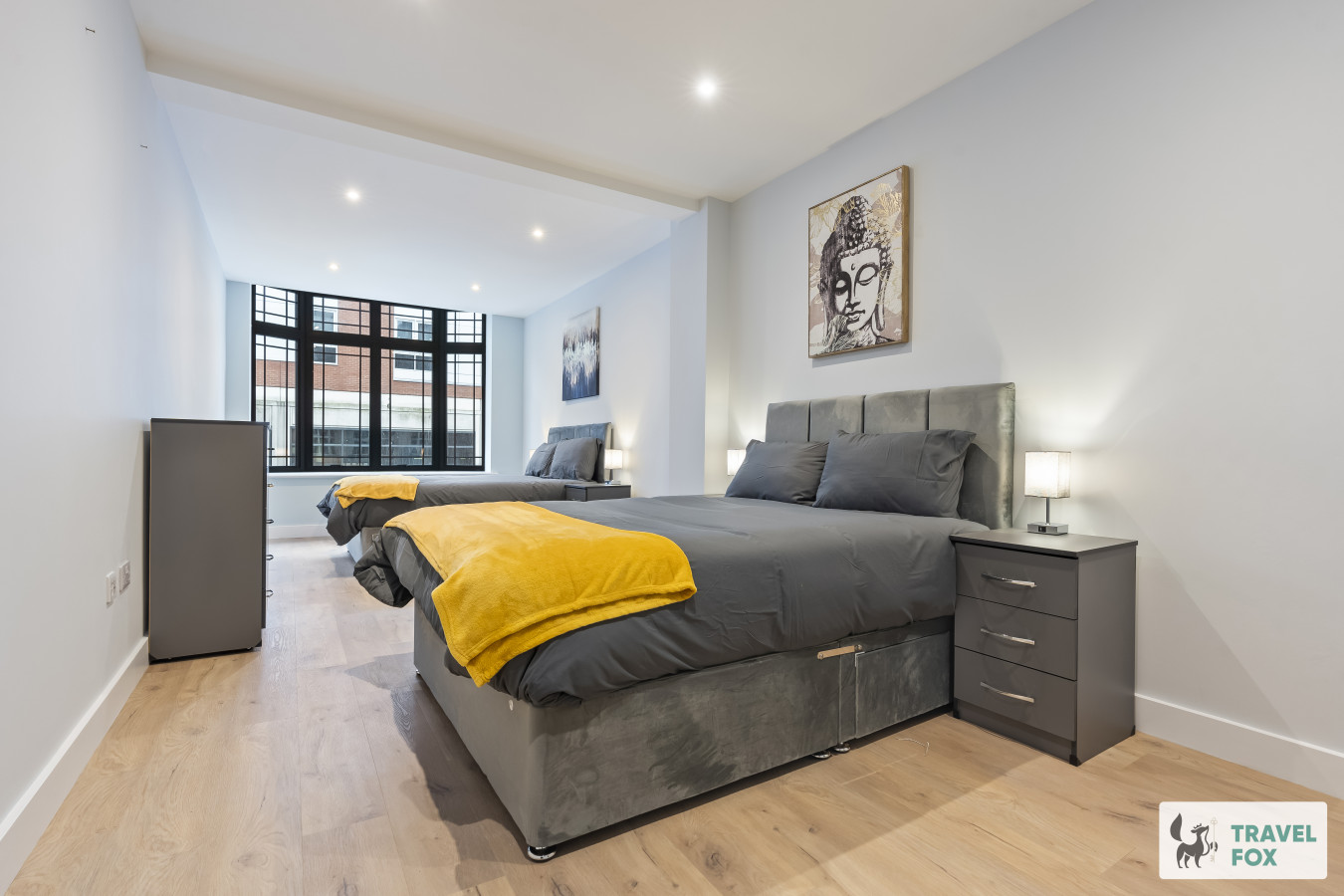
Nottingham
Blair's Central Stay
- Sleeps 16
- 5 bedrooms
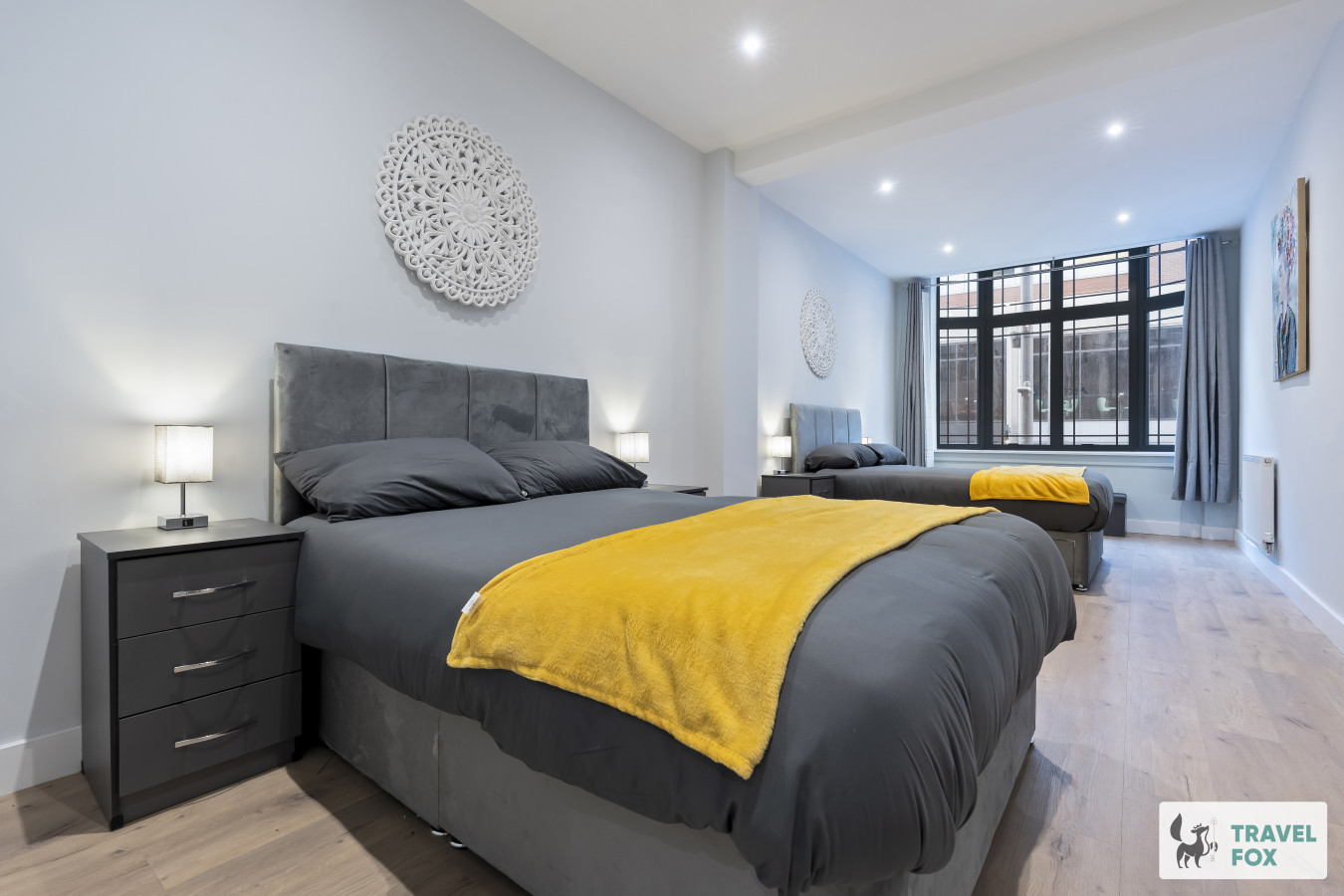
Nottingham
Anna's Central Stay
- Sleeps 16
- 5 bedrooms
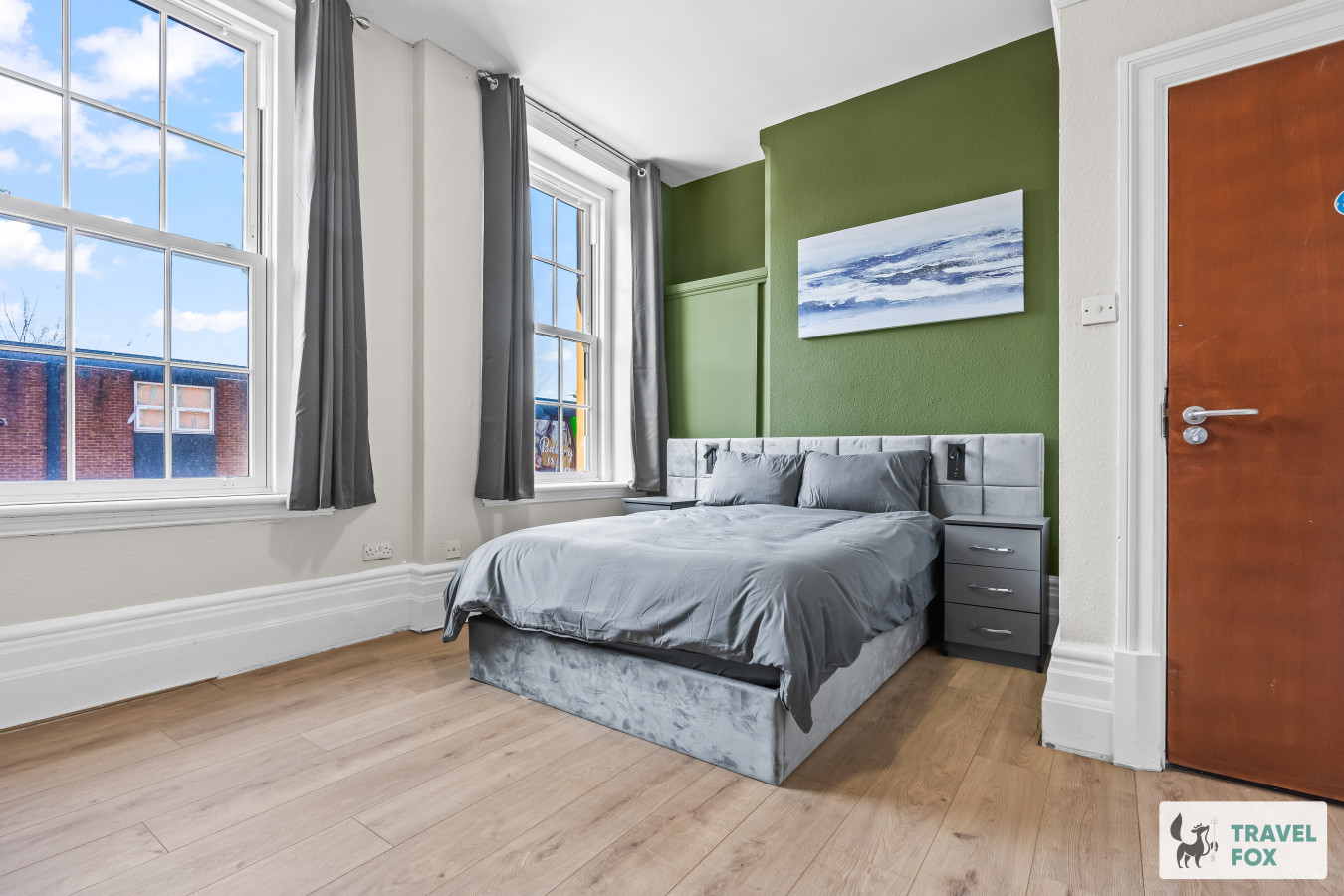
Nottingham
Melissa's Central Stay
- Sleeps 13
- 5 bedrooms
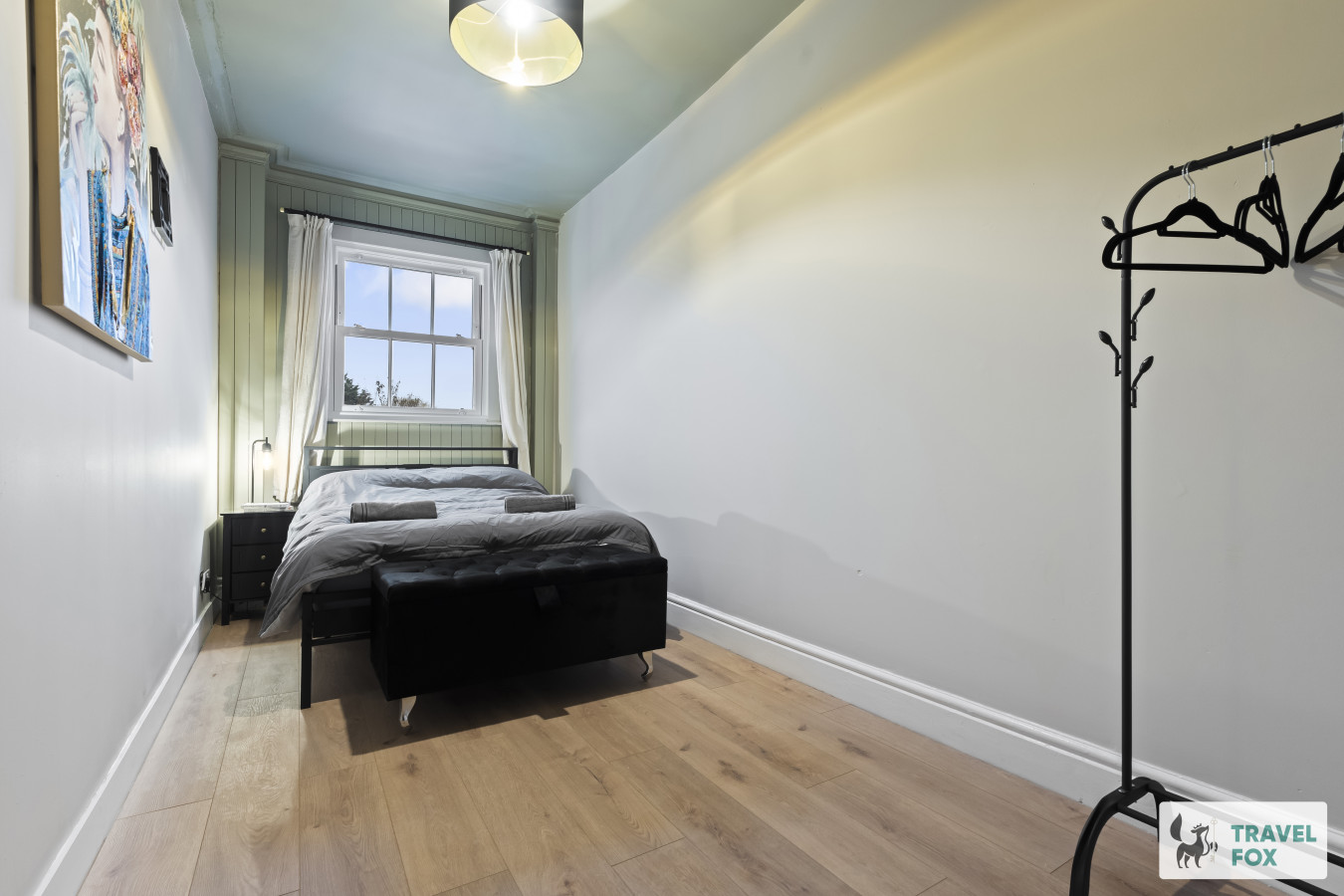
Nottingham
Callie's Central Stay
- Sleeps 9
- 3 bedrooms
For homeowners
Own a holiday home near Holme?
We manage holiday lets across the UK from 12% commission, charged after cleaning costs, with no lock-in. A co-founder visits before you decide.
How our holiday let management works →
A guide with a point of view
Written from research. Edited for real journeys.
Use the Official site links for live practical details, then use this guide for context, ideas and room to explore.
Sources
Every place on this page is checked against a published source. Each entry links the record we used and names who publishes it.
- St Giles' Church, Holme — nationalchurchestrust.org national body or asset manager
- Trent Valley Way at Holme — nottinghamshire.oc2.uk other published source
- Langford Lowfields — rspb.org.uk national body or asset manager
- The Muskham Ferry — web.themuskhamferry.co.uk operator, sector body or destination organisation
- Newark Air Museum — newarkairmuseum.org operator, sector body or destination organisation
- National Civil War Centre — nationalcivilwarcentre.com operator, sector body or destination organisation