
Trent-side Kelham
Kelham
Village food, Victorian Gothic history and river walks on the west bank of the Trent.
- Best for
- Riverside walks, village dining and layered history
- Give it
- A half day shared between a walk, a historic stop and a meal
- Don't miss
- A ticketed visit to Kelham Hall on a selected date
The Fox verdict
A small Trent-side village with a substantial past
Kelham brings together The Fox Inn, the Trent Valley Way, a Grade I church and the history of Kelham Hall.
The Fox Inn offers a village meal, the Trent Valley Way crosses the parish, and St Wilfrid's Church and Gilbert Scott's Gothic hall carry much of Kelham's architectural history.
Where to go
Places in Kelham
Every place below is checked against a published source, listed with what it is and how long to give it.
Local signatures
3 placesThe Fox Inn
A multi-room village pub with a raised restaurant area, a beer garden and regularly served real ale.
- Visit length
- Editorial estimate: around 90 minutes
- Locality
- Main Street
St Wilfrid's Church
A Grade I church with a late-14th-century west tower, gargoyles and crocketed pinnacles, a surviving rood-screen stair and a memorial to Robert and Margaret Sutton.
- Visit length
- Editorial estimate: around 45 minutes
- Locality
- Kelham
Trent Valley Way
The Trent Valley Way passes through Kelham parish towards Newark along local public footpaths.
- Visit length
- Editorial estimate: around 120 minutes
- Locality
- passing through Kelham parish
History & heritage
1 placeKelham Bridge
The Grade II road bridge dates from 1857 and has five segmental brick arches, stone dressings and pedestrian refuges.
- Visit length
- Editorial estimate: around 10 minutes
- Locality
- Newark Road
Things to do
1 placeThe Renaissance at Kelham Hall
A Gothic Revival hall designed by Sir George Gilbert Scott, set in 42 acres of landscaped gardens. Selected Experience Kelham dates offer ticketed grounds or house-and-grounds visits.
- Visit length
- Editorial estimate: around 120 minutes
- Locality
- Main Street
- Access
- Public visits are limited to selected Experience Kelham dates, with grounds and house-and-grounds tickets offered.
No places match this filter. Choose All places to reset the list.
Three ways to explore Kelham
Signature outings
Kelham Bridge
Kelham's 1857 road bridge has five segmental arches and stone pedestrian refuges, linking the village's present crossing with its river history.
Tower, screen and memorial
Look for St Wilfrid's four-stage west tower, crocketed pinnacles, the surviving rood-loft stair and the Sutton memorial in the chancel.
Gothic hall and gardens
On selected Experience Kelham dates, choose a grounds ticket or a house-and-grounds ticket to explore Gilbert Scott's hall and its landscaped setting.
The village story
Kelham by the Trent: Gothic Hall and a Captive King
A Trent-side village of pub food, river paths, Gothic architecture and a remarkable Civil War episode.
Pub Food and Setting
The Fox Inn on Main Street is a multi-room pub with a raised restaurant area. Its published menu includes ham hock and cheddar croquettes, scampi, pies and a Cumberland sausage ring. The pub has a beer garden, pool table and darts board, and offers motorhome stopovers with electric hook-up. Morland's Old Speckled Hen is a regular ale alongside two changing guest beers.
Kelham sits on the west bank of the Trent, where the river and its floodplain have shaped the village and its crossings.
Village Events and Walks
Kelham House on Main Street hosts private functions and events, including private dining arranged for event guests.
The Trent Valley Way passes through Kelham parish towards Newark along local public footpaths. OS Explorer Map 271 covers the area.
Gothic Hall and River Crossing
Kelham Hall stands in 42 acres of gardens and lawns. After a fire in 1857, Sir George Gilbert Scott designed the present Gothic Revival building for the Manners-Sutton family; its main construction ran from 1859 to 1861. The hall later became a theological college and acquired its domed chapel. It now operates as an events venue, with selected Experience Kelham dates offering ticketed grounds visits or house-and-grounds visits.
The Grade II Kelham Bridge on Newark Road dates from 1857. Its five segmental brick arches have stone dressings and pedestrian refuges.
Church and Domesday
Kelham appears across five manors in Domesday. St Wilfrid's Church is Grade I listed, with a medieval west tower and a memorial to Robert and Margaret Sutton.
Charles I at Kelham
In May 1646 Charles I arrived in Southwell and placed himself in the hands of the Scottish army. After agreeing to order Newark's surrender, he was taken to Kelham as a prisoner and then north to Newcastle. The episode gives Kelham a direct place in the closing months of the First Civil War.
Stay around Nottinghamshire
Make a longer stay of it
Travel Fox holiday homes around Nottinghamshire, linked directly to their property pages.
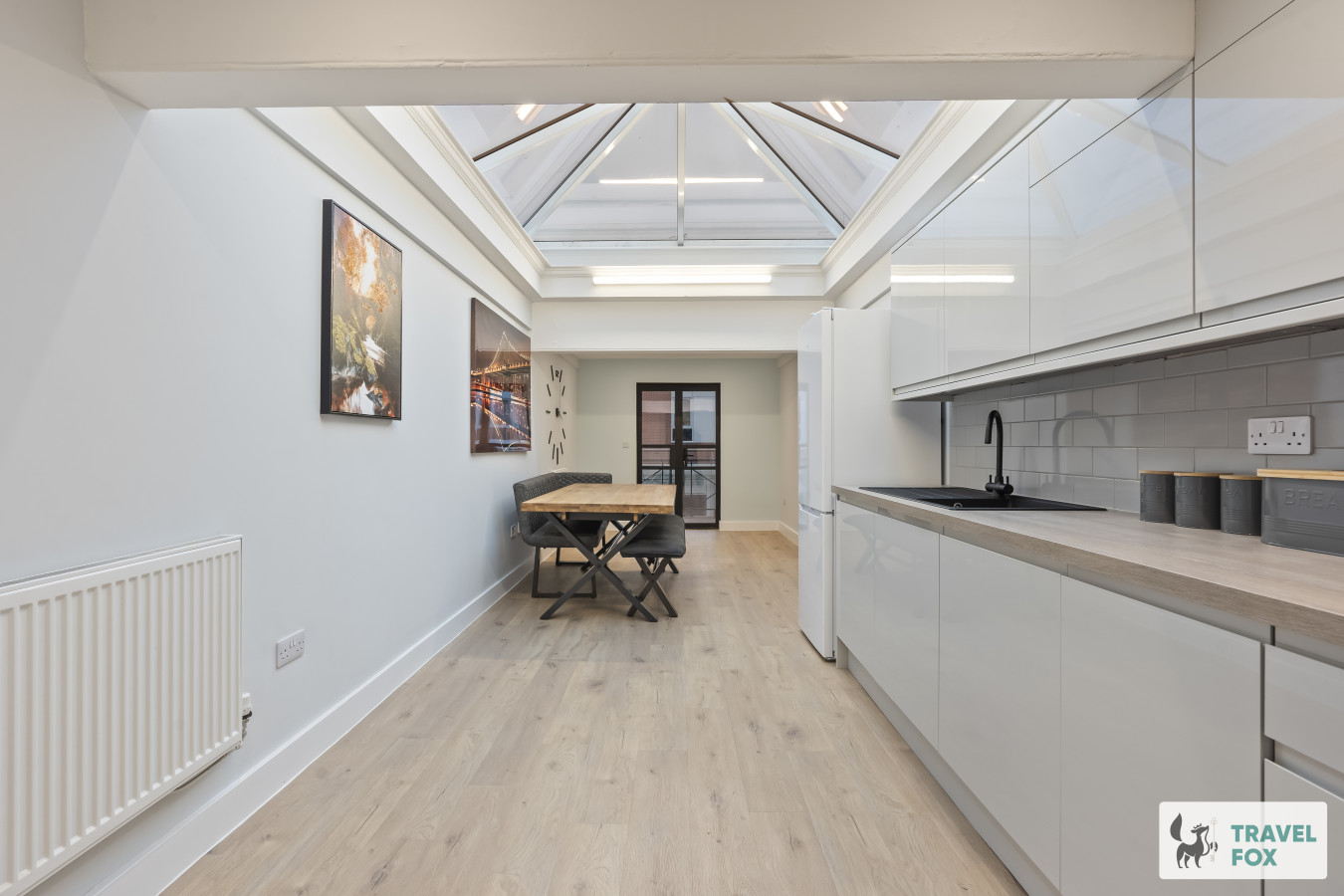
Nottingham
Camila's Penthouse Central Stay with Balcony
- Sleeps 16
- 5 bedrooms
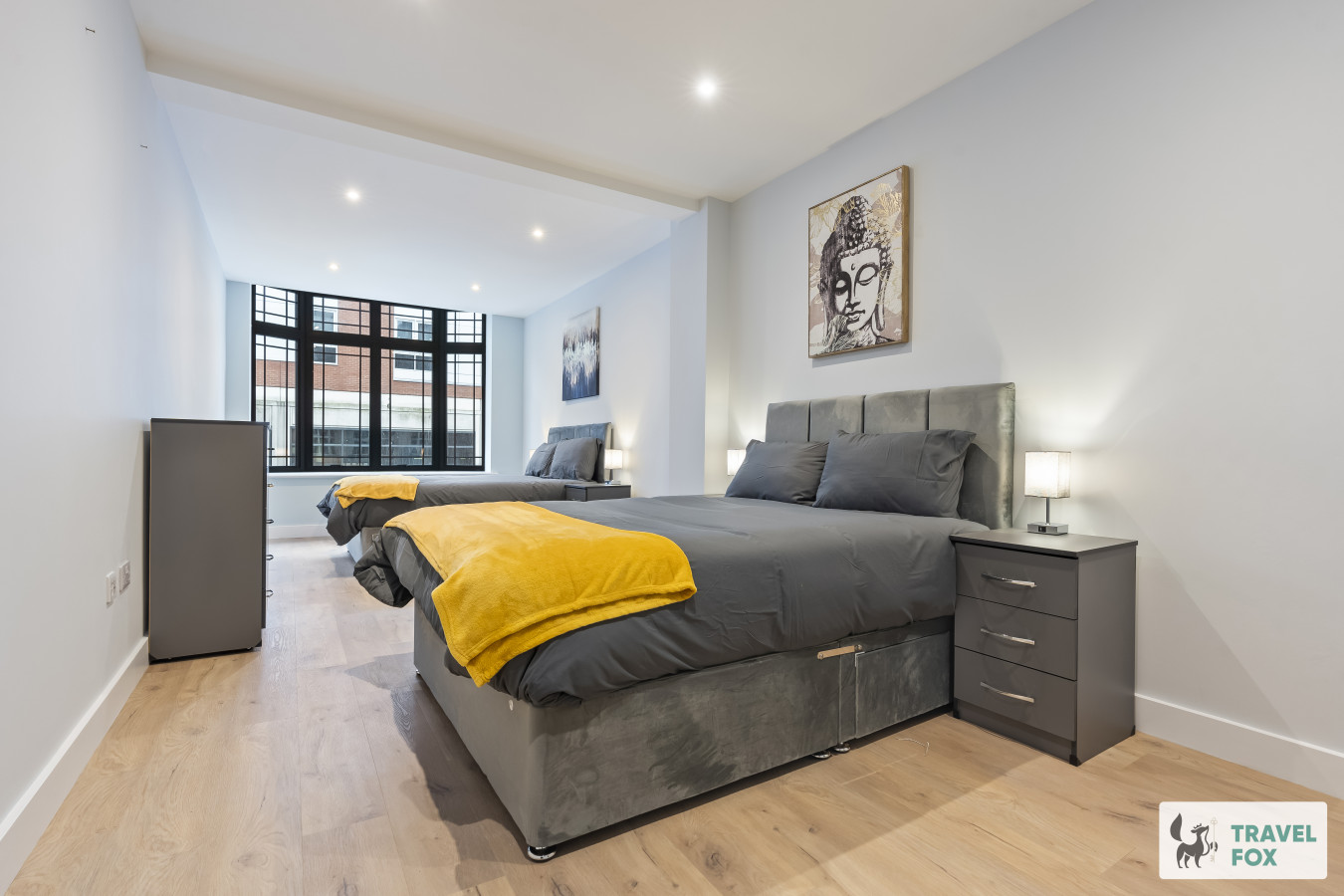
Nottingham
Blair's Central Stay
- Sleeps 16
- 5 bedrooms
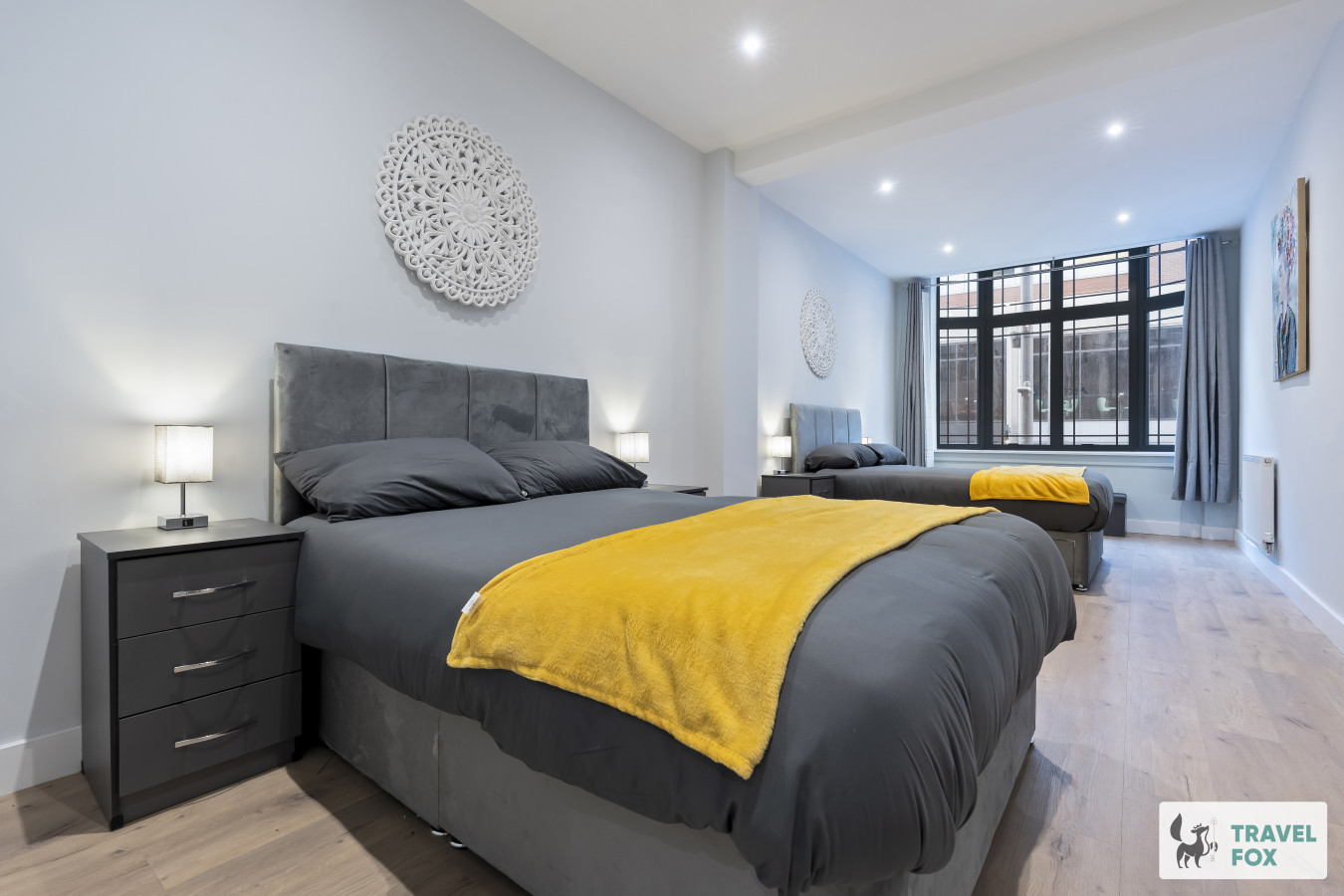
Nottingham
Anna's Central Stay
- Sleeps 16
- 5 bedrooms
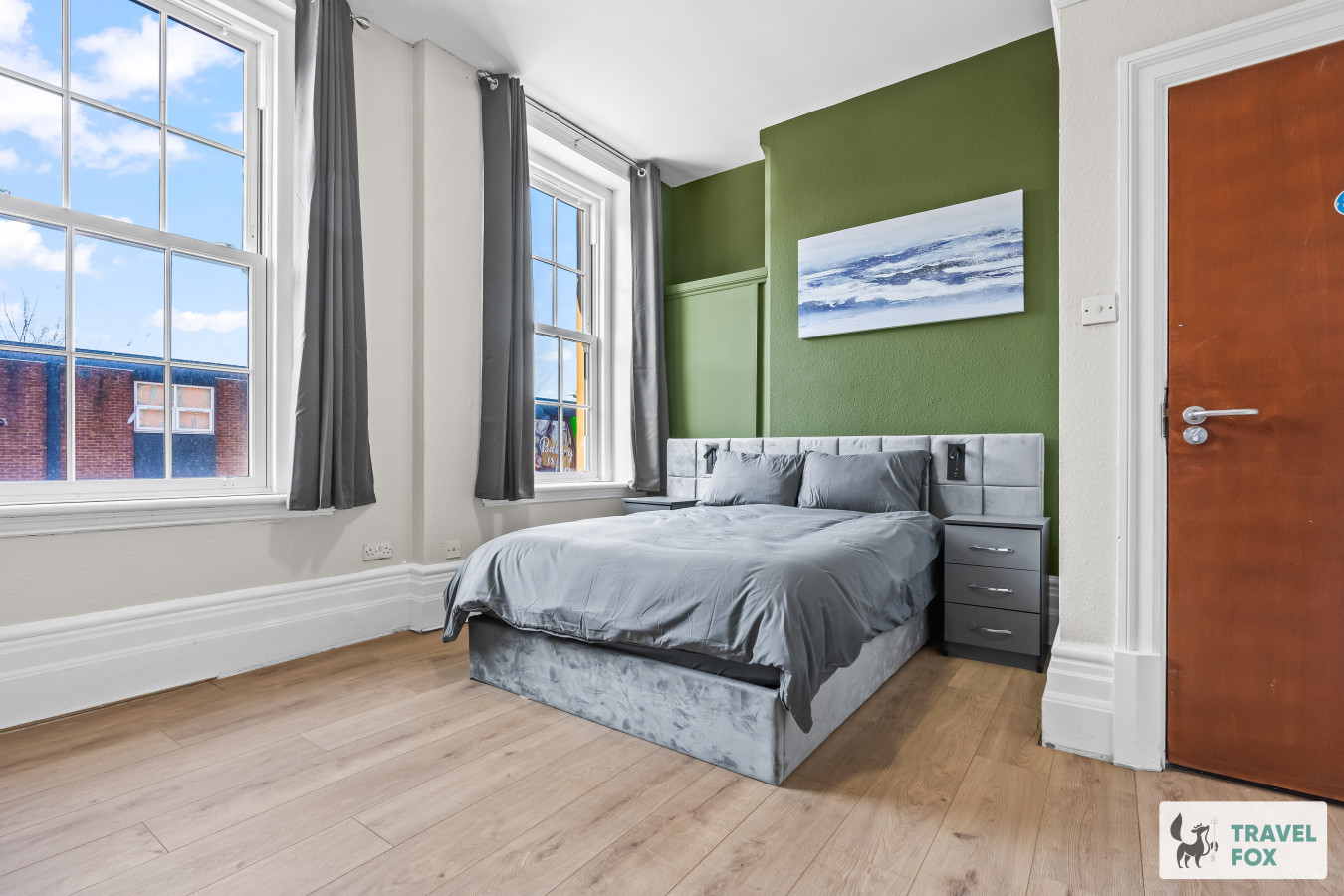
Nottingham
Melissa's Central Stay
- Sleeps 13
- 5 bedrooms
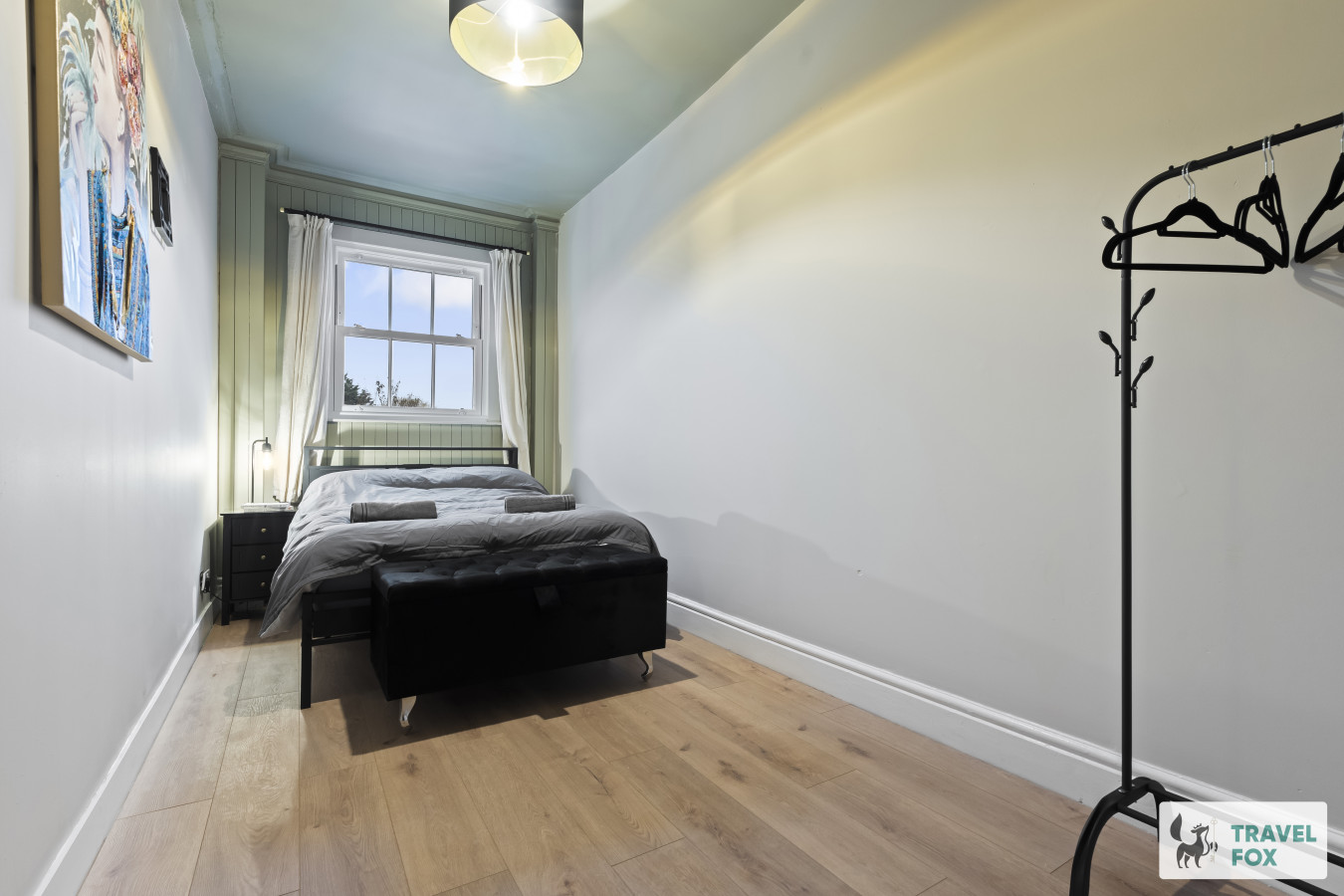
Nottingham
Callie's Central Stay
- Sleeps 9
- 3 bedrooms
For homeowners
Own a holiday home near Kelham?
We manage holiday lets across the UK from 12% commission, charged after cleaning costs, with no lock-in. A co-founder visits before you decide.
How our holiday let management works →
A guide with a point of view
Written from research. Edited for real journeys.
Use the Official site links for live practical details, then use this guide for context, ideas and room to explore.
Sources
Every place on this page is checked against a published source. Each entry links the record we used and names who publishes it.
- The Fox Inn — camra.org.uk operator, sector body or destination organisation
- Kelham Bridge — historicengland.org.uk statutory register or public authority
- St Wilfrid's Church — historicengland.org.uk statutory register or public authority record not machine-readable; publisher restricts automated access
- The Renaissance at Kelham Hall — renaissance-kelham.com operator, sector body or destination organisation
- Trent Valley Way — trentriverstrust.org operator, sector body or destination organisation