
A small estate village with an extraordinary church
Kingston on Soar
Tree-lined Kingston on Soar brings together a three-cornered Green, community traditions, Tudor carving and walks in the surrounding countryside.
- Best for
- The Babington Chantry and parish walking
- Give it
- Village landmarks or a seven-mile circular walk
- Don't miss
- Around 200 babies-in-barrels carved on the Chantry
The Fox verdict
A small village with one remarkable interior
Kingston on Soar rewards a focused visit to St Winifred's and a longer look at the paths, listed details and community life around it.
The Babington Chantry is the defining sight: a pillared canopy crowded with a family rebus and a Last Judgement. Beyond the church, the Green, village hall and K6 kiosk give the settlement its scale. A seven-mile circular route from Sutton Bonington passes through Kingston on Soar and West Leake.
Where to go
Places in Kingston on Soar
Every place below is checked against a published source, listed with what it is and how long to give it.
Local signatures
3 placesKingston on Soar Village Hall
Built in 1934, the village hall hosts public meetings, village events and regular activities including Tai Chi and a choir.
- Visit length
- Editorial estimate: around 30 minutes
- Locality
- near the centre of the village on The Green
Midshires Way
West Leake Bridleway 5 forms part of the Midshires Way, providing a nearby section of the long-distance route.
- Visit length
- Editorial estimate: around 90 minutes for a local outing
- Locality
- West Leake
Church of St Michael, Sutton Bonington
This Grade II* church on Sutton Bonington’s Main Street has 13th-century fabric, a 14th-century tower and a 15th-century spire.
- Visit length
- Editorial estimate: around 30 minutes
- Locality
- Sutton Bonington
Walks & outdoors
1 placeSutton Bonington–Kingston on Soar–West Leake Circular
This seven-mile circuit follows the River Soar towards Kegworth, visits Kingston on Soar and returns to Sutton Bonington via West Leake. It is mostly flat, with a few stiles.
- Visit length
- Editorial estimate: around 4 hours
- Locality
- starting on Pasture Lane, Sutton Bonington
History & heritage
3 placesChurch of St Winifred
Grade I St Winifred's preserves the Babington Chantry, a pillared canopy erected in 1538 and carved with about 200 babies-in-barrels and a Last Judgement.
- Visit length
- Editorial estimate: around 45 minutes
- Locality
- Kingston on Soar
St Winifred's Churchyard Lychgate
The Grade II-listed lychgate dates from 1902 and commemorates the coronation of Edward VII.
- Visit length
- Editorial estimate: around 10 minutes
- Locality
- with the Church of St Winifred
K6 Telephone Kiosk
A Grade II-listed example of the classic red K6 telephone kiosk designed by Scott.
- Visit length
- Editorial estimate: around 10 minutes
- Locality
- Main Street, beside The Green
No places match this filter. Choose All places to reset the list.
Three ways to explore Kingston on Soar
Signature outings
Read the Babington carvings
Look for Tudor roses and heraldic shields among the carvings, then notice the alabaster font elsewhere in the church.
Follow the Soar from Sutton Bonington
Start on Pasture Lane in Sutton Bonington. The route guide suggests a visit to St Winifred’s when the circuit reaches Kingston on Soar.
A medieval landmark
At the Church of St Michael, look for the 14th-century north arcade and the font decorated with quatrefoil panels.
The village story
Kingston on Soar Village Guide
A portrait of village life, Tudor carving, estate history and paths through the Soar landscape.
The Green and Village Life
The green at Kingston on Soar is three-cornered and lined with trees; nearby on Main Street stands a red K6 telephone box that nobody much needs any more but nobody has taken away either. Kingston Brook comes down off the Wolds, runs through the grounds of Kingston Hall and feeds a lake there, then carries on through the village to the River Soar, which marks the county boundary with Leicestershire a short walk to the west.
There is no pub in the village, and it's better said plainly than worked around. The nearest is over the river in Kegworth, about 0.7 miles away, and that's also where the shops are — Kingston on Soar, home to around 300 people, has neither. Soar Valley community buses stop on Kegworth Road and on The Green, and there's a weekly market bus to Loughborough on Thursdays.
The village hall was built in 1934 near the centre of Kingston on Soar. It hosts public meetings, village events and regular activities including Tai Chi and a choir.
The Babington Chantry and Its Legend
The reason to walk up to the church is the Babington Chantry. St Winifred's is Grade I listed and included in Simon Jenkins' England's Thousand Best Churches. Inside is a pillared canopy built in 1538 by Sir Anthony Babington, carved with around 200 tiny babies sitting in barrels — a rebus on the family name — twenty-eight of them arranged as boys and girls in a ring of roses around two of the capitals. Above it is a Last Judgement: Christ, Michael and Gabriel with trumpets, the saved climbing up, the damned going the other way.
The younger Anthony Babington, who plotted to free Mary, Queen of Scots and was executed for it in 1586 aged 25, is said to have hidden here when the plot fell apart. Arthur Mee, writing in 1938, recorded that he "is said to have hidden for a time on the top of this canopy after the discovery of the plot which cost him his life."
Most of what you see today is an 1899–1900 rebuild, paid for by Henry Strutt, 2nd Baron Belper, in memory of his son William, who died in 1898. The old Babington stonework was kept throughout. Three walnut trees still grow in the churchyard.
Kingston Hall and Chinestan
Kingston Hall, just beyond, was built in the 1840s for Edward Strutt by Edward Blore, who had earlier worked on Buckingham Palace. The alabaster columns in its entrance hall came from gypsum dug on the estate — there was a mine and a tramway running gypsum down to Kegworth station until the 1980s. The Strutts sold the hall in 1976; it has been twelve separate dwellings since 1980.
Before any Strutt arrived, Domesday Book recorded the place as Chinestan, split across four separate landholdings. Earl Hugh of Chester's share alone fell in value from thirty shillings to ten between 1066 and 1086.
Paths, Transport and John Berridge
A seven-mile circular walk starts in Sutton Bonington, follows the River Soar towards Kegworth, passes through Kingston on Soar and returns by West Leake. Ratcliffe-on-Soar Power Station, the UK’s last coal-fired station, closed in 2024; its cooling towers remain a landmark, with demolition expected no earlier than 2029. East Midlands Parkway is the nearest station, and the M1 is about two miles away at Junction 24. Roads into the village carry a 7.5-tonne weight limit, and the railway bridge on Kegworth Road has a 12ft 6in height limit.
John Berridge was born in Kingston on Soar in 1716, the son of a wealthy farmer. He became an evangelical clergyman whose preaching drew large crowds. He died at Everton in Bedfordshire in 1793 and was buried in its churchyard.
Stay around Nottinghamshire
Make a longer stay of it
Travel Fox holiday homes around Nottinghamshire, linked directly to their property pages.
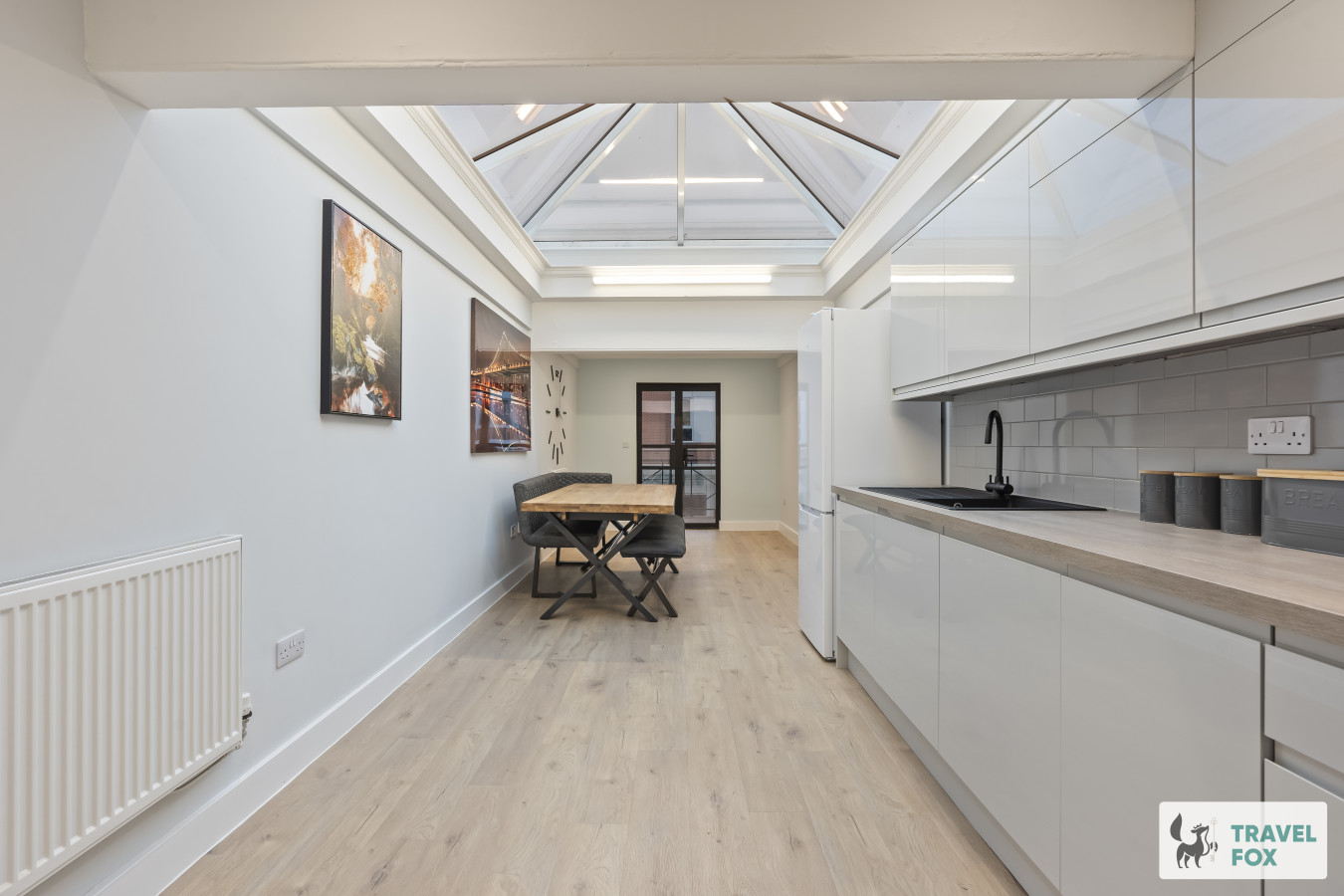
Nottingham
Camila's Penthouse Central Stay with Balcony
- Sleeps 16
- 5 bedrooms
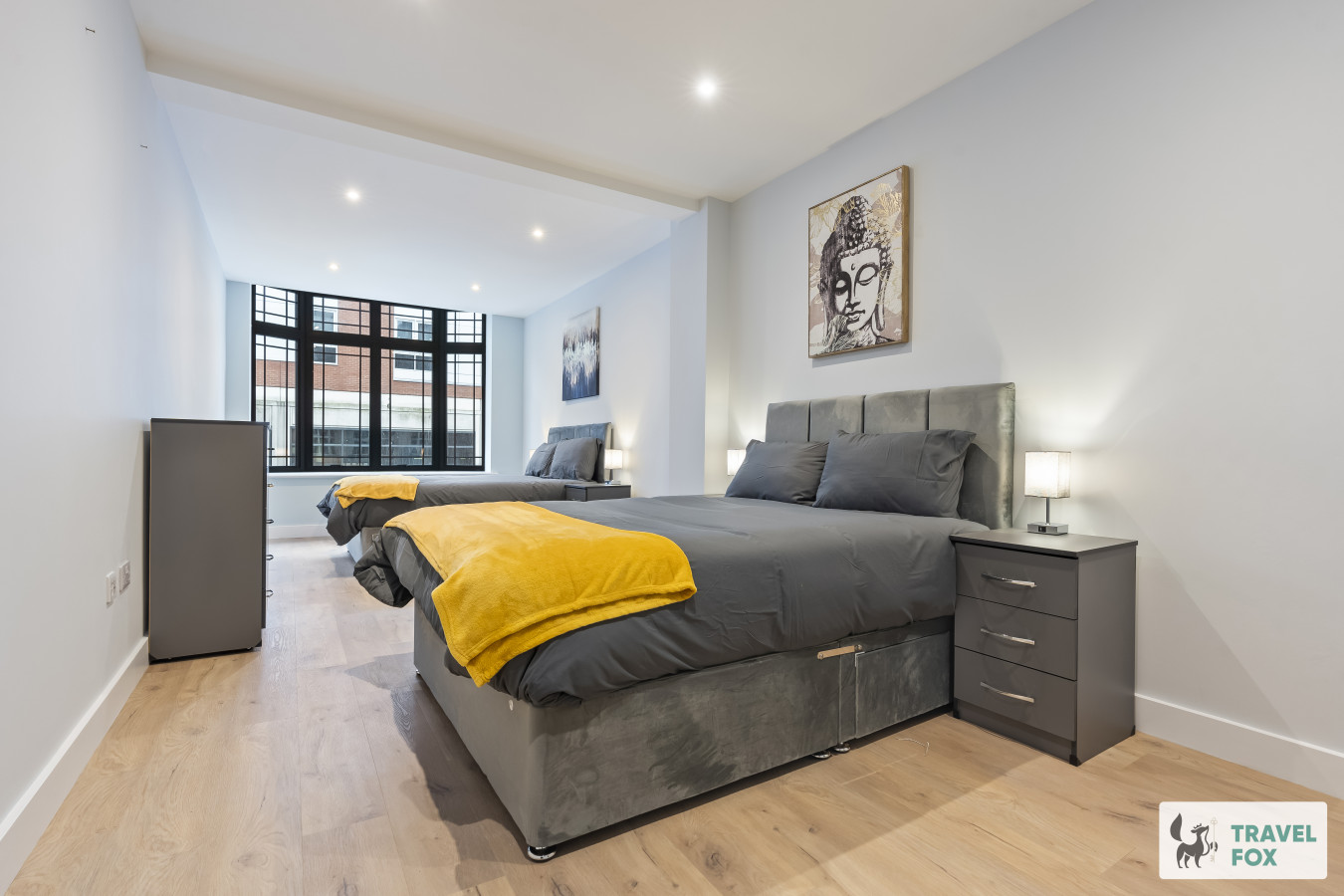
Nottingham
Blair's Central Stay
- Sleeps 16
- 5 bedrooms
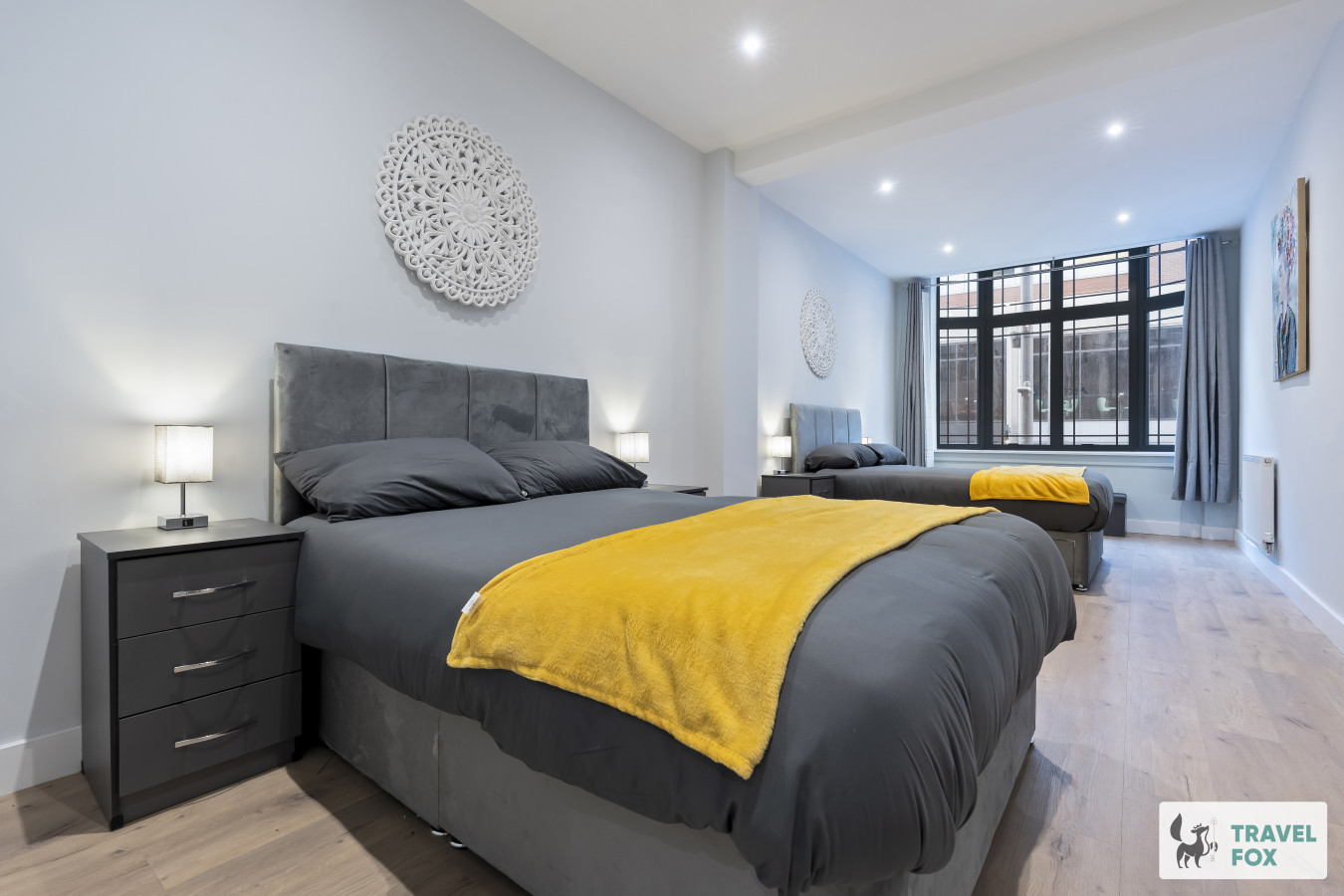
Nottingham
Anna's Central Stay
- Sleeps 16
- 5 bedrooms
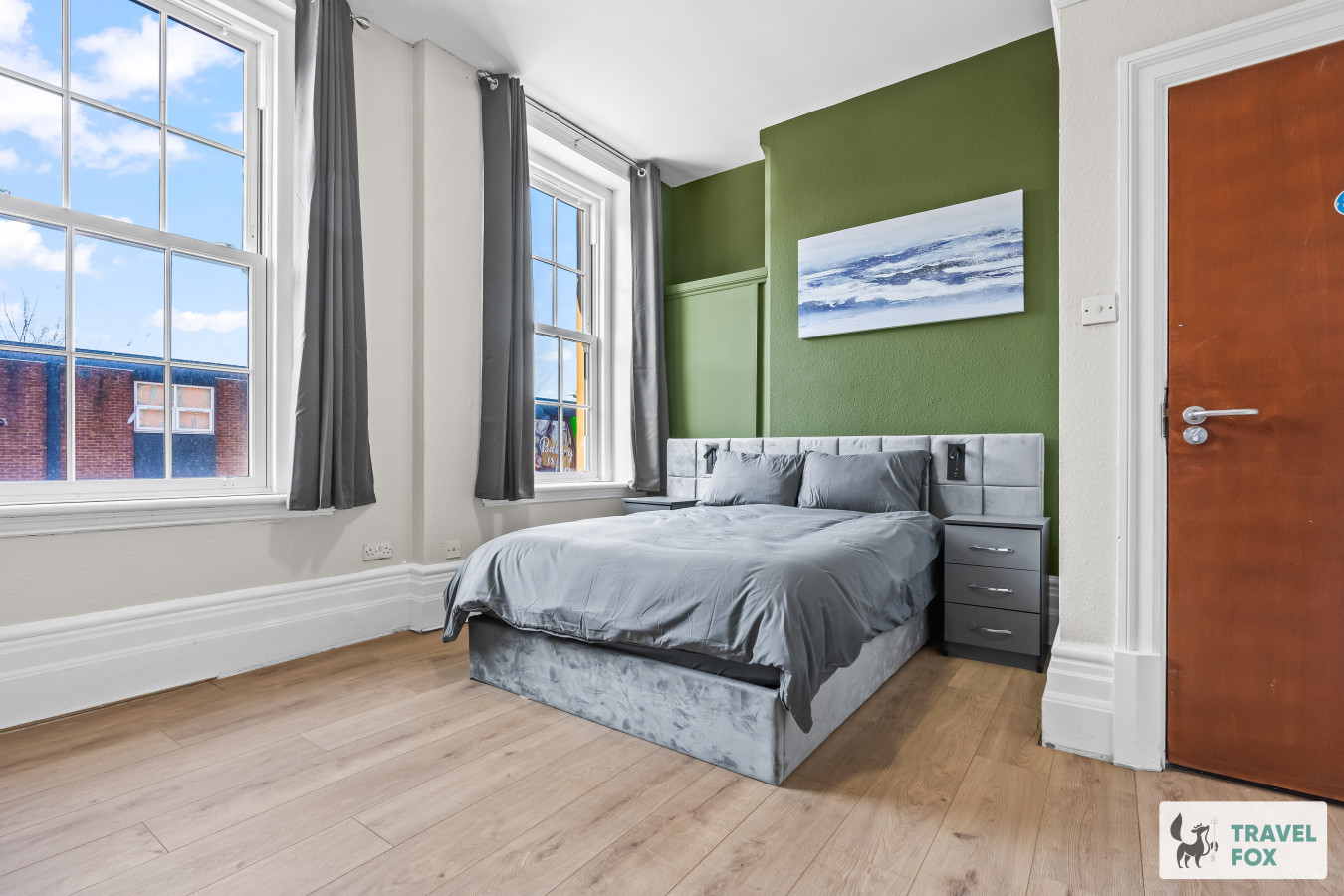
Nottingham
Melissa's Central Stay
- Sleeps 13
- 5 bedrooms
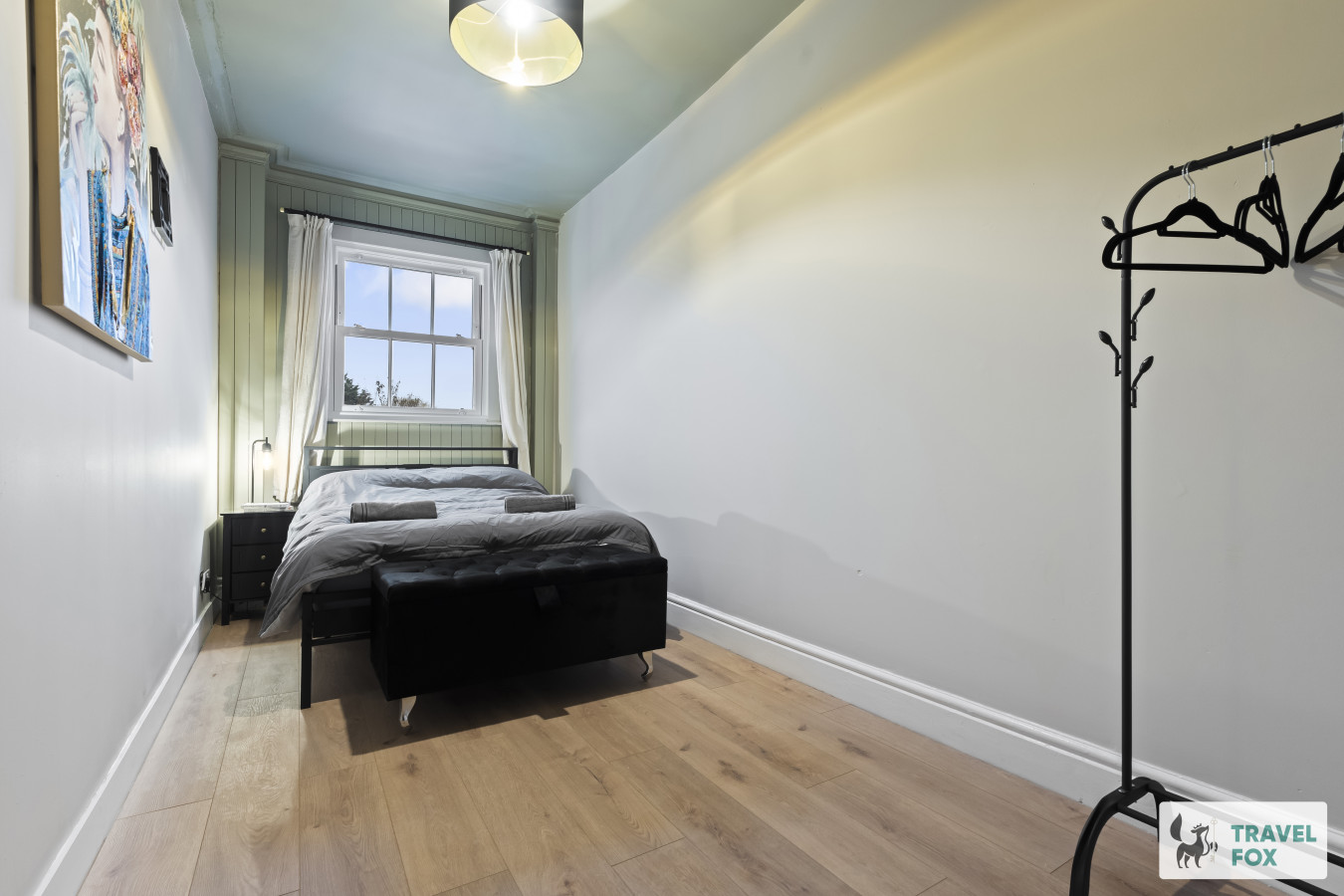
Nottingham
Callie's Central Stay
- Sleeps 9
- 3 bedrooms
For homeowners
Own a holiday home near Kingston on Soar?
We manage holiday lets across the UK from 12% commission, charged after cleaning costs, with no lock-in. A co-founder visits before you decide.
How our holiday let management works →
A guide with a point of view
Written from research. Edited for real journeys.
Use the Official site links for live practical details, then use this guide for context, ideas and room to explore.
Sources
Every place on this page is checked against a published source. Each entry links the record we used and names who publishes it.
- Church of St Winifred — historicengland.org.uk statutory register or public authority record not machine-readable; publisher restricts automated access
- St Winifred's Churchyard Lychgate — historicengland.org.uk statutory register or public authority record not machine-readable; publisher restricts automated access
- Kingston on Soar Village Hall — kingstononsoar.org.uk operator, sector body or destination organisation
- K6 Telephone Kiosk — historicengland.org.uk statutory register or public authority record not machine-readable; publisher restricts automated access
- Midshires Way — rushcliffe.gov.uk statutory register or public authority
- Sutton Bonington–Kingston on Soar–West Leake Circular — rambleworldwide.co.uk operator, sector body or destination organisation
- Church of St Michael, Sutton Bonington — historicengland.org.uk statutory register or public authority