
Dumbles, medieval stone and village tables
Lambley
A Nottinghamshire village in a hollow of the hills, where wooded ravines, framework-knitting traces and a remarkable Perpendicular church meet a strong food-and-pub tradition.
- Best for
- Wooded walks and village history
- Give it
- A half day, or longer for the full Dumbles circular
- Don't miss
- Cromwell's carved purse beside Holy Trinity's east window
The Fox verdict
A village shaped by ravines, looms and Lord Cromwell
Lambley pairs a wooded walking landscape with an unusually complete Perpendicular church and a compact collection of distinctive food stops.
The Dumbles provide the long walk, while Holy Trinity carries the village's medieval story in stone, from Ralph Cromwell's purse badge to the archers' sharpening grooves outside. Add bread and local produce from the farm shop, a historical trail and a choice of characterful pubs for a visit with more range than Lambley's size suggests.
Where to go
Places in Lambley
Every place below is checked against a published source, listed with what it is and how long to give it.
Local signatures
3 placesLambley Village Kitchen
A village pub and gastro-kitchen in the building licensed as the Nag's Head in 1855 and later known as The Lambley, with Sunday roasts and homemade Yorkshire puddings.
- Visit length
- Editorial estimate: allow around 75 minutes
- Locality
- Main Street
Spring Lane Farm Shop
A field-to-fork farm shop trading since 1962, with bread baked on site daily, its own butchery, and cheese and deli counters.
- Visit length
- Editorial estimate: allow around 30 minutes
- Locality
- Spring Lane, Mapperley Plains
Lambley Historical Trail
A 1-mile village heritage trail taking about 1 hour 15 minutes, with an extended 1.5-mile version taking about 1 hour 30 minutes.
- Visit length
- Editorial estimate: Allow about 1 hour 15 minutes, or 1 hour 30 minutes for the extended route
- Locality
- Lambley
Food & drink
1 placeThe Woodlark Inn
A traditional country pub in a red-brick 19th-century former beerhouse, serving seafood from Cornwall suppliers alongside Sunday lunches and steaks.
- Visit length
- Editorial estimate: allow around 75 minutes
- Locality
- Church Street
Walks & outdoors
1 placeLambley Dumbles Circular
An easy 6-mile circular, with a 5-mile option, through steep-sided wooded ravines and along a ridge with views towards the Vale of Belvoir.
- Visit length
- Editorial estimate: Allow about 2.5–3 hours
- Locality
- The countryside around Lambley
History & heritage
1 placeHoly Trinity Church
A Grade I church largely rebuilt around 1470, with Ralph Cromwell's bulging-purse badge beside the east window and medieval archery grooves on its outer walls.
- Visit length
- Editorial estimate: allow around 45 minutes
- Locality
- Lambley
Things to do
1 placeLambley Lane Recreation Ground (South)
The South recreation ground in Gedling village has sports cabins and regular football and cricket use.
- Visit length
- Editorial estimate: allow around 45 minutes
- Locality
- Gedling village, Lambley Lane
No places match this filter. Choose All places to reset the list.
Three ways to explore Lambley
Signature outings
Cask ale and Cornwall seafood
Settle into the Woodlark's bare-brick, beamed bar for changing cask ales and seafood sourced from Cornwall suppliers.
Find Cromwell's purse
Look beside Holy Trinity's east window for the carved bulging-purse badge of Ralph, Lord Cromwell, who funded the major 15th-century rebuild.
Glacial gullies and ridge views
Follow the Lambley Dumbles Circular through steep wooded ravines before the ridge opens views towards the Vale of Belvoir.
The village story
Lambley Village Guide
Pubs, wooded ravines and a richly detailed medieval church tell the story of a village in a hollow of the Nottinghamshire hills.
Two traditional village locals
The Woodlark Inn on Church Street keeps a coal fire going through the winter and has no fruit machines. It's a red-brick former beerhouse with a bare-brick, beamed bar, and it runs its own microbrewery alongside a kitchen that sources seafood from award-winning Cornwall suppliers. The specials board has carried calamari with garlic mayo and lemon, and slow-roasted duck with mashed potatoes, cranberries and green beans, alongside the standing Sunday lunches and steaks. Three changing cask ales sit next to two regulars, Theakston Best Bitter and Timothy Taylor Landlord. LeftLion's Lizzy O'Riordan called it "the traditional pub and microbrewery located in one of Nottingham's cutest residential areas... a really friendly atmosphere, with a snug interior and a heated outdoor area." Tripadvisor has it at 4.8 out of 5, 21st of 1,249 restaurants in Nottingham. There's a beer festival in June and another in September, and Tapas & Tunes on the last Sunday of the month from April to September.
At 82 Main Street, the Robin Hood Inn is smaller and plainer, a two-roomed local with a mix of carpet and flagstone floor. It's been licensed since 1855, under this and its former name, the Robin Hood & Little John. The kitchen does a big Yorkshire pudding with mash, gravy and vegetables, homemade chips and fish, shepherd's pie and stone-baked pizzas. There's a quiz on Thursdays, pool, darts, dominoes, and Wainwright Amber on cask.
A changing pub and a farm shop
The pub on Main Street itself has had three names since 1855: the Nag's Head, then The Lambley after a 2023 refit, and now the Lambley Village Kitchen, since the previous operators left in January 2026 to concentrate on their other pubs. The Sunday roast survived the changeover — leg of lamb, dry-aged topside of beef, homemade Yorkshire pudding — and locals still rate it.
Spring Lane Farm Shop, on Spring Lane in Mapperley Plains about 1.6 miles from Lambley in a straight line, has been trading since 1962. It bakes farmhouse, granary, wholemeal and multi-seed bread on site every day, runs its own butchery for beef, lamb, pork and game, and keeps a deli counter of local cheeses and pork pies.
Dumbles and medieval stone
Walk out of the village either side and you drop into the dumbles — steep, wooded ravines that glacial meltwater cut into the bedrock about ten thousand years ago, thick with ferns and wildflowers. The full Lambley Dumbles Circular is 5.5 miles, taking in a ridge with views across to the Vale of Belvoir; a shorter 2.5km loop starts and ends in Gedling. The local historical society has also mapped out four heritage trails, from a 1.7km nature walk to a 7.5km version of the Top Trail.
Holy Trinity Church is Grade I listed and almost entirely Perpendicular in style, rebuilt around 1470 with money from Ralph, Lord Cromwell, Treasurer of England, who was born in the village and later built Tattershall Castle. His badge, a bulging purse carved in stone, sits in panels beside the east window. Pevsner called the church "one of the few entirely Perp. village churches in Notts, all of a piece and of felicitous proportions." Grooves worn into the outer walls, where medieval archers sharpened their arrows in the churchyard, are still there to look at.
Domesday, stocking frames and the village show
Domesday recorded the manor as Lambeley, worth 60 shillings, unchanged from the time of Edward the Confessor, with two mills and twenty acres of meadow. Framework knitting arrived later and stayed for a couple of centuries — by 1844 there were 381 stocking frames in the village, and the long weaver's windows built to light them are still visible on cottages along Main Street and Green Lane.
The village show runs every September on Catfoot Lane, with a scarecrow competition through the streets beforehand, a dog show, a tug of war, and the WI serving breakfast cobs from nine in the morning.
Stay around Nottinghamshire
Make a longer stay of it
Travel Fox holiday homes around Nottinghamshire, linked directly to their property pages.
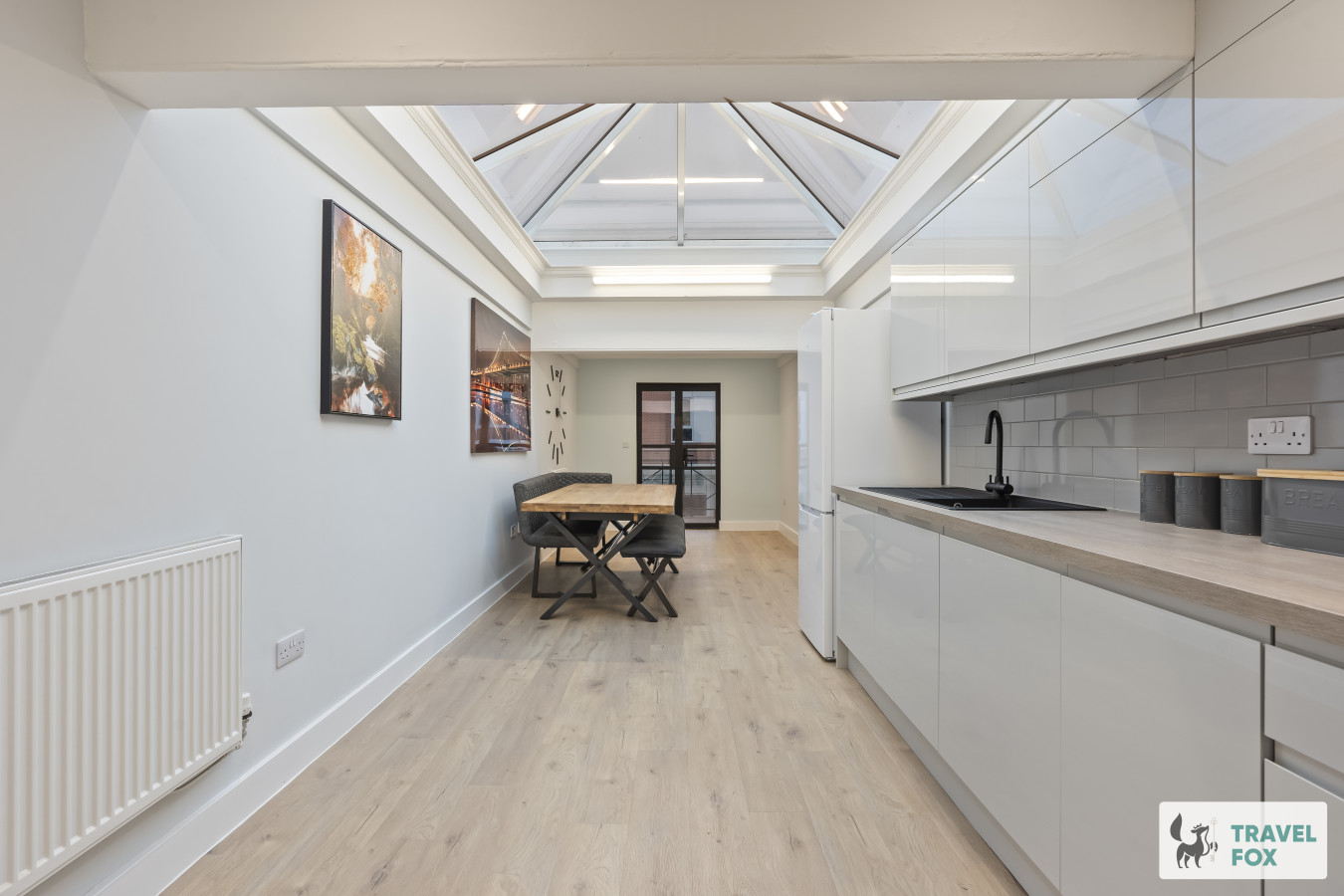
Nottingham
Camila's Penthouse Central Stay with Balcony
- Sleeps 16
- 5 bedrooms
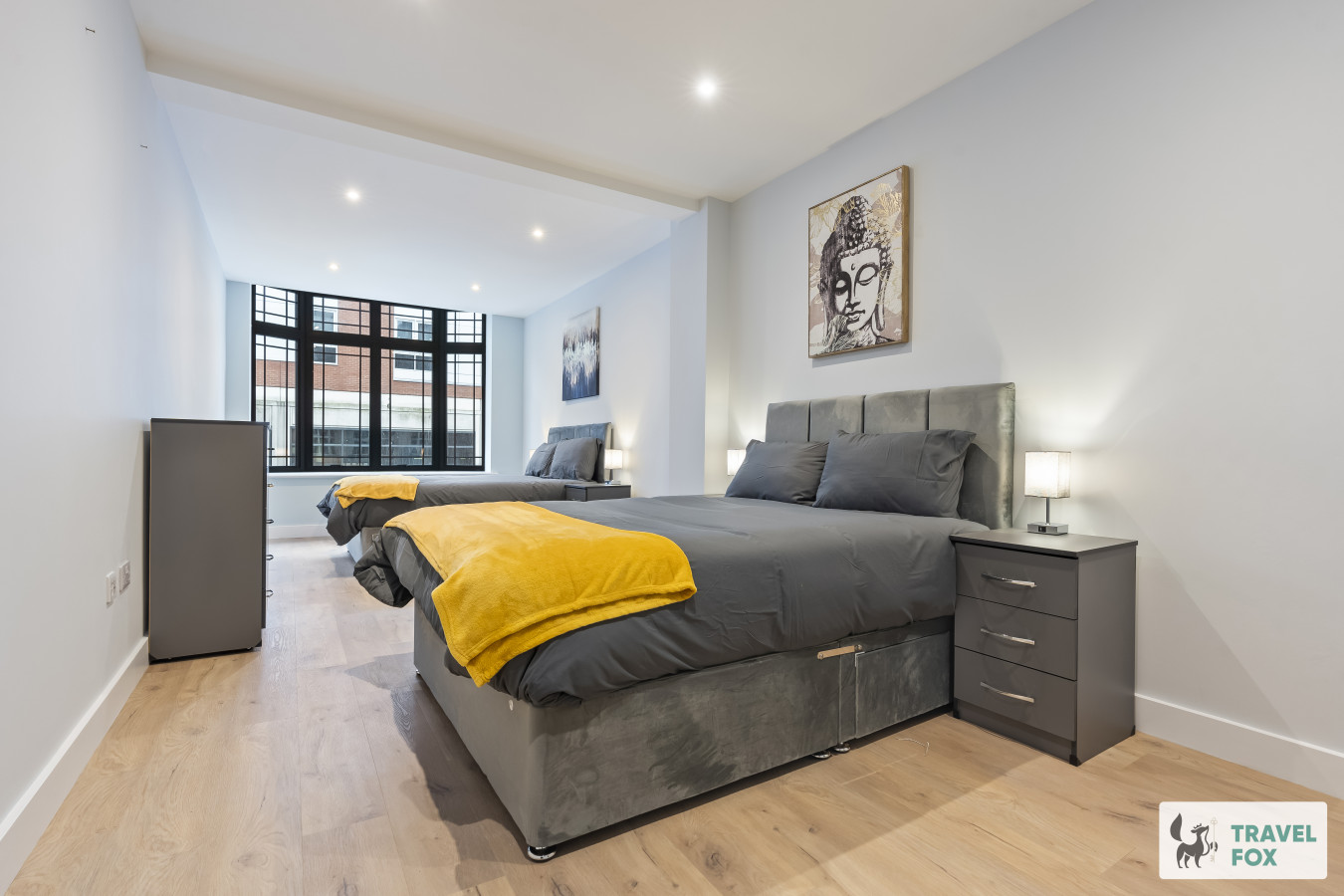
Nottingham
Blair's Central Stay
- Sleeps 16
- 5 bedrooms
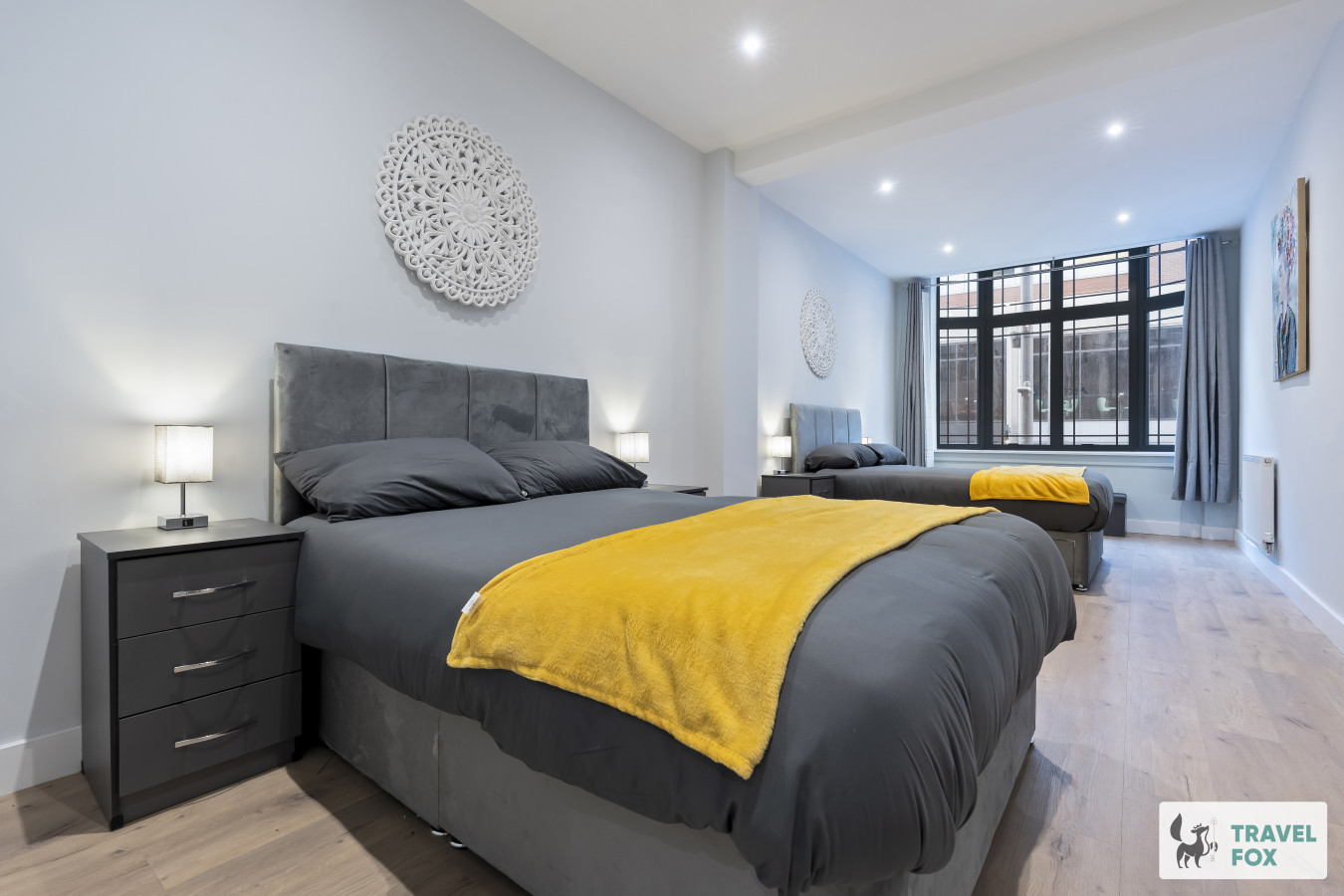
Nottingham
Anna's Central Stay
- Sleeps 16
- 5 bedrooms
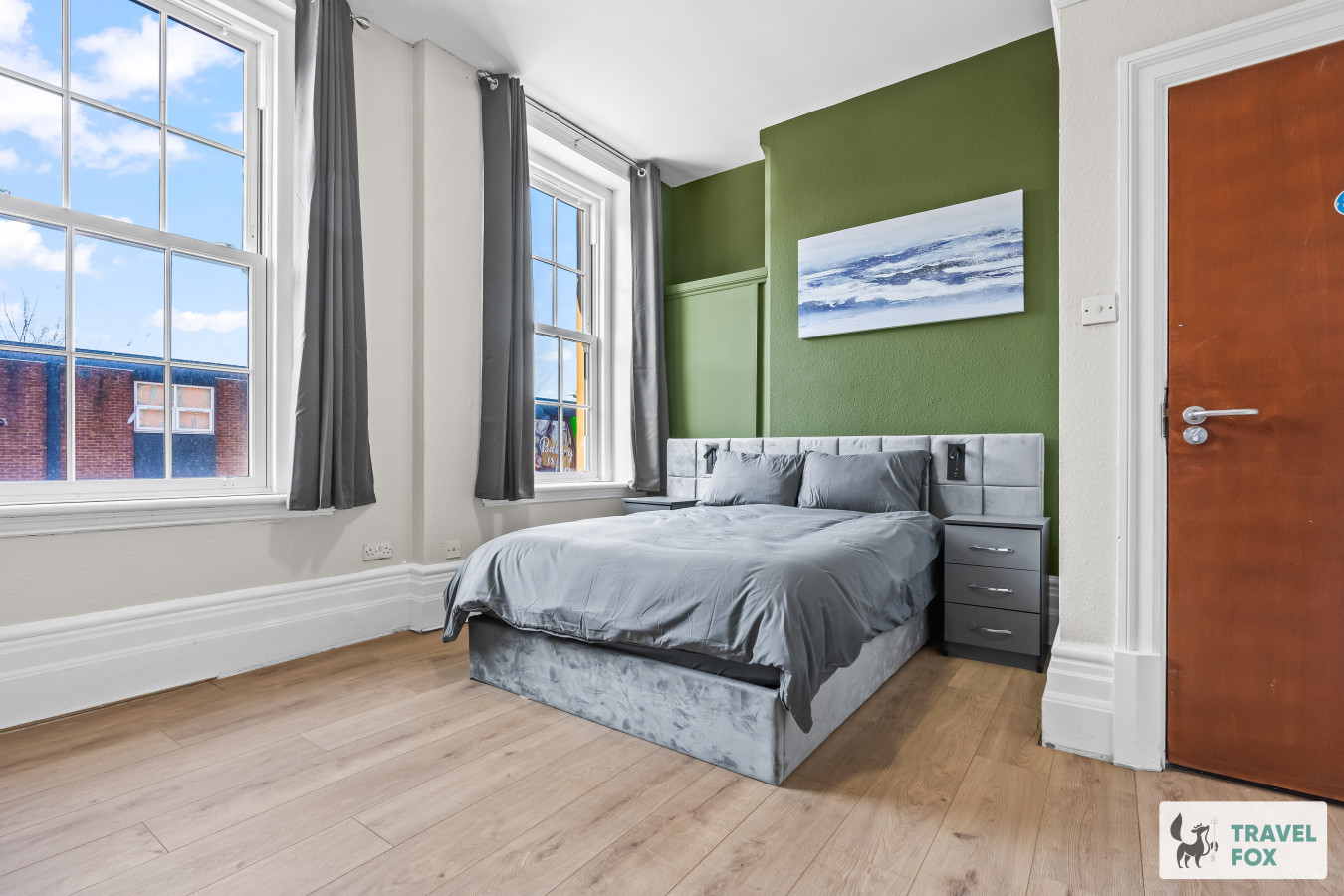
Nottingham
Melissa's Central Stay
- Sleeps 13
- 5 bedrooms
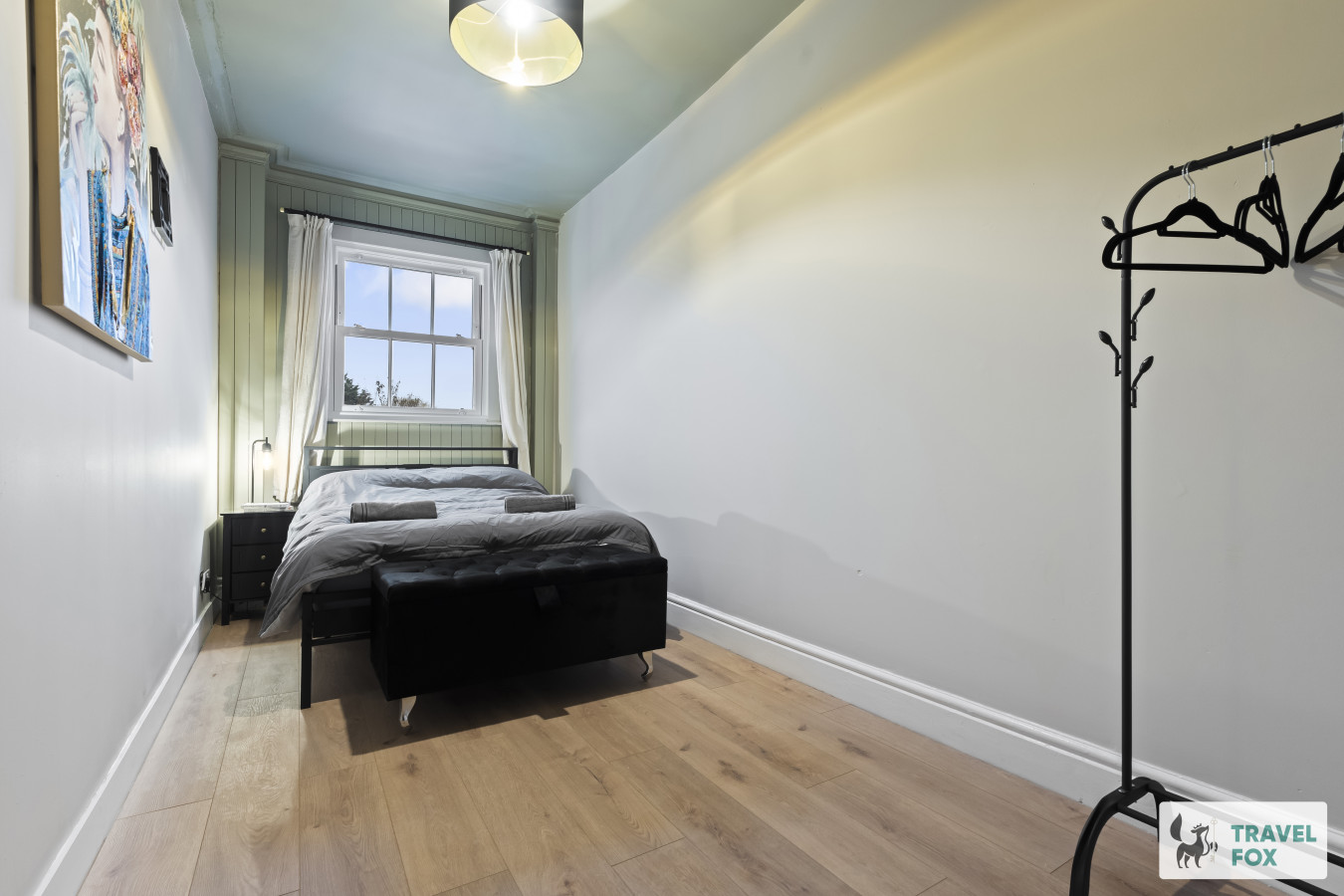
Nottingham
Callie's Central Stay
- Sleeps 9
- 3 bedrooms
For homeowners
Own a holiday home near Lambley?
We manage holiday lets across the UK from 12% commission, charged after cleaning costs, with no lock-in. A co-founder visits before you decide.
How our holiday let management works →
A guide with a point of view
Written from research. Edited for real journeys.
Use the Official site links for live practical details, then use this guide for context, ideas and room to explore.
Sources
Every place on this page is checked against a published source. Each entry links the record we used and names who publishes it.
- The Woodlark Inn — woodlarkinn.co.uk operator, sector body or destination organisation
- Lambley Village Kitchen — lambleyvillagekitchen.com operator, sector body or destination organisation
- Spring Lane Farm Shop — springlanefarm.co.uk operator, sector body or destination organisation
- Holy Trinity Church — achurchnearyou.com national body or asset manager
- Lambley Dumbles Circular — ramblers.org.uk operator, sector body or destination organisation record not machine-readable; publisher restricts automated access
- Lambley Historical Trail — gedling.gov.uk statutory register or public authority
- Lambley Lane Recreation Ground (South) — gedling.gov.uk statutory register or public authority