
Streams, stone and railway paths
Linby
A golden-stone village shaped by shallow streams, historic crosses and routes along dismantled railway lines.
- Best for
- Village history and railway-path walks
- Give it
- A few hours for the village and Linby Trail
- Don't miss
- The seven octagonal steps of Top Cross
The Fox verdict
Small village, unusually deep story
Linby brings together shallow streams, warm-yellow stone, two old crosses and the history of mills and railways.
The Docks run beside Main Street, while Top Cross and Bottom Cross stand on the long village green. St Michael's churchyard recalls the pauper apprentices sent to work in nearby Papplewick's cotton mills, and the Linby Trail follows a dismantled railway towards Newstead.
Where to go
Places in Linby
Every place below is checked against a published source, listed with what it is and how long to give it.
Local signatures
3 placesHorse and Groom
Linby's only pub retains much of its multi-room footprint, including a snug with 1930s fittings. Its historic interior has Regional Importance, though later refurbishments substantially altered the rooms. The pub offers pub classics, real ales, a beer garden and dog-friendly facilities.
- Visit length
- Editorial estimate: around 75 minutes
- Locality
- 10 Main Street, Linby, NG15 8AE
Brooke Farm
Brooke Farm combines a farm shop, garden centre and café, selling produce, plants and gifts. The café serves breakfasts, light lunches and cakes beside a garden and play area, and customer parking is available on site.
- Visit length
- Editorial estimate: around 60 minutes
- Locality
- Main Street, Linby, NG15 8AE
The Linby Trail
The Linby Trail is a linear woodland walk of one to 3.5 miles on surfaced paths, with a steep climb up Linby Tip and views towards Newstead and Hucknall.
- Visit length
- Editorial estimate: around 120 minutes
- Locality
- near Newstead and Hucknall
History & heritage
3 placesChurch of St Michael
A Grade II* church with a 13th- and 14th-century west tower and an early-16th-century north porch. A 12th-century tympanum is set into the porch's 19th-century inner door; the churchyard also holds graves of apprentices known as the London boys.
- Visit length
- Editorial estimate: around 45 minutes
- Locality
- Linby
Top Cross
Top Cross retains a base of seven octagonal steps from the late medieval or early post-medieval period. The socket stone, shaft and cross head were added in 1869.
- Visit length
- Editorial estimate: around 20 minutes
- Locality
- the long village green
Bottom Cross
Bottom Cross has a five-step base and a capital inscribed 1663. The date places the capital and cross head after the Restoration of Charles II.
- Visit length
- Editorial estimate: around 20 minutes
- Locality
- by the village stream
No places match this filter. Choose All places to reset the list.
Three ways to explore Linby
Signature outings
Top Cross
Look at the north side of Top Cross for the exposed limestone core revealed during repairs in 1980, then compare its older seven-step base with the shaft added in 1869.
Bottom Cross
Notice Bottom Cross above a spring outlet on the eastern green, with 1663 inscribed on its capital.
St Michael's
Look for the two gargoyles on the south side of St Michael's 13th- and 14th-century west tower.
The village story
Linby Village Guide
Streams, stone crosses, village hospitality and railway paths at the edge of the Nottinghamshire coalfield.
The Docks and the village pub
Main Street is lined with stone cottages and broad greens beside the small watercourses known as the Linby Docks. Two standing crosses, one at each end of the greens, give the village street its landmarks.
The Horse and Groom sits at 10 Main Street. It brewed beer on site until 1921 and serves cask ale and pub food.
The historic interior has Regional Importance. Much of the multi-room footprint remains, including a snug with 1930s fittings, though later refurbishments substantially altered the rooms.
Food and the farm shop
The pub has a beer garden and welcomes dogs. The menu includes classic mains and small plates, and a published circular walk to Papplewick and Newstead Abbey begins at the pub.
Brooke Farm, also on Main Street, combines a farm shop, garden centre and café. The shop sells produce, plants and gifts; the café serves breakfasts, light lunches and cakes beside a garden and play area. Customer parking is available on site.
Crosses and golden stone
The village's two standing crosses bookend Main Street's greens. Top Cross retains seven octagonal steps from its older base, while its shaft and cross head were added in 1869. Bottom Cross stands above a spring outlet on the eastern green, and its capital bears the date 1663.
Linby is a compact stone-built village, and its cottages use warm-yellow stone quarried locally along Quarry Lane.
Church and railway paths
St Michael's is Grade II* listed. The west tower dates from the 13th and 14th centuries, while the early-16th-century north porch has a 19th-century inner door containing a 12th-century tympanum. The churchyard holds graves of apprentices known as the 'London boys', brought from workhouses to labour at cotton mills in nearby Papplewick.
A published 5.9-mile circular walk passes through Papplewick and Newstead Abbey before returning towards Linby along a disused railway path. Separately, the Linby Trail and Hucknall walk offers a linear route of up to 3.5 miles with views from Linby Tip.
Connections and village character
Hucknall is the closest town with a railway station, and both Hucknall and Newstead are stops on the Robin Hood Line. Hucknall also has a Nottingham tram stop.
Linby won Nottinghamshire's Best Kept Village title in 2013. Stone cottages, greens and the Docks bring those landmarks together along Main Street.
Stay around Nottinghamshire
Make a longer stay of it
Travel Fox holiday homes around Nottinghamshire, linked directly to their property pages.
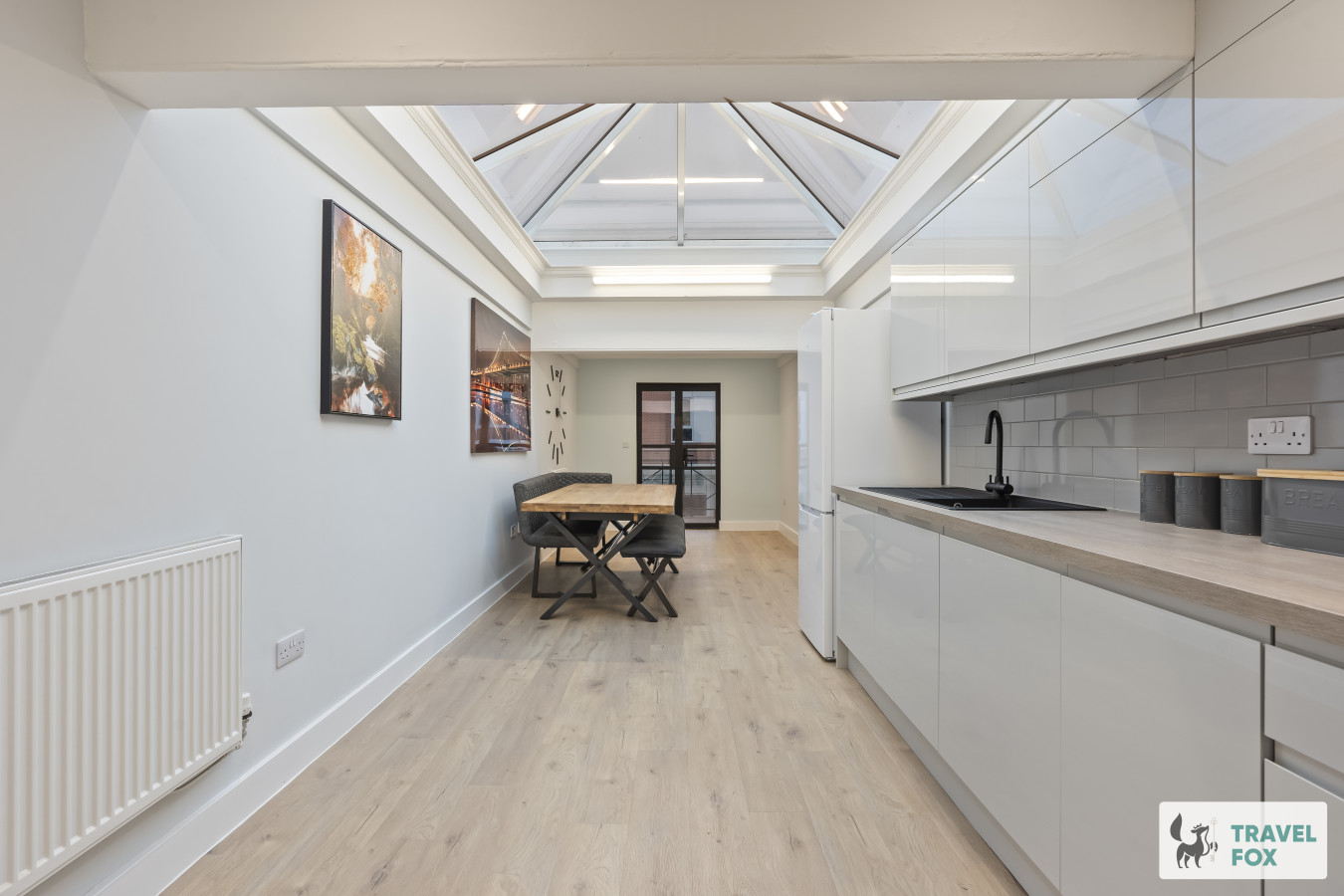
Nottingham
Camila's Penthouse Central Stay with Balcony
- Sleeps 16
- 5 bedrooms
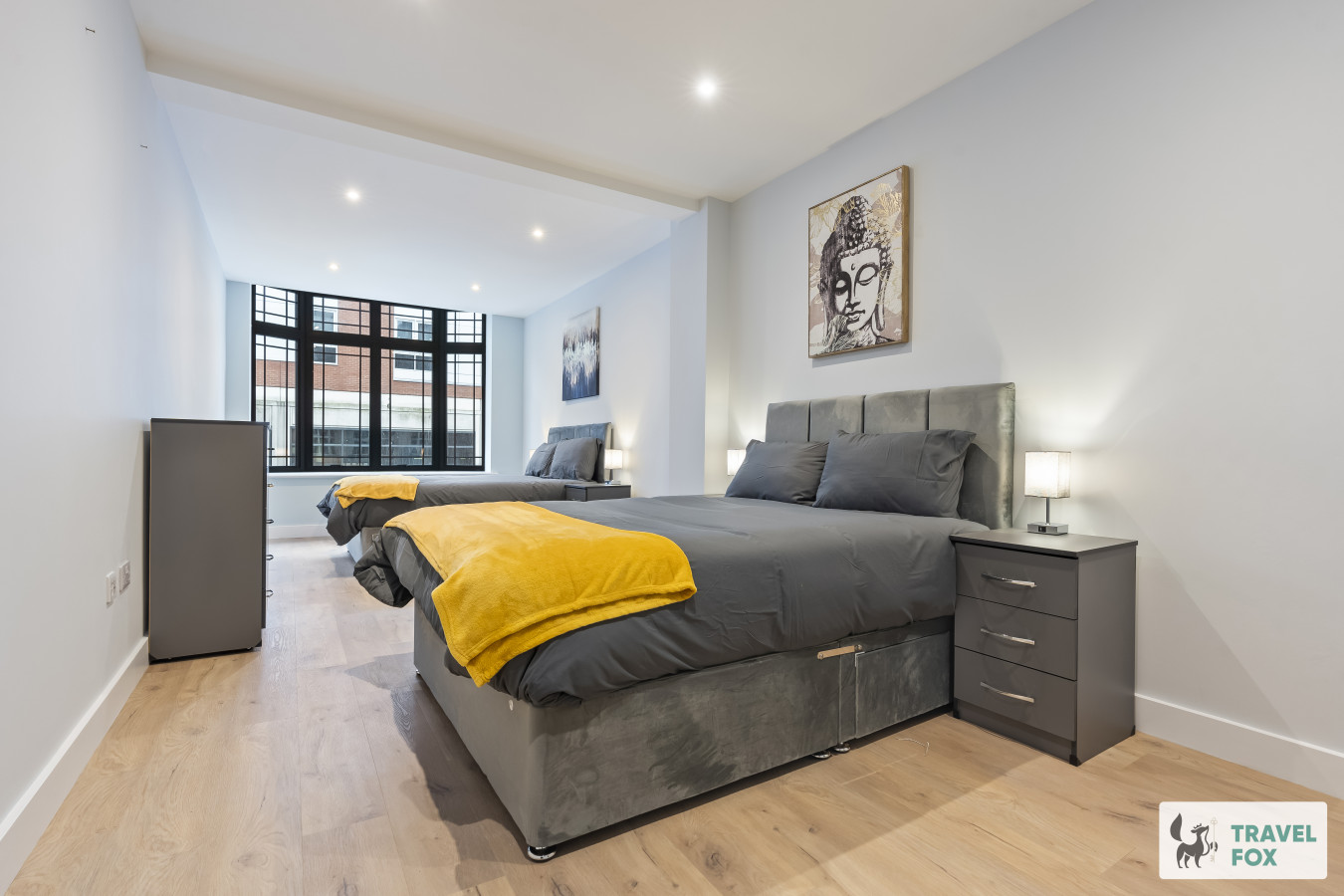
Nottingham
Blair's Central Stay
- Sleeps 16
- 5 bedrooms
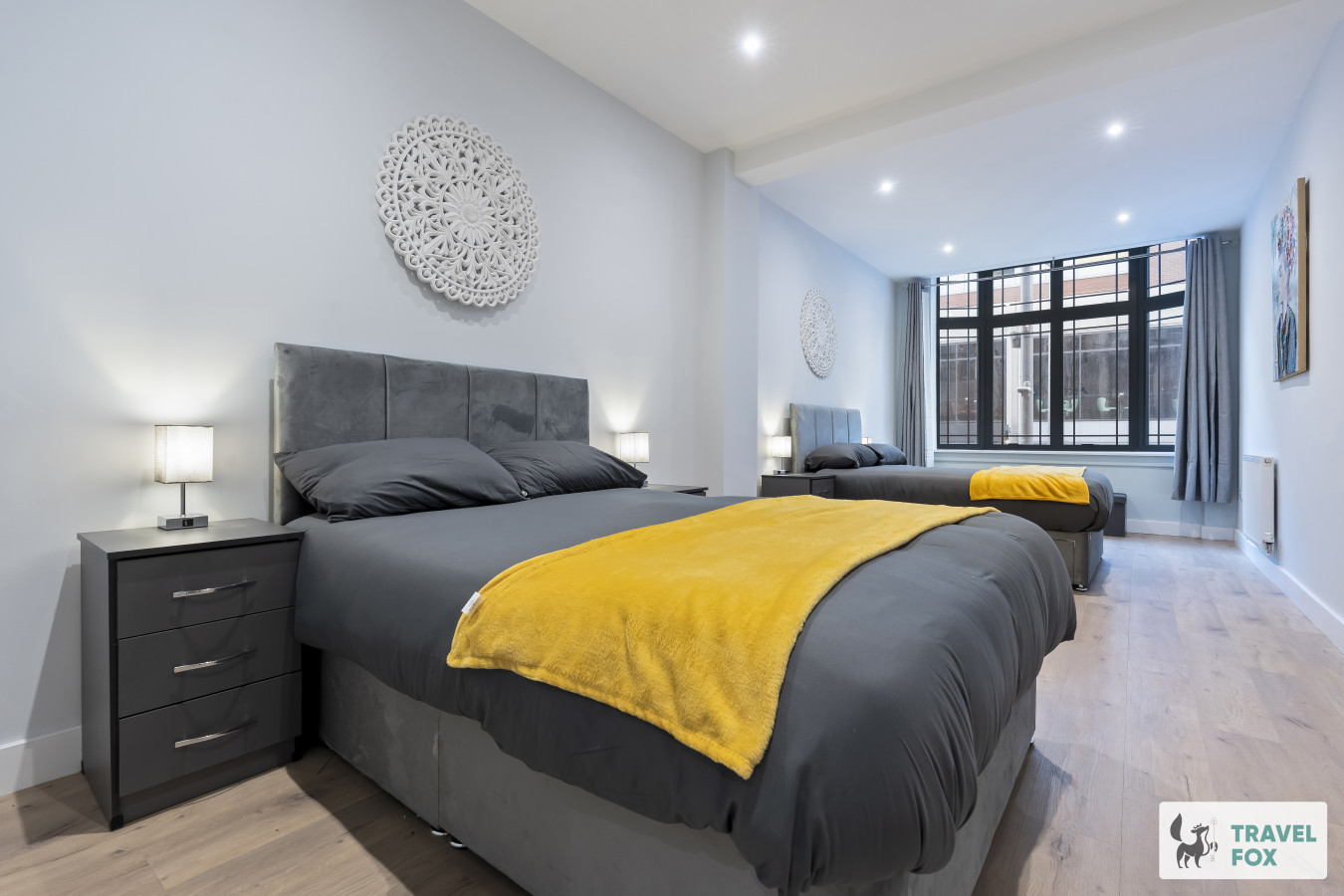
Nottingham
Anna's Central Stay
- Sleeps 16
- 5 bedrooms
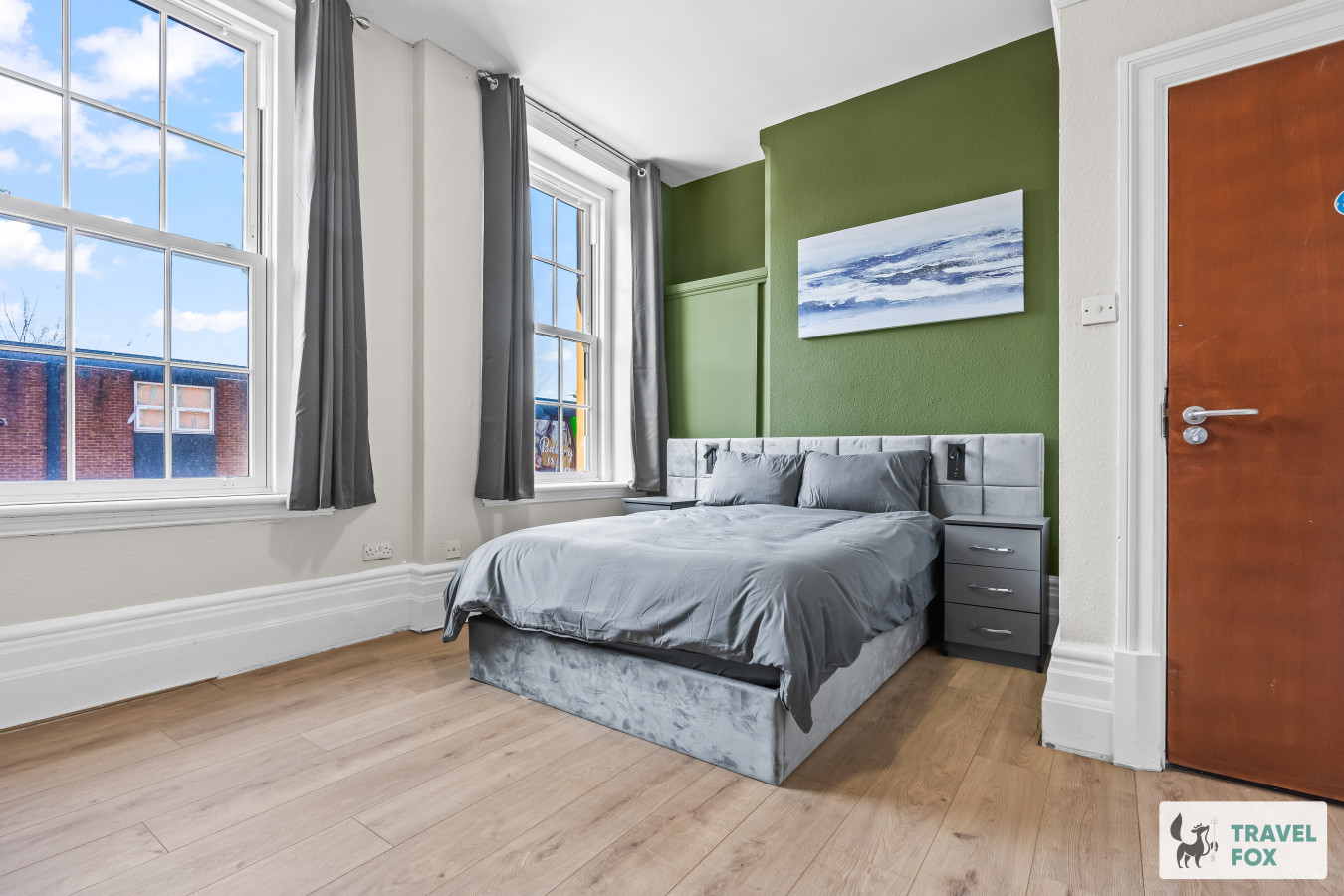
Nottingham
Melissa's Central Stay
- Sleeps 13
- 5 bedrooms
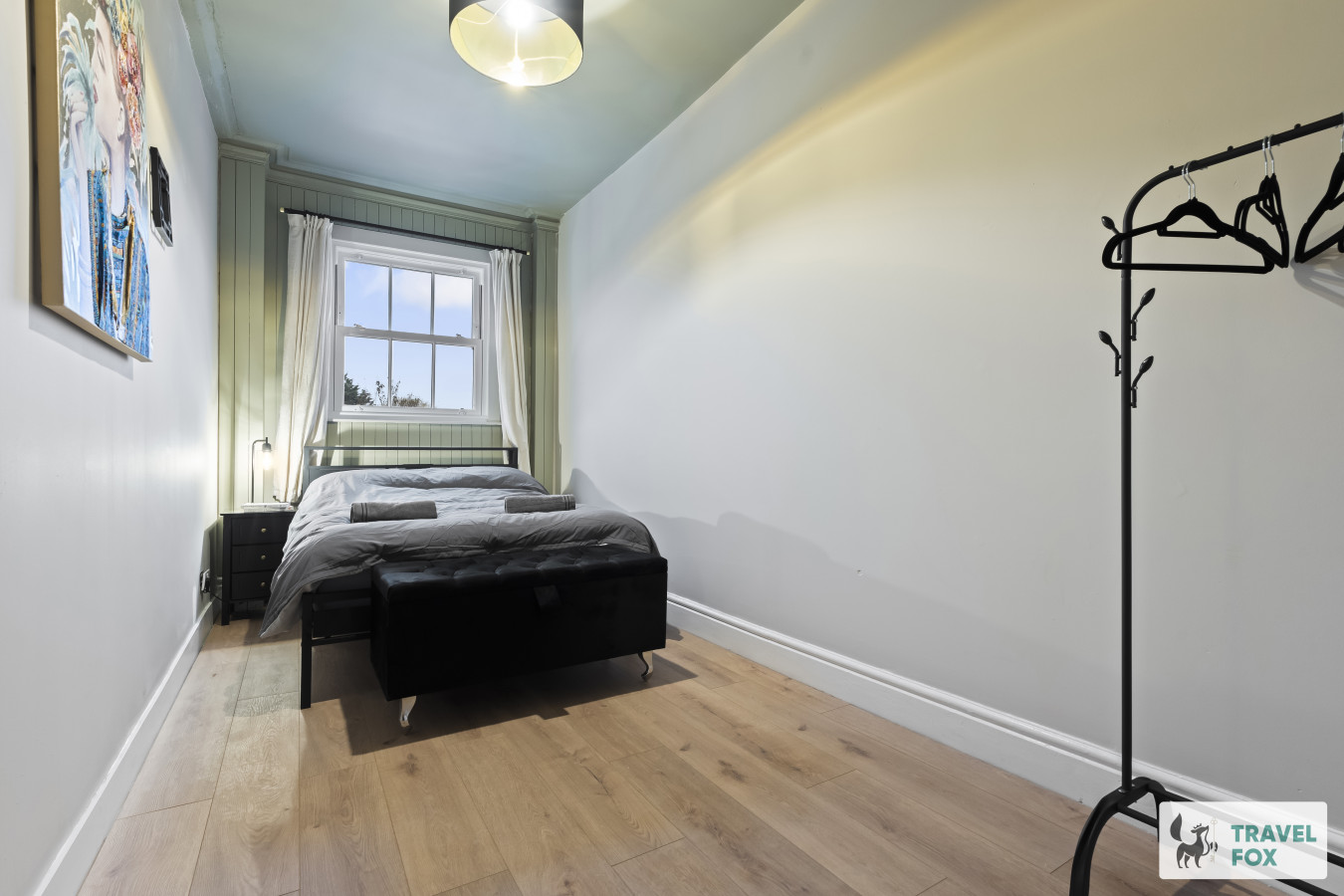
Nottingham
Callie's Central Stay
- Sleeps 9
- 3 bedrooms
For homeowners
Own a holiday home near Linby?
We manage holiday lets across the UK from 12% commission, charged after cleaning costs, with no lock-in. A co-founder visits before you decide.
How our holiday let management works →
A guide with a point of view
Written from research. Edited for real journeys.
Use the Official site links for live practical details, then use this guide for context, ideas and room to explore.
Sources
Every place on this page is checked against a published source. Each entry links the record we used and names who publishes it.
- Horse and Groom — horseandgroompublinby.co.uk operator, sector body or destination organisation
- Brooke Farm — nottinghamshire.gov.uk statutory register or public authority
- Church of St Michael — historicengland.org.uk statutory register or public authority record not machine-readable; publisher restricts automated access
- Top Cross — historicengland.org.uk statutory register or public authority
- Bottom Cross — historicengland.org.uk statutory register or public authority record not machine-readable; publisher restricts automated access
- The Linby Trail — nottinghamshire.gov.uk statutory register or public authority