
Roman road, river quiet
Littleborough
A tiny Trent-side hamlet where a Roman crossing, an eleventh-century church and open floodplain carry an unusually long story.
- Best for
- Roman history and quiet riverside walking
- Give it
- A slow half-day with nearby heritage stops
- Don't miss
- St Nicholas' Church and the Roman crossing story
The Fox verdict
A small place with a long memory
Littleborough exchanges shops and bustle for the Trent, a remarkable small church and the footprint of Roman Segelocum.
Come for the surviving thread of the Lincoln-to-Doncaster road: the river crossing, St Nicholas' Church and a flat landscape with Lincolnshire visible across the water. Nearby walks and collections extend that history beyond the hamlet.
Where to go
Places in Littleborough
Every place below is checked against a published source, listed with what it is and how long to give it.
Local signatures
3 placesSt Nicholas' Church
One of the smallest parish churches in the country, probably built in the second half of the eleventh century, with reused Saxon pillars and Roman brick and tile in its rubble walls.
- Visit length
- Editorial estimate: allow around 45 minutes
- Locality
- close to the Trent crossing
Bassetlaw Museum
Bassetlaw Museum holds substantial collections of finds from the Segelocum site.
- Visit length
- Editorial estimate: allow around 60 minutes
- Locality
- Retford, Nottinghamshire
Gainsborough Old Hall
A heritage stop in the market town of Gainsborough, about 4.8 miles from Littleborough in a straight line; the road journey is longer.
- Visit length
- Editorial estimate: allow around 90 minutes
- Locality
- Gainsborough, Lincolnshire
Walks & outdoors
1 placeTrent Valley Way near Littleborough
A waymarked long-distance path running along or near the River Trent on green lanes, field edges and tracks.
- Visit length
- Editorial estimate: allow around 90 minutes
- Locality
- along or near the River Trent, close to Littleborough
History & heritage
1 placeSite of Littleborough Roman ford
The Roman road crossed the Trent here by an eighteen-foot-wide stone-paved ford. The ford was removed during river works in 1820; the Nottinghamshire Historic Environment Record reports no visible remains.
- Visit length
- Editorial estimate: allow around 20 minutes
- Locality
- former ford site east of Littleborough by the Trent
No places match this filter. Choose All places to reset the list.
Three ways to explore Littleborough
Signature outings
Roman stone, Norman church
Look for reused Roman brick and tile, herringbone masonry, the Norman doorway and the Saxon pillars in St Nicholas' Church.
Understand the Roman crossing
The Trent marks the site of the Roman ford, removed in 1820. The crossing is a story to trace in the landscape; no visible remains are confirmed.
Follow the Trent Valley Way
Walk a waymarked stretch of the Trent Valley Way near Littleborough, following green lanes, field edges and riverside tracks.
The village story
Littleborough Village Guide
A small Trent-side hamlet where Roman road, medieval church and quiet river landscape carry the story.
The Roman Crossing and a Tiny Hamlet
The Roman road from Lincoln to Doncaster crossed the Trent here by a paved ford about eighteen feet wide, once held in place by timber piles. The ford was removed during river works in 1820, and the Nottinghamshire Historic Environment Record reports no visible remains. Locals ploughing the fields above the crossing used to turn up Roman coins they called "Swines-penies."
There is no pub in Littleborough, and no shop. It is a scatter of farms and a redundant church on the flat west bank of the river, and if you want a pint or a loaf of bread you go two miles to Sturton le Steeple, the parish that absorbed Littleborough in 1935, or six miles to Gainsborough across the water in Lincolnshire.
River Quiet and St Nicholas' Church
What Littleborough has instead is the river and the quiet. Dr William Stukeley, visiting in 1722, called it "a small village three miles above Gainsborough just upon the edge of the water." His three-mile figure is historical; Gainsborough town centre is about 4.7 miles from Littleborough in a straight line, and the road journey is longer. The land stays flat and open in every direction, Lincolnshire visible across the water.
St Nicholas' Church is one of the smallest parish churches in the country: a chancel barely thirteen feet long, a nave of twenty-four. It was probably built in the second half of the eleventh century, using two reused Saxon pillars in the chancel arch and rubble walling that incorporates Roman brick and tile, laid in places in herringbone pattern. There's a Norman doorway and a font with a seventeenth-century bowl under an eighteenth-century domed cover. The double bellcote on the west gable holds two bells: Sancta Maria, cast around 1180 and reckoned the oldest bell in Nottinghamshire, and Ave Maria, from 1350. The church stopped holding regular services in 1993 and now belongs to the Churches Conservation Trust.
Litelburg and Segelocum
The Domesday survey recorded the place as Litelburg: two villagers, fourteen freemen and four smallholders, one ploughland worked by five men's plough teams, and a value to the lord of ten shillings.
Before Domesday, this was Segelocum, a Roman town of some forty acres where the road from Lindum crossed the Trent, occupied continuously from the first century and productive enough in finds that a Roman stone coffin dug up here in 1860 now sits in the cloisters of Lincoln Cathedral. A milestone found in Lincoln in 1879 gives the distance from Lindum to Segelocum as fourteen miles, which checks out.
The Lost Ferry and Riverside Walks
A chain ferry ran the crossing from around 1820 until 1905, when it was abandoned after a barge ran into it; the Foljambe family, who controlled the crossing, had restricted its use in the 1890s, and nobody thought a replacement worth rebuilding after. There's no station — Sturton's own closed to passengers in 1959 — so the nearest trains run from Retford, eight miles off, or Gainsborough, six.
For walking, the Trent Valley Way passes close by along the riverbank, and a signed 2.9-mile loop runs from Marton on the Lincolnshire side, to the site of the Roman crossing and back.
A Place the Roman Road Remembers
Littleborough hasn't had its own parish since 1935, when it was folded into Sturton le Steeple and stopped, officially, being anywhere at all. The Roman road doesn't seem to have noticed.
Stay around Nottinghamshire
Make a longer stay of it
Travel Fox holiday homes around Nottinghamshire, linked directly to their property pages.
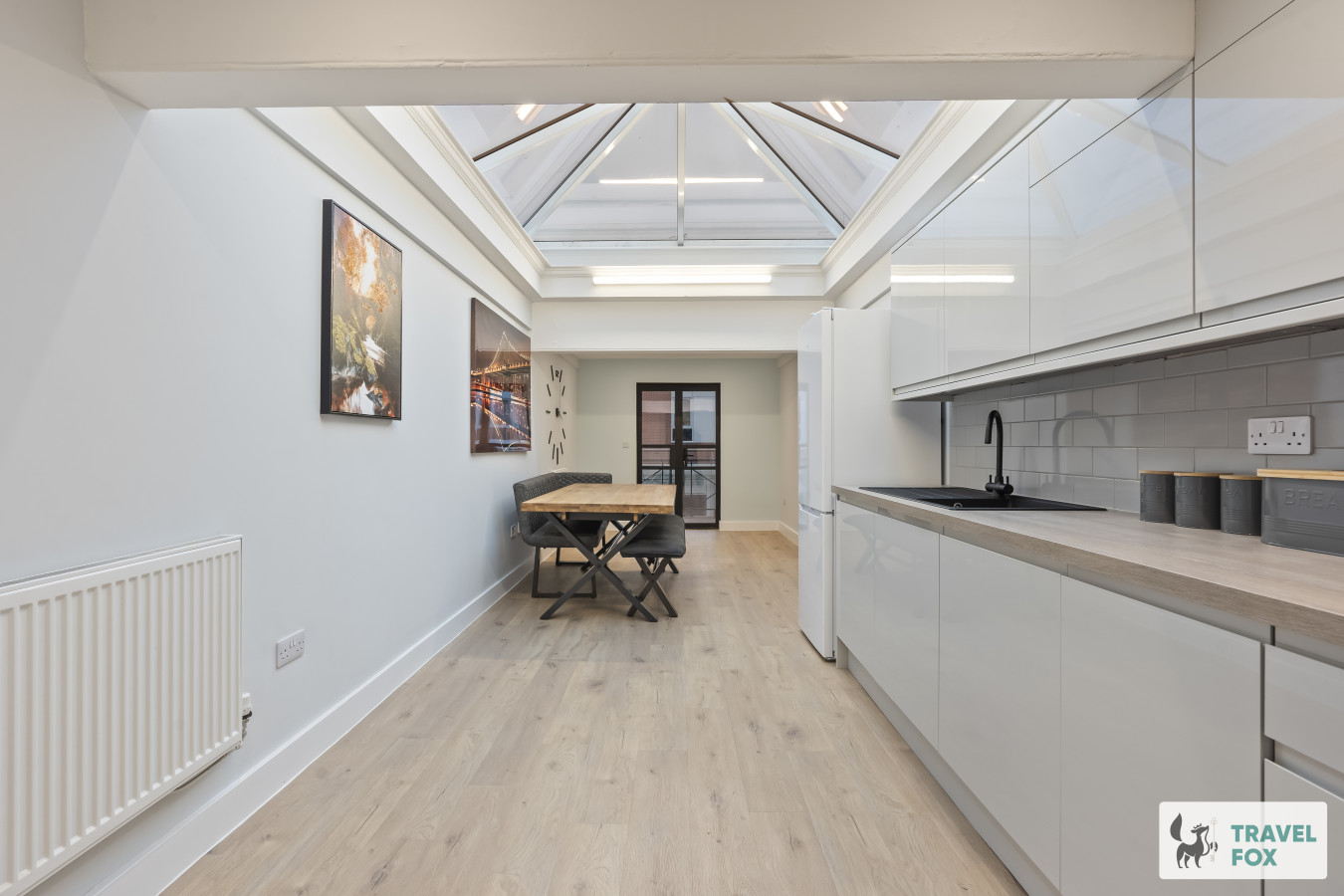
Nottingham
Camila's Penthouse Central Stay with Balcony
- Sleeps 16
- 5 bedrooms
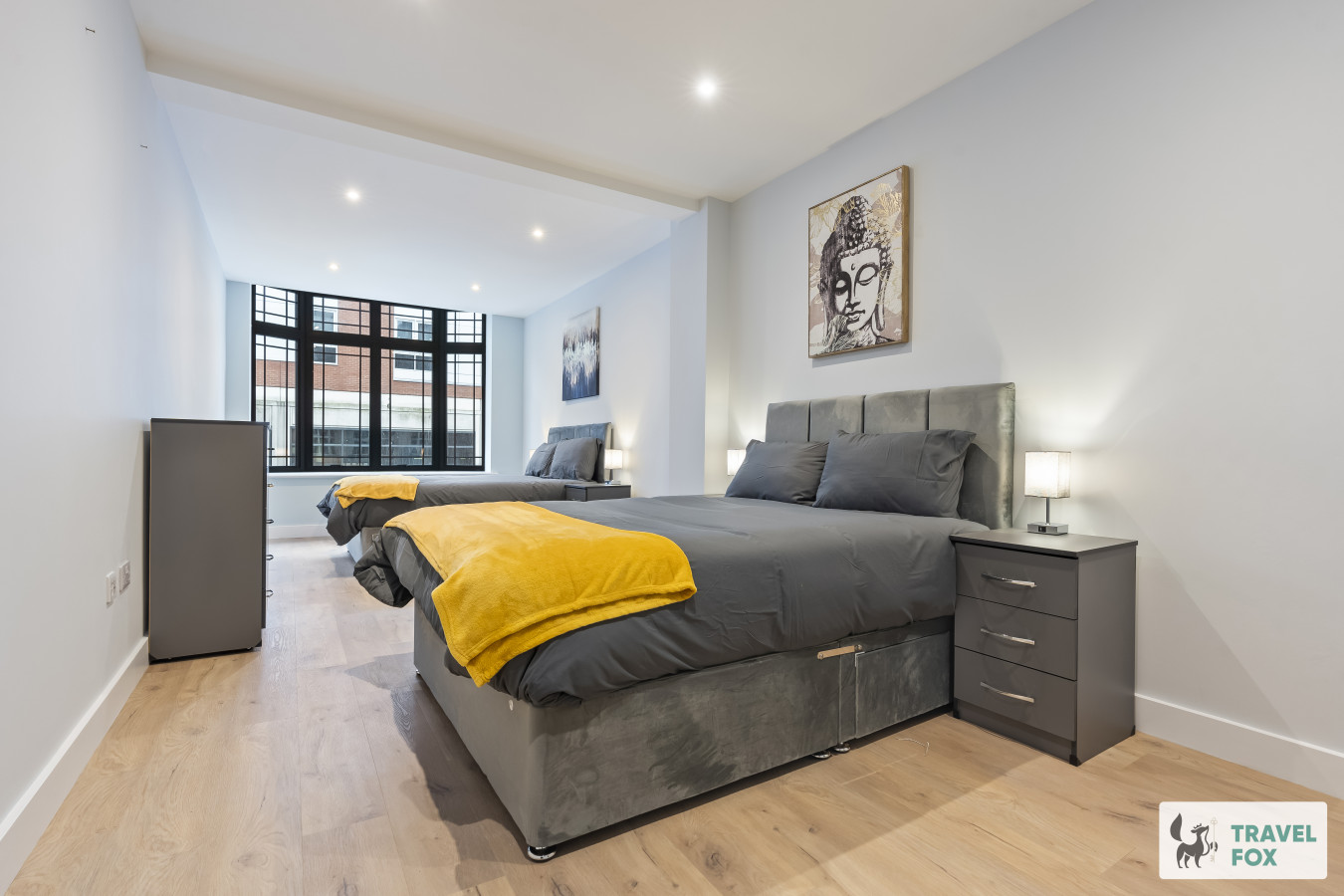
Nottingham
Blair's Central Stay
- Sleeps 16
- 5 bedrooms
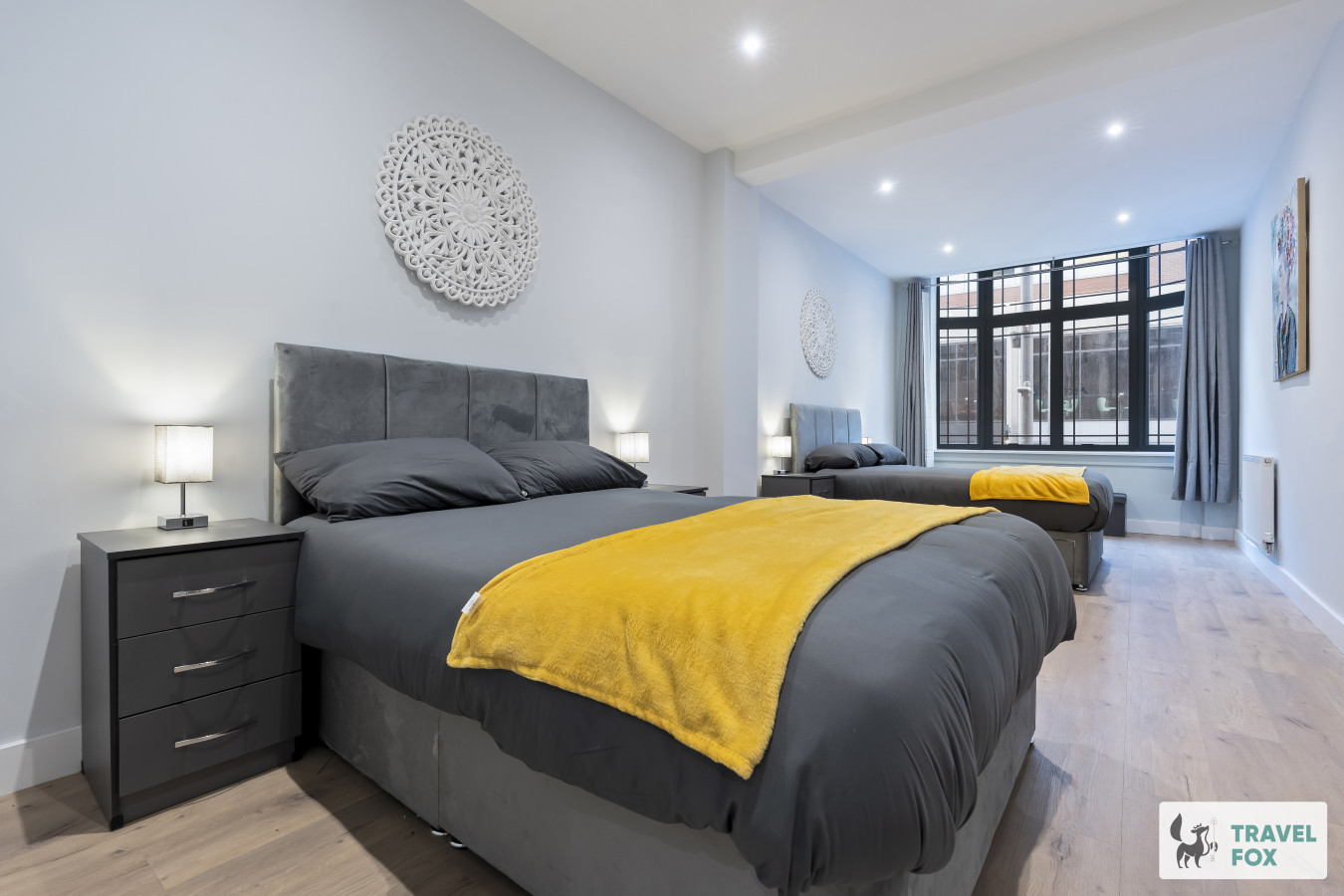
Nottingham
Anna's Central Stay
- Sleeps 16
- 5 bedrooms
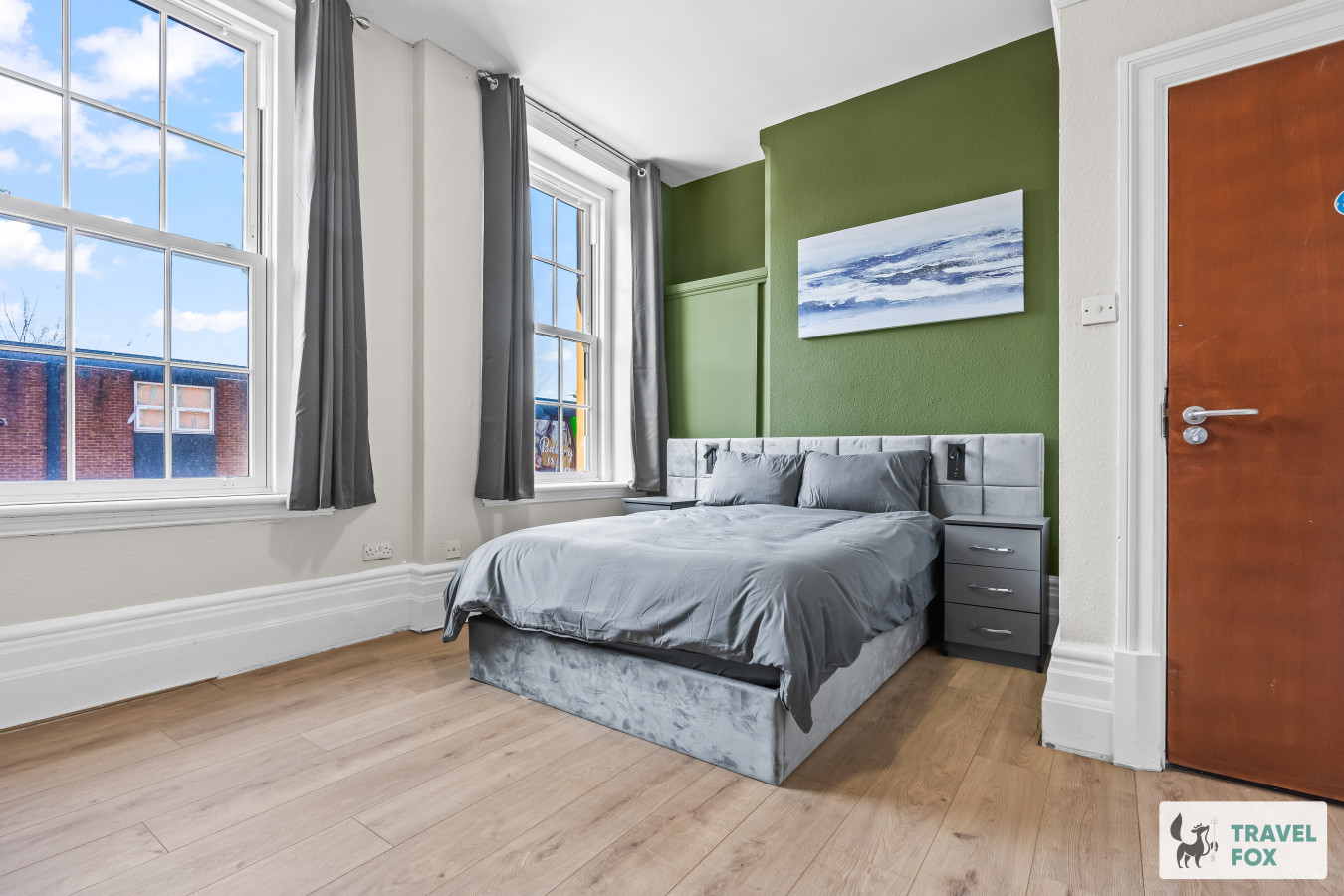
Nottingham
Melissa's Central Stay
- Sleeps 13
- 5 bedrooms
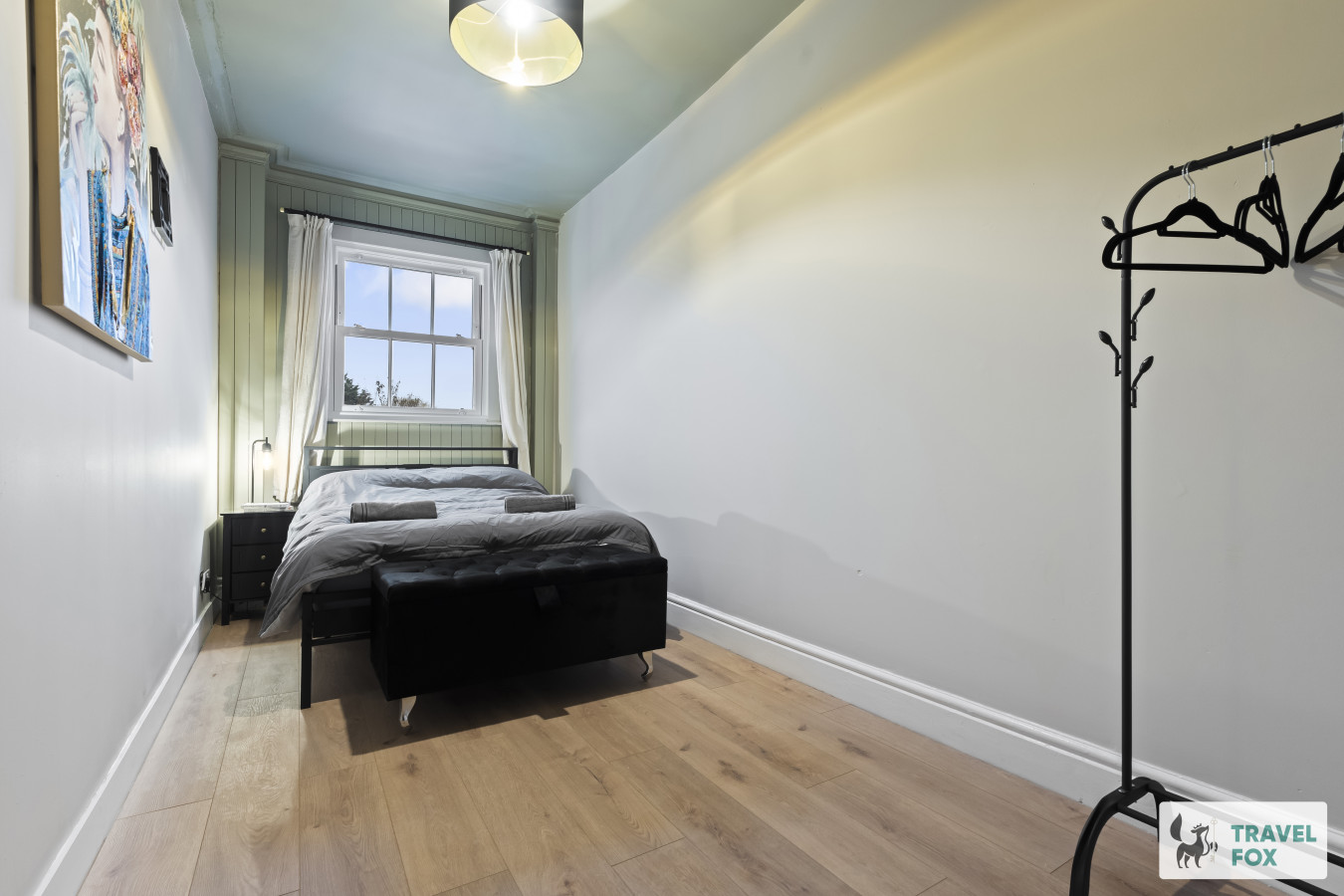
Nottingham
Callie's Central Stay
- Sleeps 9
- 3 bedrooms
For homeowners
Own a holiday home near Littleborough?
We manage holiday lets across the UK from 12% commission, charged after cleaning costs, with no lock-in. A co-founder visits before you decide.
How our holiday let management works →
A guide with a point of view
Written from research. Edited for real journeys.
Use the Official site links for live practical details, then use this guide for context, ideas and room to explore.
Sources
Every place on this page is checked against a published source. Each entry links the record we used and names who publishes it.
- St Nicholas' Church — visitchurches.org.uk operator, sector body or destination organisation
- Site of Littleborough Roman ford — her.nottinghamshire.gov.uk statutory register or public authority
- Trent Valley Way near Littleborough — trentriverstrust.org operator, sector body or destination organisation
- Bassetlaw Museum — bassetlaw.gov.uk statutory register or public authority
- Gainsborough Old Hall — english-heritage.org.uk national body or asset manager