
A tiny Thankful Village
Maplebeck
A small Beck Valley village with a historic two-room beerhouse, a medieval church and a choice of country walks.
- Best for
- Historic pub interiors, church history and walking
- Give it
- A short village visit or a longer linking walk
- Don't miss
- The Beehive's tiny snug and St Radegund's Jacobean woodwork
The Fox verdict
A tiny village with unusually rich stories
Maplebeck pairs a nationally recognised historic pub interior with a Grade I church and several ways to explore the surrounding countryside on foot.
The Beehive has a nationally recognised historic interior, while St Radegund's has medieval fabric, 17th-century woodwork and an ancient churchyard yew. Walkers can follow the Maplebeck–Winkburn figure of eight or a longer circuit through Kirklington, Caunton and Winkburn.
Where to go
Places in Maplebeck
Every place below is checked against a published source, listed with what it is and how long to give it.
Local signatures
3 placesThe Beehive
A tiny two-room cottage pub dating from 1803, with a One Star interior of special national historic interest and simple decor mainly from the 1950s or 1960s.
- Visit length
- Editorial estimate: around 45 minutes
- Locality
- Maplebeck itself
- Access
- Cash only.
The Robin Hood Way
A long-distance Nottinghamshire route. The Kirklington section forms part of a longer walk linking Maplebeck, Caunton and Winkburn.
- Visit length
- Editorial estimate: around 2 hours for a chosen Kirklington-area stretch
- Locality
- Near Kirklington, west of Maplebeck
Turton Memorial Hall
Completed in 2015, the village hall faces the green across a raised courtyard. Inside, it has a sprung floor and a projector for community activities.
- Visit length
- Editorial estimate: 10 minutes to view the hall from the village green
- Locality
- Maplebeck
- Access
- The building and its courtyard can be viewed from the village green.
Walks & outdoors
1 placeMaplebeck–Winkburn Figure-of-Eight Walk
A figure-of-eight route from the Maplebeck–Winkburn road through the smaller hamlet of Winkburn and across fields back to Maplebeck.
- Visit length
- Editorial estimate: around 2 hours 30 minutes
- Locality
- Top of the hill on the Maplebeck–Winkburn road
- Access
- Nottsbus On Demand serves both Maplebeck and Winkburn. Arrange a journey through its app or by phone.
History & heritage
1 placeSt Radegund's Church
A Grade I church with 13th-century origins, Jacobean woodwork, a medieval stone slab and an ancient yew in the churchyard.
- Visit length
- Editorial estimate: around 30 minutes
- Locality
- Maplebeck
No places match this filter. Choose All places to reset the list.
Three ways to explore Maplebeck
Signature outings
The Beehive's tiny rooms
Take a seat beside the hatch counter and simple benches in the Beehive's tiny snug. The simple decor dates mainly from the 1950s or 1960s.
Medieval stone and Jacobean wood
Look for the original 13th-century lancets, Jacobean woodwork, medieval stone slab and ancient churchyard yew at St Radegund's.
Maplebeck to Winkburn and back
Follow the figure-of-eight route from the hilltop car park and picnic area to Winkburn, then cross fields back to Maplebeck.
The village story
Maplebeck Village Guide
A tiny Nottinghamshire village where pub, church, community and footpaths carry stories far beyond its size.
Inside the Beehive
The Beehive has a small bar on one side of its central entrance and an even smaller snug on the other, with a hatch counter and simple benches. It lays claim to being Nottinghamshire's smallest pub.
The building dates from 1803 and was known as the Gate Inn until 1844. The interior has a One Star heritage rating, and the simple decor dates mainly to the 1950s or 1960s; the fireplaces are more recent. Beamed ceilings, benches and a copper-topped counter complete the two-room interior, with cash the only payment option.
Dog Night, Motorcycles and the Garden
Tuesday is dog night, with treats for visiting dogs. During Darren Hayman's Thankful Villages project in 2017, Claudine spoke with him about the pub but declined to have her voice recorded. Hayman reflected on her wish for privacy.
Hayman also recorded a story about a former landlord who let a pig drink the last beer from the barrels. A picture of motorcycle maker George Brough hangs inside, and a front patio overlooks the village street.
Community Life and Country Walks
Turton Memorial Hall gives Maplebeck a gathering place beside the village green. Completed in 2015, its L-shaped building faces a raised courtyard. The architects designed a sprung floor for dance and fitness activities and included a projector for film screenings.
A figure-of-eight walk starts near picnic tables on the Maplebeck–Winkburn road, visits Winkburn and crosses fields back to Maplebeck. A longer circuit starts at Kirklington, follows part of the Robin Hood Way and links Maplebeck, Caunton and Winkburn. Nottsbus On Demand serves both Maplebeck and Winkburn; journeys can be arranged through its app or by phone.
St Radegund's and Maplebeck's Record
St Radegund's Church has 13th-century origins and is one of five English parish churches dedicated to St Radegund. Its oak pulpit and fifteen benches date from the 17th century; the restored communion rail dates from the 18th. The church also contains a reset incised cross slab. In the churchyard, the Ancient Yew Group records a yew measuring 671 cm around its trunk.
Domesday Book lists Maplebeck under three owners and records 17 households across the settlement. The King's specific holding had three freemen and half a ploughland; Gilbert of Ghent's had fourteen households and four ploughlands. Darren Hayman's Thankful Villages project also records Maplebeck among the villages that lost no men in the First World War.
Names in the Churchyard
On a visit described in his 2017 Thankful Villages account, Darren Hayman met Judith in the churchyard as she cleaned gravestones with a toothbrush and compared fading names with church records. On a later visit, she introduced him to Rachel, who had researched Maplebeck's history.
Stay around Nottinghamshire
Make a longer stay of it
Travel Fox holiday homes around Nottinghamshire, linked directly to their property pages.
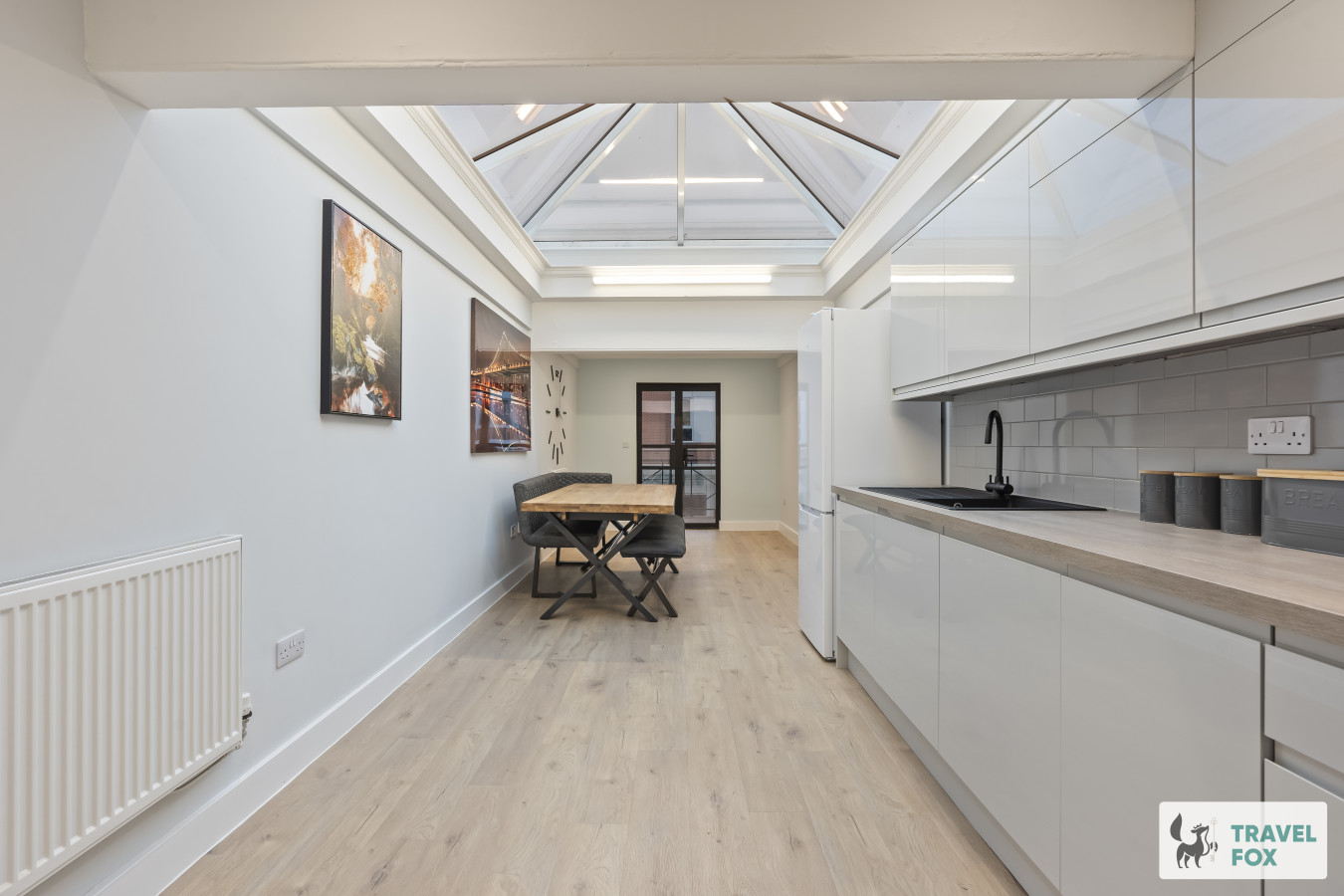
Nottingham
Camila's Penthouse Central Stay with Balcony
- Sleeps 16
- 5 bedrooms
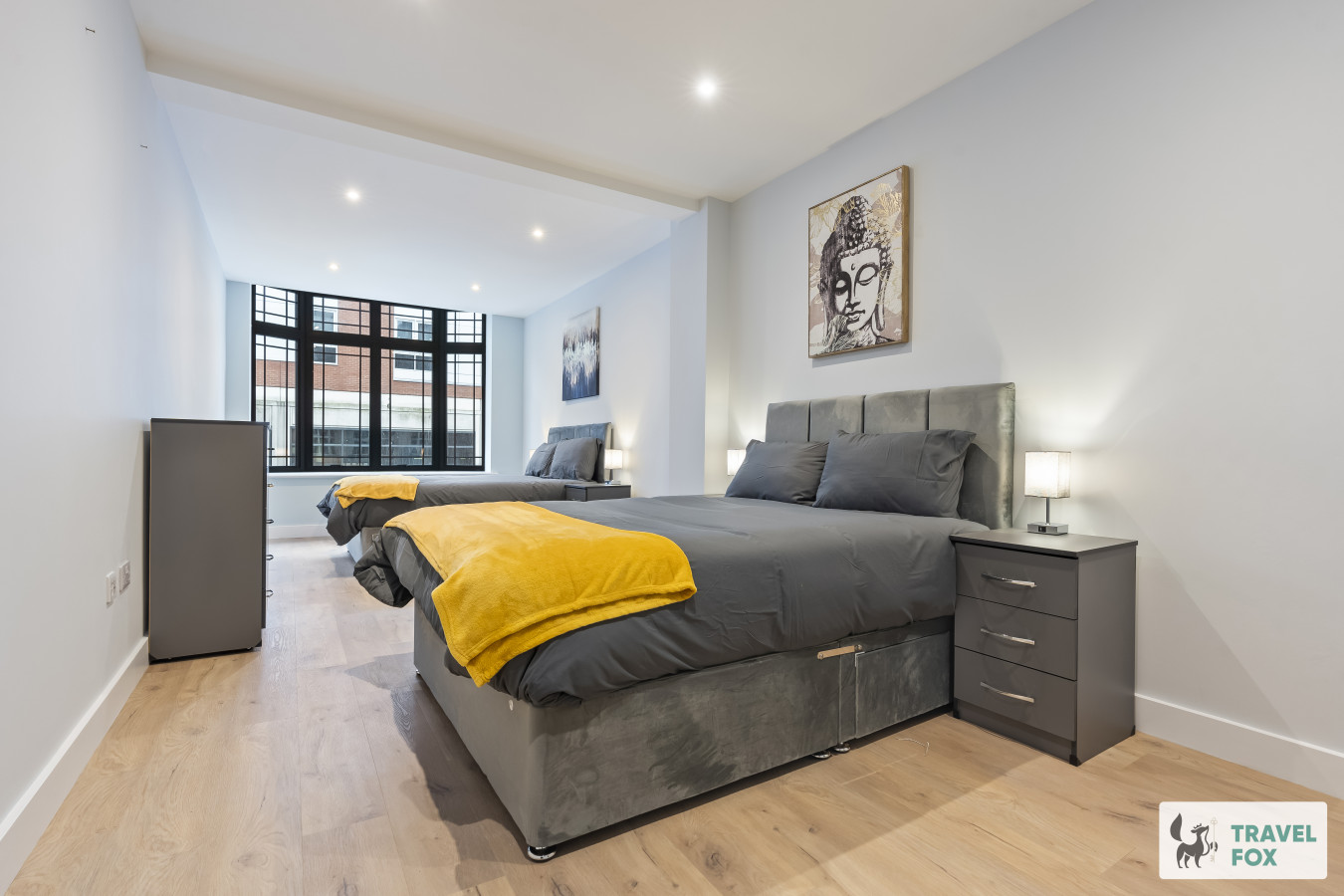
Nottingham
Blair's Central Stay
- Sleeps 16
- 5 bedrooms
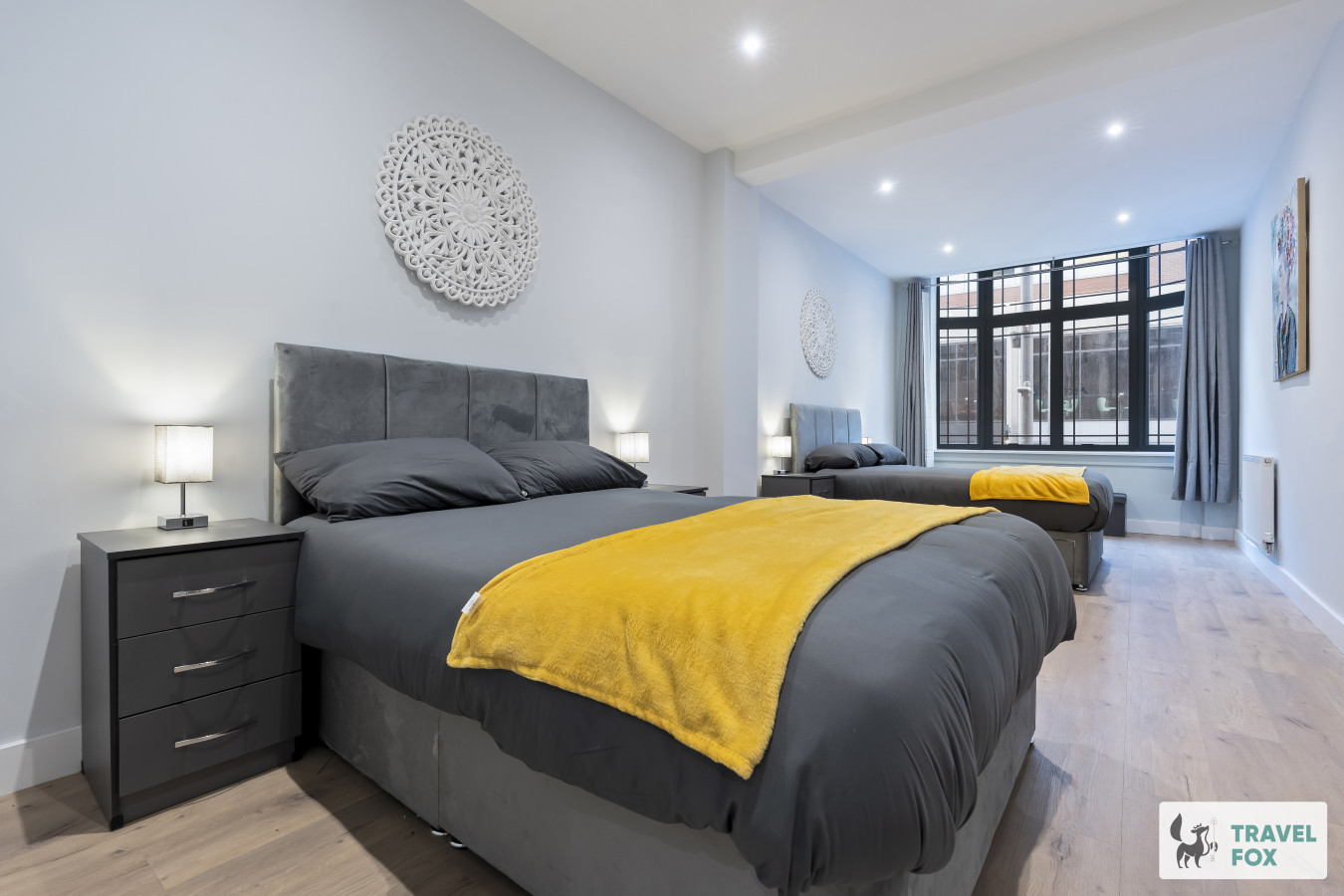
Nottingham
Anna's Central Stay
- Sleeps 16
- 5 bedrooms
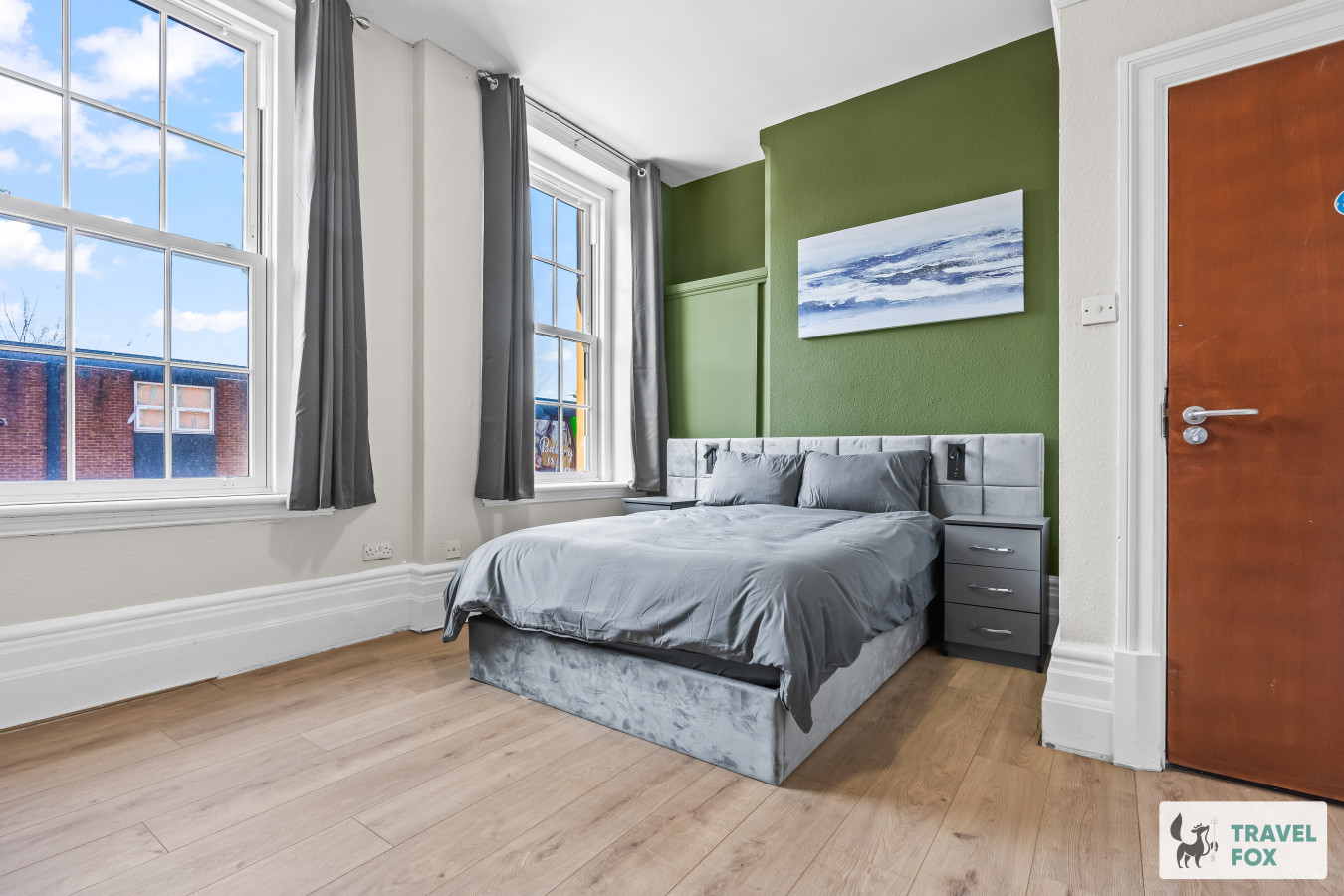
Nottingham
Melissa's Central Stay
- Sleeps 13
- 5 bedrooms
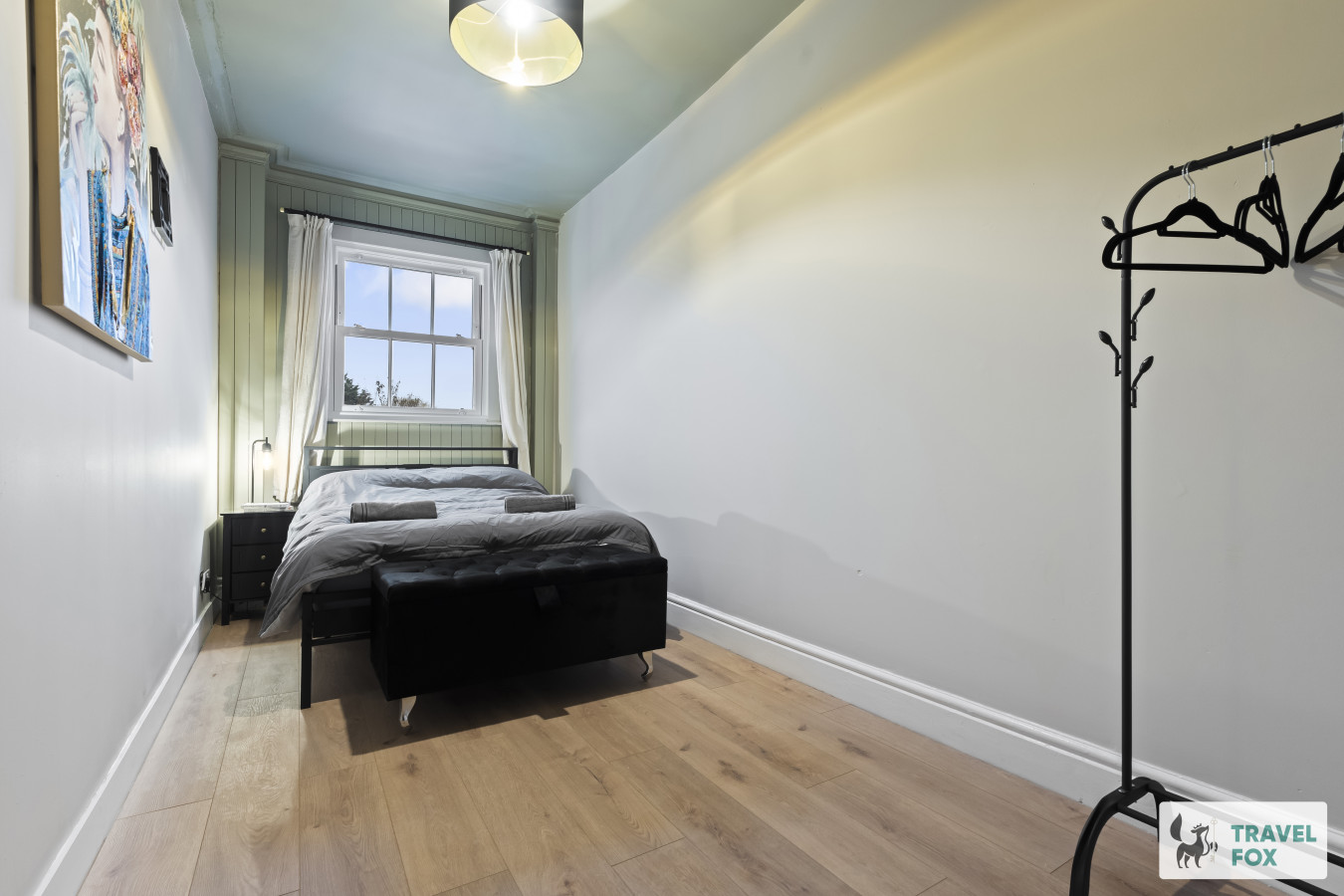
Nottingham
Callie's Central Stay
- Sleeps 9
- 3 bedrooms
For homeowners
Own a holiday home near Maplebeck?
We manage holiday lets across the UK from 12% commission, charged after cleaning costs, with no lock-in. A co-founder visits before you decide.
How our holiday let management works →
A guide with a point of view
Written from research. Edited for real journeys.
Use the Official site links for live practical details, then use this guide for context, ideas and room to explore.
Sources
Every place on this page is checked against a published source. Each entry links the record we used and names who publishes it.
- The Beehive — camra.org.uk operator, sector body or destination organisation
- St Radegund's Church — historicengland.org.uk statutory register or public authority record not machine-readable; publisher restricts automated access
- Maplebeck–Winkburn Figure-of-Eight Walk — farnsfieldwalks.wordpress.com other published source
- The Robin Hood Way — broxtowe.gov.uk statutory register or public authority
- Turton Memorial Hall — register-of-charities.charitycommission.gov.uk statutory register or public authority