
Pit village, open country
Newstead
A colliery village where reclaimed spoil tips, Byron's former home and a pub in the old cricket pavilion tell one connected story.
- Best for
- Mining heritage, parkland walks and Byron
- Main walk
- A 7.2km waymarked country-park loop
- Don't miss
- The Pit's Newstead Colliery memorabilia
The Fox verdict
A village that turned colliery ground into breathing space
Newstead pairs a modest pit village with reclaimed walking country, Byron's former home and a singular community pub.
The appeal is the connection between the places: colliery photographs and miners' jackets fill The Pit, the old spoil tips have become a country park, and St Mary's records the growth of the miners' New Village. Newstead Abbey adds the older, stranger history of Byron, his bear and the Order of the Skull.
Where to go
Places in Newstead
Every place below is checked against a published source, listed with what it is and how long to give it.
Local signatures
3 placesThe Pit at Newstead
The village's only pub occupies a former cricket pavilion, with three locally brewed real ales, two real ciders, simple Pit melts and Pitdogs, live music and colliery memorabilia.
- Visit length
- Editorial estimate: Allow around 1 hour 15 minutes
- Locality
- Newstead Recreation Ground
- Access
- Dogs are welcome on leads.
Newstead & Annesley Country Park
A 7.2km circular waymarked trail crosses reclaimed colliery spoil tips through woodland, lakeside paths and open grassland, with a wind turbine marking former mine-drainage ponds.
- Visit length
- Editorial estimate: Allow around 2 hours 18 minutes for the waymarked loop
- Locality
- immediately north of the village
- Access
- The trail can be muddy; dogs are welcome on leads and there is a car park at the trailhead.
Newstead Abbey
The former Augustinian priory became the Byron family seat and is now a museum, with the poet's history extending from his tame bear to Boatswain's monument and the skull cup.
- Visit length
- Editorial estimate: Allow around 1 hour 30 minutes
- Locality
- Newstead Abbey, east of Newstead village
Food & drink
1 placeNewstead Village Stores & Post Office
The village's general stores and sub post office counter, useful because the research found no independent butcher, deli, bakery or farm shop trading in Newstead itself.
- Visit length
- Editorial estimate: Allow around 15 minutes
- Locality
- 49 Tilford Road, Newstead Village, NG15 0BU
Walks & outdoors
1 placeNewstead Abbey Parkland
Three hundred acres of walking trails pass through woods and around three dammed lakes, with a waterfall between the Upper Lake and Garden Lake that visitors can walk behind.
- Visit length
- Editorial estimate: Allow around 2 hours
- Locality
- Newstead Abbey estate, east of Newstead village
History & heritage
1 placeSt Mary's Church, Newstead
Cyril F. W. Hasledine designed the 1928 church in an Early English Gothic style for the expanding colliery village, with round-headed lancet windows and a single roof span.
- Visit length
- Editorial estimate: Allow around 30 minutes
- Locality
- the colliery "New Village"
Things to do
1 placeNewstead Recreation Ground
A council-run recreation ground with play equipment for under-fives and ages five to twelve, plus a grass football pitch, skate ramps, benches and parking.
- Visit length
- Editorial estimate: Allow around 45 minutes
- Locality
- Tilford Road
No places match this filter. Choose All places to reset the list.
Three ways to explore Newstead
Signature outings
Trace Newstead's Byron story
Explore the former priory that became the Byron family seat, including the history of the poet, his bear, Boatswain's monument and the Order of the Skull.
Walk behind the waterfall
Walk the woods and three-lake chain in Newstead Abbey's 300-acre parkland, where the Upper Lake falls towards the Garden Lake.
See the New Village church
Look at Hasledine's 1928 church, funded after its Building Committee said it had enough to put up a decent church for the colliery village.
The village story
Newstead Village Guide
A colliery village shaped by its community pub, reclaimed open ground and the long shadow of Byron's Newstead Abbey.
A Pub Built as a Lifeline
A Davy lamp sits on the mantelpiece at The Pit, the only pub in Newstead, alongside a hall stand of original miners' jackets and hard hats and a wall of photographs of Newstead Colliery. It's a small room, 80 capacity, built into the former village cricket pavilion on the recreation ground, and it's the reason people come to Newstead who aren't here for Byron.
Landlady Lorraine Horrocks opened it around 2019 after a conversation with a friend over drinks, then spent months arguing with the local authority to get it open. "There was absolutely nothing for adults to do," she said of the village after the colliery closed in 1987. The Pit, in her words, became "an absolute lifeline."
Ales, Pitdogs and Village Essentials
It has three real ales on hand pull, all locally brewed, two real ciders, and a listing in CAMRA's Good Beer Guide. Food runs to Pit melts, toasties served with homemade "Pitslaw" coleslaw and tortilla chips, and Pitdog hotdogs with a choice of sauces and crispy onions. There's a Sunday quiz night, and the gig nights have drawn Terrorvision frontman Tony Wright, who's played there four times, and singer-songwriter Nick Harper. Dogs are welcome on leads, and the beer garden looks straight out over the cricket pitch, so on a match day you can watch from a bench with a pint.
Beyond the pub, Newstead keeps things modest: a post office and general stores on Tilford Road, open mornings and early afternoons on weekdays, shut Sundays, and not much else — no butcher, no bakery.
Reclaimed Ground and Byron's Abbey
What the village has instead is space. Newstead & Annesley Country Park, laid out over the old colliery spoil tips just north of the village, has a 7.2km waymarked loop through woodland, lakeside paths and open grassland, dogs on leads welcome. A wind turbine now stands where pit wastewater once drained into ponds feeding the River Leen. National Cycle Route 6 runs past the pub and the railway station.
Newstead Abbey is about 1.5 miles east of the village in a straight line; the road journey is longer. Newstead Priory was founded in 1170 by Henry II as penance for the murder of Thomas Becket, and passed to the Byron family in 1540 after the Dissolution. The poet inherited it derelict at ten and lived there from 1808, keeping a tame bear brought back from Cambridge, where there had been no college rule against bears, to join a tame wolf already resident from his predecessor's day. A gardener once dug up a monk's skull in the grounds; Byron had it mounted into a drinking cup and passed round at gatherings of his self-founded Order of the Skull. The Abbey's 300 acres of parkland have a chain of three lakes and a waterfall you can walk behind.
The Miners' Church and Getting Here
St Mary's Church came later: 1928, built for the "New Village" of miners' terraces around it, its Building Committee turning down outside funding because they had, in their own words, "sufficient funds to put up a decent church."
Trains still stop in the village, roughly hourly to Nottingham and Worksop on the Robin Hood Line, with the A611 and the M1 close by for drivers. On a Saturday afternoon, though, the better bet is the beer garden at The Pit, watching the cricket, a Pitdog going cold on the bench beside you.
Stay around Nottinghamshire
Make a longer stay of it
Travel Fox holiday homes around Nottinghamshire, linked directly to their property pages.
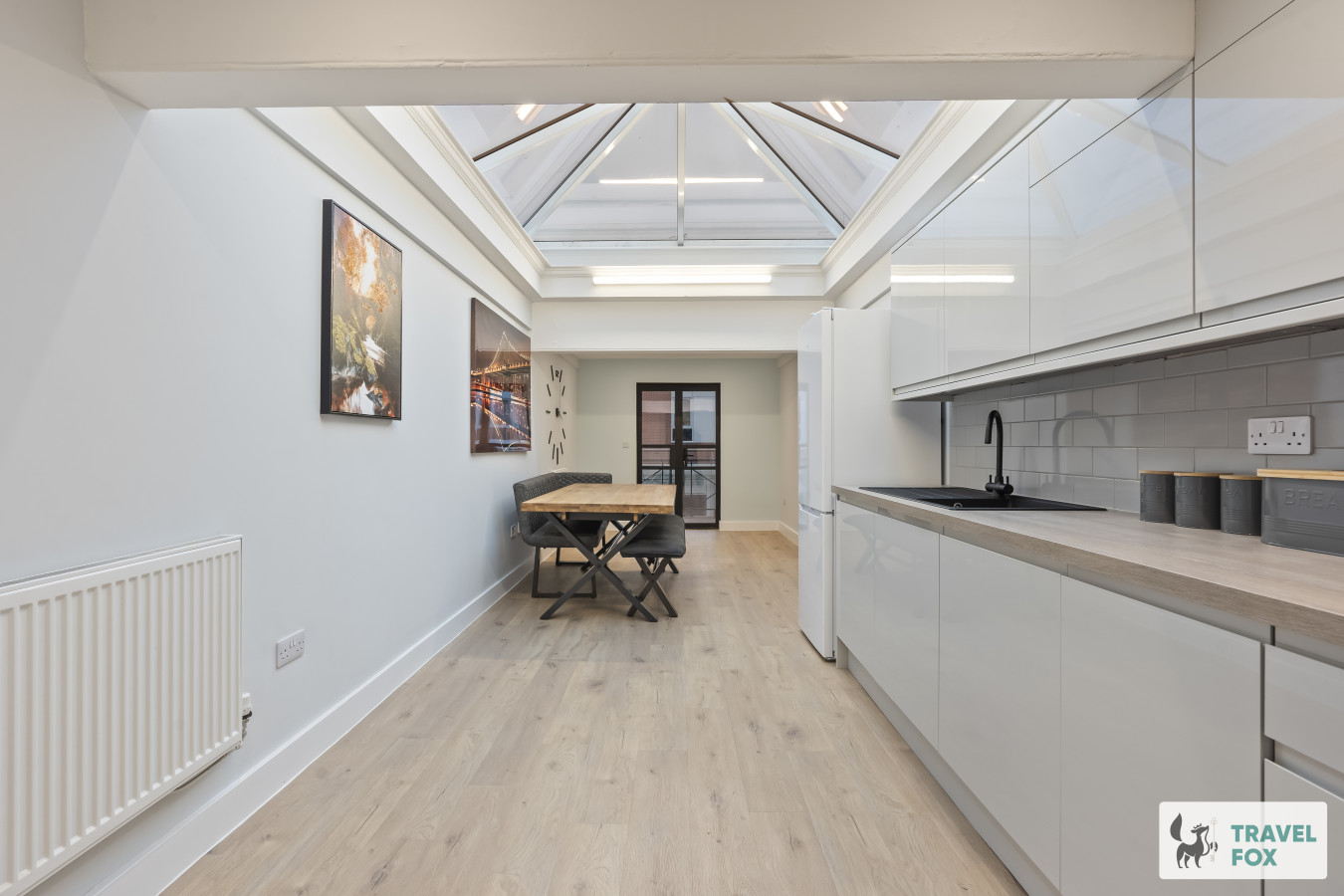
Nottingham
Camila's Penthouse Central Stay with Balcony
- Sleeps 16
- 5 bedrooms
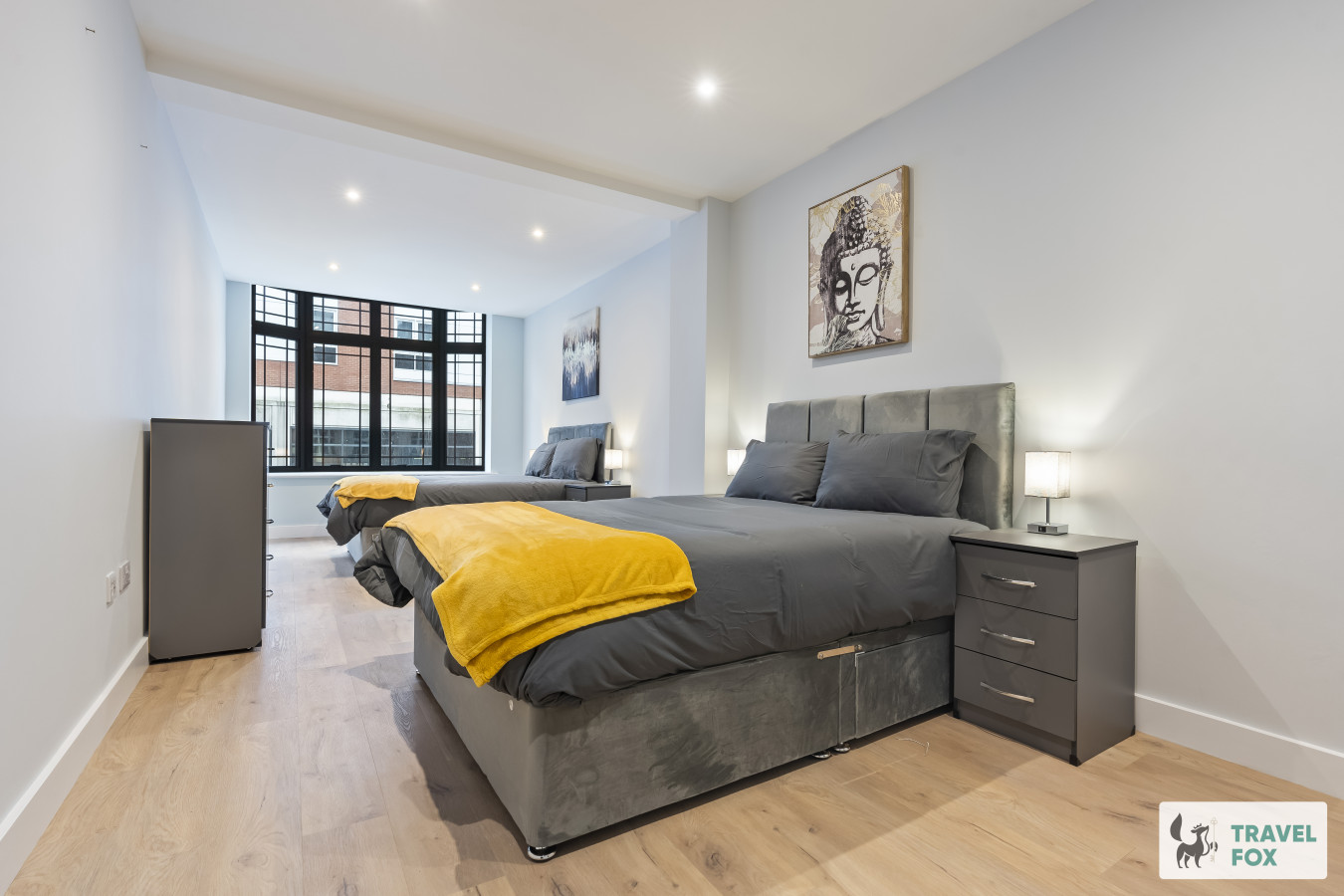
Nottingham
Blair's Central Stay
- Sleeps 16
- 5 bedrooms
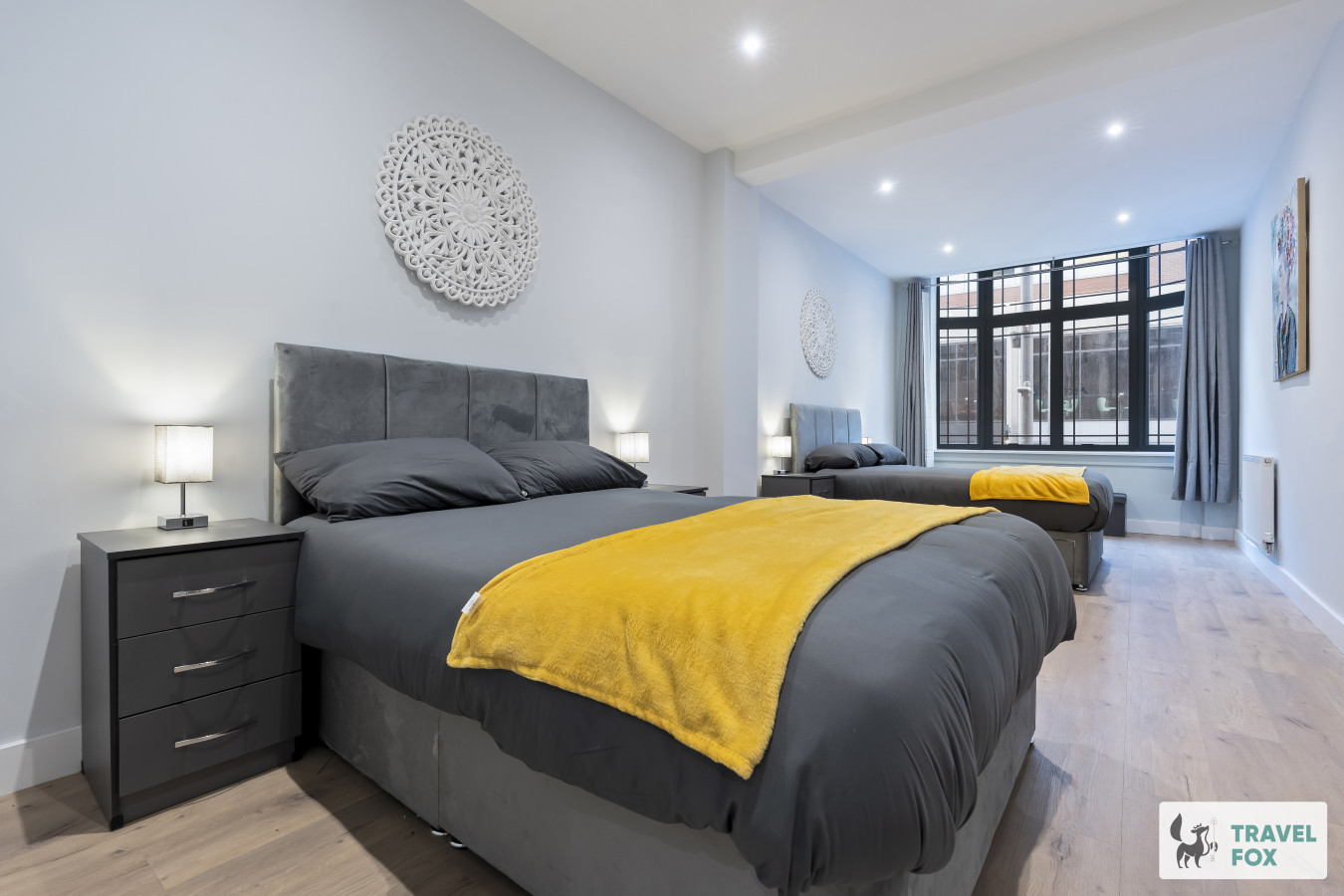
Nottingham
Anna's Central Stay
- Sleeps 16
- 5 bedrooms
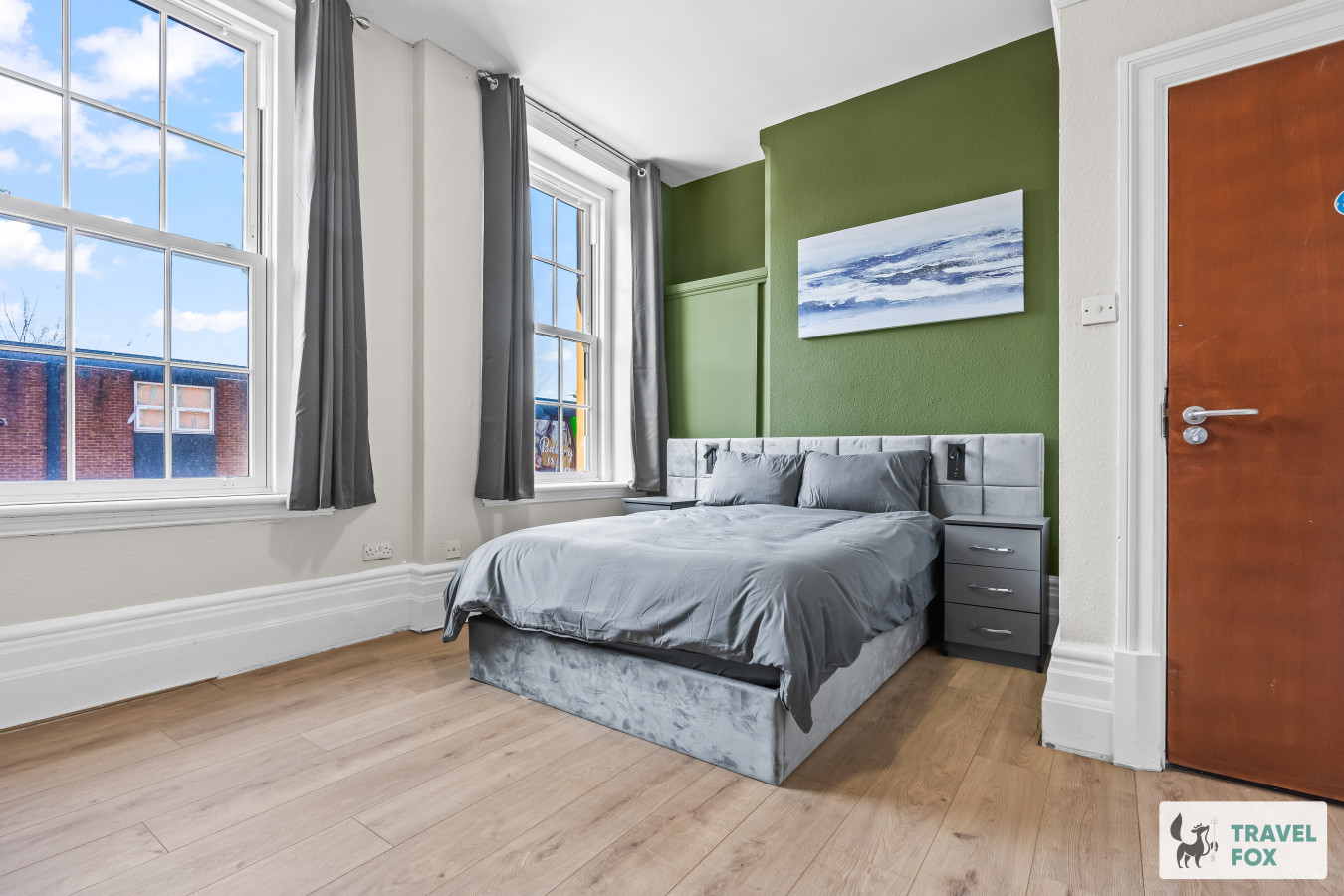
Nottingham
Melissa's Central Stay
- Sleeps 13
- 5 bedrooms
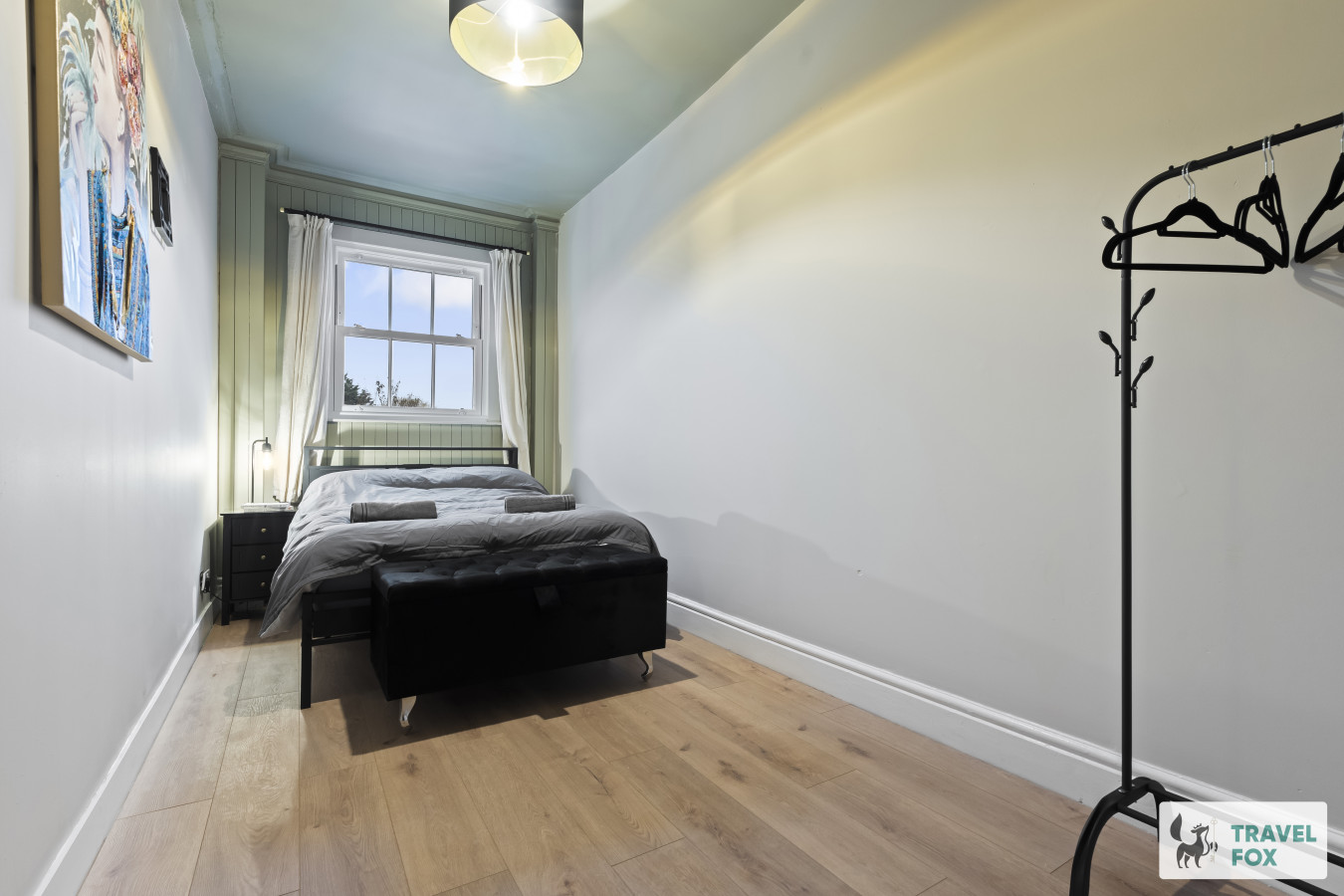
Nottingham
Callie's Central Stay
- Sleeps 9
- 3 bedrooms
For homeowners
Own a holiday home near Newstead?
We manage holiday lets across the UK from 12% commission, charged after cleaning costs, with no lock-in. A co-founder visits before you decide.
How our holiday let management works →
A guide with a point of view
Written from research. Edited for real journeys.
Use the Official site links for live practical details, then use this guide for context, ideas and room to explore.
Sources
Every place on this page is checked against a published source. Each entry links the record we used and names who publishes it.
- The Pit at Newstead — thepitatnewstead.co.uk operator, sector body or destination organisation
- Newstead & Annesley Country Park — gedling.gov.uk statutory register or public authority
- Newstead Abbey — newsteadabbey.org.uk operator, sector body or destination organisation
- Newstead Abbey Parkland — newsteadabbey.org.uk operator, sector body or destination organisation
- St Mary's Church, Newstead — achurchnearyou.com national body or asset manager
- Newstead Recreation Ground — gedling.gov.uk statutory register or public authority
- Newstead Village Stores & Post Office — postoffice.co.uk operator, sector body or destination organisation record not machine-readable; publisher restricts automated access