
Watermill, coaching crossroads and forest edge
Ollerton
Trace Ollerton from a working mill on the River Maun and an unusual Gothick church to colliery-era New Ollerton, community woods and the edge of Sherwood Forest.
- Watermill
- On this site since at least the 11th century
- Church
- Gothick rebuild from around 1780
- Colliery
- Opened in 1926 and closed in 1994
The Fox verdict
Come for the mill wheel; stay for the two Ollertons
Old Ollerton gathers church, river and watermill around the former coaching crossroads, while New Ollerton carries the village's colliery story and most of its open venues.
A useful visit can move from the working watermill and St Giles' Gothick tower to a carvery, leisure session or reclaimed woodland, with Rufford Abbey and Sherwood Forest close enough to shape a longer day.
Where to go
Places in Ollerton
Every place below is checked against a published source, listed with what it is and how long to give it.
Local signatures
3 placesThe Alders
A large open-plan Marston's pub and restaurant serving a daily carvery, with a beer garden, three real ales and children's play areas inside and out.
- Visit length
- Editorial estimate: allow around 1 hour 15 minutes
- Locality
- Worksop Road
Sherwood Heath
A Site of Special Scientific Interest nature reserve on Ollerton's Sherwood Forest edge.
- Visit length
- Editorial estimate: allow around 1 hour
- Locality
- Just west of the A614 roundabout
Sherwood Forest Visitor Centre and Major Oak
The Sherwood Forest visitor base for paths towards the Major Oak, reputed to be over 1,000 years old.
- Visit length
- Editorial estimate: allow around 2 hours 30 minutes
- Locality
- Edwinstowe
Walks & outdoors
2 placesBoughton Brake
A community woodland where the Whitewater bridleway gives access to the remains known as Robin Hood's Cave.
- Visit length
- Editorial estimate: allow around 1 hour
- Locality
- Boughton, by Brake Lane, about 1.8 miles northeast of Ollerton
Ollerton Pit Wood
A former colliery spoil heap converted into a treed landscape with trails.
- Visit length
- Editorial estimate: allow around 1 hour 15 minutes
- Locality
- Ollerton
History & heritage
3 placesOllerton Watermill
A working watermill on a site used since at least the eleventh century, with mid- and late-eighteenth-century buildings, early-nineteenth-century machinery, a tearoom and an exhibition. Historic England's legacy listing records a twelve-foot undershot wheel; Nottinghamshire's Historic Environment Record describes the present wheel as a fourteen-foot-two-inch breastshot wheel installed in 1862.
- Visit length
- Editorial estimate: allow around 1 hour
- Locality
- On the River Maun in Old Ollerton
- Access
- Seasonal public opening on summer Sundays.
St Giles' Church
A Grade II-listed church rebuilt around 1777–1780 in an unusually Gothic-based style, with a crenellated west tower and an 1875 clock with Cambridge quarter chimes.
- Visit length
- Editorial estimate: allow around 30 minutes
- Locality
- Old Ollerton
Rufford Abbey Country Park
A 150-acre country park centred on Cistercian abbey ruins, with woodland, a lake, meadow, formal gardens, an arboretum, nature trails and a children's play area.
- Visit length
- Editorial estimate: allow around 2 hours 30 minutes
- Locality
- About 2 miles south of Ollerton
No places match this filter. Choose All places to reset the list.
Three ways to explore Ollerton
Signature outings
Watch the Maun turn history
See the 1862 metal waterwheel at a mill site used since at least the eleventh century.
Catch the Cambridge quarters
Pause by the Gothick church tower whose 1875 clock chimes on the Cambridge quarters.
Walk among abbey ruins
Pair Rufford's Cistercian west cloister range with parkland, lake, gardens and woodland.
The village story
A village made by water, roads and coal
Explore Ollerton's working watermill and coaching history, New Ollerton's colliery-era streets, and nearby Sherwood Forest.
Mill wheel, old village and carvery
Ollerton Watermill has been turning on the River Maun since at least the eleventh century, and the current metal wheel — fourteen feet two inches across — was fitted in 1862. It still works. The Mettam family keep it in order and open the tearoom on summer Sundays, next door to the Hop Pole, an eighteenth-century coaching inn that isn't currently serving anyone.
That's Old Ollerton: church, river, mill, red-brick Georgian houses at a crossroads that used to matter. New Ollerton is a different creature — built by the Butterley Company in the 1920s and 30s for colliery workers, its commercial centre relocated away from the original village. It's where most of what's actually open tends to be.
The Alders, on Worksop Road, does a daily carvery in a big Marston's carvery-pub with play areas inside and out. Reviewers rate the meats and sides, and one mentions staff bringing a bowl of water for the dog, unasked. Carvery chef Craig gets a mention too.
The local tables
The Ollerton House, on Wellow Road, is smaller and family-run — landlord Des and landlady Alison have kept it going for more than fifteen years. Reviewers single out the Sunday carvery for generous portions and reasonable prices, with vegetarian, gluten-free and coeliac options.
The New Plough Inn, over in New Ollerton, has a dartboard, a pool table, and regular kids' discos. "Been a local pub of mine for 40 years," one reviewer wrote, "still is a great pub great atmosphere good pleasant staff."
Coaching inns and Gothick chimes
Back in Old Ollerton, both historic coaching inns — the Hop Pole and the White Hart — are closed, Samuel Smith's houses waiting on whatever comes next. Some of that trade has gone to Bella Vita, an Italian restaurant in the former Snooty Fox, doing calamari and ravioli by the river.
St Giles' Church, rebuilt in the 1780s largely at the Savile family's expense, is Gothic rather than the classical Georgian more usual for its date — Pevsner notes it as unusual for that. The tower clock, fitted in 1875, still chimes on Cambridge quarters.
Forest paths and industrial change
The Robin Hood Way heads north into Sherwood Forest towards the Major Oak, reckoned to be over a thousand years old. A 5.2-mile route runs to Edwinstowe and the Visitor Centre; a shorter one heads to Wellow, with its maypole, and on to Rufford Abbey Country Park, two miles south, where Cistercian ruins sit among a hundred and fifty acres of gardens and woodland.
Ollerton's Domesday entry records three watermills on the Maun and a combined value that fell from three pounds ten shillings to two pounds ten shillings between 1066 and 1086. Ollerton Colliery opened in 1926, during the General Strike, and closed in 1994 with the loss of around a thousand jobs; the site is now Sherwood Energy Village, whose tenants have included Center Parcs.
Crossroads and summer Sundays
There's no railway station any more — Ollerton lost its passenger service in 1955 — but the Sherwood Arrow bus calls every two hours, and the village sits where the A614, A6075 and A616 meet, which is presumably why it mattered before any of those roads existed.
On a summer Sunday the mill wheel turns, the tearoom's open, and somewhere along the river Bella Vita's garden bar is doing steady trade in the sun. That's about the size of it.
Stay around Nottinghamshire
Make a longer stay of it
Travel Fox holiday homes around Nottinghamshire, linked directly to their property pages.
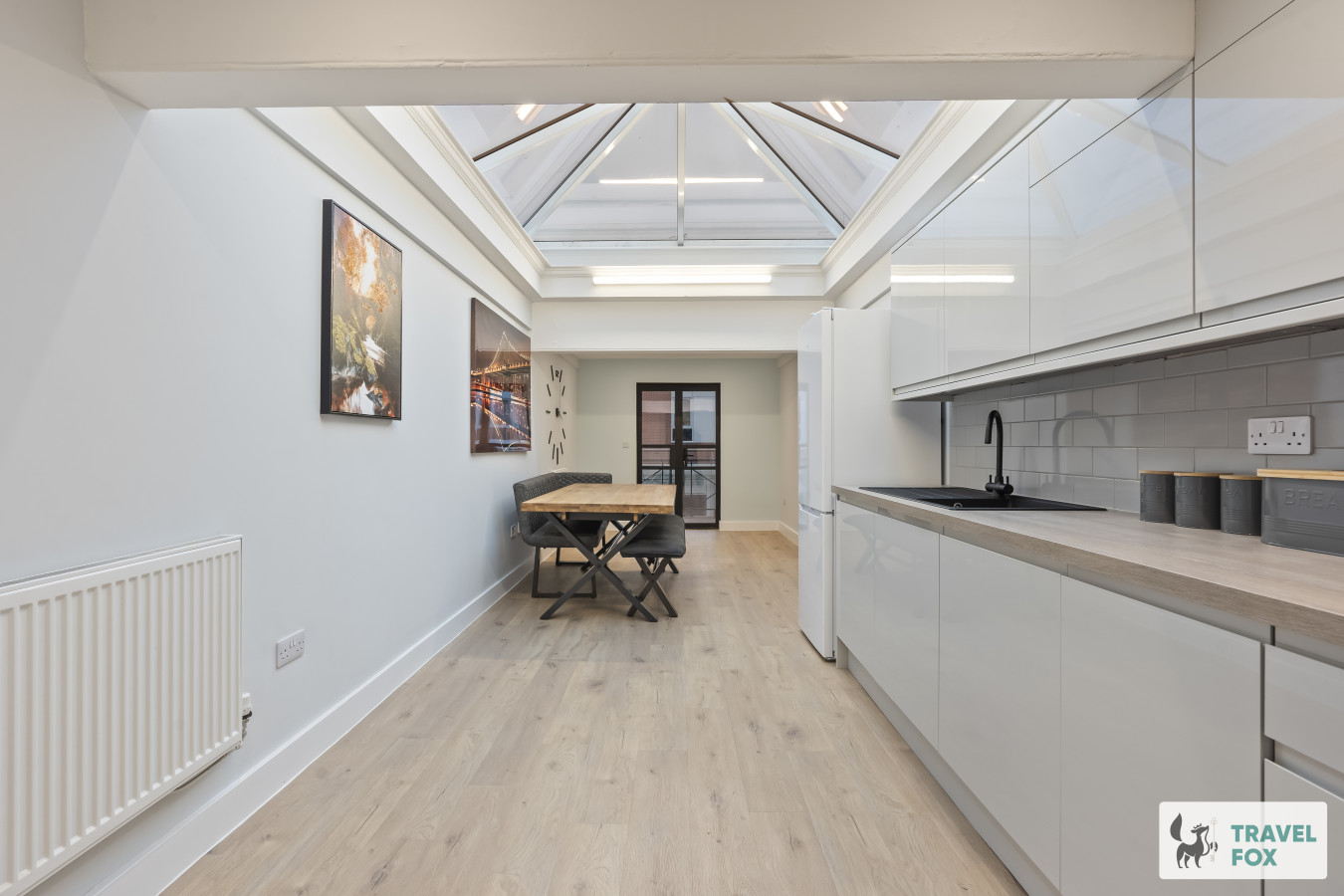
Nottingham
Camila's Penthouse Central Stay with Balcony
- Sleeps 16
- 5 bedrooms
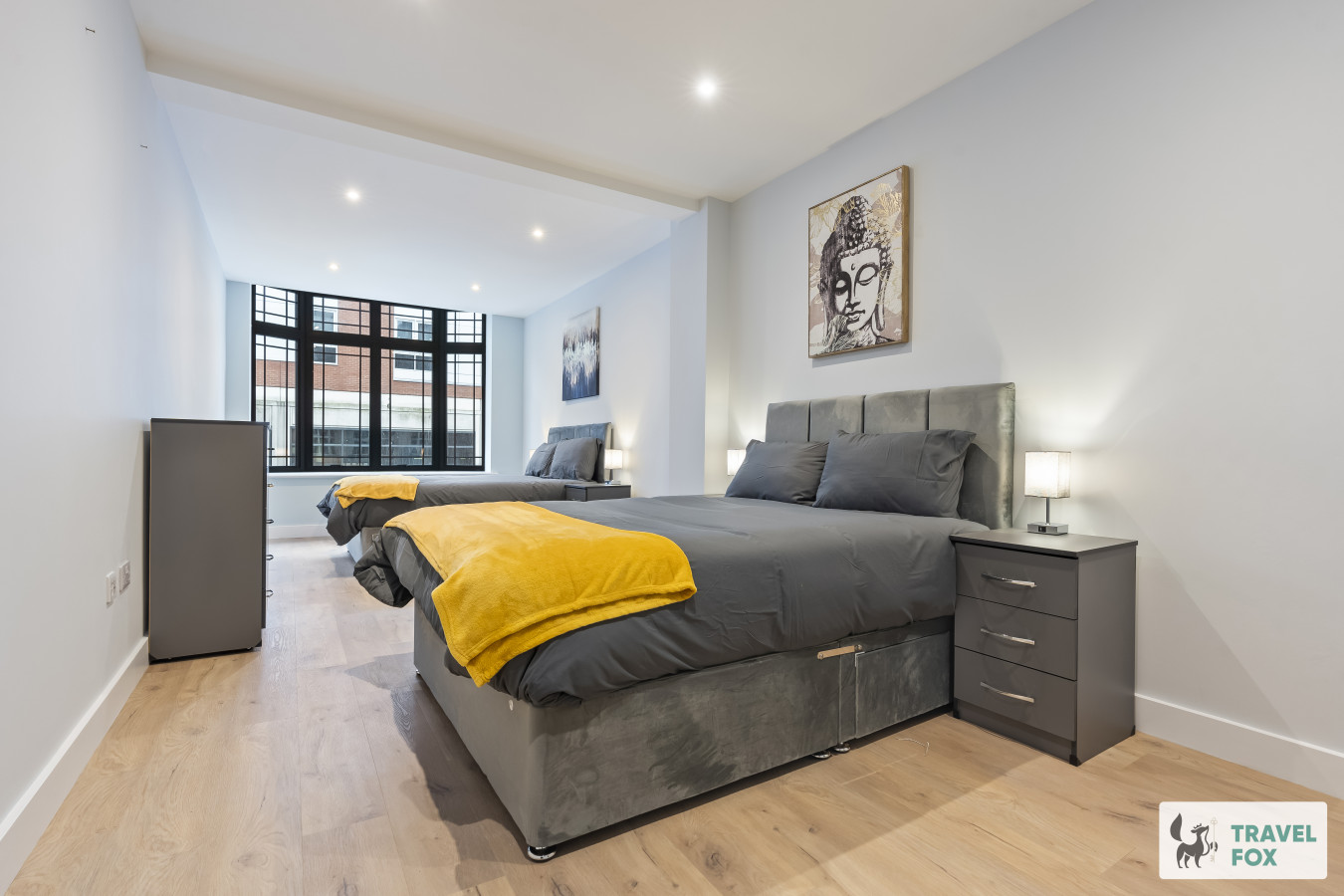
Nottingham
Blair's Central Stay
- Sleeps 16
- 5 bedrooms

Nottingham
Anna's Central Stay
- Sleeps 16
- 5 bedrooms
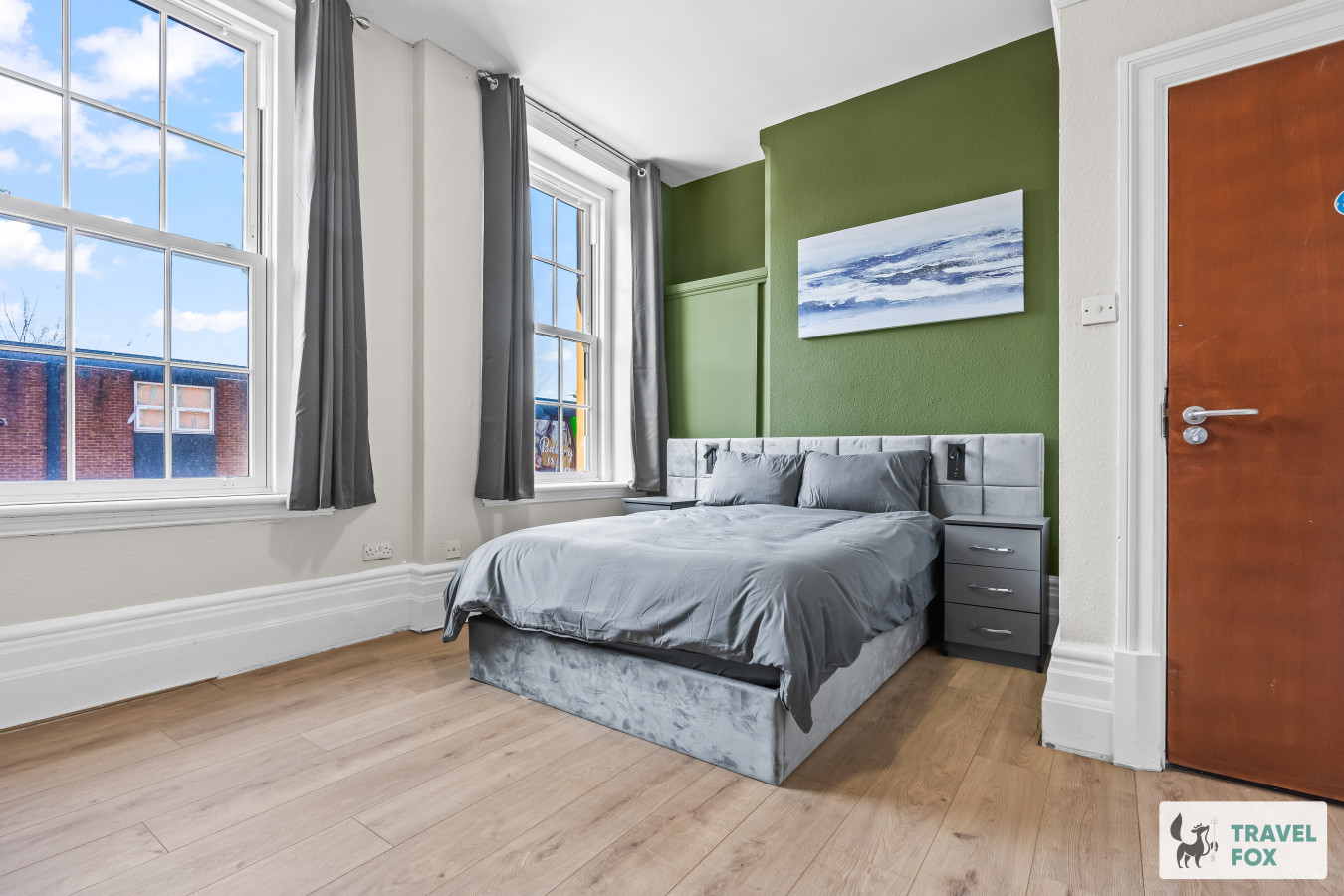
Nottingham
Melissa's Central Stay
- Sleeps 13
- 5 bedrooms
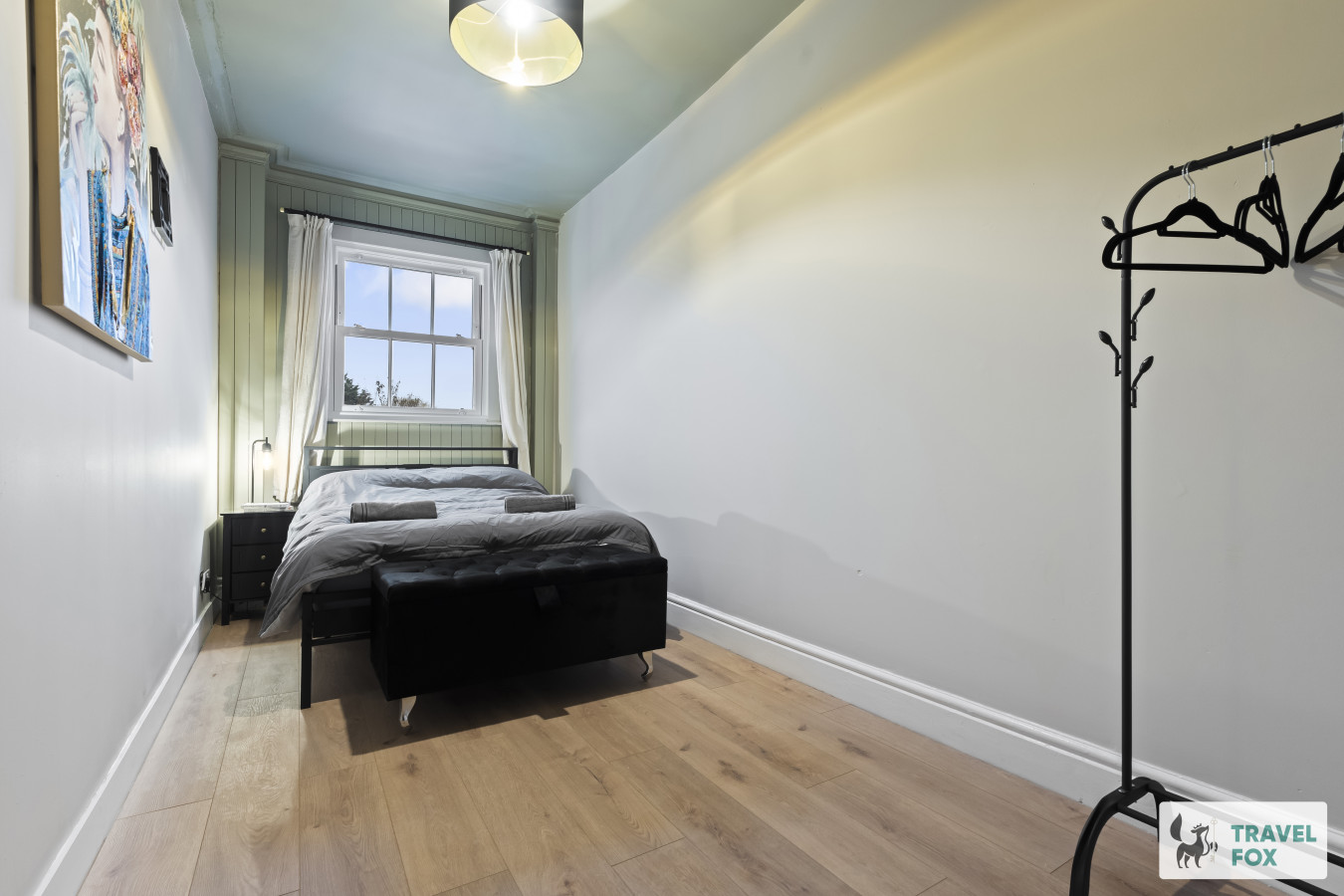
Nottingham
Callie's Central Stay
- Sleeps 9
- 3 bedrooms
For homeowners
Own a holiday home near Ollerton?
We manage holiday lets across the UK from 12% commission, charged after cleaning costs, with no lock-in. A co-founder visits before you decide.
How our holiday let management works →
A guide with a point of view
Written from research. Edited for real journeys.
Use the Official site links for live practical details, then use this guide for context, ideas and room to explore.
Sources
Every place on this page is checked against a published source. Each entry links the record we used and names who publishes it.
- Ollerton Watermill — historicengland.org.uk statutory register or public authority record not machine-readable; publisher restricts automated access
- St Giles' Church — historicengland.org.uk statutory register or public authority record not machine-readable; publisher restricts automated access
- The Alders — alderspubollerton.co.uk operator, sector body or destination organisation
- Boughton Brake — forestryengland.uk national body or asset manager
- Sherwood Heath — newark-sherwooddc.gov.uk statutory register or public authority
- Ollerton Pit Wood — forestryengland.uk national body or asset manager
- Rufford Abbey Country Park — ruffordabbey.co.uk operator, sector body or destination organisation
- Sherwood Forest Visitor Centre and Major Oak — rspb.org.uk national body or asset manager