
Sherwood's southern gateway
Papplewick
Papplewick brings together a medieval forest crossroads, short parish walks, a detail-rich Grade I church and the working legacy of its Victorian pumping station.
- Best for
- Historic details and short walks
- Give it
- A pub stop plus a 45- or 90-minute path
- Don't miss
- The church slabs and pumping engines
The Fox verdict
A small village with unusually deep layers
Papplewick works best as a compact mix of historic interiors, riverside and moorland paths, and Victorian engineering.
Start with the Griffin's Head at the old Sherwood gateway, use the Meadows or Moors Path for a short walk, then give time to St James' medieval fragments or Papplewick Pumping Station's beam engines.
Where to go
Places in Papplewick
Every place below is checked against a published source, listed with what it is and how long to give it.
Local signatures
3 placesThe Griffin's Head
A Grade II listed village pub with a well in its restaurant, a rear garden, seasonal food and real ales.
- Visit length
- Editorial estimate: Allow around 1 hour 15 minutes
- Locality
- At the crossroads
- Access
- Dogs are welcome, and there is a substantial rear garden and field.
Burnt Stump Inn
A Marston's dining pub beside Burntstump Country Park, with pub food, a garden, patio and children's play area.
- Visit length
- Editorial estimate: Allow around 1 hour 15 minutes
- Locality
- Burntstump Hill, Arnold
- Access
- Dogs are welcome in the bar area; water bowls and treats are available.
The Meadows Path
This short path passes Papplewick Lodge, St James' Church, an ancient stone bridge over the River Leen and Mill Pond Plantation.
- Visit length
- Editorial estimate: Allow around 45 minutes
- Locality
- Linking Papplewick and Linby
- Access
- The route uses a narrow tarmac lane, grass path and pasture.
Walks & outdoors
1 placeMoor Pond Wood
Short woodland loops cross the surviving landscape of the Robinson family's water-power network, whose ponds and leats once fed Leen-valley cotton mills.
- Visit length
- Editorial estimate: Allow around 1 hour
- Locality
- Within Moor Pond Wood
History & heritage
2 placesSt James' Church
The church combines a 14th-century tower with a nave rebuilt in 1795, a Norman font, medieval glass and ten incised cross-slabs found across the nave, porch and churchyard path.
- Visit length
- Editorial estimate: Allow around 45 minutes
- Locality
- Within the grounds of Papplewick Hall
Papplewick Pumping Station
Built for Nottingham Corporation in 1881–1884, the station used two James Watt beam engines to pump water until 1969 and later became a museum. Its listed boiler house contains three Lancashire boilers.
- Visit length
- Editorial estimate: Allow around 2 hours
- Locality
- Rigg Lane, Ravenshead
No places match this filter. Choose All places to reset the list.
Three ways to explore Papplewick
Signature outings
Find the forester's stone
Look for the forester's slab with its horn, bow, arrow and baldric. The church's other medieval cross-slabs appear in the nave, porch and churchyard path.
See Victorian steam power
On steam-event days, visitors can see the beam engines operating and take a tour of the underground reservoir.
Cross the River Leen
Beyond the River Leen bridge, the Meadows Path follows a former water meadow that fed Papplewick Dam.
The village story
Papplewick: wells, paths and old stones
An old pub well, meadow paths and carved church stones lead into Papplewick's forest history and Victorian waterworks.
The well and the old forest crossroads
A well sits inside the restaurant at The Griffin's Head, a Grade II listed pub at Papplewick's crossroads. The separate dining area and rear garden make it a natural stop after a village walk.
The pub's name comes from the griffin on the arms of the Montagu family, once local landowners. Regular beers include Black Sheep Best Bitter, Castle Rock Harvest Pale and Timothy Taylor Landlord. Dogs are welcome, the rear garden has hosted beer festivals, and the pub serves a seasonal menu.
A second pub and paths through the parish
The Burnt Stump Inn is a Marston's pub beside Burntstump Country Park, with a garden, patio, children's play area and a view over the cricket pitch. Dogs are welcome in the bar area, where water bowls and treats are available.
For walking, the short option is the Meadows Path to Linby, three-quarters of a mile past Papplewick Lodge, the church and an old stone bridge over the River Leen. The longer Moors Path crosses Papplewick Moors, once used as a landing strip, and passes Seven Mile Wood, where herons, lapwings and yellowhammers turn up. The Robin Hood Way runs through the parish in two loops, one heading north-west into the Newstead Abbey grounds.
Medieval stones and Victorian engineering
St James' Church is Grade I listed, with a 14th-century tower and a nave rebuilt in 1795 by Frederick Montagu. Its Norman font and ten medieval cross-slabs reward a closer look: the slabs appear in the nave, porch walls and churchyard path. One bears a hunting horn, bow, arrow and baldric associated with a chief forester. A bell dated 1620 bears the words: "I sweetly tolling men do call, to feaste on meates that feed the soule."
Papplewick Pumping Station was built for Nottingham Corporation between 1881 and 1884. Its two James Watt beam engines pumped water until 1969; the listed boiler house contains three Lancashire boilers. The site later became a museum, where steam events bring the engines back into operation.
From Domesday waste to modern connections
The Domesday survey recorded one Papplewick holding as worth one pound to its lord in 1066. Its entry was marked “Waste” in 1086, with no annual value recorded.
Hucknall has rail and tram connections. Stagecoach's 141 bus serves Papplewick on its route between Nottingham and Sutton in Ashfield.
Cricket since 1805
Papplewick and Linby Cricket Club has been playing since 1805. It now runs four senior teams and a youth section that takes children from the age of four.
Stay around Nottinghamshire
Make a longer stay of it
Travel Fox holiday homes around Nottinghamshire, linked directly to their property pages.
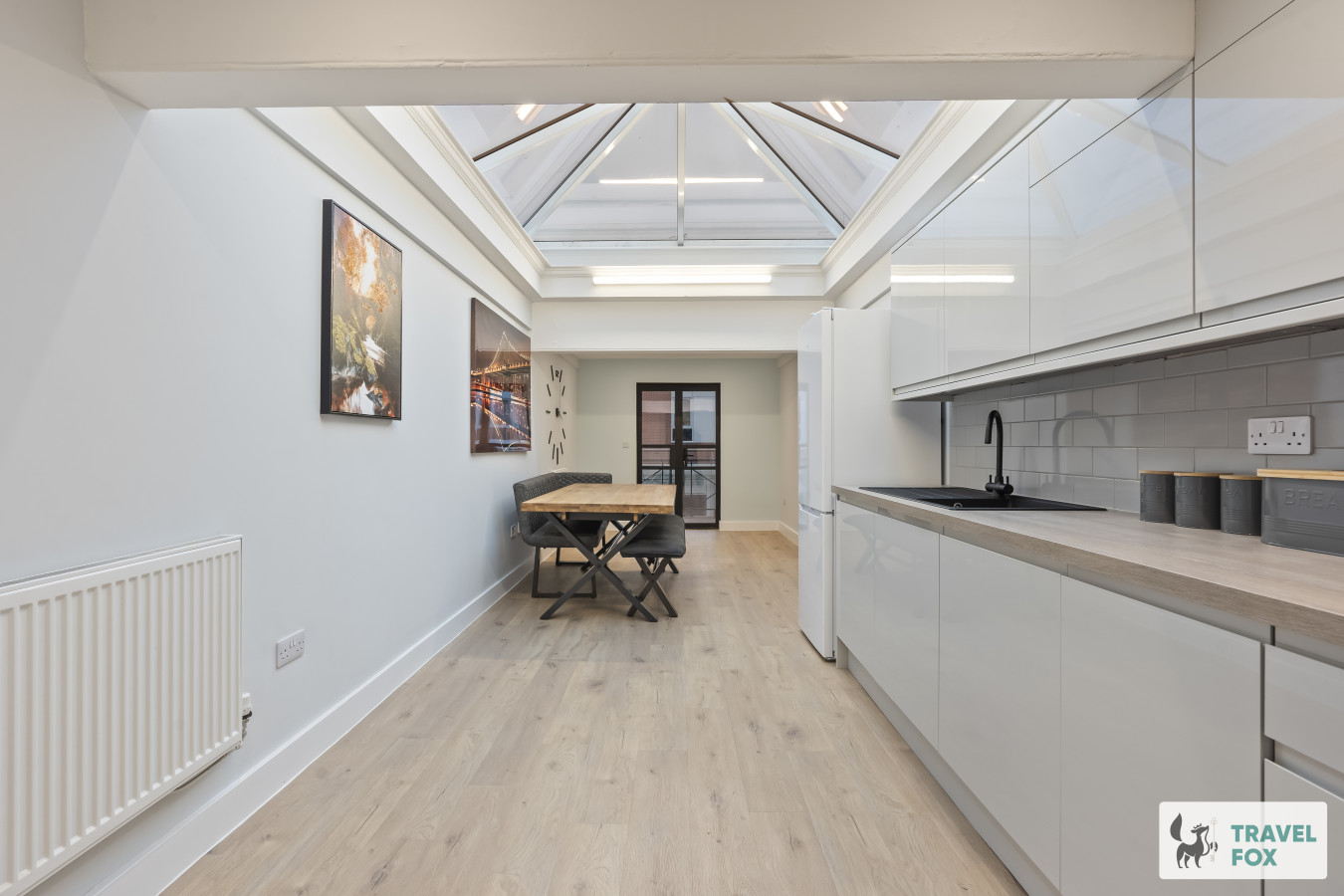
Nottingham
Camila's Penthouse Central Stay with Balcony
- Sleeps 16
- 5 bedrooms
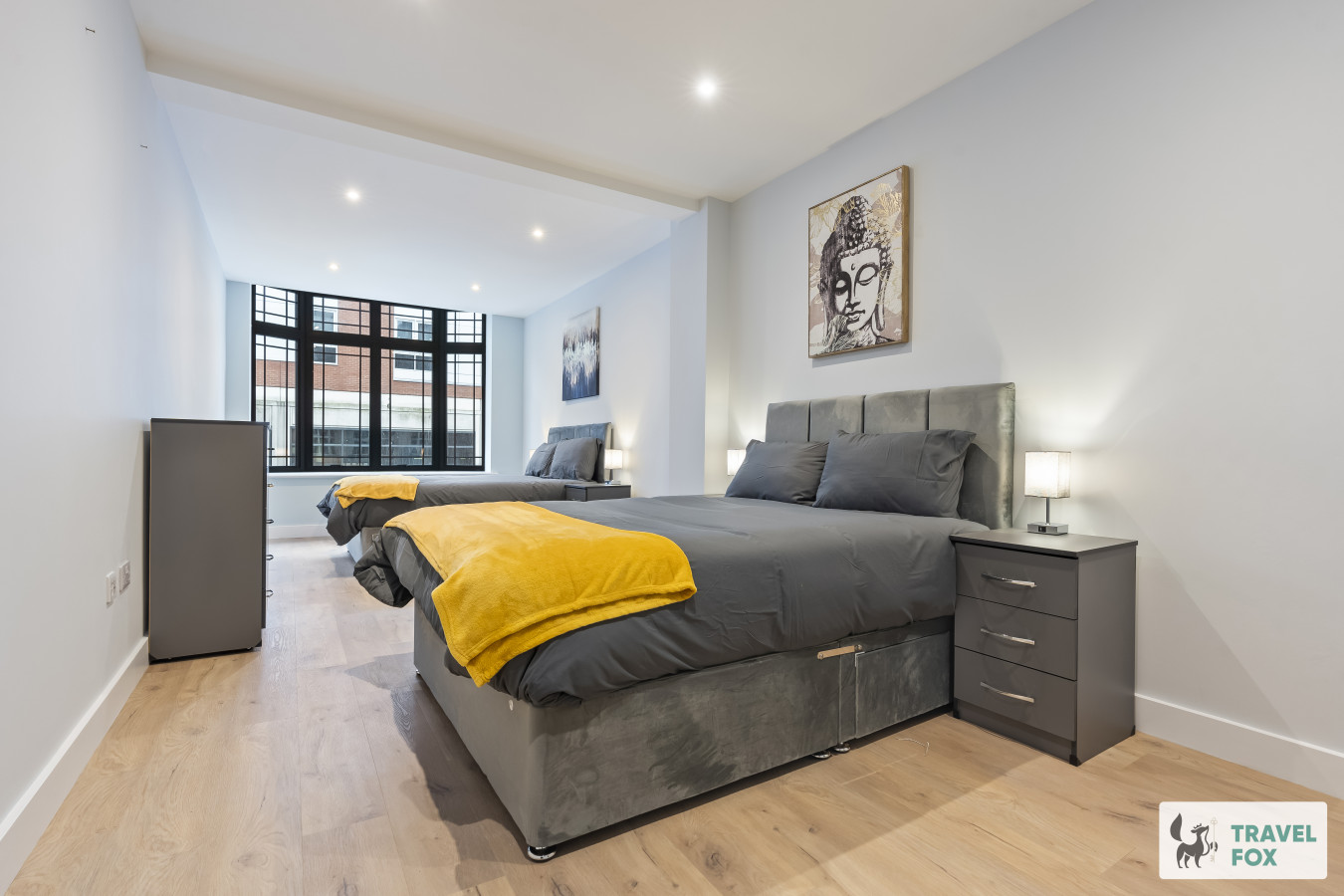
Nottingham
Blair's Central Stay
- Sleeps 16
- 5 bedrooms
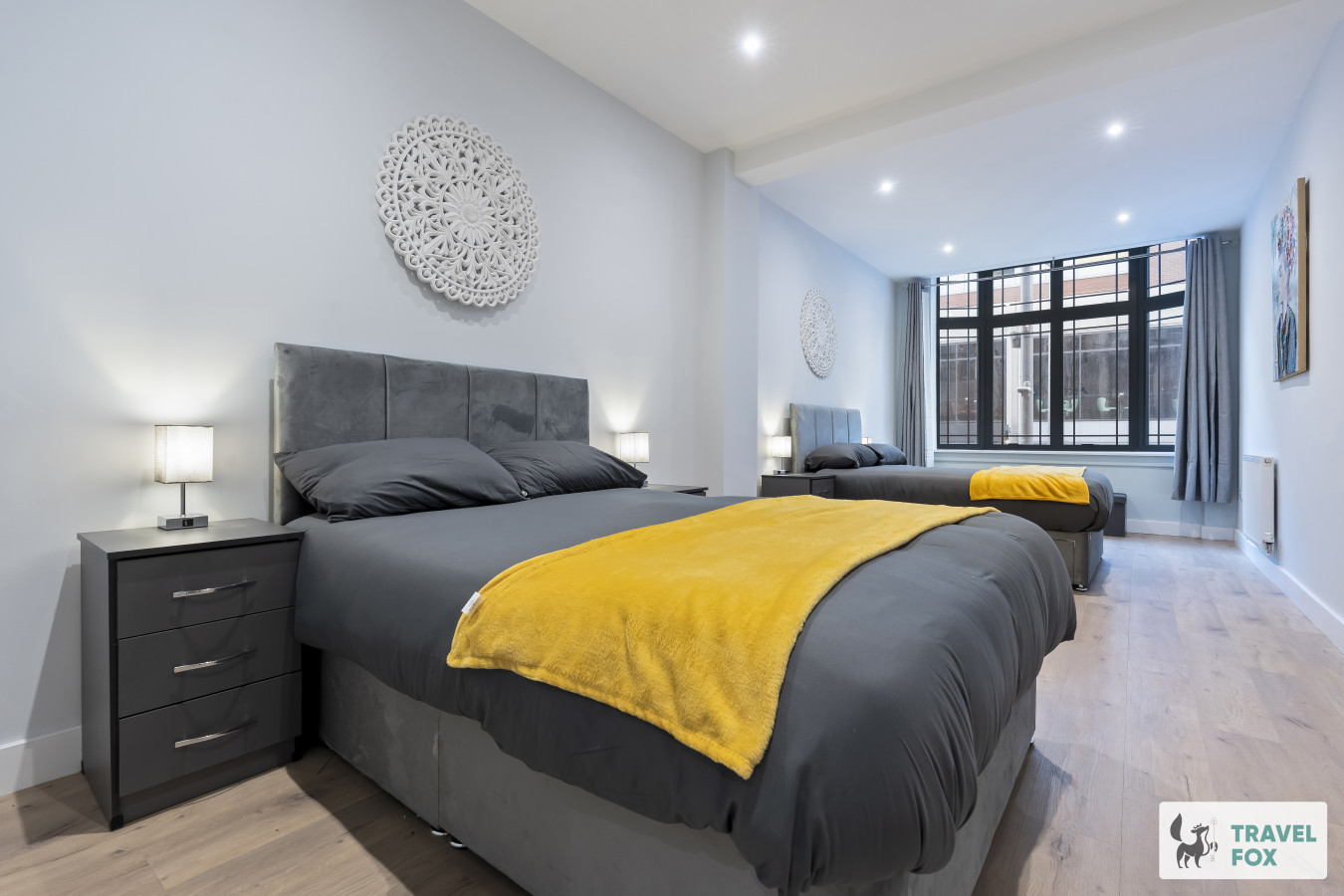
Nottingham
Anna's Central Stay
- Sleeps 16
- 5 bedrooms
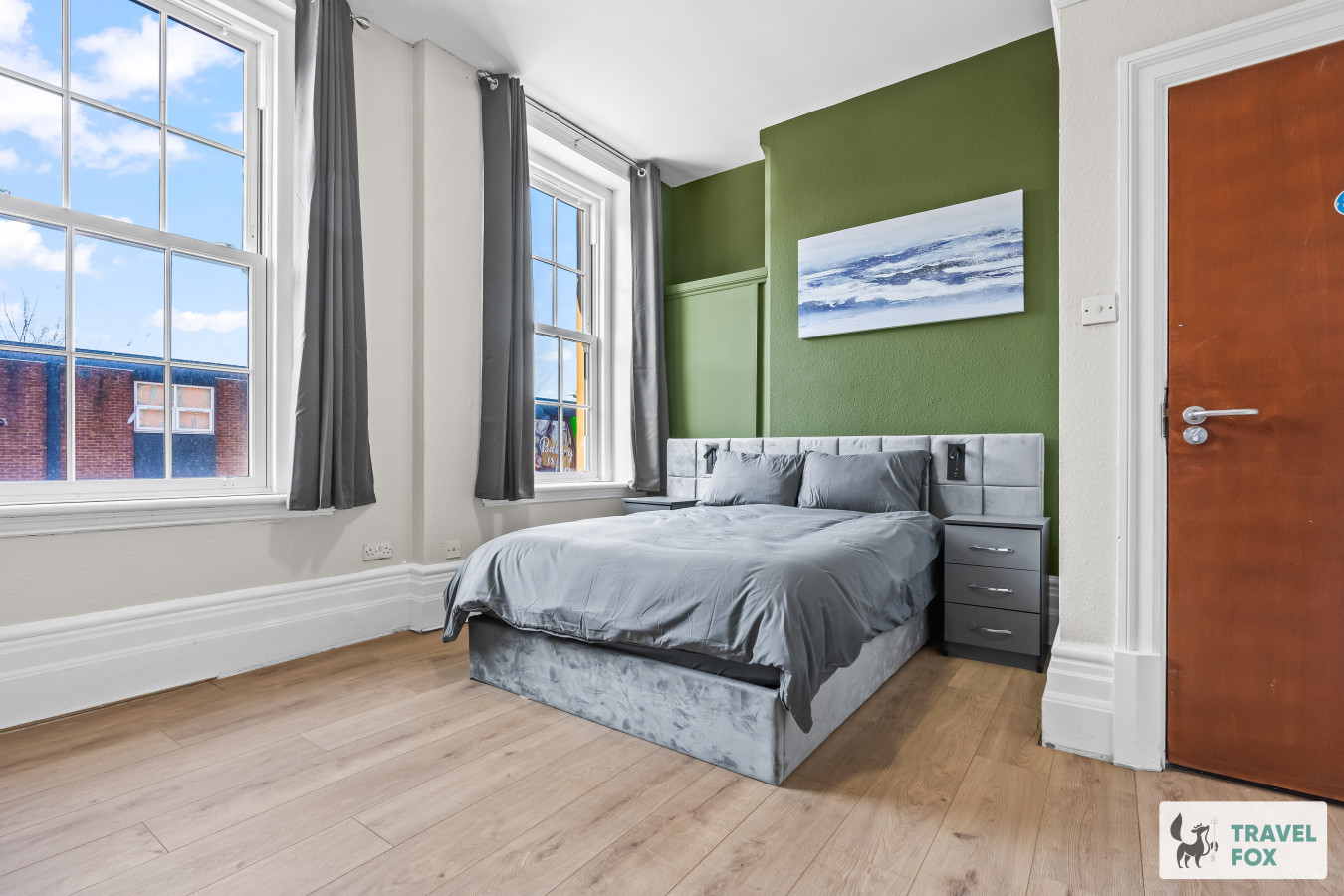
Nottingham
Melissa's Central Stay
- Sleeps 13
- 5 bedrooms
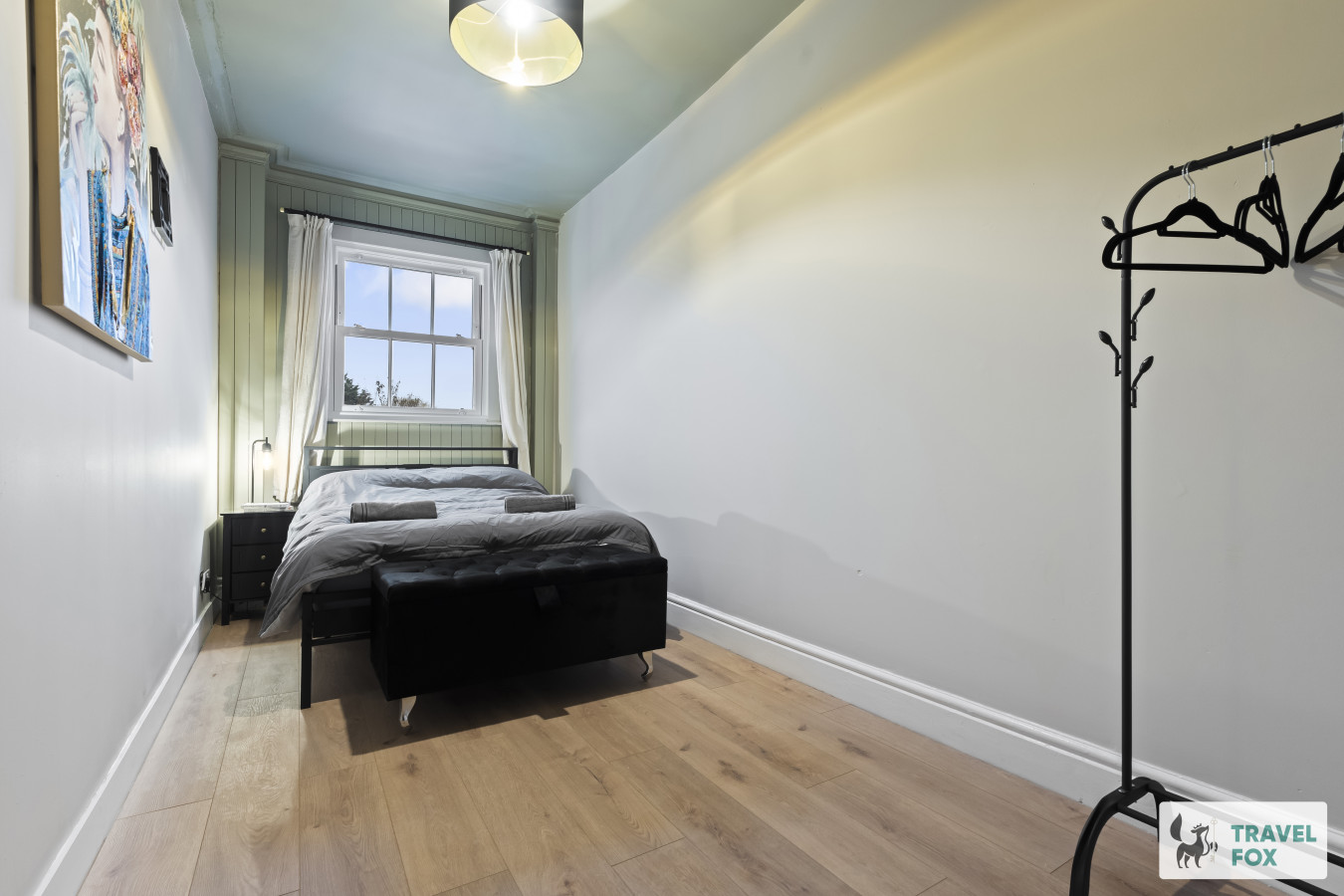
Nottingham
Callie's Central Stay
- Sleeps 9
- 3 bedrooms
For homeowners
Own a holiday home near Papplewick?
We manage holiday lets across the UK from 12% commission, charged after cleaning costs, with no lock-in. A co-founder visits before you decide.
How our holiday let management works →
A guide with a point of view
Written from research. Edited for real journeys.
Use the Official site links for live practical details, then use this guide for context, ideas and room to explore.
Sources
Every place on this page is checked against a published source. Each entry links the record we used and names who publishes it.
- The Griffin's Head — griffinsheadnottingham.co.uk operator, sector body or destination organisation
- Burnt Stump Inn — burntstumppub.co.uk operator, sector body or destination organisation
- St James' Church — achurchnearyou.com national body or asset manager
- The Meadows Path — papplewick.org operator, sector body or destination organisation
- Papplewick Pumping Station — papplewickpumpingstation.org.uk operator, sector body or destination organisation
- Moor Pond Wood — moorpond.papplewick.org other published source