
Forge work and village stories
Scarrington
A compact Vale of Belvoir village with a 17-foot tower of interlocked horseshoes, a medieval church and a rare circular pinfold.
- Known for
- A 17-foot tower made from an estimated 50,000 horseshoes
- Walk
- A 3.5-mile flat circular from Car Colston through Scarrington
- Food and drink
- The nearest pubs are in Aslockton and Car Colston, about 1.1 and 1.3 miles away in a straight line
The Fox verdict
A tiny village with one enormous curiosity
Come for George Flinders's horseshoe monument, then add the medieval church, the Pinfold and a 3.5-mile country walk.
Scarrington's strongest visit is compact but distinctive: the blacksmith's self-supporting horseshoe pile stands outside the Old Forge, the circular brick Pinfold recalls the village's agricultural past, and St John of Beverley carries medieval bells, two fonts and a Civil War story. A 3.5-mile circular extends the visit through fields between Car Colston and Scarrington.
Your picks, your pace
Make Scarrington yours
Choose a short village visit or combine it with nearby stops. Distances between villages are longer by road than in a straight line.
Local signatures
3 placesHorseshoe Monument
George Flinders built this 17-foot, self-supporting pile from an estimated 50,000 discarded, interlocked horseshoes between June 1945 and April 1965.
- Visit length
- Editorial estimate: Around 20 minutes
- Locality
- outside the Grade II listed Old Forge/Smithy
The Pinfold
A rare Grade II listed circular brick pound from the mid-19th century, with stone dressings and a wrought-iron gate.
- Visit length
- Editorial estimate: Around 15 minutes
- Locality
- beside the Smithy
Car Colston–Scarrington–Car Colston Circular
A 3.5-mile flat, easy circular from Car Colston through fields into Scarrington and back to the village green.
- Visit length
- Editorial estimate: About 1.5 hours
- Locality
- starts at the Royal Oak in Car Colston
- Access
- The route starts at the Royal Oak on Car Colston's village green.
Food & drink
2 placesCranmer Arms
A dog-and-walker-friendly traditional village pub with a large beer garden, play area, skittle alley and up to four cask ales.
- Visit length
- Editorial estimate: Around 75 minutes
- Locality
- Aslockton, about 1.1 miles from Scarrington in a straight line
- Access
- The pub is dog- and walker-friendly.
Royal Oak
A dining pub whose current menu includes steaks, salads and beer-battered haddock; it won the local CAMRA Pub of the Year in 2009, 2020 and 2021.
- Visit length
- Editorial estimate: Around 90 minutes
- Locality
- Car Colston, about 1.3 miles from Scarrington in a straight line
History & heritage
1 placeChurch of St John of Beverley
A Grade I church with a 13th-century core, three surviving medieval bells dating from about 1450, a Restoration-period font and an older font linked by tradition to Cromwell's troops.
- Visit length
- Editorial estimate: Around 45 minutes
- Locality
- Scarrington
No places match this filter. Choose All places to reset the list.
On the map
Scarrington at a glance
Tap a marker to jump to its guide card.
Three ways to explore Scarrington
Signature outings
Fifty thousand horseshoes
Study the self-supporting tower George Flinders assembled shoe by shoe over roughly twenty years outside the Old Forge.
Two fonts and three medieval bells
Find the Restoration-period font and the medieval font said to have become a pump trough after Cromwell's troops threw it out.
The smarter pub stop
Head to Car Colston for the Royal Oak's steaks, beer-battered haddock and other dining-pub choices after exploring Scarrington.
The village story
Scarrington Village Guide
A blacksmith's improbable monument leads into a small village of medieval bells, red brick, country paths and stories that stretch back to Domesday.
The Tower That Stayed
Outside the old forge on Main Street stands a tower of horseshoes, seventeen feet high, built shoe by interlocking shoe by the village blacksmith George Flinders, who worked the Scarrington forge for fifty-one years. He stacked discarded shoes from June 1945 to April 1965, using an estimated fifty thousand of them — self-supporting, with no internal column and reckoned to weigh ten tons. It is recognised as the largest known stack of used horseshoes in the world. Village history recounts how an American collector bought it, but the county council intervened to keep it here.
The pile remains a distinctive reminder of Scarrington's blacksmithing history on Main Street.
Where to Eat Nearby
There's no pub in the village itself. The last one closed along with the butcher, wheelwright and shoemaker. What remains is the church, a Methodist chapel and a WI hut. For food and a pint, the Cranmer Arms in Aslockton is about 1.1 miles away and the Royal Oak in Car Colston about 1.3 miles away in a straight line; road journeys are longer.
The Cranmer Arms in Aslockton is a dog-friendly village local with a large beer garden, a play area and a skittle alley; check with the pub before making plans for food. The Royal Oak in Car Colston offers steaks, beer-battered haddock and Koffman fries, and has won Vale of Belvoir and Nottinghamshire CAMRA Pub of the Year three times, most recently in 2021. For general shopping, head to Bingham.
Church, Pinfold and Village Detail
The church, St John of Beverley, is worth the walk regardless of what's on. Medieval at the core and restored in the 1860s, its tower holds six bells, including three medieval bells dating from about 1450. The font under the tower dates from the 1660s, but it isn't the original — that one was reportedly thrown out by Cromwell's troops and used afterwards as a pump trough, before being recovered in 1900 and returned to the church. A local account says a Scarrington man hid in the church after killing a Cromwellian soldier. The same account records a cup, saucer, plate and bundle of hay discovered during the 1867 restoration.
Main Street curves through red-brick cottages under pantile roofs, with grassed verges and trees along the way. Beside the Smithy is the Pinfold, a rare surviving circular brick pound for stray animals.
A Country Circuit and a Long History
The 3.5-mile circular starts by the Royal Oak on the edge of Car Colston’s village green, crosses fields into Scarrington and returns to the green. Allow around an hour and a half for the flat, easy route. Aslockton is the nearest railway station, and Nottinghamshire's on-demand bus serves Scarrington.
Scarrington's Domesday entry calls it Scarintone, a royal possession with twenty-seven households — in the larger 40 per cent of settlements the surveyors recorded. Centuries later, Scarrington acquired an unexpected football connection: Roy Keane lived in the village while playing for Nottingham Forest in the early 1990s.
Stay around Nottinghamshire
Make a longer stay of it
Travel Fox holiday homes around Nottinghamshire, linked directly to their property pages.
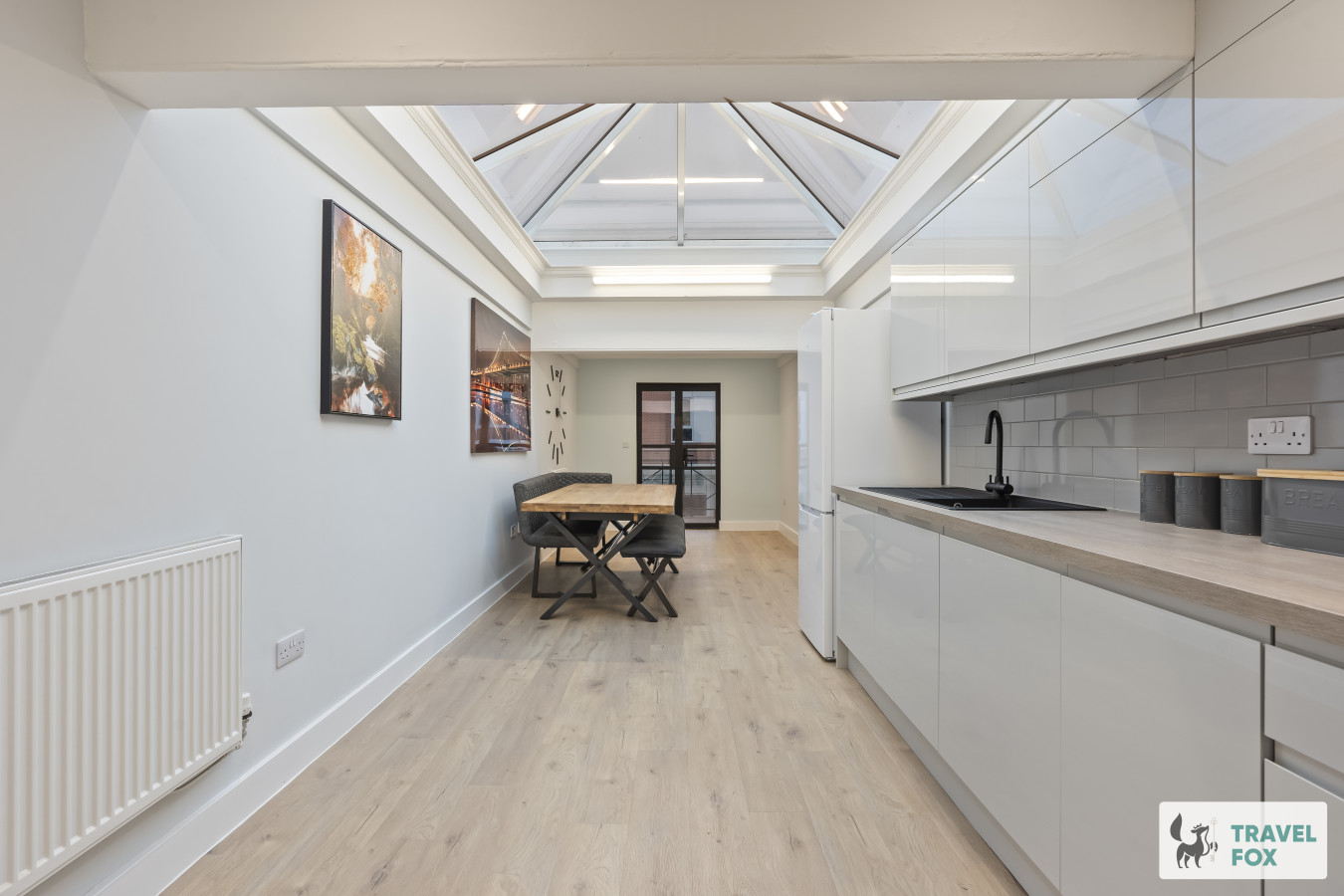
Nottingham
Camila's Penthouse Central Stay with Balcony
- Sleeps 16
- 5 bedrooms
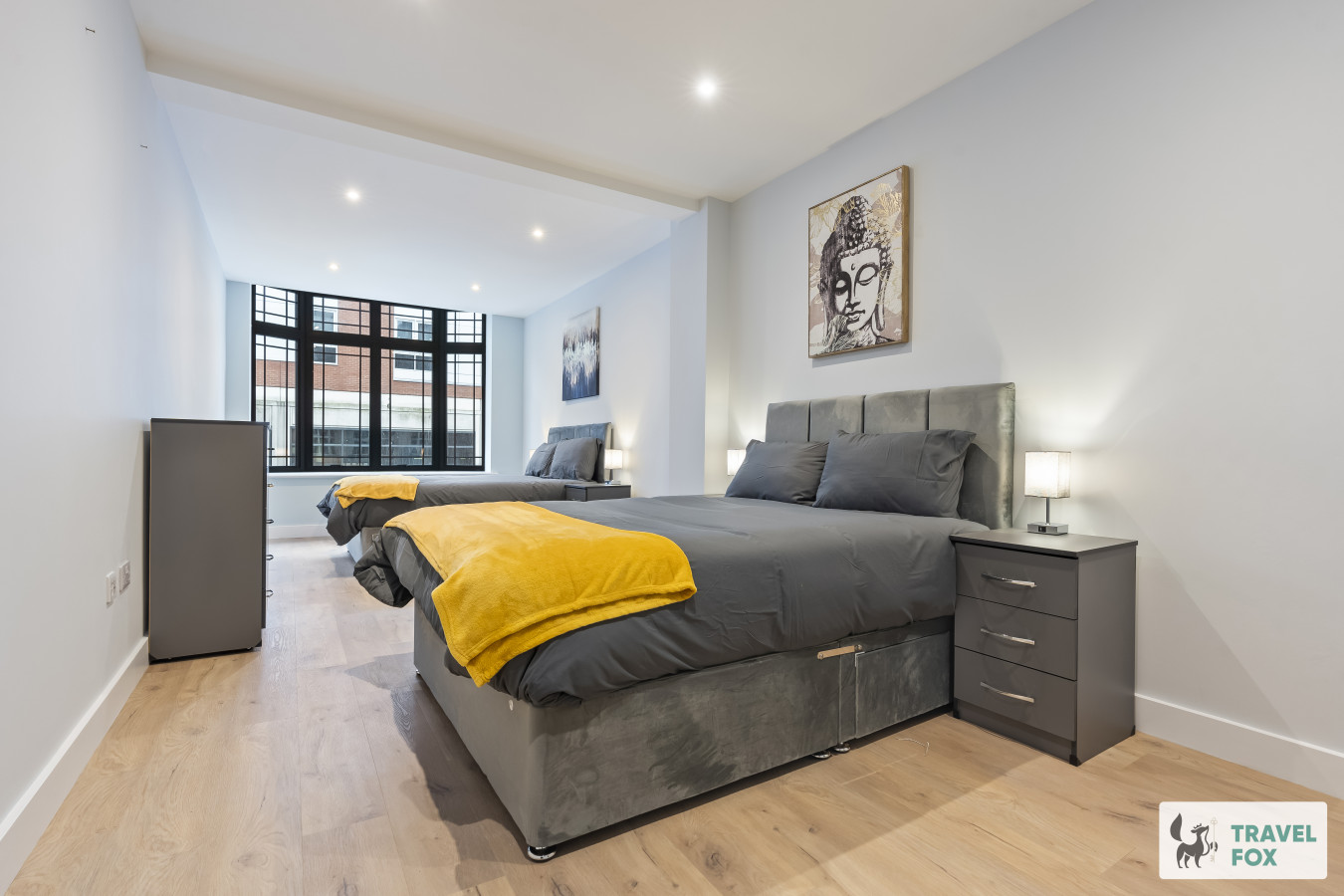
Nottingham
Blair's Central Stay
- Sleeps 16
- 5 bedrooms
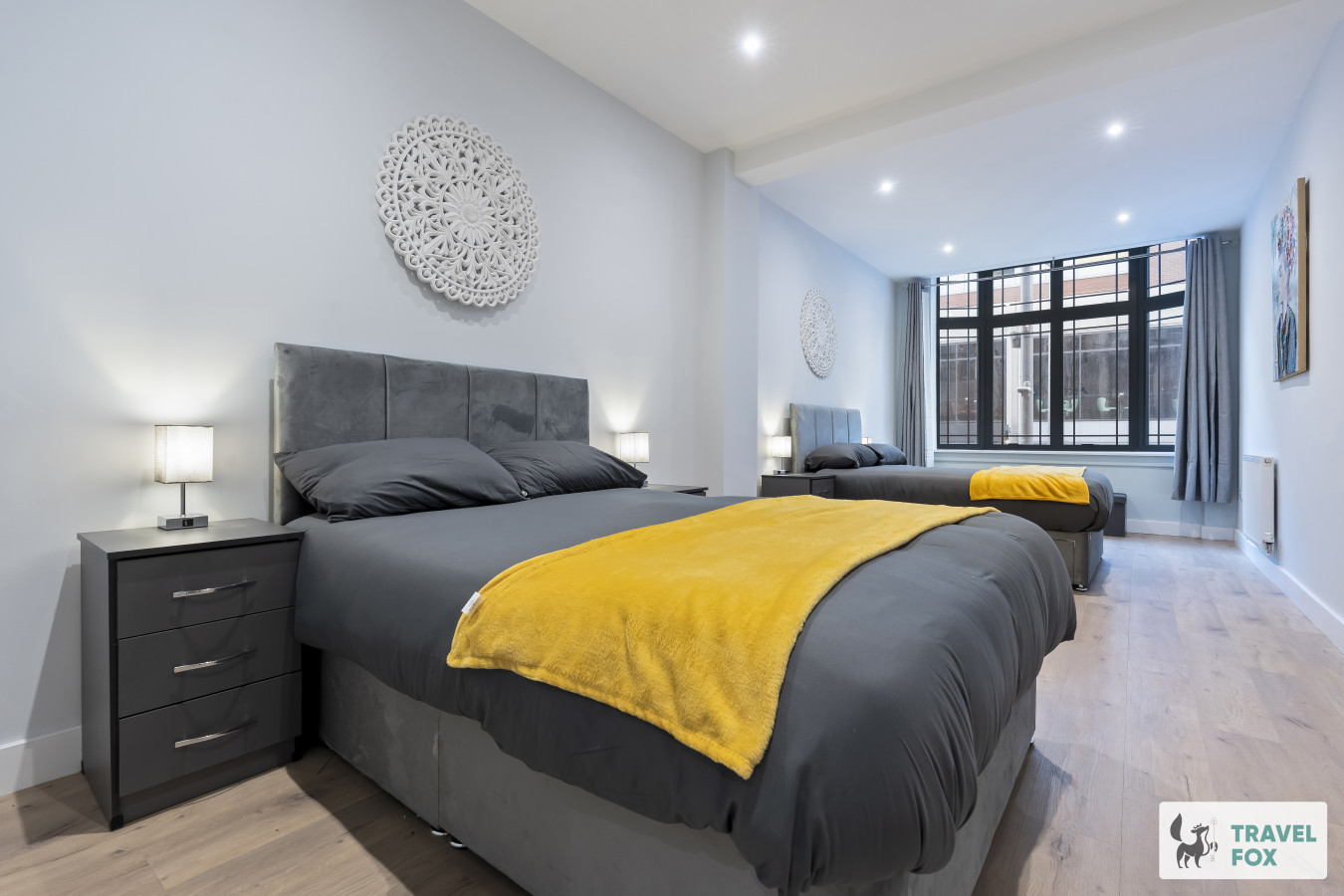
Nottingham
Anna's Central Stay
- Sleeps 16
- 5 bedrooms
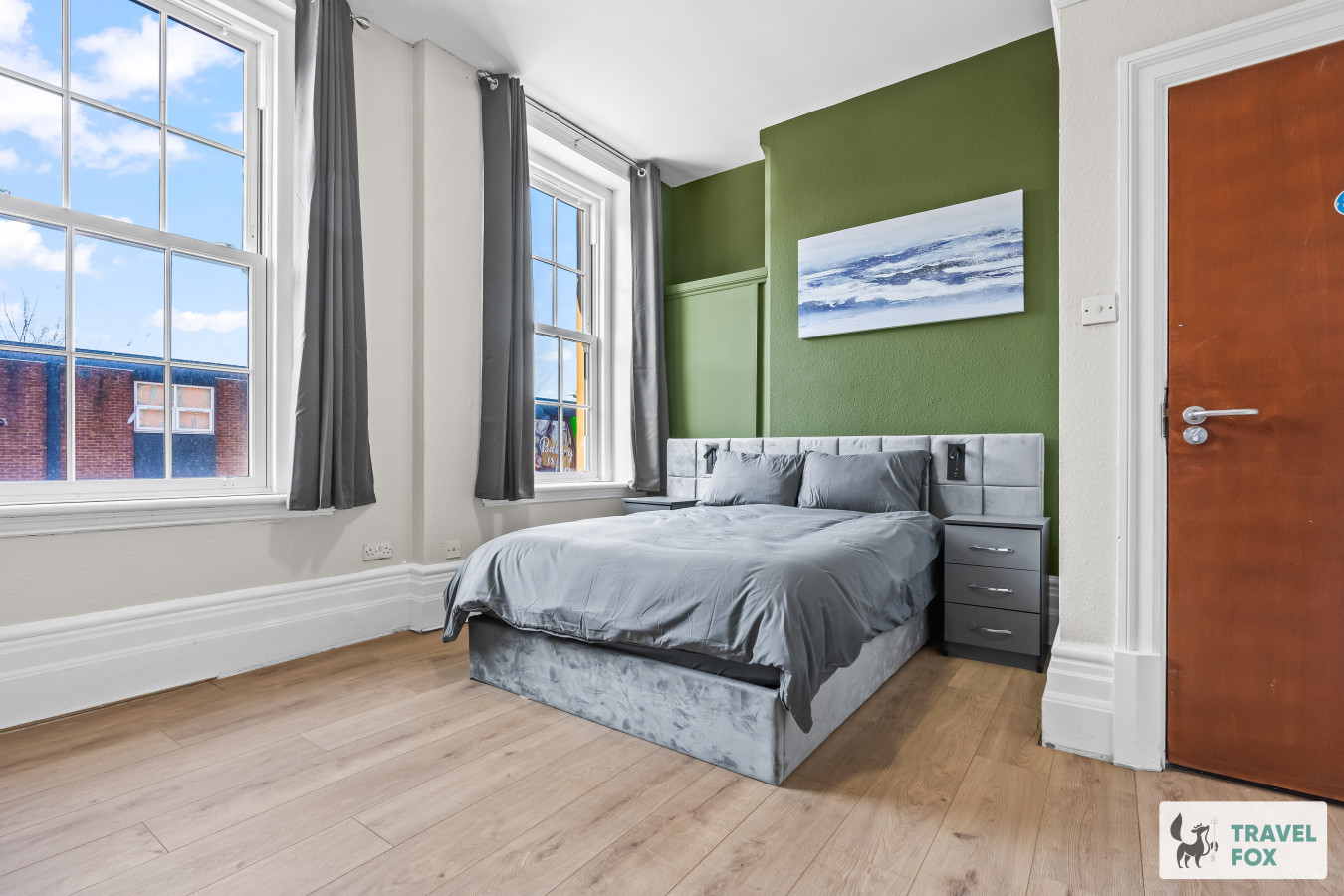
Nottingham
Melissa's Central Stay
- Sleeps 13
- 5 bedrooms
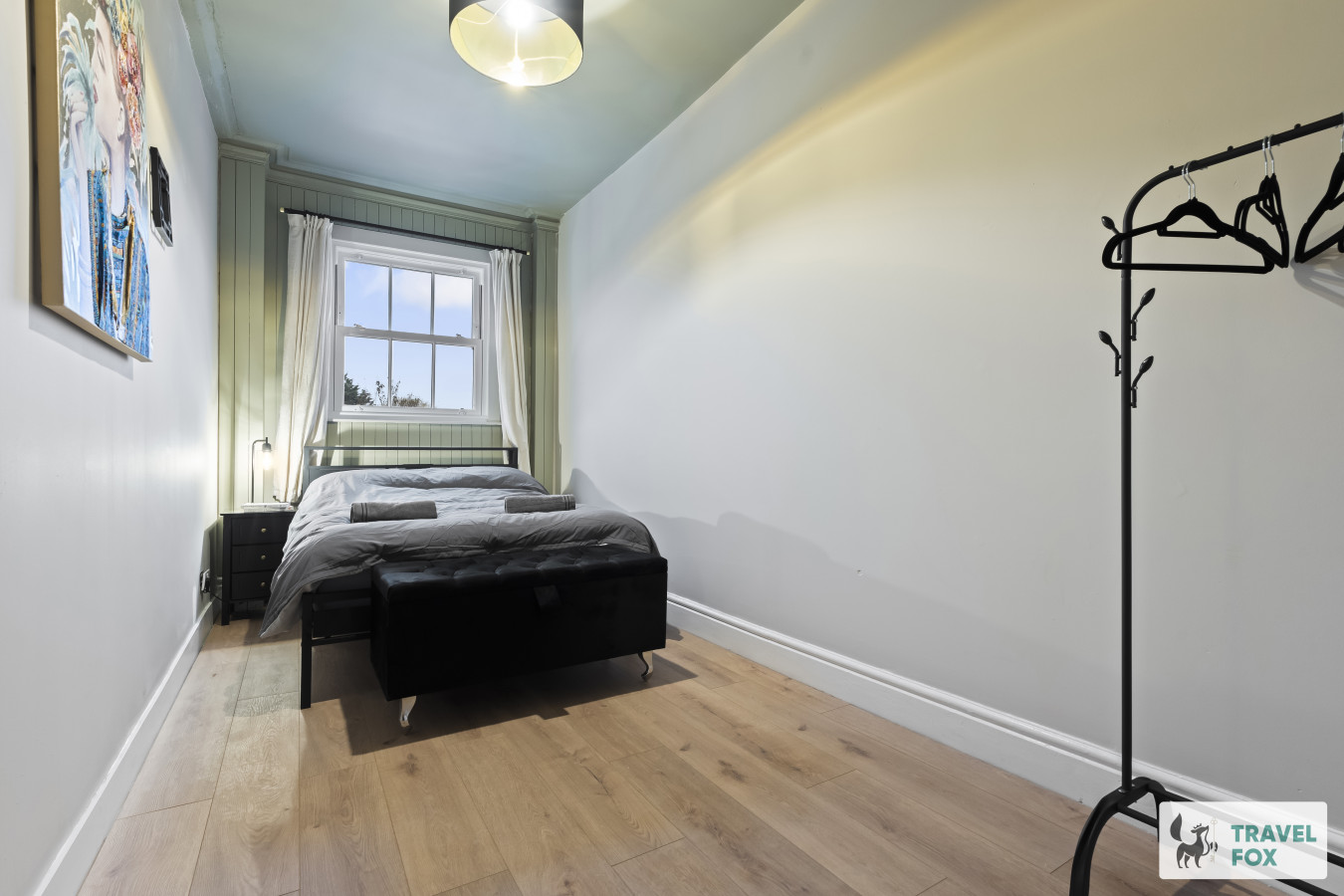
Nottingham
Callie's Central Stay
- Sleeps 9
- 3 bedrooms
For homeowners
Own a holiday home near Scarrington?
We manage holiday lets across the UK from 12% commission, charged after cleaning costs, with no lock-in. A co-founder visits before you decide.
How our holiday let management works →
A guide with a point of view
Written from research. Edited for real journeys.
Use the Official site links for live practical details, then use this guide for context, ideas and room to explore.
Sources
Every place on this page is checked against a published source. Each entry links the record we used and names who publishes it.
- Horseshoe Monument — rushcliffe.gov.uk statutory register or public authority
- The Pinfold — historicengland.org.uk statutory register or public authority record not machine-readable; publisher restricts automated access
- Church of St John of Beverley — achurchnearyou.com national body or asset manager
- Car Colston–Scarrington–Car Colston Circular — walknotts.org.uk operator, sector body or destination organisation
- Cranmer Arms — aslockton-pc.org.uk other published source
- Royal Oak — royaloakcarcolston.co.uk operator, sector body or destination organisation