
Chapel, cross and Trent-side paths
Shelford
A low-key Trent Valley village where a community-owned pub, a remarkable church interior and a long-distance path hold the story together.
- Best for
- Church history and flat field walking
- Give it
- A half day, or longer with a pub meal
- Don't miss
- The Saxon cross fragment in the Stanhope Chapel
The Fox verdict
Small village, unusually deep history
Shelford pairs a community-rescued former-chapel pub with a Grade II* church and field paths through the Trent Valley.
The church's carved Saxon cross fragment and the darker stonework associated with the 1645 storming give a compact visit real historical weight. The Trent Valley Way and the footpath towards Gunthorpe add a flat rural walk, while the Earl of Chesterfield provides the village's only pub stop.
Where to go
Places in Shelford
Every place below is checked against a published source, listed with what it is and how long to give it.
Local signatures
3 placesThe Earl of Chesterfield
A community-owned, family-run pub in an 1840 Primitive Methodist chapel, with log fires, real ales, stone-baked pizzas and a beer garden with country views.
- Visit length
- Editorial estimate: allow around 90 minutes for a meal or drink
- Locality
- Manor Lane/Main Road, Shelford
Shelford Village Hall
A bookable hall for meetings, groups and parties that hosts fitness classes and community events; its main hall seats up to 65 and committee room 25.
- Visit length
- Editorial estimate: allow around 45 minutes for an event or class stop
- Locality
- Shelford
Ferry Boat Inn
A waterside pub on Riverside in Stoke Bardolph, across the Trent from Shelford.
- Visit length
- Editorial estimate: allow around 90 minutes for a meal or drink
- Locality
- Stoke Bardolph, across the Trent from Shelford
Walks & outdoors
1 placeTrent Valley Way at Shelford
The long-distance route passes through Shelford in both directions, with stages linking Holme Pierrepont, Shelford and Gunthorpe.
- Visit length
- Editorial estimate: allow around 2 hours for a local stretch
- Locality
- running through Shelford
History & heritage
1 placeChurch of St Peter and St Paul
A Grade II* church whose Stanhope Chapel holds a Saxon cross fragment carved around 900 AD and found during the 1877 restoration.
- Visit length
- Editorial estimate: allow around 45 minutes
- Locality
- Shelford
No places match this filter. Choose All places to reset the list.
Three ways to explore Shelford
Signature outings
The Earl of Chesterfield
Settle beside the log fires or in the beer garden of Shelford's community-owned pub, housed in the Primitive Methodist chapel built in 1840.
A Cross Fragment from Around 900 AD
Look on the Stanhope Chapel windowsill for the carved Saxon cross fragment discovered in a buttress during the church's 1877 restoration.
Two Ways Along the Long-distance Path
Use Shelford as the link between the Trent Valley Way stages from Holme Pierrepont and onward to Gunthorpe.
The village story
Shelford Village Guide
A former chapel, a Saxon carving and the memory of a Civil War storming beside the Trent.
From Chapel to Community Pub
The Earl of Chesterfield started life in 1840 as a Primitive Methodist chapel with room for 122 worshippers. The congregation closed in the 1970s and drifted back to the parish church, and the building became Shelford's only pub — which means today's log fires and stone-baked pizzas sit inside what was, for well over a century, a place of nonconformist prayer.
It nearly didn't survive. A community takeover rescued it, and it now trades under the name Shallowford Pub Company, a nod to the village's own name — "sceldu", Old English for shallow, plus ford, for the bend in the Trent where the water thins out enough to cross. The pub is muddy-boots-and-dog-friendly, has a beer garden with country views, and runs Draught Bass and Timothy Taylor Landlord alongside changing guest ales. The honey-roasted ham and eggs and the truffle and parmesan twice-baked soufflé turn up often in reviews; so do the steak pies, though at least one visitor found the fish and chips, served on a wooden board, over-egged for what it was.
Village Provisions and the Parish Church
There's no shop in the village. Residents use shops in Burton Joyce and East Bridgford.
St Peter and St Paul's is Grade II* and worth the walk up from the pub. Its tower carries darker stonework, said to date from 1645, when Royalist defenders were smoked out of it during the storming of Shelford Manor. Inside, on a windowsill in the Stanhope Chapel, sits a fragment of a Saxon cross carved around 900 AD, turned up in a buttress during an 1877 restoration. Two scholars called it "by far the finest early figure sculpture in Nottinghamshire". The restoration itself was paid for by the 5th Earl of Carnarvon, who would later fund the dig that found Tutankhamun's tomb, and its architect, Ewan Christian, was dismissed by Pevsner as "an often ruthless restorer".
Domesday and the Storming of Shelford Manor
Domesday recorded a priest and a church here, a mill worth four shillings, a fishery, and a manor whose value had halved to £4 by 1086. The Stanhopes arrived in 1539, after Henry VIII granted them the dissolved priory's land, and stayed for centuries. Their manor house was garrisoned for the King in the Civil War; on 3 November 1645, Parliamentarian troops stormed it and killed somewhere between 140 and 160 men, including its commander, Colonel Philip Stanhope. The historian David Appleby has called it a "frenzied massacre", one both sides preferred to forget.
Walking the Trent Valley Way
The Trent Valley Way runs through the village in both directions, and a footpath from Stoke Ferry Lane crosses fields toward Gunthorpe, flat and dog-friendly the whole way, with ridge-and-furrow patterns still visible from the path. A wooden mooring structure on the riverbank is what's left of the ferry that once crossed to Stoke Bardolph and its Ferry Boat Inn.
The Biennial Feast Weekend
Every other year the village holds a feast weekend, with a street market set up around the church and the village hall, and for a couple of days Shelford's 267 residents get considerably more company than usual.
Stay around Nottinghamshire
Make a longer stay of it
Travel Fox holiday homes around Nottinghamshire, linked directly to their property pages.
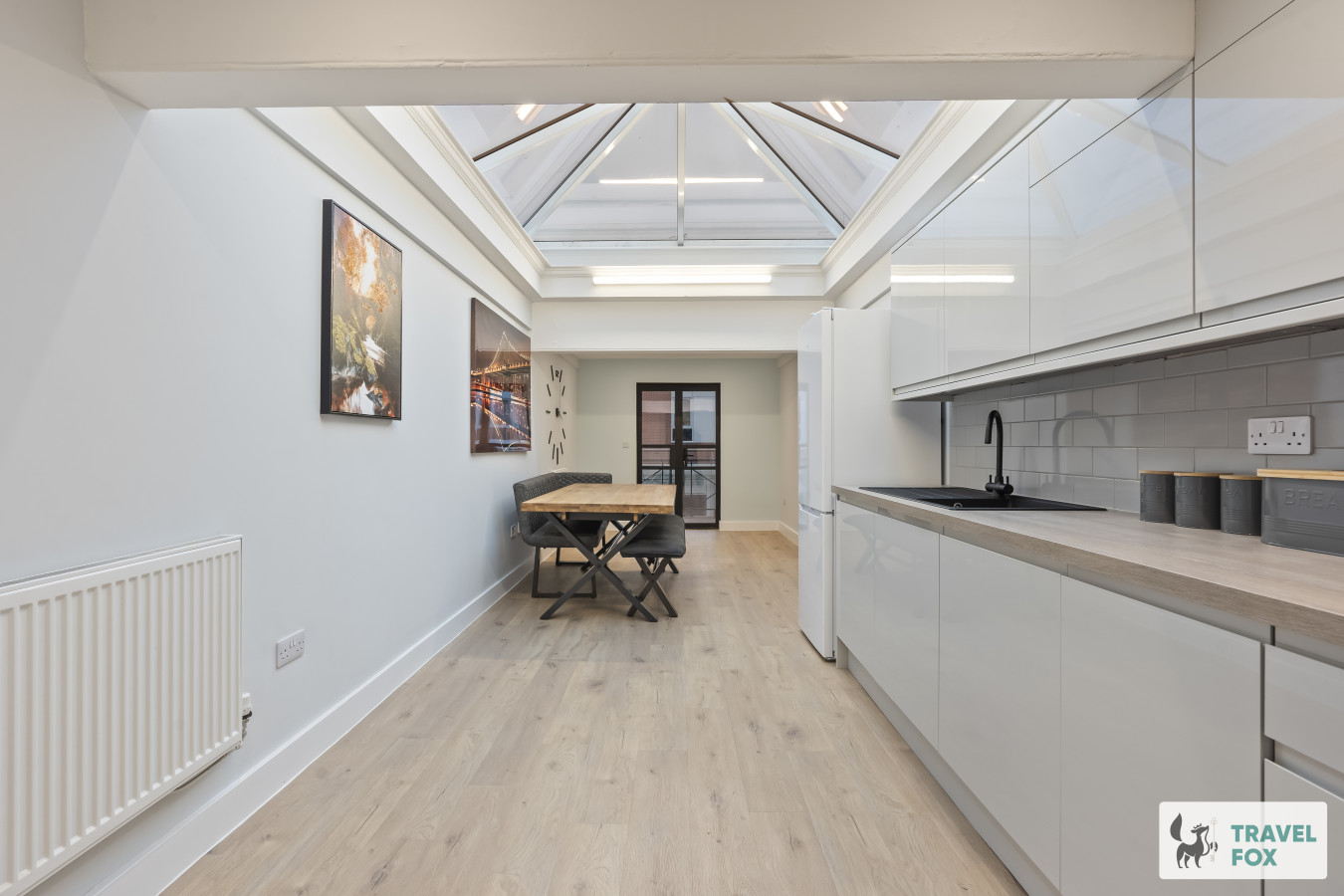
Nottingham
Camila's Penthouse Central Stay with Balcony
- Sleeps 16
- 5 bedrooms
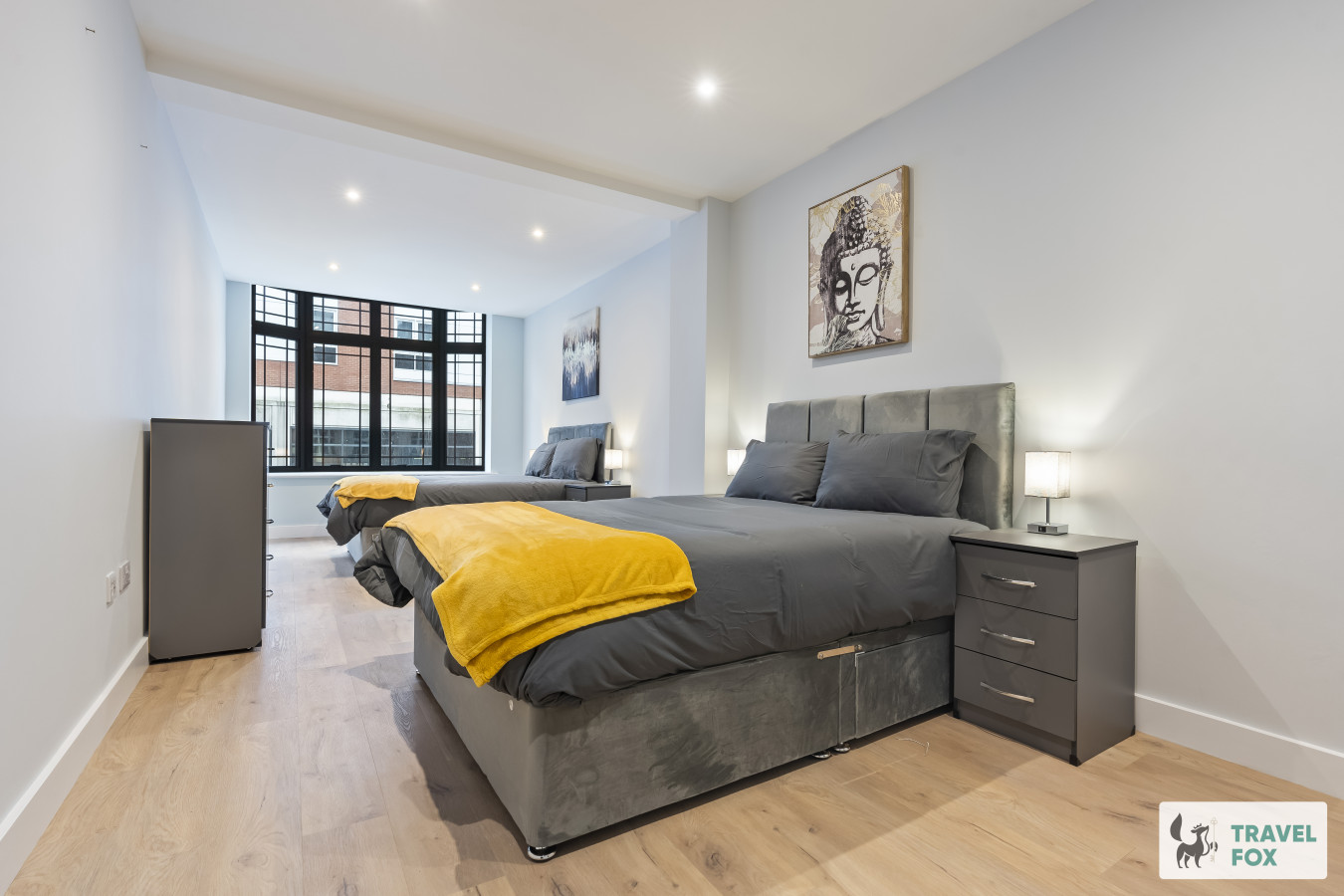
Nottingham
Blair's Central Stay
- Sleeps 16
- 5 bedrooms
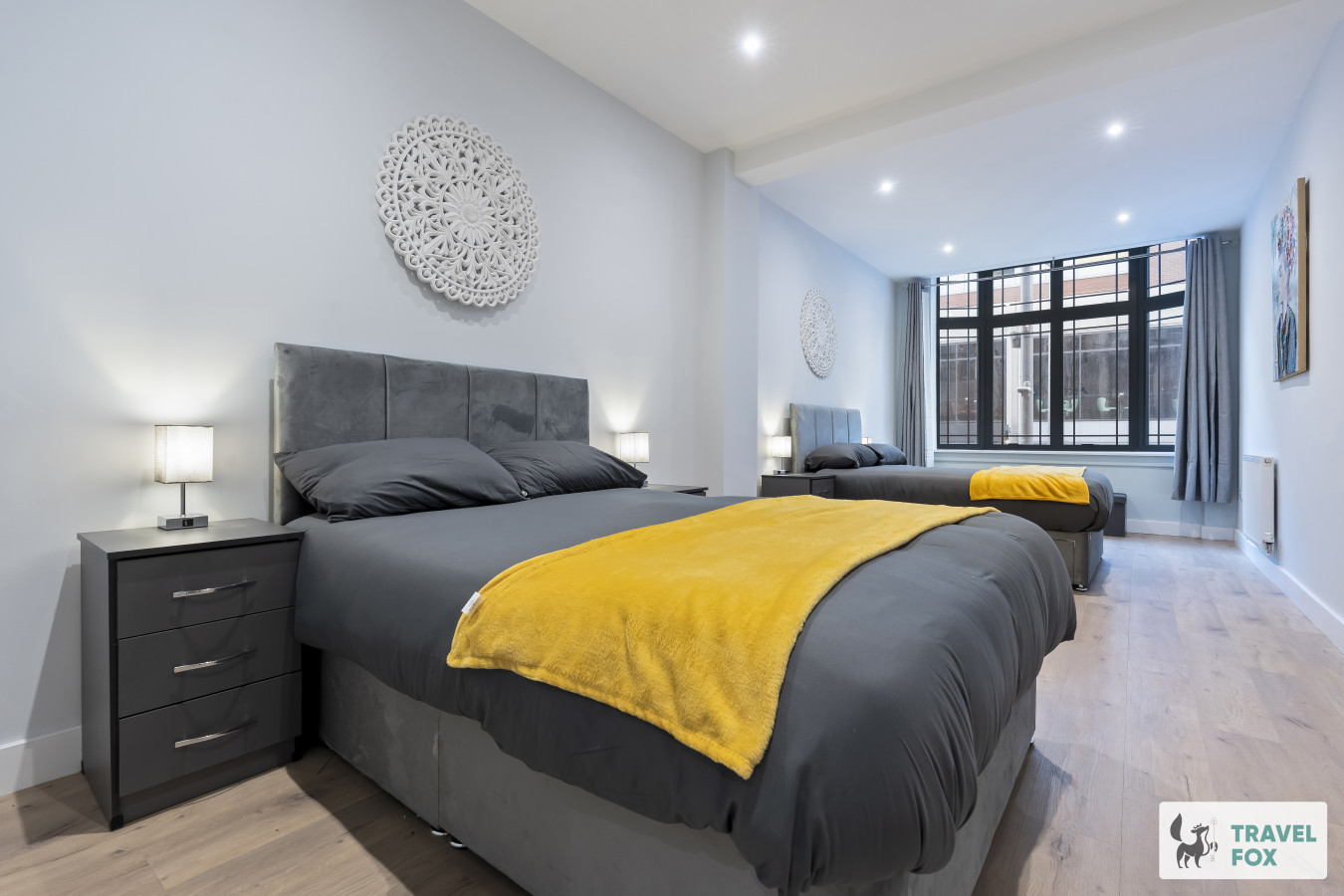
Nottingham
Anna's Central Stay
- Sleeps 16
- 5 bedrooms
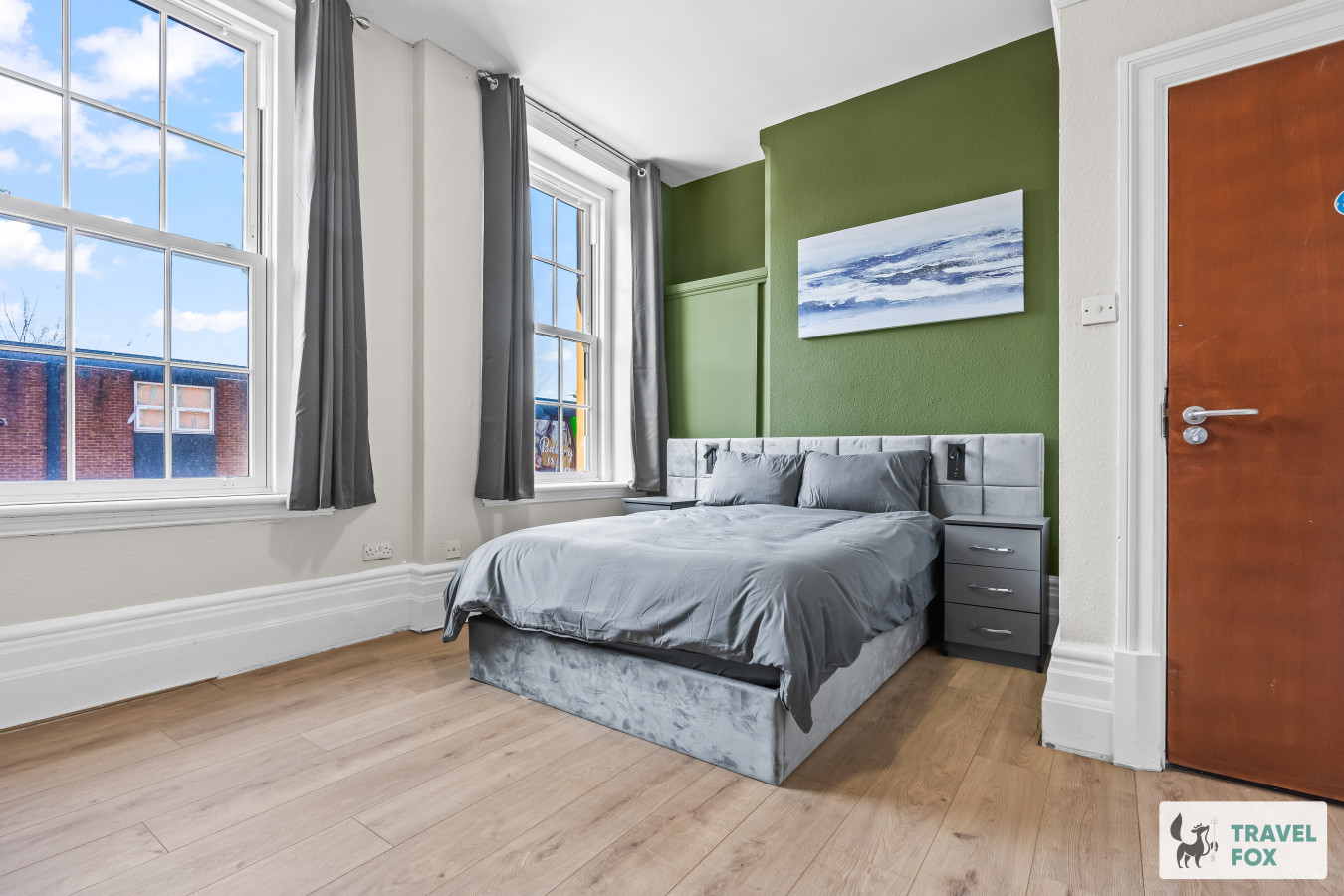
Nottingham
Melissa's Central Stay
- Sleeps 13
- 5 bedrooms
Nottingham
Callie's Central Stay
- Sleeps 9
- 3 bedrooms
For homeowners
Own a holiday home near Shelford?
We manage holiday lets across the UK from 12% commission, charged after cleaning costs, with no lock-in. A co-founder visits before you decide.
How our holiday let management works →
A guide with a point of view
Written from research. Edited for real journeys.
Use the Official site links for live practical details, then use this guide for context, ideas and room to explore.
Sources
Every place on this page is checked against a published source. Each entry links the record we used and names who publishes it.
- The Earl of Chesterfield — earlofchesterfield.com operator, sector body or destination organisation
- Church of St Peter and St Paul — nationalchurchestrust.org national body or asset manager
- Trent Valley Way at Shelford — trentriverstrust.org operator, sector body or destination organisation
- Shelford Village Hall — shelfordnotts.org operator, sector body or destination organisation
- Ferry Boat Inn — hungryhorse.co.uk operator, sector body or destination organisation