
Roman road, Trent carrlands and a tower without a steeple
Sturton le Steeple
A small Nottinghamshire village where a landmark church tower, green-lane walking and Pilgrim history meet between Retford and Gainsborough.
- Parish church
- Grade II*
- Local circuit
- About seven miles
- Nearby rail
- Retford or Gainsborough
The Fox verdict
Come for the tower; stay for the layered history
Sturton le Steeple suits a church-and-landscape visit, with a traditional pub and a circular walking route linking Clarborough Nature Reserve and North Leverton.
The Grade II* Church of St Peter and St Paul anchors the village story, from its c.1180 core and fire-surviving tower to John Robinson, John Smyth and the local Mayflower connections. Nearby choices extend that history to St Nicholas at Littleborough, Bassetlaw Museum and Gainsborough Old Hall.
Where to go
Places in Sturton le Steeple
Every place below is checked against a published source, listed with what it is and how long to give it.
Local signatures
3 placesThe Reindeer Inn
A traditional village pub on Church Street with a beer garden, real fire, dog-friendly policy and regular cask Eagle Bombardier.
- Visit length
- Editorial estimate: around 60 minutes
- Locality
- Church Street
St Nicholas' Church, Littleborough
Within the parish at Littleborough, this Grade I church incorporates reused Roman brick and tile.
- Visit length
- Editorial estimate: around 30 minutes
- Locality
- Littleborough, within the parish
Bassetlaw Museum
Bassetlaw Museum occupies Grade II* Amcott House in Retford, holds Mayflower Pilgrim artefacts and is a stop on the Mayflower Trail.
- Visit length
- Editorial estimate: around 75 minutes
- Locality
- Retford
Walks & outdoors
1 placeClarborough Nature Reserve
Clarborough Nature Reserve is a named point on the circular walking route linking Sturton le Steeple, North Leverton and back.
- Visit length
- Editorial estimate: around 60 minutes
- Locality
- Clarborough
History & heritage
2 placesChurch of St Peter and St Paul
The Grade II* church has a core dating from around 1180 and a massive pinnacled tower with eight gargoyles and twelve crocketed pinnacles; despite the village name, it has no steeple.
- Visit length
- Editorial estimate: around 45 minutes
- Locality
- Sturton le Steeple
Gainsborough Old Hall
One of England's best-preserved late-medieval manor houses, with a medieval great hall and kitchen complex, a climbable tower with Trent views and a tearoom.
- Visit length
- Editorial estimate: around 120 minutes
- Locality
- Gainsborough
No places match this filter. Choose All places to reset the list.
Three ways to explore Sturton le Steeple
Signature outings
The Tower Without a Steeple
Count the eight gargoyles and twelve crocketed pinnacles on the tower; the village's suffix probably refers to those pinnacles, despite the absence of a steeple.
Clarborough on Foot
Follow the seven-mile circular route linking Sturton le Steeple, Clarborough Nature Reserve and North Leverton.
Great Hall, Kitchen and Tower
Explore the medieval great hall and kitchen complex, climb the tower for Trent views, and pause at the tearoom.
The village story
Sturton le Steeple Village Guide
A Roman-road village on the Trent carrlands, defined by a church tower with pinnacles rather than a steeple.
The Town on the Street
The village sign at Sturton le Steeple reads "The Town on the Street," a reference to the Roman road it sits beside, once the route from Lincoln to York and known locally as Ermine Street. The village sits on a dry rise above the Trent's floodplain, flat carrland that grows wheat, rapeseed, onions and sugar beet.
You'll see the church tower before you see anything else, visible for some distance across the fields, unusual for a village of fewer than 550 people.
Village Pub and Local Post
The Reindeer Inn on Church Street is a traditional village pub with a real fire, beer garden, dog-friendly policy and regular cask Eagle Bombardier.
The village also has a mobile postal service.
Green Lanes and a Tower Without a Steeple
For walkers, the Trent Valley Way passes close by, and a circuit runs through Clarborough Nature Reserve to the windmill at North Leverton and back — about seven miles on green lanes, with long views from the higher ground.
St Peter and St Paul is a Grade II* church whose core dates to around 1180 and was financed by Lady Oliva de Montbegon, whose monument remains inside. The tower rose in stages between 1340 and 1480. Despite the village’s name, the church has no steeple: the massive tower has eight gargoyles and twelve crocketed pinnacles. The village’s suffix probably refers to those pinnacles. The tower has long been a prominent feature in the landscape.
Fire, Bells and Pilgrim Links
Fire gutted most of the church in 1901; Charles Hodgson Fowler rebuilt it the following year, leaving the tower almost the only surviving part. Inside is a marble slab to Colonel Francis Thornhagh, a Parliamentarian cavalry commander killed at the Battle of Preston in 1648. Six bells hang in a frame built for eight; five were cast in 1825 and the sixth was added in 1991.
The bigger story is upstairs in the church register. John Robinson, born here around 1576, preached illegally from this pulpit before leading his Separatist congregation to Leiden in 1608 — remembered as the Pilgrim Pastor, though he never made the crossing to Massachusetts himself. He married a local woman, Bridget White; her sister Katherine married John Carver, who became the first governor of Plymouth Colony. John Smyth, an early English Baptist, was also born in the village.
Between Retford and Gainsborough
The village railway station ceased serving passengers in 1959 and ceased operating in 1964; the line still carries trains. Retford and Gainsborough have the nearest passenger services, both about six miles away; Stagecoach 95 links the two towns through the village.
The former station master's house survives as a reminder of the village's railway past.
Stay around Nottinghamshire
Make a longer stay of it
Travel Fox holiday homes around Nottinghamshire, linked directly to their property pages.
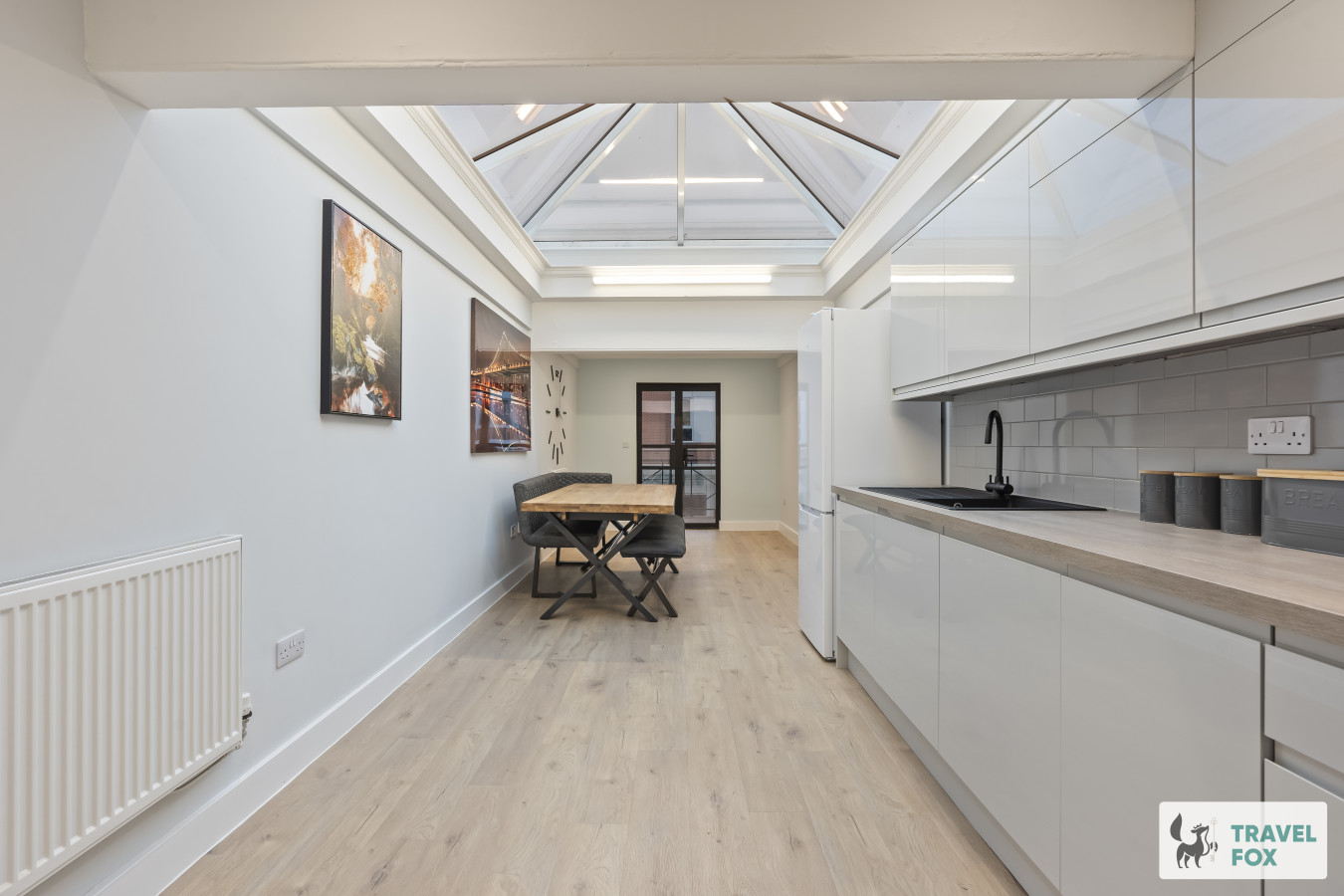
Nottingham
Camila's Penthouse Central Stay with Balcony
- Sleeps 16
- 5 bedrooms
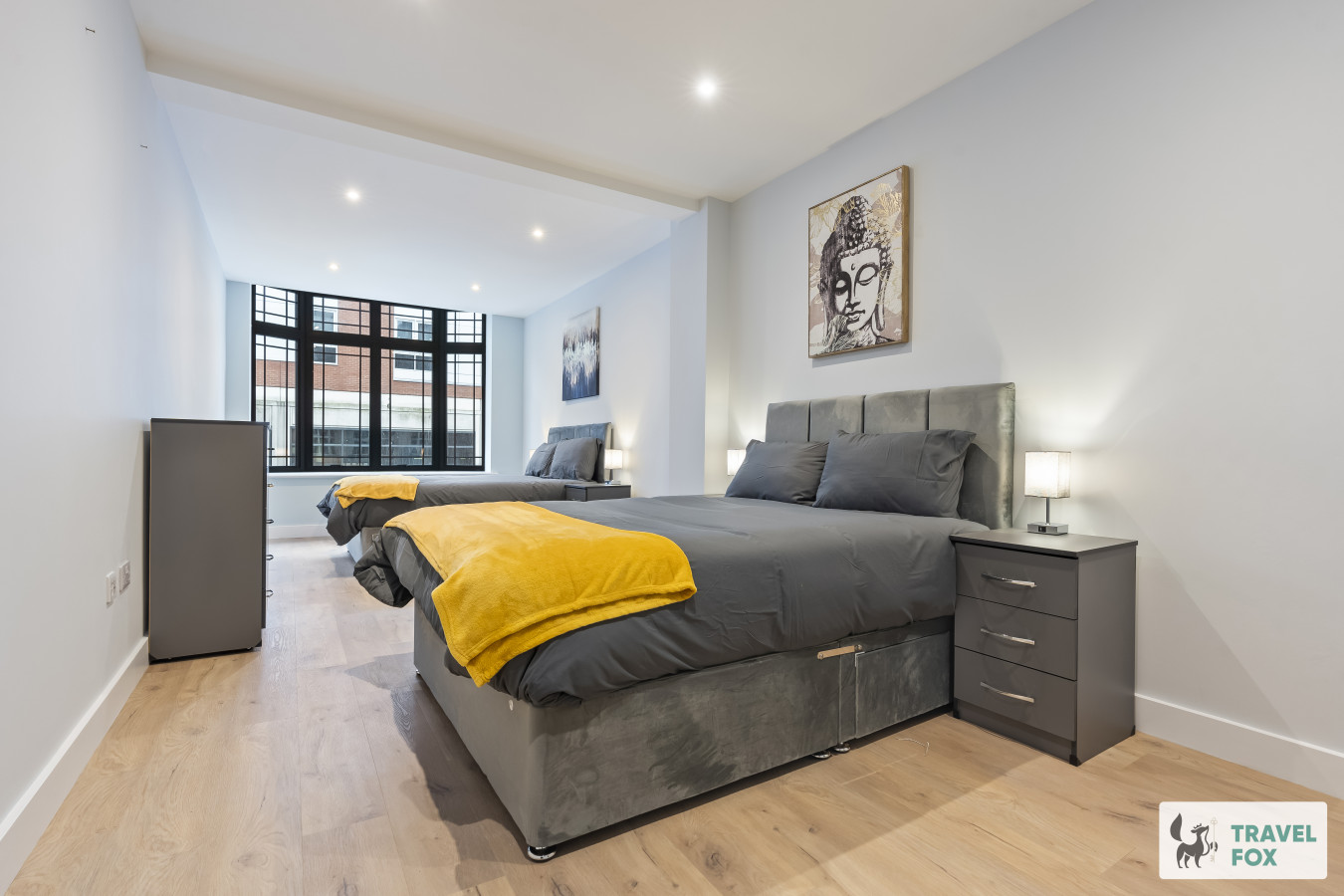
Nottingham
Blair's Central Stay
- Sleeps 16
- 5 bedrooms
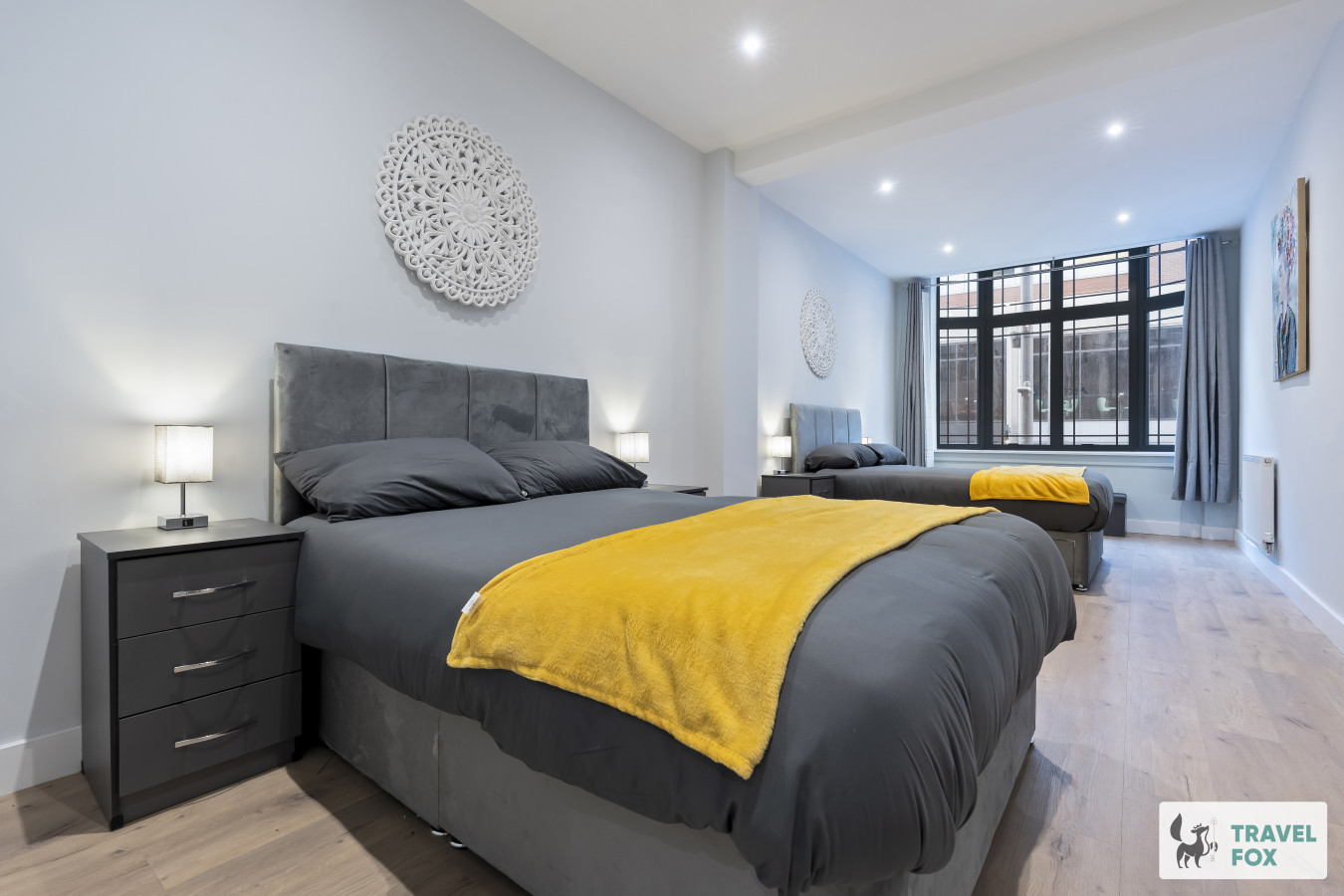
Nottingham
Anna's Central Stay
- Sleeps 16
- 5 bedrooms
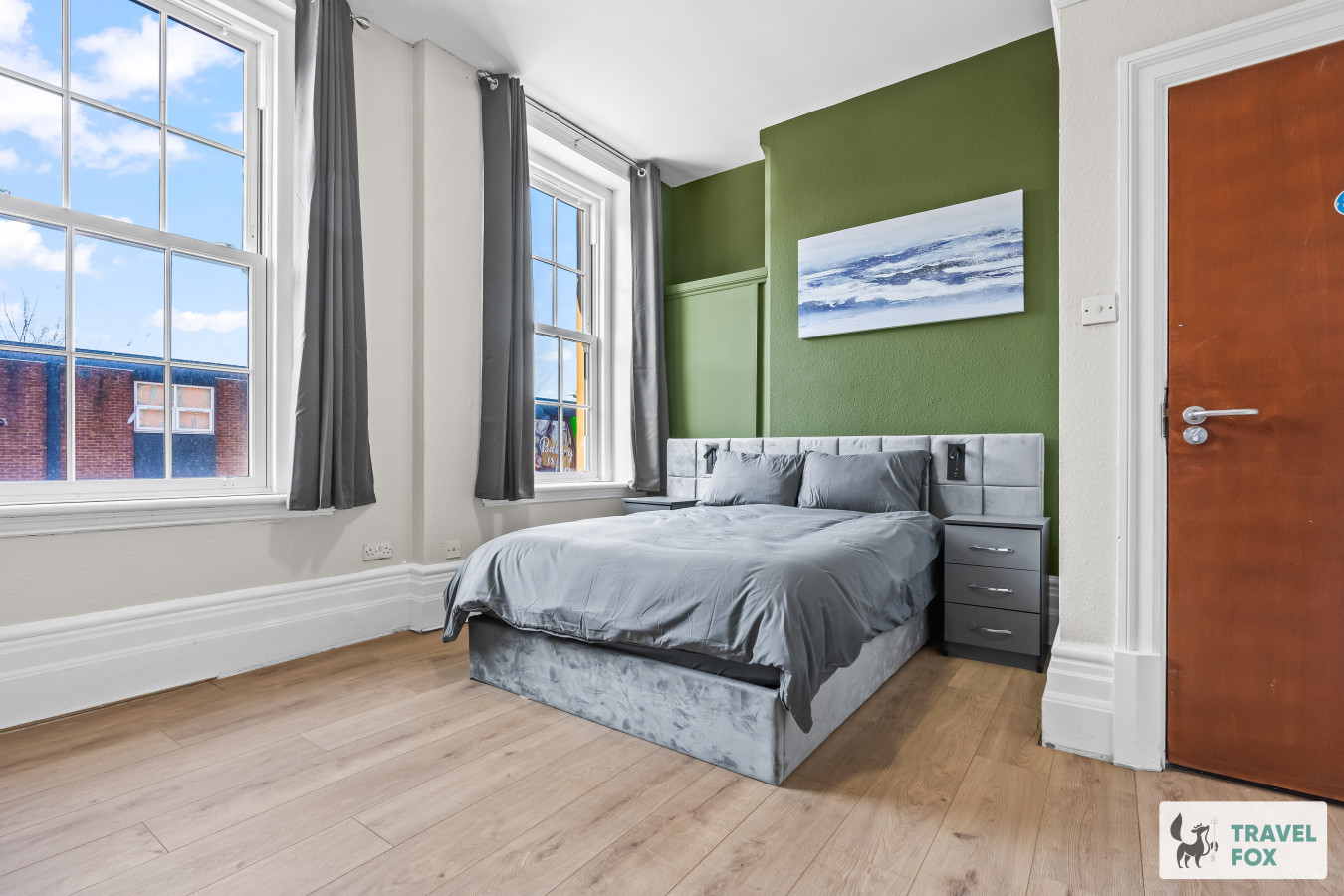
Nottingham
Melissa's Central Stay
- Sleeps 13
- 5 bedrooms
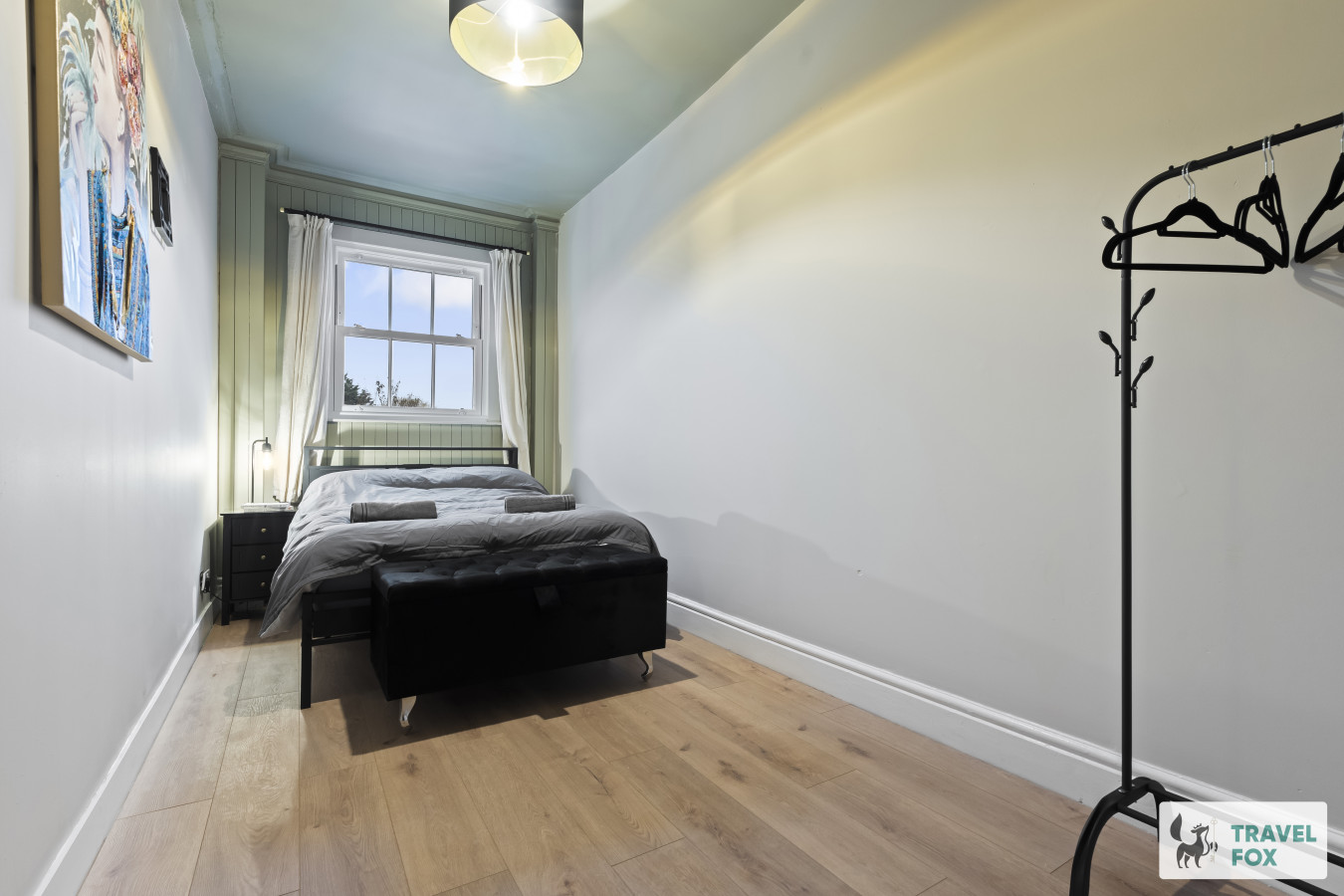
Nottingham
Callie's Central Stay
- Sleeps 9
- 3 bedrooms
For homeowners
Own a holiday home near Sturton le Steeple?
We manage holiday lets across the UK from 12% commission, charged after cleaning costs, with no lock-in. A co-founder visits before you decide.
How our holiday let management works →
A guide with a point of view
Written from research. Edited for real journeys.
Use the Official site links for live practical details, then use this guide for context, ideas and room to explore.
Sources
Every place on this page is checked against a published source. Each entry links the record we used and names who publishes it.
- Church of St Peter and St Paul — historicengland.org.uk statutory register or public authority record not machine-readable; publisher restricts automated access
- The Reindeer Inn — camra.org.uk operator, sector body or destination organisation
- Clarborough Nature Reserve — nottinghamshirewildlife.org other published source
- St Nicholas' Church, Littleborough — visitchurches.org.uk operator, sector body or destination organisation
- Bassetlaw Museum — bassetlaw.gov.uk statutory register or public authority
- Gainsborough Old Hall — english-heritage.org.uk national body or asset manager