
Coal country reclaimed
Teversal
A small Nottinghamshire village where former colliery lines have become green trails, a bronze miner watches from the county's highest point, and an exceptional church interior survives.
- Best for
- Reclaimed mining landscapes and village history
- Give it
- An unhurried half day
- Don't miss
- The summit miner known locally as Dave
The Fox verdict
A coalfield village with its history still in view
Teversal brings together old railway trails, a reclaimed colliery summit, a remarkably complete church interior and a pub threaded into the village's literary story.
Come for the contrast: flat, tree-lined paths on former mineral railways below, the miner sculpture and long views above, then box pews, hatchments and a Norman font inside St Katherine's. The Carnarvon adds both a substantial food stop and the local tradition linking Teversal with D.H. Lawrence.
Where to go
Places in Teversal
Every place below is checked against a published source, listed with what it is and how long to give it.
Local signatures
3 placesSilverhill Woods
A reclaimed colliery spoil heap, now Nottinghamshire's highest point, topped by the bronze miner with a Davy lamp known locally as Dave.
- Visit length
- Editorial estimate: Allow around 1 hour 30 minutes
- Locality
- On the edge of Teversal
The Carnarvon
A contemporary country pub and restaurant with more than seventy main courses, a heated garden and a local tradition connecting its Ship Room with D.H. Lawrence.
- Visit length
- Editorial estimate: Allow around 1 hour 30 minutes
- Locality
- Fackley Road, Teversal
- Access
- Reviewers specifically note the garden with heaters for cooler evenings and its appeal for visitors with dogs.
St Katherine's Church
A Grade I church with an exceptionally complete 17th-century interior: original box pews, a canopied Molyneux pew, a two-decker pulpit, Norman font and seven hatchments.
- Visit length
- Editorial estimate: Allow around 45 minutes
- Locality
- Teversal
Walks & outdoors
1 placeTeversal Trails
Roughly five miles of flat, tree-lined multi-user paths laid along former colliery mineral railways, with onward links to the Phoenix Greenways and Five Pits Trail.
- Visit length
- Editorial estimate: Allow around 2 hours 30 minutes
- Locality
- Teversal, Skegby, Stanton Hill, Pleasley and Sutton-in-Ashfield
- Access
- The paths are open to walkers, cyclists and horse riders.
History & heritage
3 placesHardwick Hall
An Elizabethan country house built for Bess of Hardwick, with Grade I listed parkland, a herb garden, orchards, woodland family play trail, café and bookshop.
- Visit length
- Editorial estimate: Allow around 2 hours 30 minutes
- Locality
- Hardwick
Stainsby Mill
A working Victorian water mill on the Hardwick estate, near the main entrance to Hardwick Hall.
- Visit length
- Editorial estimate: Allow around 1 hour
- Locality
- Hardwick estate
Pleasley Pit Country Park and Mining Museum
A reclaimed colliery site and Local Nature Reserve with ponds, restored winding-engine buildings and displays telling the mining story.
- Visit length
- Editorial estimate: Allow around 1 hour 30 minutes
- Locality
- Pleasley
Things to do
1 placeTeversal Trails Visitors Centre
A practical trailhead with refreshments and a Coal Garden of old pit wheels and colliery ironwork.
- Visit length
- Editorial estimate: Allow around 30 minutes
- Locality
- Teversal village
- Access
- Facilities include free parking, wheelchair access, a café, picnic space and toilets.
No places match this filter. Choose All places to reset the list.
Three ways to explore Teversal
Signature outings
Ride the colliery railway trails
Walk, cycle or ride the flat, tree-lined paths laid along the former mineral railway lines linking Teversal with its neighbouring settlements.
Read Hardwick in glass and stone
Explore the Elizabethan country house built for Bess of Hardwick, together with its parkland, gardens and orchards.
See the winding house survive
Pair the reclaimed country park and ponds with Pleasley Pit's restored winding-engine house and colliery buildings.
The village story
Teversal: from pit lines to green paths
The original Travel Fox story follows Teversal from Dave on Silverhill through its railway trails, pub lore and rare church interior to the village’s old coach house.
Dave above the coalfield
On the summit of Silverhill Woods, the highest point in Nottinghamshire, stands a bronze miner holding a Davy lamp. Locals call him Dave. He faces out over the villages that used to mine the coal beneath him, and on a clear day you can see as far as Lincoln Cathedral.
The hill he stands on used to be a spoil heap for Silverhill Colliery. It has been reclaimed, grassed over and planted, and now forms one end of the Teversal Trails — five miles of flat, tree-lined paths laid along the old colliery railway lines, open to walkers, cyclists and horse riders. The line to Silverhill Colliery closed in 1978. The trails link Teversal to Skegby, Stanton Hill, Pleasley and Sutton-in-Ashfield, and connect onward to the Phoenix Greenways and the Five Pits Trail.
Trailhead and table
The Trails Visitors Centre has free parking, a café, a picnic area, toilets and a Coal Garden of old pit wheels and colliery ironwork marking the entrance. There's a secure dog field for hire next door, and the football, cricket and bowls clubs share the grounds and car park.
The Carnarvon, on Fackley Road, runs to more than seventy main courses — Spicy White Crab Cakes and Loaded Potato Skins with Pulled Pork to start, Greek Chicken in a creamy garlic, tomato and onion sauce, burgers built up with grilled chilli halloumi and cream cheese jalapeños. One blogger singled out the green beans for "managing to retain a lovely crunch." The garden has heaters for the colder months, and enough dogs passing through that reviewers mention it specifically.
Lawrence, the earls and St Katherine's
It used to be the Cross Keys, renamed the Carnarvon Arms around 1870 after the family who owned Teversal Manor. Its Ship Room has a local reputation for being where D.H. Lawrence wrote parts of Lady Chatterley's Lover; the novel's fictional mining village, Tevershall, borrows its name and its coal country from the real thing.
St Katherine's Church, Grade I listed, kept its 17th-century interior intact when most English churches were re-fitted by the Victorians. The box pews are original, dating to around 1637 when £100 was spent standardising the seating. The Molyneux family's pew sits under a canopy on four barley-twist columns, with a separate pew behind it for their servants. Pevsner called it "one of the most rewarding village churches in the county" for the completeness of its furnishings — the two-decker oak pulpit, the Norman font, seven hatchments bearing the Molyneux arms. The third bell dates to 1551, one of the oldest in the county. The Molyneux family held the manor for around 150 years before it passed to the Earls of Carnarvon, whose 5th Earl financed Howard Carter's 1922 excavation of Tutankhamun's tomb.
Connections beyond Teversal
Sutton Parkway station, on the Robin Hood Line, is about four miles off; the A38 and B6027 bring you in by road, with the M1 at Junction 28 not far beyond, and the 417 bus stops on Carnarvon Street. Hardwick Hall and Stainsby Mill are a short drive via the Pleasley trail corridor.
The old coach house
Back in the village, the Manor Room was once a coach house and later a school. The Countess of Carnarvon left it to Teversal in 1929, and it closed as a school in 2001.
Stay around Nottinghamshire
Make a longer stay of it
Travel Fox holiday homes around Nottinghamshire, linked directly to their property pages.
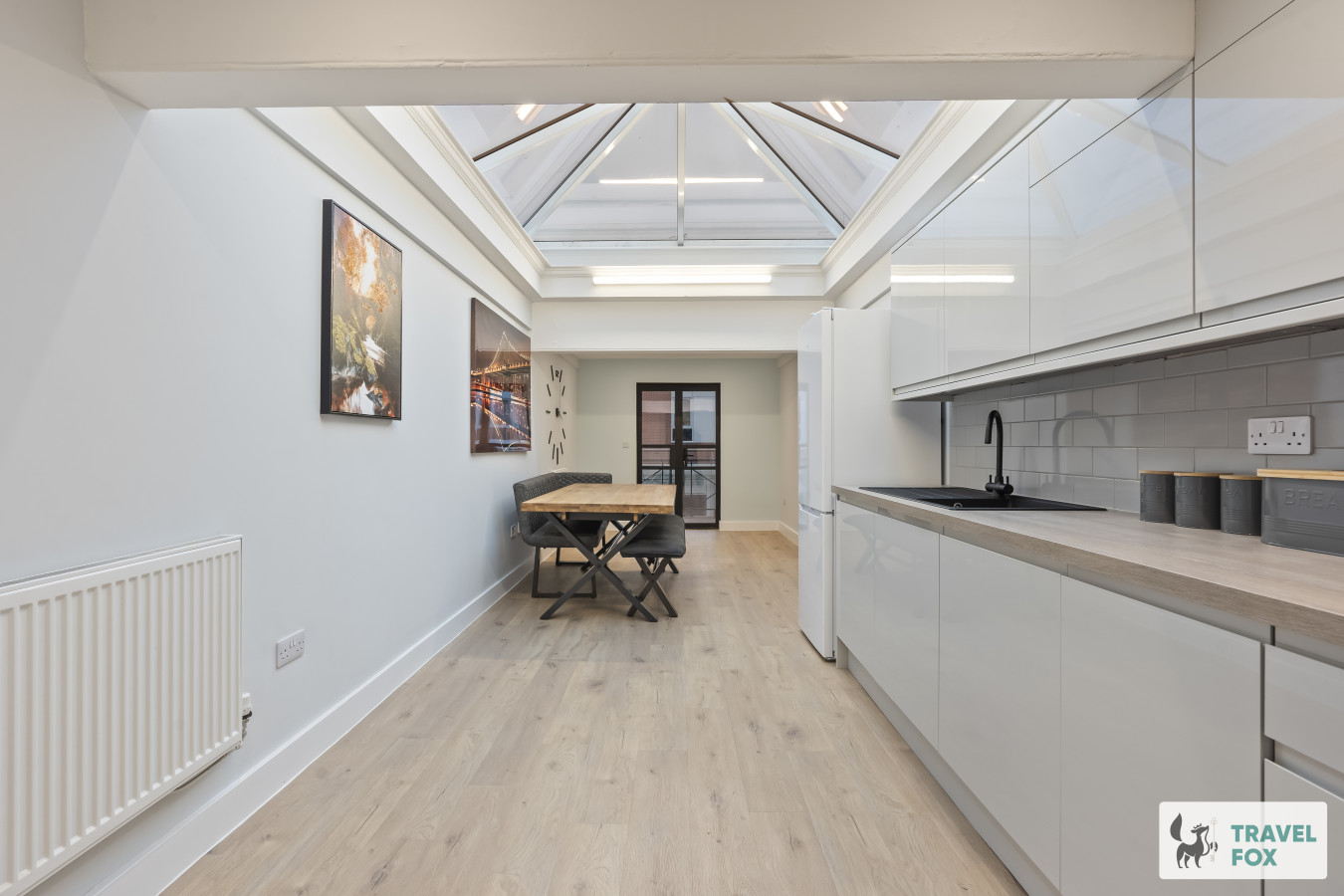
Nottingham
Camila's Penthouse Central Stay with Balcony
- Sleeps 16
- 5 bedrooms
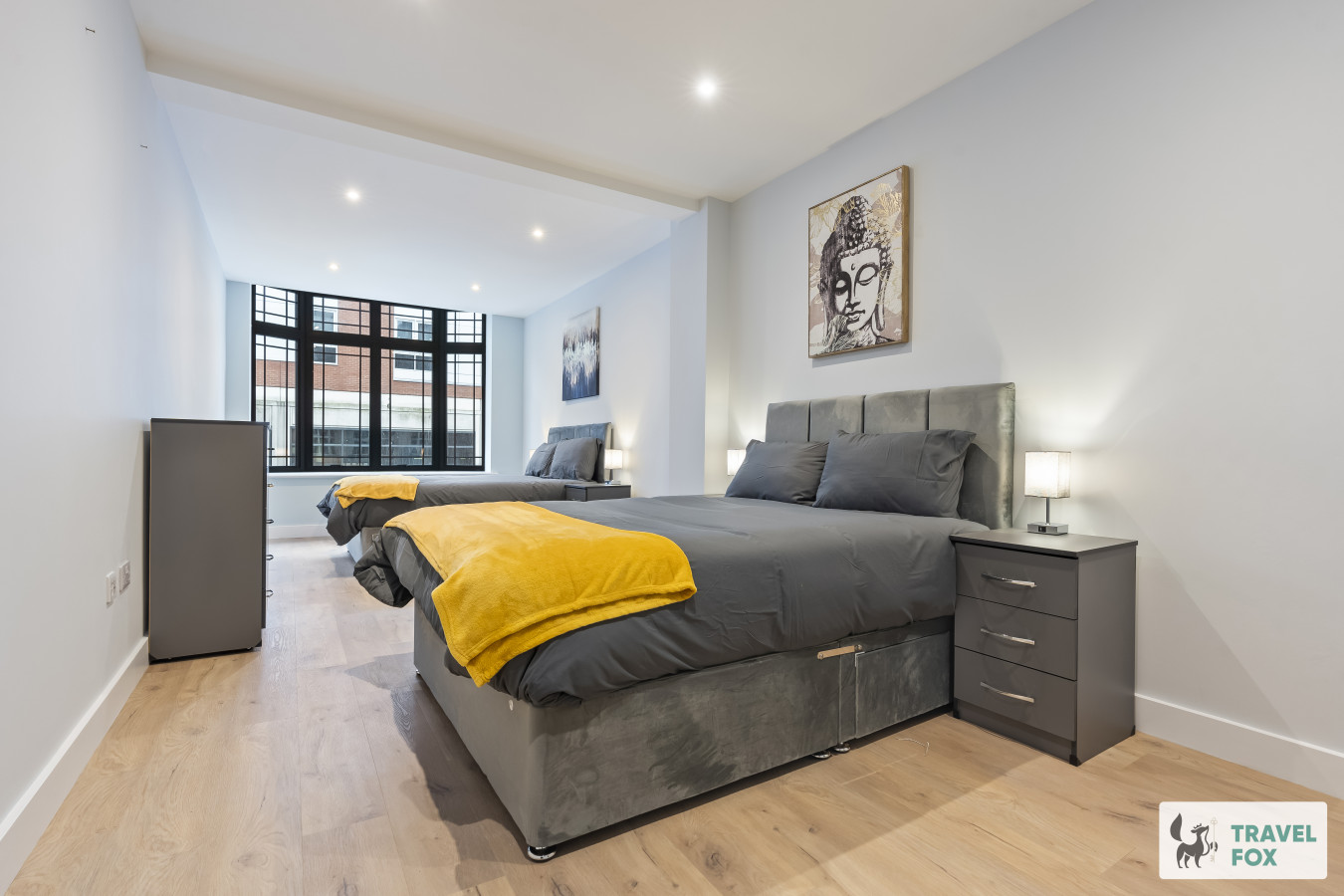
Nottingham
Blair's Central Stay
- Sleeps 16
- 5 bedrooms
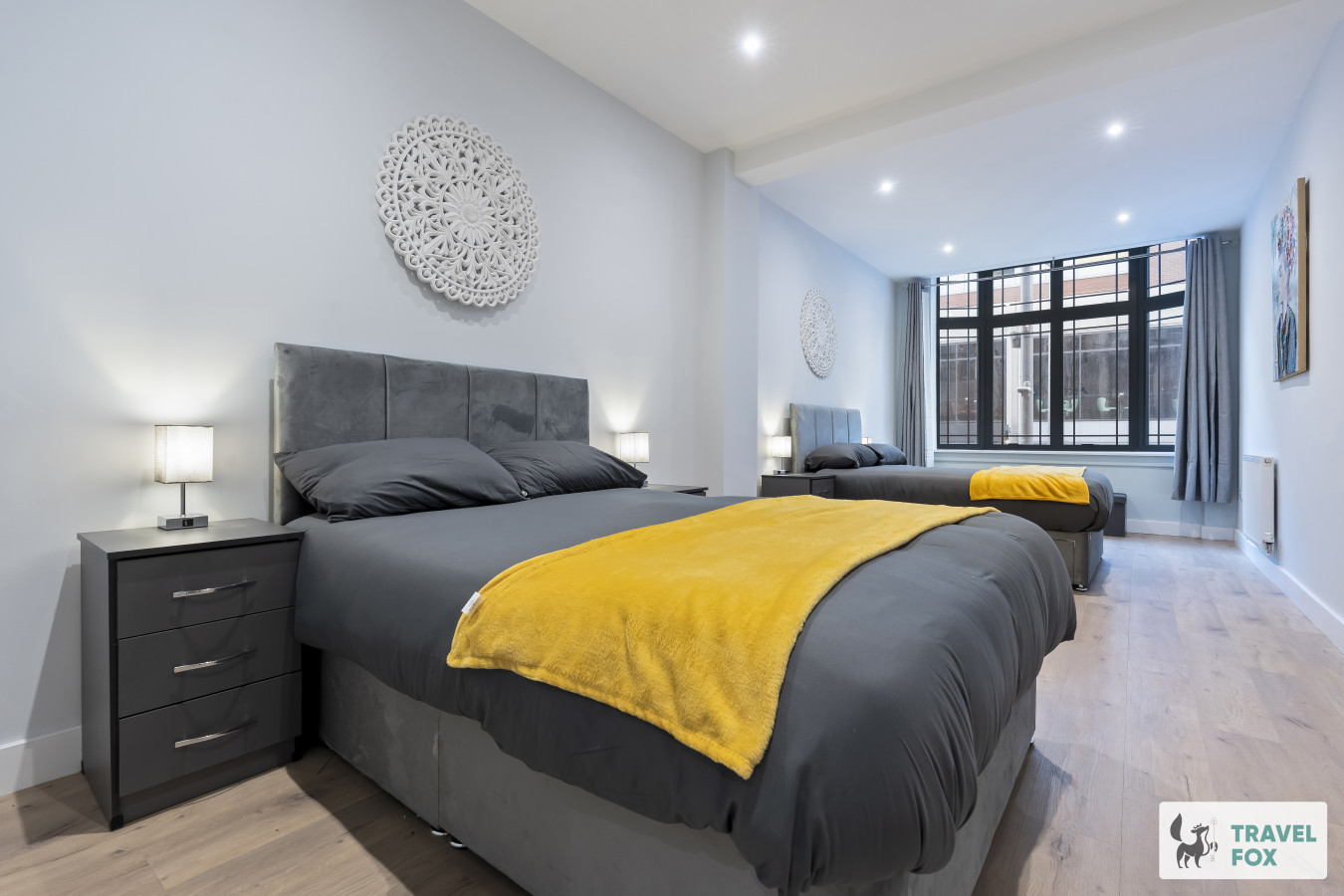
Nottingham
Anna's Central Stay
- Sleeps 16
- 5 bedrooms
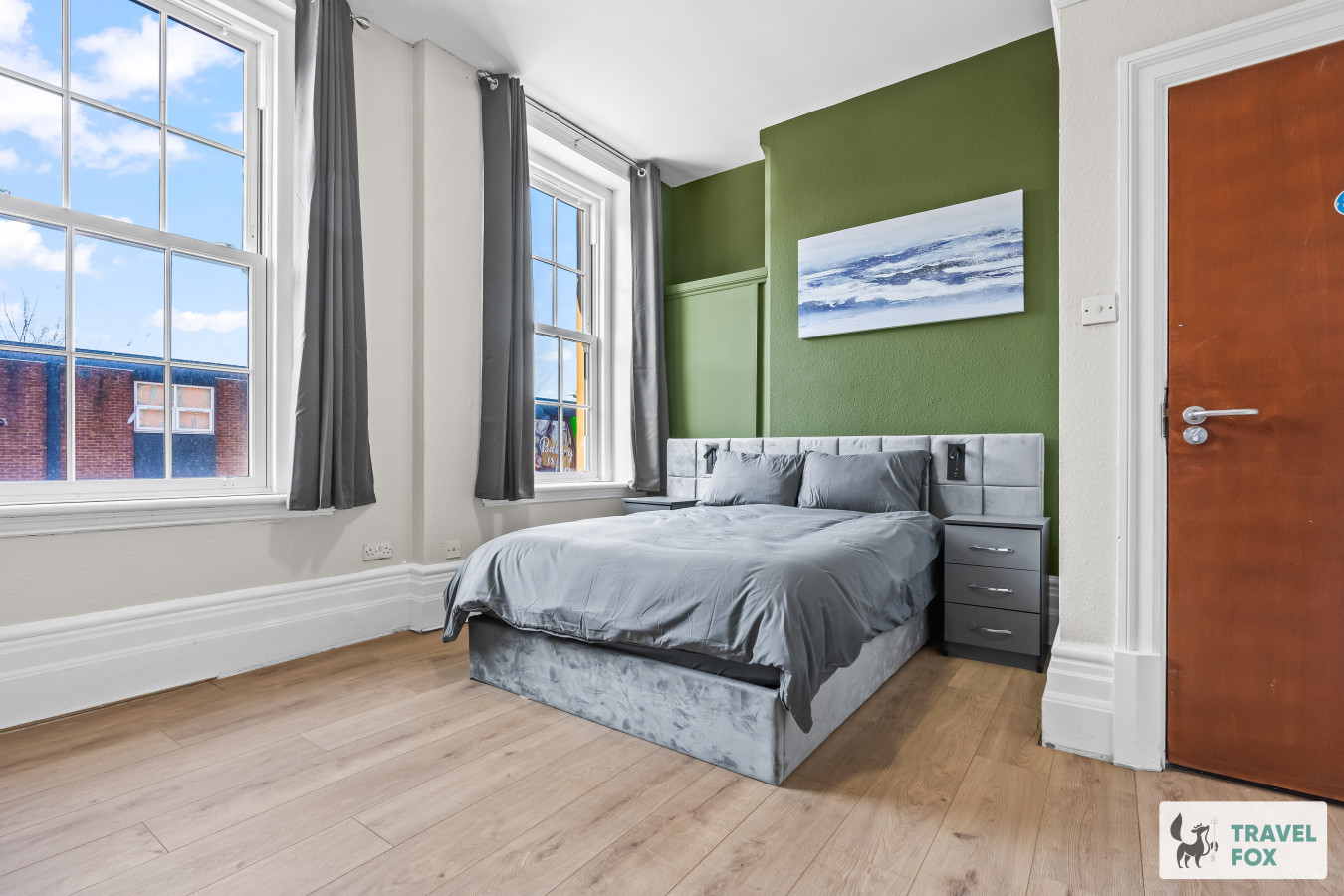
Nottingham
Melissa's Central Stay
- Sleeps 13
- 5 bedrooms
Nottingham
Callie's Central Stay
- Sleeps 9
- 3 bedrooms
For homeowners
Own a holiday home near Teversal?
We manage holiday lets across the UK from 12% commission, charged after cleaning costs, with no lock-in. A co-founder visits before you decide.
How our holiday let management works →
A guide with a point of view
Written from research. Edited for real journeys.
Use the Official site links for live practical details, then use this guide for context, ideas and room to explore.
Sources
Every place on this page is checked against a published source. Each entry links the record we used and names who publishes it.
- Teversal Trails Visitors Centre — nottinghamshire.gov.uk statutory register or public authority
- Teversal Trails — nottinghamshire.gov.uk statutory register or public authority
- Silverhill Woods — nottinghamshire.gov.uk statutory register or public authority
- The Carnarvon — derbyshire.gov.uk statutory register or public authority
- St Katherine's Church — achurchnearyou.com national body or asset manager
- Hardwick Hall — nationaltrust.org.uk national body or asset manager
- Stainsby Mill — nationaltrust.org.uk national body or asset manager
- Pleasley Pit Country Park and Mining Museum — pleasleypittrust.org.uk operator, sector body or destination organisation