
Time on the hill
Upton
A hilltop village above the Trent Valley, where timekeeping, a pinnacled church and a country walk shape the visit.
- Best for
- Horological history, village heritage and walking
- Give it
- A half day, or longer with Southwell
- Don't miss
- The Speaking Clock and Captain Scott's watch
The Fox verdict
A small village with time to spare
Upton pairs a nationally distinctive timekeeping collection with a historic church, its surviving pub and a Trent Valley walk.
The Museum of Timekeeping gives Upton its strongest reason to visit, while St Peter and St Paul's Church, the Cross Keys and the 3.5-mile Micklebarrow Hill loop make a compact village day. Southwell Minster and the National Trust's Workhouse extend the history nearby.
Where to go
Places in Upton
Every place below is checked against a published source, listed with what it is and how long to give it.
Local signatures
3 placesMuseum of Timekeeping
A hands-on horological museum holding the original GPO Speaking Clock and the watch worn by Captain Scott on his fatal polar expedition.
- Visit length
- Editorial estimate: around 90 minutes
- Locality
- Upton Hall
- Access
- Public exhibition opening is limited; group visits and special events are also offered.
The Cross Keys
Upton's sole surviving pub serves home-cooked classics, Sunday roast, stone-baked pizzas and fish, with rotating regional real ales and a rear beer garden.
- Visit length
- Editorial estimate: around 75 minutes
- Locality
- Main Street (A612), Upton
- Access
- Dogs and wellies are welcome.
St Peter and St Paul's Church
A Grade I church with a 13th-century core and a 15th-century Perpendicular tower whose central master pinnacle rises above eight neighbouring pinnacles.
- Visit length
- Editorial estimate: around 30 minutes
- Locality
- Upton
History & heritage
2 placesSouthwell Minster
The cathedral-scale parish church in nearby Southwell makes a natural second heritage stop from Upton.
- Visit length
- Editorial estimate: around 60 minutes
- Locality
- Southwell
The Workhouse and Infirmary
A National Trust-run 1824 workhouse and museum on Upton Road in Southwell.
- Visit length
- Editorial estimate: around 90 minutes
- Locality
- Upton Road, Southwell
No places match this filter. Choose All places to reset the list.
Three ways to explore Upton
Signature outings
The glory of the church
Pick out the lofty master pinnacle rising above its eight neighbours on St Peter and St Paul's Perpendicular tower.
Add the Minster
Make Southwell's cathedral-scale Minster the focus of a nearby heritage stop, about 2.3 miles from Upton in a straight line.
The Workhouse story
Continue to the National Trust's 1824 workhouse and museum on Upton Road in Southwell.
The village story
Upton Village Guide
Timekeeping treasures, a village local and a hilltop view over the Trent Valley.
Clocks and the village local
Upton Hall keeps the original GPO Speaking Clock in a glass case, next to the watch Captain Scott was wearing when he died on the return from the South Pole in 1912. Both are part of the Museum of Timekeeping, run out of the hall by the British Horological Institute — a 72-room neoclassical mansion with a domed roofline, open Fridays, 10.30am to 3.30pm. The Clock House tea room sits next door for anyone who wants a pot of tea before or after.
Below the hall on Main Street is the Cross Keys, the only pub left in a village that once had two — its old rival, the French Horn, closed in 2005 and is a five-bedroom house now. Colourwashed brick, sash windows, a pantile roof, Grade II listed. Neil and Joy run it; Neil cooks the Sunday roast and the stone-baked pizzas, and CAMRA credits a French chef with making fish the kitchen's particular strength. There's a beer garden to the rear, four rotating real ales, a book club, dominoes and darts. Dogs and wellies are welcome, and it's rumoured to be haunted. There's no shop or bakery in the village any more — the old shop is a private house — so the Cross Keys and the Clock House do most of the work.
Pinnacles and the Micklebarrow path
St Peter and St Paul's church has a 13th-century arcade of clustered columns and a Perpendicular tower. An 1889 account describes it as "crowned by eight pinnacles, and having in the centre a lofty master pinnacle which rises above its neighbours" — locally, "the glory of the church." A small room partway up, with its own fireplace, once housed a chantry priest, later a dovecote.
Walk 26 leaves from the museum car park and climbs Micklebarrow Hill just outside the village — "the highest point for a long way looking south and east," with views over the Trent Valley as far as the spire of Newark's market-square church. It's a 3.5-mile loop through fields, orchards and woodland. Southwell Minster is about 2.3 miles from Upton in a straight line; the National Trust's old workhouse is about 1.6 miles away by the same measure. Fiskerton and Bleasby, the nearest stations, reach Nottingham, Lincoln and Grantham; the village sits on the A612.
A hill between two armies
The name means what it looks like — Upton, the higher settlement, on a rise above the Trent Valley. That position cost something in the Civil War, with Royalist Newark and Parliamentarian Nottingham on either side of it: Jane Kitchen, a widow, was village constable in 1644, managing provisions for troops passing through.
James Tennant, later mineralogist to Queen Victoria and the man who supervised the recutting of the Koh-i-Noor diamond, was born in Upton in 1808 to the Kitchen family — the same family as Jane the constable. More recently the village produced Fiona Thornewill, who skied alone and unaided to the South Pole in 42 days after losing her satellite navigation ten days in, and the broadcaster Siân Welby, who grew up here.
Explorers, apple trees and open studios
The village green keeps its apple trees, and a Grade II-listed K6 telephone box still stands nearby. Once a year, half a dozen local artists open their front rooms to strangers for Open Studios Notts, which feels about right for a village that's been showing people the time, one way or another, for the better part of thirty years.
Stay around Nottinghamshire
Make a longer stay of it
Travel Fox holiday homes around Nottinghamshire, linked directly to their property pages.
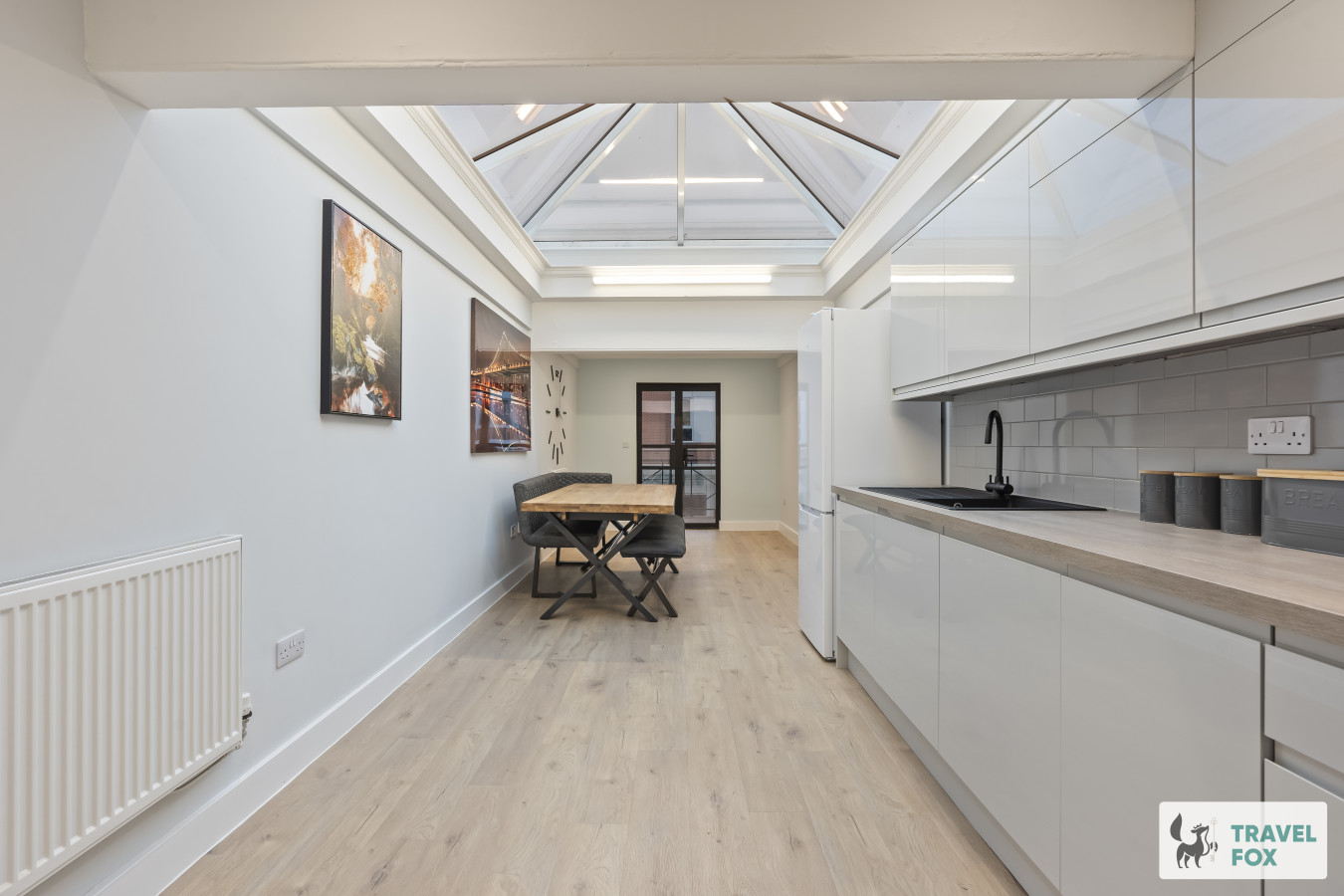
Nottingham
Camila's Penthouse Central Stay with Balcony
- Sleeps 16
- 5 bedrooms
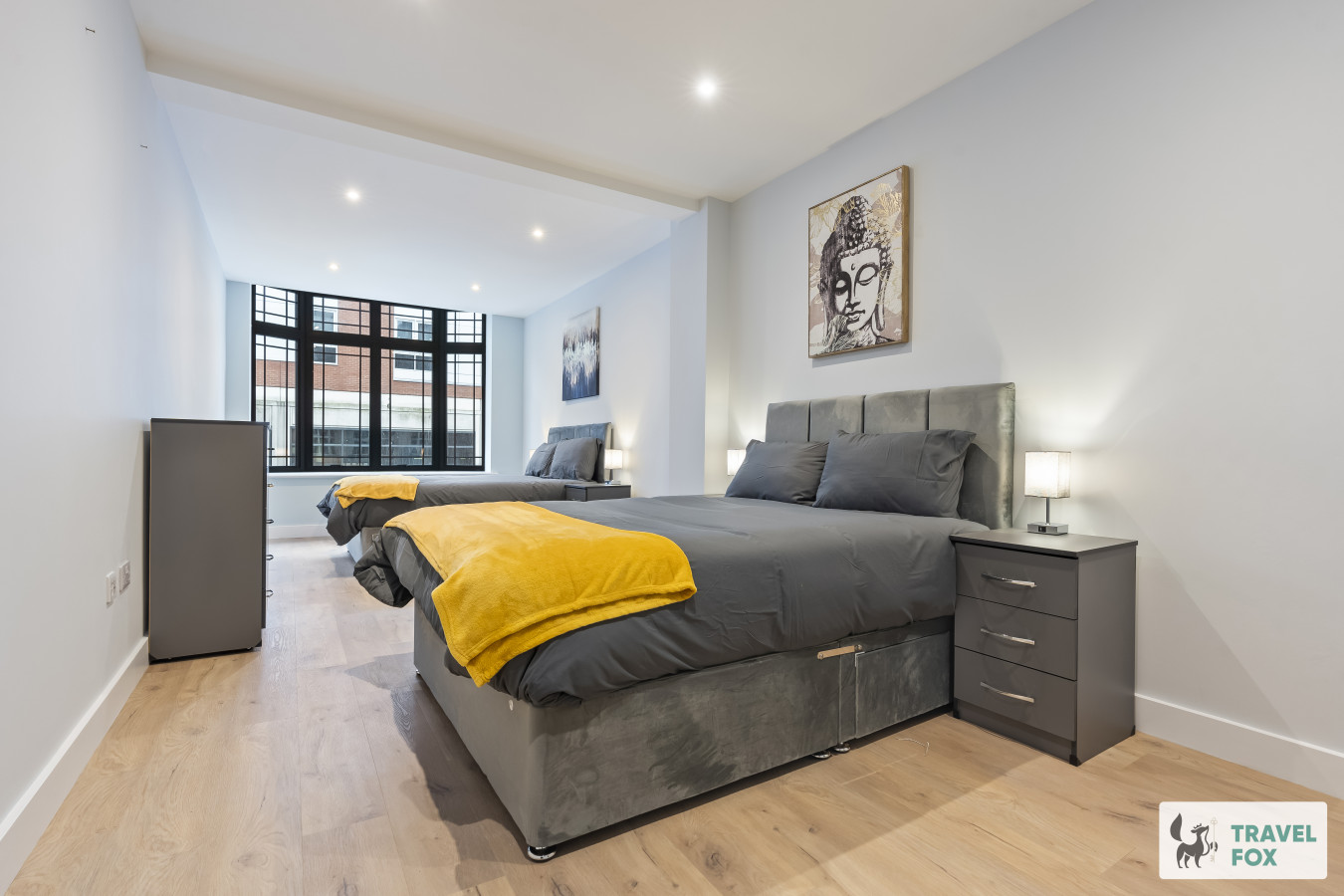
Nottingham
Blair's Central Stay
- Sleeps 16
- 5 bedrooms
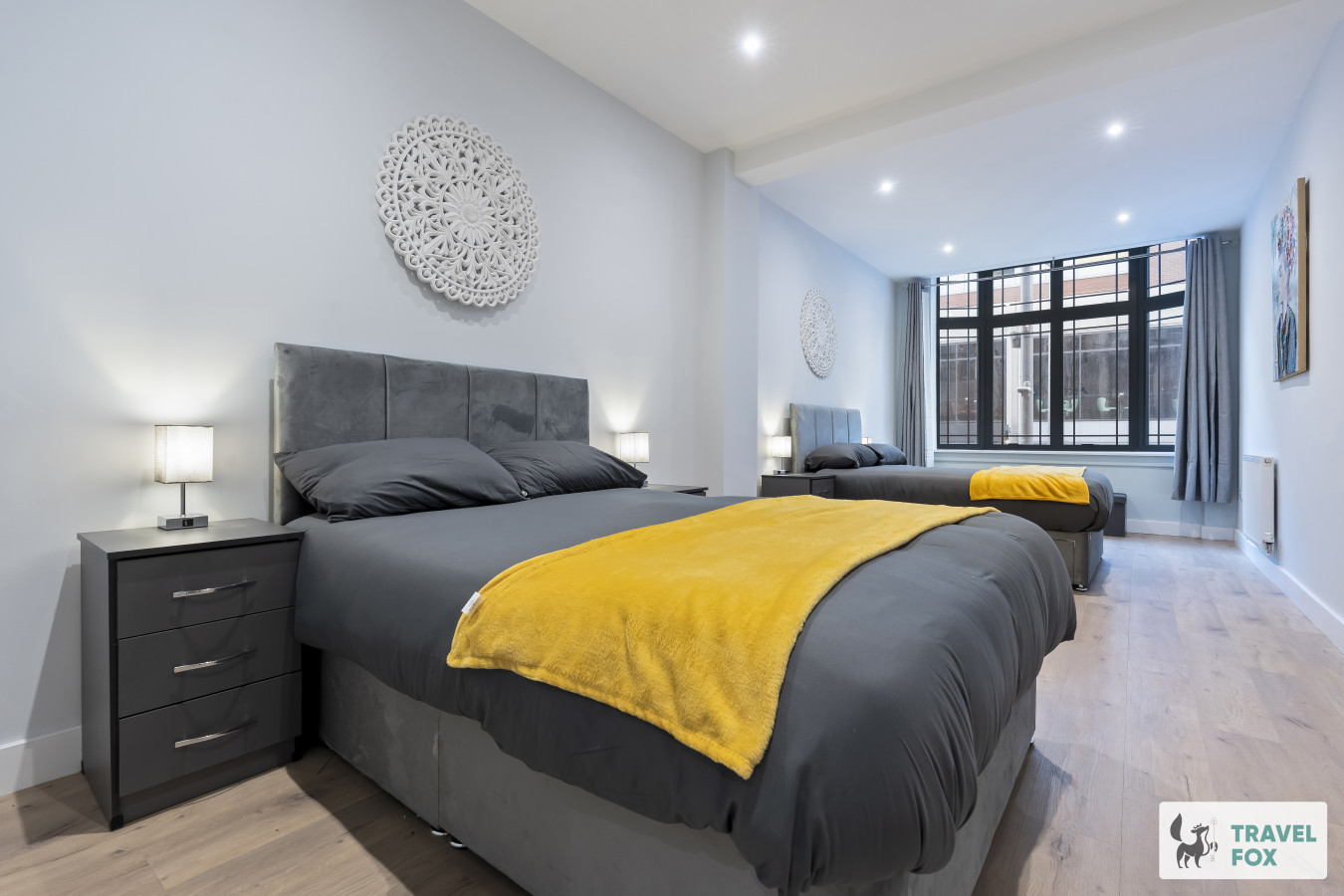
Nottingham
Anna's Central Stay
- Sleeps 16
- 5 bedrooms
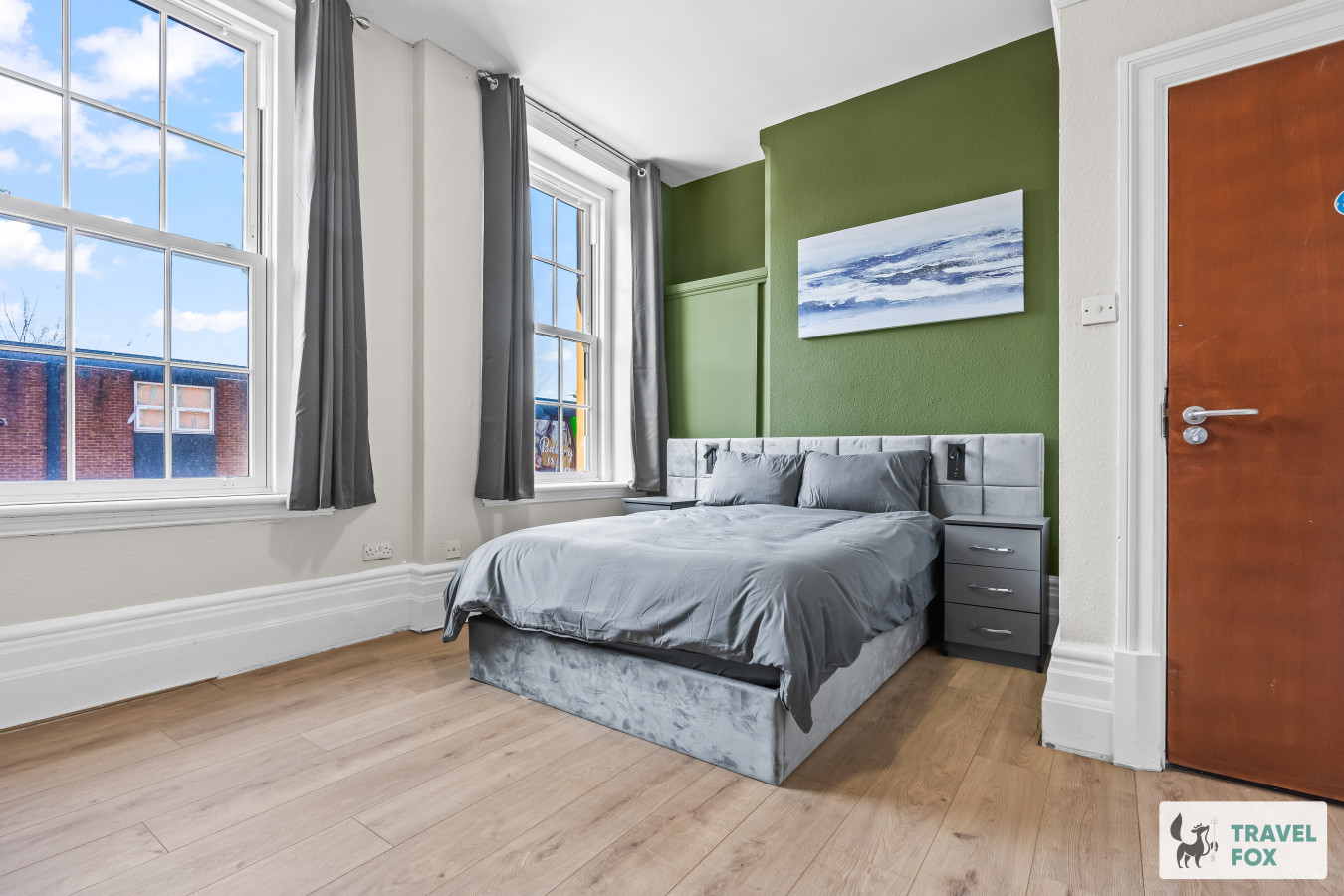
Nottingham
Melissa's Central Stay
- Sleeps 13
- 5 bedrooms
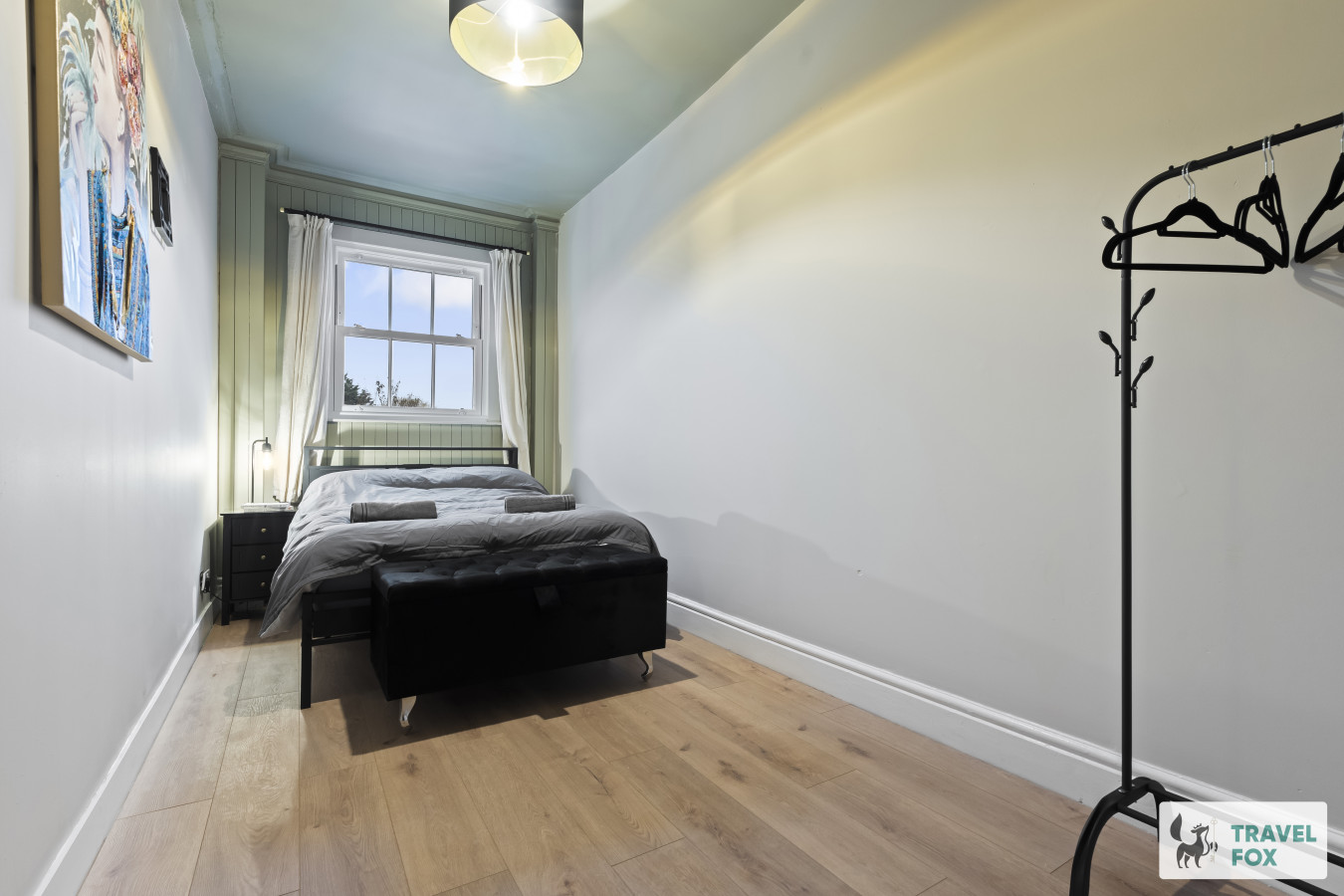
Nottingham
Callie's Central Stay
- Sleeps 9
- 3 bedrooms
For homeowners
Own a holiday home near Upton?
We manage holiday lets across the UK from 12% commission, charged after cleaning costs, with no lock-in. A co-founder visits before you decide.
How our holiday let management works →
A guide with a point of view
Written from research. Edited for real journeys.
Use the Official site links for live practical details, then use this guide for context, ideas and room to explore.
Sources
Every place on this page is checked against a published source. Each entry links the record we used and names who publishes it.
- Museum of Timekeeping — museumoftimekeeping.org.uk operator, sector body or destination organisation
- The Cross Keys — crosskeysupton.co.uk operator, sector body or destination organisation
- St Peter and St Paul's Church — historicengland.org.uk statutory register or public authority record not machine-readable; publisher restricts automated access
- Southwell Minster — southwellminster.org operator, sector body or destination organisation
- The Workhouse and Infirmary — nationaltrust.org.uk national body or asset manager