
Art, food and hidden histories
Welbeck
A tiny estate village where an art collection, farm shop and limestone gorge sit alongside the story of a tunnel-building duke.
- Best for
- Art, artisan food and estate walks
- Give it
- A gallery visit or a countryside walk
- Don't miss
- Michelangelo's Madonna del Silenzio and Charles I's pearl earring
The Fox verdict
An estate village with more below the surface
Welbeck brings a free art collection, estate-made food and a path into Creswell Crags together in one visit.
Start with the Portland Collection, browse produce made or grown on the estate, or take the public paths into Creswell Crags on a 2.5-mile circuit through the limestone gorge and Holbeck. The Greendale Oak is in nearby Cuckney.
Where to go
Places in Welbeck
Every place below is checked against a published source, listed with what it is and how long to give it.
Local signatures
3 placesThe Portland Collection at the Harley Gallery
The Cavendish-Bentinck family's collection includes Michelangelo's Madonna del Silenzio, George Stubbs horse studies and the pearl earring worn by Charles I at his execution.
- Visit length
- Editorial estimate: allow around 75 minutes
- Locality
- at the Harley Gallery, Welbeck Estate
- Access
- Free entry.
The Greendale Oak
A Cuckney gastropub and ale house on Budby Road.
- Visit length
- Editorial estimate: allow around 90 minutes
- Locality
- Budby Road, Cuckney
- Access
- Dog-friendly status is disputed in the available reviews.
The Harley Café
A café in the Courtyard at Welbeck, serving seasonal dishes and cake.
- Visit length
- Editorial estimate: allow around 45 minutes
- Locality
- The Courtyard at Welbeck
Food & drink
1 placeWelbeck Farm Shop
Two-thirds of its stock is sourced from or prepared on the estate, including rare-breed meat cured in-house, raw milk and work by resident chocolatier Ottar Chocolate.
- Visit length
- Editorial estimate: allow around 30 minutes
- Locality
- at the Welbeck Estate courtyard, off the A60
Walks & outdoors
1 placeWelbeck Estate Hidden Gem Walk
A circular walk from Welbeck through the limestone gorge of Creswell Crags and the village of Holbeck, with the gorge's caves recording human use over 43,000 years.
- Visit length
- Editorial estimate: Allow about one hour
- Locality
- from the Welbeck car park beside the Harley Gallery
- Access
- The walk can also be started from Creswell Crags or Holbeck.
No places match this filter. Choose All places to reset the list.
Three ways to explore Welbeck
Signature outings
Find a king's pearl earring
See Michelangelo's Madonna del Silenzio, George Stubbs horse studies and the pearl earring worn by Charles I at his execution.
Browse Welbeck-made food
Shop for estate-sourced produce, from rare-breed meat cured in-house and raw milk to work by resident chocolatier Ottar Chocolate.
Walk into Creswell Crags
Take the 2.5-mile circuit from Welbeck through Creswell Crags' limestone gorge and the village of Holbeck.
The village story
Welbeck: Art, Ale and the Burrowing Duke
A tiny estate village with a free collection, a farm shop, a Cuckney pub and paths into Creswell Crags.
The collection behind the courtyard
The Portland Collection at the Harley Gallery is free to get into, open every day of the week, and holds a Michelangelo, a handful of George Stubbs horse studies, and the pearl earring King Charles I wore to his own execution in 1649.
It's not what you expect at the end of a drive through a Nottinghamshire estate. The gallery opened in 2016 to house the Cavendish-Bentinck family's collection, one of the largest aristocratic art holdings in Britain, in a courtyard with a children's Creative Space, a shop and the Harley Café, where jackdaws work the water feature.
Food from the estate
Welbeck Farm Shop, on the A60 fifteen minutes from the A1 and M1, is open daily until 5pm (4pm Sundays). Two-thirds of what it sells is grown or made on the estate — rare-breed meat cured in-house, raw milk that also goes into Stichelton, the blue cheese made just up the road, and a resident chocolatier, Ottar Chocolate. It won UK Large Farm Shop and Farm Butcher of the Year in 2024.
A pub and a path to the crags
The Greendale Oak is in Cuckney, about 1.9 miles from Welbeck in a straight line; the road journey is longer. Reviews disagree about almost everything, calling it anything from "a proper country pub that is laid-back, full of character and big on flavour" to not dog friendly and the staff scripted.
Paths lead from the gallery car park into the limestone gorge at Creswell Crags, used by people for 43,000 years, home to Europe's northernmost cave art, a 2.5-mile loop of about an hour.
The burrowing duke and a village after Domesday
None of this explains the tunnels. The 5th Duke of Portland, who took over in the 1850s, disliked being seen and had at least a dozen miles dug under the grounds, linking the house to the riding school. Underneath he built a 250-foot library and a 160-foot great hall, reached by a hydraulic lift for twenty guests and painted on the ceiling like a sunset, used by most accounts only for roller-skating, alone. He's generally agreed to be the model for Badger in The Wind in the Willows.
Welbeck has no entry in the Domesday Book: it didn't exist yet, growing up around the Abbey founded in 1153. It had 31 residents at the last count, an estate with a village attached, some 15,000 acres five miles from Worksop off the A60. A station at Creswell sits on the Robin Hood Line, and the 209 bus stops at Cuckney.
Back to the courtyard
Come back to the gallery café at the end of it and the same water feature will still have jackdaws working the edges of it, unbothered by dukes, tunnels, or pearl earrings that once belonged to a king who lost his head.
Stay around Nottinghamshire
Make a longer stay of it
Travel Fox holiday homes around Nottinghamshire, linked directly to their property pages.
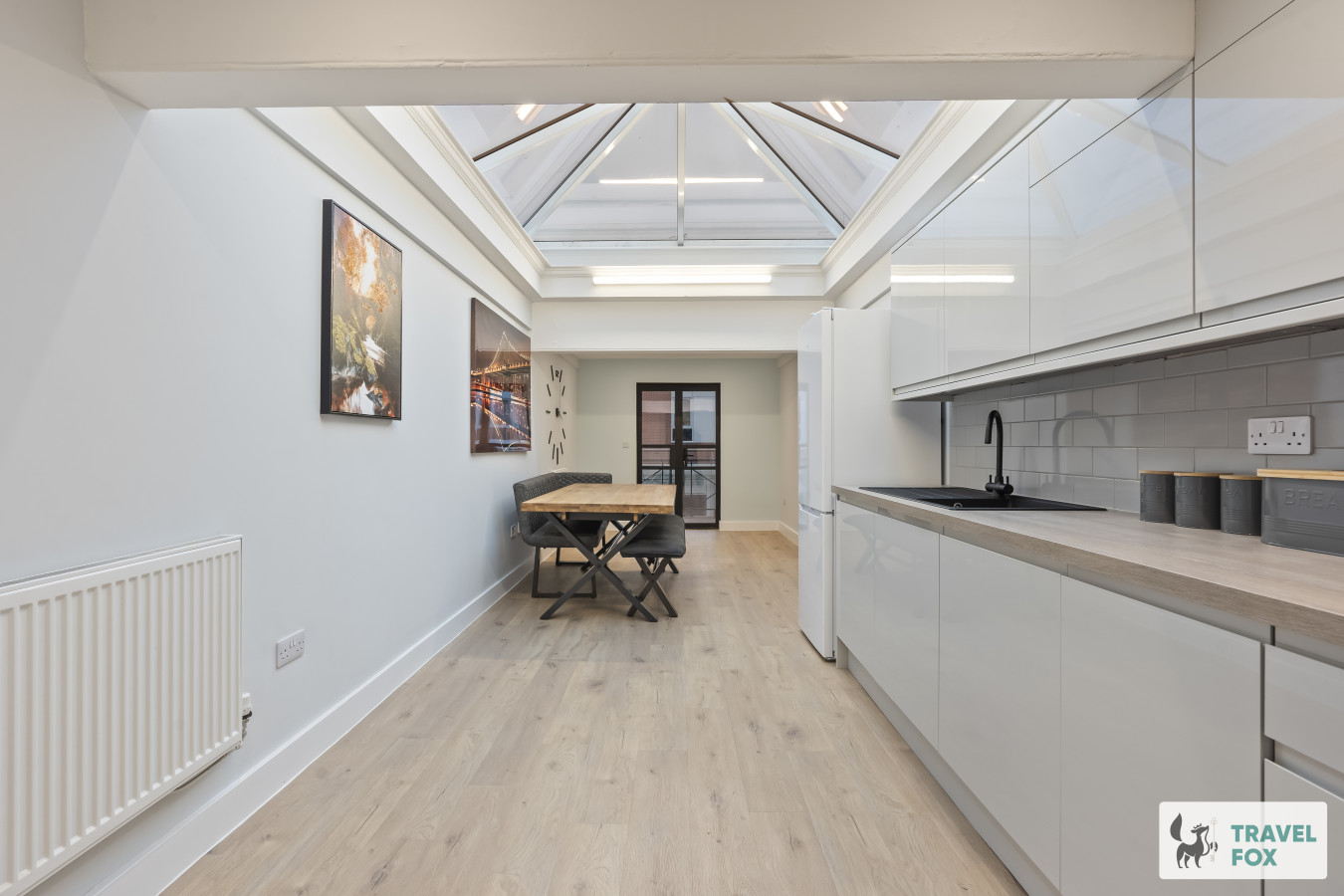
Nottingham
Camila's Penthouse Central Stay with Balcony
- Sleeps 16
- 5 bedrooms
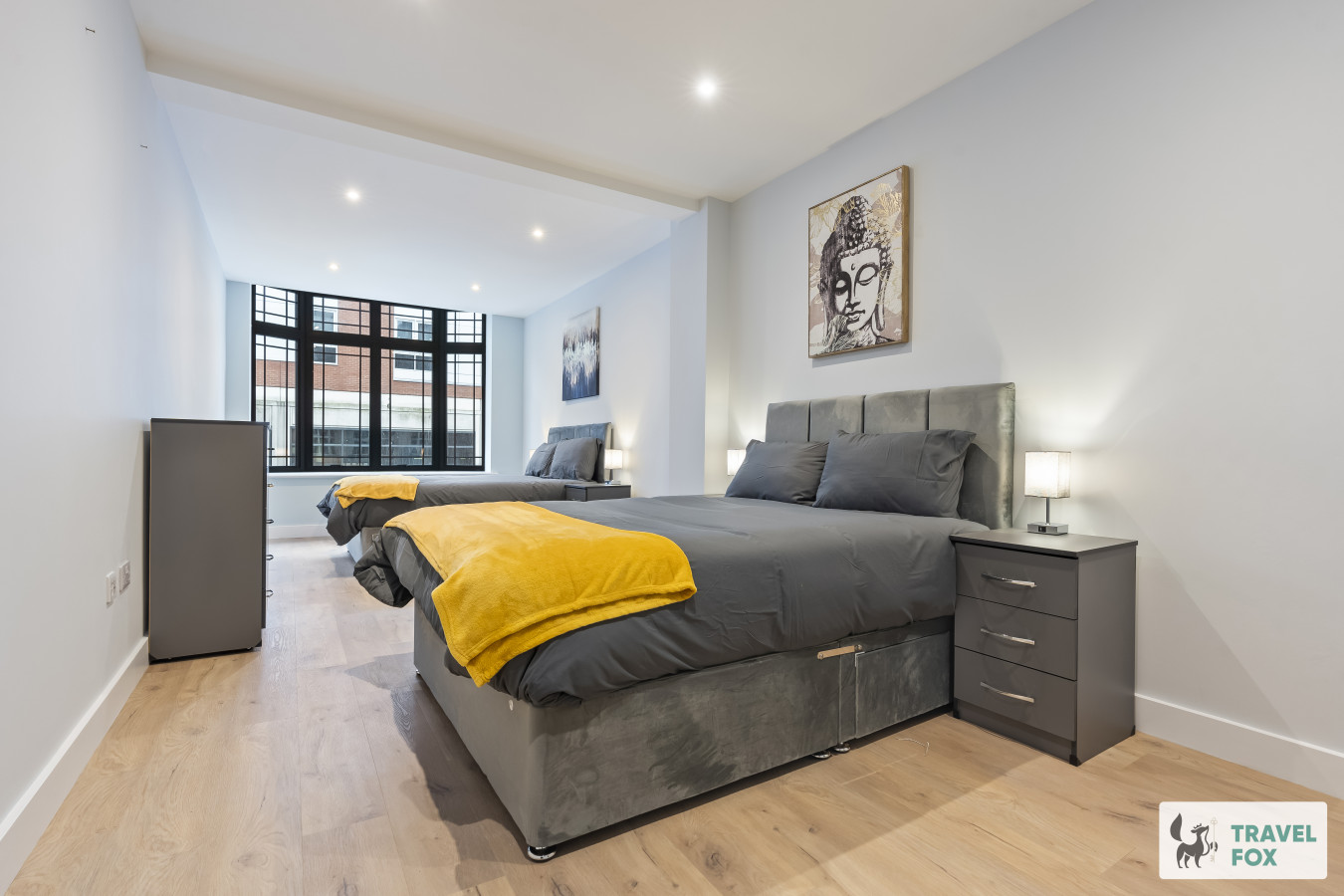
Nottingham
Blair's Central Stay
- Sleeps 16
- 5 bedrooms
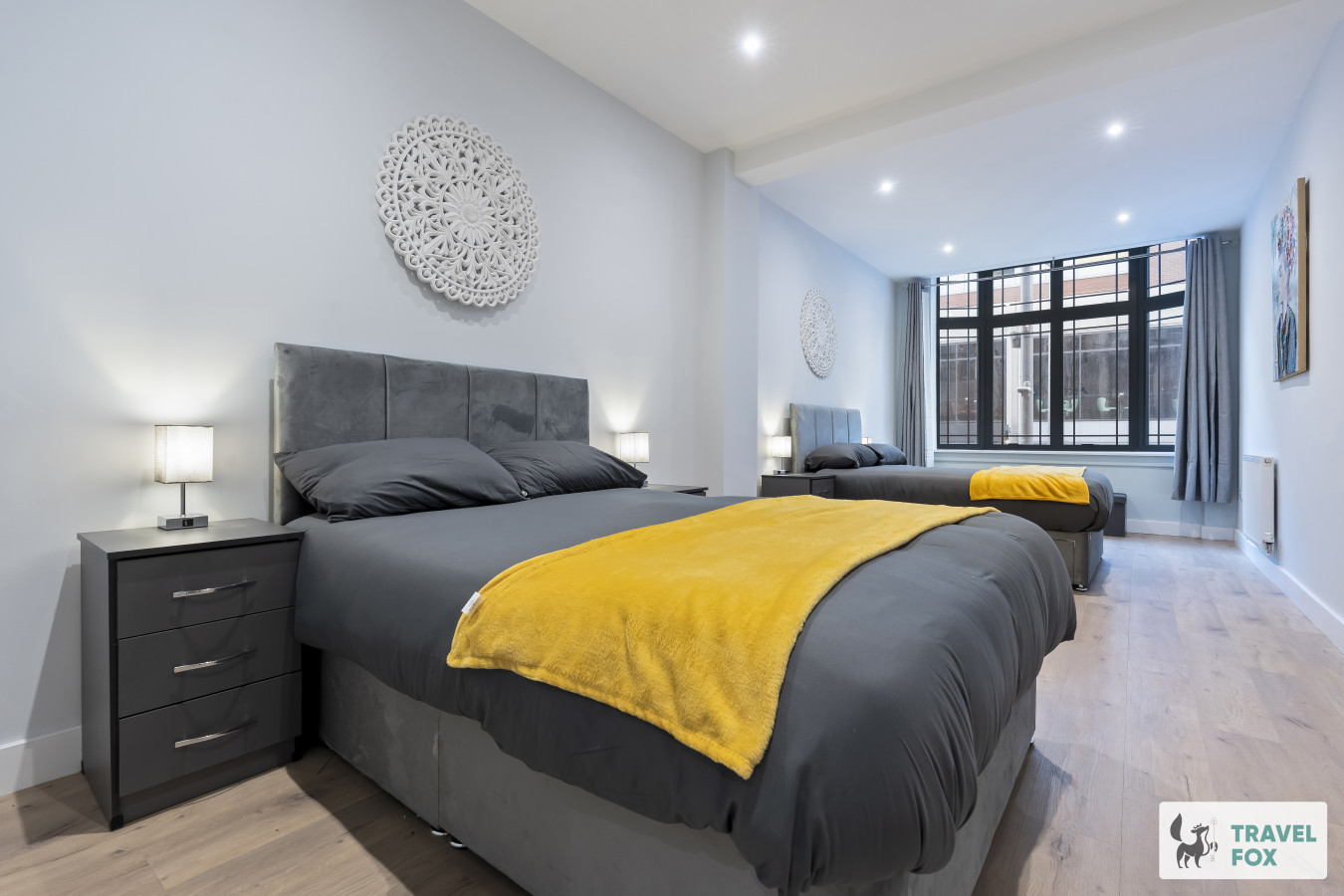
Nottingham
Anna's Central Stay
- Sleeps 16
- 5 bedrooms
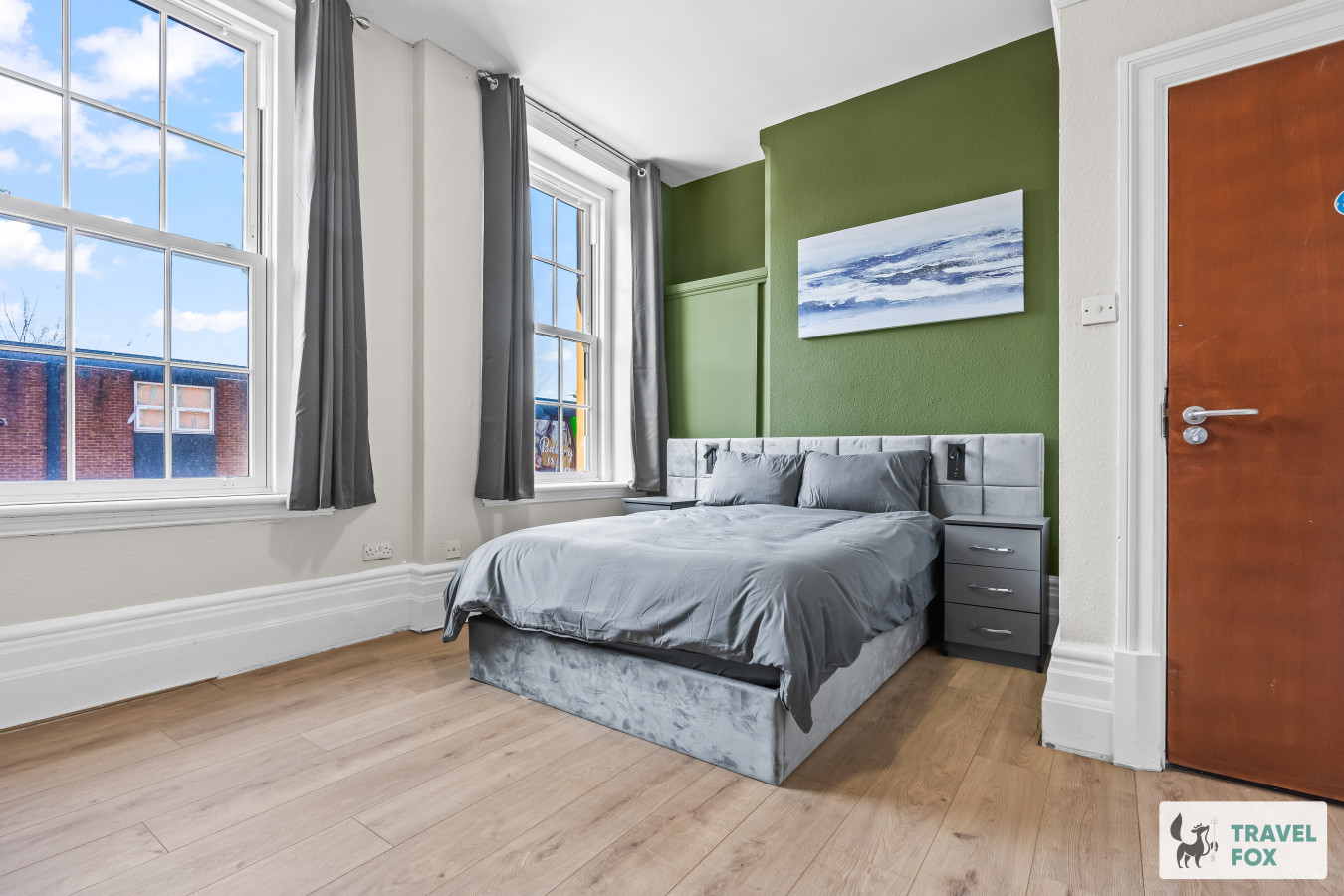
Nottingham
Melissa's Central Stay
- Sleeps 13
- 5 bedrooms
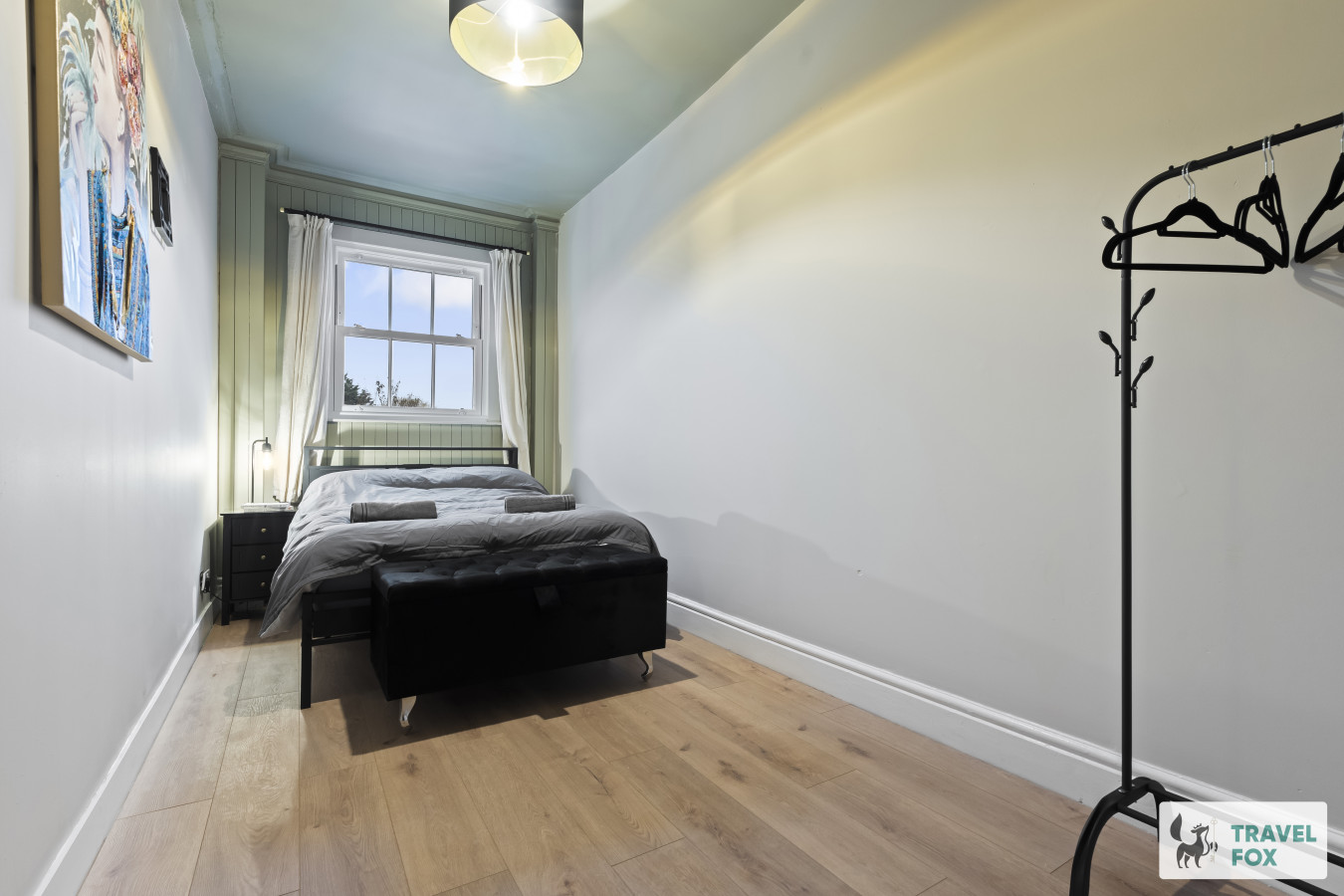
Nottingham
Callie's Central Stay
- Sleeps 9
- 3 bedrooms
For homeowners
Own a holiday home near Welbeck?
We manage holiday lets across the UK from 12% commission, charged after cleaning costs, with no lock-in. A co-founder visits before you decide.
How our holiday let management works →
A guide with a point of view
Written from research. Edited for real journeys.
Use the Official site links for live practical details, then use this guide for context, ideas and room to explore.
Sources
Every place on this page is checked against a published source. Each entry links the record we used and names who publishes it.
- The Portland Collection at the Harley Gallery — harleyfoundation.org.uk operator, sector body or destination organisation
- Welbeck Farm Shop — welbeckfarmshop.co.uk operator, sector body or destination organisation
- The Greendale Oak — greendaleoak.co.uk operator, sector body or destination organisation
- Welbeck Estate Hidden Gem Walk — visit-nottinghamshire.co.uk operator, sector body or destination organisation
- The Harley Café — harleyfoundation.org.uk operator, sector body or destination organisation