
Wolds history and walking
Willoughby on the Wolds
A quiet village with a Grade I church, Roman traces, farmland paths and a community park.
- Church
- Grade I with eight alabaster monuments
- Walking
- Farmland paths and Wolds views
- Village facilities
- No pub or shop
The Fox verdict
Come for medieval sculpture and Wolds paths
Willoughby on the Wolds is a quiet base whose strongest reasons to stop are its church, layered archaeology and nearby walking.
St Mary and All Saints brings together a 13th-century tower, a 14th-century broach spire and eight Willoughby-family alabaster monuments. Beyond it, farmland routes, Willoughby Wood and the trace of the Roman Fosse Way give the village an outdoor counterpoint.
Where to go
Places in Willoughby on the Wolds
Every place below is checked against a published source, listed with what it is and how long to give it.
Local signatures
3 placesSt Mary and All Saints
A Grade I church with a 13th-century tower and arcades, a 14th-century broach spire and eight alabaster monuments to the Willoughby family in its north chantry chapel.
- Visit length
- Editorial estimate: Allow around 45 minutes
- Locality
- Willoughby on the Wolds
Willoughby–Wysall Circular Walk
A published circular route on farmland paths between Willoughby and Wysall, with good views.
- Visit length
- Editorial estimate: Allow around 2½ hours
- Locality
- between Willoughby and Wysall
Roman Fosse Way and Vernemetum
The Fosse Way can be traced on foot near the Broughton Lodge crossroads, close to the site of the Roman posting station or small town of Vernemetum.
- Visit length
- Editorial estimate: Allow around 45 minutes
- Locality
- near the Broughton Lodge crossroads
Walks & outdoors
1 placeWilloughby Wood
A 2.5-hectare Woodland Trust site with a pond and recently planted woodland.
- Visit length
- Editorial estimate: Allow around 45 minutes
- Locality
- a short walk from the village
Things to do
2 placesWilloughby Community Park
A park of just over an acre with play equipment, a willow tunnel, grass football pitch, obstacle course, gym equipment, small bike track and picnic benches.
- Visit length
- Editorial estimate: Allow around 1 hour
- Locality
- Willoughby on the Wolds
- Access
- Dogs are allowed on leads; there are no bins on site, so visitors take their rubbish home.
Willoughby Bowls Club
A bowls club with a near-100-year history that welcomes beginners and experienced players and hosts bingo nights.
- Visit length
- Editorial estimate: Allow around 1 hour
- Locality
- Willoughby on the Wolds
- Access
- The club welcomes beginners and experienced players.
No places match this filter. Choose All places to reset the list.
Three ways to explore Willoughby on the Wolds
Signature outings
Eight alabaster monuments
Enter the north chantry chapel to see the Willoughby-family monuments, including the portrait-like tomb of the judge Sir Richard de Willoughby.
A small wood with a pond
Walk from the village to the 2.5-hectare Willoughby Wood, a recently planted Woodland Trust site with a pond.
Swings, wheels and willow
Use the play equipment, football pitch, bike track and willow tunnel at the community park between Willoughby and Widmerpool.
The village story
Willoughby on the Wolds Village Guide
A quiet Nottinghamshire village of medieval tombs, Roman traces and paths through rolling Wolds farmland.
Life Without a Pub or Shop
Willoughby on the Wolds has no pub. It once had three — the Three Horseshoes, a big Shipstones house on Main Street, since demolished; the Plough, which closed around 1864; and the Old Bull's Head, visited by the antiquarian William Stukeley in 1722 and now a private house. For a pint today you need to travel to a neighbouring village.
Shops have gone the same way — there's no village shop. Residents order from Milk & More on Mondays, Wednesdays and Fridays, and from East Coast Seafood, whose van calls on Tuesday evenings. For a proper shop, Keyworth is the nearer option; Wymeswold has a corner shop and a chemist of its own.
A Quiet Base and an Exceptional Church
It's a quiet place to be based: the roads are lanes, the fields are Wolds pasture, and in winter you'll see riders out with the Quorn Hunt.
The church is the reason to stop here even without a pub. St Mary and All Saints is Grade I listed, its tower and arcades 13th century, its broach spire added in the 14th. The north chantry chapel holds eight alabaster monuments to the Willoughby family, one of the county's most important collections of medieval tomb sculpture — one figure lies in an embroidered robe with a dog at his feet and the sword of justice beside him. Simon Jenkins called it "the rare portrait-like tomb of the judge Sir Richard." A neighbouring monument belongs to Sir Hugh Willoughby, who died in 1448 and was a direct ancestor of the Tudor navigator of the same name, who died with his crew in the Arctic in 1553 searching for a North-East Passage; their ships were found the following spring, everyone aboard dead.
Roman Roads and Wolds Paths
The village sits almost on top of Vernemetum, a Roman posting station on the Fosse Way whose name meant "the great sacred grove," the road still traceable on foot near the Broughton Lodge crossroads. Nearby, a local maths teacher, Malcolm Dean, led the 1960s excavation of an Anglo-Saxon cemetery — around 120 graves, with amber beads from the Baltic and purse rings of East African ivory. On 5 July 1648, a Royalist force marching to relieve Colchester was intercepted here and beaten by Parliamentarian horse under Colonel Edward Rossiter; a brass plaque in the church remembers one of the dead, Michael Stanhope of Shelford, aged twenty-four.
For walking, a waymarked route heads out to Wysall and back across farmland, and a longer loop through Wysall and Wymeswold picks up part of the Mid Shires Way along a ridge above the Trent Valley. Willoughby Wood, a small Woodland Trust site with a pond, is a short walk from the village.
Play, Bowls and Connections
Families are looked after by a community park on the Widmerpool road — swings, a willow tunnel, a football pitch — and by a bowls club approaching its hundredth year, which still runs bingo nights and takes on beginners. The nearest station is Loughborough; the Nottsbus 863 serves the area, and the A46 follows the old line of the Fosse Way to Leicester and Newark.
Keepers of Village Memory
Much of the church's history has been kept by one long-time resident, Brian Thornalley. When a millennium tree was planted, it was his grandson Joshua who helped plant it, with the Reverend Christine Turner presiding — a small ceremony, in a village used to small ceremonies.
Stay around Nottinghamshire
Make a longer stay of it
Travel Fox holiday homes around Nottinghamshire, linked directly to their property pages.
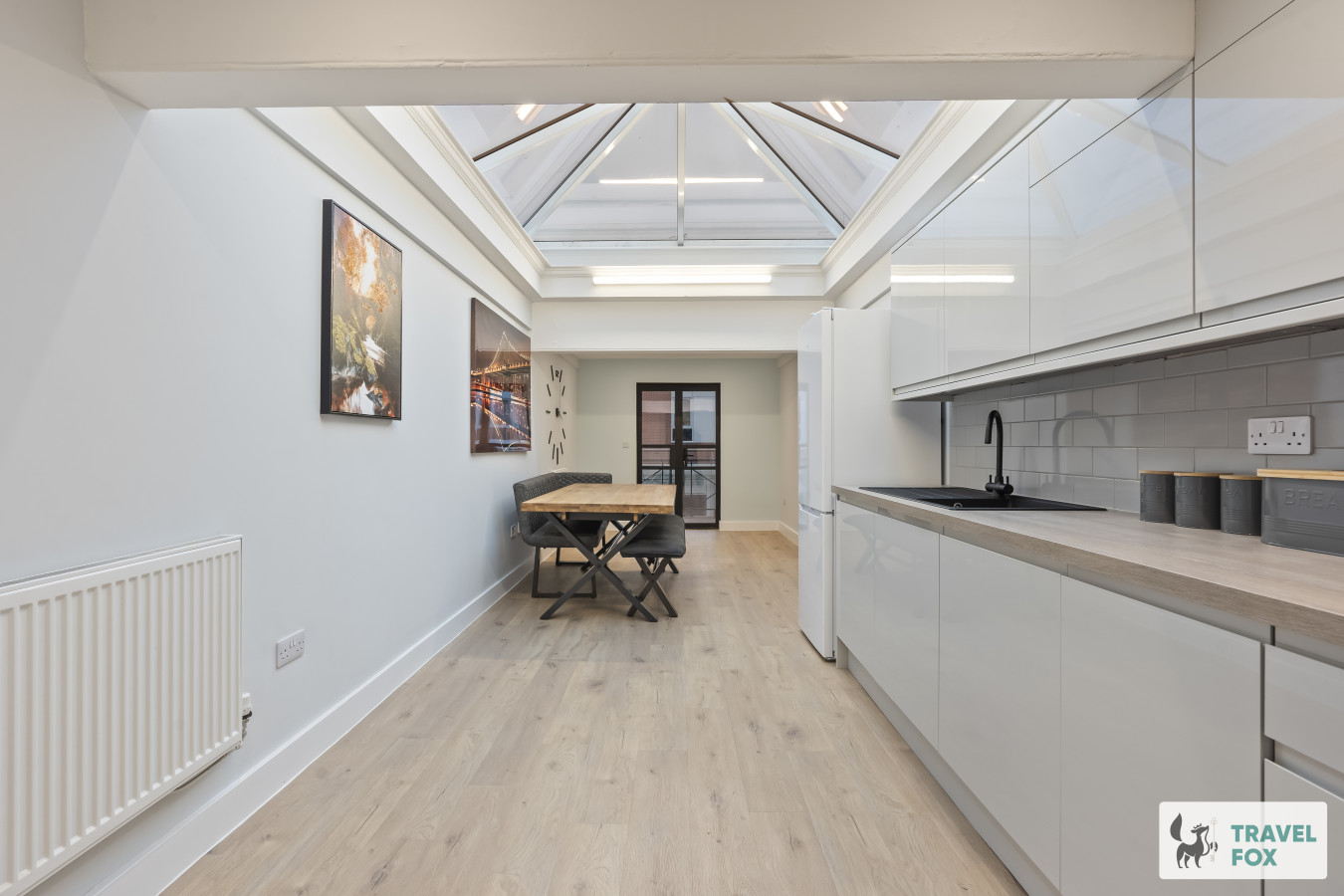
Nottingham
Camila's Penthouse Central Stay with Balcony
- Sleeps 16
- 5 bedrooms
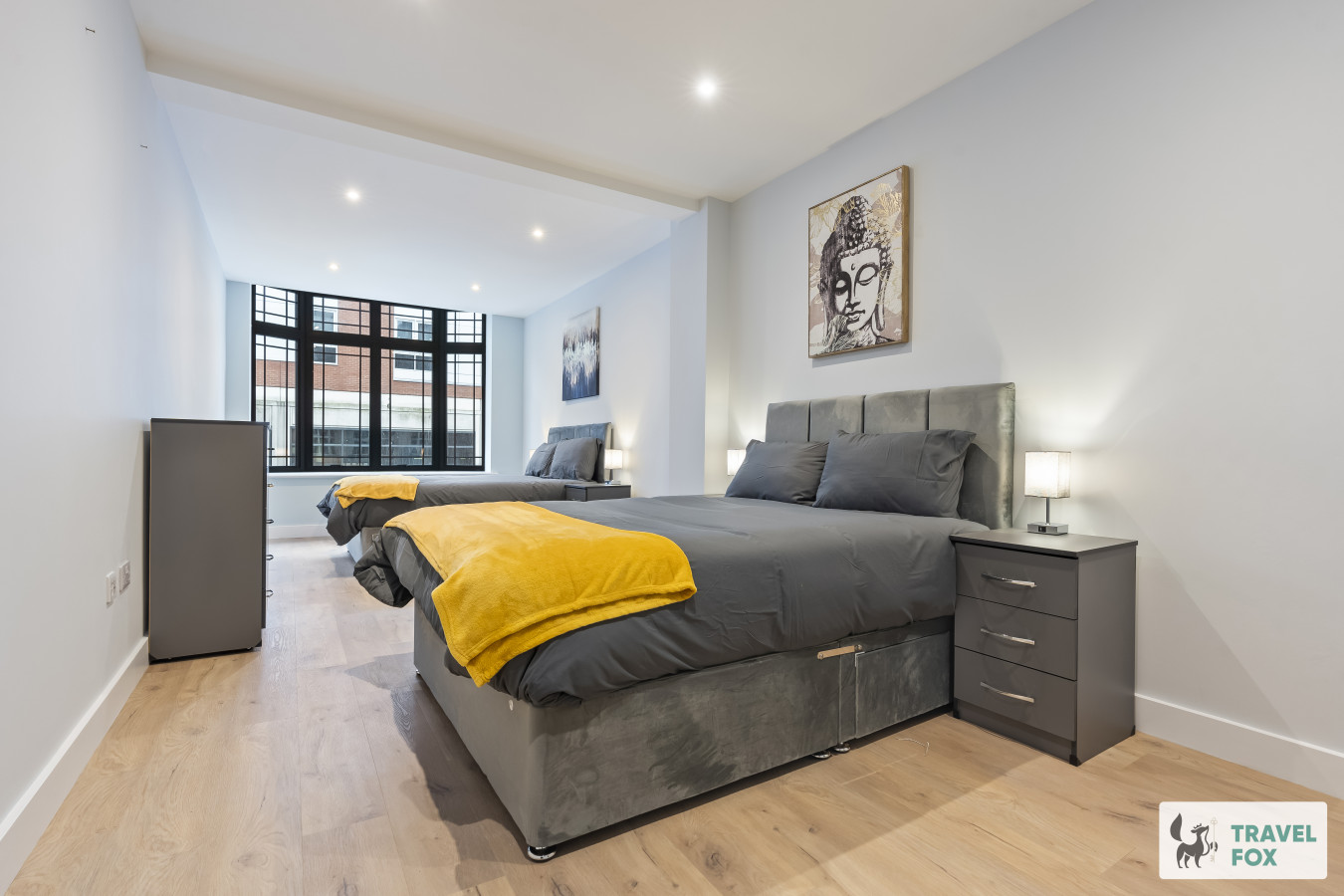
Nottingham
Blair's Central Stay
- Sleeps 16
- 5 bedrooms
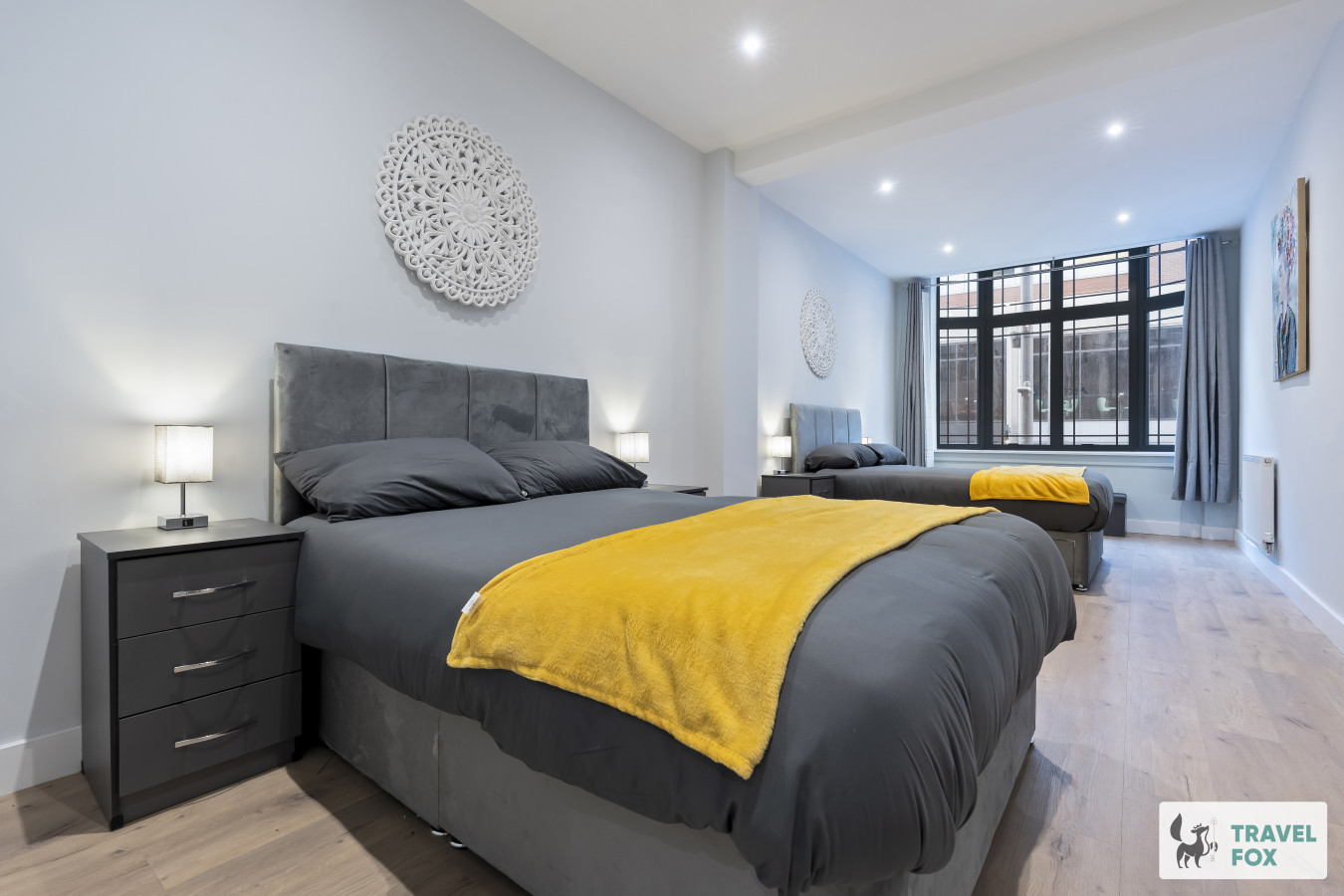
Nottingham
Anna's Central Stay
- Sleeps 16
- 5 bedrooms
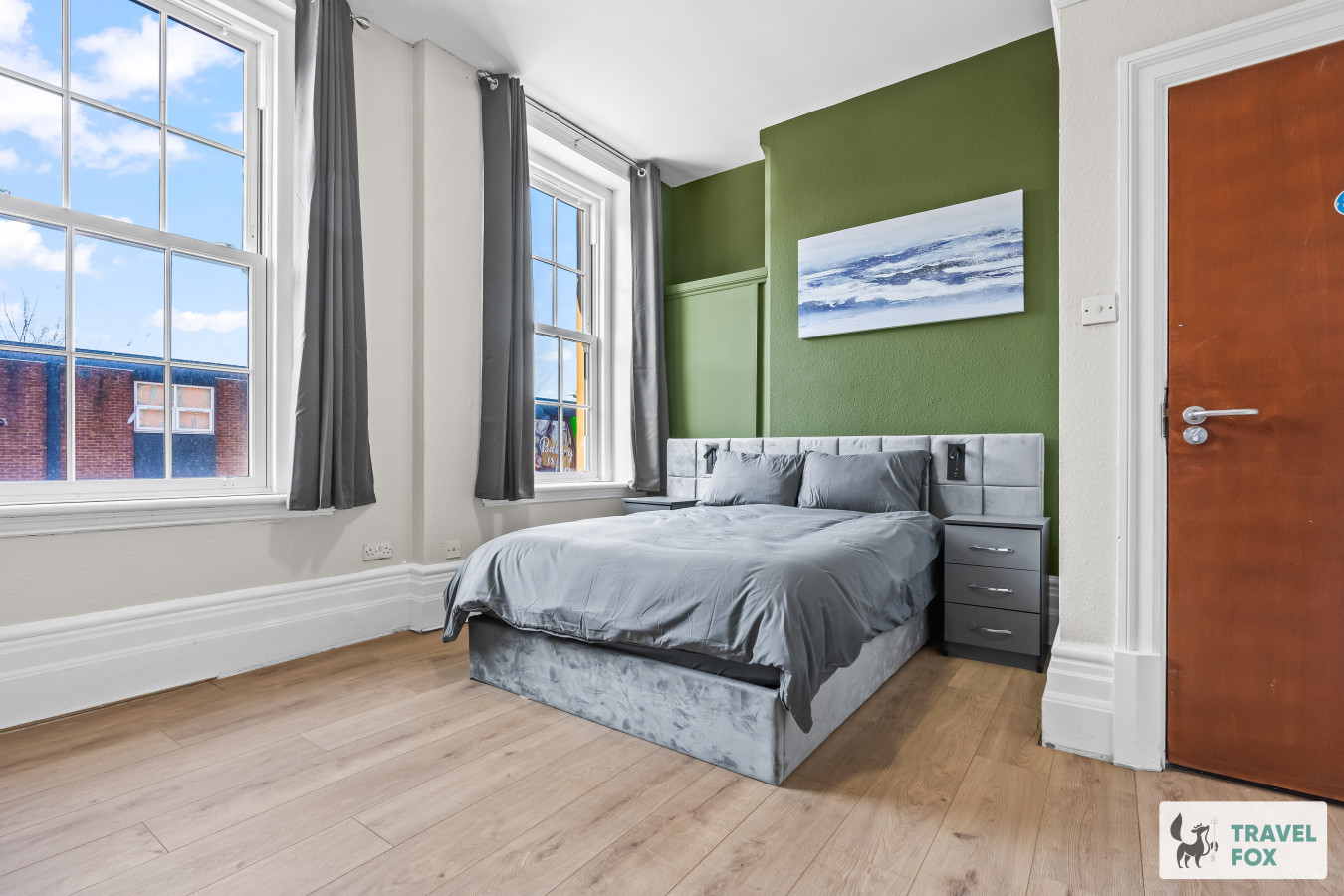
Nottingham
Melissa's Central Stay
- Sleeps 13
- 5 bedrooms
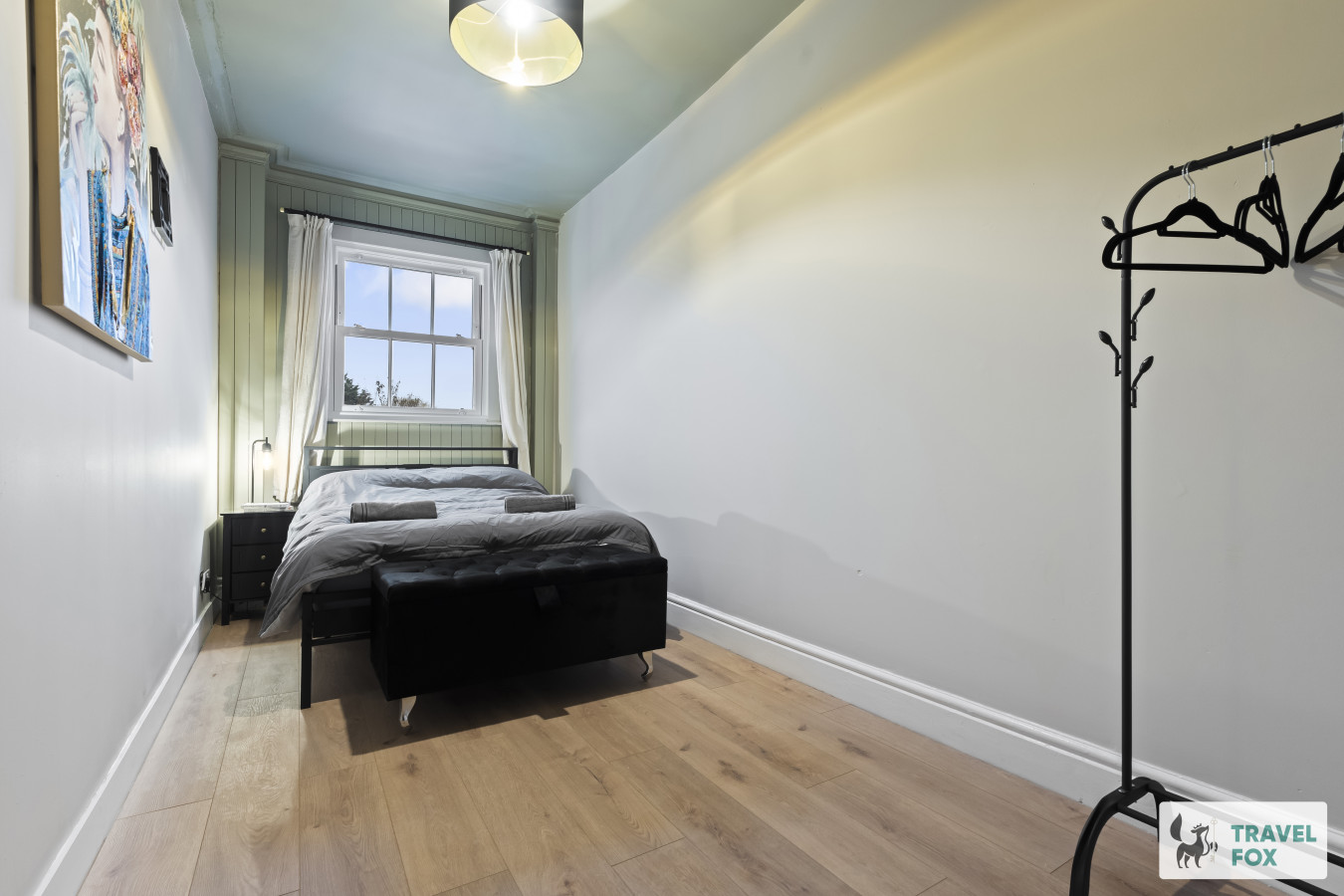
Nottingham
Callie's Central Stay
- Sleeps 9
- 3 bedrooms
For homeowners
Own a holiday home near Willoughby on the Wolds?
We manage holiday lets across the UK from 12% commission, charged after cleaning costs, with no lock-in. A co-founder visits before you decide.
How our holiday let management works →
A guide with a point of view
Written from research. Edited for real journeys.
Use the Official site links for live practical details, then use this guide for context, ideas and room to explore.
Sources
Every place on this page is checked against a published source. Each entry links the record we used and names who publishes it.
- St Mary and All Saints — nationalchurchestrust.org national body or asset manager
- Willoughby–Wysall Circular Walk — willoughbyonthewolds.com operator, sector body or destination organisation
- Willoughby Wood — woodlandtrust.org.uk national body or asset manager
- Roman Fosse Way and Vernemetum — her.nottinghamshire.gov.uk statutory register or public authority
- Willoughby Community Park — willoughbyonthewolds.com operator, sector body or destination organisation
- Willoughby Bowls Club — willoughbyonthewolds.com operator, sector body or destination organisation