
Nottinghamshire village
Woodborough
Framework-knitting traces, two surviving pubs, a medieval church and circular routes through Woodborough's hills and dumbles.
- Best for
- Village history, pub food and circular walks
- Give it
- A village visit or a 6.5km circuit
- Don't miss
- St Swithun's 1356 chancel and Norman font
The Fox verdict
A village of knitters' windows, pub history and folding hills
Woodborough combines visible framework-knitting traces on Main Street with two long-established pubs, St Swithun's Church and circular country routes.
The village's long knitters' windows lead into a story that ranges from a 1356 church chancel and seven Domesday entries to the two pubs that survive from at least seven pubs and beerhouses. The 6.5km WI Trail adds the surrounding hills and dumbles.
Where to go
Places in Woodborough
Every place below is checked against a published source, listed with what it is and how long to give it.
Local signatures
3 placesThe Four Bells Inn
A gastropub with homemade food, Sunday roasts, Korean-influenced dishes, gourmet burgers, gluten-free and vegan options, and a small beer garden.
- Visit length
- Editorial estimate: around 75 minutes
- Locality
- 87 Main Street
St Swithun's Church
A Grade II* church with a 1356 chancel, surviving Strelley heraldic shields on the east gable, a Norman Mansfield-stone font and evidence of the lost medieval rood screen.
- Visit length
- Editorial estimate: around 45 minutes
- Locality
- Woodborough
Woodborough WI Trail
Two 6.5km circular routes across the tumbling hills north-east of Nottingham, with an on-road version that touches Calverton.
- Visit length
- Editorial estimate: around 120 minutes
- Locality
- Woodborough Village Hall car park, Lingwood Lane
Food & drink
1 placeThe Nags Head
A traditional family-run pub and restaurant serving steaks, gammon, mixed grills, fish dishes and vegetarian or vegan options, with a beer garden and children's play area.
- Visit length
- Editorial estimate: around 75 minutes
- Locality
- Main Street, Woodborough, NG14 6DD
History & heritage
1 placeFox Wood Earthworks
Scheduled earthworks of a multivallate Iron Age hillfort, with multiple ditches and banks on three sides and evidence of an agricultural settlement.
- Visit length
- Editorial estimate: around 45 minutes
- Locality
- Fox Wood, near Calverton
No places match this filter. Choose All places to reset the list.
Three ways to explore Woodborough
Signature outings
Read the medieval church
St Swithun's east gable retains Strelley family shields from the 1356 chancel rebuilding, while the font is Norman and cut from solid Mansfield stone.
Find the Iron Age earthworks
Fox Wood preserves the multiple ditches and banks of a multivallate Iron Age hillfort on high ground near Calverton.
Choose the village pub
The Nags Head was established around 1870 by Noah Wood and remains one of only two Woodborough pubs still trading.
The village story
Woodborough, from stocking frames to Udeburg
Ten locked paragraphs follow the village's knitters' windows, pub history, shops, circular walks, medieval church, Domesday entries and local record-keeping.
Knitters' windows and the Four Bells
The cottages along Main Street still carry the long windows framework knitters needed for light at their stocking frames — you can see them at the junction with Shelt Hill and at number 145, with a first-floor workshop surviving at the back of number 117. Stockings were Woodborough's living from 1589, when William Lee invented the frame, until the early 1900s; by 1844 the village had 191 of them.
Two pubs remain of what was once at least seven. The Four Bells, at 87 Main Street, started out as the Eight Bells in 1762, with stabling for eight horses, and picked up its current name in 1844 before being rebuilt in the 1920s; Charlie and Jake took over in 2024. The menu runs to Korean-influenced dishes and gourmet burgers alongside the Sunday roasts, with gluten-free and vegan options and a small beer garden where staff bring dogs a water bowl and a treat.
The Nags Head and the lost pubs
The Nag's Head, further along Main Street, was set up around 1870 by Noah Wood, with a large car park and beer garden, and a play area for the kids. Steaks, gammon, mixed grills and fish, and Greene King Old Speckled Hen on cask under a Cask Marque plaque. Food is served seven days a week, and dogs are welcome in the snug. Twenty per cent off food and hot drinks, Monday and Tuesday teatime.
By 1926 the Bugle Horn, the Cock & Falcon, the Punch Bowl, the New Inn, the Half Moon and the Royal Oak had all gone. The Bugle Horn's doorstone, carved "GAB 1680", survived its demolition in 1965 and was built into a boundary wall.
Village shops and circular walks
The post office and newsagent on Main Street traces back to a Woodborough post office first recorded in 1864.
The walking starts at the village hall on Lingwood Lane, where the WI Trail's two circular routes cover 6.5km through country the trail describes as "the intricate interlocking of the spurs of hills" — the local word for these small steep valleys is dumbles, and one path follows them to Lambley, past two pubs on the way. Foxwood Lane climbs out of the village and drops steeply down Bonner Hill into Calverton, past Fox Wood, where the earthworks of an Iron Age hillfort sit on the high ground.
St Swithun's and seven Domesday entries
St Swithun's chancel was rebuilt in 1356 by Richard de Strelley, verderer of Sherwood Forest and MP for Nottinghamshire, using the same masons who built the Chapter House at Southwell Minster; the Strelley arms are still on the east gable. The font is Norman, cut from solid Mansfield stone. The medieval rood screen went at the Reformation — all that's left of it is a hole in the chancel-arch masonry.
Domesday Book records Woodborough, as "Udeburg," seven times over, under seven different owners. One holding was worth five shillings and fourpence in 1066, and exactly the same in 1086.
Connections and the parish record
Lowdham, four miles off, is the nearest station, on the Newark–Lincoln line; the 61 bus runs from Nottingham through Mapperley and Lambley to Woodborough and on to Calverton.
Woodborough's Heritage, a volunteer website, keeps the parish's records — pub deeds, war losses, aircraft that came down on the fields — going, one page at a time, for anyone who asks.
Stay around Nottinghamshire
Make a longer stay of it
Travel Fox holiday homes around Nottinghamshire, linked directly to their property pages.
Woodborough
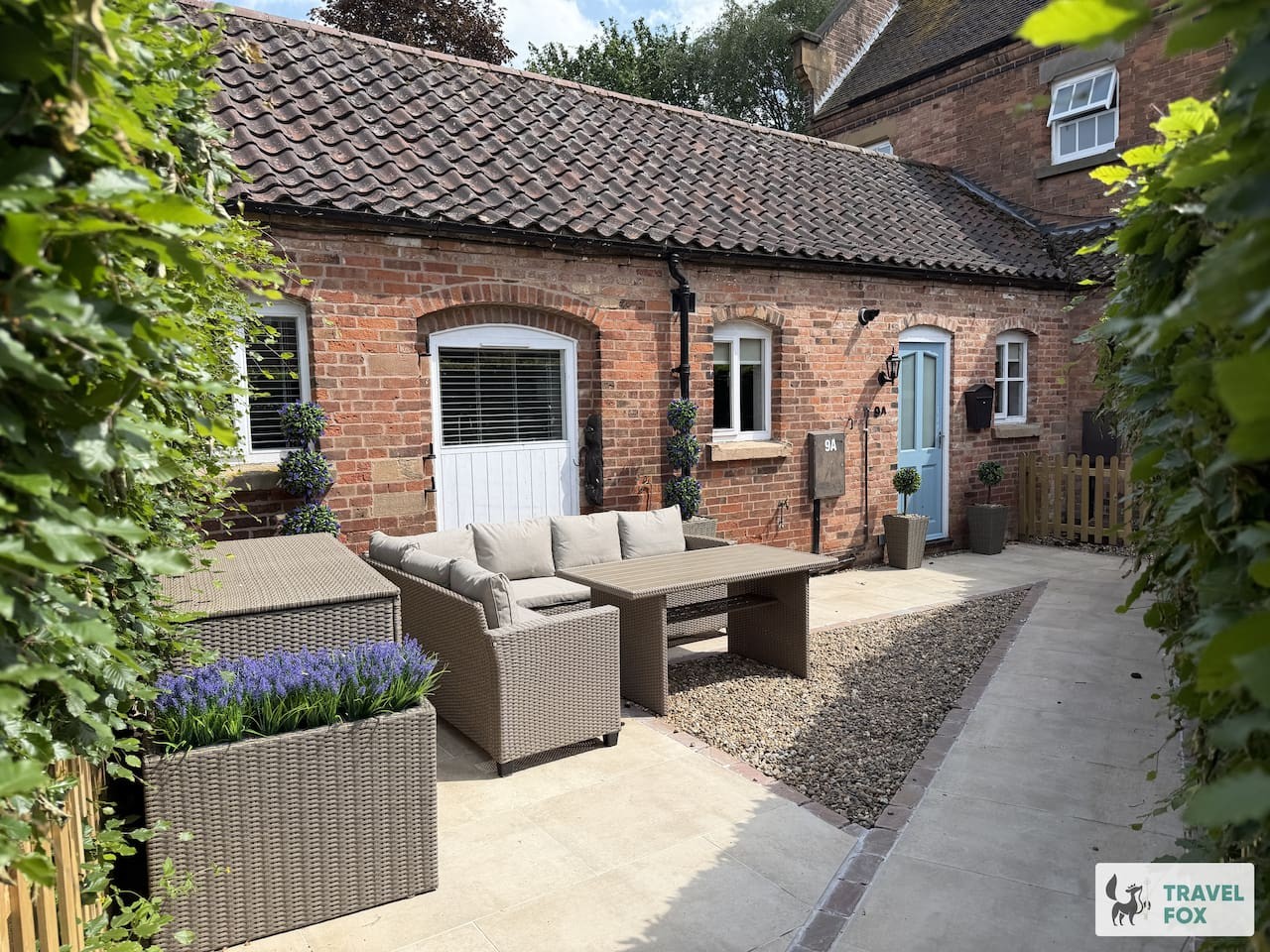
Stable Cottage - with free parking!
- Sleeps 6
- 1 bedroom
Gedling
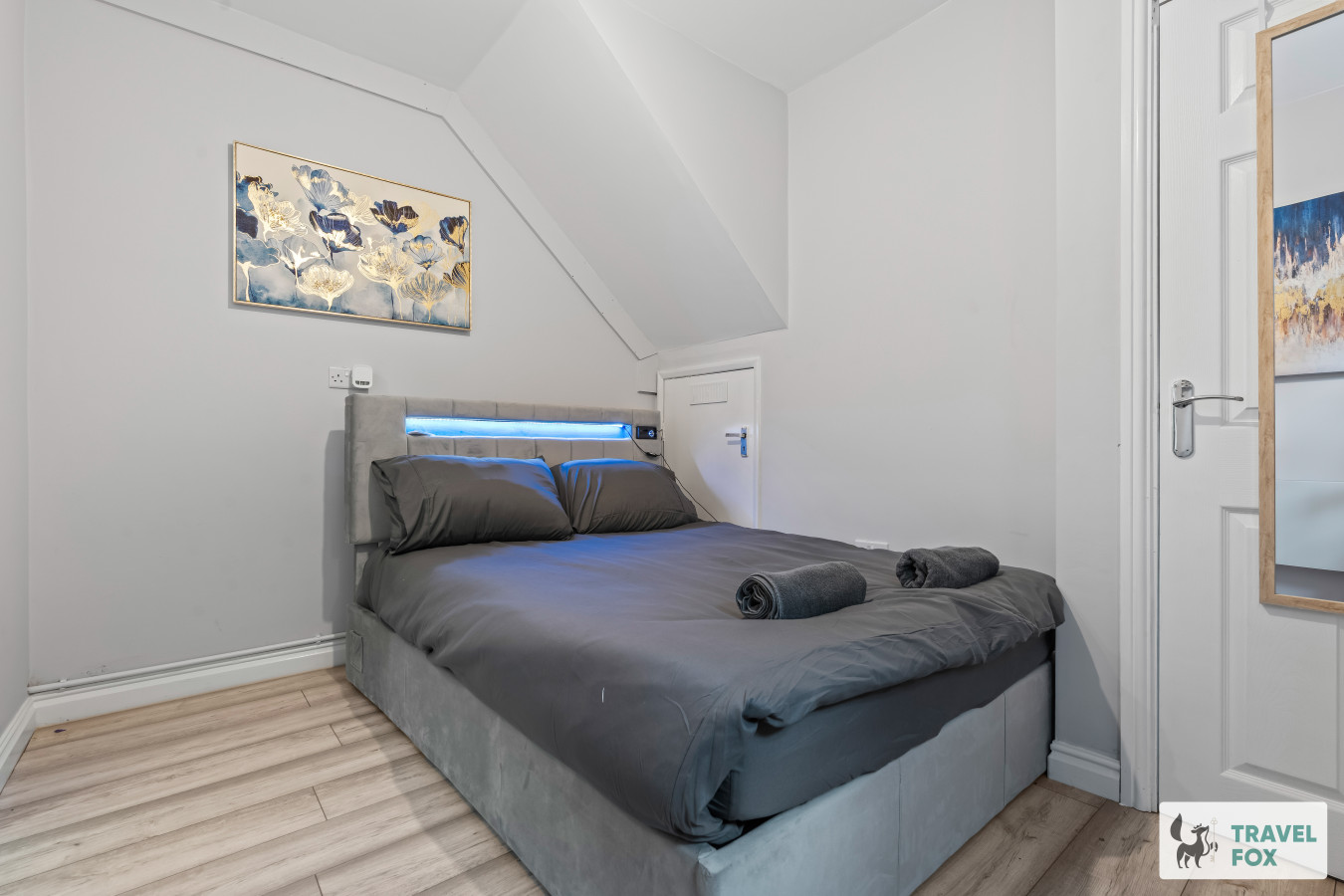
Bella's Lodge
- Sleeps 8
- 3 bedrooms

Gedling
Bella's House: Motor Point Arena
- Sleeps 12
- 3 bedrooms
Nottingham
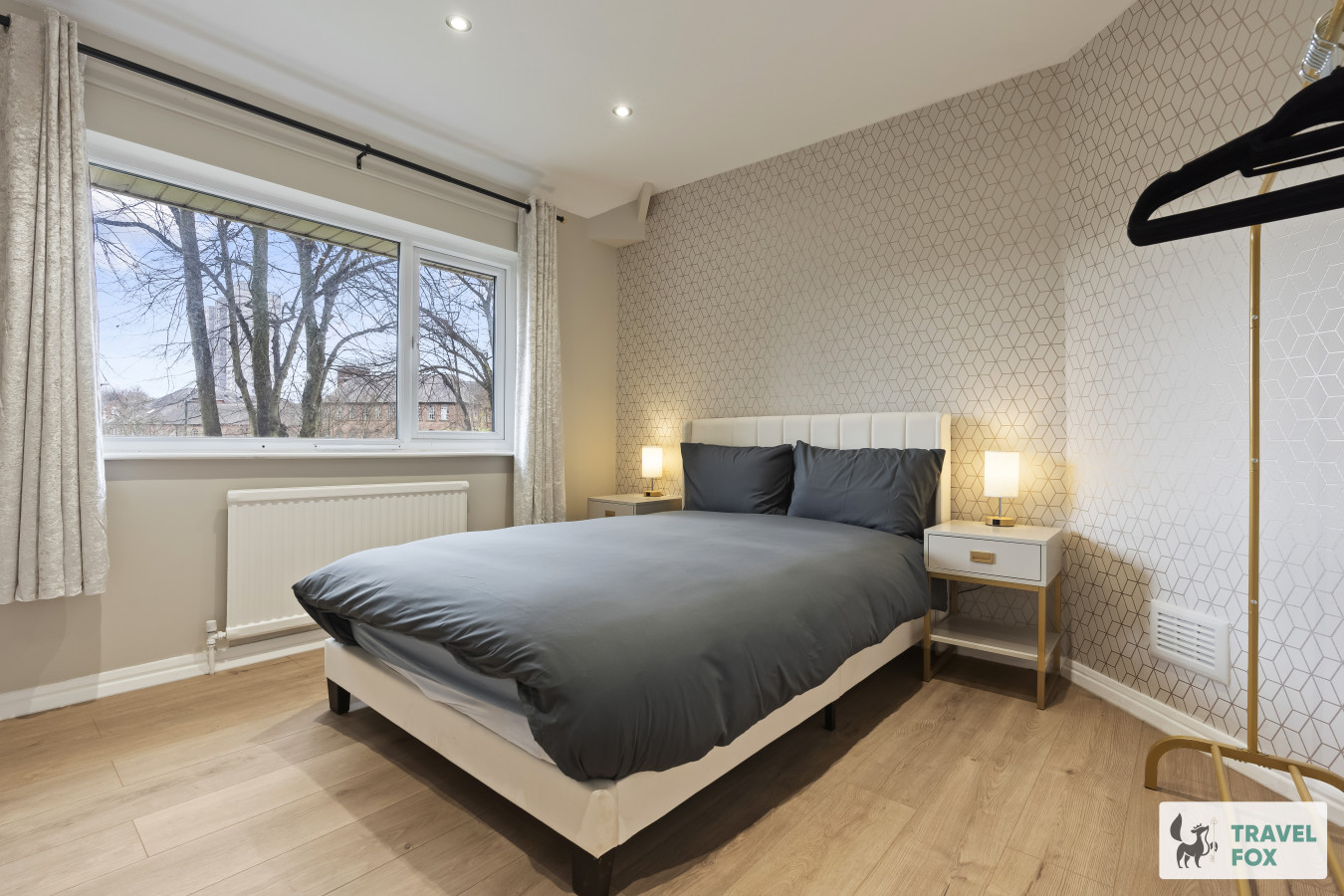
Rosie's Central Stay and Parking
- Sleeps 10
- 4 bedrooms
Nottingham
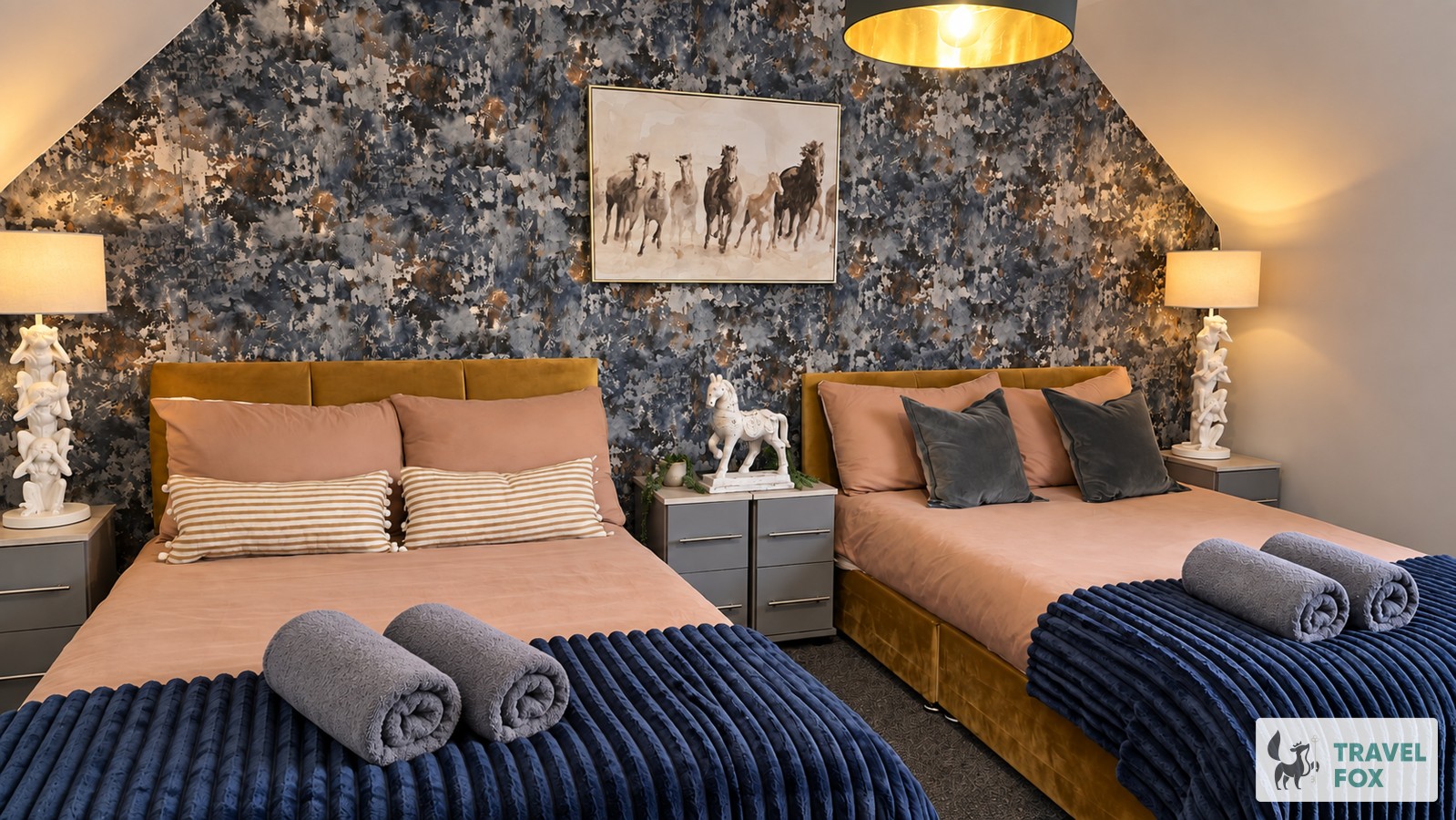
Adele's Central Stay
- Sleeps 8
- 3 bedrooms
For homeowners
Own a holiday home near Woodborough?
We manage holiday lets across the UK from 12% commission, charged after cleaning costs, with no lock-in. A co-founder visits before you decide.
How our holiday let management works →
A guide with a point of view
Written from research. Edited for real journeys.
Use the Official site links for live practical details, then use this guide for context, ideas and room to explore.
Sources
Every place on this page is checked against a published source. Each entry links the record we used and names who publishes it.
- The Four Bells Inn — fourbellsinn.co.uk operator, sector body or destination organisation
- The Nags Head — nagsheadwoodborough.co.uk operator, sector body or destination organisation
- St Swithun's Church — achurchnearyou.com national body or asset manager
- Woodborough WI Trail — woodborough-heritage.org.uk operator, sector body or destination organisation
- Fox Wood Earthworks — historicengland.org.uk statutory register or public authority record not machine-readable; publisher restricts automated access