
Cranmer country
Aslockton
A Vale of Belvoir village where Cranmer history, railway heritage and a flat three-village walk meet.
- Best for
- Cranmer history and flat Vale of Belvoir walking
- Give it
- A half day for the village and the three-village circuit
- Don't miss
- The Cranmer and Quetta windows at St Thomas's
The Fox verdict
A small village with an unusually clear historical thread
Aslockton combines Thomas Cranmer's story with a late-Victorian church, listed railway heritage and a level Vale of Belvoir walk.
The Cranmer name appears across the village, but the strongest visit also takes in St Thomas's two story-rich windows, the listed platform shelter and the five-mile circuit linking Aslockton with Whatton and Orston. Recreation grounds and the remaining pub add present-day village life to the history.
Where to go
Places in Aslockton
Every place below is checked against a published source, listed with what it is and how long to give it.
Local signatures
3 placesCranmer Arms
Aslockton's only remaining pub has three rotating cask ales, a real fire, pub games, a dog-friendly beer garden, play equipment and a skittle alley.
- Visit length
- Editorial estimate: Allow around 60 minutes
- Locality
- Main Street
St Thomas's Church
Built in 1891–92, this Grade II church has a Cranmer east window and a companion window depicting the 1890 wreck of RMS Quetta.
- Visit length
- Editorial estimate: Allow around 45 minutes
- Locality
- Aslockton
Whatton & Aslockton Playing Field
On Dark Lane in Whatton, the trust manages a shared sports field with a children's playground, pavilion and space for community activities.
- Visit length
- Editorial estimate: Allow around 60 minutes
- Locality
- Whatton and Aslockton
Walks & outdoors
1 placeWhatton, Orston and Aslockton Circular
A flat circuit of about five miles through three Vale of Belvoir villages, crossing the River Smite into Aslockton and returning along its grassy bank.
- Visit length
- Editorial estimate: Allow around 165 minutes
- Locality
- Aslockton, Whatton and Orston
- Access
- There are no stiles or hills, but the route can be muddy after rain.
History & heritage
1 placeAslockton Railway Station
The Grade II listed feature at Aslockton station is a late nineteenth-century timber platform shelter. Historic England identifies standard Midland Railway signal-box components in its construction.
- Visit length
- Editorial estimate: Allow around 20 minutes
- Locality
- Aslockton
No places match this filter. Choose All places to reset the list.
Three ways to explore Aslockton
Signature outings
Cranmer and Quetta in glass
At St Thomas's, one window shows Christ revealing his hands to Doubting Thomas and another depicts the Quetta wreck that claimed Whatton's former vicar.
Three villages on the Flat 5
From Aslockton's church, return to the River Smite and follow its grassy bank towards a nature reserve and Orston Bridge.
Aslockton's listed platform shelter
At Aslockton station, look for the listed shelter's glazed five-bay front and hipped slate roof.
The village story
Aslockton Village Guide
Cranmer's birthplace, a late-Victorian church and a flat River Smite circuit give this Vale of Belvoir village its character.
Cranmer's Name and the Village Setting
The Cranmer name runs through Aslockton: the village pub, primary school and church centre all carry it. Thomas Cranmer was born here in 1489 and spent his first fourteen years in the village. The Notts Villages blog once called Aslockton "a bit of a one-trick pony."
The village sits on the north bank of the River Smite in the Vale of Belvoir, a couple of miles east of Bingham and about ten from Nottingham. Main Street is lined with nineteenth-century cottages, farmhouses and detached houses. At Aslockton station on the Nottingham–Grantham line, the platform shelter is Grade II listed. Centrebus service 833 stops on Dark Lane, linking Aslockton with Bingham and Cropwell Bishop.
Two Pubs, One Survivor
The Old Greyhound on Main Street is a Grade II listed former pub. It closed in 2007 and was converted into homes; its listed entry includes the former coach house and stables. The Cranmer Arms, also on Main Street, is the village's remaining pub.
The pub offers changing cask ales, a real fire, darts, pool, table football and a skittle alley; the beer garden has a children's play area.
Village Recreation
The shared playing field has a children's playground and sports space. A flat, roughly five-mile walk links Orston, Whatton and Aslockton along the River Smite, with no stiles or hills but muddy stretches after rain.
St Thomas's and Domesday
St Thomas's was built in 1891–92 as a memorial to Rev Thomas K Hall, who drowned when RMS Quetta sank off Queensland; his mother funded the church. Earlier villagers had worshipped at Whatton after Aslockton's Holy Trinity chapel was converted to domestic use. Pevsner criticised the later church, but its windows draw together two local stories: the east window is dedicated to Cranmer and depicts Doubting Thomas, while the north window recalls the Quetta.
The Domesday survey records several holdings in Aslockton. One, held from Ilbert of Lacy, had two freemen and a smallholder, half a ploughland and eight acres of meadow; its value to the lord was five shillings and two pence in both 1066 and 1086. Aslockton parish had 974 residents in the 2011 census and 1,937 in 2021.
Cranmer and the Mound
Thomas Cranmer was born in Aslockton in 1489 and later became Archbishop of Canterbury and a principal author of the Book of Common Prayer. Cranmer's Mound is a medieval castle motte later adapted as a viewing mound, with associated moats and fishponds. Local tradition says he climbed it to hear the bells of Whatton church while visiting his brother in Aslockton.
Stay around Nottinghamshire
Make a longer stay of it
Travel Fox holiday homes around Nottinghamshire, linked directly to their property pages.
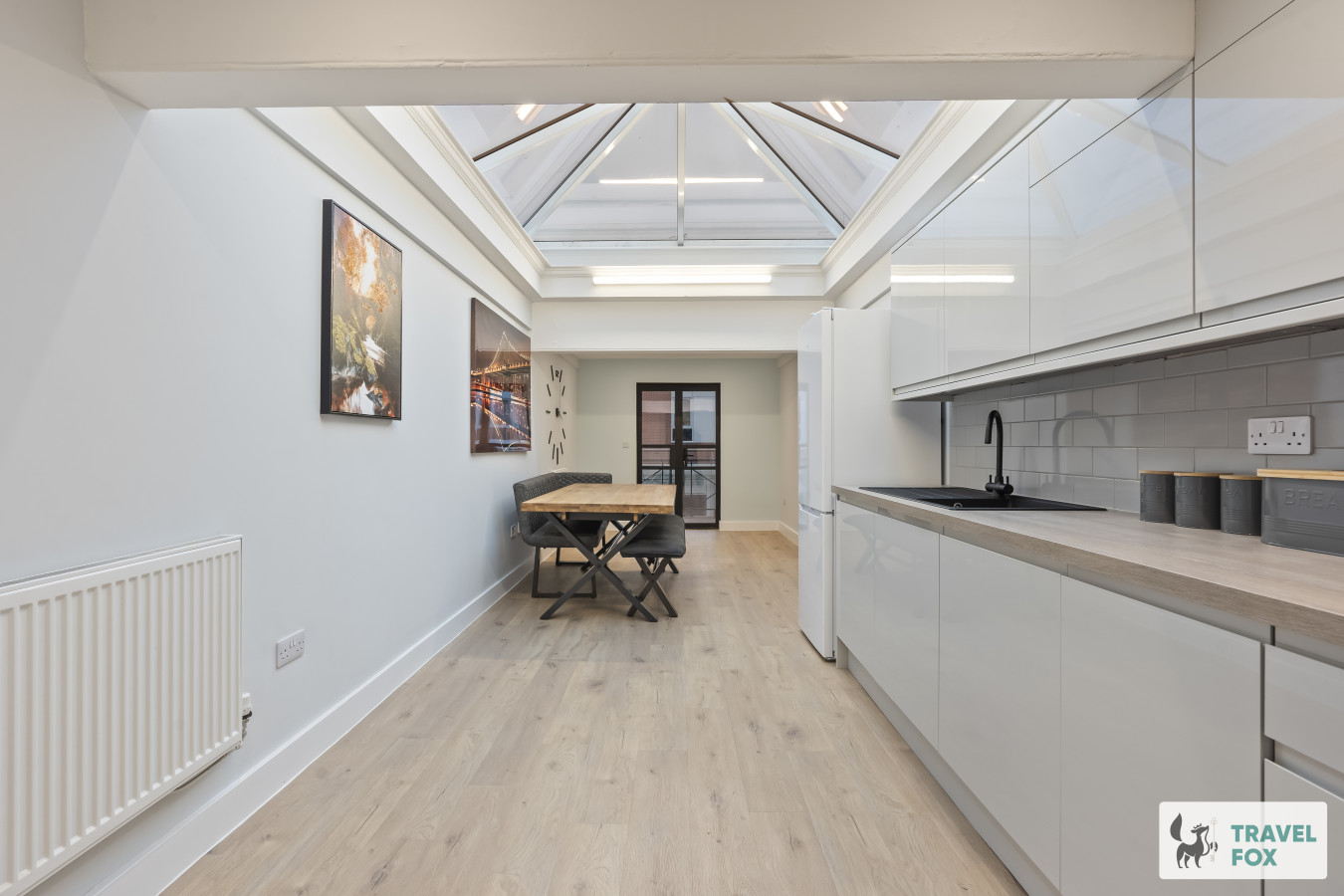
Nottingham
Camila's Penthouse Central Stay with Balcony
- Sleeps 16
- 5 bedrooms
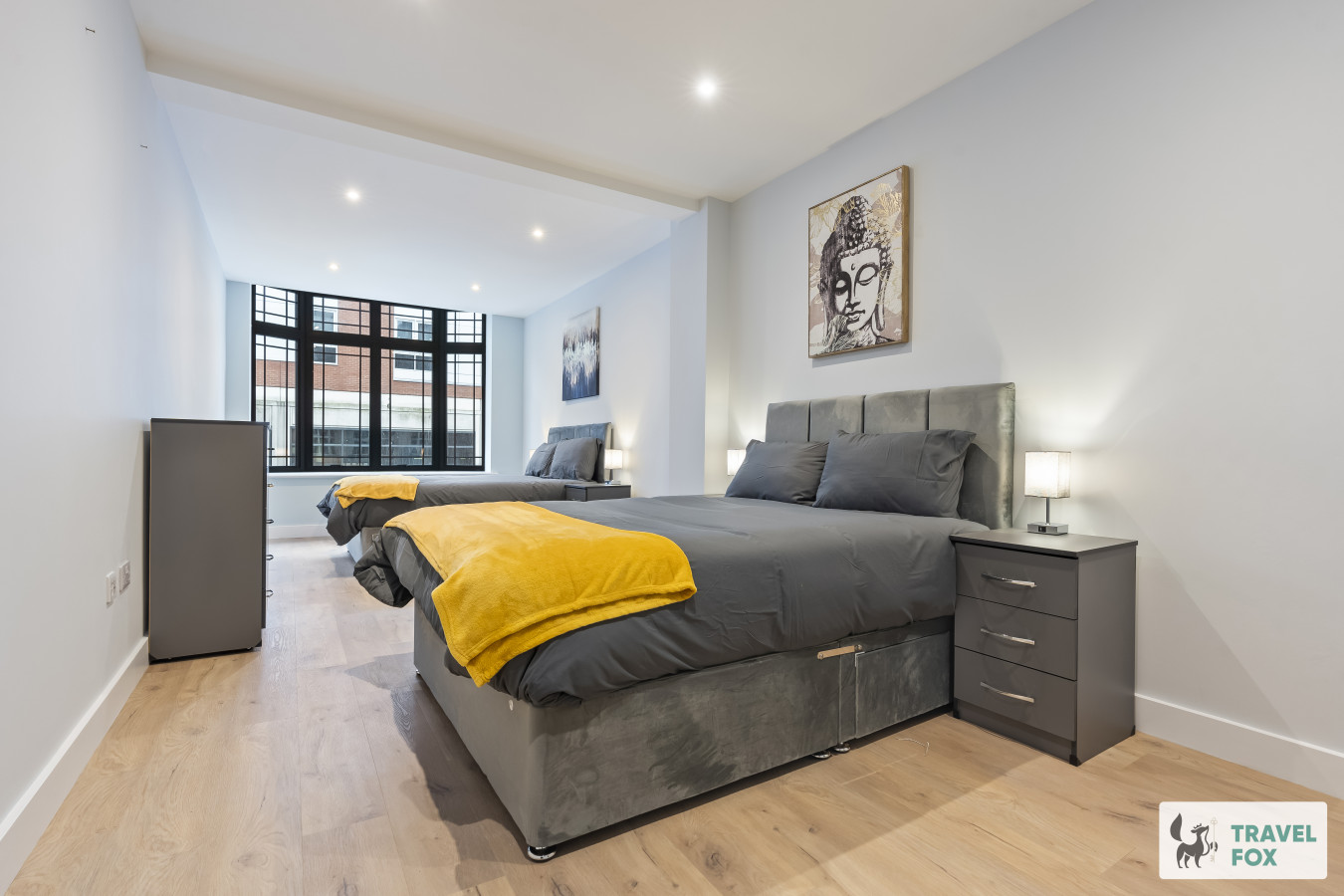
Nottingham
Blair's Central Stay
- Sleeps 16
- 5 bedrooms
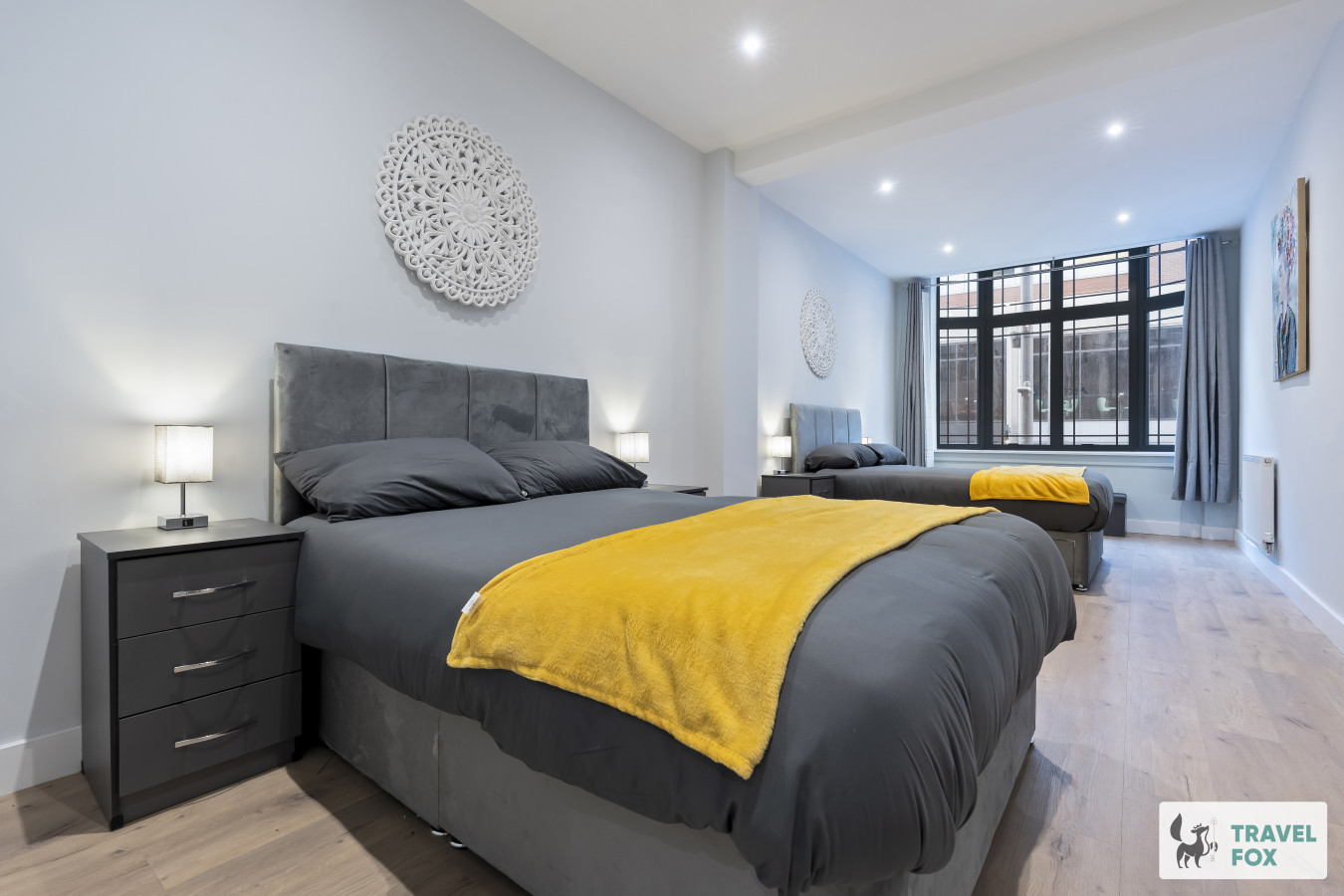
Nottingham
Anna's Central Stay
- Sleeps 16
- 5 bedrooms
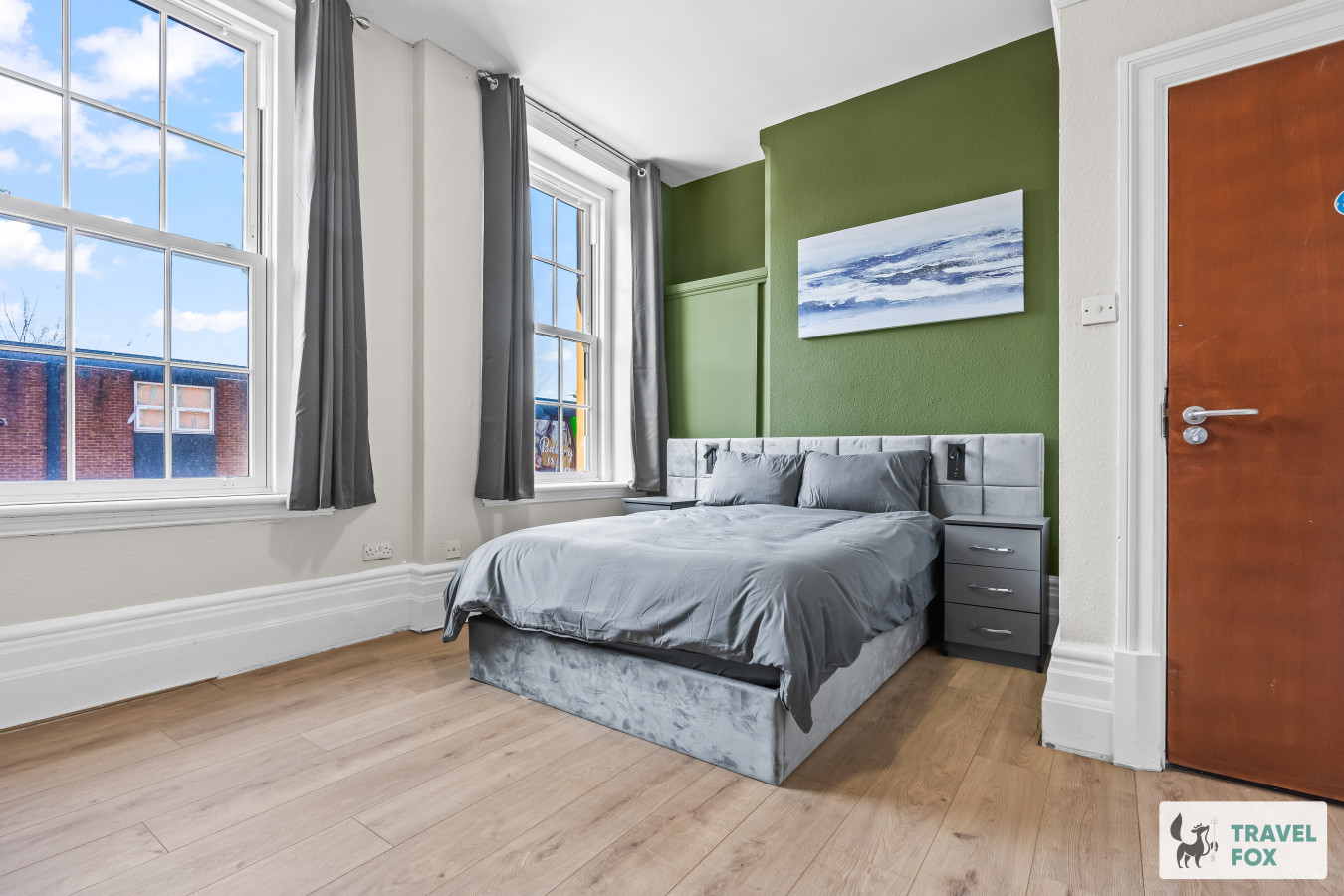
Nottingham
Melissa's Central Stay
- Sleeps 13
- 5 bedrooms
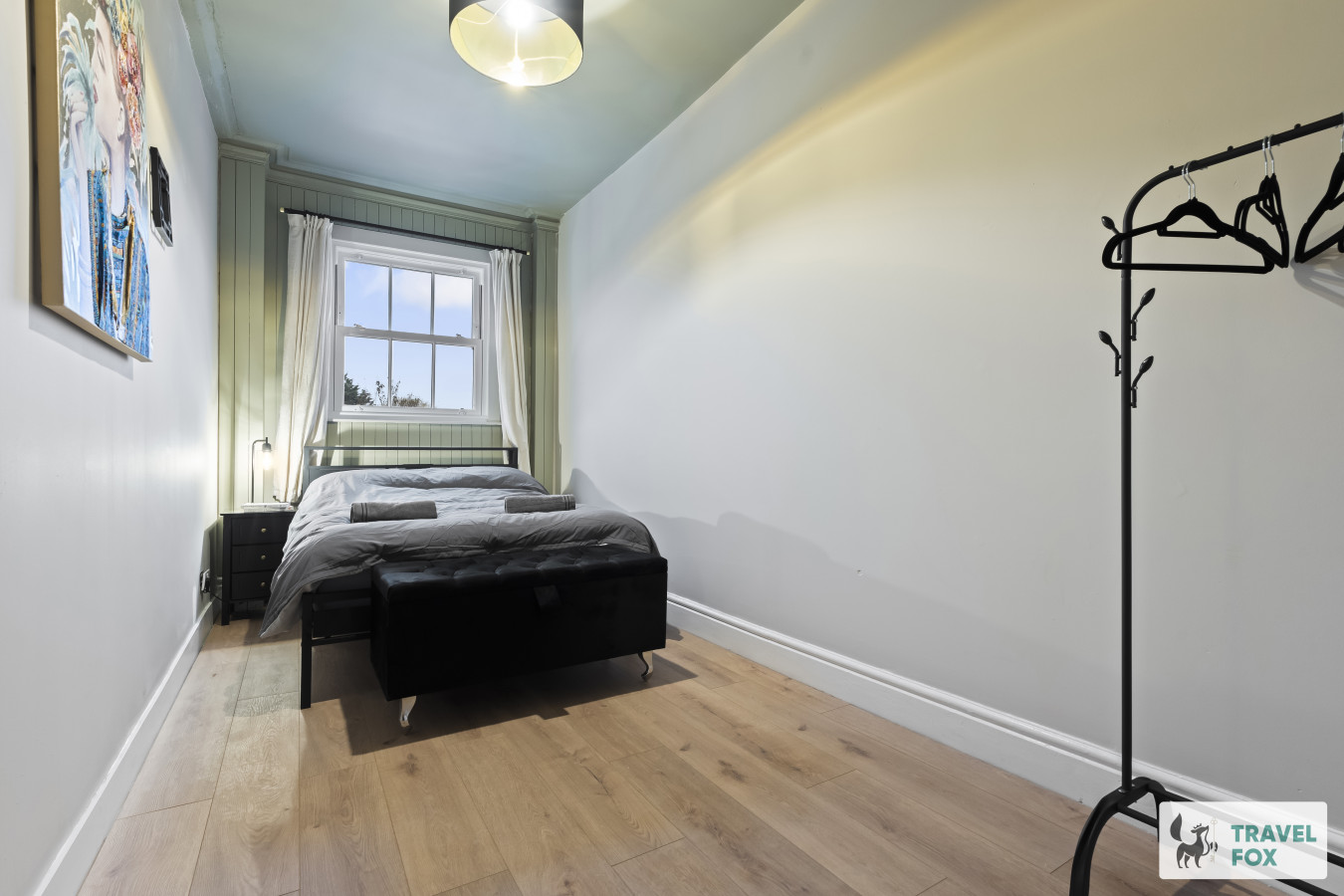
Nottingham
Callie's Central Stay
- Sleeps 9
- 3 bedrooms
For homeowners
Own a holiday home near Aslockton?
We manage holiday lets across the UK from 12% commission, charged after cleaning costs, with no lock-in. A co-founder visits before you decide.
How our holiday let management works →
A guide with a point of view
Written from research. Edited for real journeys.
Use the Official site links for live practical details, then use this guide for context, ideas and room to explore.
Sources
Every place on this page is checked against a published source. Each entry links the record we used and names who publishes it.
- Cranmer Arms — camra.org.uk operator, sector body or destination organisation
- St Thomas's Church — historicengland.org.uk statutory register or public authority record not machine-readable; publisher restricts automated access
- Whatton, Orston and Aslockton Circular — ramblers.org.uk operator, sector body or destination organisation record not machine-readable; publisher restricts automated access
- Aslockton Railway Station — eastmidlandsrailway.co.uk operator, sector body or destination organisation
- Whatton & Aslockton Playing Field — register-of-charities.charitycommission.gov.uk statutory register or public authority