
Wetland, stone and village tables
Attenborough
Flooded former gravel pits meet a Grade I church, a nature-centre café and two very different places for a drink.
- Wetland
- 220 hectares of flooded former gravel pits
- Wildlife record
- Over 250 bird species recorded since 1966
- Historic focus
- Grade I listed St Mary's Church
The Fox verdict
A wetland village with history at its centre
Attenborough combines a major nature reserve with a church built over three centuries and a compact choice of refreshment stops.
Come for the flooded gravel-pit lakes, wetland, bird hides and waymarked trails, then make time for St Mary's contrasting medieval carvings and the churchyard memorial to the Chilwell factory dead. The Nature Centre café, the independent Bird Hide micropub and the Blue Bell add three distinct pauses.
Where to go
Places in Attenborough
Every place below is checked against a published source, listed with what it is and how long to give it.
Local signatures
3 placesAttenborough Nature Reserve
A 220-hectare landscape of flooded former gravel-pit lakes, wetland, grassland and scrub, with bird hides, waymarked trails, a nature shop and café.
- Visit length
- Editorial estimate: allow around 2 hours 30 minutes
- Locality
- immediately south and west of the village
St Mary's Church
A Grade I church built over roughly 300 years, with contrasting nave-arcade capitals and a churchyard memorial to victims of the 1918 Chilwell shell-filling factory explosion.
- Visit length
- Editorial estimate: allow around 1 hour
- Locality
- Attenborough
Blue Bell
A pub-restaurant with steaks and burgers, a rear garden, a front patio, two regular ales and four changing guest beers.
- Visit length
- Editorial estimate: allow around 1 hour 30 minutes
- Locality
- Nottingham Road (A6005)
Food & drink
2 placesAttenborough Nature Centre café
A visitor-centre café serving homemade food, with lake views and balcony seating; the centre also has a nature shop. The 2005 building has won awards from RIBA and RICS in the East Midlands.
- Visit length
- Editorial estimate: allow around 45 minutes
- Locality
- within the nature reserve
Bird Hide
An independent micropub with six gravity-dispensed cask ales, two keg lines, four real ciders and covered outdoor seating for up to 48.
- Visit length
- Editorial estimate: allow around 1 hour
- Locality
- 139 Attenborough Lane
No places match this filter. Choose All places to reset the list.
Three ways to explore Attenborough
Signature outings
Six ales by gravity
Settle into the Bird Hide's covered outdoor seating while choosing from six gravity-dispensed cask ales.
Homemade food by the wetland
Stop at the Nature Centre café for homemade food, lake views and balcony seating directly over the water.
Two faces of medieval carving
Compare the gentle classical carving on the north side of St Mary's nave arcade with grotesque heads and monsters on the south.
The village story
Attenborough Village Guide
Pubs and cafés lead into a story of wetland, medieval stone, civil-war history and the village's memorial to its neighbours.
Pubs, cafés and the Nature Centre
The Bird Hide, a micropub on Attenborough Lane, began trading in 2021 and has six gravity-dispensed cask ales, two keg lines, four ciders and mead from Sherwood Forest. Its covered outdoor seating accommodates up to 48 people.
The Blue Bell on Nottingham Road is a refurbished pub-restaurant with steaks and burgers, a rear garden and a front patio. Its history reaches back to 1832, and the bar carries two regular ales alongside four changing guest beers; dogs are welcome in the bar.
Long Lane's Park Bistro serves home-cooked food, breakfasts, cakes, beers and wines beside a play park and grassed field, with dogs welcome in its covered outdoor seating. South of the village, the Nature Centre café offers lake views, balcony seating over the water, hot and cold food and daily homemade specials.
Wetland and medieval stone
Attenborough Nature Reserve covers 220 hectares of flooded former gravel-pit lakes, wetland, grassland and scrub where the Erewash meets the Trent. Large-scale gravel extraction began in 1929, and sand and gravel extraction was completed in 2017; the reserve opened in 1966, and Sir David Attenborough returned in 2005 for the visitor centre's launch. More than 250 bird species have been recorded there, and around 500,000 people visit each year, including families who return across three generations. Paths include the Trent Valley Way and a circular walk along the railway, riverbank and village, with views south to Thrumpton and Barton in Fabis.
St Mary's, Grade I listed, was built over roughly three centuries. Its millstone grit probably travelled by river from Derbyshire. The tower dates from the 14th century and its octagonal spire from the 15th; the spire was rebuilt in 1848 to 130 feet. Inside, the nave arcade capitals differ by side: gentle classical carving to the north, grotesque heads and monsters to the south. Thoroton described Attenborough as "rather to be called a Church than a Village, having but few houses, and no Fields."
Ireton and the Chilwell dead
Henry Ireton was born in Attenborough in 1611 and baptised at the church that November. He married Oliver Cromwell's daughter Bridget, signed Charles I's death warrant and died near Limerick in 1651.
On 1 July 1918, an explosion at the Chilwell shell-filling factory killed 134 workers. Historic England records that victims were buried in a series of mass graves at St Mary’s parish church; the National Churches Trust says a new memorial was dedicated in the church grounds in 2018.
Village life and a lasting clock
Attenborough’s Village Green on The Strand is used by its cricket and football clubs, and the Lucy and Vincent Brown Village Hall is in the village. Attenborough lies on the Nottingham–Derby rail route, and the 510 bus stops on Long Lane.
A millennium clock on the east wall of St Mary's tower was funded by a £3,000 bequest from parishioner Percy Barsby. It still keeps time for the village beside the churchyard where its neighbours were buried, a small gift with a long afterlife.
Stay around Nottinghamshire
Make a longer stay of it
Travel Fox holiday homes around Nottinghamshire, linked directly to their property pages.
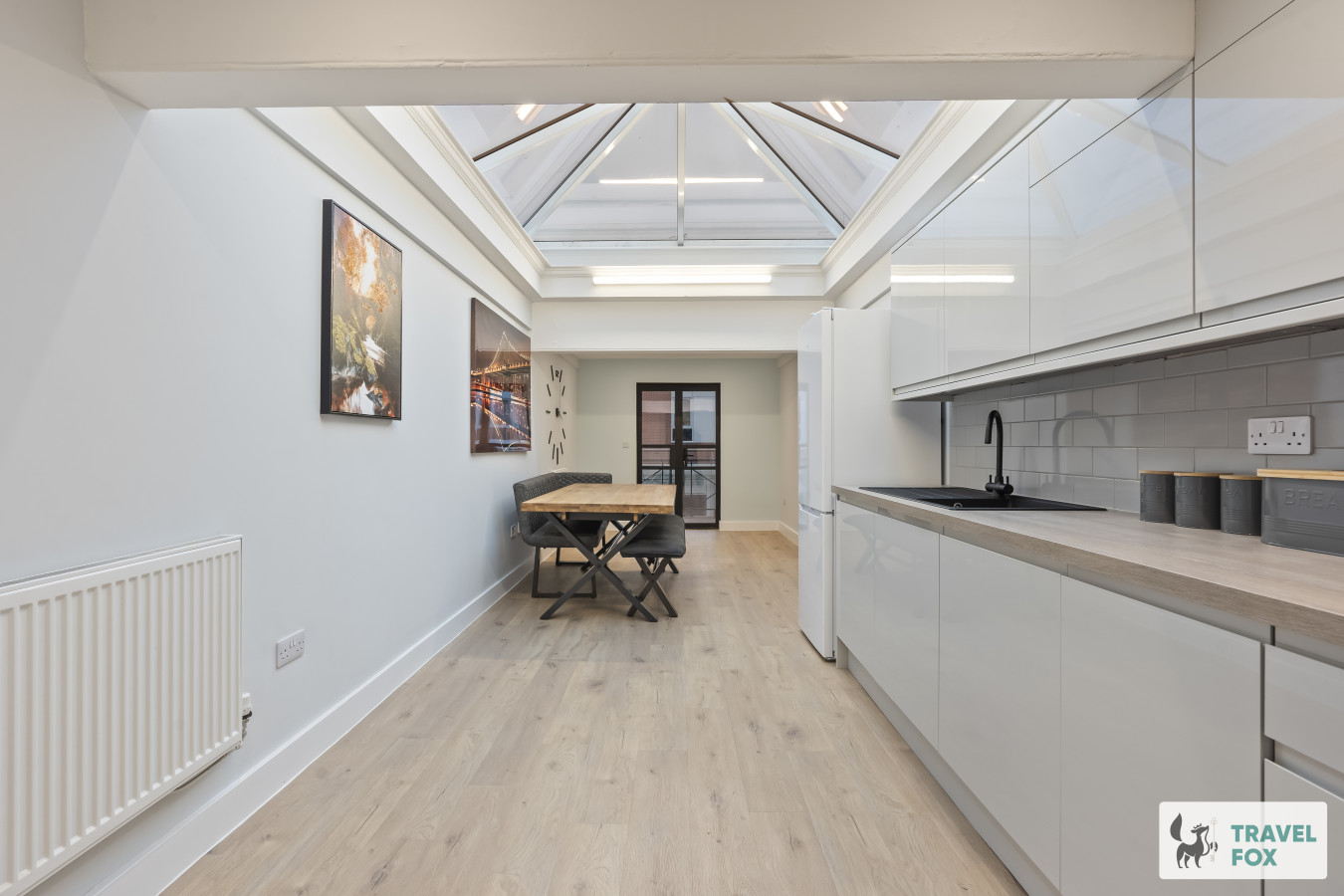
Nottingham
Camila's Penthouse Central Stay with Balcony
- Sleeps 16
- 5 bedrooms
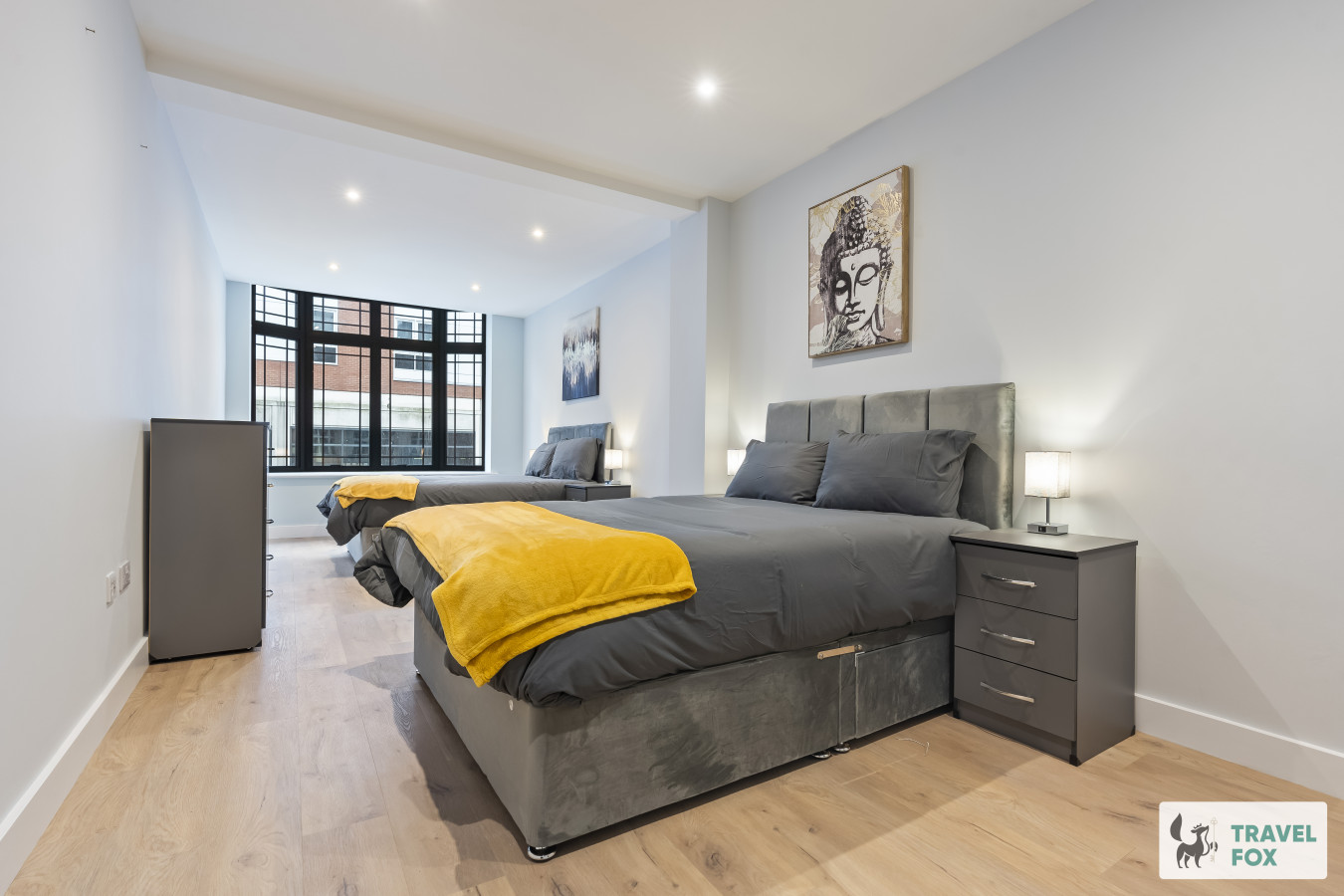
Nottingham
Blair's Central Stay
- Sleeps 16
- 5 bedrooms
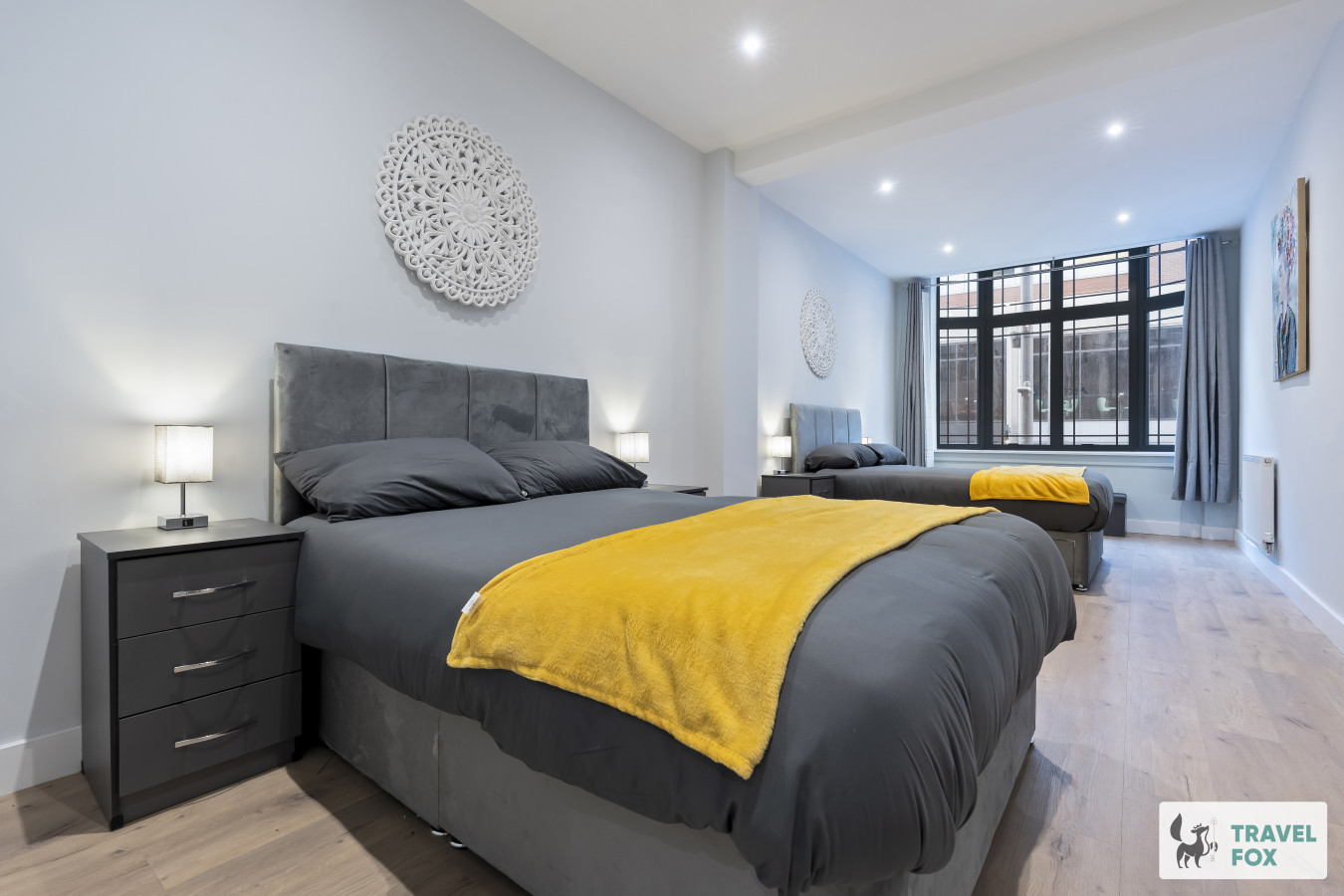
Nottingham
Anna's Central Stay
- Sleeps 16
- 5 bedrooms
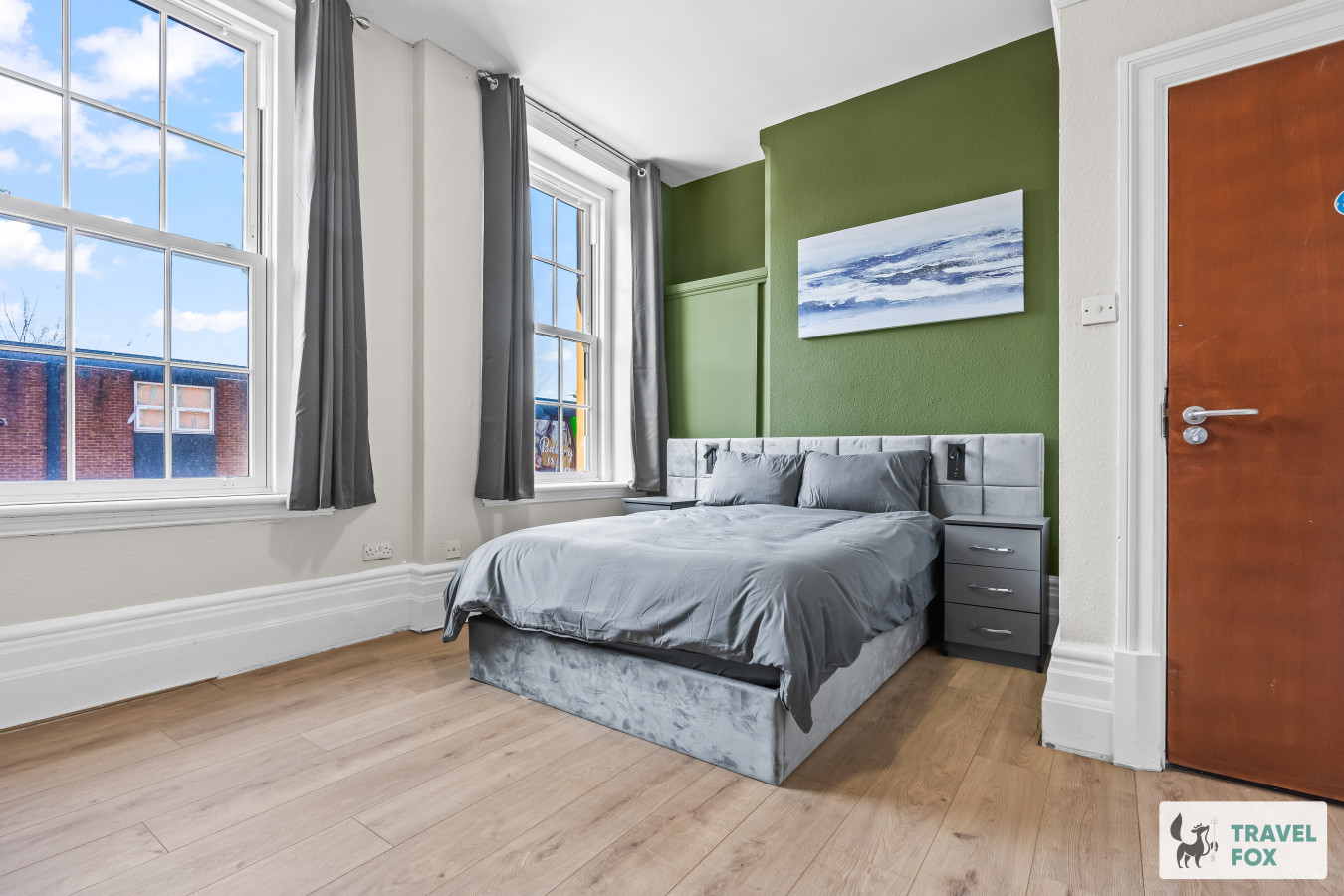
Nottingham
Melissa's Central Stay
- Sleeps 13
- 5 bedrooms
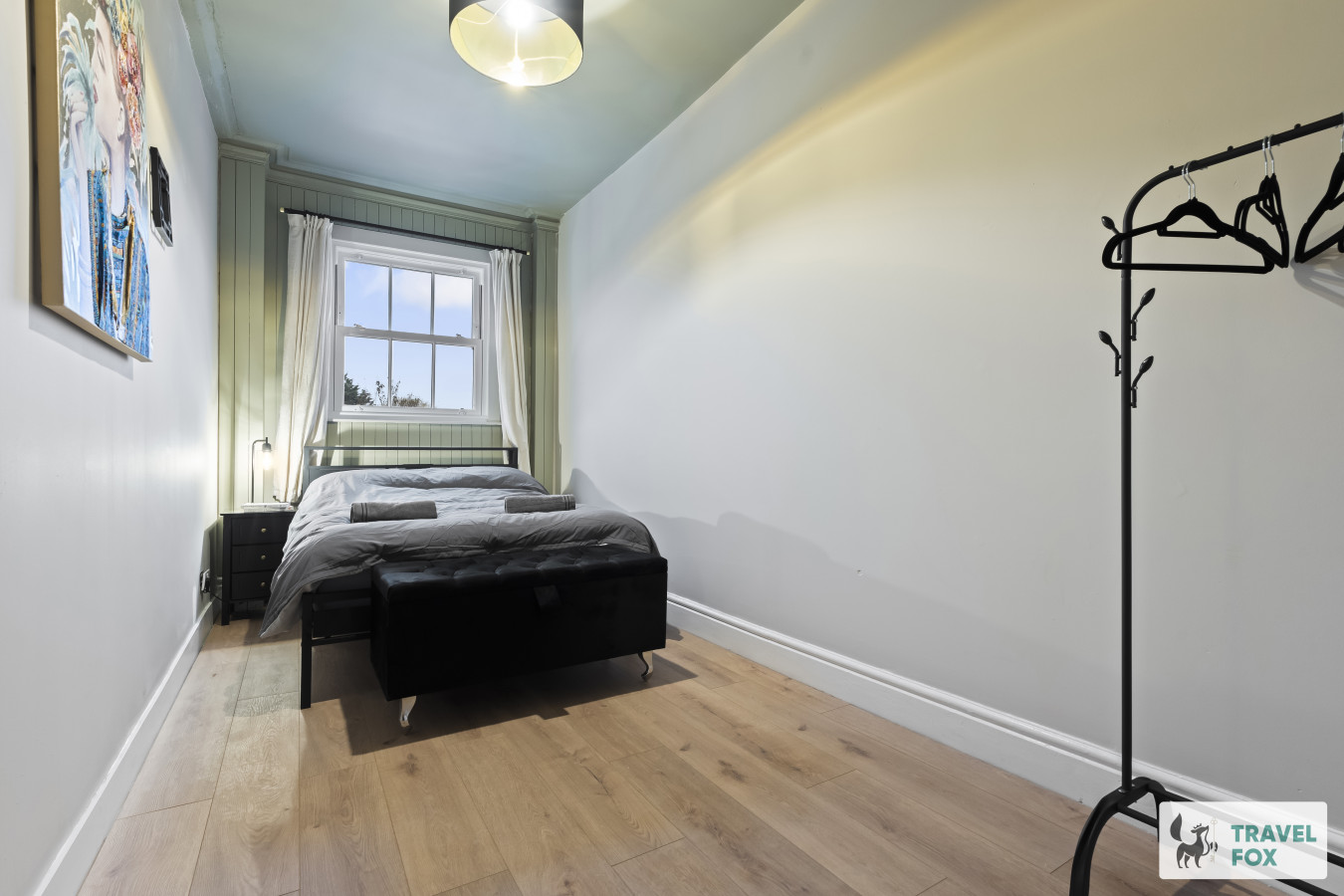
Nottingham
Callie's Central Stay
- Sleeps 9
- 3 bedrooms
For homeowners
Own a holiday home near Attenborough?
We manage holiday lets across the UK from 12% commission, charged after cleaning costs, with no lock-in. A co-founder visits before you decide.
How our holiday let management works →
A guide with a point of view
Written from research. Edited for real journeys.
Use the Official site links for live practical details, then use this guide for context, ideas and room to explore.
Sources
Every place on this page is checked against a published source. Each entry links the record we used and names who publishes it.
- Attenborough Nature Reserve — broxtowe.gov.uk statutory register or public authority
- Attenborough Nature Centre café — nottinghamshirewildlife.org other published source
- St Mary's Church — historicengland.org.uk statutory register or public authority record not machine-readable; publisher restricts automated access
- Blue Bell — camra.org.uk operator, sector body or destination organisation
- Bird Hide — ratings.food.gov.uk statutory register or public authority