
Nottinghamshire's maypole village
Wellow
A red-brick village gathered around a triangular medieval green, with a permanent maypole and the Gorge Dyke around its edges.
- Best for
- Maypole history, medieval earthworks and village walks
- Give it
- Time for the green, church and Gorge Dyke
- Don't miss
- The 17-metre steel maypole on the green
The Fox verdict
A village shaped around its maypole and medieval defences
Wellow combines a long maypole tradition with a 12th-century church, surviving earthworks and paths into the surrounding countryside.
The triangular green and permanent maypole give Wellow its focal point, while St Swithin's Church and the Gorge Dyke carry the story back to the settlement founded around 1145. Paths from Wellow connect with the Robin Hood Way outside the village; Rufford Abbey Country Park and Sherwood Forest extend the visit nearby.
Where to go
Places in Wellow
Every place below is checked against a published source, listed with what it is and how long to give it.
Local signatures
3 placesWellow Maypole
The present 17-metre steel maypole was installed in March 2011. Wellow's history traces a pole on the green to 1856 and records ribbon dancing here.
- Visit length
- Editorial estimate: allow around 20 minutes
- Locality
- on the village green
The Maypole Inn
A former coaching inn with fireplace seating, a modern restaurant, rooms, themed food nights and an outdoor dining terrace.
- Visit length
- Editorial estimate: allow around 90 minutes
- Locality
- on the edge of the green
Rufford Abbey
The ruins of a 12th-century Cistercian abbey and later country house stand within Rufford Abbey Country Park, which has a lake circuit, playground, mini-golf, archery and summer boating.
- Visit length
- Editorial estimate: allow around 150 minutes
- Locality
- south-west of Wellow
Walks & outdoors
2 placesMajor Oak
The Robin Hood-linked Major Oak stands in Sherwood Forest, which has one of Western Europe's largest collections of ancient oaks. The tree died in 2026 but remains standing as wildlife habitat.
- Visit length
- Editorial estimate: allow around 150 minutes
- Locality
- Sherwood Forest near Edwinstowe
Robin Hood Way
The Robin Hood Way runs outside Wellow near Eakring. A separate footpath connects Wellow to the route near North Laiths.
- Visit length
- Editorial estimate: allow around 120 minutes
- Locality
- near Eakring, outside Wellow
History & heritage
3 placesSt Swithin's Church
A Grade II* church with a 12th-century core, a three-stage tower, gargoyles, crocketed pinnacles and a clock installed in 1699.
- Visit length
- Editorial estimate: allow around 40 minutes
- Locality
- Wellow
Gorge Dyke
A scheduled bank-and-ditch earthwork around Wellow, surviving as a rare example whose exact purpose and date remain unsettled.
- Visit length
- Editorial estimate: allow around 60 minutes
- Locality
- east, north-east and south-east of the village
Wellow Church Schoolroom
A former village school and present church and village hall, restored from 2015 to 2021 and displaying seven panels of village history.
- Visit length
- Editorial estimate: allow around 30 minutes
- Locality
- Newark Road, Wellow
No places match this filter. Choose All places to reset the list.
Three ways to explore Wellow
Signature outings
Gargoyles and a 1699 Clock
Look up at St Swithin's three-stage tower, where gargoyles sit below the crenellated parapet and four crocketed pinnacles.
The Inn Across the Maypole
Takeaway roast dinners include pork with crackling and homemade apple pie.
Sherwood's Major Oak
Follow the marked Major Oak Trail from Sherwood Forest's visitor centre to the still-standing tree, then return through the woodland.
The village story
Wellow's Maypole and Medieval Green
A permanent maypole, two village inns and a medieval bank-and-ditch lead into Wellow's story.
The Maypole and the Olde Red Lion
Wellow's green is marked by a 17-metre steel maypole installed in March 2011. The village records a maypole here by 1856, and ribbon dancing remains part of its tradition. Across the green stands the 400-year-old Olde Red Lion, with wood-beamed restaurant, lounge and bar areas.
Inside the pub, photographs and maps show the village's history. Olde Lion Ale is the house beer alongside two changing guest ales, and the pub takes part in Wellow's May Day celebrations.
The Maypole Inn and Church Schoolroom
The Maypole Inn, formerly the Durham Ox, stands beside the green. This former coaching inn offers a bar, restaurant, rooms and an outdoor dining terrace, with themed food nights.
Beside the inn, Wellow Church Schoolroom serves as a village hall. Restoration brought seven permanent heritage panels and a village trail board outside. The displays are available at advertised events.
Church, Earthworks and Walking Ways
St Swithin's Church has a 12th-century core, its tower built up in three stages across three centuries, gargoyles under a crenellated parapet, and a clock made by Richard Roe of Epperstone in 1699. The churchyard holds a 1651 stone altar tomb to Alice Braylesford.
Wellow's triangular green sits within the Gorge Dyke, a surviving medieval bank and ditch around parts of the village. The mid-12th-century settlement was founded for people displaced by Rufford Abbey's foundation. A separate path from Wellow reaches the Robin Hood Way near North Laiths, toward Eakring.
Rufford, Sherwood and May Day Memory
Rufford Abbey Country Park combines medieval abbey ruins with lakeside and woodland walks. At Sherwood Forest, the marked Major Oak Trail leads from the visitor centre to the still-standing tree and back through the woodland.
Wellow's first steel pole was bought in 1977 after an unsafe wooden pole was removed. Corrosion led to that steel pole's removal in 2010, and the present 17-metre replacement went up in March 2011. An earlier pole was Sir John Savile's gift for Queen Victoria's Jubilee in 1887. Ribbon dancing continues the village's May Day tradition.
Stay around Nottinghamshire
Make a longer stay of it
Travel Fox holiday homes around Nottinghamshire, linked directly to their property pages.
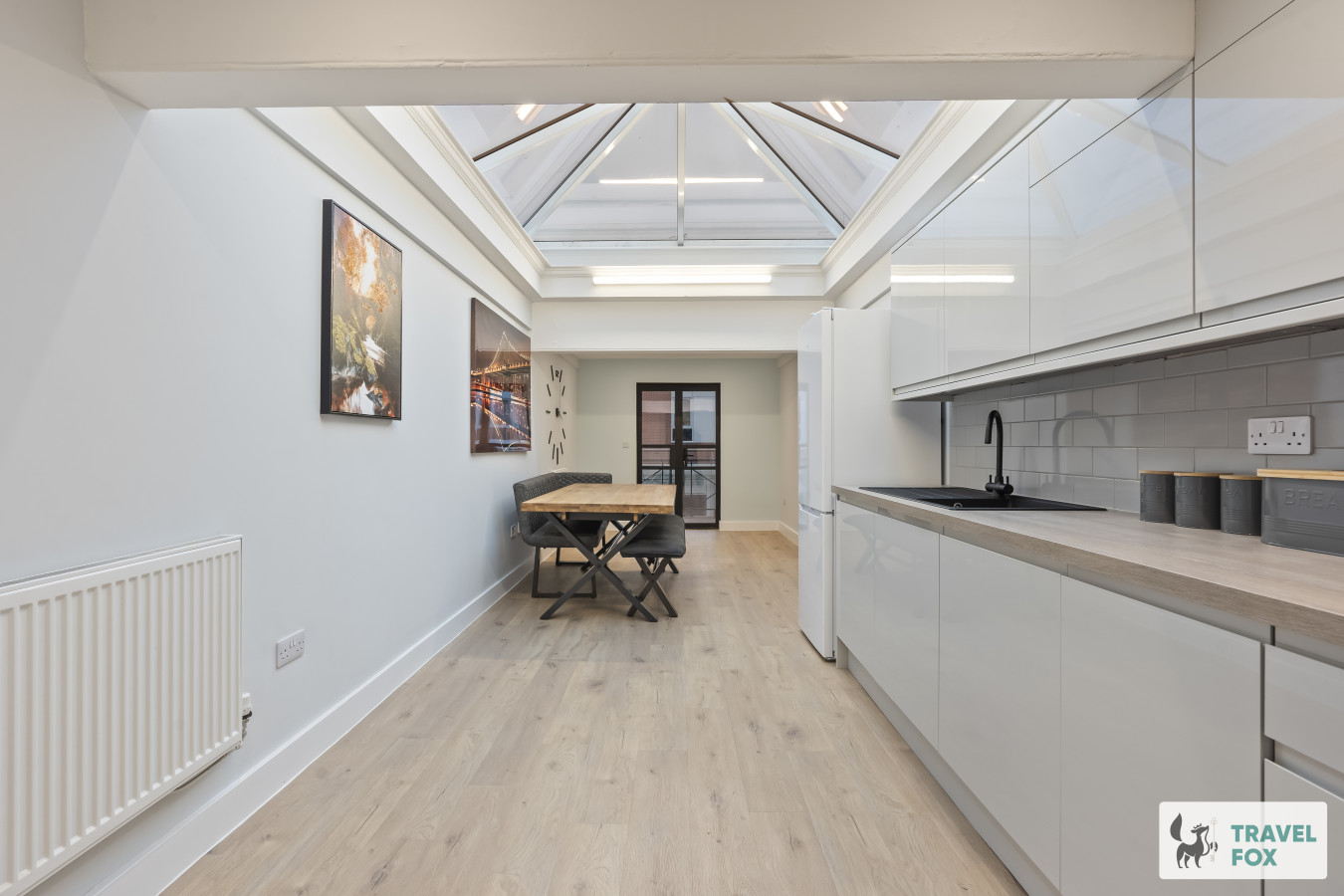
Nottingham
Camila's Penthouse Central Stay with Balcony
- Sleeps 16
- 5 bedrooms
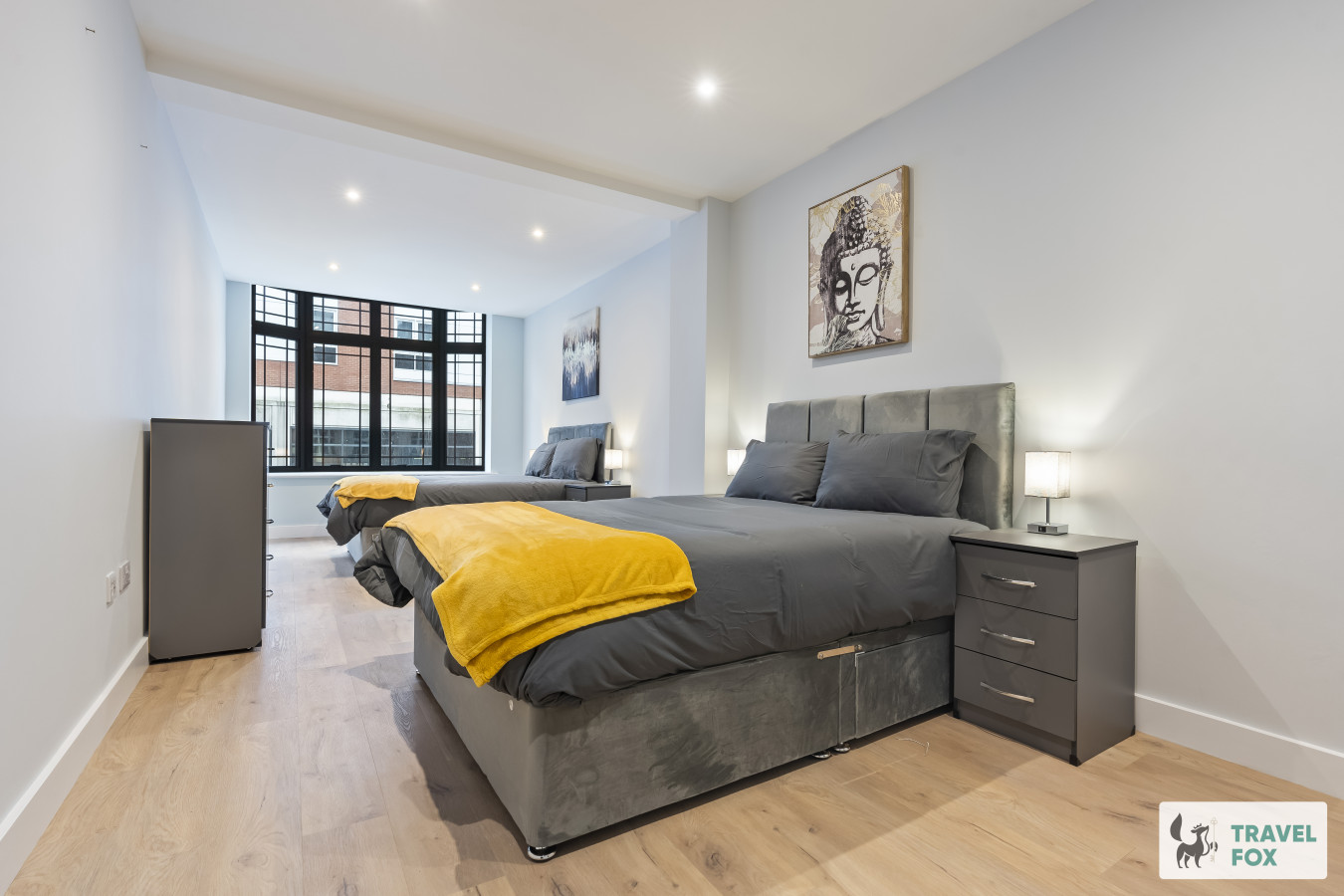
Nottingham
Blair's Central Stay
- Sleeps 16
- 5 bedrooms
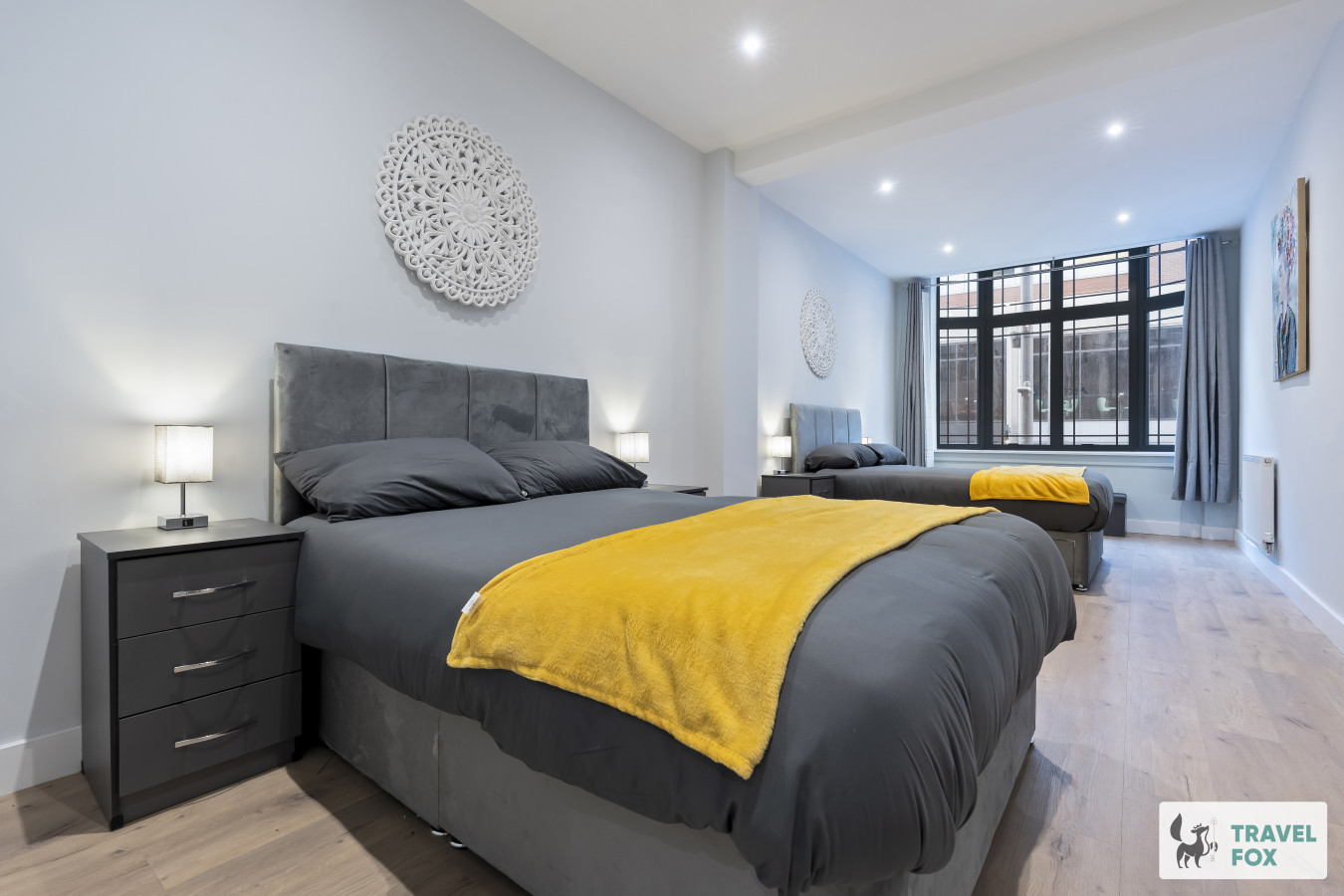
Nottingham
Anna's Central Stay
- Sleeps 16
- 5 bedrooms
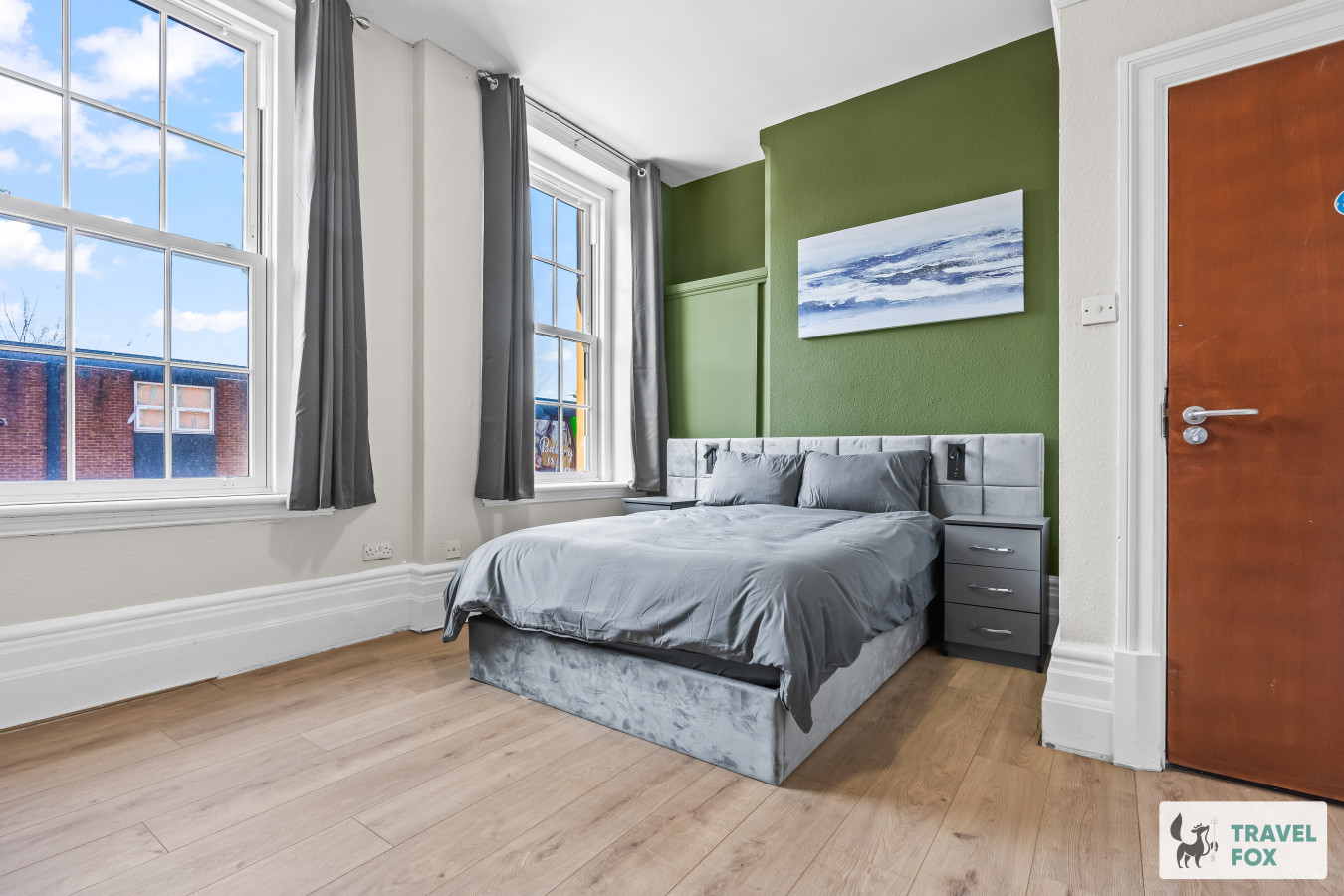
Nottingham
Melissa's Central Stay
- Sleeps 13
- 5 bedrooms
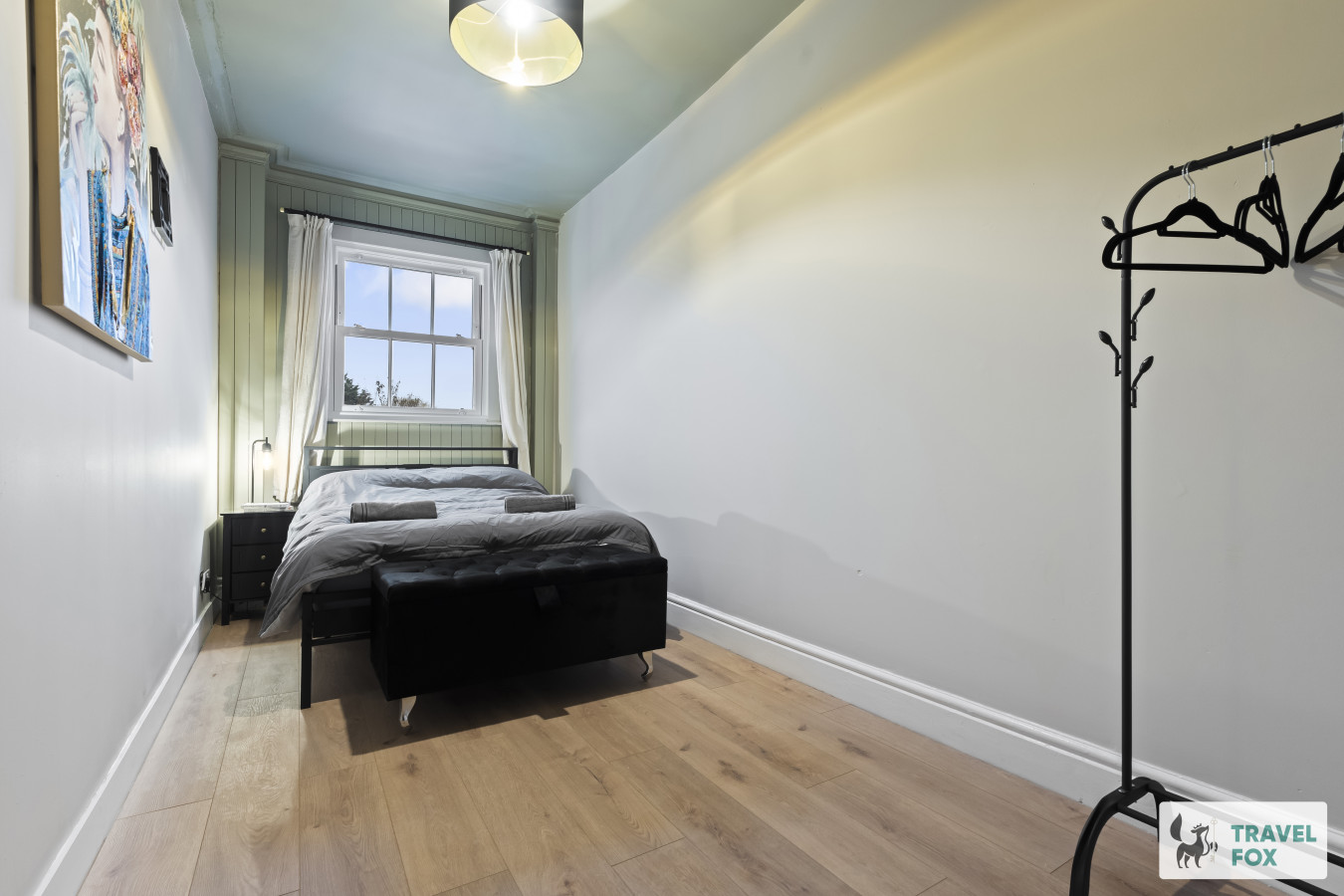
Nottingham
Callie's Central Stay
- Sleeps 9
- 3 bedrooms
For homeowners
Own a holiday home near Wellow?
We manage holiday lets across the UK from 12% commission, charged after cleaning costs, with no lock-in. A co-founder visits before you decide.
How our holiday let management works →
A guide with a point of view
Written from research. Edited for real journeys.
Use the Official site links for live practical details, then use this guide for context, ideas and room to explore.
Sources
Every place on this page is checked against a published source. Each entry links the record we used and names who publishes it.
- Wellow Maypole — wellow.me operator, sector body or destination organisation
- The Maypole Inn — maypoleinn.com operator, sector body or destination organisation
- St Swithin's Church — historicengland.org.uk statutory register or public authority record not machine-readable; publisher restricts automated access
- Gorge Dyke — her.nottinghamshire.gov.uk statutory register or public authority
- Wellow Church Schoolroom — register-of-charities.charitycommission.gov.uk statutory register or public authority
- Rufford Abbey — ruffordabbey.co.uk operator, sector body or destination organisation
- Major Oak — visitsherwood.co.uk operator, sector body or destination organisation
- Robin Hood Way — www.robinhoodway.com operator, sector body or destination organisation