
Three waterways, one inland port
West Stockwith
Meet the Chesterfield Canal at the tidal Trent, follow the village’s port story and choose between towpaths, pubs and a shipyard-funded church.
- Best for
- Canal walks and riverside history
- Give it
- A half day for the Basin, church and a pub
- Don't miss
- West Stockwith Basin, the canal’s eastern terminus
The Fox verdict
A Georgian port village at three waterways
West Stockwith brings the Chesterfield Canal, River Idle and tidal Trent together beside a marina, two pubs and an eighteenth-century church.
Start at the Basin, choose the Cuckoo Way or Trent Valley Way, then connect the waterways with St Mary’s shipyard story and the village’s two surviving pubs.
Where to go
Places in West Stockwith
Every place below is checked against a published source, listed with what it is and how long to give it.
Local signatures
3 placesWhite Hart Inn
A traditional pub and tap for the on-site Idle Brewery, with its own Diamond, Promise and Pup ales, homemade pub food and a large beer garden.
- Visit length
- Editorial estimate: allow around 75 minutes
- Locality
- on the bank of the River Idle, opposite the parish church
- Access
- Reports about the pub’s dog-friendly policy are mixed.
The Cuckoo Way
The signposted Chesterfield Canal towpath runs for 46 miles between West Stockwith and Chesterfield.
- Visit length
- Editorial estimate: allow around 120 minutes
- Locality
- eastern terminus at West Stockwith Basin
West Stockwith Water Lanes
Preserved lanes that connect the village’s main road with the Trent riverbank.
- Visit length
- Editorial estimate: allow around 45 minutes
- Locality
- from the main road down to the Trent riverbank
Food & drink
1 placeWaterfront Inn
A marina pub with rooms that doubles as the Canal Side Cafe and Tea Room by day, serving homemade pub food and afternoon tea.
- Visit length
- Editorial estimate: allow around 75 minutes
- Locality
- directly at West Stockwith Basin
- Access
- Dogs are welcomed with treats and water bowls and are allowed in the bar and beer garden.
Walks & outdoors
2 placesTrent Valley Way
A long-distance walking path whose West Stockwith start is at the Marina.
- Visit length
- Editorial estimate: allow around 120 minutes
- Locality
- starting at West Stockwith Marina
Idle Valley Nature Reserve
A nearby nature reserve with trails, lakes and woodland.
- Visit length
- Editorial estimate: allow around 120 minutes
- Locality
- Idle Valley, near Retford
History & heritage
3 placesWest Stockwith Basin
The canal terminus is now a marina for river cruisers and narrowboats, as well as one of the best-known village vantage points for the Trent Aegir.
- Visit length
- Editorial estimate: allow around 45 minutes
- Locality
- where the Chesterfield Canal meets the tidal Trent
- Access
- A large Trent Aegir needs a tide over 8.5 metres at Hull, no floodwater coming down the Trent and no wind.
St Mary the Virgin’s Church
Built in 1722 from William Huntington’s bequest for a chapel and ten almshouses, the church retains its Georgian character and a timber bell turret with a lead domed roof.
- Visit length
- Editorial estimate: allow around 35 minutes
- Locality
- opposite the White Hart
Gainsborough Old Hall
One of England’s largest and best-preserved medieval manor houses, built in 1460 and associated with visits by Richard III and Henry VIII.
- Visit length
- Editorial estimate: allow around 105 minutes
- Locality
- Gainsborough
No places match this filter. Choose All places to reset the list.
Three ways to explore West Stockwith
Signature outings
Where three waterways meet
See the Chesterfield Canal reach the tidal Trent at a basin now used as a marina for river cruisers and narrowboats.
A church built from a bequest
St Mary’s was built in 1722 on William Huntington’s former shipyard, funded by his bequest for a chapel and ten almshouses.
Gainsborough Old Hall
About 3.3 miles from West Stockwith in a straight line, visit a medieval manor house built in 1460 that hosted Richard III and Henry VIII; the road journey is longer.
The village story
West Stockwith Village Guide
A riverside village of tidal spectacle, canal history, brewery ales and Georgian brick.
The Aegir and the Basin
When a big Aegir is forecast, people gather at West Stockwith Basin, often at unreasonably early hours, to watch a wave go past. The Trent Aegir can run up to five feet high, a tidal bore that needs a tide over 8.5 metres at Hull, no floodwater, and no wind — conditions demanding enough to explain why anyone bothers. The Basin is one of the best spots to see it; Gainsborough, Morton, East Stockwith and Owston Ferry are the others.
That's the Trent side of the village. The Basin itself is the terminus of the Chesterfield Canal, opened in 1777 and running 46 miles back to Chesterfield — one of the last canals designed by James Brindley, who died before it was finished. It's a marina now, full of river cruisers and narrowboats, and the towpath leaving from here, the Cuckoo Way, will take you the whole 46 miles if you fancy it. The Trent Valley Way starts at the same spot.
The White Hart and Idle Brewery
The White Hart sits on the riverbank opposite the parish church, by the main car park, and is the tap for the Idle Brewery next door — Diamond, Promise and Pup, plus a rotating fourth usually a porter or stout. Brian Cooper took the pub over with his wife in 2012 and refurbished it throughout; he brews solely for the White Hart now.
There's a homemade cheeseburger for £6.95, haddock and chips, a steak pie with chips and veg, curry night on Tuesdays and pie night on Wednesdays. A fire burns in winter, and regulars rate the staff highly, though at least one dog owner came away less impressed, so the dog-friendly billing is worth testing on your own terms.
Marina Food and Village Pubs
Down at the marina, the Waterfront Inn does double duty: the Canal Side Cafe and Tea Room by day, a pub with rooms by night, garden looking out over the basin. Steak pie again, or Hunters Chicken, or an afternoon tea with sausage rolls and homemade quiche. It keeps rooms and glamping pods, plus moorings for boaters waiting out the tide.
The village has two pubs now. It once had more than eleven, most run out of cottage front rooms.
St Mary’s and the Inland Port
St Mary the Virgin's went up in 1722, on the site of a shipyard, paid for by a shipwright named William Huntington, who left £740 in his will for a chapel and ten almshouses for the widows of local mariners and ship carpenters.
Pevsner, writing it up later, called West Stockwith "a specially pretty... west bank Trent riverside village of brick, of almost Dutch character... an inland port," which is about as much praise as he tends to hand out.
Arrival, Water Lanes and the Lost Ferry
Gainsborough Lea Road station is four miles off, hourly trains toward Sheffield and Lincoln, and the 97 bus runs from Gainsborough through Misterton most days. There's a campsite by the marina too, Waterfront Country Park.
None of that matters much once you're here. What matters more is the Water Lanes, the old lanes that still run down from the main street to the Trent, and the ferry that used to cross to East Stockwith, directly opposite in Lincolnshire, before it stopped and left the two villages looking at each other across the water.
Stay around Nottinghamshire
Make a longer stay of it
Travel Fox holiday homes around Nottinghamshire, linked directly to their property pages.
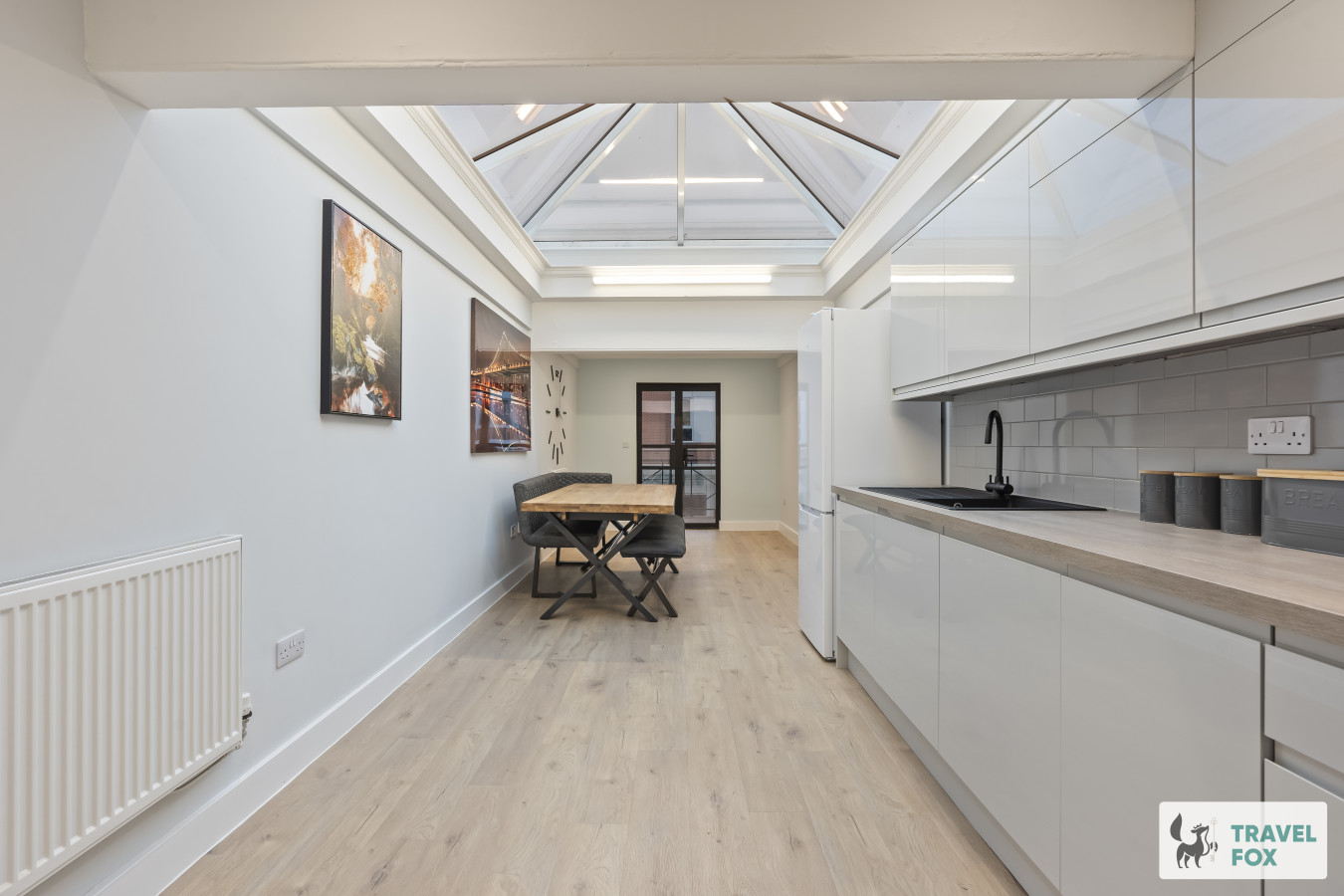
Nottingham
Camila's Penthouse Central Stay with Balcony
- Sleeps 16
- 5 bedrooms
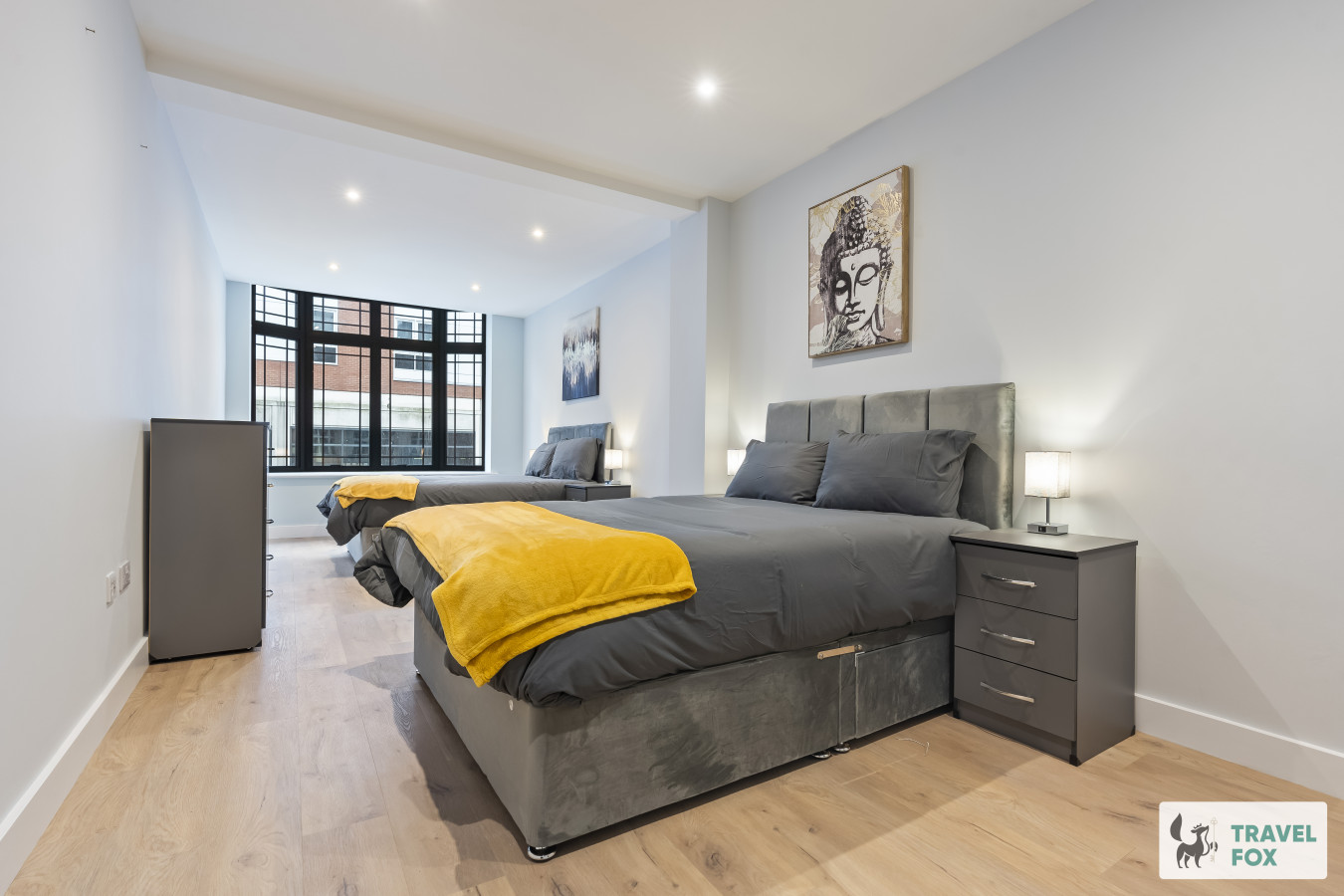
Nottingham
Blair's Central Stay
- Sleeps 16
- 5 bedrooms
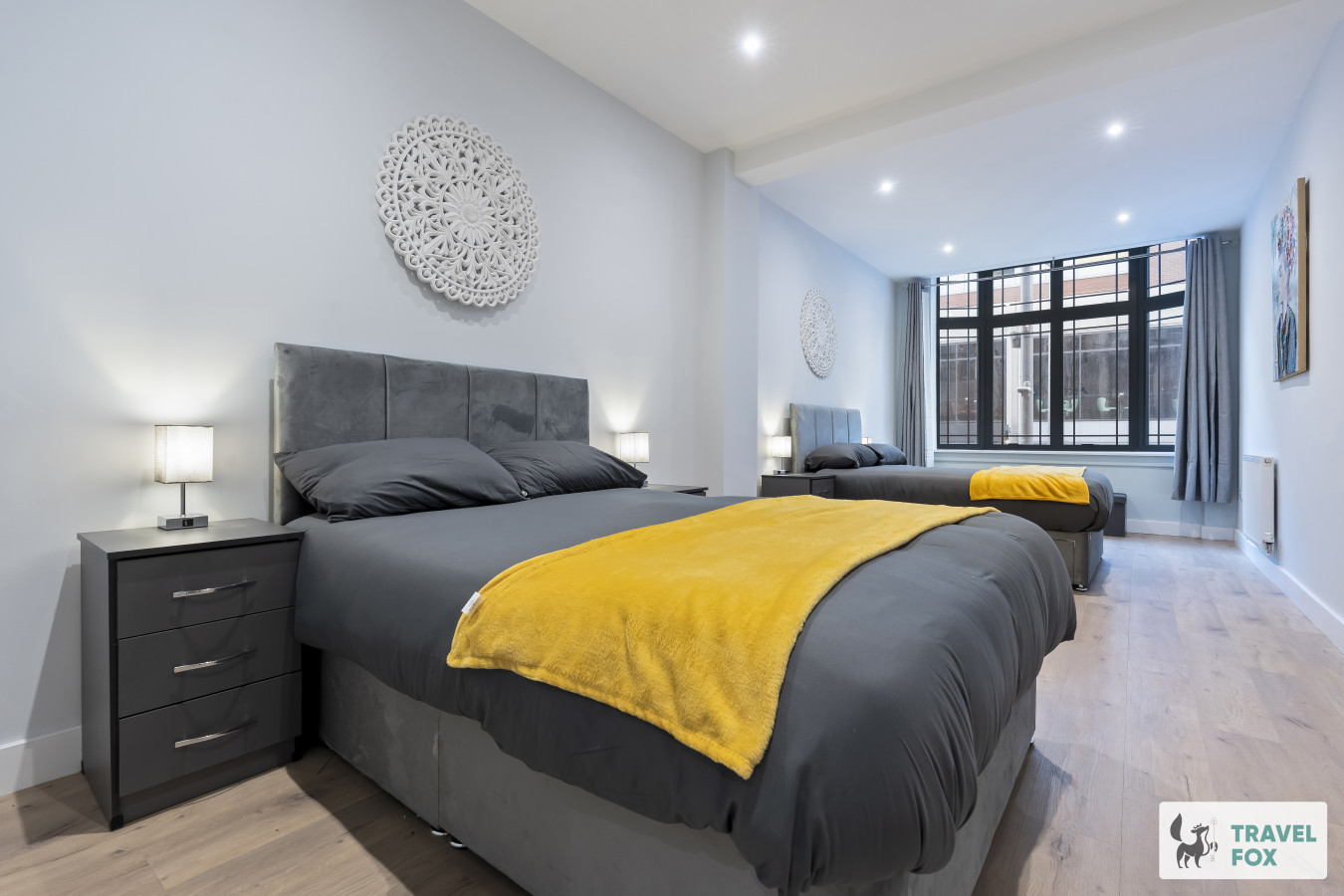
Nottingham
Anna's Central Stay
- Sleeps 16
- 5 bedrooms
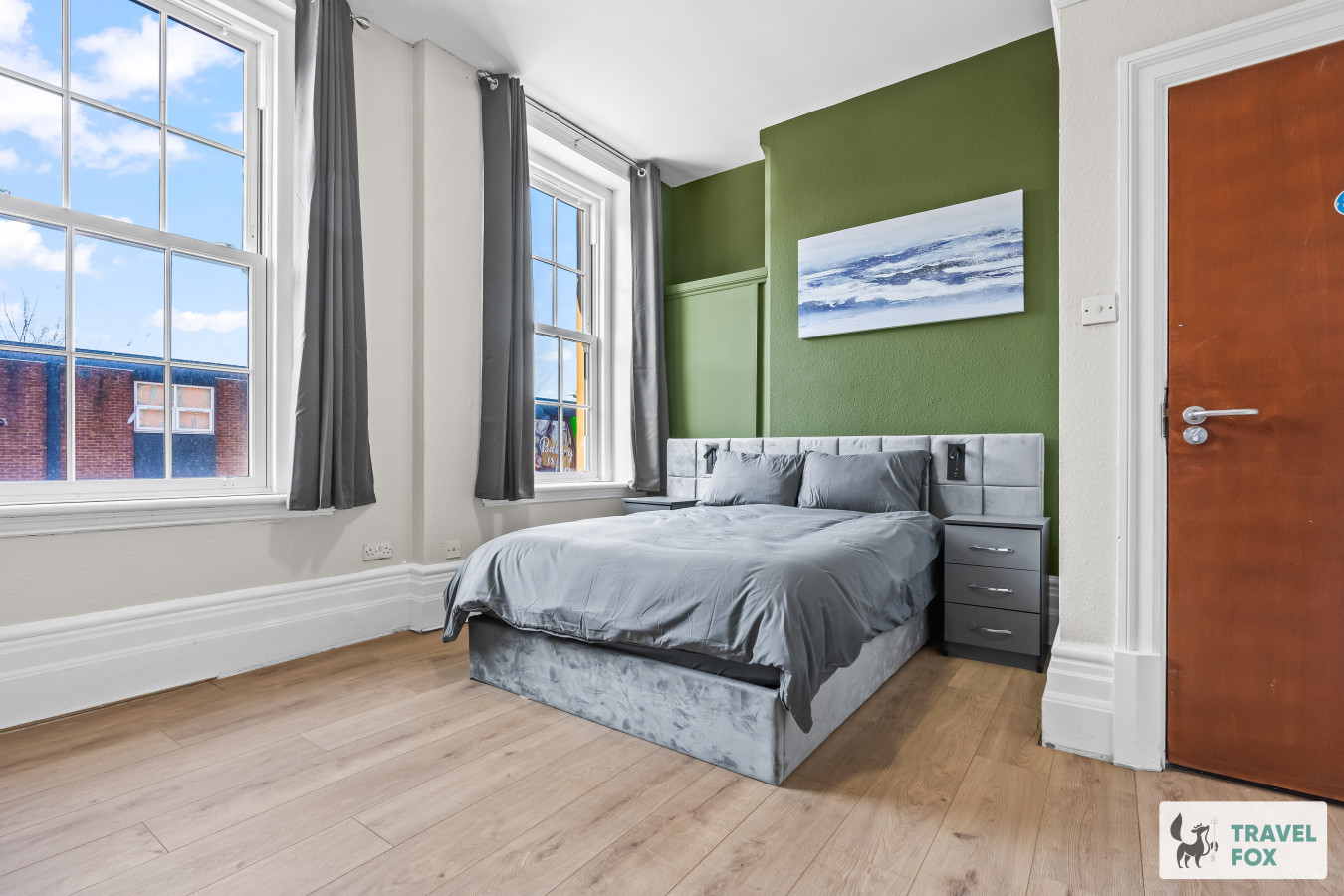
Nottingham
Melissa's Central Stay
- Sleeps 13
- 5 bedrooms
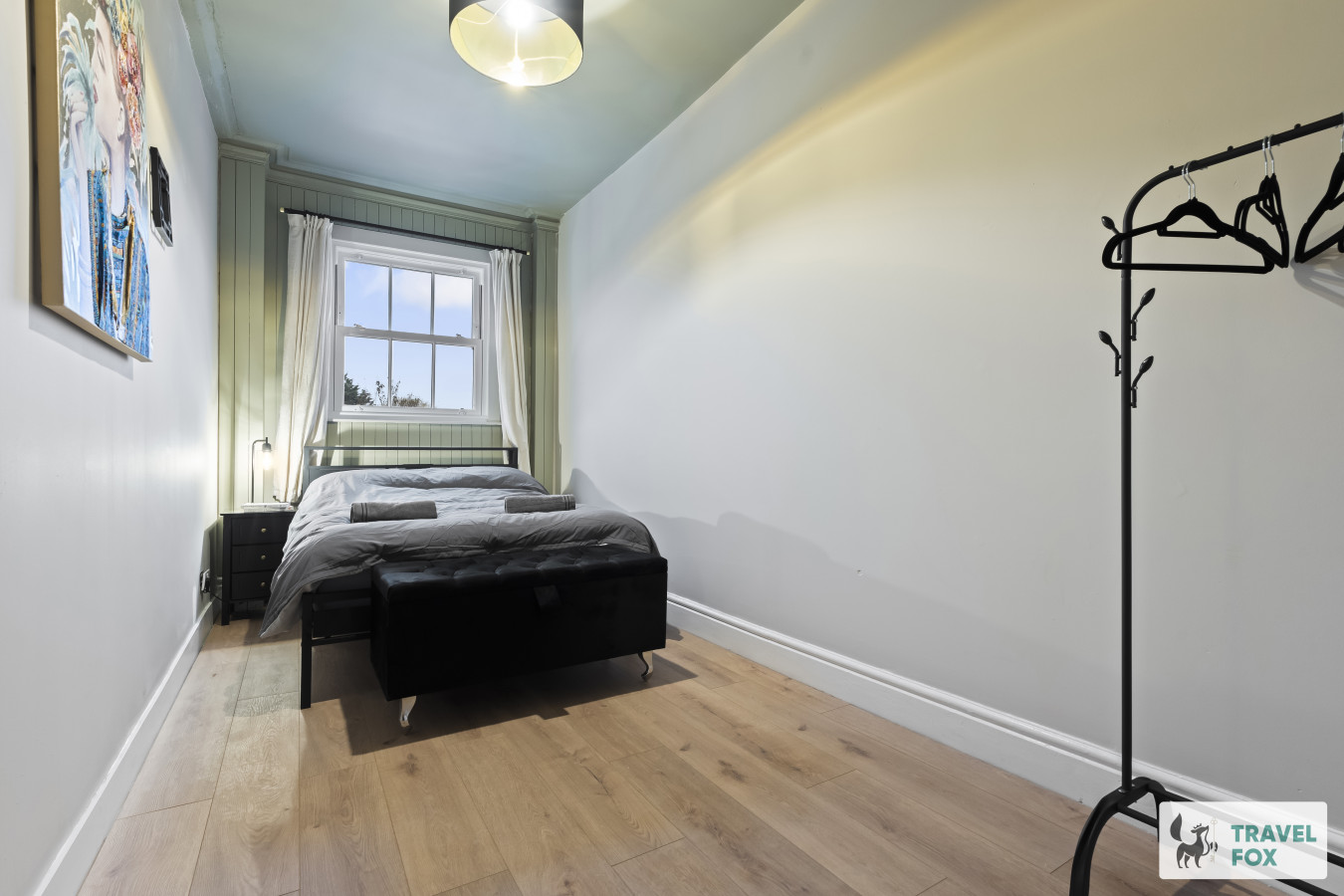
Nottingham
Callie's Central Stay
- Sleeps 9
- 3 bedrooms
For homeowners
Own a holiday home near West Stockwith?
We manage holiday lets across the UK from 12% commission, charged after cleaning costs, with no lock-in. A co-founder visits before you decide.
How our holiday let management works →
A guide with a point of view
Written from research. Edited for real journeys.
Use the Official site links for live practical details, then use this guide for context, ideas and room to explore.
Sources
Every place on this page is checked against a published source. Each entry links the record we used and names who publishes it.
- West Stockwith Basin — canalrivertrust.org.uk national body or asset manager
- White Hart Inn — thewhitehartinn.site operator, sector body or destination organisation
- Waterfront Inn — waterfrontinnweststockwith.weebly.com other published source
- St Mary the Virgin’s Church — historicengland.org.uk statutory register or public authority record not machine-readable; publisher restricts automated access
- The Cuckoo Way — canalrivertrust.org.uk national body or asset manager
- Trent Valley Way — trentriverstrust.org operator, sector body or destination organisation
- West Stockwith Water Lanes — nottinghamshire.gov.uk statutory register or public authority
- Gainsborough Old Hall — english-heritage.org.uk national body or asset manager
- Idle Valley Nature Reserve — nottinghamshirewildlife.org other published source