
Tuxford in the Clays
Tuxford
A Georgian brick coaching town with a working windmill, the Museum of the Horse and the 32-mile Dukeries Trail.
- Best for
- Working-mill flour, coaching history and local food
- On the trail
- 32 miles across three counties
- Don't miss
- Stone-ground flour from Tuxford Windmill
The Fox verdict
A working mill and an unexpected horse museum
Tuxford pairs Georgian coaching-town history with flour still milled at its restored windmill and a museum devoted to equestrian history.
The Museum of the Horse fills the restored former Newcastle Arms, St Nicholas' Church retains a 12th-century core, and the town's food stops range from pub meals to award-winning pork pies and bacon.
Where to go
Places in Tuxford
Every place below is checked against a published source, listed with what it is and how long to give it.
Local signatures
3 placesThe Dukeries Trail
A 32-mile route across Derbyshire, Nottinghamshire and Lincolnshire. Its Tuxford-to-Fledborough section starts at Market Place and is mainly on roads, marked as a cycle route.
- Visit length
- Editorial estimate: around 120 minutes for a local cycle
- Locality
- Passing through Tuxford
The Country Victualler
An artisan butcher and baker trading in Tuxford since 1973, with gold awards for its pork pies and dry-cured streaky bacon.
- Visit length
- Editorial estimate: around 30 minutes
- Locality
- Ashvale Road
The Fountain Hotel
A pub and restaurant on Lincoln Road serving an à-la-carte menu, Sunday lunch and pizzas, with five en-suite guest rooms.
- Visit length
- Editorial estimate: around 90 minutes
- Locality
- 155 Lincoln Rd
Food & drink
2 placesGreens & Deli
An independent café and deli at 6 Market Place, offering food and a place to sit in the centre of Tuxford.
- Visit length
- Editorial estimate: around 60 minutes
- Locality
- 6 Market Place
The Sun Inn
A traditional pub on Newcastle Street with a bar and pub games.
- Visit length
- Editorial estimate: around 75 minutes
- Locality
- Tuxford town centre
History & heritage
3 placesTuxford Windmill
A restored working windmill whose onsite shop sells freshly milled flour.
- Visit length
- Editorial estimate: around 60 minutes
- Locality
- Tuxford
The Museum of the Horse
Equestrian collections fill nine rooms and two large passageways in the restored former Newcastle Arms coaching inn.
- Visit length
- Editorial estimate: around 90 minutes
- Locality
- 1 Market Place, Tuxford
St Nicholas' Church
A Grade I church with a 12th-century core, a chancel rebuilt around 1495, and an ashlar font dated 1662 beneath an elaborate suspended cover and canopy.
- Visit length
- Editorial estimate: around 45 minutes
- Locality
- Tuxford
No places match this filter. Choose All places to reset the list.
Three ways to explore Tuxford
Signature outings
A working windmill
Tuxford Windmill still mills flour for its onsite shop.
Horse history at the Newcastle Arms
Entry is by donation. The museum is upstairs with no lift, and its collections fill nine rooms and two large passageways.
A font beneath a canopy
Find St Nicholas' Church's 1662 font, with its elaborate conical wooden cover suspended from the roof beneath an equally elaborate canopy dated 1673.
The town story
Tuxford's Working Windmill and Horse Museum
A working windmill, coaching-town brick, equestrian collections and local food on Nottinghamshire clay.
Windmill, Main Street and the Sun
Tuxford Windmill still mills flour, which it sells in its onsite shop. Friday morning shopping and appointments at other times are available.
Tuxford's broad main street and closely spaced buildings recall its coaching-town past. The A1 now bypasses the centre, while Georgian brick still lines the old route through town.
The Sun Inn on Newcastle Street is a traditional drinks-led pub with pub games, outdoor space and plans for refurbishment.
Coaching Inns and the Horse Museum
The Fountain Hotel on Lincoln Road serves an à-la-carte menu, Sunday lunch and pizzas. It also offers five en-suite guest rooms.
The Newcastle Arms on Market Place stood vacant before Sally Mitchell and her son John restored it. It now houses Sally Mitchell's Gallery and the Museum of the Horse, whose collections fill nine rooms and two large passageways. Margaret Tudor stayed at the Crown Inn on this site in 1503 while travelling north to marry James IV of Scotland.
Market Place Food and Medieval Stone
Greens & Deli is an independent café and deli at 6 Market Place, close to the Museum of the Horse.
St Nicholas' Church is Grade I listed, a 12th-century core with a chancel rebuilt around 1495. Its font is dated 1662; the elaborate wooden cover suspended above it is dated 1673, eleven years younger than the font it protects.
School Rules, Fire and Brick
Read's Grammar School was founded in 1669. Its Grade II* former building on Lincoln Road is now vacant and listed by Historic England as being at immediate risk of further deterioration. Domesday recorded 34 households and a mill worth ten shillings and seven pence; the settlement's value was £8 in 1086, down from £10 in 1066.
A major fire devastated Tuxford in 1702, and the town was rebuilt in brick. Daniel Defoe later described it as Tuxford in the Clays, a reference to the muddy ground.
Trail, Transport and Local Food
The 32-mile Dukeries Trail passes through Tuxford; its section from Market Place towards Fledborough is mainly on roads and marked for cyclists. Marshalls' 37 and 38 buses connect Tuxford with Retford and Newark.
The Country Victualler has made food in Tuxford since 1973. Its range includes pork pies and glazed hams, with truffle hams sold in Harrods.
Stay around Nottinghamshire
Make a longer stay of it
Travel Fox holiday homes around Nottinghamshire, linked directly to their property pages.
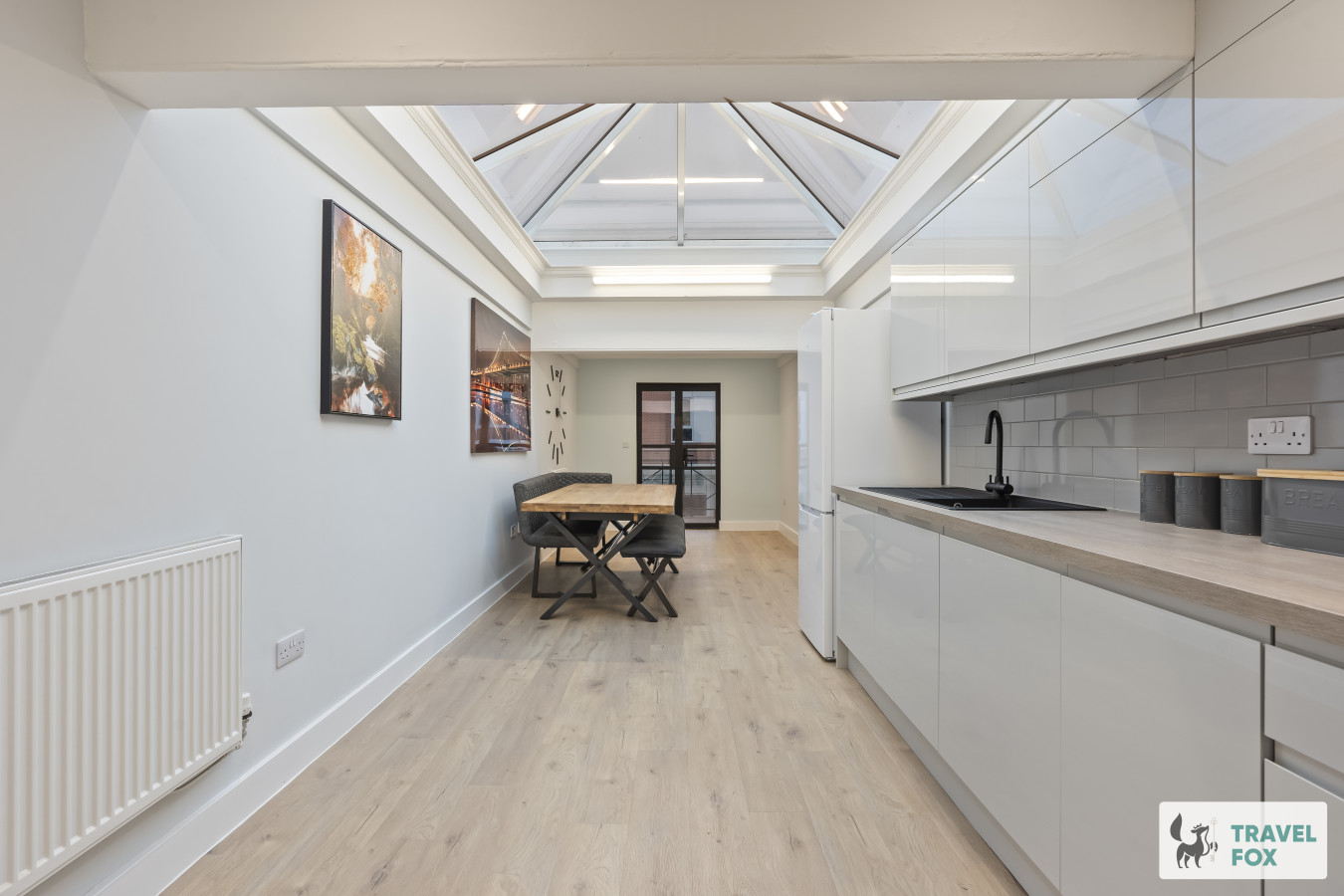
Nottingham
Camila's Penthouse Central Stay with Balcony
- Sleeps 16
- 5 bedrooms
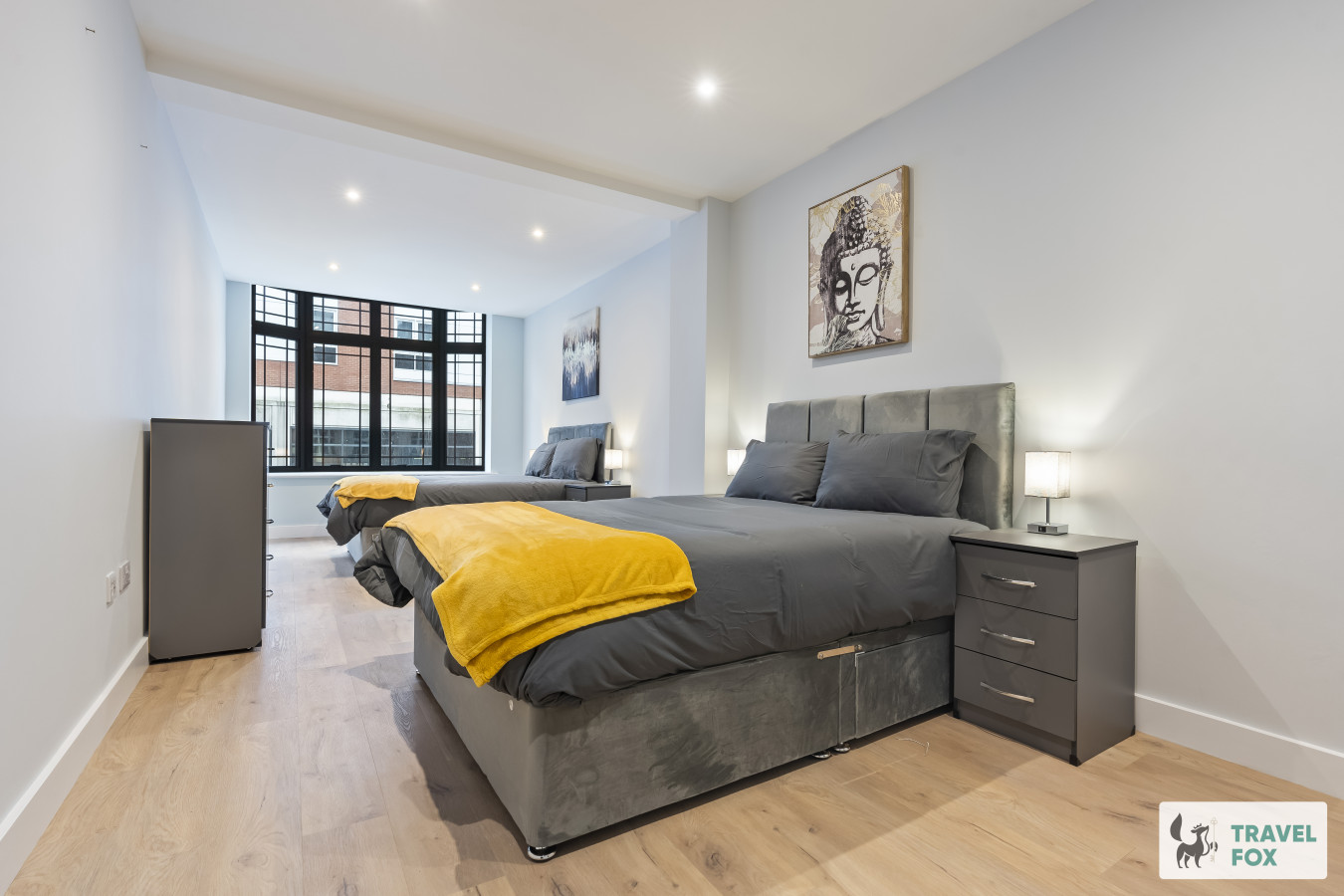
Nottingham
Blair's Central Stay
- Sleeps 16
- 5 bedrooms
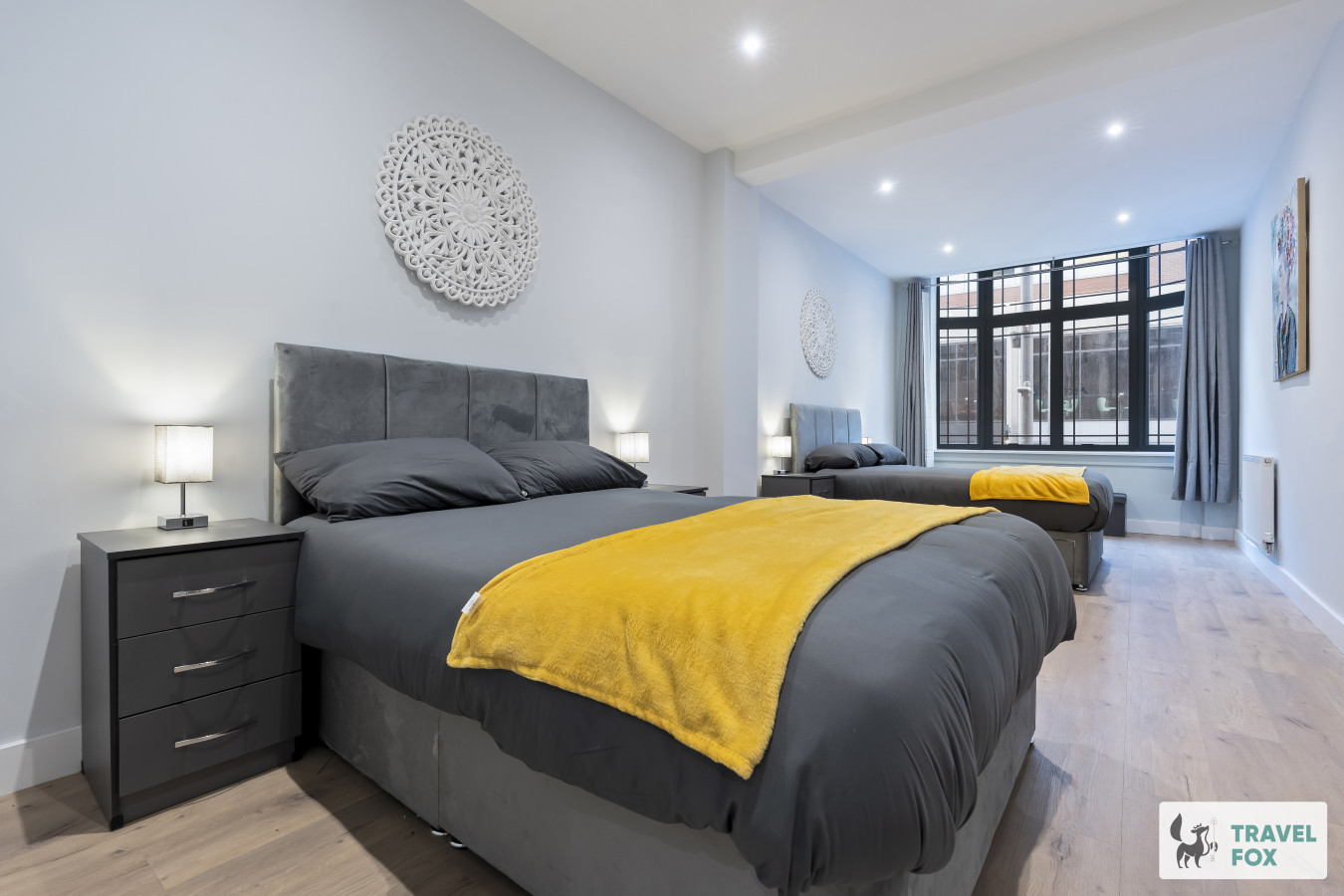
Nottingham
Anna's Central Stay
- Sleeps 16
- 5 bedrooms
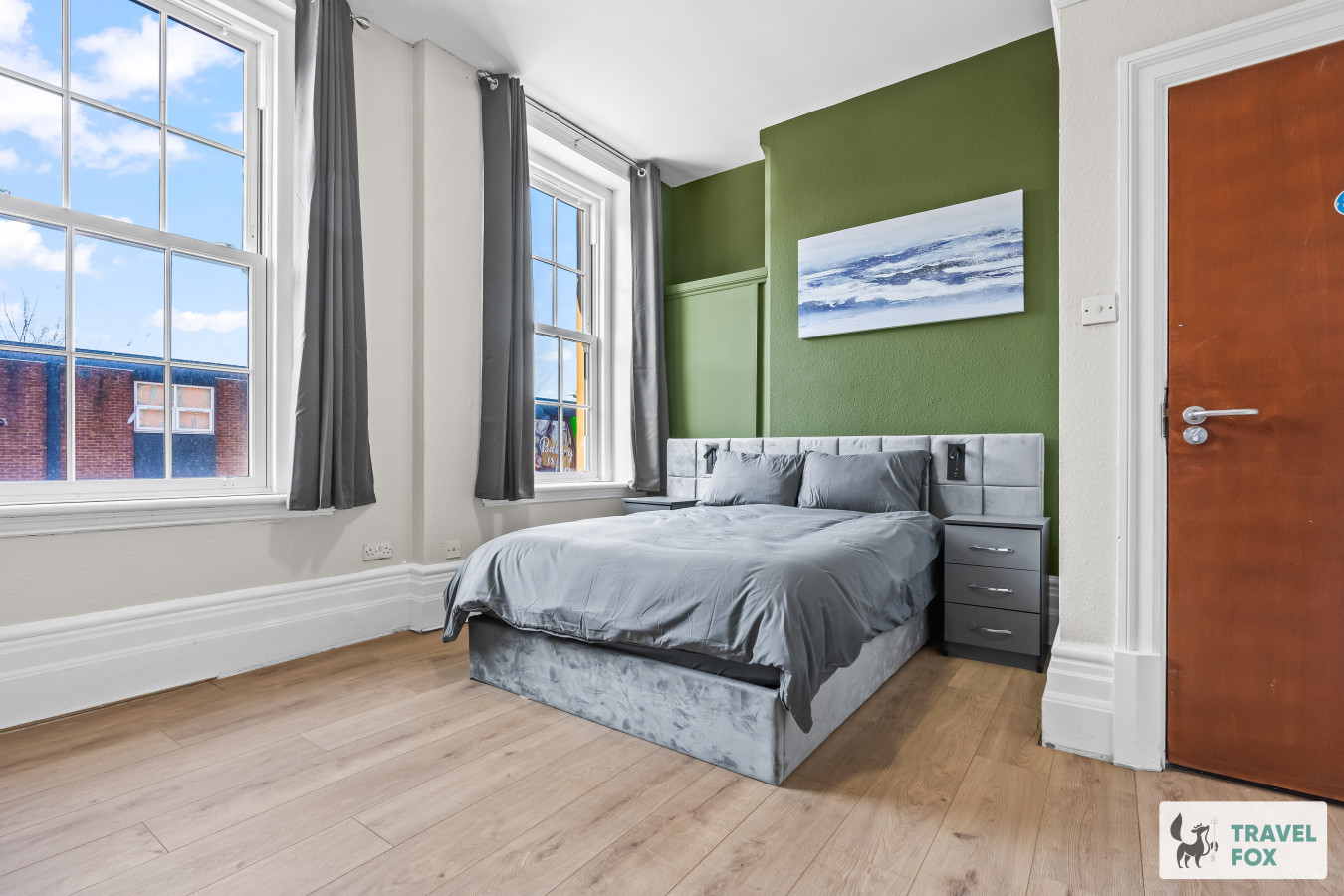
Nottingham
Melissa's Central Stay
- Sleeps 13
- 5 bedrooms
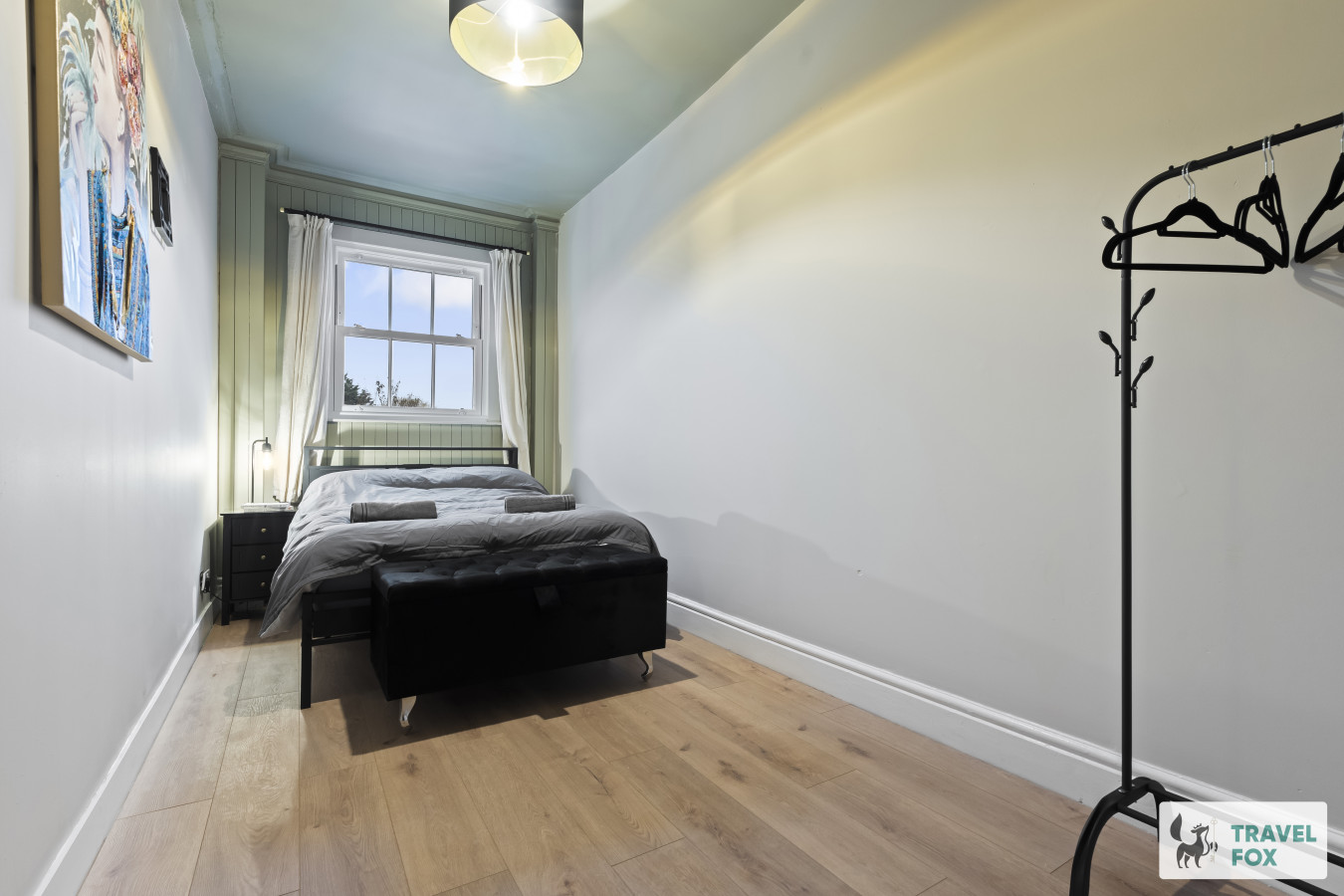
Nottingham
Callie's Central Stay
- Sleeps 9
- 3 bedrooms
For homeowners
Own a holiday home near Tuxford?
We manage holiday lets across the UK from 12% commission, charged after cleaning costs, with no lock-in. A co-founder visits before you decide.
How our holiday let management works →
A guide with a point of view
Written from research. Edited for real journeys.
Use the Official site links for live practical details, then use this guide for context, ideas and room to explore.
Sources
Every place on this page is checked against a published source. Each entry links the record we used and names who publishes it.
- Tuxford Windmill — tuxford-windmill.co.uk operator, sector body or destination organisation
- The Museum of the Horse — museumofthehorse.co.uk operator, sector body or destination organisation
- St Nicholas' Church — historicengland.org.uk statutory register or public authority record not machine-readable; publisher restricts automated access
- The Dukeries Trail — nottinghamshire.gov.uk statutory register or public authority
- The Country Victualler — thecountryvictualler.co.uk operator, sector body or destination organisation
- Greens & Deli — greensanddeli.co.uk operator, sector body or destination organisation
- The Fountain Hotel — fountainhoteltuxford.co.uk operator, sector body or destination organisation
- The Sun Inn — starpubs.co.uk other published source