
A tiny parish with a long memory
Staunton in the Vale
A Vale of Belvoir village of listed landmarks, deep family history, country-pub hospitality and nearby wildlife.
- Best for
- Village history, a country-pub meal and nature spotting
- Give it
- A half day, or longer with Belvoir Castle
- Don't miss
- Medieval Staunton family tombs in St Mary's
The Fox verdict
Small village, unusually deep history
Staunton in the Vale rewards a focused visit built around its listed pub, parish church and quiet Vale landscape.
The listed pub and K6 kiosk make a natural stop on the High Street, while St Mary's medieval monuments give the village a strong historical thread. Add the quarry reserve and Belvoir Castle for a longer visit.
Where to go
Places in Staunton in the Vale
Every place below is checked against a published source, listed with what it is and how long to give it.
Local signatures
3 placesThe Staunton Arms
A listed country pub with restaurant dining, hand-picked cask ales and eight ensuite guest rooms.
- Visit length
- Editorial estimate: Allow around 90 minutes
- Locality
- the village crossroads
St Mary's Church
A Grade II* parish church with medieval and later Staunton family monuments, including an early 14th-century knight carved with a dog at his feet.
- Visit length
- Editorial estimate: Allow around 45 minutes
- Locality
- Staunton in the Vale
Belvoir Castle
The historic castle and gardens in the Vale of Belvoir, seat of the Duke of Rutland.
- Visit length
- Editorial estimate: Allow around 2 hours
- Locality
- Belvoir, Leicestershire
Walks & outdoors
1 placeStaunton Quarry Nature Reserve
A Wildlife Trust reserve with grassland, a vegetated water body and woodland; its species list includes the Grizzled Skipper.
- Visit length
- Editorial estimate: Allow around 60 minutes
- Locality
- Valley Lane, near Staunton in the Vale
History & heritage
1 placeK6 Telephone Kiosk outside The Staunton Arms
A Grade II listed red K6 telephone kiosk using the 1935 Giles Gilbert Scott design and standing outside the village pub.
- Visit length
- Editorial estimate: Allow around 15 minutes
- Locality
- right outside The Staunton Arms
No places match this filter. Choose All places to reset the list.
Three ways to explore Staunton in the Vale
Signature outings
The Listed Village Pub
The pub won Vale of Belvoir Pub of the Year awards in 2013 and 2016, an added reason for ale drinkers to stop.
The Red K6 Kiosk
Pause to notice the kiosk's domed cast-iron roof, unperforated crowns and margin-glazed windows and door.
The Reclaimed Quarry
Choose one of the reserve's two circular paths, and keep dogs on leads while exploring.
The village story
Staunton's Listed Crossroads and Medieval Church
A crossroads village where a listed pub, family church and Vale landscape carry an outsized history.
A Landmark and a Listed Pub
Outside the Staunton Arms on High Street stands a Grade II listed K6 telephone kiosk using Sir Giles Gilbert Scott's 1935 design. Its cast-iron body has a domed roof, unperforated crowns and margin glazing. The listing dates the design, not the casting of this particular kiosk.
The Staunton Arms occupies a Grade II listed early 19th-century brick building with ashlar sills and lintels beneath a glazed pantile roof. It serves food and cask ales, and won Vale of Belvoir Pub of the Year awards in 2013 and 2016.
Food and Rooms at the Staunton Arms
The pub lists à la carte, light bites, vegan and Sunday lunch menus, and advertises Fish Friday and Steak Night as events. Its eight ensuite bedrooms offer a way to stay in the village.
Staunton has an industrial estate, and Staunton Montessori Nursery School operates from converted 19th-century barns in the village. For groceries, Lincolnshire Co-op has a food store at 27 Main Road in Long Bennington.
Vale Walks and Church Monuments
A circular walk of roughly seven kilometres starts and ends at the Staunton Arms, taking in nearby Kilvington and Alverton.
Domesday Book records a church and priest at Staunton. The present Grade II* parish church contains medieval and later Staunton family monuments, including an early 14th-century knight carved with a dog at his feet. A separate building called Staunton Chapel once stood in the churchyard. There is also a churchyard memorial to the seven crew of Lancaster W4270, which crashed near Staunton in February 1943.
Family History and Wider Connections
During the Civil War, Colonel William Staunton supported the Royalists. Diocesan history records a Parliamentarian attack on Staunton Hall and damage to monuments in St Mary's. The church's surviving tombs and memorials make that family history tangible.
Belvoir Castle makes a separate Vale excursion, about 6.3 miles from Staunton in the Vale in a straight line; the road journey is longer. It has historic rooms and gardens. At Staunton Quarry, visitors can follow two circular paths; the Wildlife Trust asks that dogs be kept on leads and lists Grizzled Skipper among the reserve's species.
Stay around Nottinghamshire
Make a longer stay of it
Travel Fox holiday homes around Nottinghamshire, linked directly to their property pages.
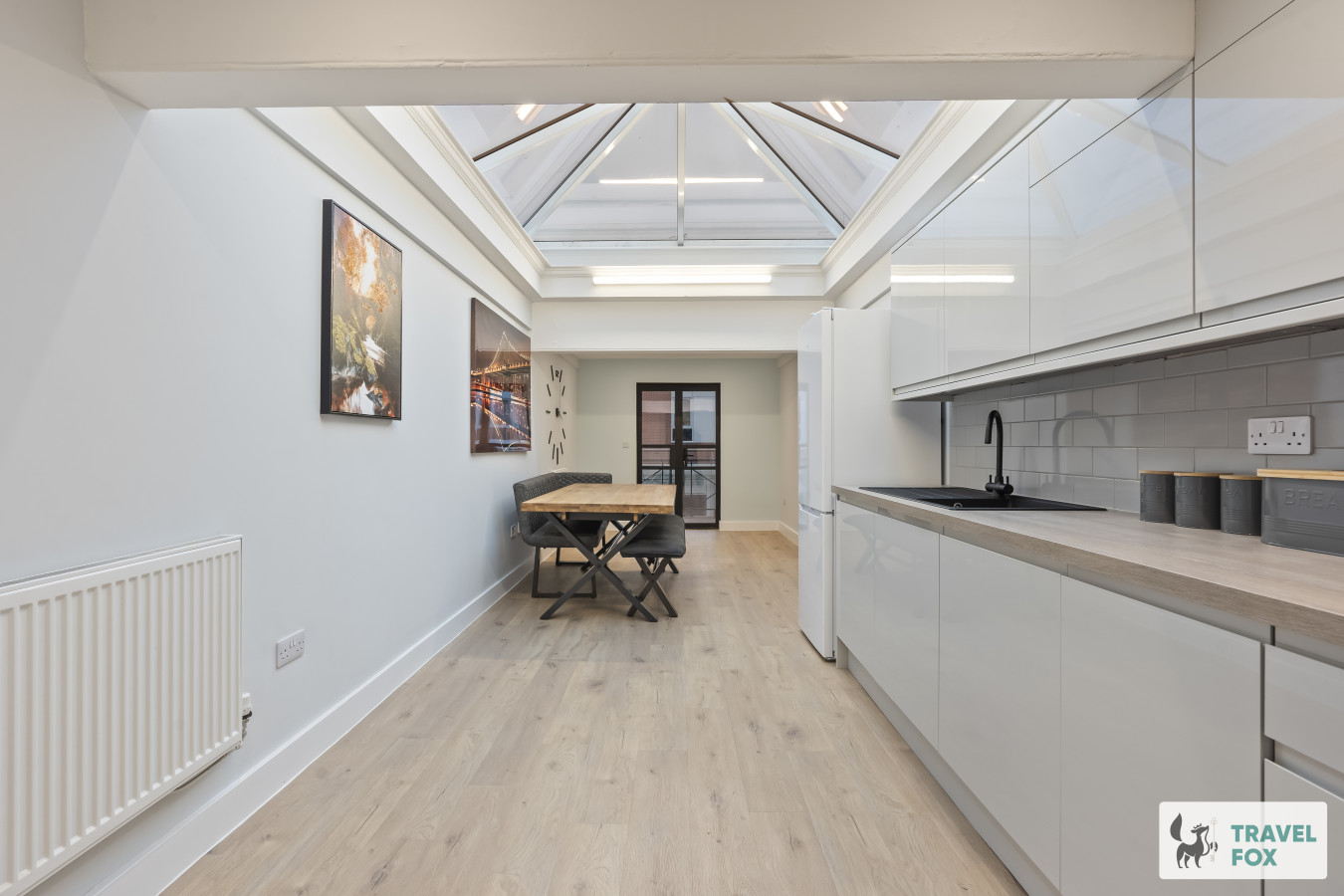
Nottingham
Camila's Penthouse Central Stay with Balcony
- Sleeps 16
- 5 bedrooms
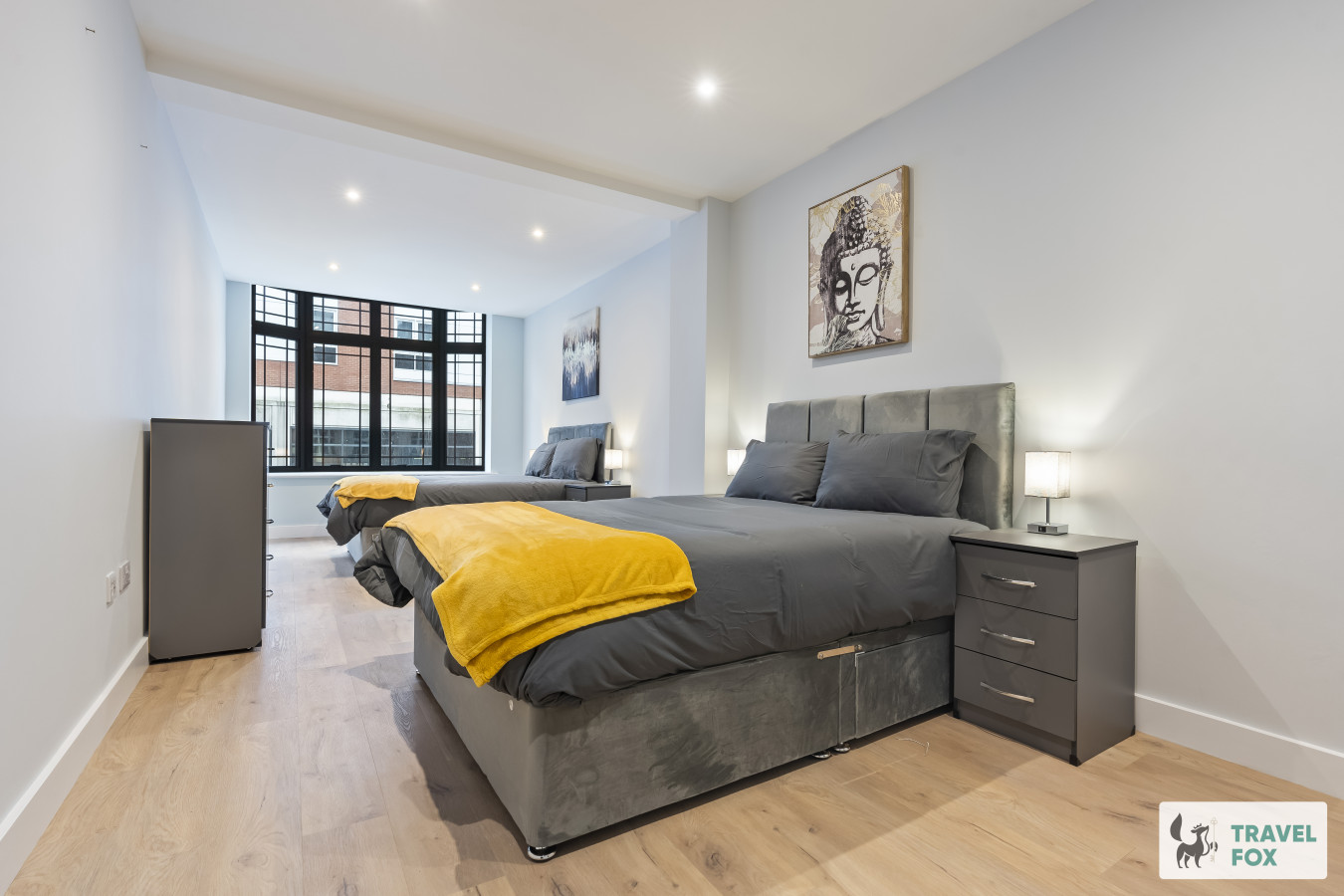
Nottingham
Blair's Central Stay
- Sleeps 16
- 5 bedrooms

Nottingham
Anna's Central Stay
- Sleeps 16
- 5 bedrooms

Nottingham
Melissa's Central Stay
- Sleeps 13
- 5 bedrooms
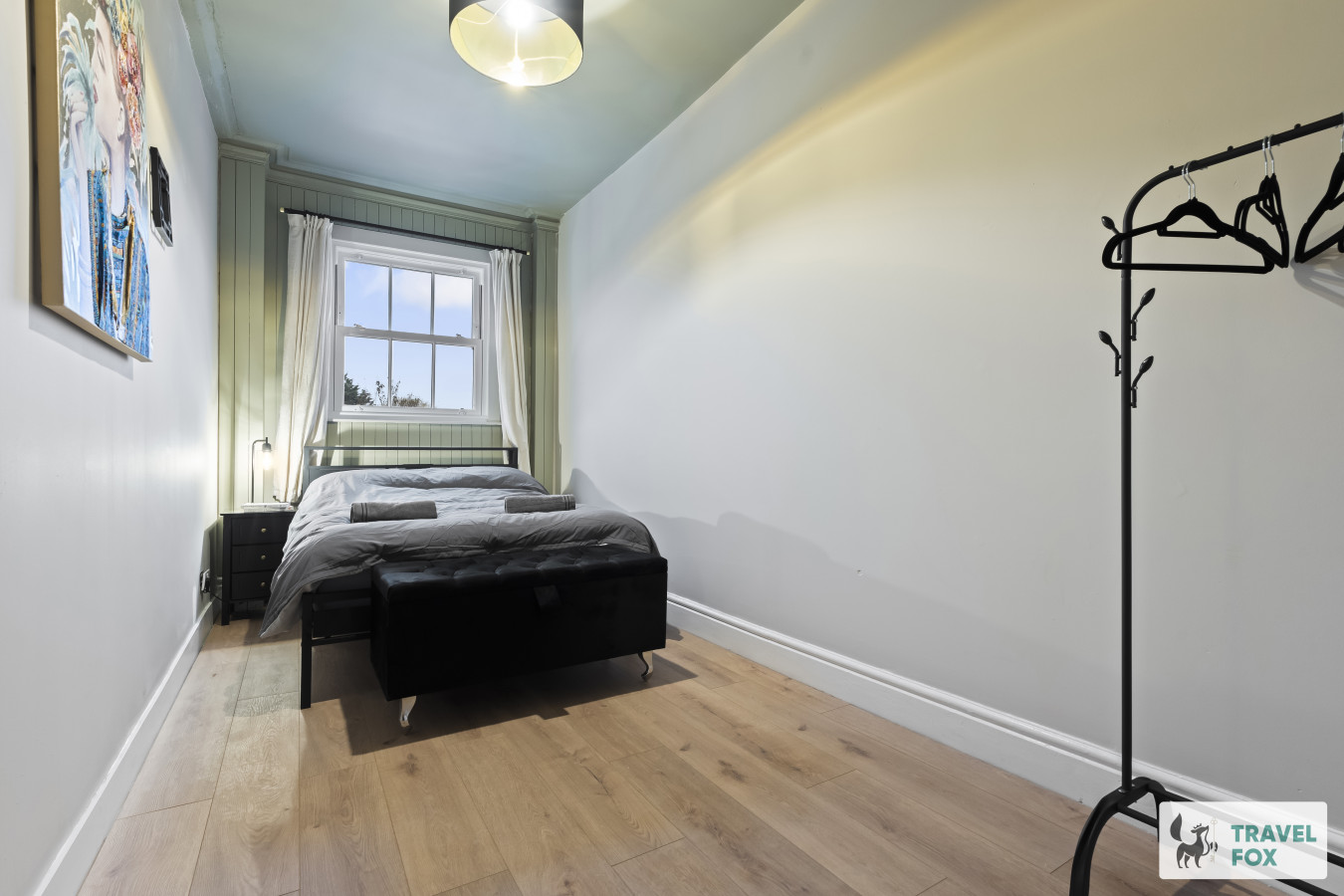
Nottingham
Callie's Central Stay
- Sleeps 9
- 3 bedrooms
For homeowners
Own a holiday home near Staunton in the Vale?
We manage holiday lets across the UK from 12% commission, charged after cleaning costs, with no lock-in. A co-founder visits before you decide.
How our holiday let management works →
A guide with a point of view
Written from research. Edited for real journeys.
Use the Official site links for live practical details, then use this guide for context, ideas and room to explore.
Sources
Every place on this page is checked against a published source. Each entry links the record we used and names who publishes it.
- The Staunton Arms — stauntonarms.co.uk operator, sector body or destination organisation
- K6 Telephone Kiosk outside The Staunton Arms — historicengland.org.uk statutory register or public authority
- St Mary's Church — historicengland.org.uk statutory register or public authority
- Staunton Quarry Nature Reserve — nottinghamshirewildlife.org other published source
- Belvoir Castle — belvoircastle.com operator, sector body or destination organisation