
Mayflower roots beside the Great North Road
Scrooby
A small Nottinghamshire village shaped by William Brewster, the Separatist congregation and its Mayflower heritage.
- Best for
- Mayflower history, church heritage and a pub stop
- Give it
- A village visit, or longer for a section of the heritage trail
- Don't miss
- St Wilfrid's Church and its Mayflower plaque
The Fox verdict
A compact village with an outsized Pilgrim story
Scrooby brings together William Brewster's story, St Wilfrid's Church, the Mayflower heritage trail and the village's sole pub.
Start with the 1955 Mayflower plaque at St Wilfrid's, then follow the wider story towards Austerfield and Babworth or settle in at the Pilgrim Fathers for food and a pint.
Where to go
Places in Scrooby
Every place below is checked against a published source, listed with what it is and how long to give it.
Local signatures
3 placesMayflower/Pilgrims Trail
A heritage route linking the churches at Babworth, Scrooby and Austerfield along the traditional route associated with the congregation. Choose a section for a shorter visit.
- Visit length
- Editorial estimate: Allow around 4 hours for a chosen section
- Locality
- through north Nottinghamshire
- Access
- Choose a section: St Helena's in Austerfield is 2.5 miles and All Saints' in Babworth is 6.6 miles from Scrooby in straight lines; walking routes are longer.
Scrooby Village Hall and recreation ground
The village hall provides space for community meetings and events, with easy access to the Village Croft and children's play area.
- Visit length
- Editorial estimate: Allow around 45 minutes
- Locality
- alongside the village recreation ground and playground
All Saints' Church, Babworth
The Babworth church where Richard Clyfton preached to the young William Bradford and the Scrooby Separatists.
- Visit length
- Editorial estimate: Allow around 45 minutes
- Locality
- Babworth
Food & drink
1 placePilgrim Fathers
The Pilgrim Fathers is Scrooby's only pub, with Timothy Taylor Landlord as its sole regular real ale.
- Visit length
- Editorial estimate: Allow around 90 minutes
- Locality
- Great North Road, Scrooby
- Access
- Dogs are welcome, and the pub has a garden.
History & heritage
2 placesSt Wilfrid's Church
An early 15th-century church with an octagonal spire, carved historic furnishings and a bronze Mayflower plaque unveiled in 1955.
- Visit length
- Editorial estimate: Allow around 45 minutes
- Locality
- Scrooby
St Helena's Church, Austerfield
A church with 12th-century Norman work in William Bradford's birthplace and a stop on the heritage trail from Scrooby.
- Visit length
- Editorial estimate: Allow around 45 minutes
- Locality
- Austerfield
No places match this filter. Choose All places to reset the list.
Three ways to explore Scrooby
Signature outings
Visit Scrooby Village Hall
The village hall stands beside the recreation ground and children's play area.
Settle into the Pilgrim Fathers
The village's only pub serves Timothy Taylor Landlord as its sole regular real ale and welcomes dogs.
Find St Wilfrid's spire
The Grade II* church combines an octagonal spire with the bronze Mayflower plaque unveiled in 1955.
The village story
Scrooby: religion and the road north
Scrooby's story runs from its village pub through Brewster's history, Domesday records and the Pilgrim route.
Scrooby and the village pub
Scrooby has 307 people and sits beside the A1, which most of England drives past without a second look.
The Pilgrim Fathers on the Great North Road is Scrooby's only pub, with Timothy Taylor Landlord as its sole regular real ale. Dogs are welcome, and the pub has a garden; a weekly quiz and summer bike nights bring local life beyond the bar.
Village life and St Wilfrid's
Scrooby is a small residential village, with the village hall providing a focus for community groups and events.
St Wilfrid's Church is Grade II*, with an octagonal spire, clock face and weather vane, and an early fifteenth-century core. William Brewster worshipped there before breaking with the established church. Inside, a bronze Mayflower plaque commemorates a 1955 return pilgrimage of 104 American descendants.
Brewster's manor and Domesday Scrooby
Scrooby Manor belonged to the Archbishop of York's estate, which was leased to Samuel Sandys from about 1580. After his father died in 1590, William Brewster took over the bailiff's role and later secured the Crown's postmaster position. He hosted a Separatist congregation of forty or fifty at the manor, meeting secretly on Sundays. By the end of 1608 he was in Amsterdam; he moved to Leiden in 1609, sailed on the Mayflower in 1620 and died at Plymouth Colony in 1644. The manor's gatehouse was pulled down in 1558, and Charles I ordered the rest demolished around 1637, leaving a farmhouse-sized remnant that still stands. A farmhouse near the former manor site carries a bronze tablet erected by the Pilgrim Society of Plymouth, Massachusetts around 1895 and a separate tablet unveiled in 1920 by representatives of the Anglo-American Society.
The Domesday entry names Scrooby with Lound and Sutton [-cum-Lound]. Open Domesday estimates 6.7 households for Scrooby from an entry shared with Lound and Sutton-cum-Lound; the entry lists 14 villagers, six smallholders, six men's plough teams and two lord's plough teams, with an annual value of £8 under the Archbishop of York.
The Pilgrim route and nearby Bawtry
The Mayflower/Pilgrims Trail follows the traditional route associated with Brewster's congregation to Babworth, via Barnby Moor and on to Austerfield, birthplace of Plymouth's future governor William Bradford. The River Ryton, which once turned the village's corn mill, still runs under a Great North Road bridge built in 1767. In 1675, Scrooby was described as a village of two furlongs — barely a quarter of a mile end to end — and it is not much bigger now. Scrooby has had no railway station since 1931; Retford and Doncaster, eight and ten miles away, are the nearest stations.
Bawtry, with its tea rooms and independent shops, is a mile and a half up the road.
Stay around Nottinghamshire
Make a longer stay of it
Travel Fox holiday homes around Nottinghamshire, linked directly to their property pages.
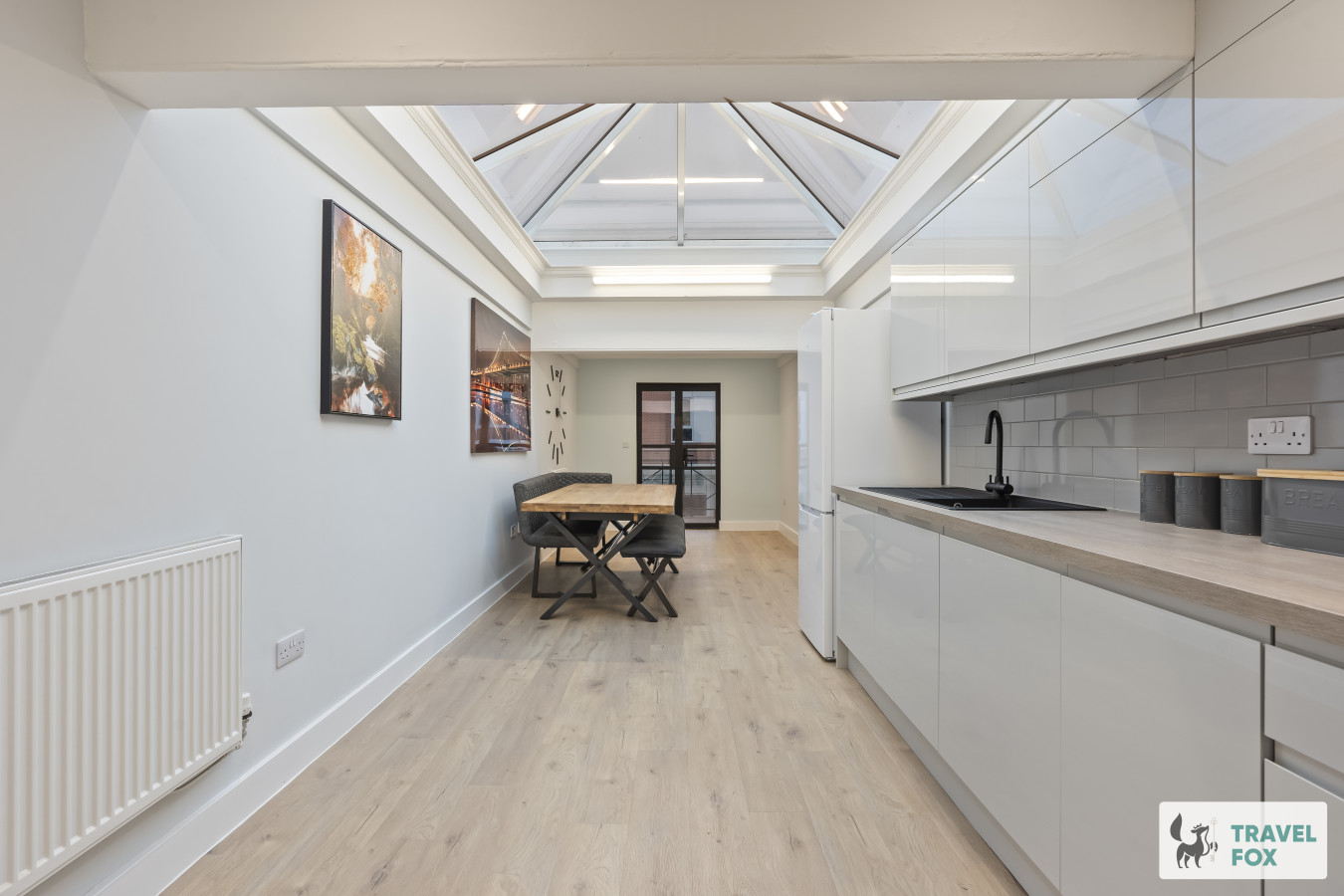
Nottingham
Camila's Penthouse Central Stay with Balcony
- Sleeps 16
- 5 bedrooms
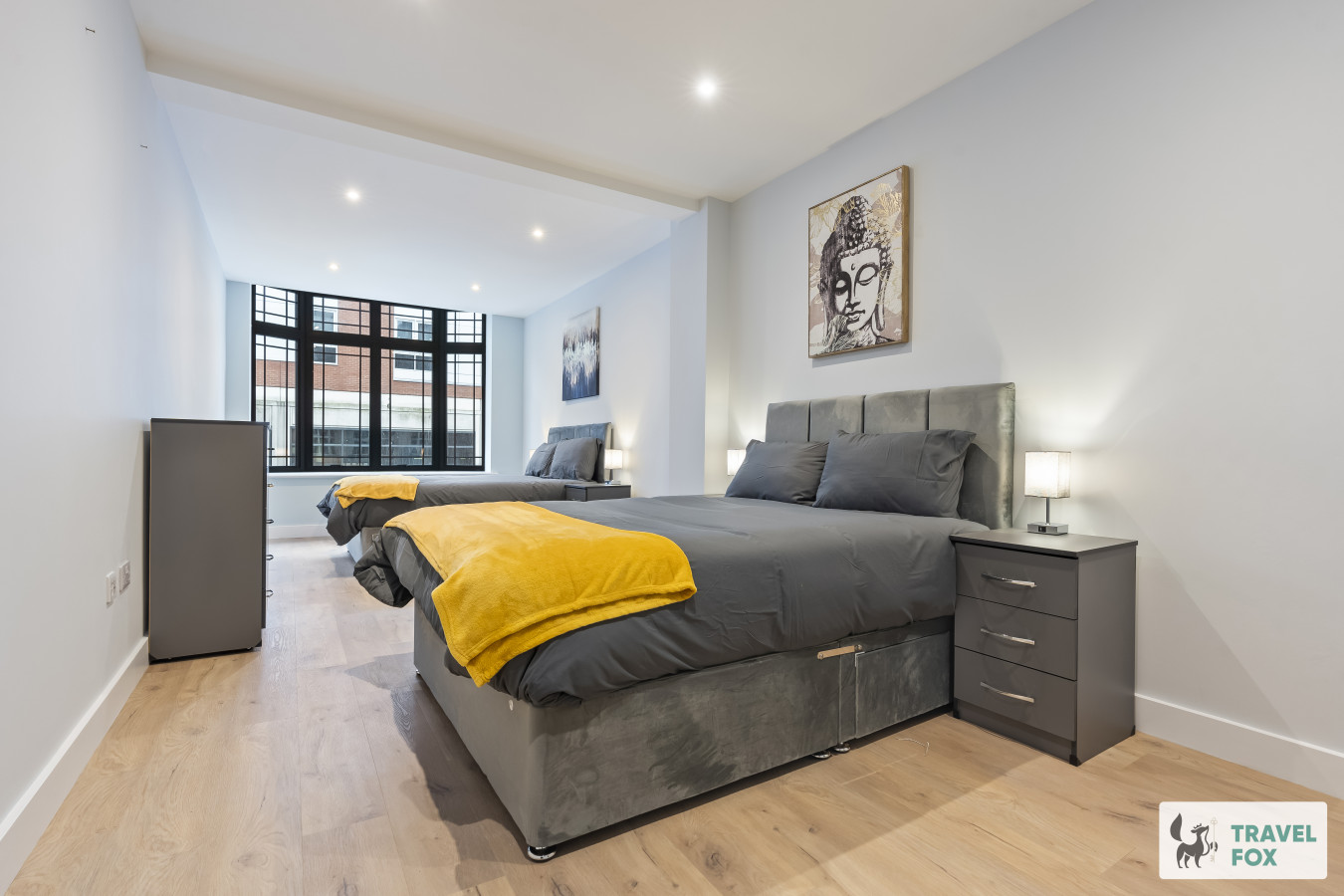
Nottingham
Blair's Central Stay
- Sleeps 16
- 5 bedrooms
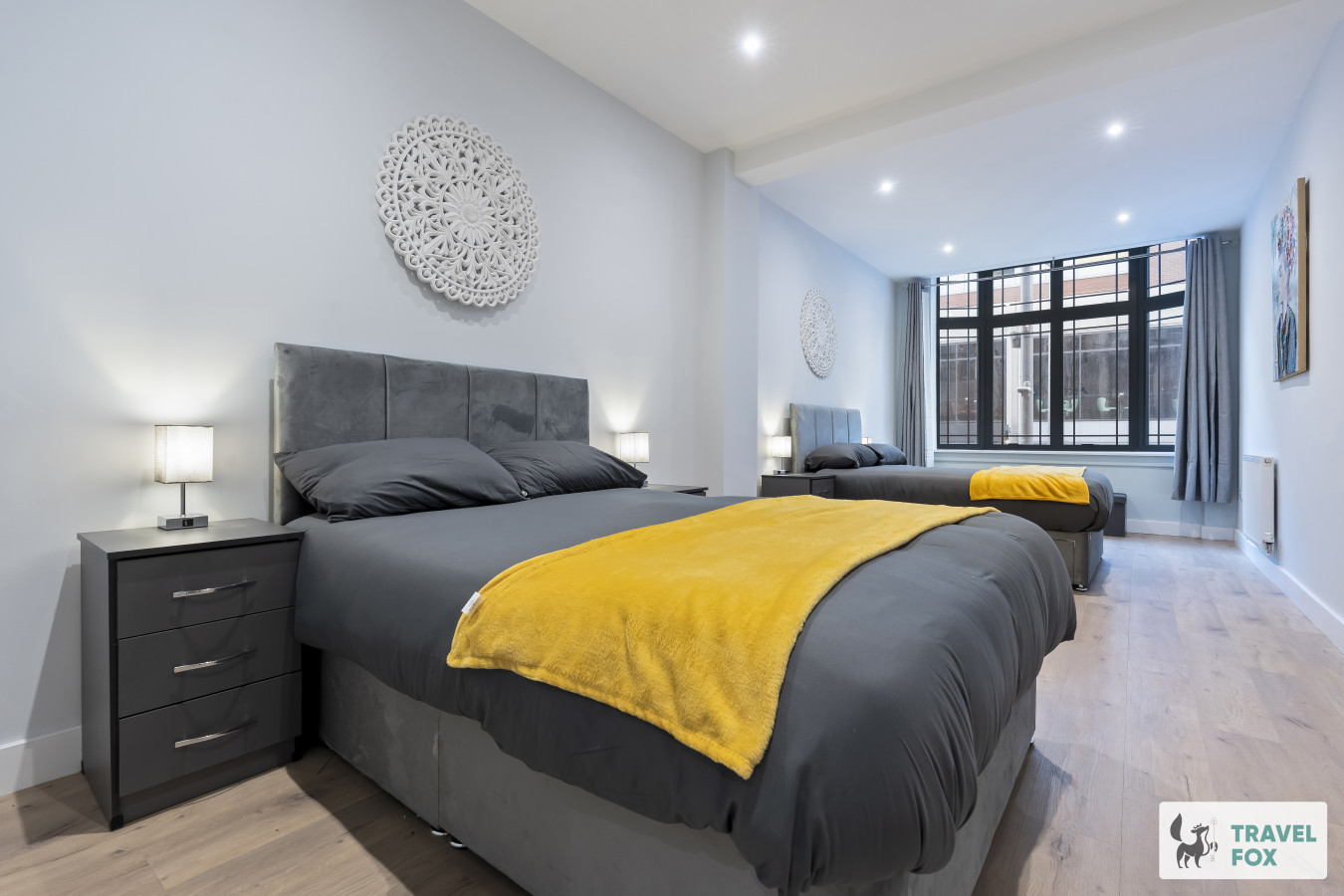
Nottingham
Anna's Central Stay
- Sleeps 16
- 5 bedrooms
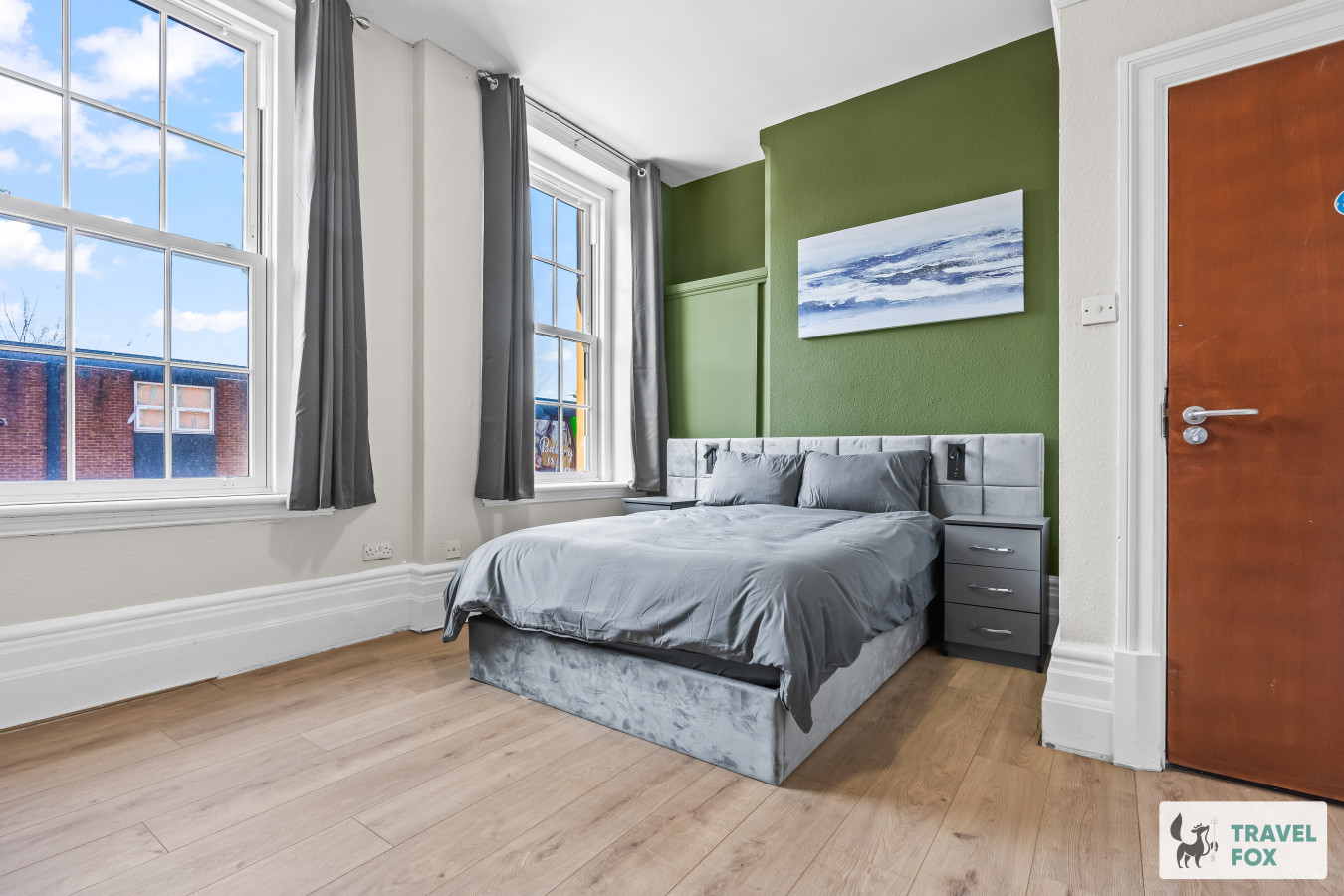
Nottingham
Melissa's Central Stay
- Sleeps 13
- 5 bedrooms
Nottingham
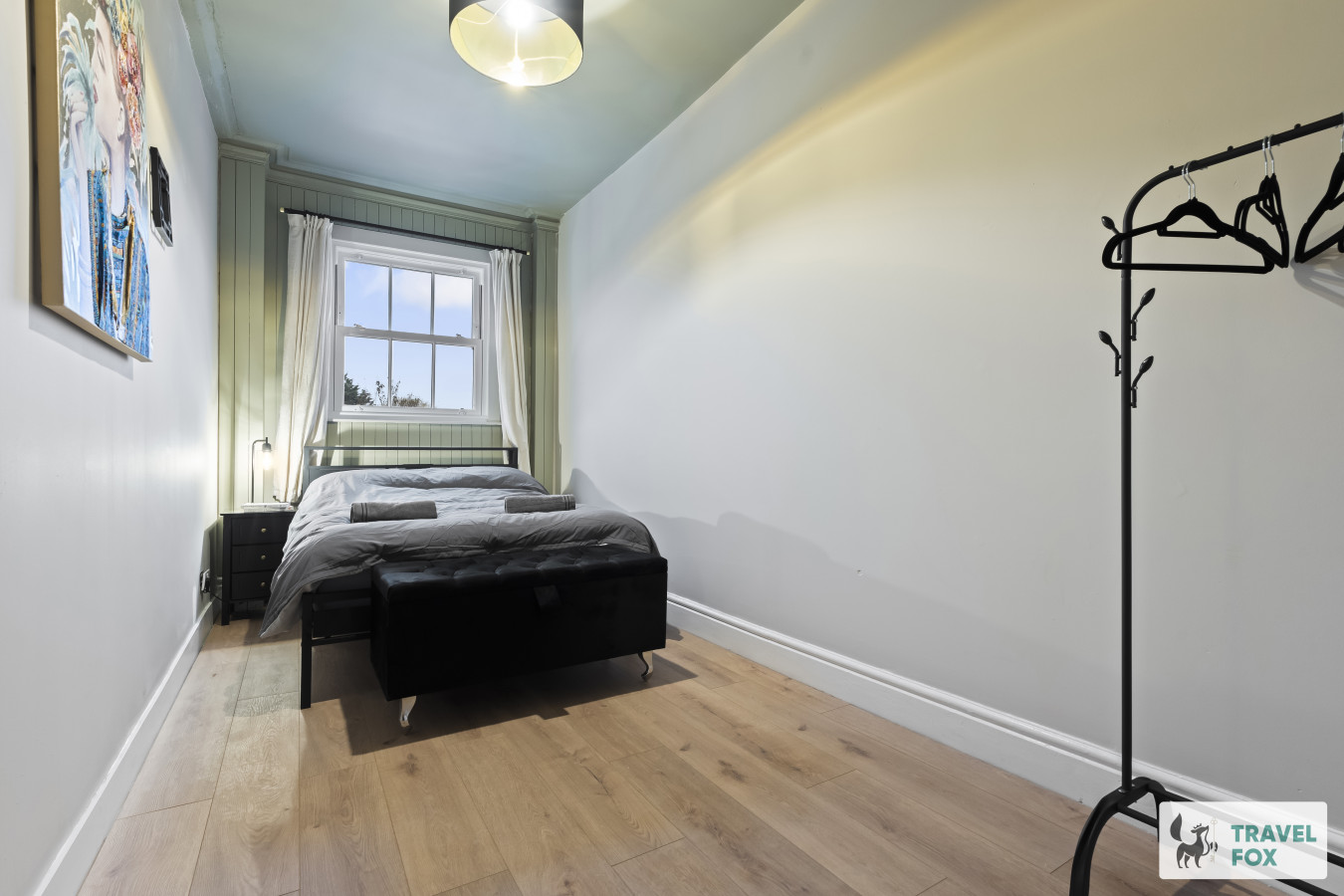
Callie's Central Stay
- Sleeps 9
- 3 bedrooms
For homeowners
Own a holiday home near Scrooby?
We manage holiday lets across the UK from 12% commission, charged after cleaning costs, with no lock-in. A co-founder visits before you decide.
How our holiday let management works →
A guide with a point of view
Written from research. Edited for real journeys.
Use the Official site links for live practical details, then use this guide for context, ideas and room to explore.
Sources
Every place on this page is checked against a published source. Each entry links the record we used and names who publishes it.
- Pilgrim Fathers — camra.org.uk operator, sector body or destination organisation
- St Wilfrid's Church — historicengland.org.uk statutory register or public authority record not machine-readable; publisher restricts automated access
- Mayflower/Pilgrims Trail — nationalchurchestrust.org national body or asset manager
- Scrooby Village Hall and recreation ground — scrooby.org operator, sector body or destination organisation
- St Helena's Church, Austerfield — nationalchurchestrust.org national body or asset manager
- All Saints' Church, Babworth — nationalchurchestrust.org national body or asset manager