
Nottinghamshire craft, rails and green space
Ruddington
Working knitting frames, preserved trains and paths across a reclaimed wartime depot give Ruddington several distinct ways into its history.
- Best for
- Living textile history and heritage transport
- Give it
- A museum visit, a park walk or a longer railway day
- Don't miss
- Original knitting frames still worked for visitors
The Fox verdict
A village where industrial history still moves
Ruddington pairs a rare surviving knitters' yard with a preserved railway, then opens out into a 210-acre country park and a wildflower-rich former cutting.
Come for working machinery and reconstructed village shops, then choose between heritage trains, more than five miles of country-park paths, local farm produce and a pub named for the framework-knitting story.
Where to go
Places in Ruddington
Every place below is checked against a published source, listed with what it is and how long to give it.
Local signatures
3 placesRushcliffe Country Park
A 210-acre country park with more than five miles of paths through grassland, wildflower meadows, community gardens and woodland, plus a lakeside café and a large play area.
- Visit length
- Editorial estimate: Allow around 90 minutes
- Locality
- South of Ruddington
Ruddington Village Museum
Hands-on reconstructions of Edwardian village shops, including a chemist, ironmonger, toy shop, cobbler and schoolroom.
- Visit length
- Editorial estimate: Allow around 60 minutes
- Locality
- Former Victorian school opposite St Peter's Church
Elms Farm Butchers
A butcher and farm shop selling lamb and beef reared at Elms Farm by the Brown family, alongside dairy, bread, eggs and pantry goods.
- Visit length
- Editorial estimate: Allow around 20 minutes
- Locality
- 17 High Street
Food & drink
2 placesParker's Yard Café
The museum-site café is run by Ruddington residents Jennifer Walker and Mike Gaunt and was runner-up for the Village Hospitality Award at the 2024 Rudd Awards.
- Visit length
- Editorial estimate: Allow around 45 minutes
- Locality
- At the Framework Knitters' Museum
The Frame Breakers
A traditional pub run by Nottingham Brewery with six changing beers and vegan food options; its renamed identity nods to Ruddington's framework-knitting history.
- Visit length
- Editorial estimate: Allow around 60 minutes
- Locality
- Ruddington
Walks & outdoors
1 placeWilwell Farm Cutting Nature Reserve
An SSSI and Local Nature Reserve with more than 230 recorded plant species, including southern marsh orchids and hemp agrimony.
- Visit length
- Editorial estimate: Allow around 75 minutes
- Locality
- Wilford Road, north of Ruddington
- Access
- Open to walk at all times.
History & heritage
2 placesFramework Knitters' Museum
A rare complete 19th-century framework knitters' yard, rescued from demolition in 1971, where original frames are still worked and visitors can try a vintage Griswold knitting machine.
- Visit length
- Editorial estimate: Allow around 75 minutes
- Locality
- Ruddington
Nottingham Transport Heritage Centre
A 25-acre transport heritage site combining an eight-mile steam and diesel railway, an indoor model railway exhibition and a working heritage bus depot.
- Visit length
- Editorial estimate: Allow around 2 hours
- Locality
- Ruddington Fields, south of Ruddington
- Access
- Selected-day train operation; train tickets are bought on the day.
No places match this filter. Choose All places to reset the list.
Three ways to explore Ruddington
Signature outings
Try the knitting story
See original frames worked in a rare complete knitters' yard, then try knitting on a vintage Griswold machine.
Take the preserved line
Board the surviving eight-mile Great Central Railway from the 25-acre transport heritage centre on a running day.
Walk the old cutting
Walk an abandoned railway cutting now protected for more than 230 recorded plant species.
The town story
Pubs, frames and trains: how Ruddington kept moving
Seven locked source paragraphs trace Ruddington from its pubs and independent shops through framework knitting, preserved transport, reclaimed land and village traditions.
Six pubs and their stories
The Three Crowns takes its name from the three chimney pots on its roof, and locals call it the Top House because it sits at the top of a street that once had three pubs in a row. Ruddington still runs to six pubs.
The Ruddington Arms is the smart one, a gastropub since a £290,000 refurbishment turned the old Jolly Farmers into an open-plan space. Curried parsnip soup is £5.25, there's a halloumi mushroom burger and a 6oz rump steak, and most people spend £10-20 a head — it won Best Public House at the Nottinghamshire Food and Drink Awards. The Frame Breakers, formerly the Bricklayer's Arms and renamed in 2015 for the village's framework-knitting history, is run by Nottingham Brewery and pours six changing beers; dogs get a free "dog beer," and Thursday is burger night. The White Horse Inn does stone-baked pizzas and slow-roasted pork belly around a beer garden used for festivals and barbecues. The Victoria Tavern, cream-and-black brick on the village edge, is a local with "a more mature clientele." Heart at Ruddington reopened in 2024, after years empty as the Red Heart.
Independents shaped by knitting
Elms Farm Butchers on the High Street sells lamb and beef reared by the Brown family, who have farmed locally since the 1700s — order over £25 and they'll deliver. Debbie Bryan is a craft gallery and café running "Crafternoons" workshops, with a sister shop in Nottingham's Lace Market. The village centre has more than fifteen independent shops, among them Phoenix Flowers, Zing Interiors and David Richards Jewellers, on streets within the Ruddington Conservation Area.
That density of shops and pubs traces back to framework knitting, which by 1851 employed half of the village's households. The yard behind the Framework Knitters' Museum — an 1690s farmhouse with Victorian additions — is one of the few complete knitters' yards standing anywhere, saved from demolition by local campaigners in 1971. The frames still run for visitors, and you can try a vintage Griswold knitting machine. Parker's Yard Café, on the same site, is run by Ruddington residents Jennifer Walker and Mike Gaunt.
Steam lines and reclaimed land
The railway that once served the village closed to passengers in 1963, but an eight-mile stretch survives as the Great Central Railway, running trains from the Nottingham Transport Heritage Centre most Sundays between April and October — entry is free, ticket bought on the day. The heritage centre sits next to Rushcliffe Country Park, 210 acres built on the old wartime munitions depot, with five miles of paths, a lakeside café and a play area built around an eight-metre "medieval city."
A church, a shell and a Victoria Cross
St Peter's Church has a 14th-century core behind an 1887 rebuild, and became the parish church only after the original one, at Flawford, was pulled down in the 1770s. Francis Wheatley, born here to a framework knitter, won the Victoria Cross at Sebastopol in 1854 for picking up a live shell and throwing it back over the parapet; Queen Victoria pinned it on him in person, at the first investiture in Hyde Park.
Getting here, market days and the Wakes
Buses run into Nottingham along the A60, five miles north, and the nearest railway station is Nottingham itself. There's a monthly Village Market, popular enough that Tripadvisor reviewers call it "a lovely way to spend a Saturday morning," and an annual Wakes Funfair that has run since 1968.
Stay around Nottinghamshire
Make a longer stay of it
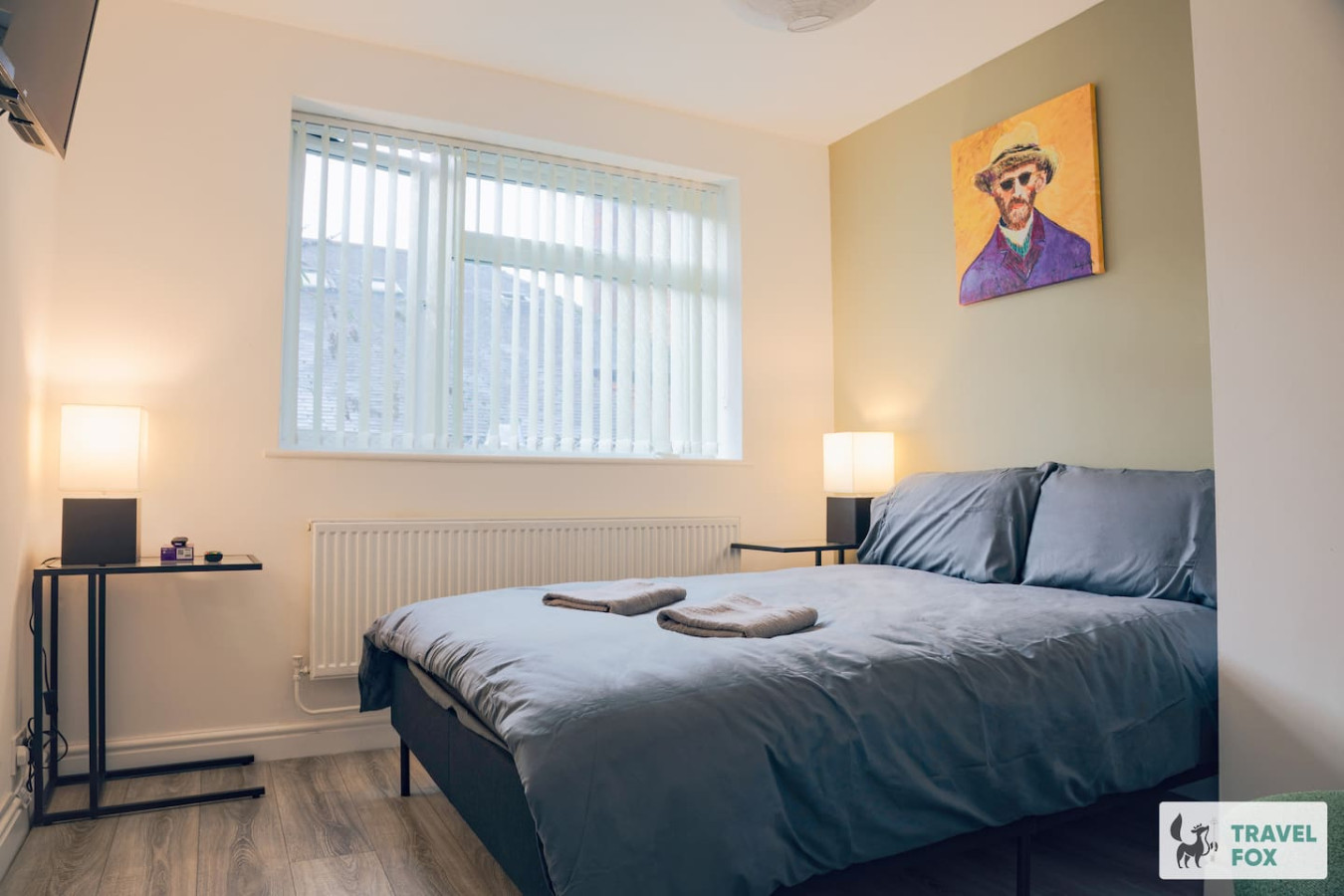
Travel Fox holiday homes around Nottinghamshire, linked directly to their property pages.
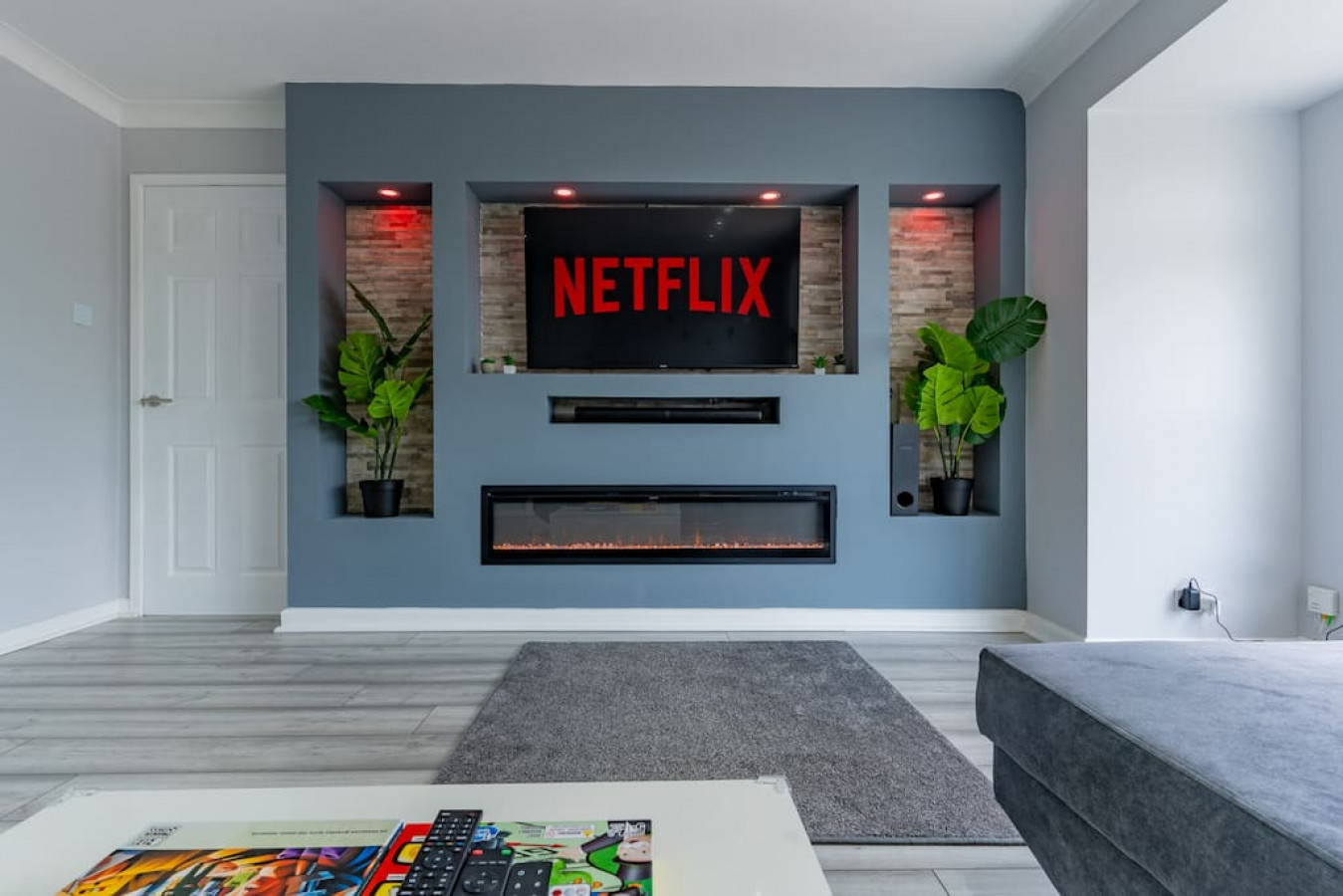
Ruddington
Jodi’s Bungalow, Parking & Large Garden
- Sleeps 6
- 3 bedrooms
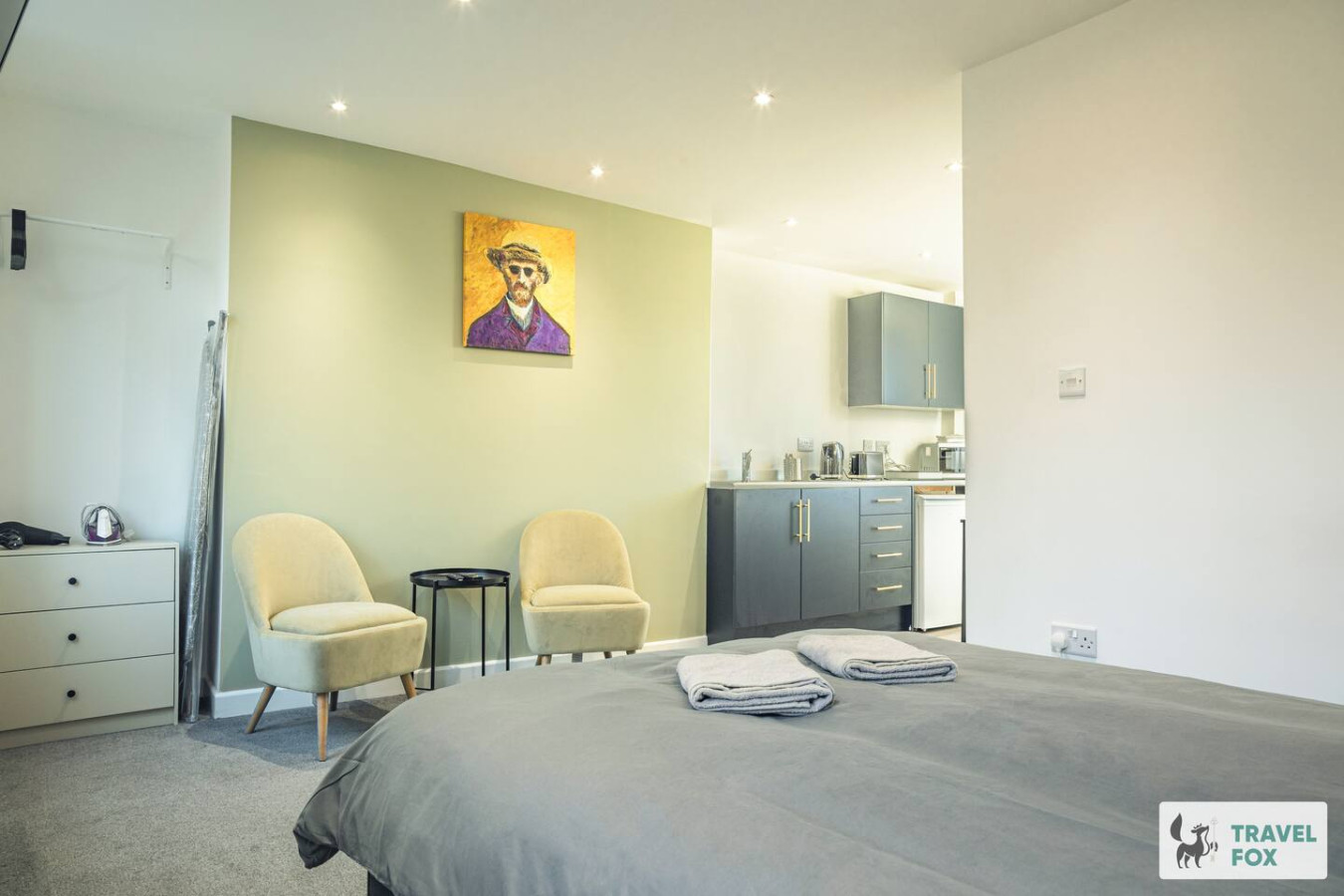
Nottingham
Flora's Flat 4
- Sleeps 2
- 1 bedroom
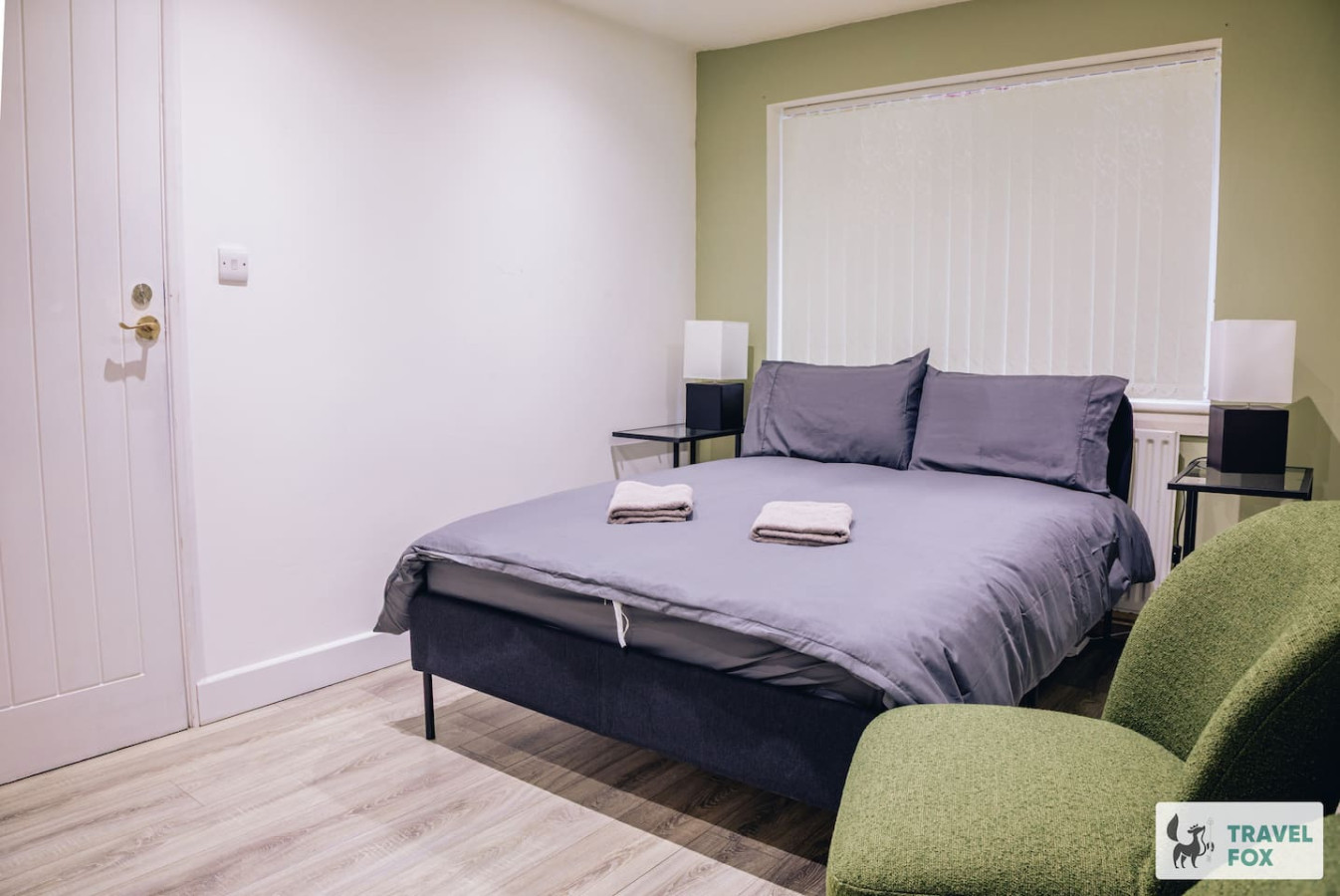
Nottingham
Flora's Flat 2
- Sleeps 2
- 1 bedroom
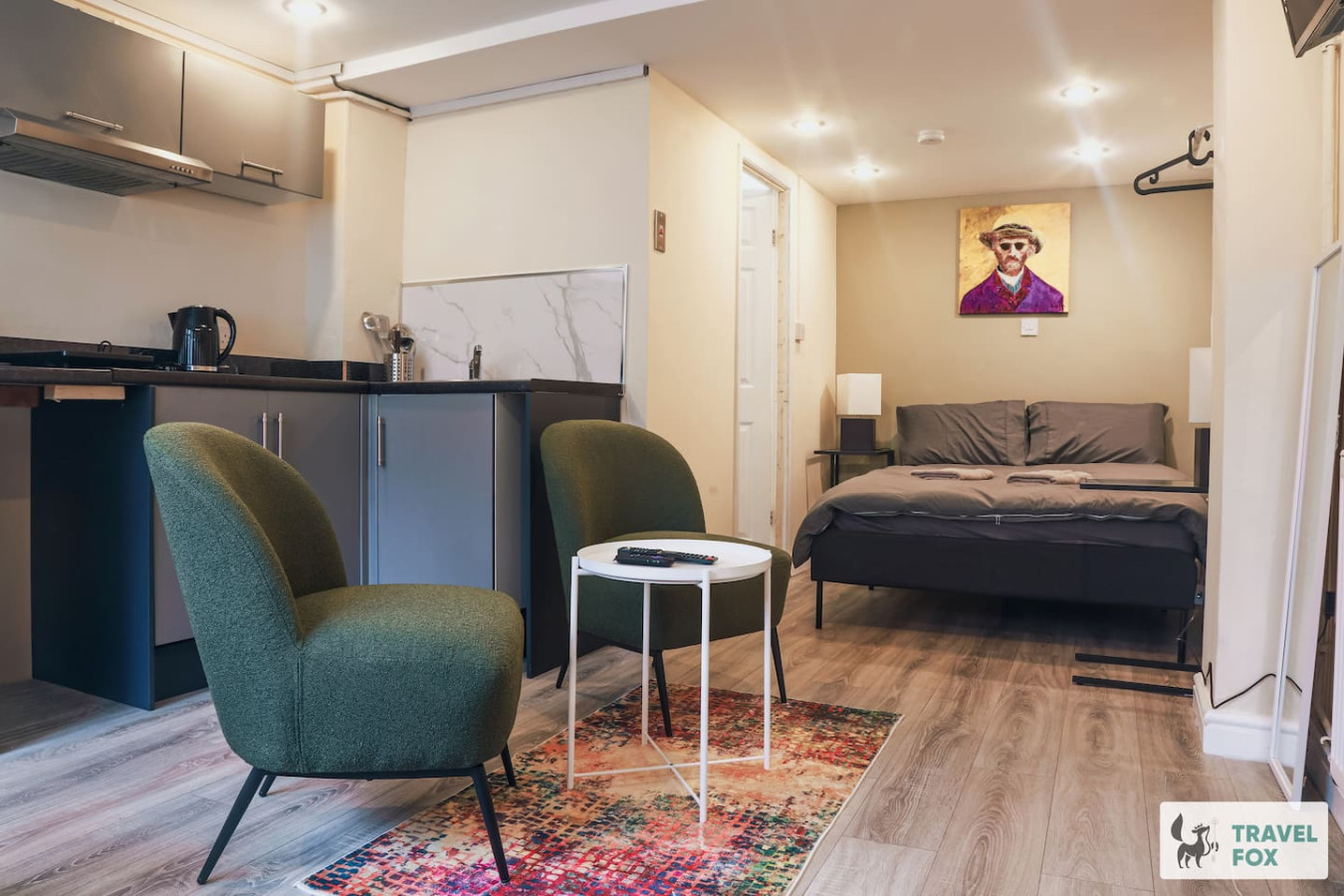
Nottingham
Flora's Flat 1
- Sleeps 2
- 1 bedroom
Nottingham
Flora's Flat 3
- Sleeps 2
- 1 bedroom
For homeowners
Own a holiday home near Ruddington?
We manage holiday lets across the UK from 12% commission, charged after cleaning costs, with no lock-in. A co-founder visits before you decide.
How our holiday let management works →
A guide with a point of view
Written from research. Edited for real journeys.
Use the Official site links for live practical details, then use this guide for context, ideas and room to explore.
Sources
Every place on this page is checked against a published source. Each entry links the record we used and names who publishes it.
- Framework Knitters' Museum — historicengland.org.uk statutory register or public authority record not machine-readable; publisher restricts automated access
- Parker's Yard Café — frameworkknittersmuseum.org.uk other published source
- Nottingham Transport Heritage Centre — gcrn.co.uk other published source
- Rushcliffe Country Park — rushcliffe.gov.uk statutory register or public authority
- Ruddington Village Museum — ruddington-museum.org.uk operator, sector body or destination organisation record not machine-readable; publisher restricts automated access
- Wilwell Farm Cutting Nature Reserve — nottinghamshirewildlife.org other published source
- Elms Farm Butchers — elmsfarmcostock.co.uk operator, sector body or destination organisation
- The Frame Breakers — framebreakers.co.uk operator, sector body or destination organisation