
Market, river and Civil War
Newark-on-Trent
Cobbled market-square grandeur, Civil War strongholds, historic pubs and a long riverside reach of the Trent.
- Best for
- Civil War history, old pubs and Trent-side walks
- Give it
- A weekend still will not cover every pub
- Don't miss
- Queen's Sconce in Sconce and Devon Park
The Fox verdict
A market town with real depth
Newark layers a vast cobbled market square, Civil War earthworks and a riverside setting into one rewarding stop.
Come for the National Civil War Centre and St Mary Magdalene's soaring spire; stay for riverside walking and pubs ranging from a medieval timber frame to a converted grain barge.
Where to go
Places in Newark-on-Trent
Every place below is checked against a published source, listed with what it is and how long to give it.
Local signatures
3 placesThe Prince Rupert
A half-timbered pub dating to around 1452, with traditional features, real ale and a courtyard patio garden.
- Visit length
- Editorial estimate: Allow around 90 minutes
- Locality
- 46 Stodman Street
National Civil War Centre
The museum displays the complete Iron Age Newark Torc and the printing press used for Lord Byron's suppressed first book, Fugitive Pieces.
- Visit length
- Editorial estimate: Allow around 90 minutes
- Locality
- 14 Appletongate
Sconce and Devon Park
A Green Flag park with a castle-themed children's play area, visitor centre with café and the intact diamond-shaped Queen's Sconce earthwork.
- Visit length
- Editorial estimate: Allow around 90 minutes
- Locality
- Sconce and Devon Park
Food & drink
1 placeCastle Barge
A former Spillers grain barge converted into a pub in 1980, moored at Town Wharf beside the Trent and serving wood-fired pizzas.
- Visit length
- Editorial estimate: Allow around 90 minutes
- Locality
- Town Wharf next to Trent Bridge
Walks & outdoors
1 placeTrent Valley Way
A 300 km walking route following the Trent from Staffordshire's Moorlands to the Humber Estuary, with stages through Newark.
- Visit length
- Editorial estimate: Allow around 120 minutes
- Locality
- through Newark
History & heritage
2 placesSt Mary Magdalene Church
A church built in stages from its twelfth-century crypt to early-sixteenth-century additions, crowned by a tower and spire reaching 232 feet to the base of the weathervane.
- Visit length
- Editorial estimate: Allow around 45 minutes
- Locality
- Newark-on-Trent
Newark Air Museum
On the former RAF Winthorpe airfield, this museum traces aviation history through aircraft, cockpit sections and local aviation artefacts.
- Visit length
- Editorial estimate: Allow around 120 minutes
- Locality
- Former RAF Winthorpe airfield near Coddington
- Access
- Follow the museum's Drove Lane directions; postcode navigation can lead visitors to the wrong part of the former airfield.
No places match this filter. Choose All places to reset the list.
Three ways to explore Newark-on-Trent
Signature outings
Follow the Civil War trail
Start at the National Civil War Centre for interactive trails that bring Newark's Civil War story to life.
Board the Castle Barge
Pair a wood-fired pizza with a Trent-side view from the former grain barge at Town Wharf.
Walk among aircraft
Move between the museum's outdoor aircraft displays and hangars, then explore its engine collection.
The town story
Newark-on-Trent: Market Place, Civil War and the Trent
A cobbled market place, a Royalist story told through earthworks and museum objects, and a riverside town shaped by the Trent.
Market flavours and a medieval pub
G.H. Porter Provisions traded continuously from the same premises in Newark from 1890 until it closed on 22 September 2023.
Newark's Market Place is one of the largest and finest cobbled market squares in the country, ringed by Georgian, Victorian and medieval buildings, with markets recorded here since the twelfth century. The town's Wednesday market continues that long tradition. On the west side is Newark Town Hall, designed by John Carr and completed in 1776: seven bays of ashlar stone, a Doric portico on four columns, a statue of Justice on top, and one of the finest Georgian town halls anywhere.
Alehouses by the Trent
The pubs are where Newark makes its case, and there are enough of them that a weekend doesn't cover it. The Prince Rupert, on Stodman Street, is a half-timbered, higgledy-piggledy medieval building dating to around 1452, named after the Royalist Civil War commander. After a four-year closure, the Thurlby group, now Knead Pubs, restored the Prince Rupert and reopened it on 17 March 2010; it won CAMRA Newark Pub of the Year in 2011. Real ale and a courtyard patio garden add to the appeal.
The Flying Circus brings real ale, craft beer and live music together. Beside the Trent, Castle Barge is a former Spillers grain barge that once worked between Hull and Gainsborough. It became a pub in 1980 and is moored at Town Wharf, where wood-fired pizzas are on the menu.
Sieges, gold and a soaring spire
Newark's riverside setting shaped its trade and its townscape. The Trent splits around the town into channels, including the Town Lock and Navigation Canal past Millgate, while the riverfront park offers footpaths beside the water. Millgate's Georgian and earlier merchant houses stand on a former industrial hub of mills, breweries, malting houses, fellmongers and a tannery.
During the Civil War the town chose the King's side and held to it through three sieges, in 1643, 1644 and 1645–46. Two earthwork forts went up outside the walls — the Queen's Sconce and the King's Sconce — along with 2.25 miles of defences. The garrison was never beaten in the field. It surrendered in May 1646 only because Charles I, having given himself up to the Scots at Southwell, wrote and told it to. The Queen's Sconce survives intact in Sconce and Devon Park, a diamond of raised earth still recognisably a fort, and is reckoned one of the best-preserved seventeenth-century earthworks anywhere. On Stodman Street, the Governor's House served as headquarters through the sieges of 1643 and 1646; Charles I is said to have stayed there, and restoration work turned up a long-drop toilet behind a wall, reputedly the king's own. A plaque nearby marks the house of Alderman Hercules Clay, a Newark mercer who dreamed three nights running that his home was burning, moved his family out, and watched a mortar bomb aimed at the Royalist governor's residence hit the actual building on the night of 11 March 1644.
Riverside walks and days out
The National Civil War Centre, on Appletongate, opened in 2015 and holds two objects that have no business sharing a building and somehow do. One is the Newark Torc: a complete Iron Age gold-alloy torc, 700 grams of rolled wire plaited into eight ropes and twisted together, found by a metal detectorist on the edge of town in February 2005. The other is the actual printing press used in November 1806 to run off Lord Byron's first book, "Fugitive Pieces," printed in Newark when the poet was eighteen. He burned most of the copies himself after a clergyman objected to one poem as indecent; only four are known to survive, one of them incomplete.
St Mary Magdalene Church rises over all of it with a tower and spire reaching 232 feet to the base of the weathervane, reputedly the tallest church spire in the county. It was built in stages across three and a half centuries, from the twelfth-century crypt through the Perpendicular additions of the early sixteenth. Nikolaus Pevsner called the nave "a wonder of proportion." It is a lot of church for a market town, and it earns the description.
Ways in, ways onward and one last pint
For walking, the riverside park gives you a footpath along the Trent to the Town Lock. The Trent Valley Way passes through Newark on a 300 km route from Staffordshire's Moorlands to the Humber Estuary, with stages linking Farndon, Newark and North Muskham. A network of surfaced paths and a fitness trail offers another way to explore the surviving Civil War earthwork.
There's more to do than eat and drink. The Palace Theatre on Appletongate opened in 1920 and is still running a full programme of music, comedy and drama, a short walk from the centre. Newark RUFC fields rugby teams from minis to veterans and lists a cricket section among its teams. On the former RAF Winthorpe airfield near Coddington, about 2.4 miles in a straight line from Newark town centre, Newark Air Museum displays aircraft and cockpit sections.
Two railway stations serve the town: the station closer to the centre is on the line between Nottingham and Lincoln, while Newark Northgate is on the East Coast Main Line. The two lines cross just north of the stations at Britain's last flat crossing between standard gauge lines on the national rail network — trains from two directions sharing one crossing with no bridge between them. The A1 and A46 bypasses keep most through-traffic off the Market Place; Nottingham is about 21 miles by road. Buses from Newark Bus Station run to Nottingham, Mansfield, Grantham, Lincoln and Retford, and there's a direct service to Southwell about four times a day.
For a last pint, Just Beer Micropub sits at 36A Castle Gate. Four changing cask ales share the bar with cider and perry, while pub games and three annual beer festivals give the micropub its character. Just Beer Micropub has won Newark CAMRA Town Pub of the Year ten times.
Stay around Nottinghamshire
Make a longer stay of it
Travel Fox holiday homes around Nottinghamshire, linked directly to their property pages.
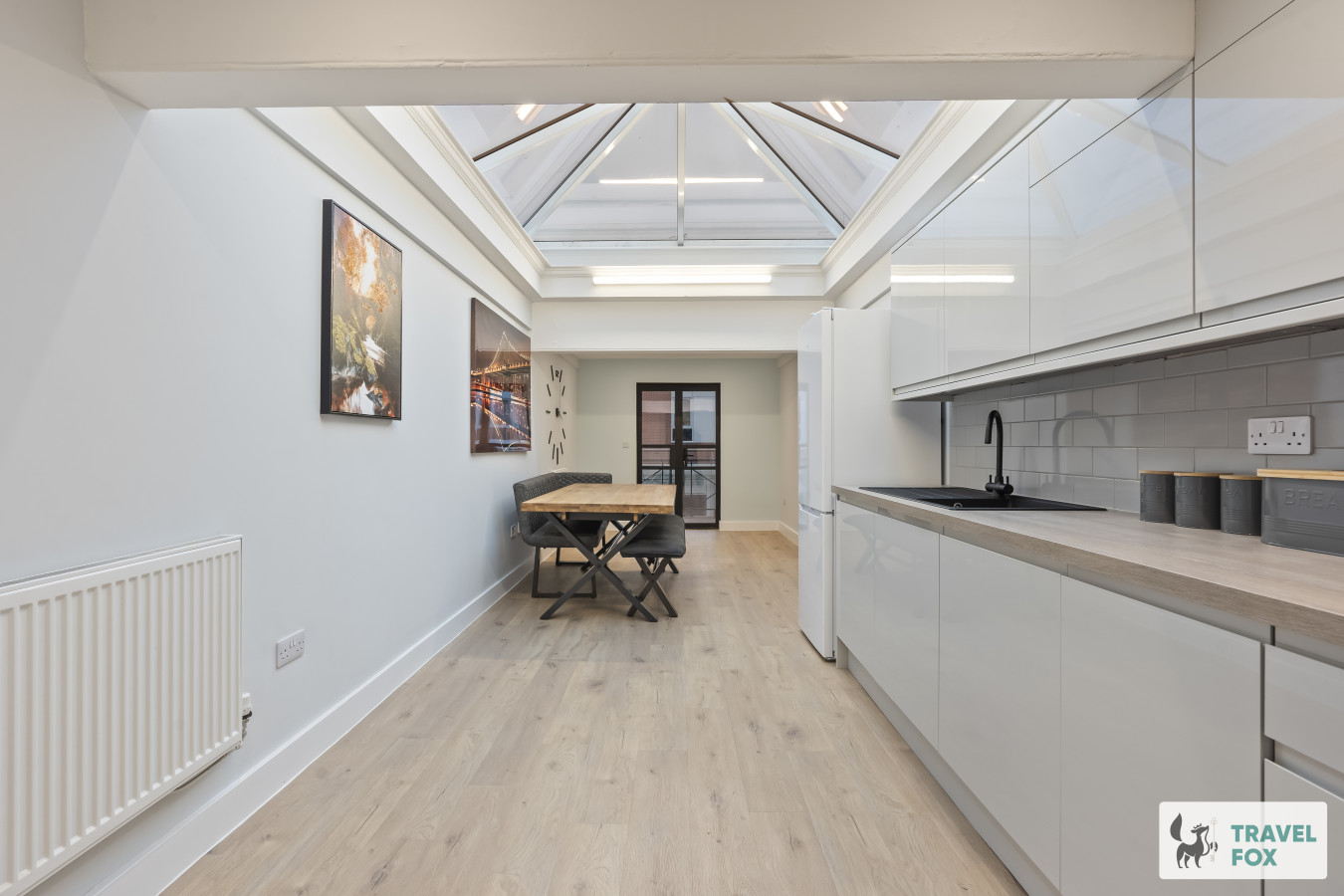
Nottingham
Camila's Penthouse Central Stay with Balcony
- Sleeps 16
- 5 bedrooms
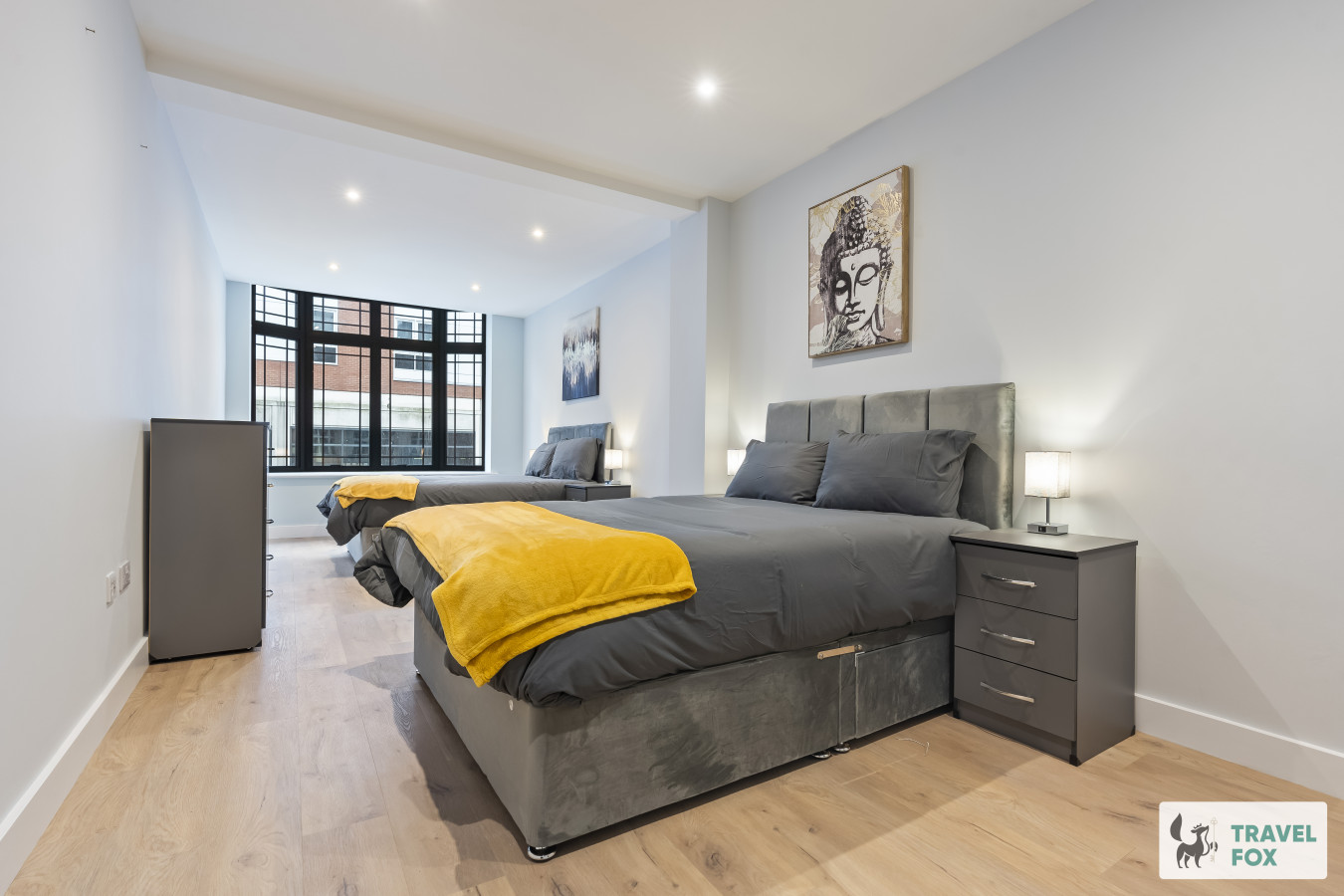
Nottingham
Blair's Central Stay
- Sleeps 16
- 5 bedrooms
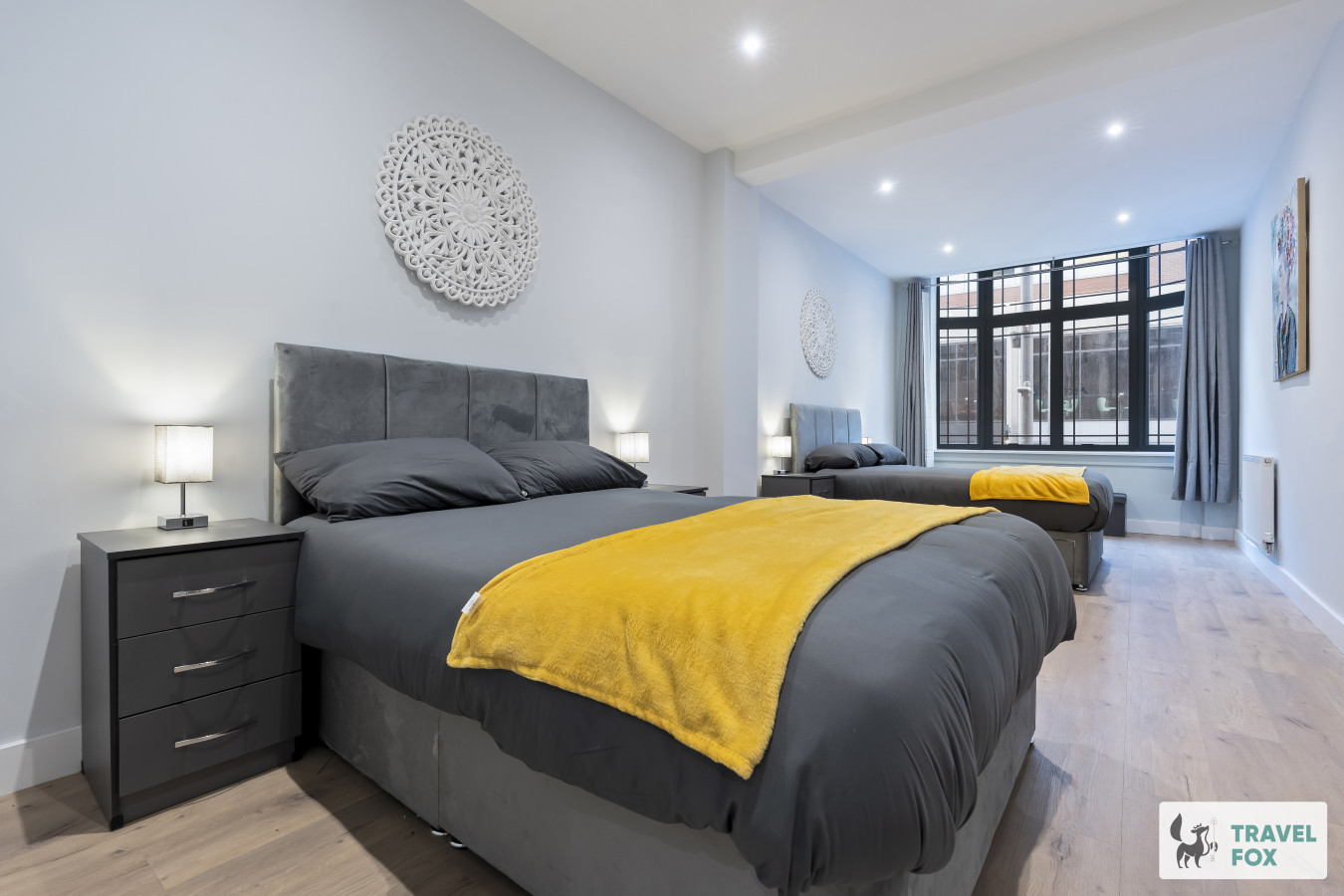
Nottingham
Anna's Central Stay
- Sleeps 16
- 5 bedrooms
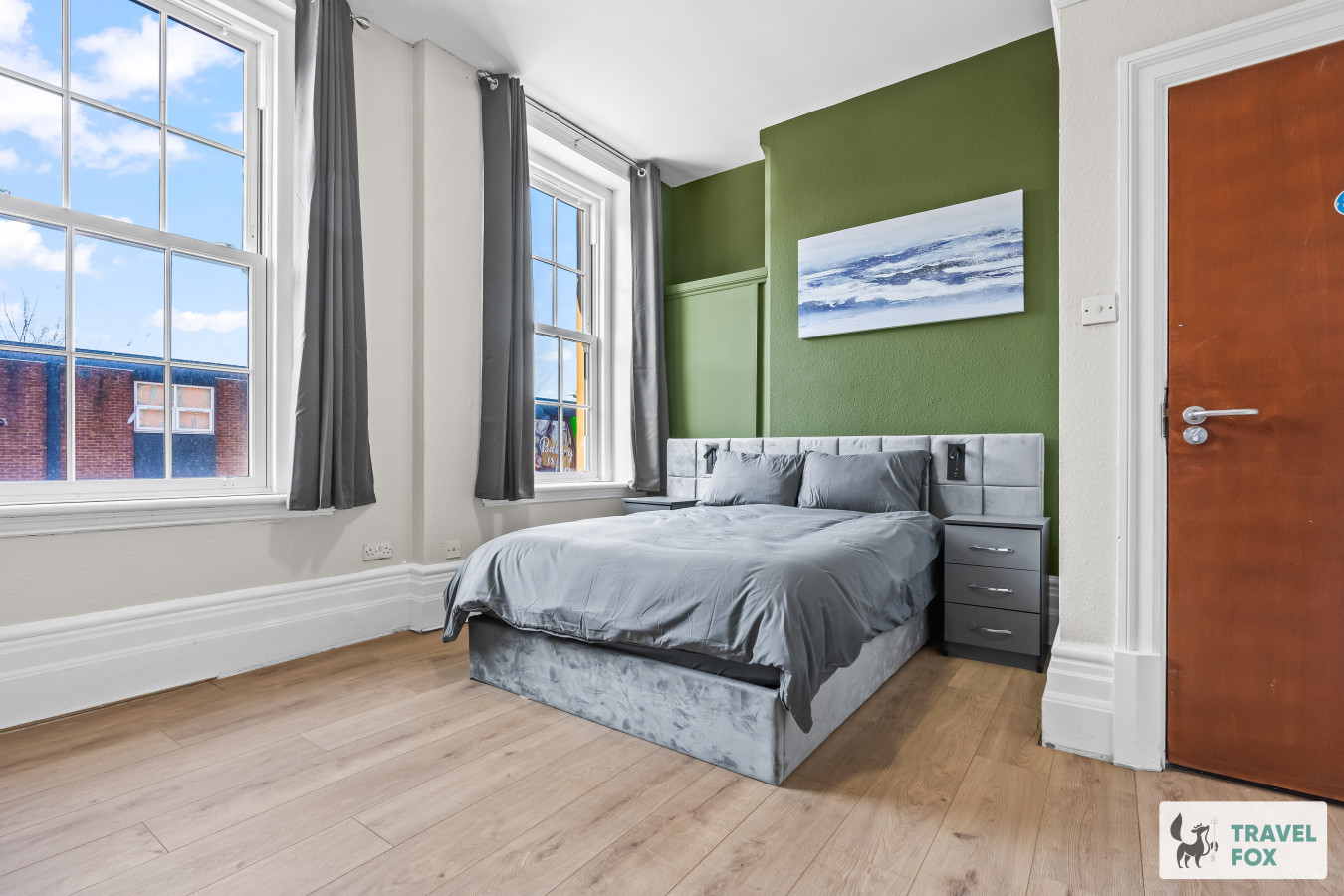
Nottingham
Melissa's Central Stay
- Sleeps 13
- 5 bedrooms
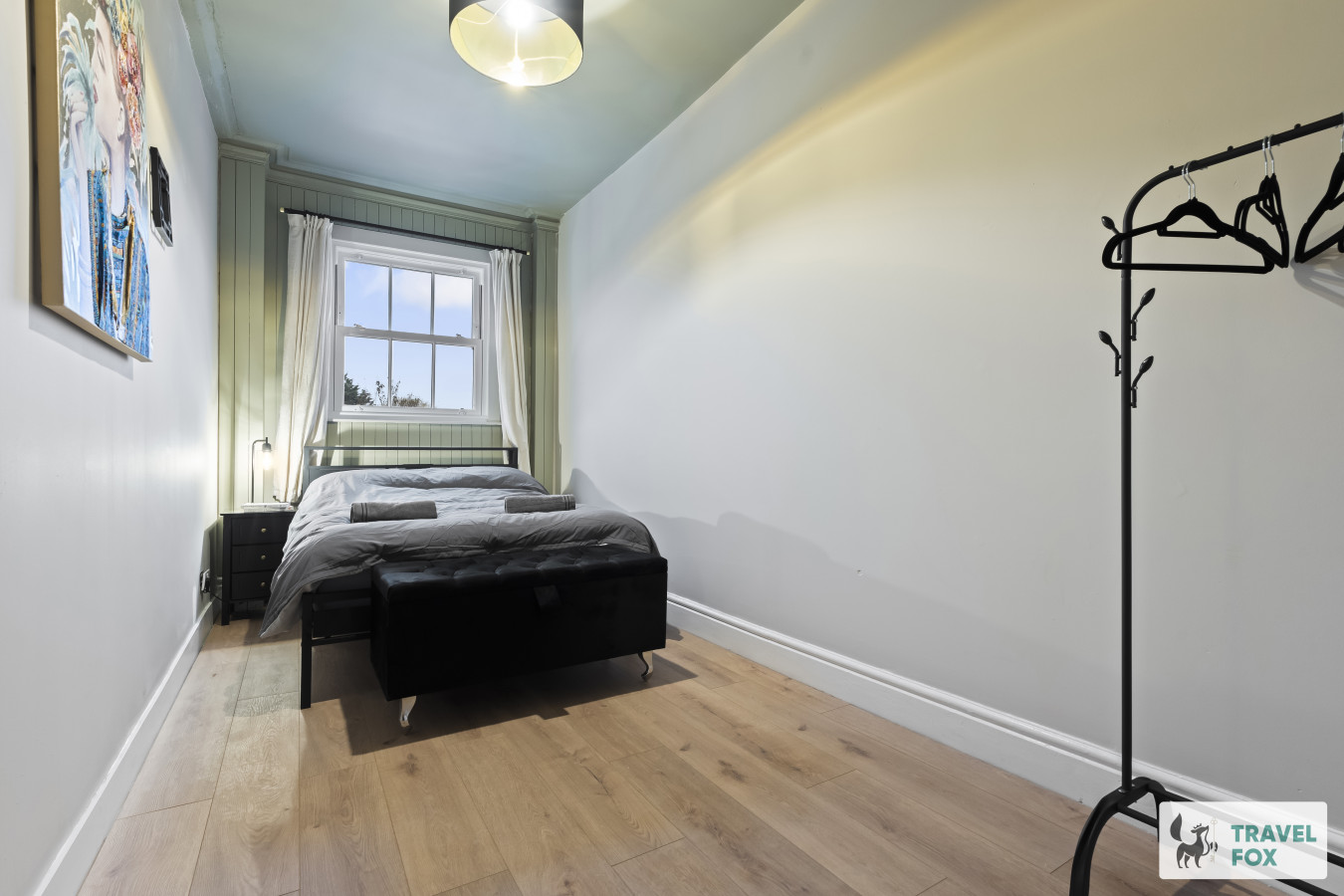
Nottingham
Callie's Central Stay
- Sleeps 9
- 3 bedrooms
For homeowners
Own a holiday home near Newark-on-Trent?
We manage holiday lets across the UK from 12% commission, charged after cleaning costs, with no lock-in. A co-founder visits before you decide.
How our holiday let management works →
A guide with a point of view
Written from research. Edited for real journeys.
Use the Official site links for live practical details, then use this guide for context, ideas and room to explore.
Sources
Every place on this page is checked against a published source. Each entry links the record we used and names who publishes it.
- The Prince Rupert — theprincerupert.com operator, sector body or destination organisation
- National Civil War Centre — nationalcivilwarcentre.com operator, sector body or destination organisation
- St Mary Magdalene Church — stmnewark.org other published source
- Sconce and Devon Park — newark-sherwooddc.gov.uk statutory register or public authority
- Castle Barge — castlebarge.com operator, sector body or destination organisation
- Newark Air Museum — newarkairmuseum.org operator, sector body or destination organisation
- Trent Valley Way — trentriverstrust.org operator, sector body or destination organisation