
Village stories
Lowdham
A Nottinghamshire village of medieval church history, railway heritage, a gold postbox and a long-running literary festival.
- Best for
- Railway history, village pubs and medieval heritage
- Give it
- A half day for landmarks and a meal
- Don't miss
- Sir John de Lowdham's chain-mail effigy at St Mary's
The Fox verdict
Small landmarks, long village stories
Lowdham brings together a Grade I-listed church, a railway station dating from 1846, village pubs and an unusual sporting tribute.
The gold-painted postbox for Paralympic sprinter Richard Whitehead gives Main Street an immediate landmark. West of the modern bypass, St Mary's holds the chain-mail effigy of Sir John de Lowdham, while the station and The Railway carry the village's railway story. The Village Hall adds the community setting where the Lowdham Book Festival began in 2000.
Where to go
Places in Lowdham
Every place below is checked against a published source, listed with what it is and how long to give it.
Local signatures
3 placesThe Railway
An independently owned, multi-award-winning gastropub with railway memorabilia on its walls and four changing beers featuring local brewers.
- Visit length
- Editorial estimate: allow around 90 minutes
- Locality
- next to Lowdham railway station
The Springfield Inn
A country pub with classic dishes, cask ales, a garden and accommodation.
- Visit length
- Editorial estimate: allow around 90 minutes
- Locality
- Old Epperstone Road, outside central Lowdham
- Access
- Dogs on leads are welcome in the bar and outdoor areas.
The Magna Charta
A plush, modern Greene King pub with an L-shaped bar, licensed as far back as 1876 and once run by former England footballer Tommy Lawton.
- Visit length
- Editorial estimate: allow around 90 minutes
- Locality
- NG14 7DQ
- Access
- The outdoor area includes a children's play area.
History & heritage
3 placesLowdham Post Office and Gold Postbox
The gold-painted postbox outside the Post Office honours Richard Whitehead, the Paralympic sprinter; the branch also provides standard Post Office services.
- Visit length
- Editorial estimate: allow around 15 minutes
- Locality
- 59 Main Street (NG14 7BD)
St Mary's Church
A Grade I-listed church with medieval fabric and the chain-mail effigy of Sir John de Lowdham in its north-west corner.
- Visit length
- Editorial estimate: allow around 45 minutes
- Locality
- on the old village side, west of the modern bypass
Lowdham Railway Station
This Grade II-listed, yellow-brick station dates from the mid-19th century; its buildings were probably designed by T. C. Hine.
- Visit length
- Editorial estimate: allow around 25 minutes
- Locality
- on the Nottingham–Lincoln line
Things to do
1 placeLowdham Village Hall and Playing Fields
The Main Street hall has a children's play area and bowling green beside it, with football and cricket pitches across Cocker Beck.
- Visit length
- Editorial estimate: allow around 45 minutes
- Locality
- on Main Street
No places match this filter. Choose All places to reset the list.
Three ways to explore Lowdham
Signature outings
A Paralympic Postbox
Whitehead's gold in the men's T42 200 metres at the London 2012 Paralympics gave this Main Street postbox its colour.
Sir John in Chain Mail
Look for the Norman-French inscription along the knight's slab and the small reading figures carved beside his head.
The 1846 Station
The station building's yellow brickwork and decorative bargeboards are details to look for as you pass through.
The village story
Lowdham: A Gold Postbox and a Bookshop's Legacy
Gold-painted commemoration, pub and railway history, a medieval church and the village festival that grew from one bookshop.
Gold Postbox and Village Pubs
Outside the Post Office on Main Street, a gold-painted postbox commemorates Richard Whitehead's gold in the men's T42 200 metres at the London 2012 Paralympics.
Lowdham's village pub line-up includes The Railway beside the station, a multi-award-winning gastropub with railway memorabilia. The Springfield Inn, about 1.2 miles from Lowdham village centre in a straight line, welcomes dogs on leads in the bar and outdoor areas. The Magna Charta was once run by England footballer Tommy Lawton.
The Bookshop and Festival
Jane Streeter's Bookcase was part of Lowdham's Main Street for thirty years. The festival it organised began with an Alan Sillitoe interview in the Village Hall in 2000 and held its final edition in June 2026. The bookshop closed on 5 September 2026. Its Bookcase Editions imprint published books by local writers, leaving a literary legacy beyond the festival.
Old Lowdham and St Mary's
West of the bypass, St Mary's is a Grade I-listed church with medieval fabric and 19th-century restoration. In its north-west corner stands the chain-mail effigy of Sir John de Lowdham; a Norman-French inscription runs along the slab. The Domesday entry associated with Lowdham records an estimated three households and one ploughland.
Walking and Railway Links
Public footpaths from Lowdham lead into the Dover Beck valley, while paths near Gunthorpe continue towards Hoveringham. Lowdham station sits on the Nottingham–Lincoln line, and its listed yellow-brick building was probably designed by T. C. Hine.
A Final Festival
The final Lowdham Book Festival took place in June 2026, with the Village Hall among its venues. The Bookcase closed that September after thirty years on Main Street. Outside the Post Office, the gold postbox commemorates another Lowdham story: Richard Whitehead's Paralympic gold.
Stay around Nottinghamshire
Make a longer stay of it
Travel Fox holiday homes around Nottinghamshire, linked directly to their property pages.
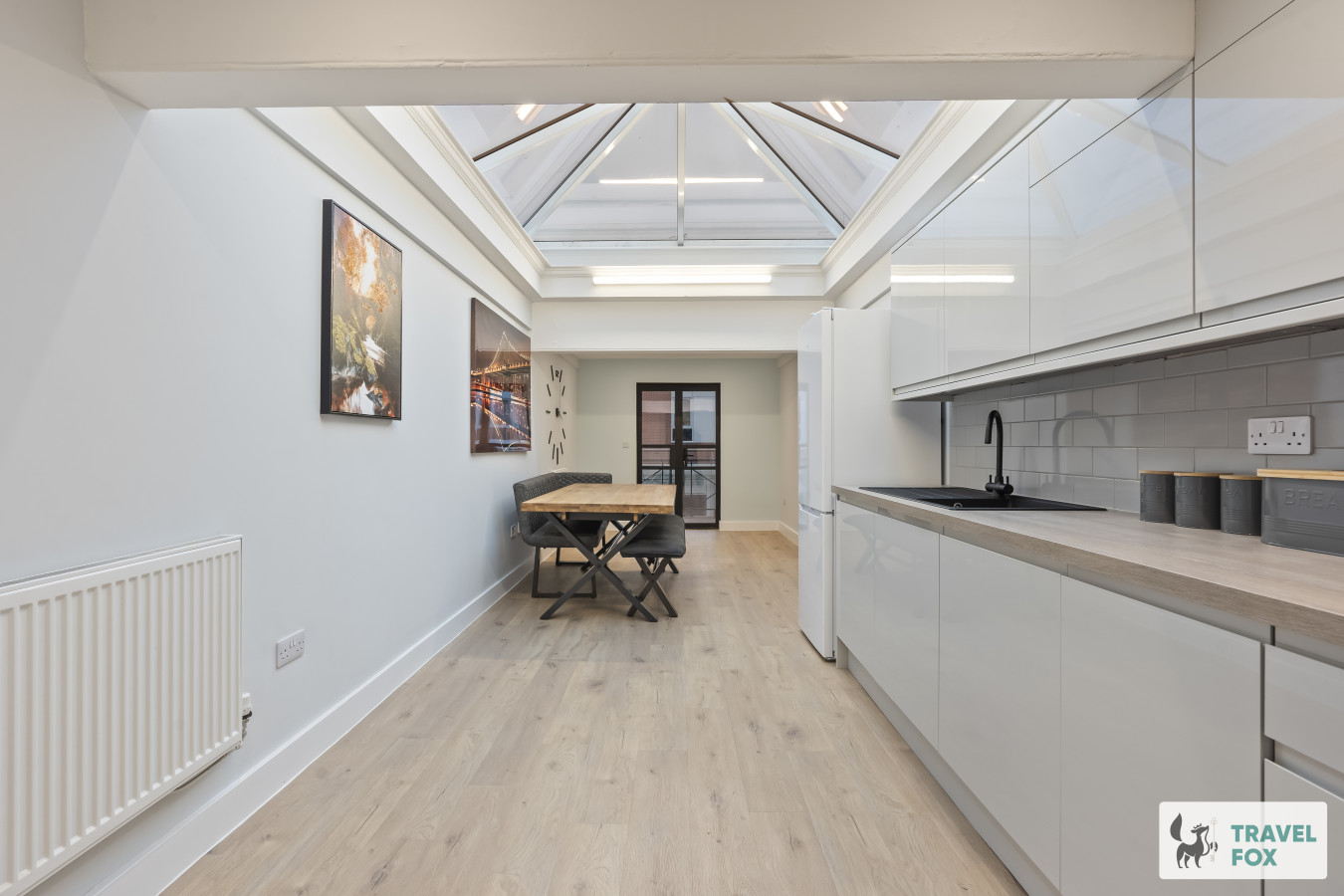
Nottingham
Camila's Penthouse Central Stay with Balcony
- Sleeps 16
- 5 bedrooms
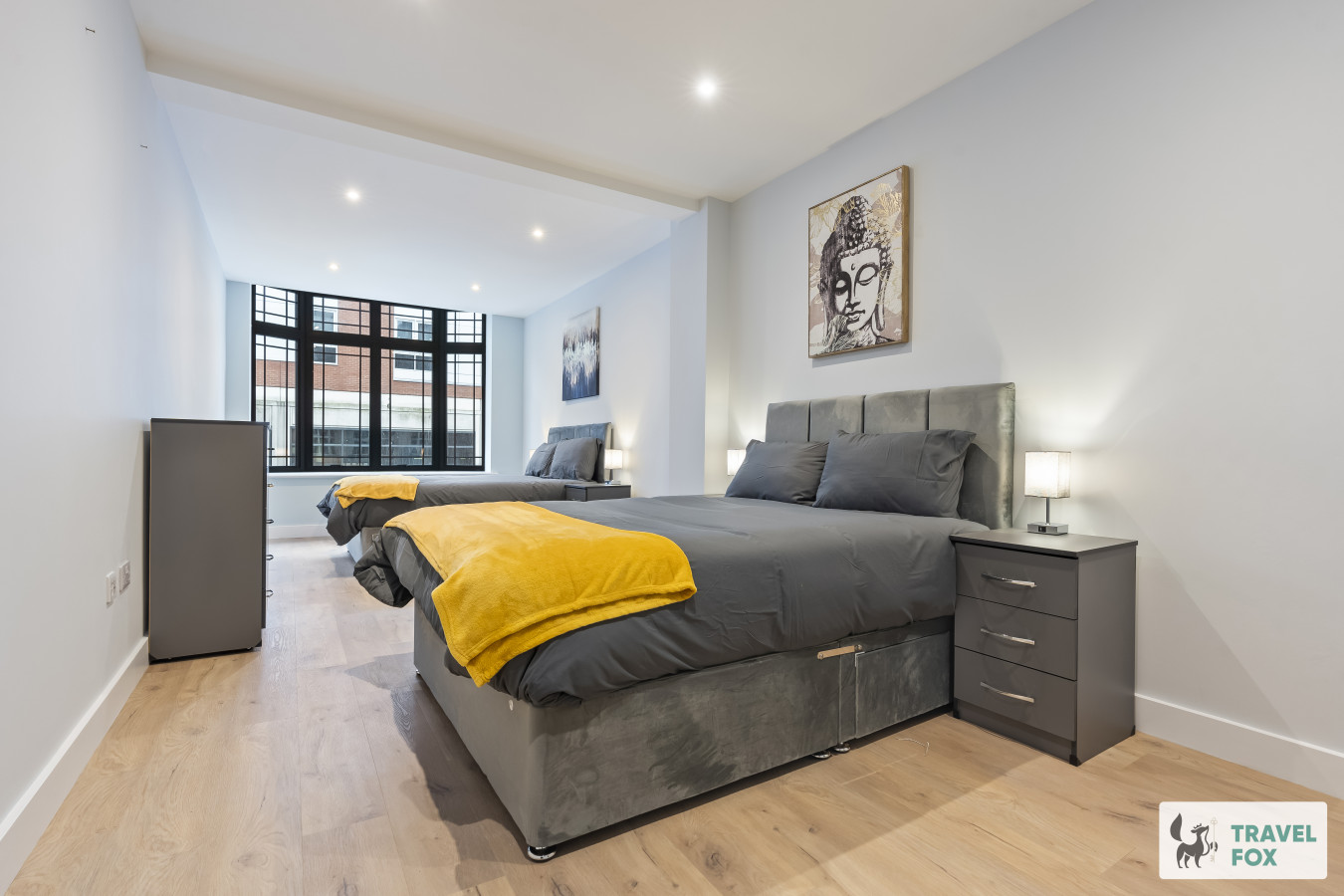
Nottingham
Blair's Central Stay
- Sleeps 16
- 5 bedrooms
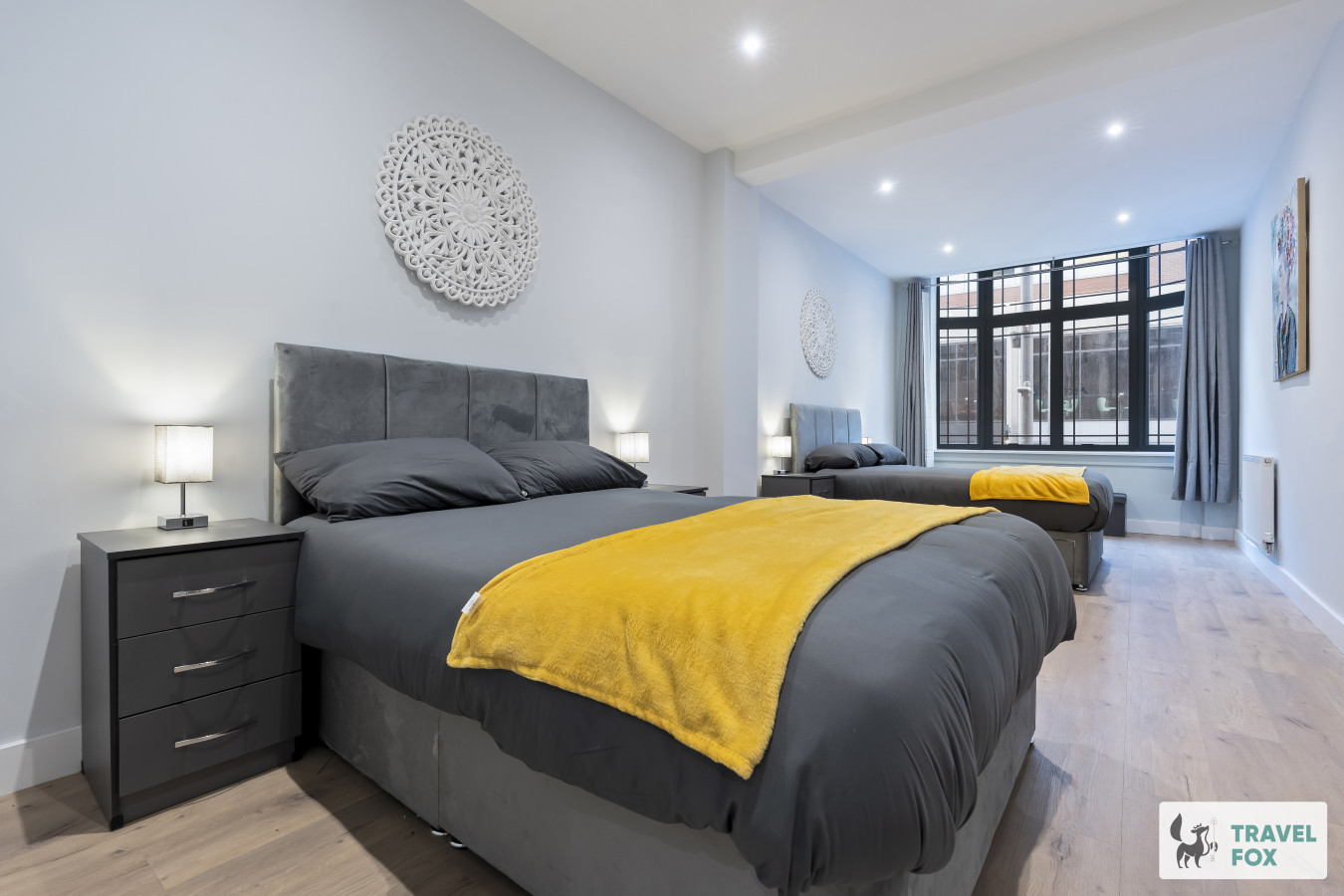
Nottingham
Anna's Central Stay
- Sleeps 16
- 5 bedrooms
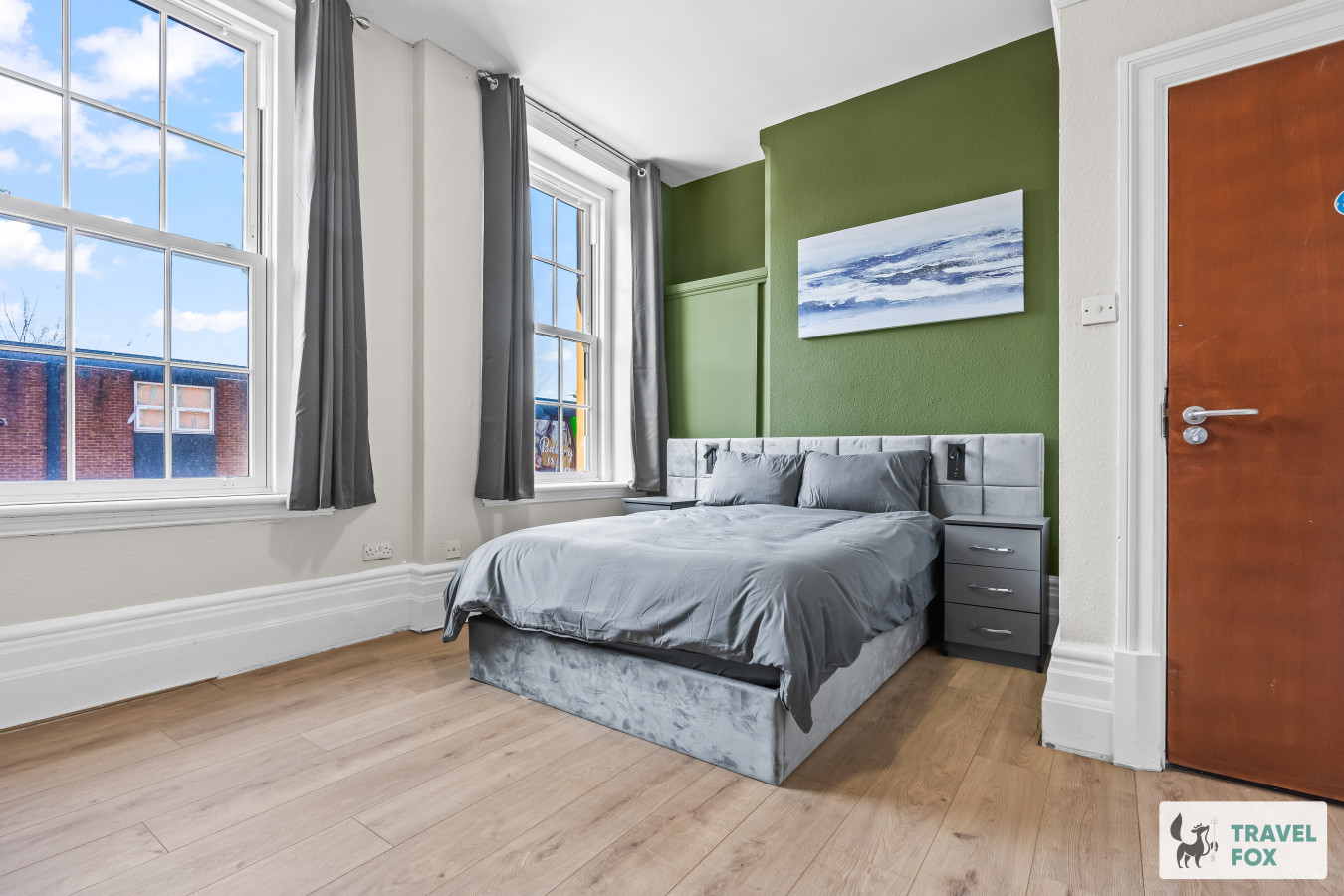
Nottingham
Melissa's Central Stay
- Sleeps 13
- 5 bedrooms
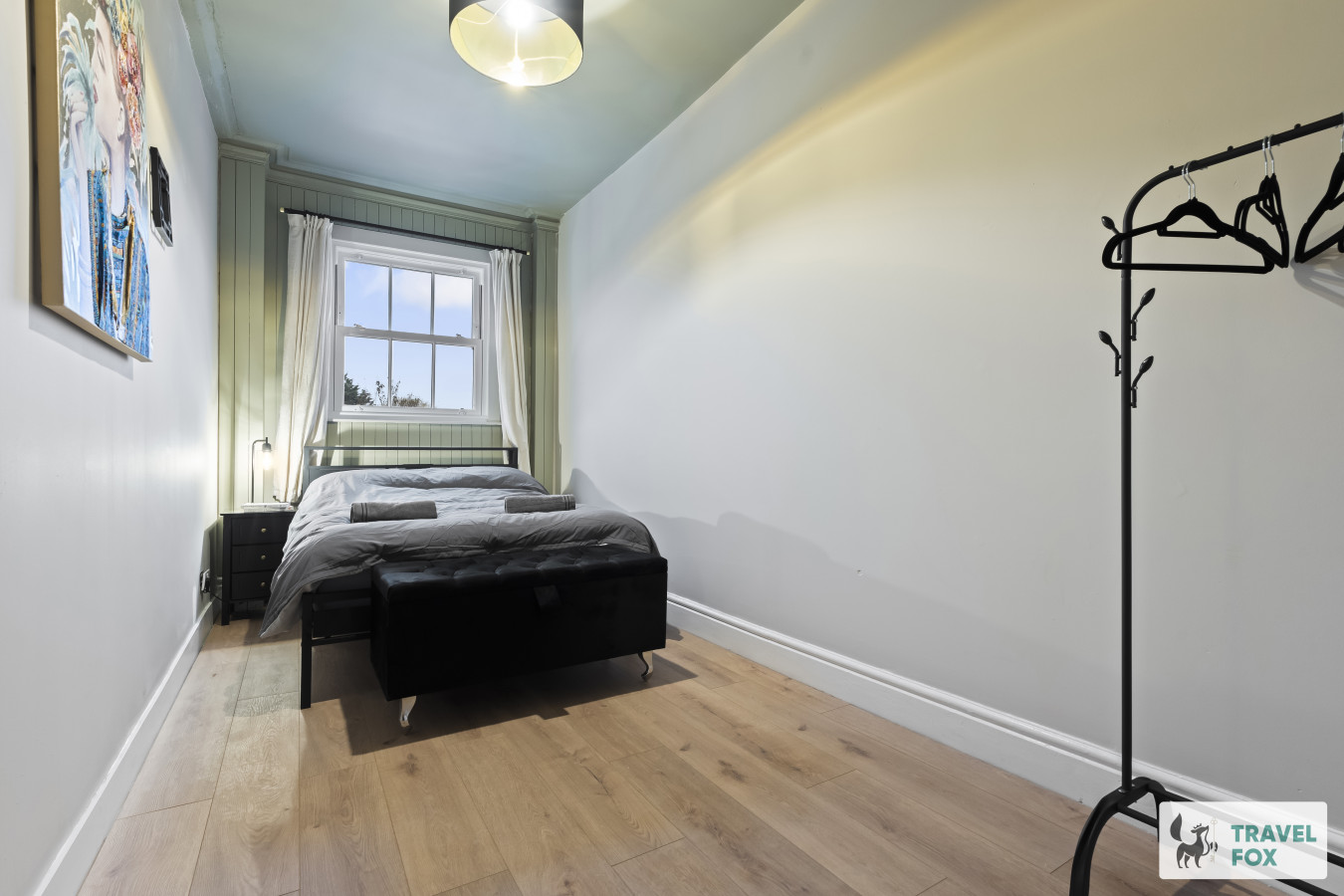
Nottingham
Callie's Central Stay
- Sleeps 9
- 3 bedrooms
For homeowners
Own a holiday home near Lowdham?
We manage holiday lets across the UK from 12% commission, charged after cleaning costs, with no lock-in. A co-founder visits before you decide.
How our holiday let management works →
A guide with a point of view
Written from research. Edited for real journeys.
Use the Official site links for live practical details, then use this guide for context, ideas and room to explore.
Sources
Every place on this page is checked against a published source. Each entry links the record we used and names who publishes it.
- Lowdham Post Office and Gold Postbox — postoffice.co.uk operator, sector body or destination organisation record not machine-readable; publisher restricts automated access
- The Railway — railwaylowdham.co.uk operator, sector body or destination organisation
- The Springfield Inn — camra.org.uk operator, sector body or destination organisation
- The Magna Charta — camra.org.uk operator, sector body or destination organisation
- St Mary's Church — historicengland.org.uk statutory register or public authority record not machine-readable; publisher restricts automated access
- Lowdham Railway Station — nationalrail.co.uk other published source
- Lowdham Village Hall and Playing Fields — hugofox.com other published source