
England's open-field survivor
Laxton
Walk through three unenclosed fields still farmed in strips, then follow Laxton's story from Norman earthworks to its working Court Leet.
- Open fields
- Mill Field, South Field and West Field
- Mapped
- 2,280 strips in 1635
- Still governing
- A functioning manorial Court Leet
The Fox verdict
A medieval field system still doing its job
Laxton's defining sight is not a preserved fragment but three open fields still divided, worked and governed in strips.
Public footpaths cross the working fields, while the Visitor and Heritage Centre explains their rotation. The village adds the Dovecote Inn, a Grade I church with an exceptional run of Everingham effigies and a Norman castle motte overlooking the landscape; the National Holocaust Centre and Museum is about 1.3 miles away in a straight line.
Where to go
Places in Laxton
Every place below is checked against a published source, listed with what it is and how long to give it.
Local signatures
3 placesThe Dovecote Inn
A traditional country inn with four cosy dining areas, a separate drinking area, locally sourced seasonal menus and a large beer garden overlooking part of the village.
- Visit length
- Editorial estimate: Planner allocation: around 90 minutes
- Locality
- Cross Hill, Laxton
- Access
- Dogs are welcome in the bar and a designated dog-friendly dining room, but not in the bedrooms.
Laxton Visitor and Heritage Centre
Displays use aerial photography and explanations of the three-field rotation to show how Laxton's open-field system is worked today.
- Visit length
- Editorial estimate: Around 10 minutes before or after lunch
- Locality
- In the grounds of the Dovecote Inn
Laxton Castle
An unusually tall and well-preserved Norman motte-and-bailey castle site, with panoramic views over the open fields and surrounding woodland.
- Visit length
- Editorial estimate: Planner allocation: around 45 minutes
- Locality
- The village's northern edge
Walks & outdoors
1 placeLaxton Open Fields
Walk through three great unenclosed fields that are still worked in individual strips, with no hedges or fences between them.
- Visit length
- Editorial estimate: Planner allocation: around 90 minutes
- Locality
- Mill Field, South Field and West Field
History & heritage
2 placesSt Michael the Archangel's Church
A Grade I church with fabric from the 12th to 15th centuries and a remarkable run of Everingham monuments, including Nottinghamshire's only surviving wooden medieval effigy.
- Visit length
- Editorial estimate: Planner allocation: around 45 minutes
- Locality
- Laxton
National Holocaust Centre and Museum
Britain's first venue dedicated solely to Holocaust remembrance and education, built around a converted farmhouse with an exhibition centre and memorial garden.
- Visit length
- Editorial estimate: Planner allocation: around 120 minutes
- Locality
- About 1.3 miles from Laxton
No places match this filter. Choose All places to reset the list.
Three ways to explore Laxton
Signature outings
A Field System Still at Work
Follow public footpaths through Mill Field, South Field or West Field and see the unfenced strips that Laxton's tenants still farm.
Seven Centuries in Effigy
Go inside St Michael's for the Everingham monuments, including Margery's oak figure, Nottinghamshire's only surviving wooden medieval effigy.
Remembrance at the Farmhouse
Build the nearby museum's exhibition centre and memorial garden into a longer Laxton stay.
The village story
Laxton Village Guide
Three open fields, a functioning Court Leet and a village landscape where medieval arrangements remain part of everyday work.
The Open Fields and Their Village Hub
Drive into Laxton from the Tuxford road and the first thing you notice is what's missing: hedges. The fields either side run on and on, broken only by strips of crop and grass, no fences, no boundaries you'd recognise from anywhere else in the county. This is Mill Field, or South Field, or West Field, depending on which side of the village you've arrived from, and it looks the way it has looked since a surveyor called Mark Pierce mapped it on four sheets of parchment in 1635. Those sheets are in the Bodleian Library now. The land they recorded — 2,280 individual strips, each about 220 yards by 22, roughly an acre apiece — is still being farmed exactly as drawn.
The strips belong to different tenants scattered across all three fields, so that everybody ends up with a mix of good land and poor. There's no fencing because there's no need for it: everyone knows where their strip starts and the neighbour's ends, and after autumn ploughing the boundaries show up as ridges in the soil anyway. Public footpaths cross the fields in several directions, which means you can walk straight through the middle of a working medieval field system on your way to somewhere else entirely. Nowhere in England does this anymore. Laxton is the only village left where it's still worked this way, under a manorial court that still has the power to fine you for letting your strip go to weeds.
The Dovecote Inn sits at the heart of the village on Cross Hill and is, at the time of writing, the only pub Laxton has. It doesn't feel like a village making do with one option. There are four separate dining areas plus a drinking area near the entrance, a large beer garden looking out over part of the village, and a kitchen doing seasonal, locally sourced menus the pub describes as "classical and traditional with modern influences." A two-course meal runs to £13.95; Sunday lunch comes in one, two or three courses, the full three for £19.95. On the bar, Timothy Taylor Landlord is the regular pour at 4.3%, with Black Sheep Best Bitter recently on as a guest ale alongside a real cider. It is ranked first among Laxton's restaurants on Tripadvisor from more than 340 reviews, and reads the way you'd hope — "the menu is interesting and the chef first class," one reviewer wrote, with another adding, of the pub's four-legged guests, that it's "doggy friendly too, which is a bonus." Dogs are welcome in the bar and in a dedicated dog-friendly dining room, though not upstairs; three ensuite rooms occupy a converted barn, a previous "Four in a Bed" winner, and from April to September the car park fills for a monthly classic car night.
The pub's grounds also hold the Laxton Visitor and Heritage Centre, which explains the open field system with aerial photography and diagrams of the three-field rotation — worth ten minutes before or after lunch if you want the strip farming outside the window to make sense. And the Dovecote is the traditional venue for the Court Leet, the medieval manorial court that still governs how the fields are worked, though in recent years the court itself has met at the newly refurbished Village Hall instead, leaving the pub as the place everyone repairs to afterwards.
Inns, Tenants and the Court Leet
It wasn't always the only option. White's 1864 Nottinghamshire gazetteer lists four inns trading in the parish: the Dovecote, then kept by Charlotte Twibell; the Volunteer Inn, run by Thomas Hurt, who was also the village blacksmith; the Sun Inn, kept by William Ward, who combined victualling with a sideline in seeds; and, at the hamlet of Moorhouse two miles east, the Ship Inn, run by Seth Cole. Earl Manvers bought the Sun Inn in 1871 for £500, and two years later the tenant, Edward Ward, was fined £2 by the East Retford magistrates for permitting drunkenness on the premises. Only the Dovecote is still pulling pints.
The Court Leet itself is one of the odder pieces of continuous English administration still in operation. Each year a jury of twelve is sworn in by the Bailiff from among Laxton's tenants. On Jury Day, the last Thursday in November, they walk the strips checking for encroachments and unmaintained boundaries. The Court Leet proper follows on the first Thursday in December, when a Foreman for each field reads out a "presentment paper" of what's been found and the court sets fines accordingly. The 2021 roll of officers gives some sense of how this works in practice: Bailiff Robert Haigh, Steward Alistair Millar, Foreman of South Field Ivan Rayner, Foreman of Mill Field Roy Hennell, a further Foreman in Johnny Godson, and a Clerk to the Gaits and Commons in Stuart Rose, himself a working open-field farmer and a descendant of the Roos family who once held the manor.
Millar, in comments to the Newark Advertiser that year, summed up the general mood as well as anyone could: "Fewer fines were issued this year, which was a good thing."
St Michael the Archangel's, Grade I listed, stands close by and was once judged one of the largest and finest parish churches in medieval Nottinghamshire. Parts of it date to the 12th century, the chancel to the 14th, the clerestory to the 15th. By the 1780s it had fallen into serious disrepair, and when the antiquarian Sir Stephen Glynne visited in 1854 he found effigies scattered around the churchyard, the north chapel full of debris, and the south chapel doing service as a schoolroom. A restoration in 1859–60 for Earl Manvers, carried out by the architects Thomas Chambers Hine and Robert Evans, shortened the nave by a bay on each side and rebuilt the tower from the ground.
Effigies and Earthworks
The effigies Glynne found lying about are back inside now, and they're the reason to go in. This was the home church of the Everingham Barons, hereditary chief keepers of the royal forests of Nottingham and Derby, who made Laxton their principal seat through the 13th and 14th centuries, and their monuments run from Robert Everingham, who died in 1287 and is shown in ring-mail on Mansfield stone, to Reginald de Everingham, who died in 1399 and survives only as a headless alabaster trunk. Adam de Everingham, who died around 1336, is carved in Aubigny marble alongside his two wives, Clarice and Margery — and Margery's effigy, cut from oak rather than stone, is the only surviving wooden medieval effigy anywhere in Nottinghamshire. His son, Adam the younger, fought at Crécy and is shown in early plate armour with his sword drawn, which one source has taken as a hint that he died in battle.
Above the village, on its northern edge, the castle motte rises over the fields it once controlled. It was raised in the late 11th or early 12th century, probably by Robert de Caux, and is reckoned the best-preserved earthwork castle of its kind in Nottinghamshire — one older survey called it "the most striking specimen of a mount and court stronghold" in the county. The motte alone has a circumference of 816 feet and sits on an escarpment 71 feet above the surrounding ground; there was a hall up there by 1204 and a dovecote by around 1213. Archaeologists from Birmingham and Nottingham universities have been digging the site since 2003. Climb it and you get the whole open-field layout at once — the strips, the sykes, the church, the pub roof below.
Laxton first appears in written record in 1086, as "Laxintone," when the Domesday surveyors counted 22 villagers, 7 smallholders, 5 male slaves and 1 female slave across the manor — somewhere between 125 and 150 people, working 7 plough teams, one of them the lord's own. The whole place was valued at £9 to the lord in 1066, but by the time of the survey, twenty years later, it had dropped to £6. Geoffrey Alselin held it as tenant-in-chief; a man named Walter held it under him.
Deep History Across the Landscape
Between the cultivated strips lie ancient, unploughed hay meadows called sykes, cut and grazed for centuries without ever seeing agrochemicals, several of them now Sites of Special Scientific Interest. A botanical survey in June 2018 found orchids among the field edges and skylarks singing overhead — "buoyed along by glorious weather," as the FeedSax research blog put it, describing Laxton elsewhere as "England's last open field village." Ridge-and-furrow earthwork survives right across the parish, along with the remains of medieval fish-ponds and two mill mounds near the castle.
For walking beyond the fields themselves, the Egmanton–Laxton–Moorhouse circular starts by the Old Plough Inn in Egmanton; its publisher also suggests joining at the Dovecote Inn car park in Laxton. It links all three settlements on footpaths, quiet roads and tracks, skirting Egmanton Wood before a stretch of single-track lane brings you into Moorhouse after half a mile. The Laxton–Egmanton circular runs just under eight miles on footpaths and country lanes past a string of farms, with what one description calls simply "nice countryside views." Another circular starts from the car park on School Lane in Kneesall, about 2.1 miles southwest of Laxton in a straight line; the journey there is longer. It loops through that parish. Field boundaries show up best after the autumn ploughing, if timing a visit around the landscape matters to you.
Village life runs through a handful of institutions rather than a high street — there's no independent shop, butcher or bakery left in Laxton itself, though Tuxford and Kirklington both have farm shops a short drive away. The cricket club plays on a field at the north side of the village. The Women's Institute is still active. And the Village Hall, refurbished with Lottery funding and reopened in July 2019, seats 80 in its main hall alongside a café and meeting area — modest by design, but it's now hosting the Court Leet itself, which says something about how a community this size keeps its oldest institution going.
Village Life, Remembrance and Arrival
The National Holocaust Centre and Museum is about 1.3 miles from Laxton in a straight line. Opened in September 1995 as Britain's first venue dedicated solely to Holocaust remembrance and education, it was built around a converted farmhouse with a memorial garden and founded by brothers James and Stephen Smith after a visit to Yad Vashem. It's an unexpected neighbour for a village otherwise defined by medieval field boundaries, and worth building into a longer stay. Further out, Rufford Abbey Country Park — with its ruined Cistercian abbey and gardens — is about 4.9 miles away in a straight line; Sherwood Forest Visitor Centre and the Major Oak are within eight, as is Clumber Park; and the market town of Tuxford, a few miles down the road toward the A1, makes an easy stop for anything the village itself doesn't stretch to.
Getting there means either the A1, which runs close by between Newark and Retford, or the train to Retford station, about 8.3 miles off (Newark Northgate works better if you're coming from the south). The number 36 bus connects Retford, Tuxford and Laxton on weekdays and Saturdays, at roughly two-hourly intervals — not a service to plan a day around, but enough to get you here without a car if you time it.
Laxton has been on a Royal Mail stamp and in two BBC documentaries, and academics have been writing about its field system since Robert Orwin's study in 1938. None of that is really the point of coming. The point is closer to what happens every November, when twelve tenants walk out into Mill Field or South Field or West Field to look at somebody's strip boundary and decide, in a manner their predecessors would recognise exactly, whether it needs a fine. Then they go to the Dovecote, or these days the Village Hall, and argue about it, and next year they do it again.
Stay around Nottinghamshire
Make a longer stay of it
Travel Fox holiday homes around Nottinghamshire, linked directly to their property pages.
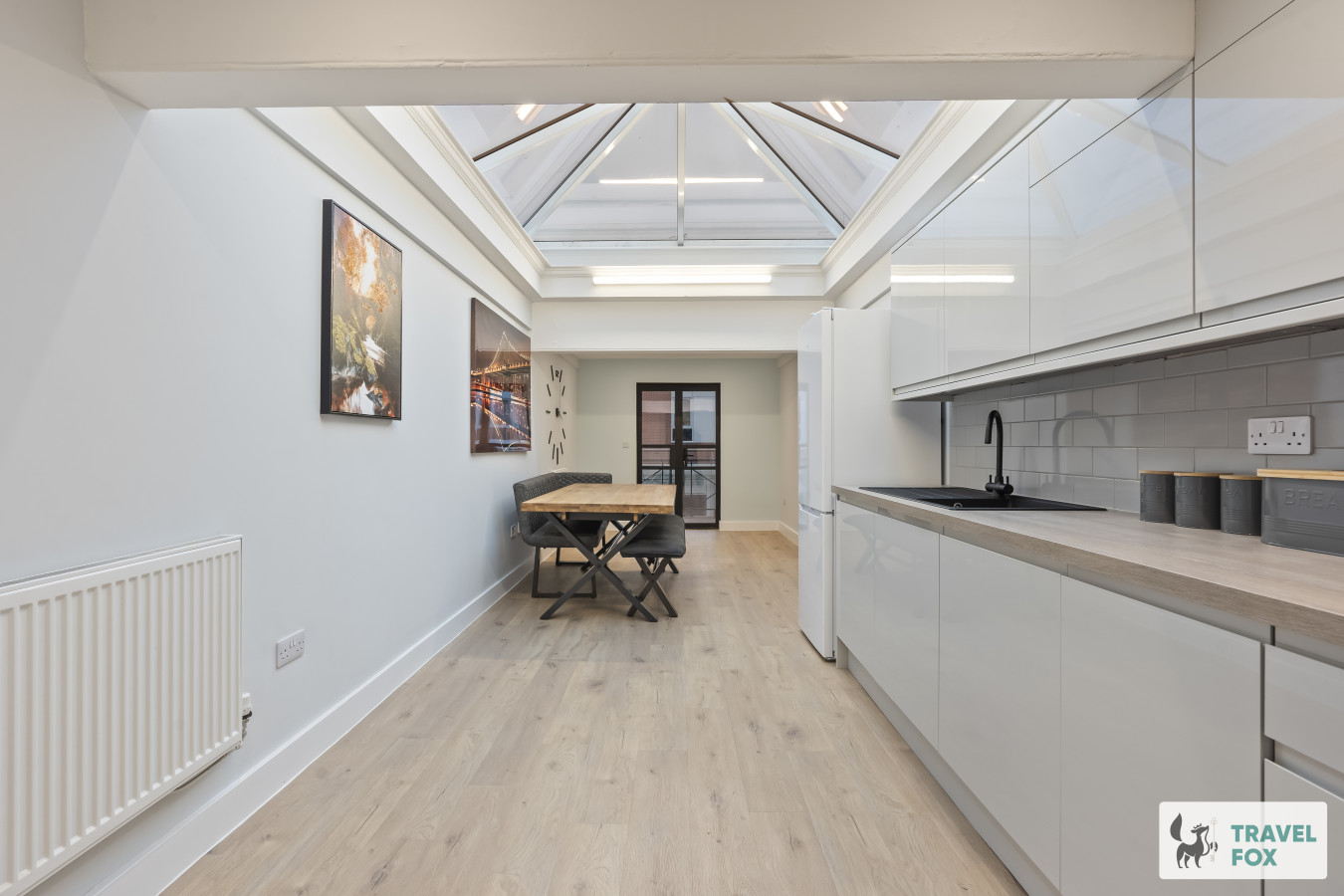
Nottingham
Camila's Penthouse Central Stay with Balcony
- Sleeps 16
- 5 bedrooms
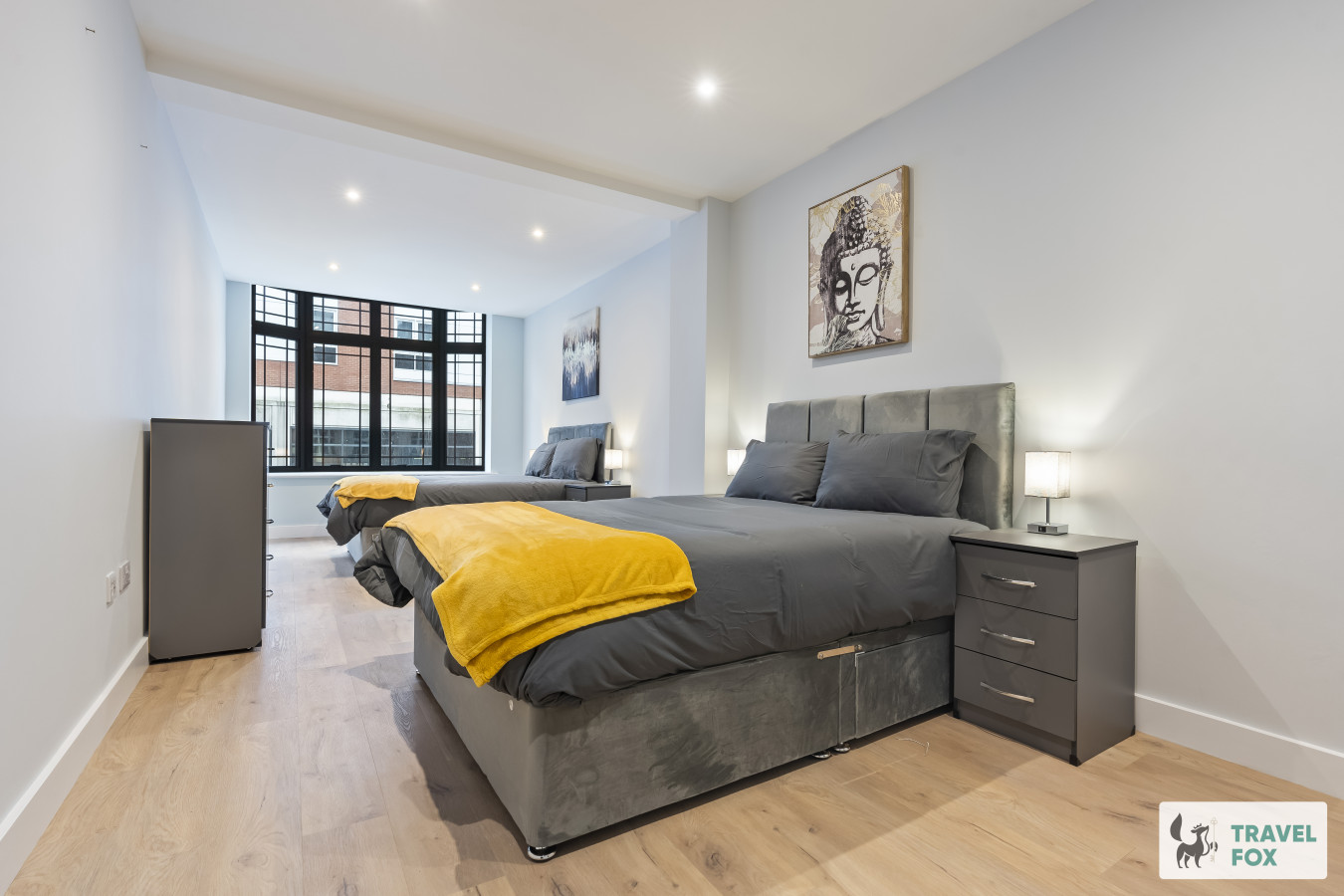
Nottingham
Blair's Central Stay
- Sleeps 16
- 5 bedrooms
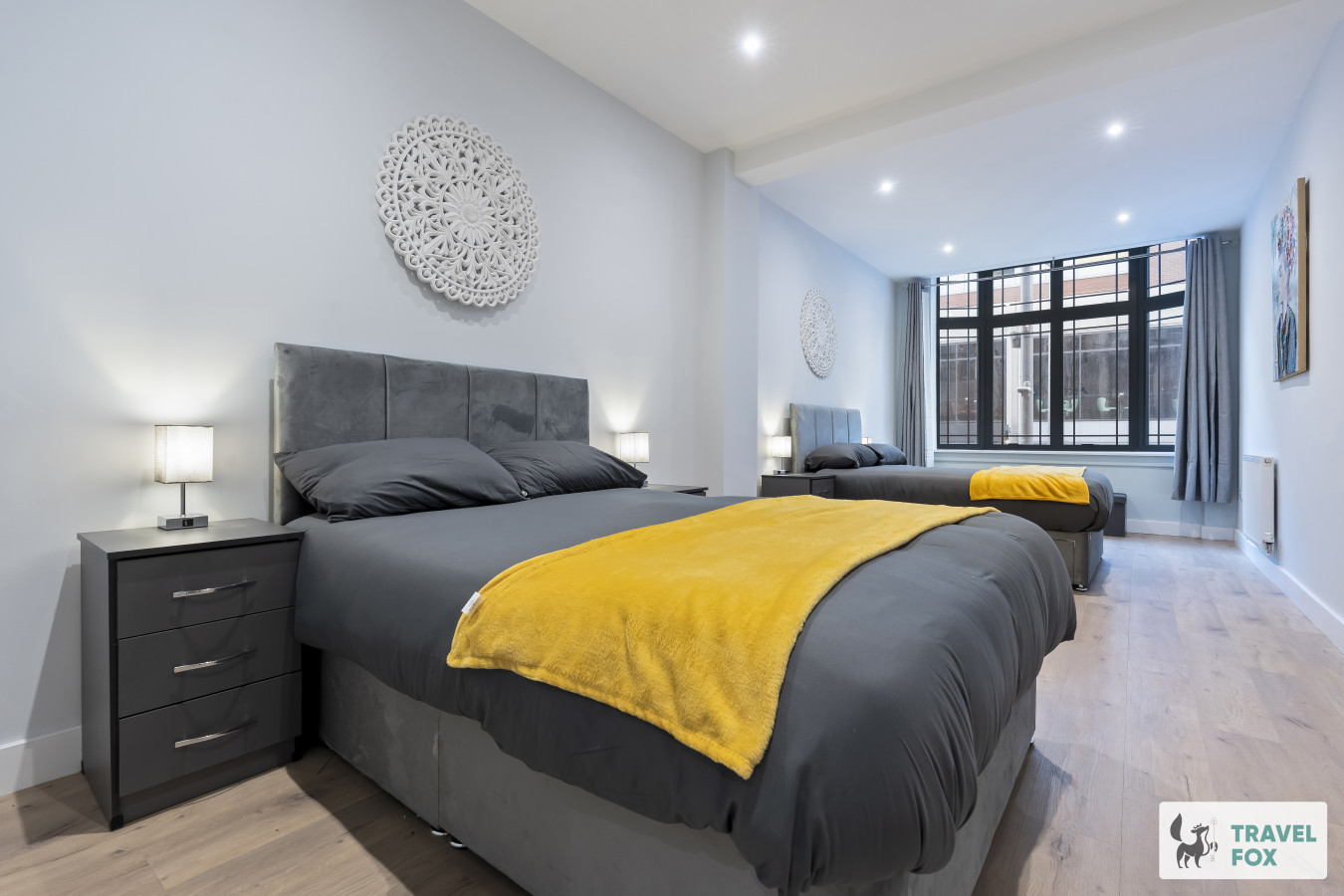
Nottingham
Anna's Central Stay
- Sleeps 16
- 5 bedrooms
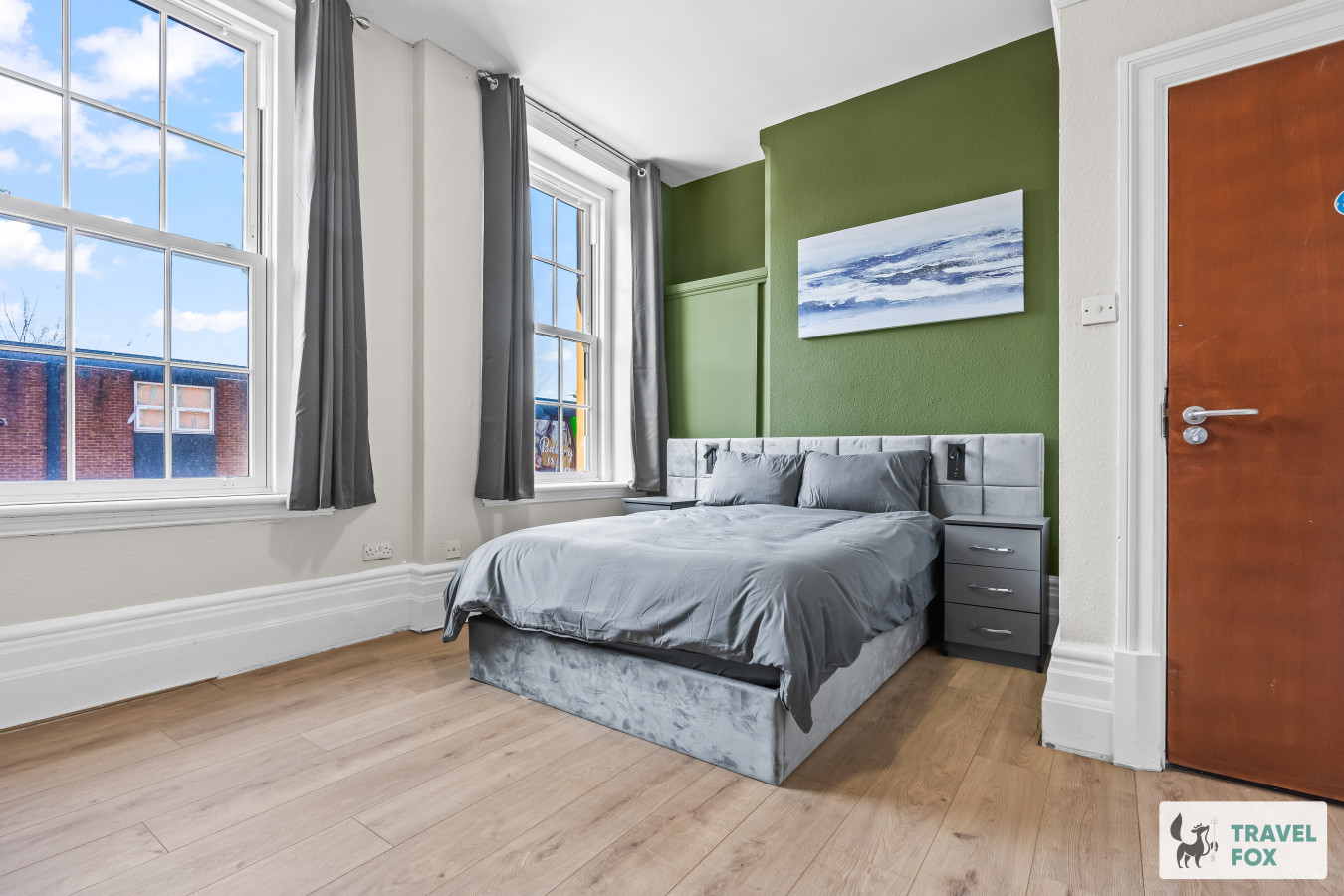
Nottingham
Melissa's Central Stay
- Sleeps 13
- 5 bedrooms
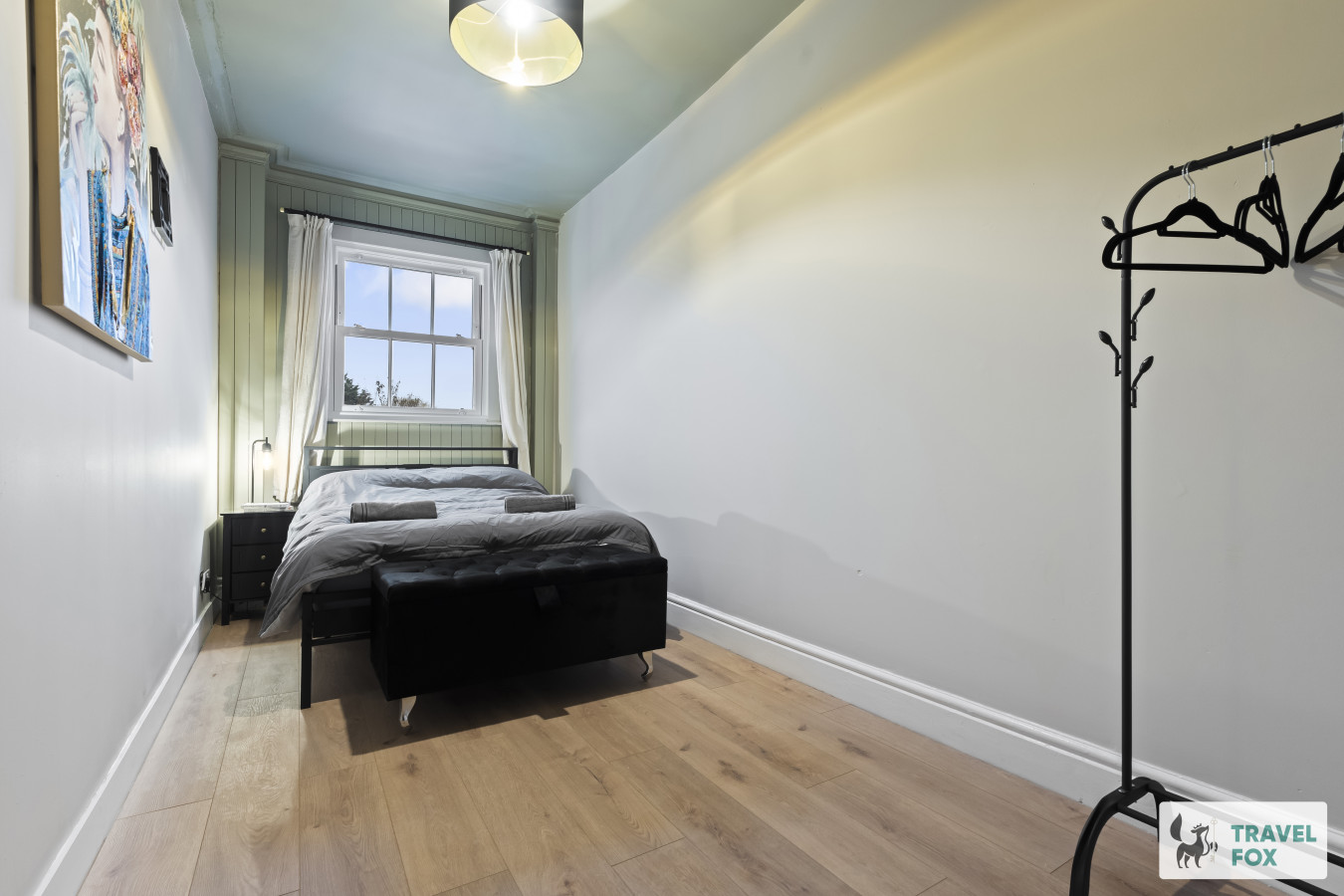
Nottingham
Callie's Central Stay
- Sleeps 9
- 3 bedrooms
For homeowners
Own a holiday home near Laxton?
We manage holiday lets across the UK from 12% commission, charged after cleaning costs, with no lock-in. A co-founder visits before you decide.
How our holiday let management works →
A guide with a point of view
Written from research. Edited for real journeys.
Use the Official site links for live practical details, then use this guide for context, ideas and room to explore.
Sources
Every place on this page is checked against a published source. Each entry links the record we used and names who publishes it.
- Laxton Open Fields — nottingham.ac.uk other published source
- The Dovecote Inn — thedovecoteinnlaxton.co.uk operator, sector body or destination organisation
- Laxton Visitor and Heritage Centre — visit-nottinghamshire.co.uk operator, sector body or destination organisation
- St Michael the Archangel's Church — historicengland.org.uk statutory register or public authority record not machine-readable; publisher restricts automated access
- Laxton Castle — historicengland.org.uk statutory register or public authority record not machine-readable; publisher restricts automated access
- National Holocaust Centre and Museum — holocaust.org.uk operator, sector body or destination organisation