
Nottinghamshire town guide
Hucknall
Pair Hucknall's Byron story and stained glass with its local parks, swimming and routes into the surrounding landscape.
- Best for
- Byron history, green space and local food
- Give it
- Town stops or a longer trail
- Don't miss
- The Byron family vault and Kempe glass
The Fox verdict
A town where literary history meets an active local day out
Hucknall brings Lord Byron and Ada Lovelace into the same visit as a large Green Flag park, a leisure centre and walking routes towards Linby and Newstead.
Start with St Mary Magdalene for the Byron family vault and its remarkable Kempe glass, then choose between Titchfield Park, the leisure centre and a longer walk. Nearby Newstead Abbey, Bestwood Country Park and Papplewick Pumping Station extend the day through literary, industrial and landscape history.
Where to go
Places in Hucknall
Every place below is checked against a published source, listed with what it is and how long to give it.
Local signatures
3 placesChurch of St Mary Magdalene
A Grade II* church with 25 Charles Eamer Kempe stained-glass windows and the Byron family vault beneath the chancel, where Lord Byron and Ada Lovelace were buried.
- Visit length
- Editorial estimate: Allow around 1 hour.
- Locality
- Hucknall
The Linby Trail and Hucknall
A Nottinghamshire County Council waymarked route linking Hucknall with Linby.
- Visit length
- Editorial estimate: Allow around 2 hours.
- Locality
- Linking Hucknall to Linby
Newstead Abbey
Lord Byron's ancestral home, with gardens, lakes and Byron family history.
- Visit length
- Editorial estimate: Allow around 2 hours.
- Locality
- Newstead, north of Hucknall
Walks & outdoors
1 placeBestwood Country Park
A former colliery and hunting park with walking trails along the Leen and Whyburn valley.
- Visit length
- Editorial estimate: Allow around 1 hour 30 minutes.
- Locality
- Bestwood, southeast of Hucknall
History & heritage
1 placePapplewick Pumping Station
Britain's only active Victorian waterworks, with steam-powered beam engines.
- Visit length
- Editorial estimate: Allow around 1 hour 30 minutes.
- Locality
- Papplewick, northeast of Hucknall
Things to do
2 placesTitchfield Park
A 24-acre Green Flag park with play areas, a skate park, bowling green, wildflower meadow, bee garden, café.
- Visit length
- Editorial estimate: Allow around 1 hour 15 minutes.
- Locality
- Titchfield, south of Hucknall town centre
Hucknall Leisure Centre
A leisure centre with two swimming pools, including a six-lane 25-metre pool with a movable floor, plus a gym, studios, squash courts and sports hall.
- Visit length
- Editorial estimate: Allow around 1 hour 30 minutes.
- Locality
- Linby Road
No places match this filter. Choose All places to reset the list.
Three ways to explore Hucknall
Signature outings
Find Byron, Ada and Kempe glass
Inside St Mary Magdalene, the Byron family vault and 25 Charles Eamer Kempe windows bring literary and artistic history together.
Visit Hucknall Leisure Centre
Hucknall Leisure Centre on Linby Road has two pools, including a 25-metre pool with a movable floor.
Explore Titchfield Park
Titchfield Park combines play and sports facilities with wildflowers and a bee garden.
The village story
Hucknall: poets, pits and a pioneering airfield
The original Travel Fox story moves from Hucknall's revived micropubs to its parks, Byron family history, mining past and aeronautical first.
Micropubs and old locals
Byron's Rest occupies a former sewing shop on Baker Street, opposite St Mary Magdalene church, and takes its name from the poet buried inside. It opened as a micropub in February 2018, added a snug in 2019, and has since added a secret garden at the rear — a tranquil oasis in the heart of Hucknall.
There's no shortage of drinking spots. The Beer Shack, a former shop converted in 2013, was Hucknall's first micropub — five rotating ales, up to a dozen ciders, "many rums & pork pies," and deliberately no television, radio, jukebox or WiFi, on the theory that fewer distractions means more conversation. It's been named Nottingham CAMRA's Real Cider Pub of the Year. The Red Lion on the High Street claims the older history, an eighteenth-century, wet-led hostelry where, in Byron's day, his tenants came to pay their rent. For food there's the Half Moon, a family-friendly town-centre pub in a building dating to 1868, known locally for the size of its Yorkshire puddings, and the Nabb Inn on the edge of town, a Greene King pub doing hand-battered fish and chips. The Pilgrim Oak, the town's Wetherspoon, took its name from a once-famous tree that stood outside Byron's Newstead Abbey.
Parks and room to move
Titchfield Park, south of the town centre, has a skate park, a bowling green, a wildflower meadow. The leisure centre on Linby Road has two pools, one with a movable floor, and won Regional Centre of the Year at the 2024 ukactive Awards. From the railway station you can follow a longer walk to Newstead Abbey, or take on the near-seven-mile circular through Freckland Wood and Papplewick.
Byron, Ada and the church
Inside St Mary Magdalene, the Byron family vault sits beneath the chancel. Byron was buried there in 1824; his daughter Ada, Countess of Lovelace, asked to be buried beside him, and was, in 1852 — the last of the family laid in the vault, and by then better known for her work with Charles Babbage than for her father's poetry. The church also holds one of the largest collections of Charles Eamer Kempe stained glass anywhere, twenty-five windows, and in the churchyard outside the north transept lies Ben Caunt, a bare-knuckle heavyweight champion known as the Torkard Giant, buried near two of his children who died in a pub fire in 1851.
Colliery and aerodrome
Hucknall was a colliery town for 125 years, and then an aerodrome town. Rolls-Royce tested engines here from 1935, and in August 1953 the Thrust Measuring Rig, nicknamed the Flying Bedstead for its resemblance to a four-poster bed, made the world's first vertical take-off and landing on the airfield — a direct ancestor of the Harrier jump jet.
Rail, tram and local voices
Hucknall's station is also a tram stop, the northern terminus of Nottingham's NET line, with trains running to Nottingham and north to Mansfield. "Hucknall's got so many cool locations and such a great atmosphere," says the author Kristina Adams, who lives here and finds spooky spots on dog walks. Ask a regular at the Beer Shack and they'll point you to one.
Stay around Nottinghamshire
Make a longer stay of it
Travel Fox holiday homes around Nottinghamshire, linked directly to their property pages.
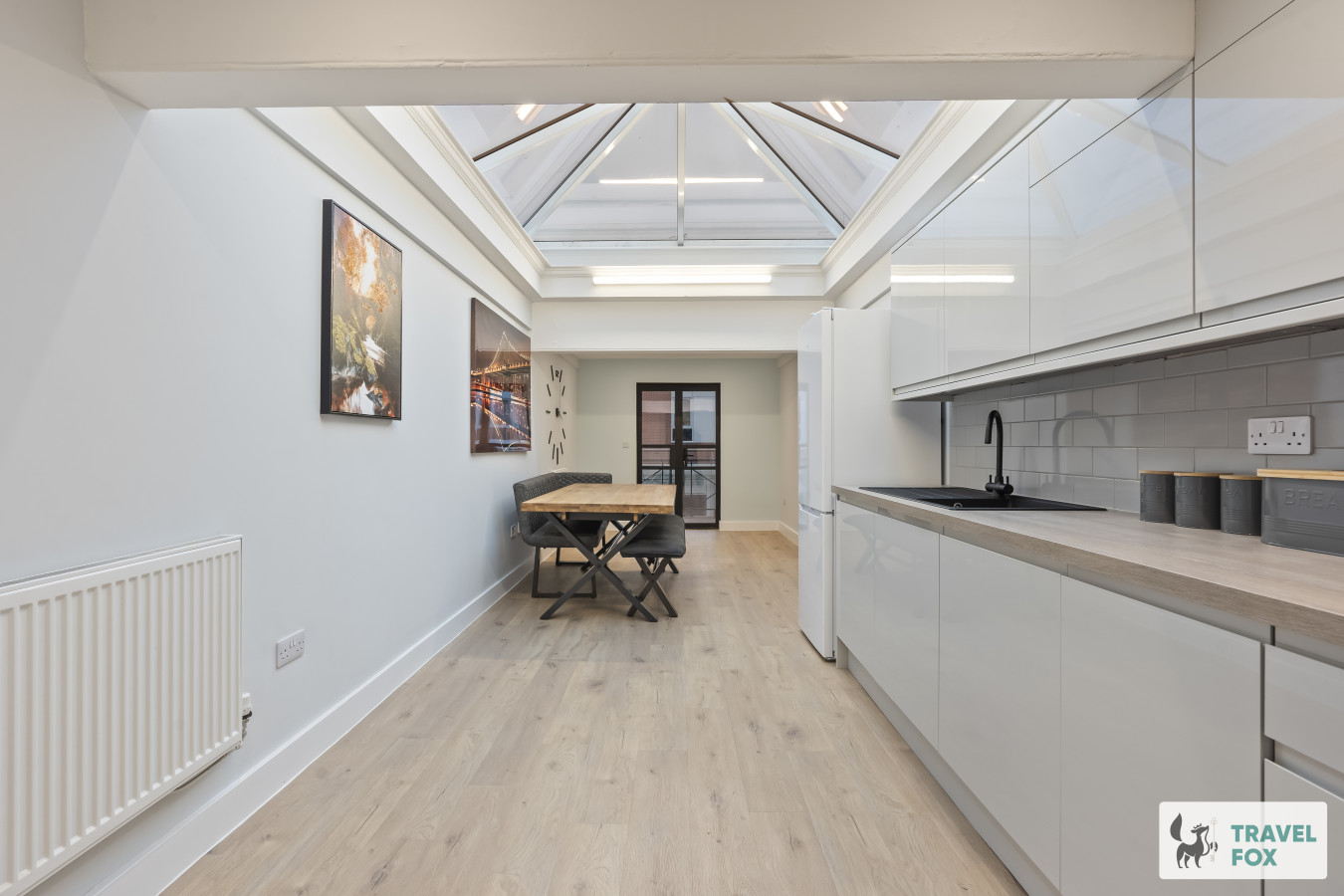
Nottingham
Camila's Penthouse Central Stay with Balcony
- Sleeps 16
- 5 bedrooms
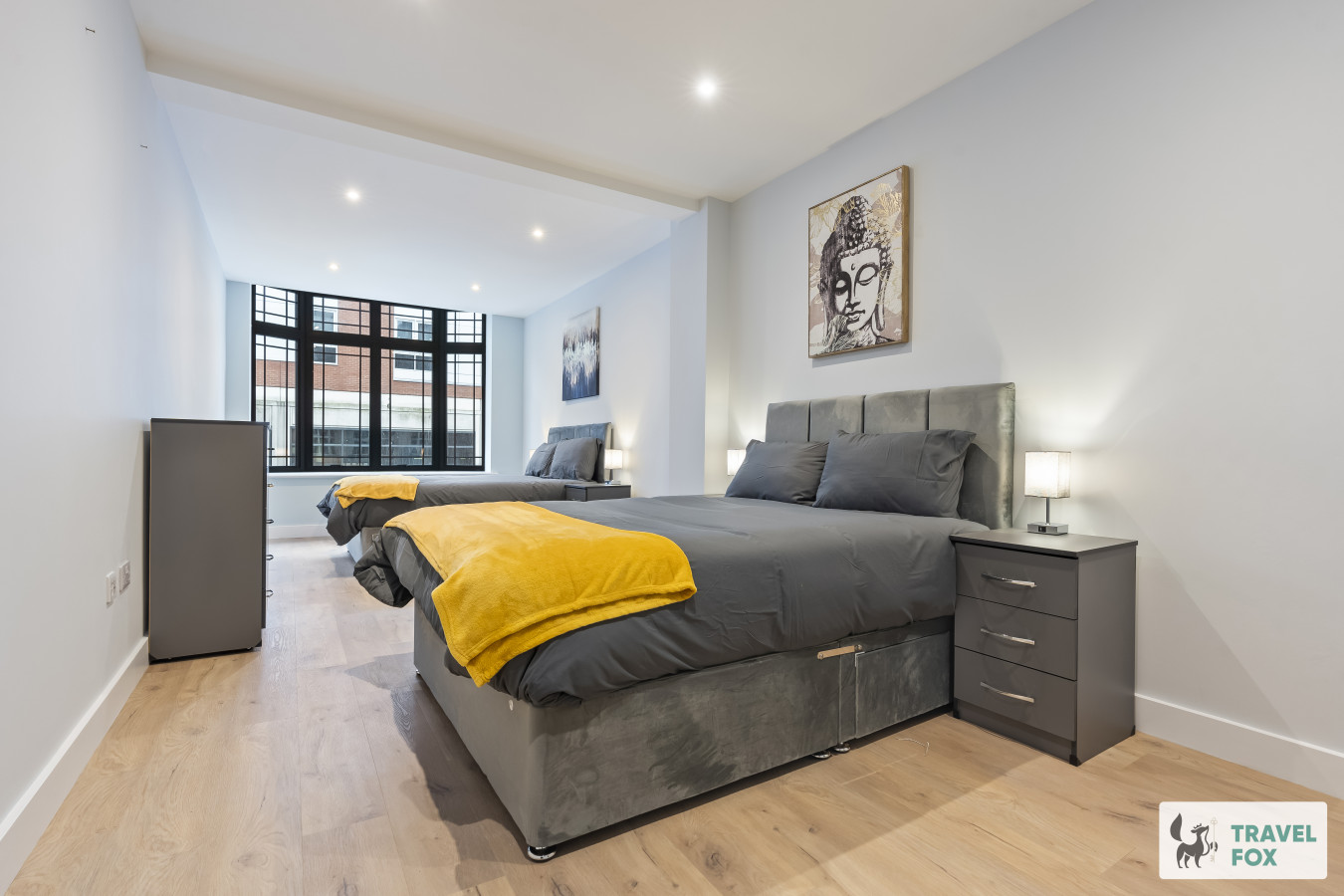
Nottingham
Blair's Central Stay
- Sleeps 16
- 5 bedrooms
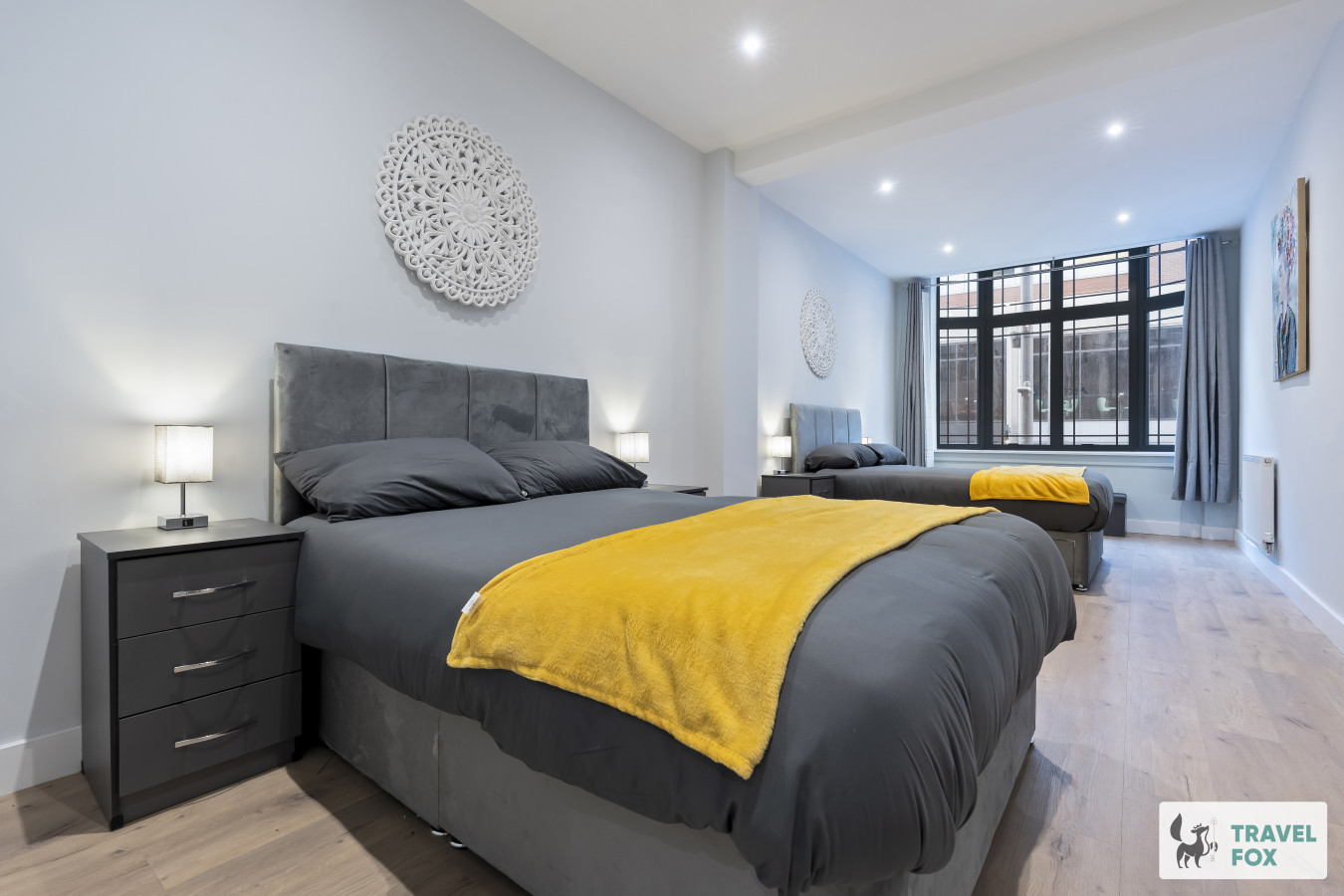
Nottingham
Anna's Central Stay
- Sleeps 16
- 5 bedrooms
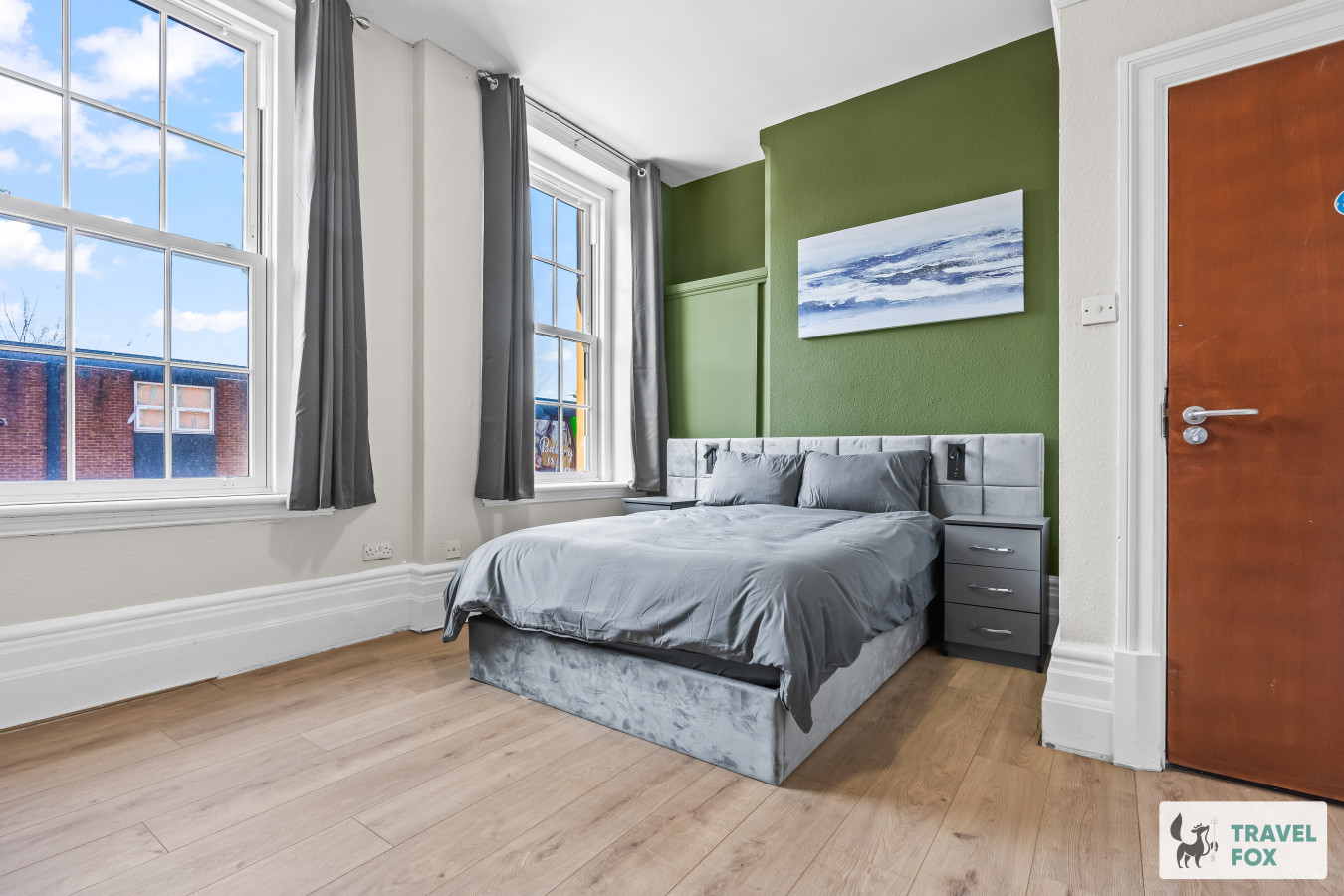
Nottingham
Melissa's Central Stay
- Sleeps 13
- 5 bedrooms
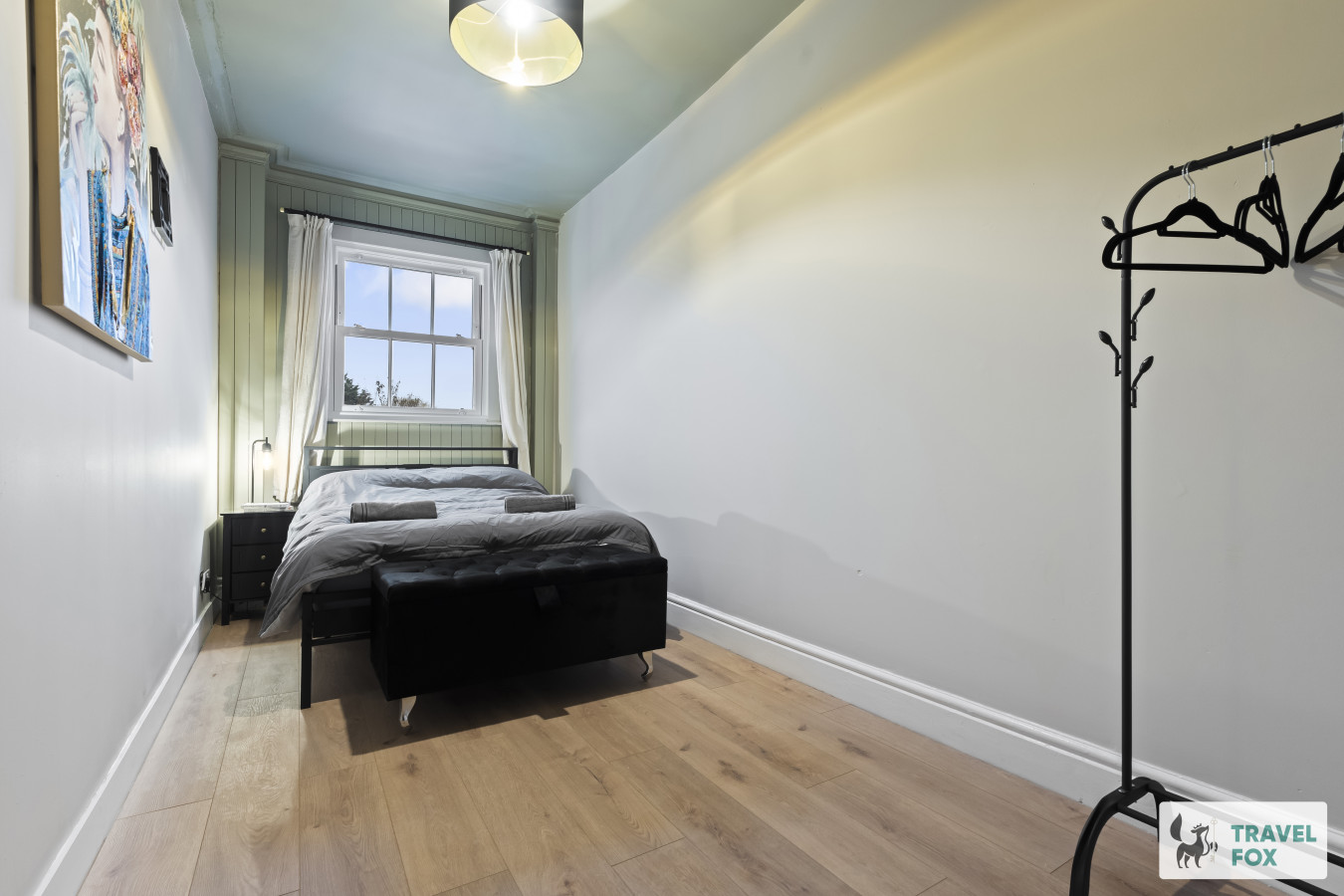
Nottingham
Callie's Central Stay
- Sleeps 9
- 3 bedrooms
For homeowners
Own a holiday home near Hucknall?
We manage holiday lets across the UK from 12% commission, charged after cleaning costs, with no lock-in. A co-founder visits before you decide.
How our holiday let management works →
A guide with a point of view
Written from research. Edited for real journeys.
Use the Official site links for live practical details, then use this guide for context, ideas and room to explore.
Sources
Every place on this page is checked against a published source. Each entry links the record we used and names who publishes it.
- Church of St Mary Magdalene — historicengland.org.uk statutory register or public authority record not machine-readable; publisher restricts automated access
- Titchfield Park — ashfield.gov.uk statutory register or public authority
- Hucknall Leisure Centre — everyoneactive.com other published source
- The Linby Trail and Hucknall — nottinghamshire.gov.uk statutory register or public authority
- Newstead Abbey — newsteadabbey.org.uk operator, sector body or destination organisation
- Bestwood Country Park — nottinghamshire.gov.uk statutory register or public authority
- Papplewick Pumping Station — papplewickpumpingstation.org.uk operator, sector body or destination organisation