
Nottinghamshire's eastern edge
Harby
A small border village where Queen Eleanor history, an old railway cycle route and a notably ambitious country pub meet.
- Best for
- Queen Eleanor history and traffic-free cycling
- Make time for
- All Saints' Church and the adjoining moated manor site
- Don't miss
- The Bottle & Glass and its wood-fired pizzas
The Fox verdict
A small village with an unusually concentrated story
Harby pairs the story of Eleanor of Castile with a traffic-free former railway route, useful community facilities and a destination country pub.
Start with All Saints' Church and the neighbouring moated site associated with Eleanor's death, then choose between Route 64, the village hall and a meal at the Bottle & Glass. Doddington Hall extends a visit just across the Lincolnshire border.
Where to go
Places in Harby
Every place below is checked against a published source, listed with what it is and how long to give it.
Local signatures
3 placesThe Bottle & Glass
An 18th-century gastropub with two log-fire bar areas, a restaurant and seasonal food including Sunday roasts and wood-fired pizzas.
- Visit length
- Editorial estimate: around 90 minutes
- Locality
- High Street
- Access
- Dogs are welcome, and the pub has a beer garden, outdoor terrace and outdoor bar.
Weston's Manor Moated Site
The moated site of Richard de Weston's manor house, where Eleanor of Castile died in 1290; two sides of the moat remain clearly discernible.
- Visit length
- Editorial estimate: around 30 minutes
- Locality
- immediately west of All Saints' churchyard
Doddington Hall & Gardens
An Elizabethan mansion just over the Lincolnshire border, with gardens and an on-site farm shop.
- Visit length
- Editorial estimate: around 150 minutes
- Locality
- Doddington, Lincolnshire
Walks & outdoors
1 placeNational Cycle Route 64
A scenic, largely traffic-free route following the former Chesterfield–Lincoln railway line, with Lincoln Brayford roughly 6.6 miles from Harby by bike.
- Visit length
- Editorial estimate: around 120 minutes
- Locality
- former railway line off Station Road
History & heritage
1 placeAll Saints' Church
A Grade II listed church built in 1874–1877, with a statue, stained glass and chancel brass commemorating Eleanor of Castile, plus a surviving 14th-century font.
- Visit length
- Editorial estimate: around 45 minutes
- Locality
- Harby
Things to do
1 placeHarby Village Hall
Harby's community hall, hosting a toddler group, Craft Circle, History Group and Art Group as well as the outreach Post Office.
- Visit length
- Editorial estimate: around 45 minutes
- Locality
- Low Street
- Access
- The main hall and committee room are available for hire, and the hall hosts community groups.
No places match this filter. Choose All places to reset the list.
Three ways to explore Harby
Signature outings
Harby's Only Pub
The Bottle & Glass combines two log-fire bars with seasonal gastropub food, Sunday roasts and an outdoor bar serving wood-fired pizzas.
Memorials at All Saints
All Saints' Church holds a tower-wall statue, chancel brass and stained-glass window commemorating Eleanor of Castile.
Traffic-free Route 64
National Cycle Route 64 follows the former railway line through Harby towards Lincoln on a scenic, largely traffic-free route.
The village story
Harby Village Guide
One ambitious pub, a practical village community and seven centuries of Queen Eleanor history at Nottinghamshire's eastern edge.
The Village Pub
The Bottle & Glass has two bar areas, each with its own log fire, a spacious restaurant, a private lounge and a function room — a lot of pub for a village of just over three hundred people. It's the only one Harby has, and it earns its keep. The 18th-century building on the High Street does modern gastropub food: steak pies, fillet steak, burgers, and wood-fired pizzas cooked at an outdoor bar open from 4pm on Fridays, 2pm at weekends, weather allowing. The haddock goujons come in a homemade soda batter, and Sunday roasts run as you'd expect. One Tripadvisor reviewer titled their review "A pub food renaissance in Harby!"
Dogs are welcome, and the beer garden was named one of the Top UK Beer Gardens by The Sun. Reviews lean toward praise for food and portions, with the odd note about price.
Everyday Harby
Beyond the pub, Harby keeps things plain. There is no permanent shop. Milk is delivered Tuesdays and Saturdays by East Anglia Dairy. A mobile library calls once a month, and the Post Office sets up in the Village Hall on Monday and Thursday afternoons.
The Village Hall runs a Thursday toddler group, a craft circle, and an art group on Wednesdays. Allotments can be rented on Wigsley Road.
Routes Across the Border
National Cycle Route 64 runs through the village along the old Chesterfield–Lincoln railway line, closed in 1980, now a flat, traffic-free route toward Lincoln. A circular walk crosses into Lincolnshire after about a mile, reaches Skellingthorpe Woods, and returns via Doddington Hall, an Elizabethan mansion with its own farm shop.
Harby is the easternmost village in Nottinghamshire, bordering Lincolnshire directly.
Eleanor and the Village's Past
The history arrives mostly at once. Queen Eleanor of Castile died in a manor house here in November 1290, with Edward I at her bedside, and the grief-stricken procession that carried her body to Westminster gave England the Eleanor Crosses. All Saints' Church, rebuilt in 1874 after the medieval chapel fell into disrepair, carries a statue of her in the tower wall and a brass in the chancel floor: "Here died Eleanor of Castile, Queen of England, Nov. 27th, A.D. 1290." Next to the churchyard, the moated site of the manor house survives as a scheduled monument.
Not all the drama is medieval. On 9 January 1957, a jet on a training flight from RAF Worksop crashed into the village centre, destroying a house and killing a resident, Mrs Lois Towning; the site later became the Village Hall. Down Mill Field Close stands a five-storey windmill from around 1877, capless now, converted into somebody's home.
Domesday and Connections
The Domesday survey valued the whole place at two pounds in 1066, dropping to one by 1086.
Lincoln lies to the east; Newark-on-Trent is the nearest town in the other direction, and Saxilby is the nearest station. In the meantime, Harby gets on with being 336 people, one very good pub, and a Post Office that turns up twice a week in a village hall built on the site of a plane crash.
Stay around Nottinghamshire
Make a longer stay of it
Travel Fox holiday homes around Nottinghamshire, linked directly to their property pages.
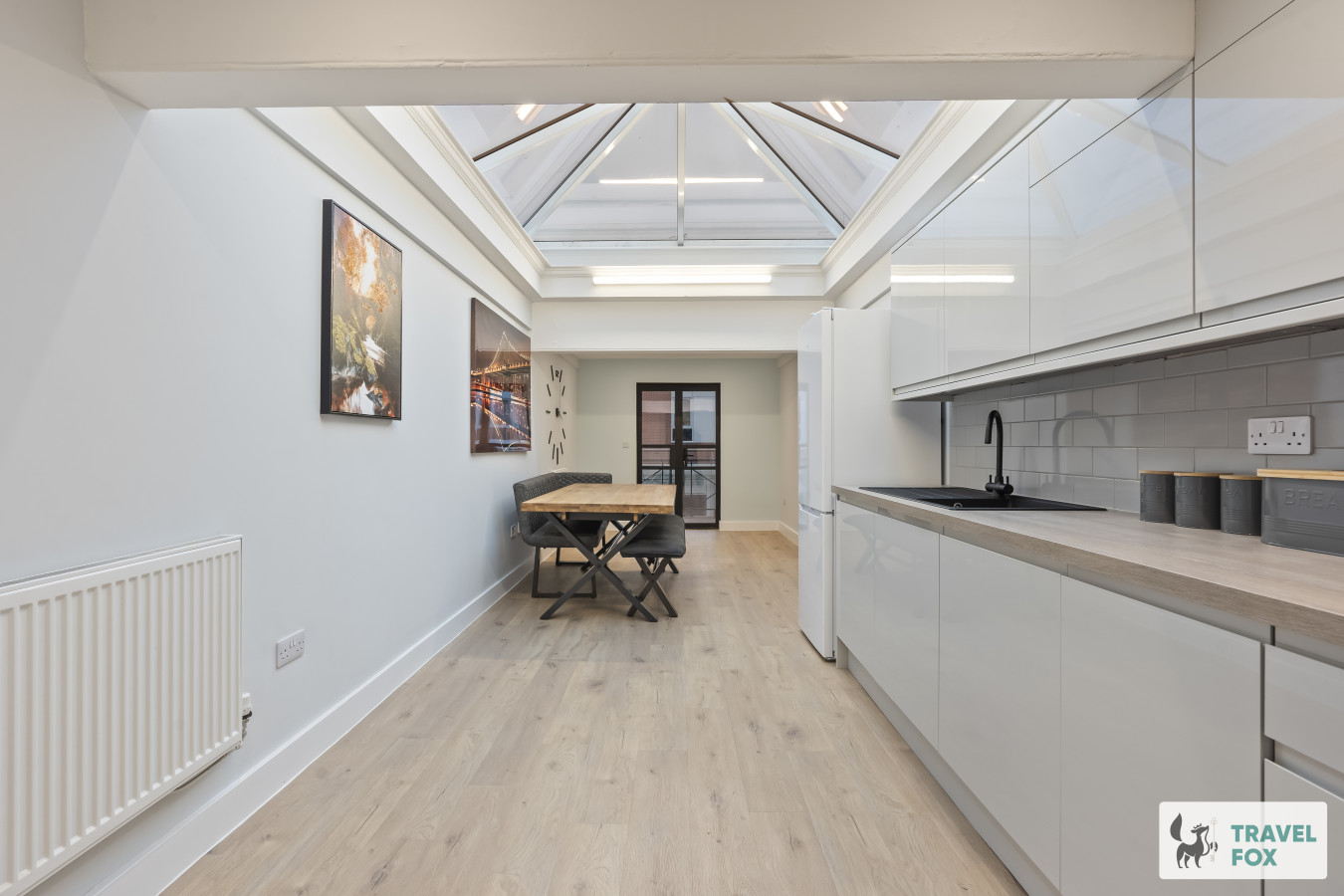
Nottingham
Camila's Penthouse Central Stay with Balcony
- Sleeps 16
- 5 bedrooms
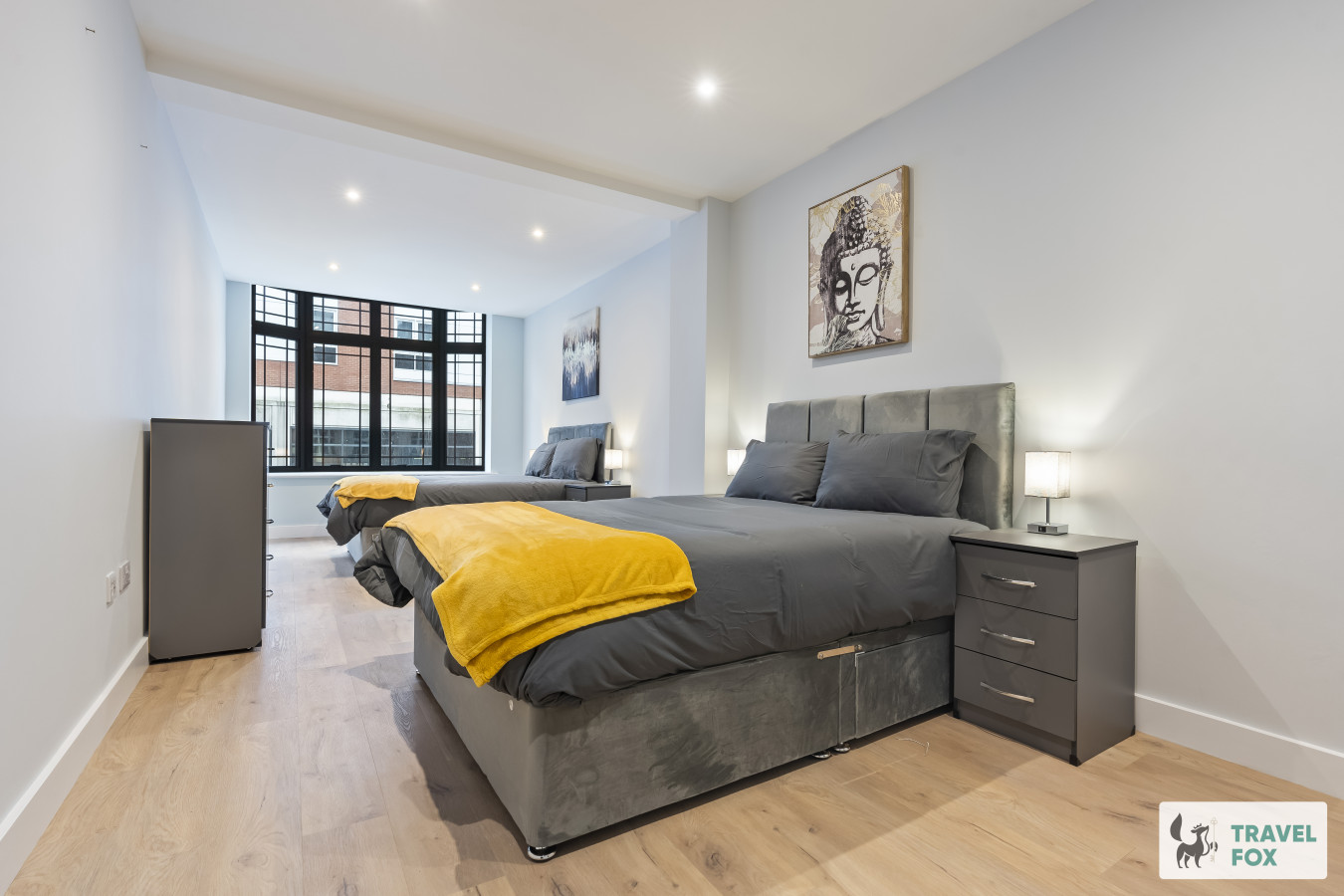
Nottingham
Blair's Central Stay
- Sleeps 16
- 5 bedrooms
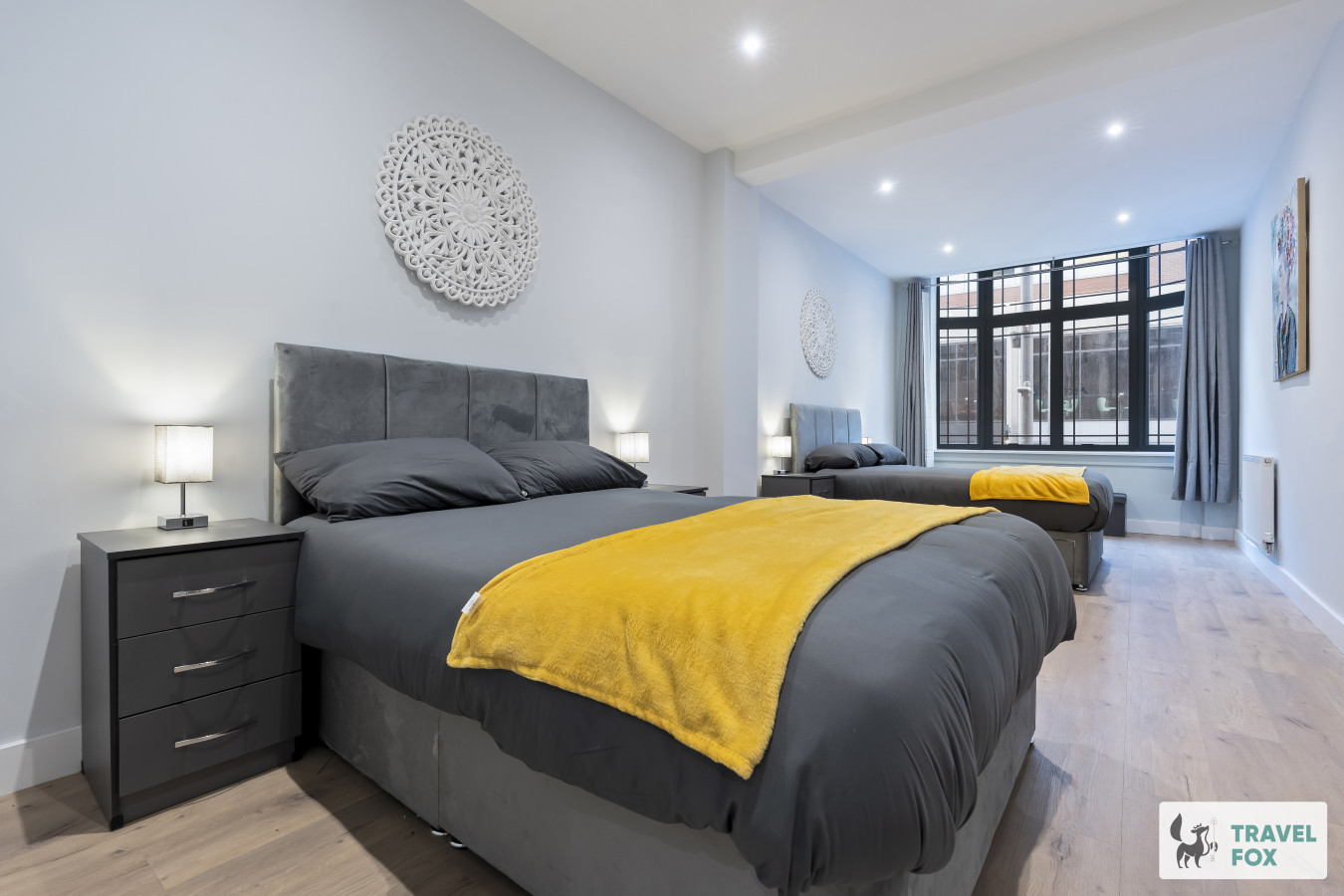
Nottingham
Anna's Central Stay
- Sleeps 16
- 5 bedrooms
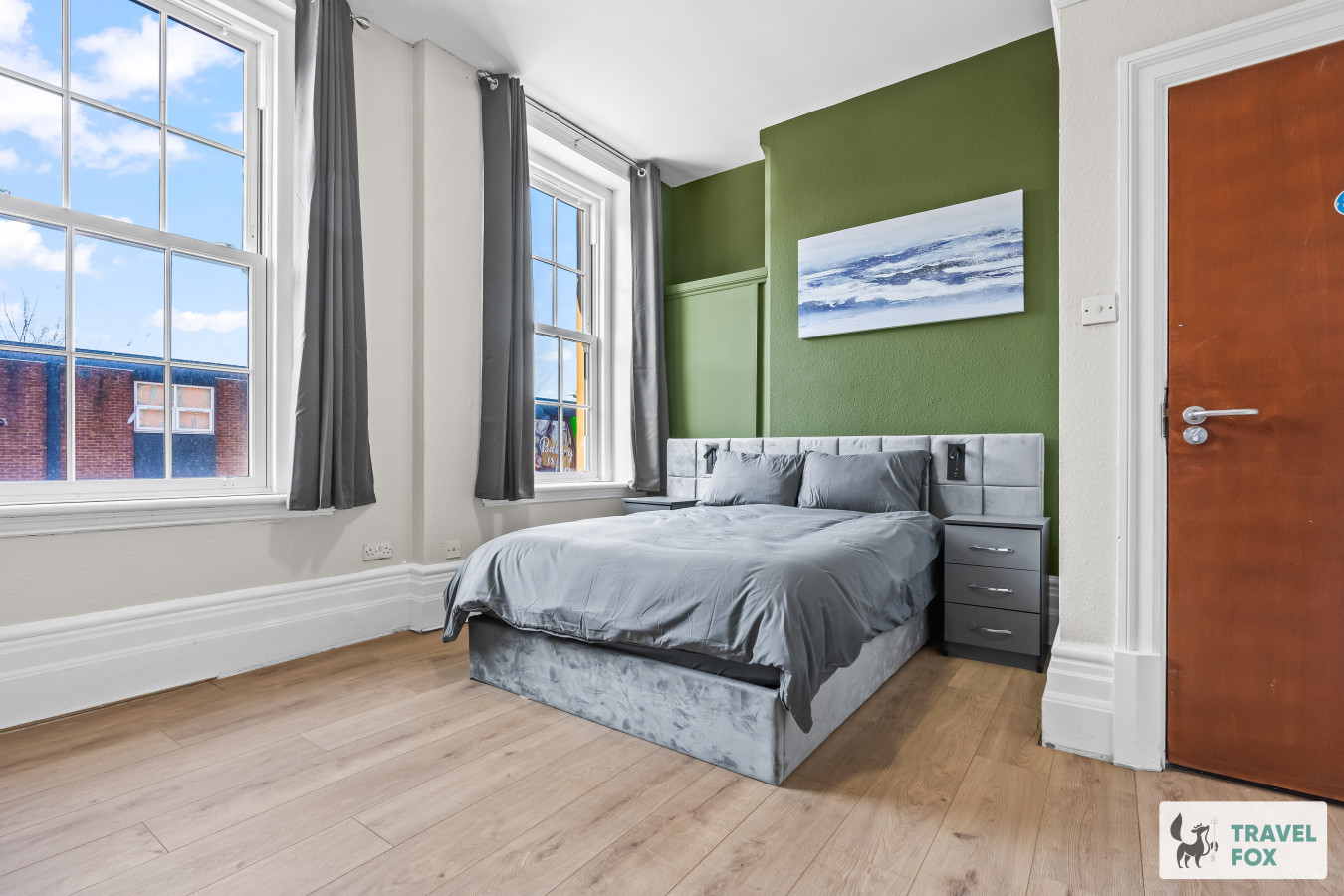
Nottingham
Melissa's Central Stay
- Sleeps 13
- 5 bedrooms
Nottingham
Callie's Central Stay
- Sleeps 9
- 3 bedrooms
For homeowners
Own a holiday home near Harby?
We manage holiday lets across the UK from 12% commission, charged after cleaning costs, with no lock-in. A co-founder visits before you decide.
How our holiday let management works →
A guide with a point of view
Written from research. Edited for real journeys.
Use the Official site links for live practical details, then use this guide for context, ideas and room to explore.
Sources
Every place on this page is checked against a published source. Each entry links the record we used and names who publishes it.
- The Bottle & Glass — thebottleandglass.pub operator, sector body or destination organisation
- All Saints' Church — historicengland.org.uk statutory register or public authority record not machine-readable; publisher restricts automated access
- Weston's Manor Moated Site — historicengland.org.uk statutory register or public authority record not machine-readable; publisher restricts automated access
- National Cycle Route 64 — lincolnshire.gov.uk statutory register or public authority
- Harby Village Hall — harbyparishcouncil.gov.uk statutory register or public authority
- Doddington Hall & Gardens — doddingtonhall.com operator, sector body or destination organisation