
Life beside the Trent
Gunthorpe
A riverside village where a working lock, a three-arch bridge and a towpath lead naturally into a strong collection of places to eat.
- Best for
- Riverside walking and dining
- Give it
- A relaxed half day beside the Trent
- Don't miss
- Gunthorpe Lock and the 1927 bridge
The Fox verdict
A village shaped by its river crossing
Gunthorpe makes the Trent the focus, with its lock, weir, bridge, waterside path and river-facing places to eat.
The current concrete bridge and the lock both date from the 1920s, but the crossing story reaches back through the 1875 toll bridge to a ferry operating before the Norman Conquest. That history now sits alongside a useful mix of walking, family recreation and riverside food.
Where to go
Places in Gunthorpe
Every place below is checked against a published source, listed with what it is and how long to give it.
Local signatures
3 placesTrent Valley Way
The Trent Valley Way runs in stages from Shelford to Gunthorpe and from Gunthorpe to Flintham.
- Visit length
- Editorial estimate: around 2 hours for a riverside outing
- Locality
- on the Trent Valley Way at Gunthorpe
The Unicorn Hotel
A riverside pub recorded as the Ferry Inn in 1832, now offering a Trent-facing beer garden, real ale, pub food and 14 rooms.
- Visit length
- Editorial estimate: around 90 minutes
- Locality
- on the banks of the Trent
- Access
- Dogs are welcomed in the bar and beer garden.
The Anchor
The Anchor is a Gunthorpe pub with a courtyard fire pit, an outdoor play field and the Anchor Express model train for children.
- Visit length
- Editorial estimate: around 2 hours
- Locality
- in Gunthorpe
- Access
- Children ride the Anchor Express free when their family is dining or having drinks. Rides depend on the weather, and age or height restrictions may apply.
Food & drink
3 placesLock & Larder
A gastro bar and kitchen beside Gunthorpe Lock, with outdoor space and views across the River Trent.
- Visit length
- Editorial estimate: around 90 minutes
- Locality
- right at Gunthorpe Lock on the Trent
Tom Browns Brasserie
A riverside restaurant in Gunthorpe's former Victorian schoolhouse, with a menu focused on seafood and steaks.
- Visit length
- Editorial estimate: around 90 minutes
- Locality
- in a converted Victorian schoolhouse on Trentside
The Bridge & Bayleaf
A North Indian and tandoori restaurant occupying the restored 1875 toll house of the original Gunthorpe Bridge.
- Visit length
- Editorial estimate: around 90 minutes
- Locality
- in the restored 1875 toll house on the riverbank
Walks & outdoors
1 placeGunthorpe Lock
Excavated from 1922 to 1925 as a job-creation scheme, the lock and associated weir deepened the river so larger barges could reach Nottingham.
- Visit length
- Editorial estimate: around 45 minutes
- Locality
- on the River Trent
History & heritage
2 placesGunthorpe Bridge
The current crossing is a three-span reinforced-concrete arch bridge built in 1927, 400 metres upstream of the original toll bridge.
- Visit length
- Editorial estimate: around 30 minutes
- Locality
- over the River Trent
St John the Baptist
Built in 1850 as a chapel of ease to a simple design by T C Hine, the church has a chancel, nave, belfry and single bell.
- Visit length
- Editorial estimate: around 30 minutes
- Locality
- in Gunthorpe
No places match this filter. Choose All places to reset the list.
Three ways to explore Gunthorpe
Signature outings
Three arches from 1927
Cross the river on the reinforced-concrete bridge completed in 1927, the only road crossing between Nottingham and Newark.
Lock, weir and passing boats
See the lock and weir excavated from 1922 to 1925 to deepen the Trent for larger barges bound for Nottingham.
T C Hine's little church
See the simple church of chancel, nave and belfry designed by the Nottingham architect T C Hine.
The village story
Gunthorpe Village Guide
Follow the Trent through a village of bridges, boats, old inns and river-facing tables.
Bridge, Lock and River
The bridge at Gunthorpe carries the A6097 over the Trent on three concrete arches, poured in 1927, and it's the only road crossing of the river between Nottingham and Newark.
Below it, Gunthorpe Lock and its weir make the river worth stopping for. Excavated from 1922 to 1925 as a job-creation scheme, they deepened the Trent for larger barges bound for Nottingham. The towpath draws walkers, cyclists and anglers, while a wooded escarpment rises across the water.
The Riverside Inns
The Unicorn Hotel stands on the Trent riverfront. The riverfront inn was known as the Ferry Inn in 1832, recalling the ferry crossing that preceded the first bridge. It has a riverside beer garden, real ale and 14 rooms; dogs are welcome in the bar and garden.
The Anchor returned as a pub in 2025 after years as a restaurant or vacant property, with a courtyard fire pit and on-site Spouges Café serving breakfast and lunch. The model train gives children rides; children ride free when their family is dining or having drinks, and weather, age or height restrictions can affect rides.
Restaurants on Trentside
Lock & Larder sits beside Gunthorpe Lock with views across the Trent. Its menus cover breakfast, lunch and Sunday roasts, and the venue has indoor and outdoor spaces for a waterside stop.
For a longer meal, Tom Browns occupies the village's former Victorian schoolhouse on Trentside and serves seafood and steaks. The Bridge & Bayleaf serves North Indian food in the restored toll house of the original Gunthorpe Bridge, built in 1875.
Walking into Deep History
The Trent Valley Way passes through Gunthorpe, running in stages from Shelford to Gunthorpe and from Gunthorpe to Flintham. For a shorter waterside walk, follow the wide towpath by Gunthorpe Lock.
The village appears in Domesday as Gulnhorp with 52 households, among the largest fifth of recorded settlements and more than Newark's 39. A rare scheduled henge lies south of Lodge Farm. St John the Baptist church cost £518 to build in 1850, including £200 from Earl Manvers.
Arriving by Rail, Bus or Towpath
Lowdham station is just over a mile away, with trains to Nottingham and Newark. During the A6097 works, the Rushcliffe Villager does not serve Gunthorpe; the Nottsbus Connect 747 serves the village, with free connections to the Rushcliffe Villager at Radcliffe when passengers tell the driver. You can also follow the towpath toward Gunthorpe Lock for a walk beside the working river.
Stay around Nottinghamshire
Make a longer stay of it
Travel Fox holiday homes around Nottinghamshire, linked directly to their property pages.
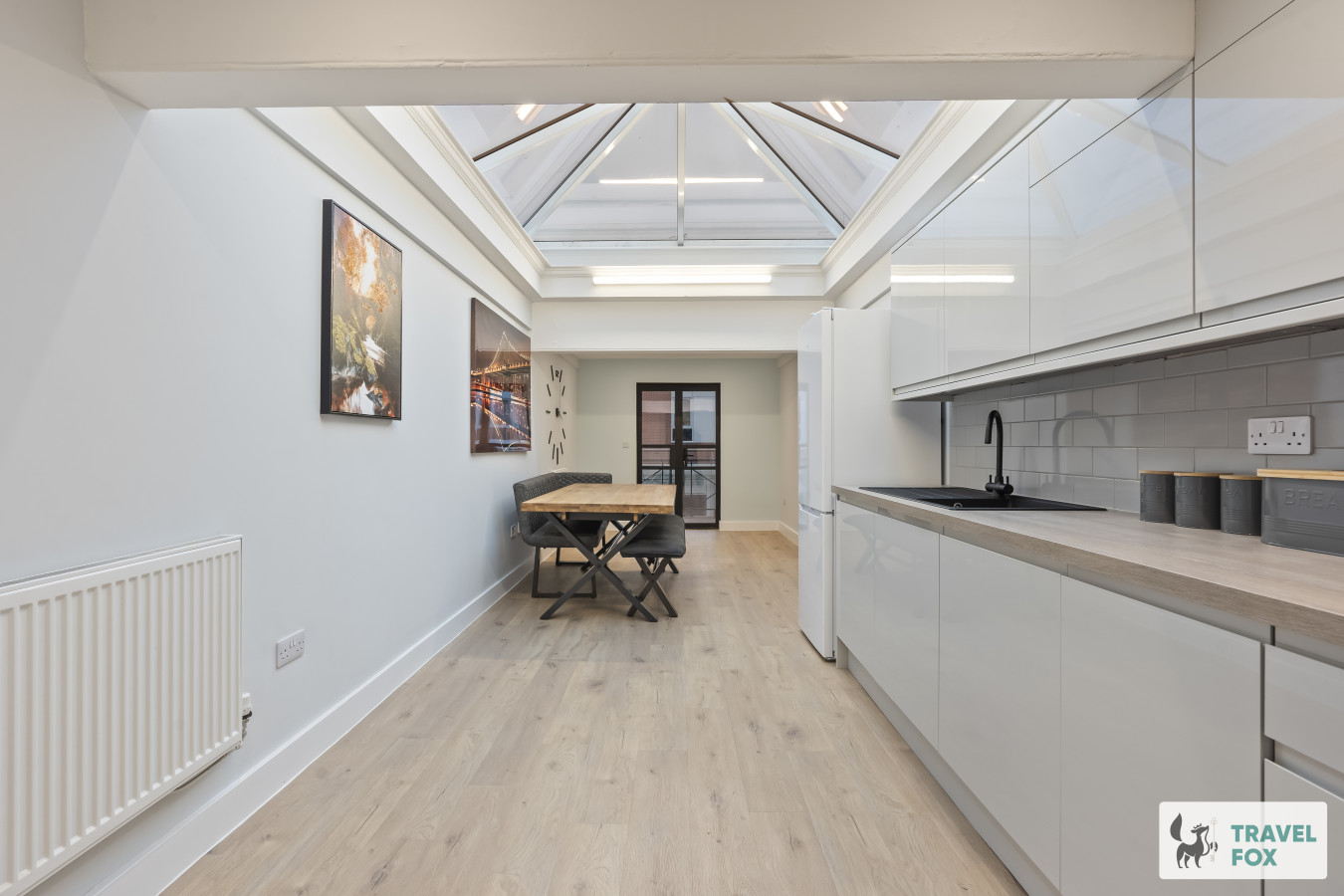
Nottingham
Camila's Penthouse Central Stay with Balcony
- Sleeps 16
- 5 bedrooms
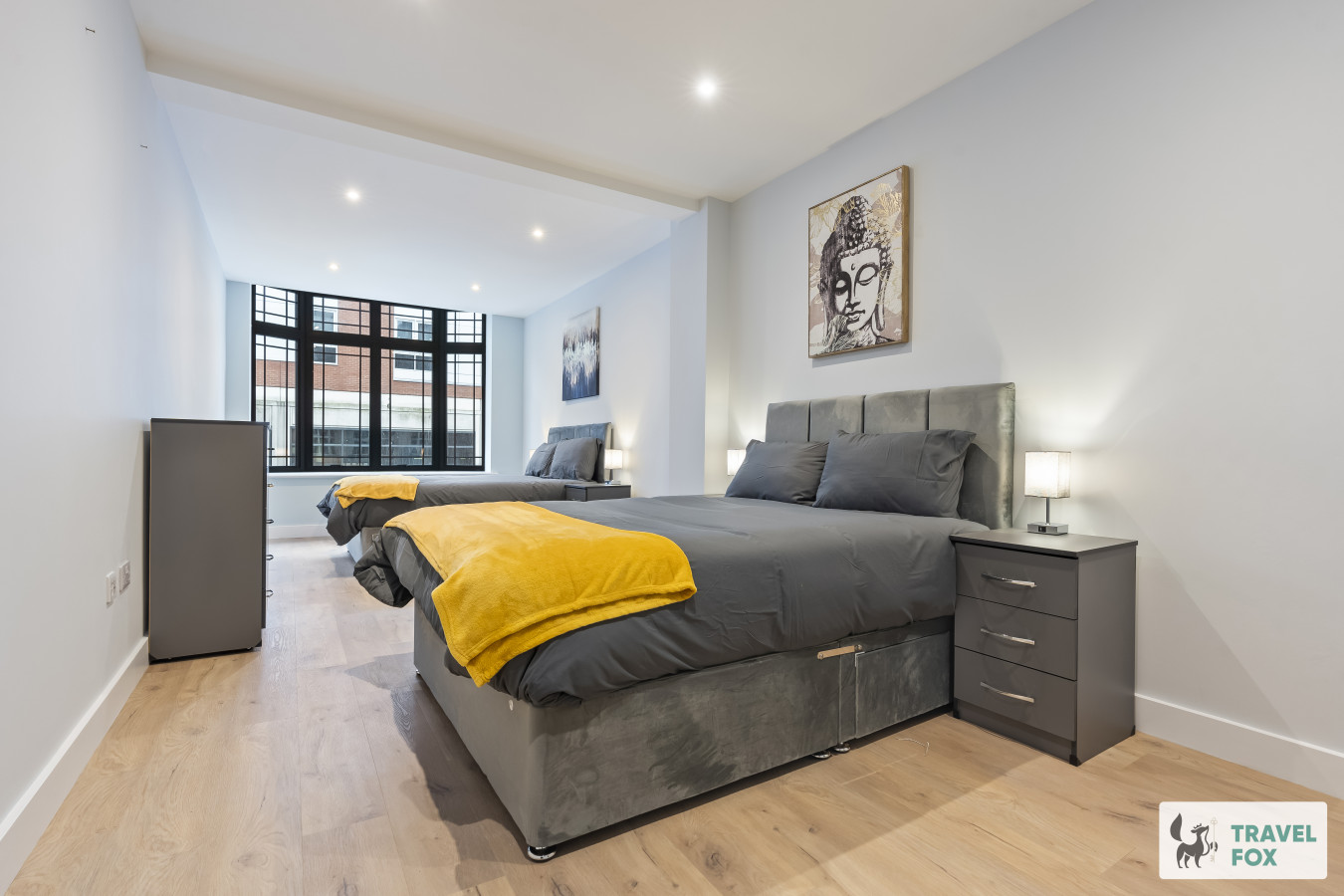
Nottingham
Blair's Central Stay
- Sleeps 16
- 5 bedrooms
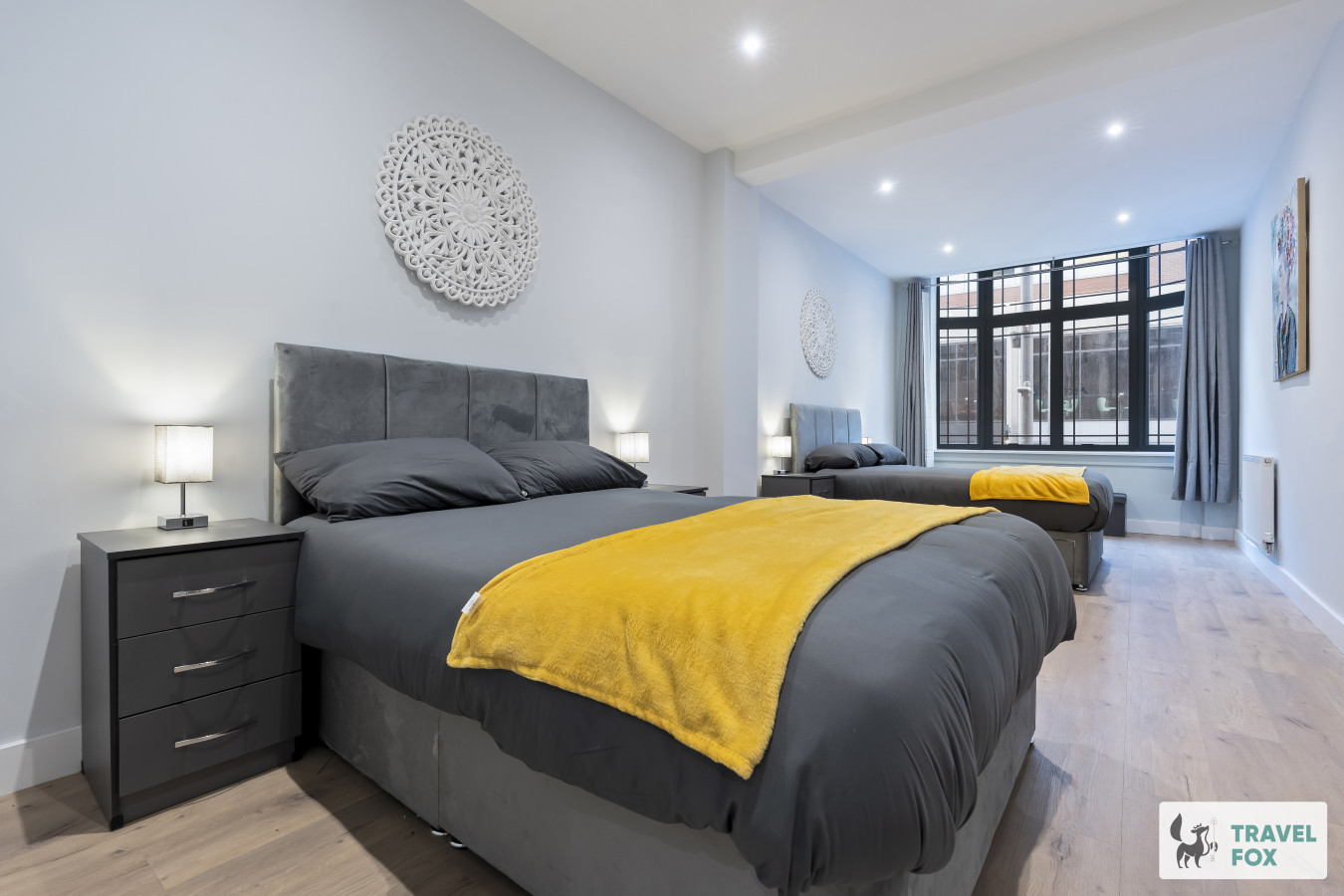
Nottingham
Anna's Central Stay
- Sleeps 16
- 5 bedrooms
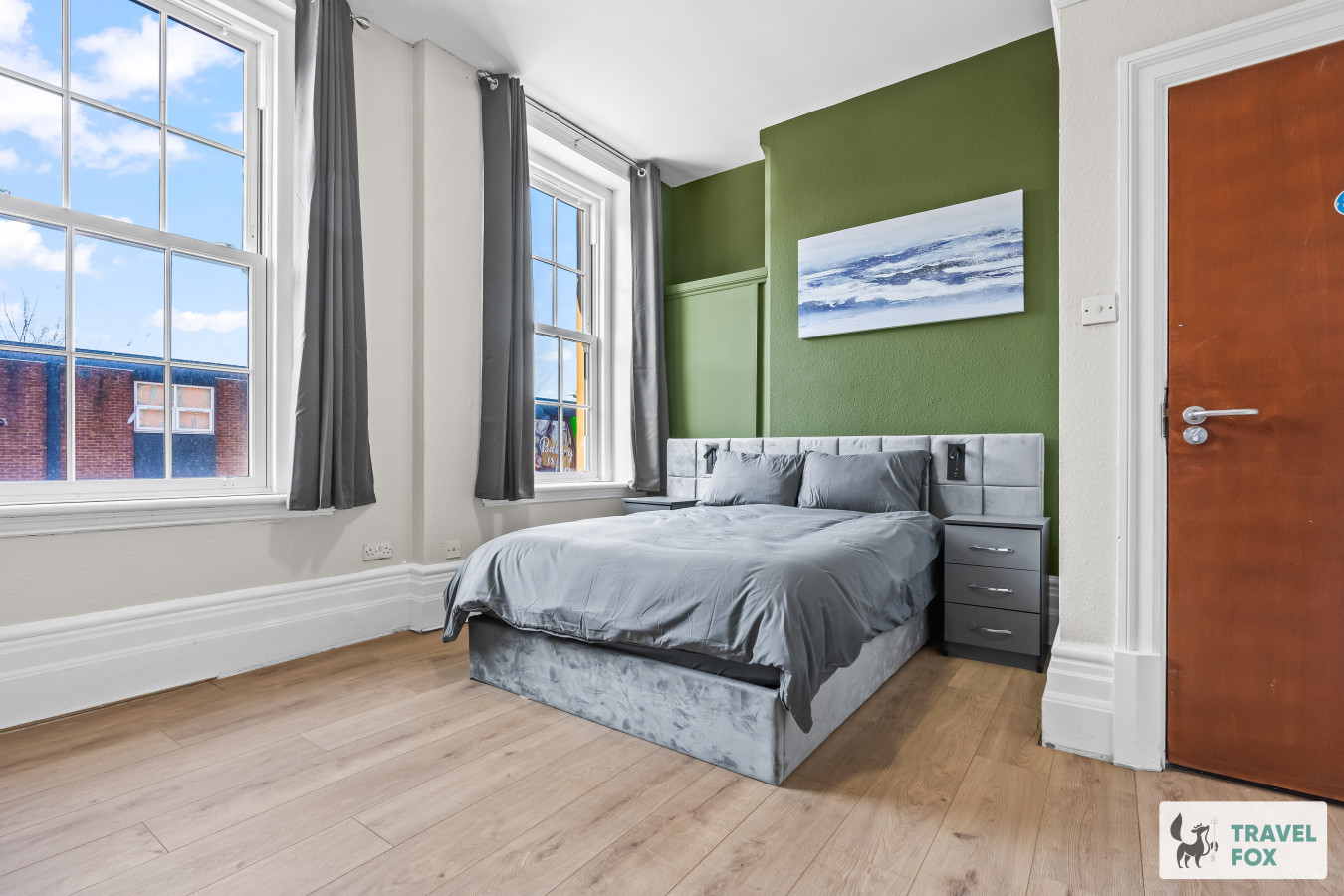
Nottingham
Melissa's Central Stay
- Sleeps 13
- 5 bedrooms
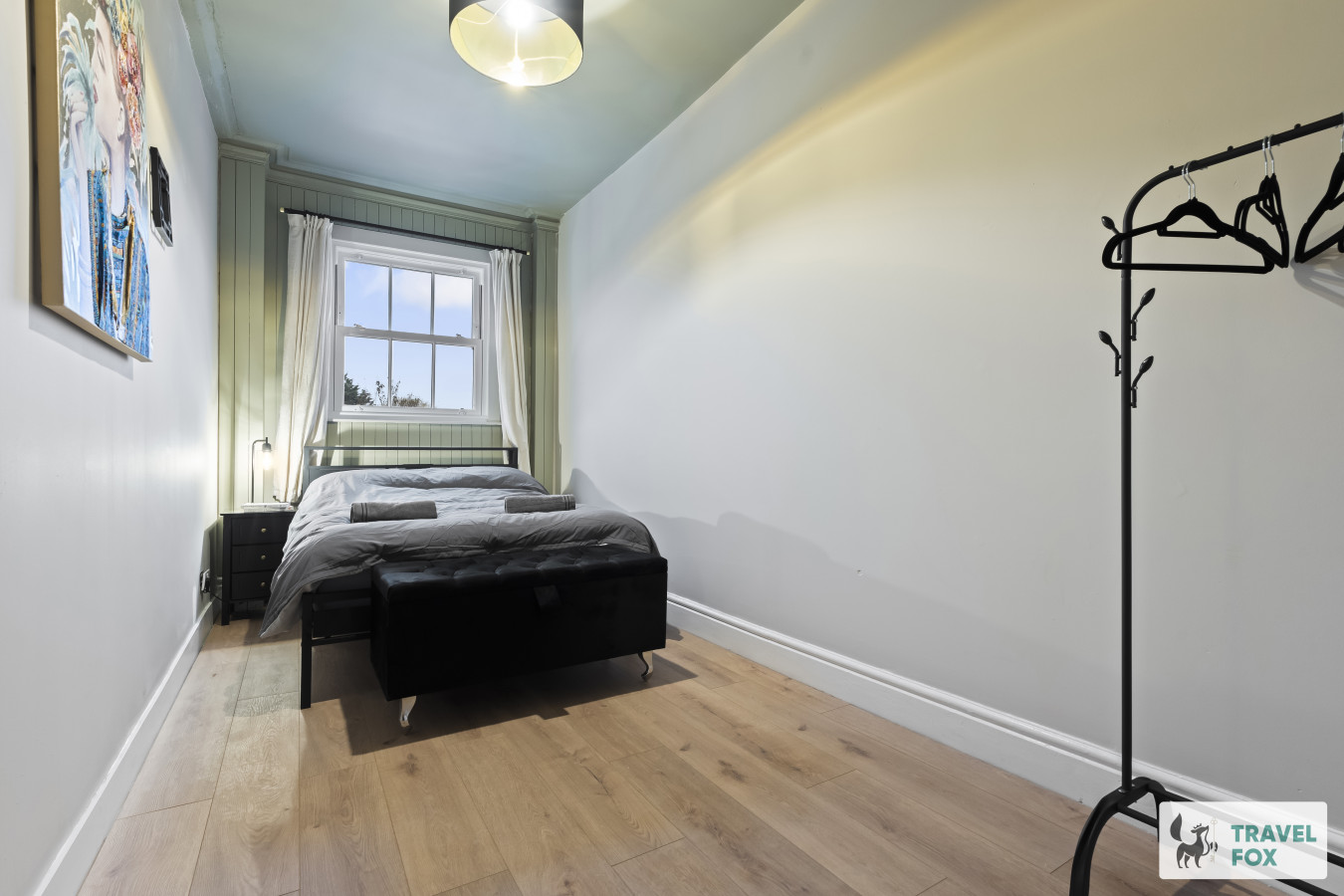
Nottingham
Callie's Central Stay
- Sleeps 9
- 3 bedrooms
For homeowners
Own a holiday home near Gunthorpe?
We manage holiday lets across the UK from 12% commission, charged after cleaning costs, with no lock-in. A co-founder visits before you decide.
How our holiday let management works →
A guide with a point of view
Written from research. Edited for real journeys.
Use the Official site links for live practical details, then use this guide for context, ideas and room to explore.
Sources
Every place on this page is checked against a published source. Each entry links the record we used and names who publishes it.
- Gunthorpe Bridge — her.nottinghamshire.gov.uk statutory register or public authority
- Gunthorpe Lock — canalrivertrust.org.uk national body or asset manager
- Trent Valley Way — trentriverstrust.org operator, sector body or destination organisation
- The Unicorn Hotel — unicornhotelpub.co.uk operator, sector body or destination organisation
- The Anchor — anchorgunthorpe.com operator, sector body or destination organisation
- Lock & Larder — lockandlarder.com operator, sector body or destination organisation
- Tom Browns Brasserie — tombrowns.uk operator, sector body or destination organisation
- The Bridge & Bayleaf — thebridgeandbayleaf.com operator, sector body or destination organisation
- St John the Baptist — gunthorpeparishcouncil.gov.uk statutory register or public authority