
Trent meadowland
Fledborough
A scattered west-bank hamlet with a medieval church, flat riverside walking and a viaduct carrying a cycle trail across the Trent.
- Best for
- Walking and cycling across Fledborough Viaduct
- Village scale
- 38 residents recorded in the 2021 census
- Don't miss
- St Gregory's medieval details and the viaduct's 59 brick arches
The Fox verdict
Come for the walking, the church and the viaduct
Fledborough is a tiny Trent-side hamlet whose useful visitor stops are concentrated in its meadowland, church and old railway routes.
The viaduct and National Cycle Route 647 give the landscape its largest feature, while St Gregory's has a late Norman tower base, a 13th-century nave and aisles, medieval glass and carved details. Walking routes connect Fledborough with Dunham-on-Trent, North Clifton and the Trent Valley Way.
Where to go
Places in Fledborough
Every place below is checked against a published source, listed with what it is and how long to give it.
Local signatures
3 placesFledborough Viaduct Walk
A circular route from Dunham-on-Trent that crosses the river, joins the Trent Valley Way and follows a waymarked footpath along the Trent to the viaduct.
- Visit length
- Editorial estimate: Allow around 3 hours
- Locality
- from Dunham-on-Trent along the Trent past Fledborough
Dukeries Trail 8
Dukeries Trail 8 links Fledborough Viaduct and Wigsley Drain as part of the wider Dukeries Trail.
- Visit length
- Editorial estimate: Allow around 2 hours
- Locality
- from Fledborough Viaduct to Wigsley Drain
National Cycle Route 647
The route crosses the viaduct on the old railway trackbed, leading west toward Clumber Country Park and east through Clifton toward Doddington, Harby and Lincoln.
- Visit length
- Editorial estimate: Allow around 2 hours
- Locality
- across Fledborough Viaduct along the old railway trackbed
History & heritage
3 placesSt Gregory's Church
A Grade I church with a late-12th-century tower base, a 13th-century nave and aisles, a 14th-century clerestory, medieval glass and surviving Easter Sepulchre panels.
- Visit length
- Editorial estimate: Allow around 45 minutes
- Locality
- at the end of a lane in meadows near the River Trent
- Access
- There are no regular services; special events can be arranged.
Fledborough Viaduct
Opened in 1897, the 814-metre viaduct crosses the Trent meadows on 59 brick arches and four steel girder spans and now carries a cycle trail.
- Visit length
- Editorial estimate: Allow around 45 minutes
- Locality
- across the river meadows between Fledborough and North Clifton
Laxton Open Fields
England's last surviving open-field village, where the medieval three-field strip system is still farmed under a Court Leet.
- Visit length
- Editorial estimate: Allow around 90 minutes
- Locality
- Laxton
No places match this filter. Choose All places to reset the list.
Three ways to explore Fledborough
Signature outings
Fifty-nine arches across the meadows
Fledborough Viaduct runs for 814 metres across the Trent meadows on 59 brick arches and four steel girder spans.
Medieval glass and carved stone
St Gregory's preserves 14th-century stained-glass fragments and Easter Sepulchre panels in the chancel wall; an alabaster knight effigy and medieval tombs are in the north aisle.
Laxton's medieval strips
Laxton remains England's last surviving open-field village, with its three-field strip system still farmed under a Court Leet.
The village story
Fledborough Village Guide
Explore Fledborough's riverside paths, medieval church and railway viaduct across the Trent meadows.
The viaduct and the hamlet
Fledborough Viaduct crosses the Trent water meadows on 59 brick arches and four steel girder spans. Built in 1897 for the line between Chesterfield and Lincoln, it carried goods trains until a derailment near Clifton-on-Trent damaged the line in 1980 and repair costs were judged too high. National Cycle Route 647 now crosses it, heading west towards Clumber Country Park and east towards Lincoln.
Fledborough is a small, scattered hamlet on the west bank of the Trent, with its medieval church standing alone at the end of a lane in the meadows. Bring refreshments if you plan to spend time here. Riverside paths shape a visit, whether you walk or cycle.
Routes beside the Trent and St Gregory's
A circular walk from Dunham-on-Trent crosses the river to join the Trent Valley Way, follows the Trent south to the crossing and returns north on footpaths beside the hamlet's old church. The separate Dukeries Trail 8 starts at Fledborough Station Cottages and heads towards Wigsley Drain.
St Gregory's Church has a late-12th-century tower base, a 13th-century nave and aisles, and a 14th-century clerestory. The chancel was shortened in the 18th century and rebuilt in 1890; the aisles and south porch were rebuilt in 1912. Inside are a piscina, surviving Easter Sepulchre panels, medieval stained glass and an alms box inscribed "Remember the Poor 1684." The church was vested in the Churches Conservation Trust in 1991.
An impressive crossing and an ancient record
The shared path across the crossing gives walkers and cyclists views over the Trent and the surrounding countryside.
Domesday recorded the village as Fladeburg, worth eight pounds to its lord in 1066 and five pounds by 1086, with 16 villagers, 5 freemen and a mill valued at a shilling. Countess Godiva was the village's earliest recorded owner.
Marriage licences, lost railways and getting there
Reverend William Sweetapple, rector from 1712 to 1755, performed 488 marriages by licences he issued under authority granted in 1728. Fledborough became known as "the Gretna Green of the Midlands"; his power to issue those licences was withdrawn in 1754.
Fledborough's former railway station no longer serves passengers. Saxilby, 5.4 miles away, is the nearest station for this visit. Fledborough is within the North Ollerton Nottsbus On Demand zone. Laxton's surviving open-field system is about 6.5 miles from Fledborough to Laxton village in a straight line; the road journey is longer.
Fledborough carries on
Thirty-eight people, one church that no longer needs a congregation, and a crossing built for trains that stopped running decades ago. Fledborough gets on with it anyway.
Stay around Nottinghamshire
Make a longer stay of it
Travel Fox holiday homes around Nottinghamshire, linked directly to their property pages.
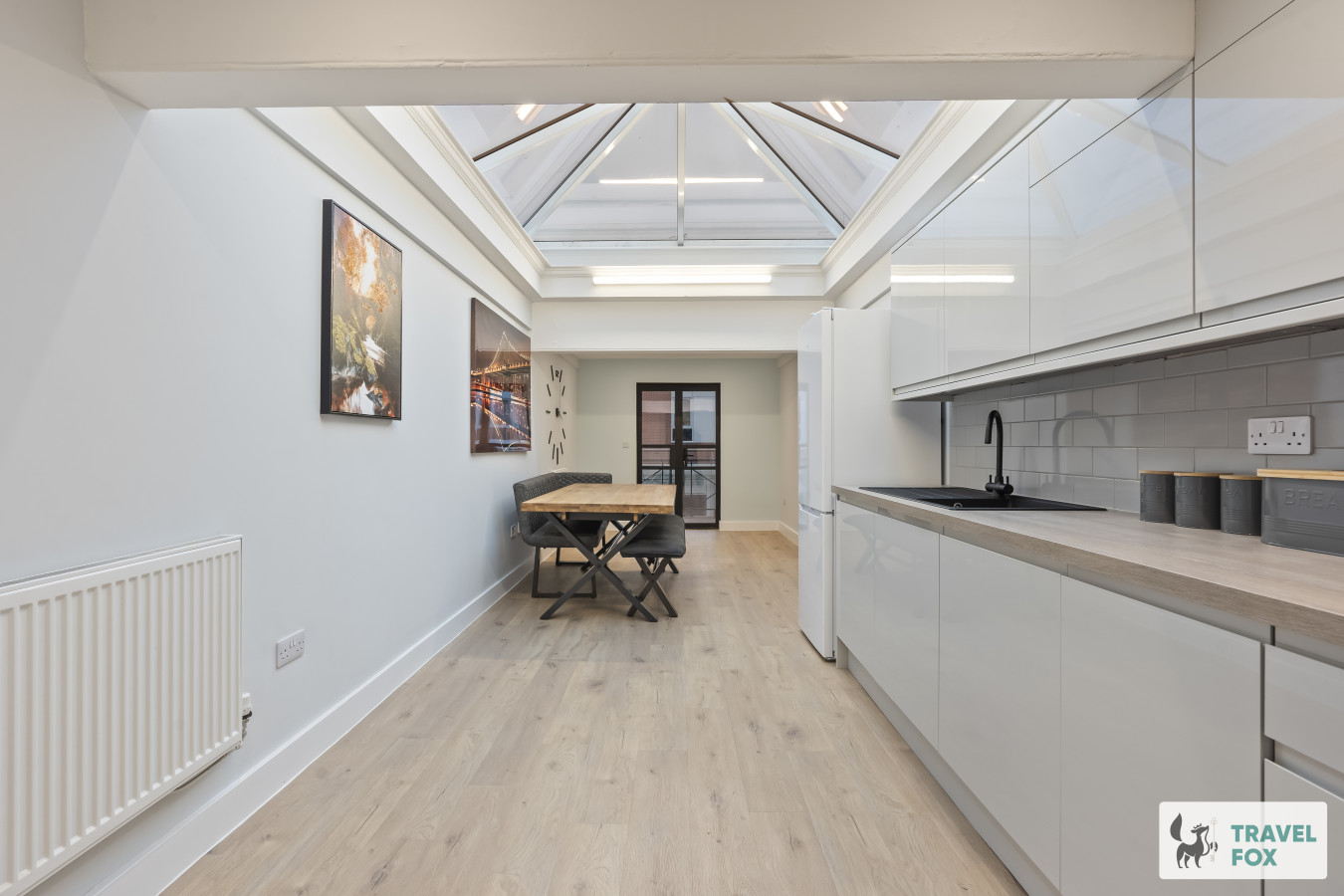
Nottingham
Camila's Penthouse Central Stay with Balcony
- Sleeps 16
- 5 bedrooms
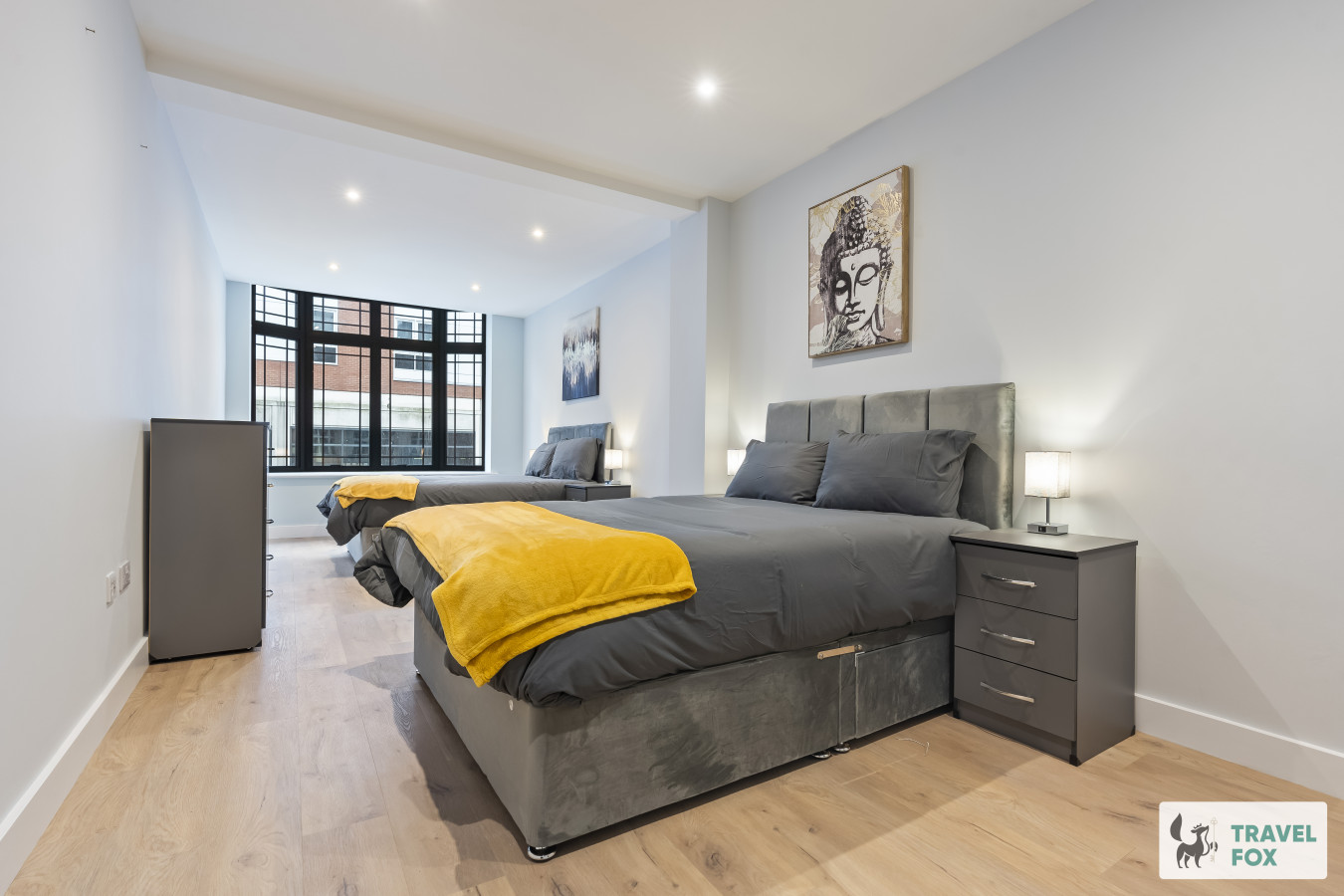
Nottingham
Blair's Central Stay
- Sleeps 16
- 5 bedrooms
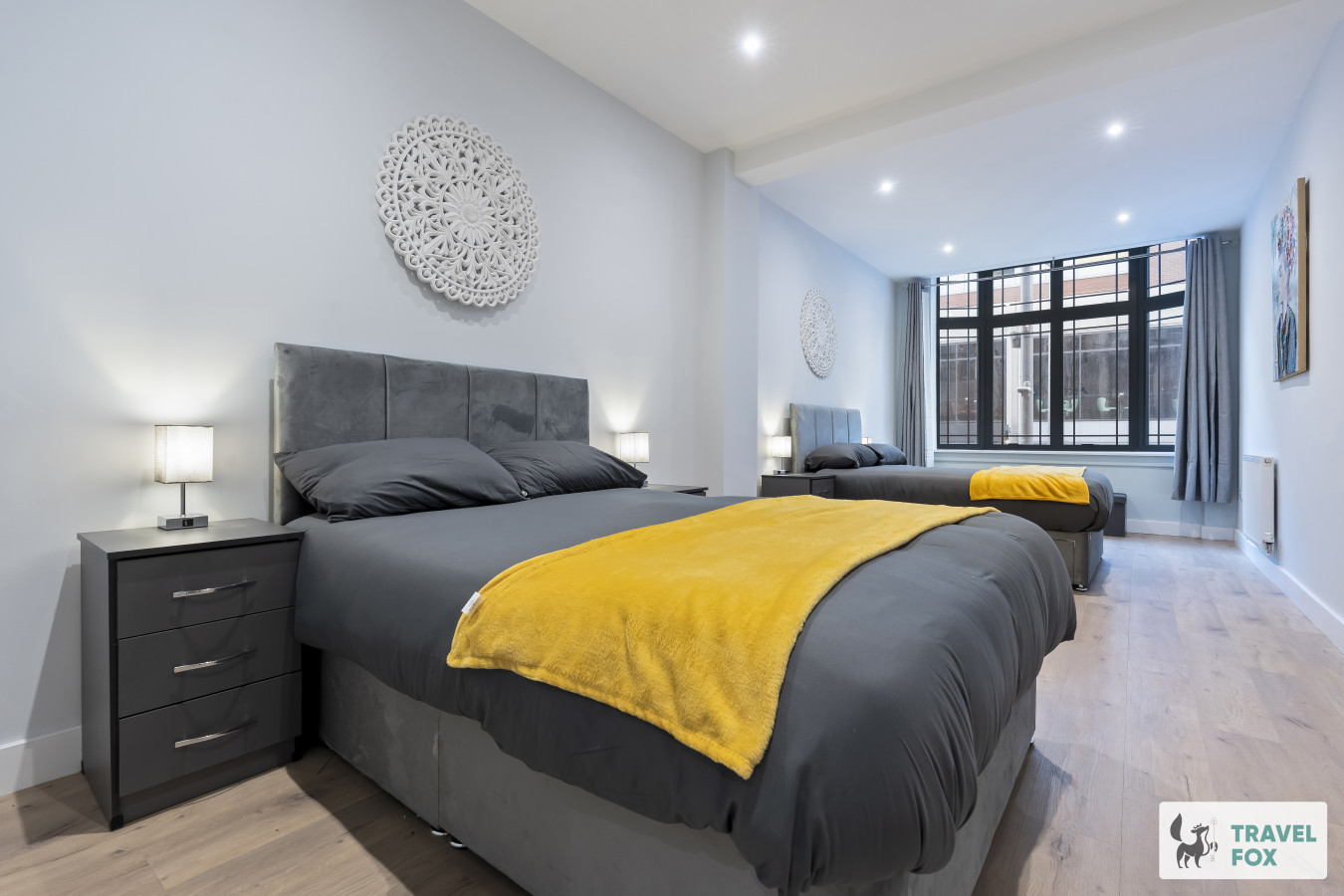
Nottingham
Anna's Central Stay
- Sleeps 16
- 5 bedrooms
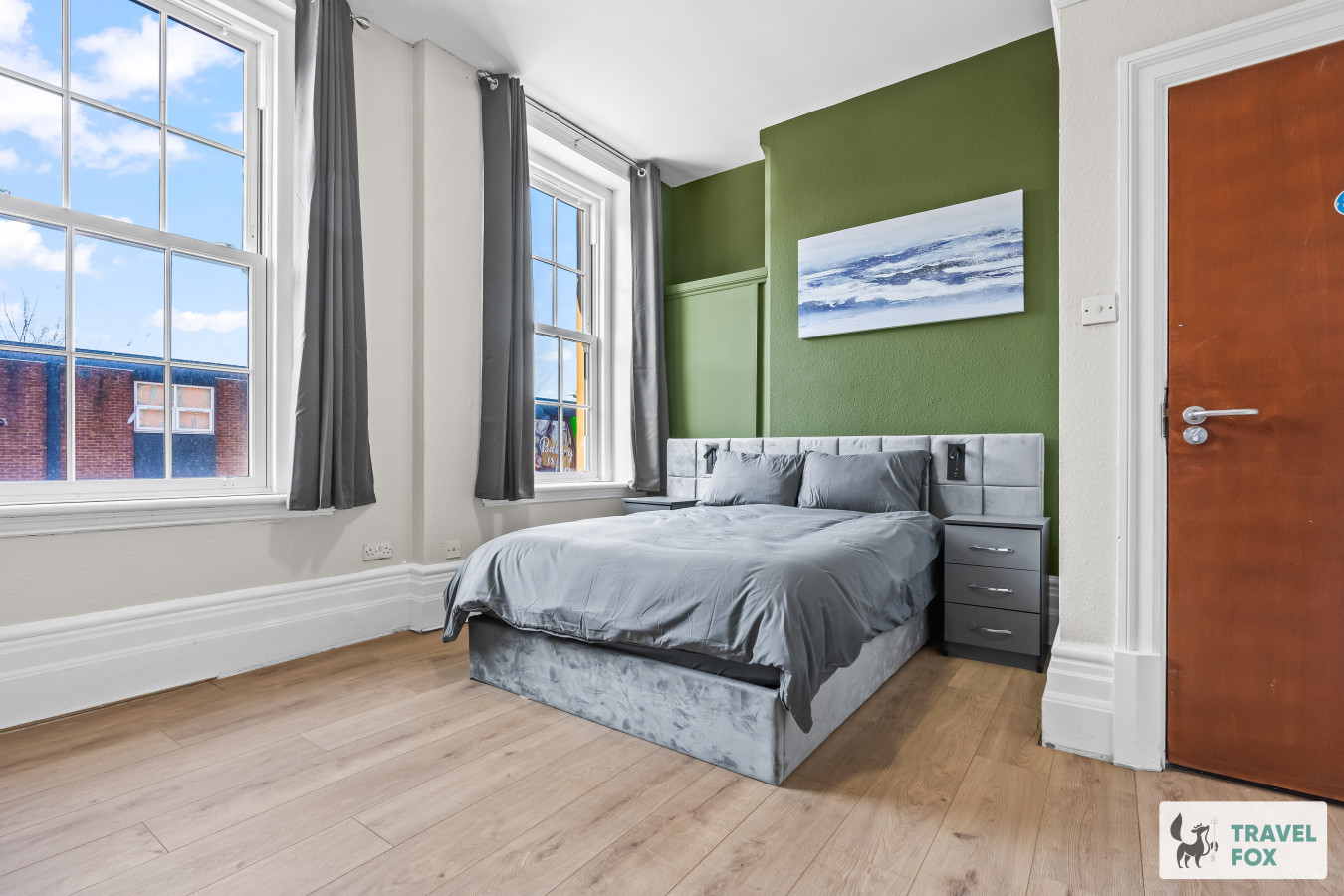
Nottingham
Melissa's Central Stay
- Sleeps 13
- 5 bedrooms
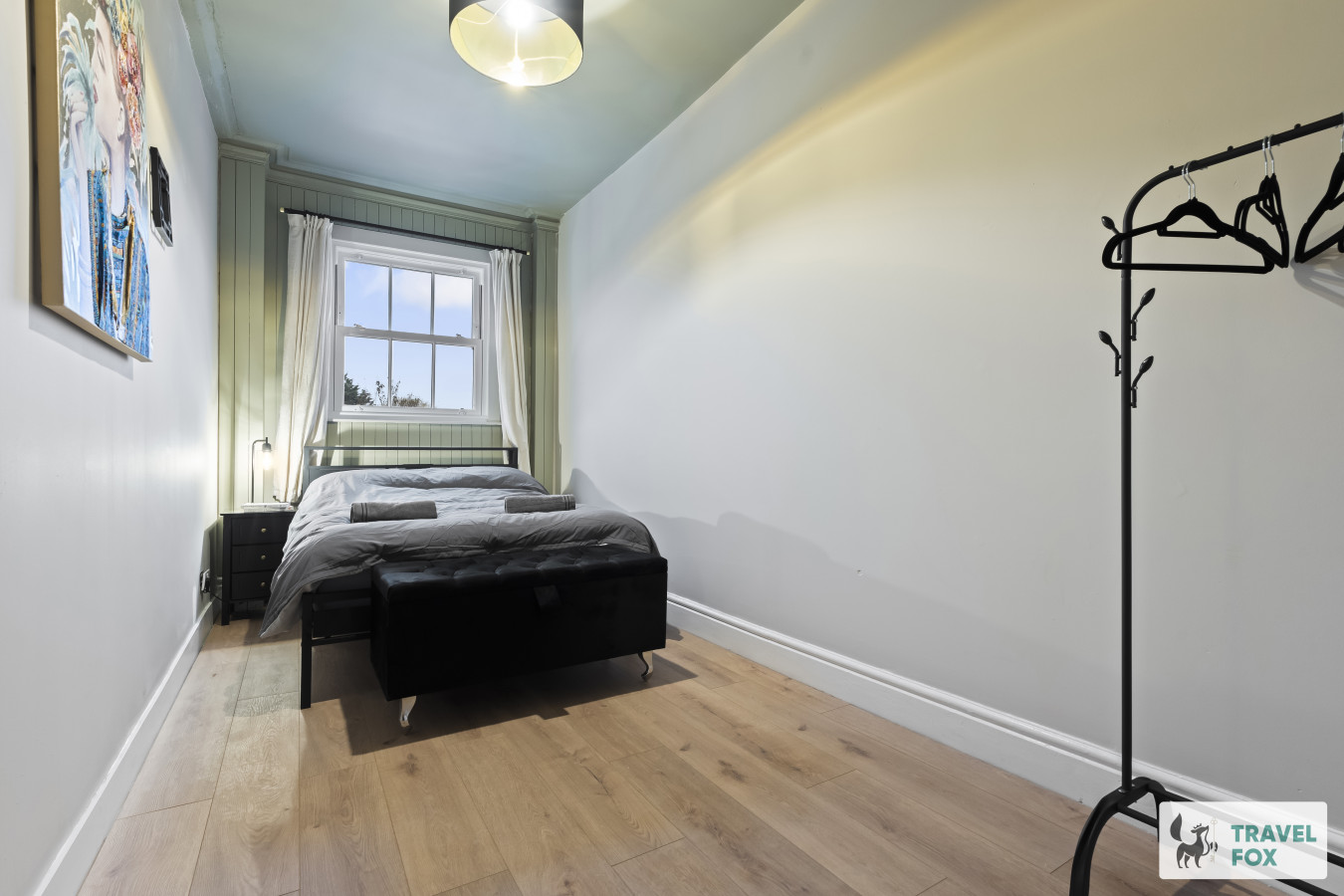
Nottingham
Callie's Central Stay
- Sleeps 9
- 3 bedrooms
For homeowners
Own a holiday home near Fledborough?
We manage holiday lets across the UK from 12% commission, charged after cleaning costs, with no lock-in. A co-founder visits before you decide.
How our holiday let management works →
A guide with a point of view
Written from research. Edited for real journeys.
Use the Official site links for live practical details, then use this guide for context, ideas and room to explore.
Sources
Every place on this page is checked against a published source. Each entry links the record we used and names who publishes it.
- St Gregory's Church — visitchurches.org.uk operator, sector body or destination organisation
- Fledborough Viaduct — her.nottinghamshire.gov.uk statutory register or public authority
- Fledborough Viaduct Walk — gps-routes.co.uk operator, sector body or destination organisation
- Dukeries Trail 8 — nottinghamshire.gov.uk statutory register or public authority
- National Cycle Route 647 — walkwheelcycletrust.org.uk operator, sector body or destination organisation
- Laxton Open Fields — her.nottinghamshire.gov.uk statutory register or public authority