
Lawrence and coal country
Eastwood
A ridge-top town where Lawrence's literary trail, former colliery landscapes and surviving landmarks turn local history into a day out.
- Best for
- D.H. Lawrence and coal-mining history
- Give it
- A full day for the town and nearby landscape
- Don't miss
- The Lawrence trail and Colliers Wood
The Fox verdict
Literature written into a mining town
Eastwood makes most sense on foot and in sequence: Lawrence's family addresses, the old coal economy and the landscape that entered his fiction.
The literary trail supplies the thread, while St Mary's surviving tower, the Sun Inn's railway story and Colliers Wood show how much local history survives. At the former Brinsley Colliery, a miners' memorial orchard recalls another part of that history. Add a pub stop or park time and the visit works beyond the Lawrence story too.
Where to go
Places in Eastwood
Every place below is checked against a published source, listed with what it is and how long to give it.
Local signatures
3 placesD.H. Lawrence Trail
Broxtowe Borough Council's roughly 1.5-mile town trail starts at the D.H. Lawrence Birthplace Museum and passes the Lawrence family's homes and other significant sites. Information signs along the route include QR codes for further stories and images.
- Visit length
- Editorial estimate: Allow around 60 minutes
- Locality
- Eastwood town centre
Colliers Wood Nature Reserve
This nature reserve occupies the former Moorgreen Colliery site, which closed in 1985. Ponds, meadow and woodland support wildlife, while Broxtowe Borough Council's circular Barber and Walker trails offer walks through the reserve.
- Visit length
- Editorial estimate: Allow around 90 minutes
- Locality
- former Moorgreen Colliery site
St Mary's Church, Eastwood
A church has occupied the site since at least 1250. The tower survived the 1963 arson fire and was incorporated into the brick, concrete and glass church consecrated in 1967.
- Visit length
- Editorial estimate: Allow around 40 minutes
- Locality
- Eastwood
Food & drink
1 placeSun Inn
A coaching inn dating to around 1750, serving pub classics and offering a large garden. A meeting here in 1832 set in motion the scheme that became the Midland Counties' Railway.
- Visit length
- Editorial estimate: Allow around 90 minutes
- Locality
- 6 Derby Road
History & heritage
2 placesBrinsley Headstocks
The former Brinsley Colliery site has a miners' memorial orchard and a bench made from salvaged headstock timber. The twin headstocks were dismantled in 2023; groundworks and a reinforced foundation for their replacement are complete, contractor selection is pending, and construction is expected to start in late 2026 or early 2027.
- Visit length
- Editorial estimate: Allow around 60 minutes
- Locality
- Brinsley
Eastwood Hall
Eastwood Hall is a Grade II listed house dating from about 1810, now used as a hotel and events venue. Its restaurant offers a visitor activity by advance reservation.
- Visit length
- Editorial estimate: Allow around 60 minutes
- Locality
- Eastwood
- Access
- Restaurant reservations must be made in advance.
Things to do
1 placeCoronation Park
A recreation ground with football pitches, a skatepark, basketball court and bowling green, and the home ground of Eastwood Community FC.
- Visit length
- Editorial estimate: Allow around 60 minutes
- Locality
- Plumptre Way
No places match this filter. Choose All places to reset the list.
Three ways to explore Eastwood
Signature outings
Lunch at the Sun Inn
Order a pub-classics lunch in the coaching inn where coal owners proposed the railway scheme that became the Midland Counties' Railway.
The tower that survived
See the tower left by the 1963 arson fire beside the brick, concrete and glass church consecrated four years later.
Brinsley's miners' memorial
Visit the miners' memorial orchard and the bench made using timber from the dismantled headstocks at the former colliery site.
The town story
Eastwood: Walking Lawrence's Streets
Follow Lawrence through a town whose pubs, churches, reservoirs and former collieries still explain the books he wrote from afar.
Lawrence's Trail, Coal Country and the Sun Inn
Start the D.H. Lawrence Trail at the Birthplace Museum on Victoria Street. Broxtowe Borough Council's roughly 1.5-mile walk passes the Lawrence family's homes and other Eastwood sites that shaped his life and writing. Information signs mark the stops, with QR codes for further stories and images; allow about 45 minutes to an hour on foot.
Eastwood sits in gently rolling country about nine miles northwest of Nottingham, close enough to the Derbyshire border that the nearest railway station, Langley Mill, is technically over the line. The town runs along a ridge, with the ground falling away east towards the water and a belt of woodland that Lawrence, writing from his family's house on Walker Street, once described looking out at: "Crich on the left, Underwood in front — High Park woods and Annesley on the right." He called it, in the same breath, "the country of my heart" — a generous way to describe a landscape built on coal, and worth remembering before you reach the parts where he called it "ugliness, ugliness, ugliness." He held both views. So might you.
The Sun Inn on Derby Road makes a straightforward meal stop between Eastwood's literary sites. Pub classics include fish and chips and mac and cheese, and the pub has a garden for a break after walking.
That garden, and the building generally, has form. On 16 August 1832, a group of Nottinghamshire coal owners met there and proposed extending the Mansfield & Pinxton Railway all the way to Leicester. The scheme went to a public subscription meeting at the George Inn in Alfreton, came back to Eastwood for formal approval on 26 September, and was reported in the Derby Mercury three weeks later as the new Midland Counties' Railway — a direct ancestor of the Midland Railway, one of Victorian Britain's largest rail networks. It started as men in a pub arguing about track routes, in a room you can still order a pint in.
Pubs and Local Provisions
The Three Tuns on Three Tuns Road has a central bar, several spacious areas and a large rear garden, with three cask ales including two regular Wadworth beers and a changing guest; cobs are available.
Eastwood's pub cluster covers traditional rooms and small independent bars around the high street, giving a walk through town an easy food-and-drink interlude.
Local news comes from the Eastwood and Kimberley Advertiser, published every Friday.
Church, Walks and Lawrence's Reservoir
St Mary's Church has had a harder run than most. A church has stood on the site since at least 1250; a small brick building went up in 1787 and was enlarged in 1826; the Victorian church that replaced it in 1858 seated 740 people and lasted until 5 March 1963, when it burned down in an arson attack. Only the tower survived. What stands now — brick, concrete and glass — was consecrated in September 1967, built around that surviving tower.
Colliers Wood Nature Reserve offers two documented circular walks through the former Moorgreen Colliery site. The one-mile Barber Trail passes woodland, hedgerows and meadows before returning to the main pond; the shorter Walker Trail also takes in the pond and meadows. For a longer outing, Broxtowe Borough Council describes the Erewash Valley Trail as a 30-mile walking and cycling route along the Nottinghamshire-Derbyshire border.
Moorgreen Reservoir turns up in Lawrence's fiction twice — as "Willey Water" in Women in Love, where a drowning scene was based on a real incident there, and as "Nethermere" in The White Peacock. It was built in the late eighteenth century to feed the Erewash, Nottingham and Cromford canals, and it looks, from most angles, like nothing more dramatic than a reservoir. That is rather the point of reading Lawrence here: he made literature out of the landscape people actually lived and worked in.
Lawrence's Eastwood and Its Coal Seams
Lawrence was born on 11 September 1885 at 8a Victoria Street, the first of four family homes in the town. The family moved to Breach House on Garden Road in 1887 — fictionalised as "The Bottoms" in Sons and Lovers — then to a new house on Walker Street in 1891, and finally to Lynn Croft in 1905, where they stayed until 1911. His father Arthur, and before him his grandfather, worked at Brinsley Colliery, and young Lawrence would walk to Durban House to collect his father's pay. Durban House later served as a heritage centre, while the current literary walk begins on Victoria Street. Sons and Lovers renames Eastwood "Bestwood" and Barber, Walker & Co becomes "Carson, Waite and Company" — a thin disguise for anyone who knew the place.
The mining history goes back further than Lawrence and explains much of what Eastwood looks like today. In 1086 the Domesday surveyors recorded the settlement as "waste", with woodland measuring three furlongs by three furlongs. It stayed small for centuries, but the Erewash Canal, opened in 1779, helped make it viable to move coal out in bulk. Barber and Walker's collieries then reshaped the district during the nineteenth century. Eastwood Hall, a Grade II listed house dating from about 1810, later served as a National Coal Board office. It is now a hotel and events venue with restaurant dining by advance reservation.
For anyone travelling with children, Coronation Park on Plumptre Way has football pitches, a skatepark, a basketball court and a bowling green. Eastwood Lawn Tennis Club runs adult and junior sessions on Church Walk near the high street.
Nearby Landmarks and Arriving
Further out, Newstead Abbey — Lord Byron's former home, with Japanese gardens and extensive grounds — is about 6.3 miles from Eastwood in a straight line, while Wollaton Hall in Nottingham is about 6.2 miles; road journeys are longer. Attenborough Nature Reserve, about 8.6 miles from Eastwood in a straight line, offers lakes and wetland southwest of the city; the road journey is longer. Nearer at hand, the former Brinsley Colliery has a miners' memorial orchard and a bench made from salvaged headstock timber. The Brinsley Headstocks were dismantled in 2023; groundworks and a reinforced foundation for their replacement are complete, contractor selection is pending, and construction is expected to start in late 2026 or early 2027.
Getting there without a car means changing your expectations slightly. Langley Mill station, just over a mile off and technically in Derbyshire, has direct trains to Nottingham, Sheffield, Chesterfield and Manchester. The A610 runs through town via Giltbrook and Kimberley towards Nottingham city centre; go the other direction and it meets the A38 at Ripley. Trent Barton's rainbow one service links Eastwood Library with Nottingham Victoria Bus Station.
Lawrence spent most of his adult life leaving Eastwood and writing about it from a distance — Italy, New Mexico, the south of France — and it took him until 1918, writing home from wherever he happened to be, to admit something had shifted: "For the first time in my life I feel quite amiably towards it. I have always hated it. Now I don't." He never moved back. But he kept writing the same streets, the same reservoir, the same view from Walker Street, for the rest of his life, which is as good a character reference as a town gets — not that it was loved uncomplicatedly, but that it was impossible to put down.
Stay around Nottinghamshire
Make a longer stay of it
Travel Fox holiday homes around Nottinghamshire, linked directly to their property pages.
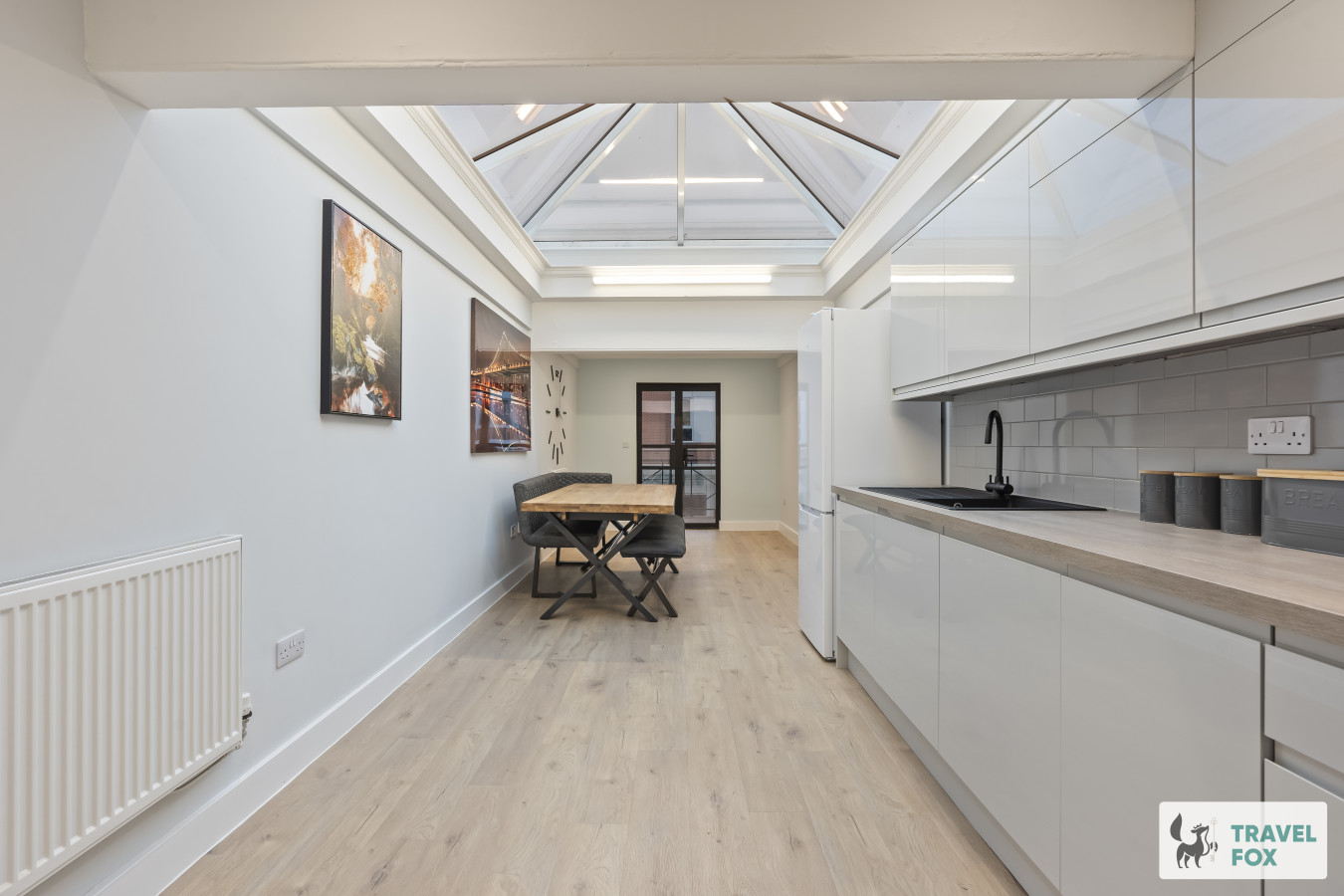
Nottingham
Camila's Penthouse Central Stay with Balcony
- Sleeps 16
- 5 bedrooms
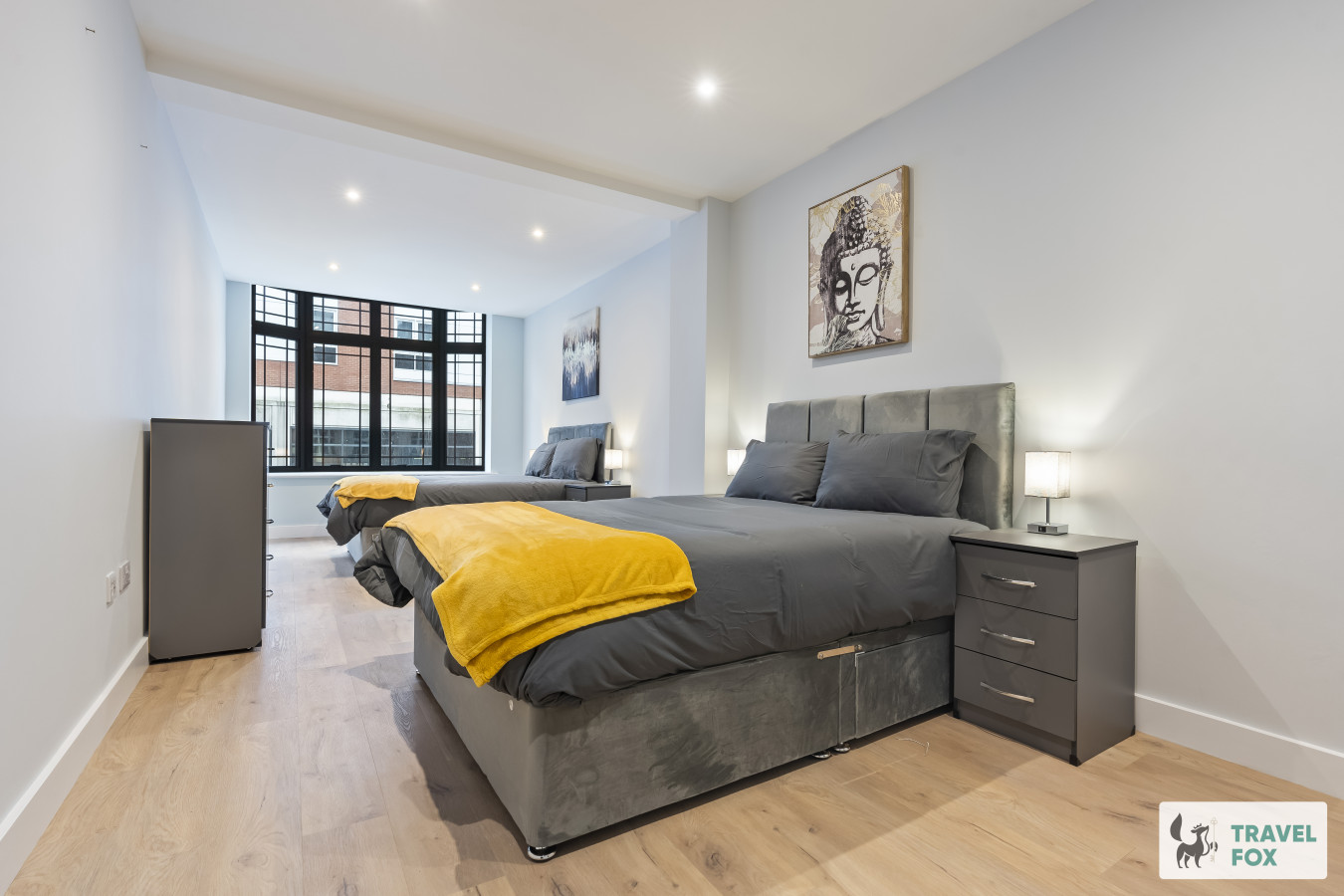
Nottingham
Blair's Central Stay
- Sleeps 16
- 5 bedrooms
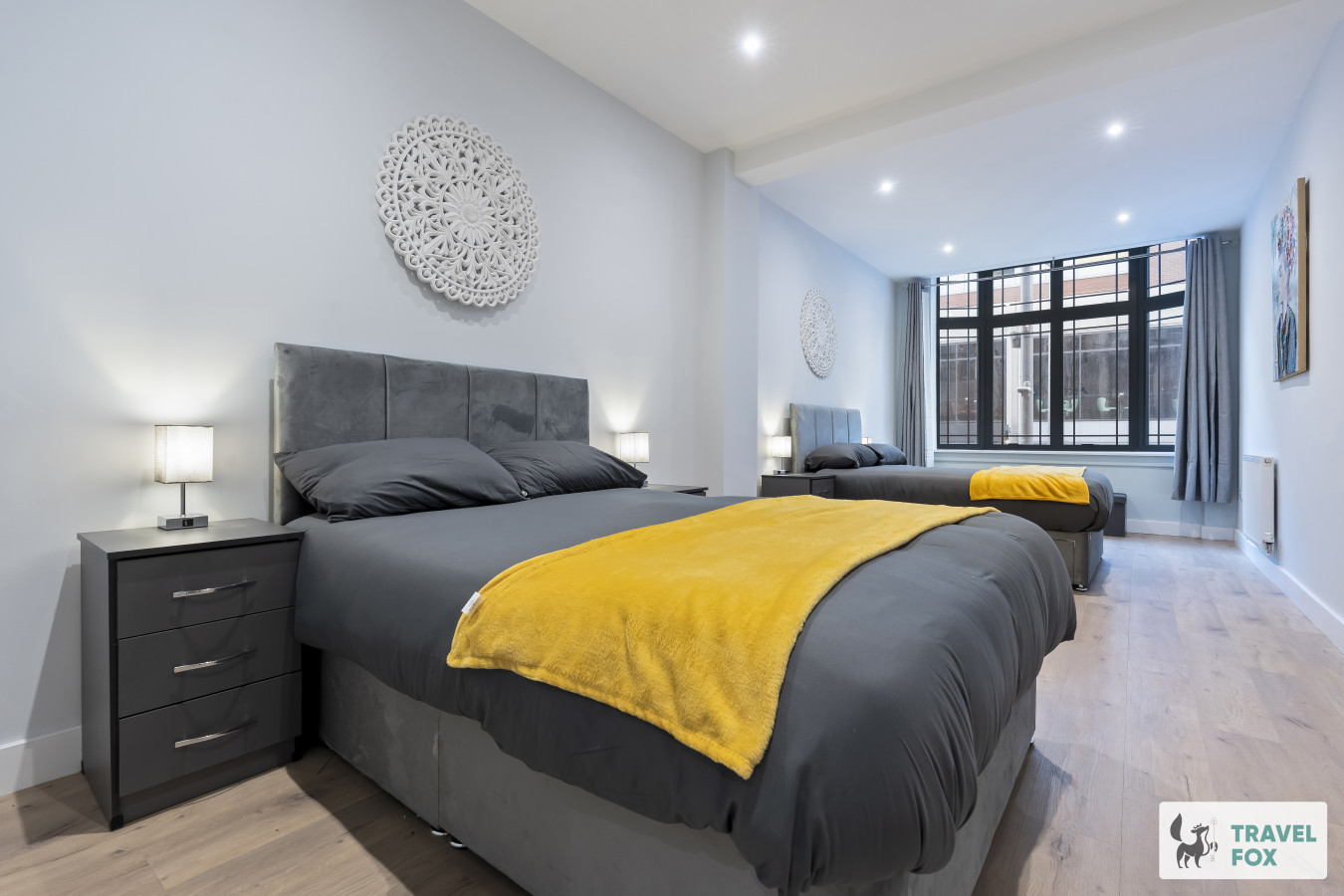
Nottingham
Anna's Central Stay
- Sleeps 16
- 5 bedrooms
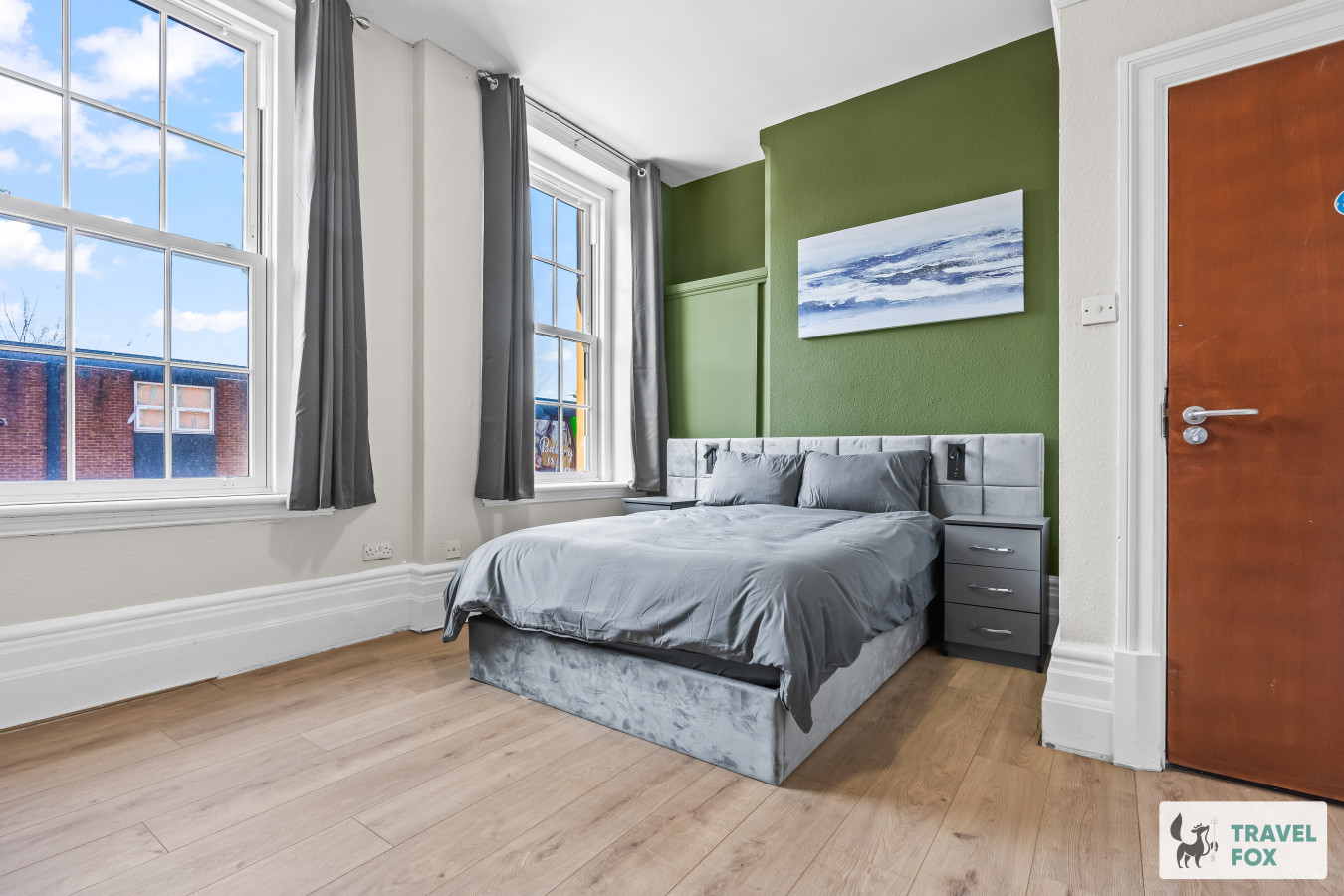
Nottingham
Melissa's Central Stay
- Sleeps 13
- 5 bedrooms
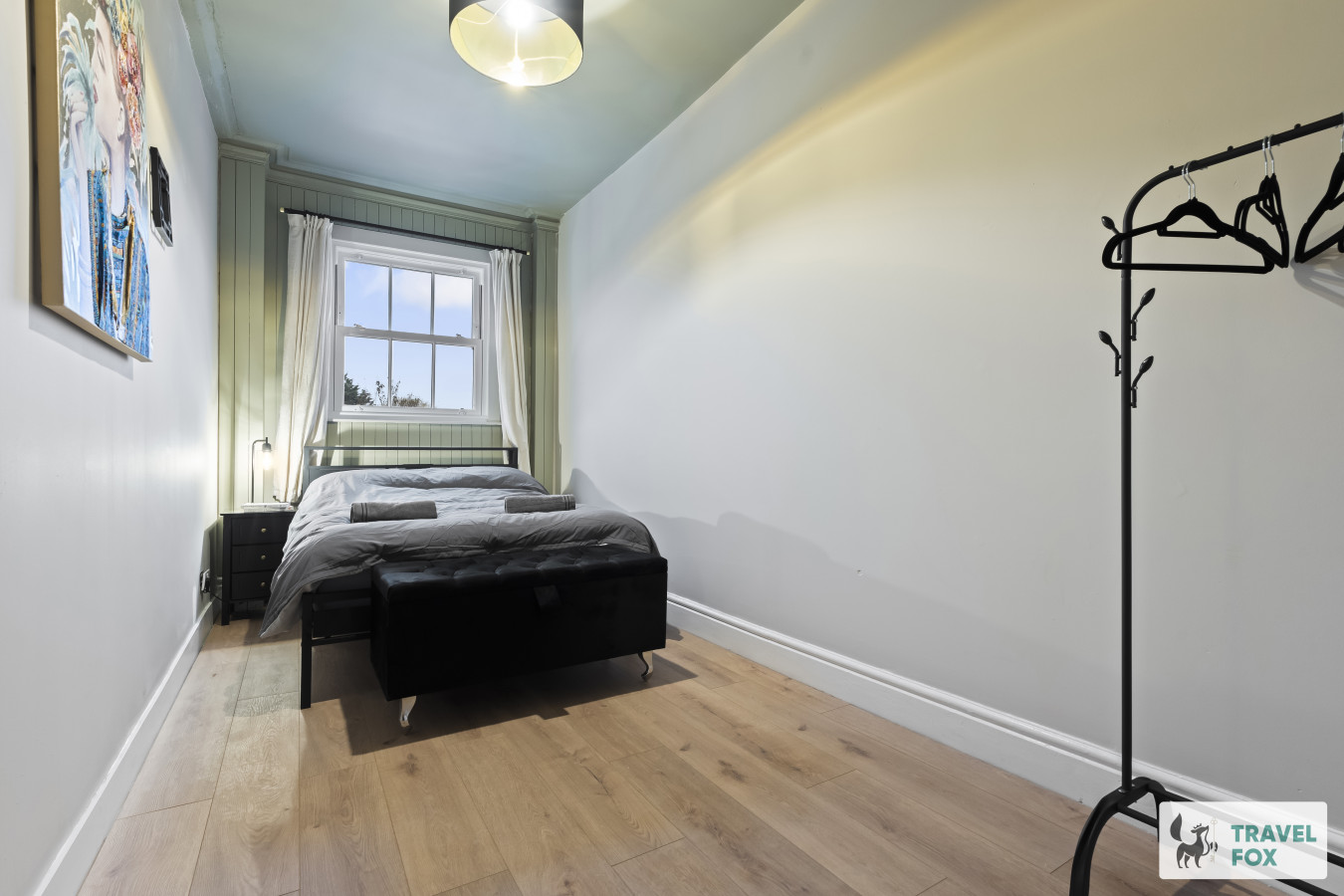
Nottingham
Callie's Central Stay
- Sleeps 9
- 3 bedrooms
For homeowners
Own a holiday home near Eastwood?
We manage holiday lets across the UK from 12% commission, charged after cleaning costs, with no lock-in. A co-founder visits before you decide.
How our holiday let management works →
A guide with a point of view
Written from research. Edited for real journeys.
Use the Official site links for live practical details, then use this guide for context, ideas and room to explore.
Sources
Every place on this page is checked against a published source. Each entry links the record we used and names who publishes it.
- D.H. Lawrence Trail — broxtowe.gov.uk statutory register or public authority
- Colliers Wood Nature Reserve — broxtowe.gov.uk statutory register or public authority
- St Mary's Church, Eastwood — her.nottinghamshire.gov.uk statutory register or public authority
- Sun Inn — greeneking.co.uk other published source
- Coronation Park — broxtowe.gov.uk statutory register or public authority
- Brinsley Headstocks — broxtowe.gov.uk statutory register or public authority
- Eastwood Hall — eastwood-hall.co.uk operator, sector body or destination organisation