
Sherwood at the village edge
Edwinstowe
Independent food and drink, a Grade I church and craft studios beside the ancient oak woodland of Sherwood Forest.
- Best for
- Sherwood Forest, village history and independent food
- Give it
- A day between the forest and the High Street
- Don't miss
- The Major Oak and St Mary's painted chancel screen
The Fox verdict
Forest legend, church history and village tables
Edwinstowe brings the Major Oak, a layered medieval church and a working village together in one visit.
Start with Sherwood Forest or St Mary's, then use the village's pubs, restaurants and craft courtyard to shape the rest of the day. Nearby Thoresby Park, Rufford Abbey and Sherwood Pines add further woodland, heritage and outdoor choices without turning the guide into a list of distant attractions.
Where to go
Places in Edwinstowe
Every place below is checked against a published source, listed with what it is and how long to give it.
Local signatures
3 placesSherwood Forest Art & Craft Centre
A courtyard of independent studios and shops covering chocolate, jewellery, fossils, woodwork, leather goods, soaps, candles, pens, art and dolls'-house furniture, with a café on site.
- Visit length
- Editorial estimate: Allow around 60 minutes
- Locality
- on the edge of the village
Forest Lodge
A family-run free house, hotel and restaurant in an 18th-century building, with locally sourced dishes and House of Bukhara Indian dishes.
- Visit length
- Editorial estimate: Allow around 90 minutes
- Locality
- Church Street
Sherwood Pines Forest Park
More than 3,000 acres of public forest with waymarked trails, mountain biking and a Go Ape high-wire adventure course.
- Visit length
- Editorial estimate: Allow around 120 minutes
- Locality
- near Kings Clipstone, south-west of Edwinstowe
Food & drink
2 placesRoyal Oak
A traditional village pub serving a double smash burger, a Royal Oak burger and beer-battered haddock and chips, with dogs welcome in the bar and up to four real ales.
- Visit length
- Editorial estimate: Allow around 90 minutes
- Locality
- High Street
The Lansbury Restaurant & Bar
A restaurant and bar in a restored 16th-century cottage, serving a modern British menu that uses local farms and producers.
- Visit length
- Editorial estimate: Allow around 90 minutes
- Locality
- in Edwinstowe
Walks & outdoors
1 placeSherwood Forest Country Park and the Major Oak
Ancient oak woodland reached from the RSPB-run Visitor Centre, with experts believing the Major Oak has died; it remains standing as decaying-wood habitat.
- Visit length
- Editorial estimate: Allow around 90 minutes
- Locality
- Sherwood Forest Visitor Centre at the village edge
History & heritage
3 placesSt Mary's Church
A Grade I church with a 12th-century core, a 1939 chancel screen with painted panels and a building underpinned onto a concrete raft in 1952-53.
- Visit length
- Editorial estimate: Allow around 45 minutes
- Locality
- at the centre of the village
Thoresby Park
A Victorian Courtyard of working craft studios with shops, a licensed restaurant, a military museum and a gallery, amid 150 acres of parkland, woodland and gardens.
- Visit length
- Editorial estimate: Allow around 120 minutes
- Locality
- Thoresby Courtyard, near Perlethorpe
Rufford Abbey Country Park
A free-entry 150-acre country park centred on the ruins of a 12th-century Cistercian abbey, with woodland walks, a lake and gardens.
- Visit length
- Editorial estimate: Allow around 90 minutes
- Locality
- Rufford, south-east of Edwinstowe
No places match this filter. Choose All places to reset the list.
Three ways to explore Edwinstowe
Signature outings
The Major Oak's afterlife
See the Major Oak left standing in Sherwood Forest as an emblem in the landscape and habitat for decaying-wood wildlife.
A painted chancel screen
Look for the painted panels on St Mary's 1939 chancel screen.
Abbey, lake and woodland
Pair the ruins of a 12th-century Cistercian abbey with Rufford's lake, gardens and woodland walks.
The village story
Edwinstowe Village Guide
Pubs, craft, church history and a mining legacy at the village edge of Sherwood Forest.
High Street Pubs and the Forest Edge
The Royal Oak serves a double smash burger with American cheese, gem lettuce, tomato, red onion, dill pickles, house burger sauce, a Welbeck brioche bun and fries, plus a Royal Oak burger of three 3oz patties with sticky short rib, apple and chorizo jam, smoked bacon, and truffle and parmesan fries. The High Street pub also serves beer-battered haddock and chips, welcomes dogs in the bar and carries up to four real ales, including Everards Tiger; quiz nights and live music add to the village-pub feel.
Edwinstowe has just over five thousand people on the northern edge of Sherwood Forest. Birklands, the ancient oak woodland, begins where the houses thin out, and a Robin Hood and Maid Marian statue stands on the High Street. The forest lies just north of the village; village life continues around it.
Edwinstowe’s High Street has several traditional pubs. The Black Swan has period décor, local historic photographs, three letting rooms and Timothy Taylor Boltmaker alongside Pheasantry ales. Further along the High Street, the Dukeries Lodge has seventeen guest rooms, with accommodation named Duke of Portland, Duke of Norfolk and Duke of Newcastle. It previously traded as Ma Hubbards; the historic Dukeries Hotel was a coaching-era refreshment stop recorded in the 1890s.
Horse-drawn excursions carried visitors from Edwinstowe station to local beauty spots. In 1897, local carriage owners formed the Edwinstowe Carriage Owners’ Association to take passengers through the Dukeries, stopping at the Jug and Glass or Dukeries Hotel before visiting the Major Oak. In 1898, the Duke of Portland warned that he would close his estate drives to the public if operators continued overloading their carriages.
Dining, Craft and St Mary's
Forest Lodge is a family-run free house, hotel and restaurant in an eighteenth-century building, with 4-star AA-rated rooms, a real fire and a separate bar. Its menu uses locally sourced ingredients and includes House of Bukhara Indian dishes; dogs are welcome in the top bar, while the bar carries beer from Welbeck Abbey Brewery and Timothy Taylor Landlord.
The Lansbury, formerly Launay's, is a restaurant and bar in a restored sixteenth-century cottage with seasonal menus and locally sourced food.
The Sherwood Forest Art & Craft Centre is a courtyard of independent studios and shops on the village edge. Its studios cover chocolate, jewellery, gemstones and fossils, woodwork, leather goods, soaps and candles, pens, art and dolls'-house furniture. An on-site café serves cooked meals, snacks and homemade cakes.
St Mary’s Church is Grade I listed and the only Grade I building among the village’s seven listed structures. Its core is twelfth-century, with a stone chancel rebuilt around 1175; local tradition links that work to penance imposed on Henry II after Thomas Becket’s murder. A south-aisle chantry was added in the 1340s by Henry de Edenstowe, a canon of Southwell and Lincoln, and the chancel was rebuilt again in 1432 on the same foundations. The fifteenth-century broach spire has been rebuilt more than once after lightning strikes.
Church Treasures and Edwin's Resting Place
Inside, St Mary's has an octagonal stone font and a painted chancel screen depicting King Edwin; the screen was installed in 1938. In 1952-53 the building was underpinned onto a concrete raft to counter subsidence from coal mining beneath the village. Local tradition places Robin Hood's marriage to Maid Marian here, with some tellings locating it under the porch archway.
The Domesday survey of 1086 records Edenstow, as it was then spelled, twice: a berewick with "a Church and a priest", five households in total, four smallholders and one priest. No value is recorded, an indication that the settlement was waste at the time.
The village name commemorates Edwin, King of Northumbria, killed at the Battle of Hatfield Chase in 632 or 633. His body was buried in the forest, and by the time his household arrived to take it north to York, a small wooden chapel had already gone up on the spot — the traditional origin of the church that stands there now. Edwinstowe means, roughly, Edwin's resting place.
Pit, Oak and the Wider Sherwood
The other defining chapter is more recent. Thoresby Colliery was sunk between 1925 and 1928, the last colliery sunk in Nottinghamshire, and by 1931 the company had built 497 houses for miners, bringing several older hamlets into the larger village. It employed almost 1,500 men in the early 1980s and ceased production in July 2015, the last working colliery in the county. Cecil Day-Lewis, who lived here as a boy while his father served as village vicar and later became Poet Laureate, wrote in his 1960 memoir The Buried Day that Edwinstowe was where his social conscience was born. The former colliery site is being reclaimed as Thoresby Vale Country Park, with wildflowers and wetland beside a new estate of eight hundred homes.
The Major Oak draws visitors to Sherwood Forest. Estimated at 800 to 1,200 years old, experts believe it has died after failing to produce leaves in 2026; pressures include hot, dry summers, soil compaction from footfall and the protective scaffolding around its propped branches. The tree remains standing as habitat, and saplings have been grown from its acorns and cuttings. Trails start at the Sherwood Forest Visitor Centre: the 1.5-mile Major Oak Trail takes about 45 minutes, and the tree is a 15–20-minute walk from the centre. The Robin Hood Way heads north from the village into the woodland, while the gentler River Maun option follows more open country with a few small hills.
Beyond the village, Thoresby Park's Victorian Courtyard has craft studios, shops, cafés, a military museum and a gallery amid 150 acres of parkland, woodland and gardens. Rufford Abbey Country Park is a free-entry 150-acre park centred on the ruins of a twelfth-century Cistercian abbey, with a lake, gardens and woodland walks. Sherwood Pines is a Forestry Commission forest of more than 3,000 acres with waymarked trails, mountain biking and a Go Ape high-wire course. White Post Farm at Farnsfield, about 6.0 miles from Edwinstowe in a straight line, covers around 25 acres and has more than 3,000 animals; road travel is longer. Center Parcs Sherwood Forest is at Rufford.
Routes, Festival and Village Life
Getting here without a car takes more planning than in many Nottinghamshire villages. Edwinstowe’s railway service ended in 1955; Shirebrook is about 5.8 miles away in a straight line, with Mansfield and Mansfield Woodhouse also rail options. Bus services link the village with Mansfield, Ollerton, Worksop, Nottingham, Newark and Lincoln. The village sits just off the B6034, and the Sherwood Forest Visitor Centre, rebuilt in 2018 through a county council-RSPB partnership, has a stop served by most routes through the village.
The long-running Robin Hood Festival has run since the early 1980s, bringing jousting, medieval combat, archery, historical re-enactment, comedy and children’s entertainment to Sherwood Forest, the setting associated with the legend.
The village hall remains a centre of Edwinstowe life, while the Thoresby Colliery Band and its youth section keep the local brass tradition in motion. The bands carry the mining community’s musical legacy beyond the pit itself.
Stay around Nottinghamshire
Make a longer stay of it
Travel Fox holiday homes around Nottinghamshire, linked directly to their property pages.
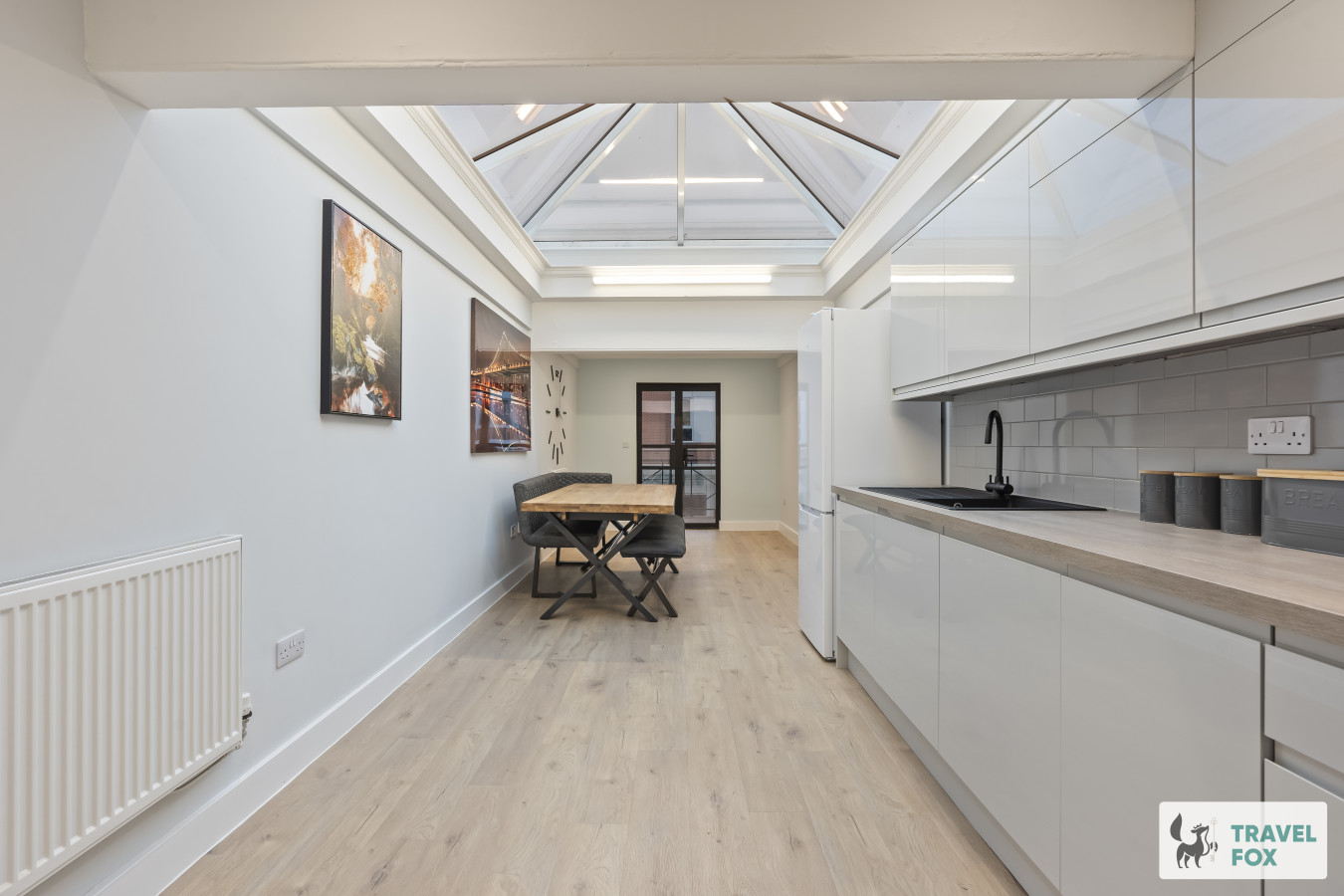
Nottingham
Camila's Penthouse Central Stay with Balcony
- Sleeps 16
- 5 bedrooms
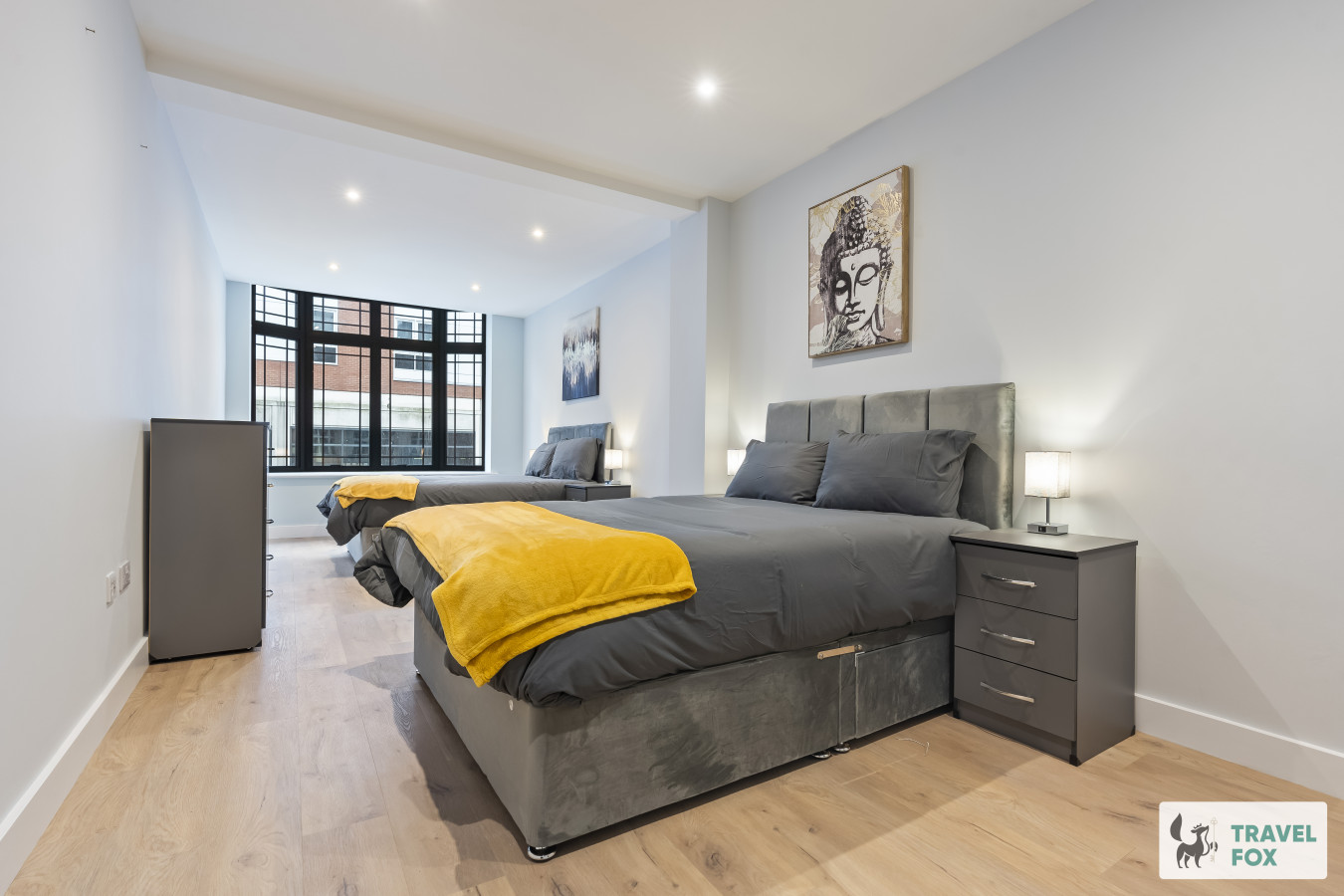
Nottingham
Blair's Central Stay
- Sleeps 16
- 5 bedrooms
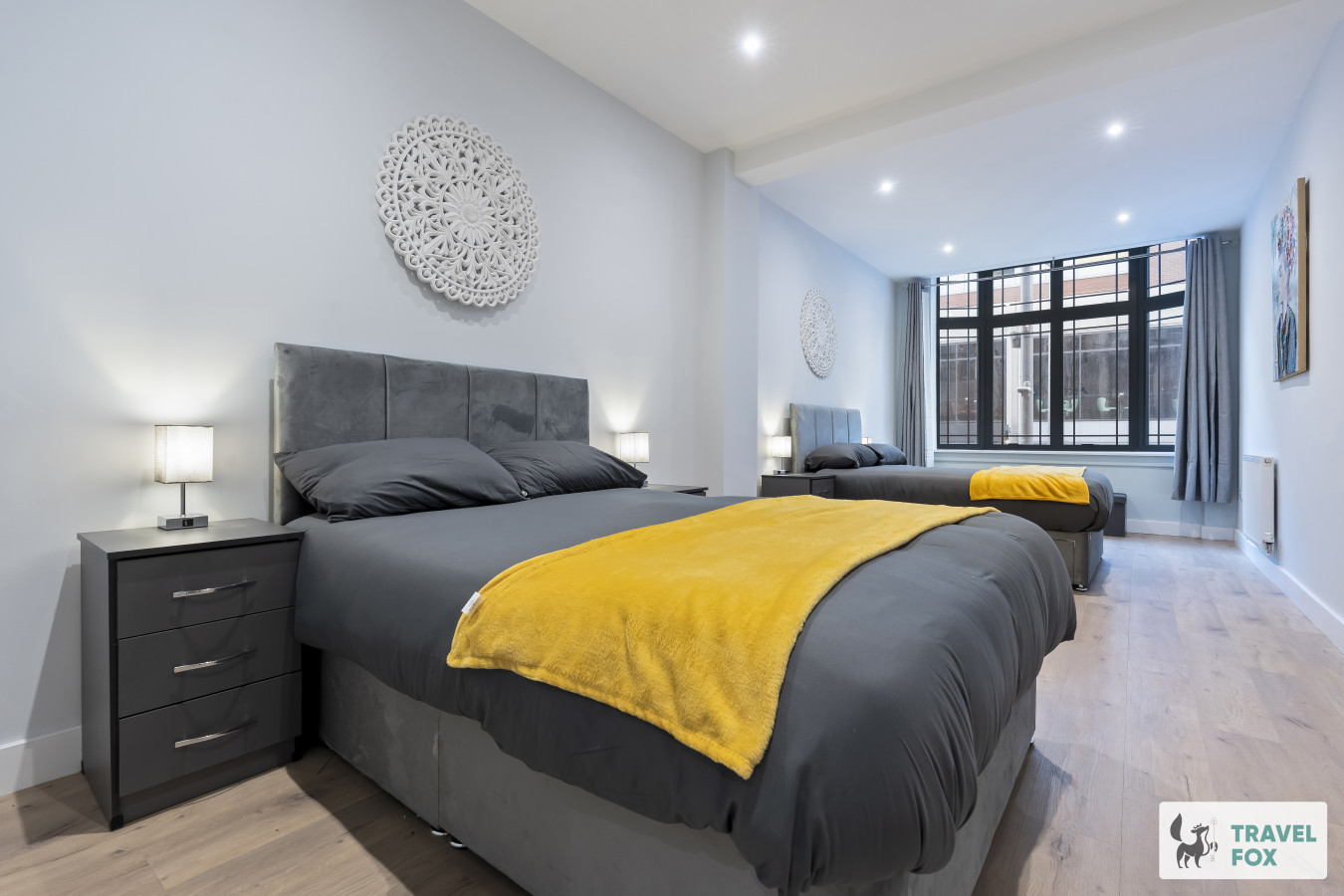
Nottingham
Anna's Central Stay
- Sleeps 16
- 5 bedrooms
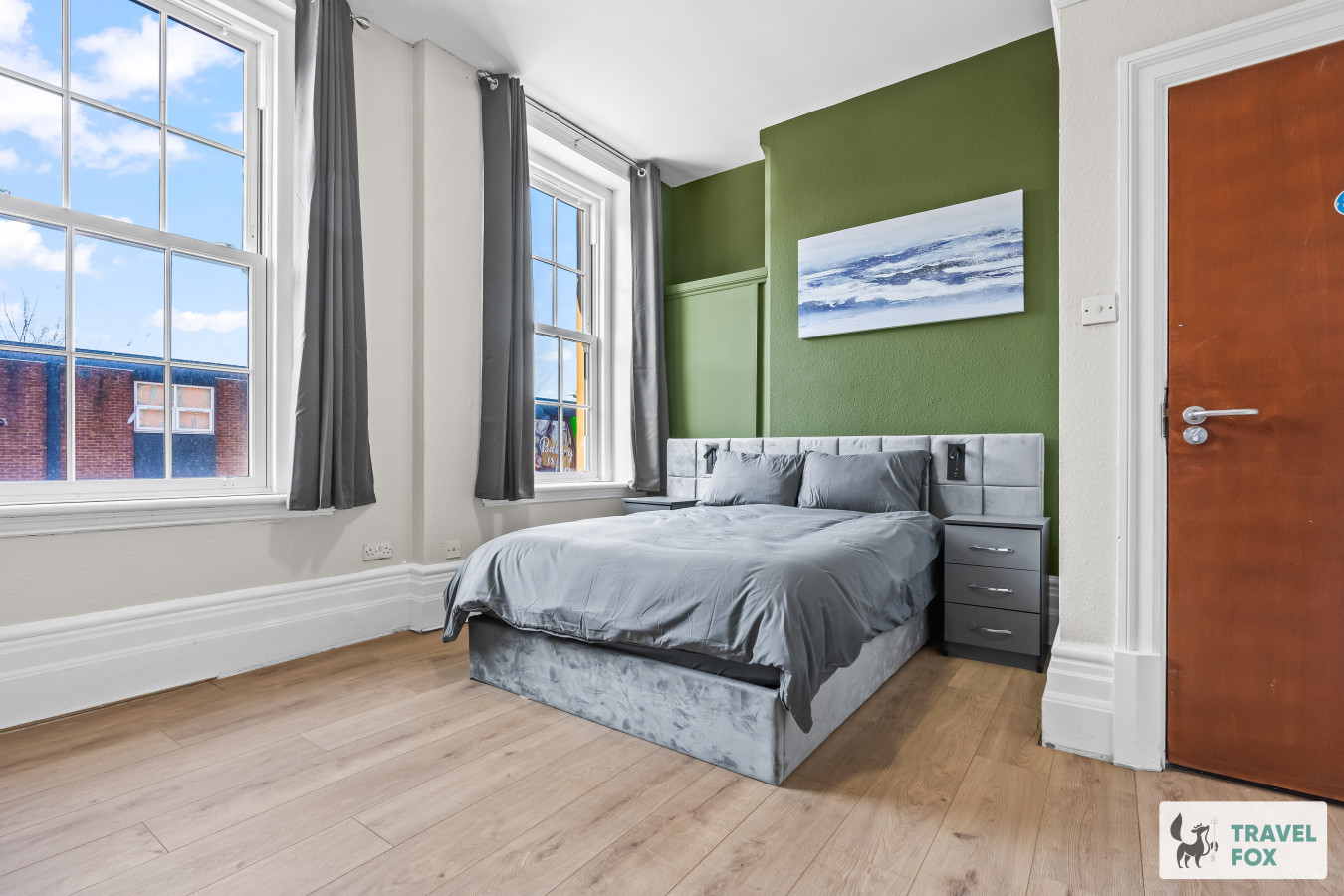
Nottingham
Melissa's Central Stay
- Sleeps 13
- 5 bedrooms
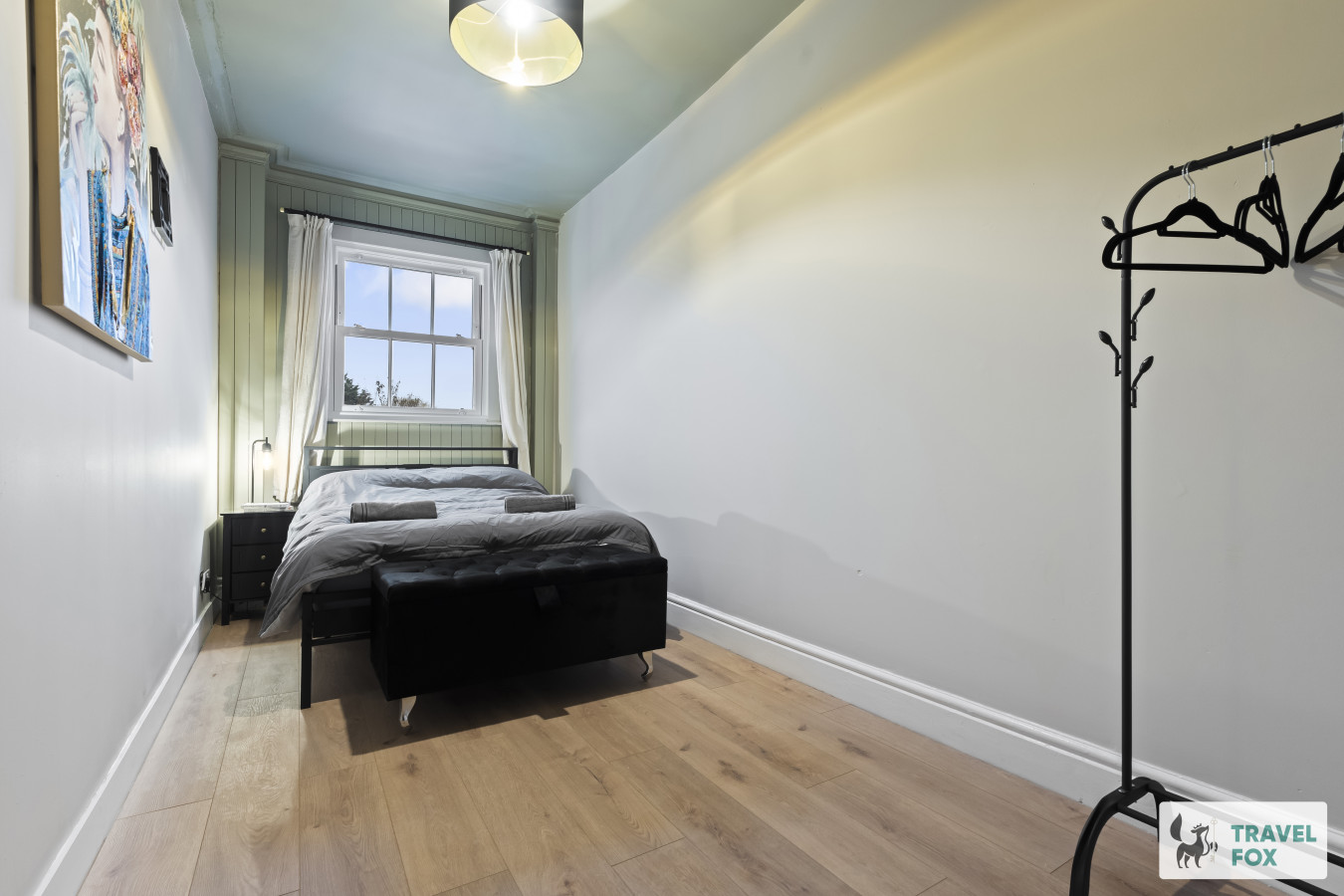
Nottingham
Callie's Central Stay
- Sleeps 9
- 3 bedrooms
For homeowners
Own a holiday home near Edwinstowe?
We manage holiday lets across the UK from 12% commission, charged after cleaning costs, with no lock-in. A co-founder visits before you decide.
How our holiday let management works →
A guide with a point of view
Written from research. Edited for real journeys.
Use the Official site links for live practical details, then use this guide for context, ideas and room to explore.
Sources
Every place on this page is checked against a published source. Each entry links the record we used and names who publishes it.
- Sherwood Forest Country Park and the Major Oak — rspb.org.uk national body or asset manager
- St Mary's Church — historicengland.org.uk statutory register or public authority record not machine-readable; publisher restricts automated access
- Sherwood Forest Art & Craft Centre — newark-sherwooddc.gov.uk statutory register or public authority
- Royal Oak — royaloakedwinstowe.co.uk operator, sector body or destination organisation
- Forest Lodge — forestlodgehotel.co.uk operator, sector body or destination organisation
- The Lansbury Restaurant & Bar — thelansbury.co.uk operator, sector body or destination organisation
- Thoresby Park — thoresby.com operator, sector body or destination organisation
- Rufford Abbey Country Park — ruffordabbey.co.uk operator, sector body or destination organisation
- Sherwood Pines Forest Park — forestryengland.uk national body or asset manager