
A village with a bass note
East Leake
East Leake pairs the extraordinary vamping horn at St Mary’s with village pubs, local food stops and paths into the Nottinghamshire Wolds.
- Best for
- Church history, pub stops and countryside paths
- Give it
- A half day
- Don't miss
- St Mary's 7ft 9in vamping horn
The Fox verdict
A village whose strangest treasure sets the tone
Start with the vamping horn, then explore Meadow Park, the hills, village pubs, Bryer’s restaurant and Birds Bakery.
East Leake's strongest visit begins at St Mary's, where the surviving vamping horn turns church history into something unusually tangible. Meadow Park and the paths towards the Midshires Way add a countryside strand, while the Nag's Head, Bulls Head, Bryer's and Birds provide several distinct stopping points within the village.
Where to go
Places in East Leake
Every place below is checked against a published source, listed with what it is and how long to give it.
Local signatures
3 placesSt Mary's Church
A Grade I church with Norman fabric and a 7ft 9in vamping horn once used to amplify the bass part in services.
- Visit length
- Editorial estimate: Around 45 minutes
- Locality
- at the centre of the old village
Meadow Park
Almost 18 hectares of former farmland gifted to the village by the Kirk family in 1995, with footpaths, an outdoor gym, picnic tables and a playground.
- Visit length
- Editorial estimate: Around 90 minutes
- Locality
- East Leake
The Nag's Head
A two-room village pub with fires and a beer garden, plus a bookable stable/function room with a dartboard; dogs are allowed in the bar only.
- Visit length
- Editorial estimate: Around 60 minutes
- Locality
- 14 Main Street
Food & drink
3 placesThe Bulls Head
A contemporary village pub with Fuller's London Pride and Dark Star Hophead as regular beers, outdoor seating and water bowls and treats for dogs on leads.
- Visit length
- Editorial estimate: Around 75 minutes
- Locality
- 78 Main Street
Bryer's
A wood-fired restaurant serving speciality coffee and wine.
- Visit length
- Editorial estimate: Around 60 minutes
- Locality
- 13 Gotham Road
- Access
- Bread can be pre-ordered through Bryer’s website.
Birds Bakery
The East Leake branch of the chain bakery, a few doors along from Bryer's on Gotham Road.
- Visit length
- Editorial estimate: Around 30 minutes
- Locality
- 8 Gotham Road
Walks & outdoors
1 placeGotham & West Leake Hills Circular
A 7½-mile figure-of-eight circuit from Gotham Parish Church through the rolling hills of the Nottinghamshire Wolds, using field paths and bridleways around Gotham and West Leake.
- Visit length
- Editorial estimate: Around 4 hours
- Locality
- Gotham and West Leake hills
Things to do
1 placeEast Leake Leisure Centre
A leisure centre with a swimming pool, gym, dance studio, group exercise classes, tennis courts, indoor sports and outdoor pitches.
- Visit length
- Editorial estimate: Around 90 minutes
- Locality
- East Leake
No places match this filter. Choose All places to reset the list.
Three ways to explore East Leake
Signature outings
Meet the vamping horn
Look for 12th-century herringbone masonry and a blocked doorway in the north nave wall.
Choose a village pint
Call at the Bulls Head, where Fuller's London Pride and Dark Star Hophead are regular beers, with outdoor seating and water bowls and treats for dogs on leads.
Walk the hills in a figure eight
Follow the undulating circuit through farmland and woodland for views over the Trent Valley.
The village story
East Leake: a church horn and paths into the Wolds
A church horn, village pubs, vanished trades and paths into the Nottinghamshire Wolds shape a visit to East Leake.
A horn at the old village centre
St Mary’s Church keeps a 7ft 9in vamping horn. It amplified a bass singer’s part in the church’s gallery orchestra and was still used in the mid-19th century.
The old village centre gives way to East Leake’s rolling farmland, part of the Nottinghamshire Wolds. Kingston Brook cuts through this landscape, and ridge-and-furrow earthworks survive in nearby pasture.
Village pubs with character
The Nag's Head, on Main Street, is a two-room village pub with fires and a beer garden. The bookable stable/function room has a dartboard, while dogs are allowed in the bar only.
At 78 Main Street, the Bulls Head is a contemporary village pub with Fuller's London Pride and Dark Star Hophead as regular beers, plus outdoor seating and water bowls and treats for dogs on leads.
Food stops and footpaths
Bryer’s on Gotham Road is a wood-fired restaurant with speciality coffee and wine; Birds Bakery is at 8 Gotham Road.
Walking starts from Meadow Park, eighteen hectares of farmland gifted to the village by the Kirk family in 1995, with an outdoor gym and a playground. Footpaths lead north to the Midshires Way near Rushcliffe Halt, on the old Great Central Railway line, and a figure-of-eight route over the Gotham and West Leake hills gives views across the Trent Valley. Rushcliffe Golf Club, formed in 1909 on the outskirts, does a Sunday carvery.
Skirmish, frames and baskets
Domesday records "1 church" here on Henry of Ferrers's land, the earliest trace of St Mary's, alongside thirty-seven recorded households. In 1644, Royalist and Parliamentary troops fought a skirmish in a field called Brickley on the village's east side; the parish register notes it plainly: "ffoure souldiers buryed slaine in a Skirmish in our Lordship September ye 17th."
The village made things, once. Framework knitters worked up to sixty hand frames before factories undercut them in the 1880s, and from around 1830 the Mills family wove willow baskets “of every shape and size,” reputedly supplying the Savoy Hotel, until plastic ended the trade by 1960. Nottingham City Transport’s South Notts 1 connects East Leake with Nottingham and Loughborough.
The quarry's rare visitors
In 2017, seven adult European bee-eaters were recorded at East Leake quarry. Three pairs nested and chicks hatched, but all three nests were abandoned in early August after cool, wet weather.
Stay around Nottinghamshire
Make a longer stay of it
Travel Fox holiday homes around Nottinghamshire, linked directly to their property pages.
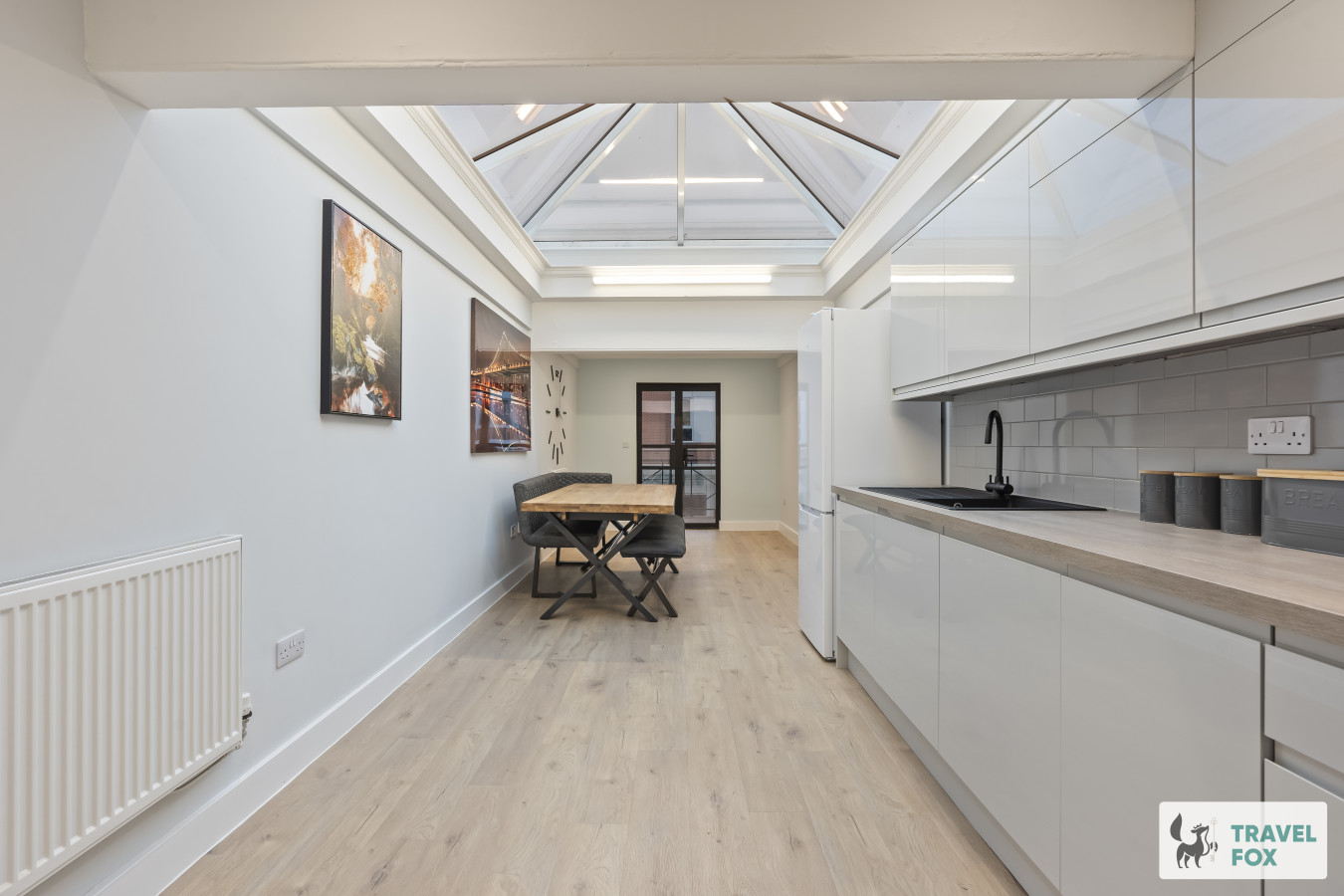
Nottingham
Camila's Penthouse Central Stay with Balcony
- Sleeps 16
- 5 bedrooms
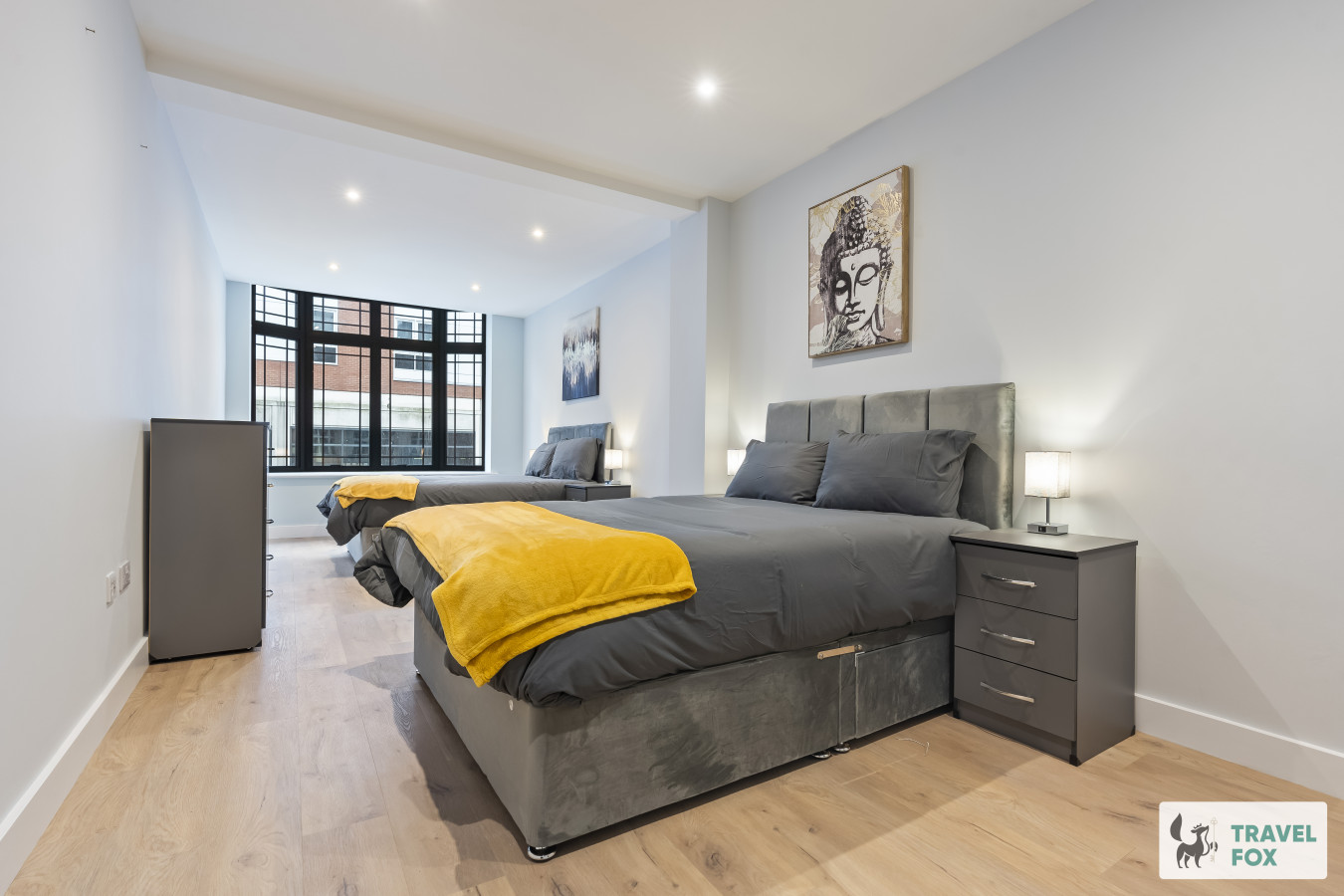
Nottingham
Blair's Central Stay
- Sleeps 16
- 5 bedrooms
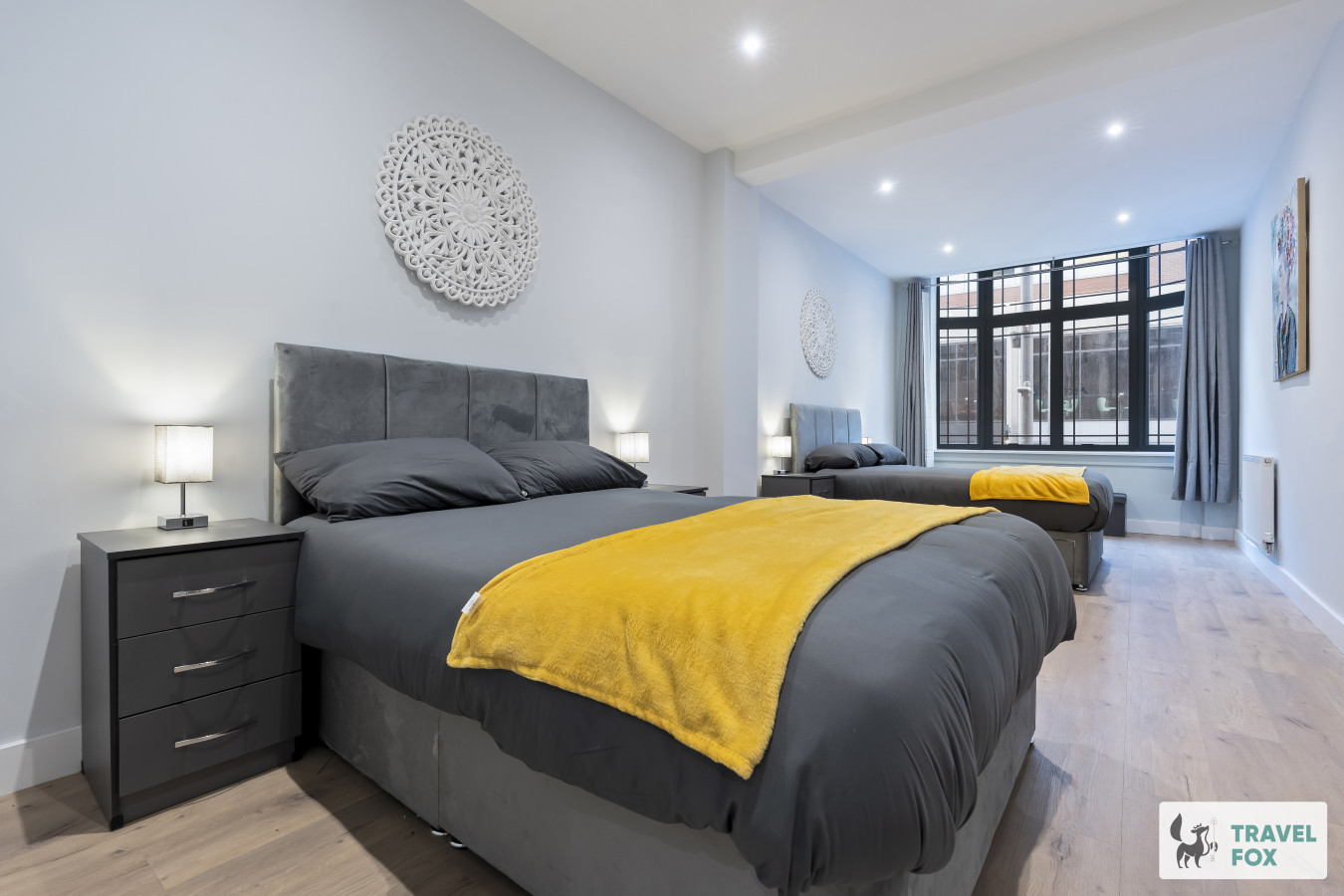
Nottingham
Anna's Central Stay
- Sleeps 16
- 5 bedrooms
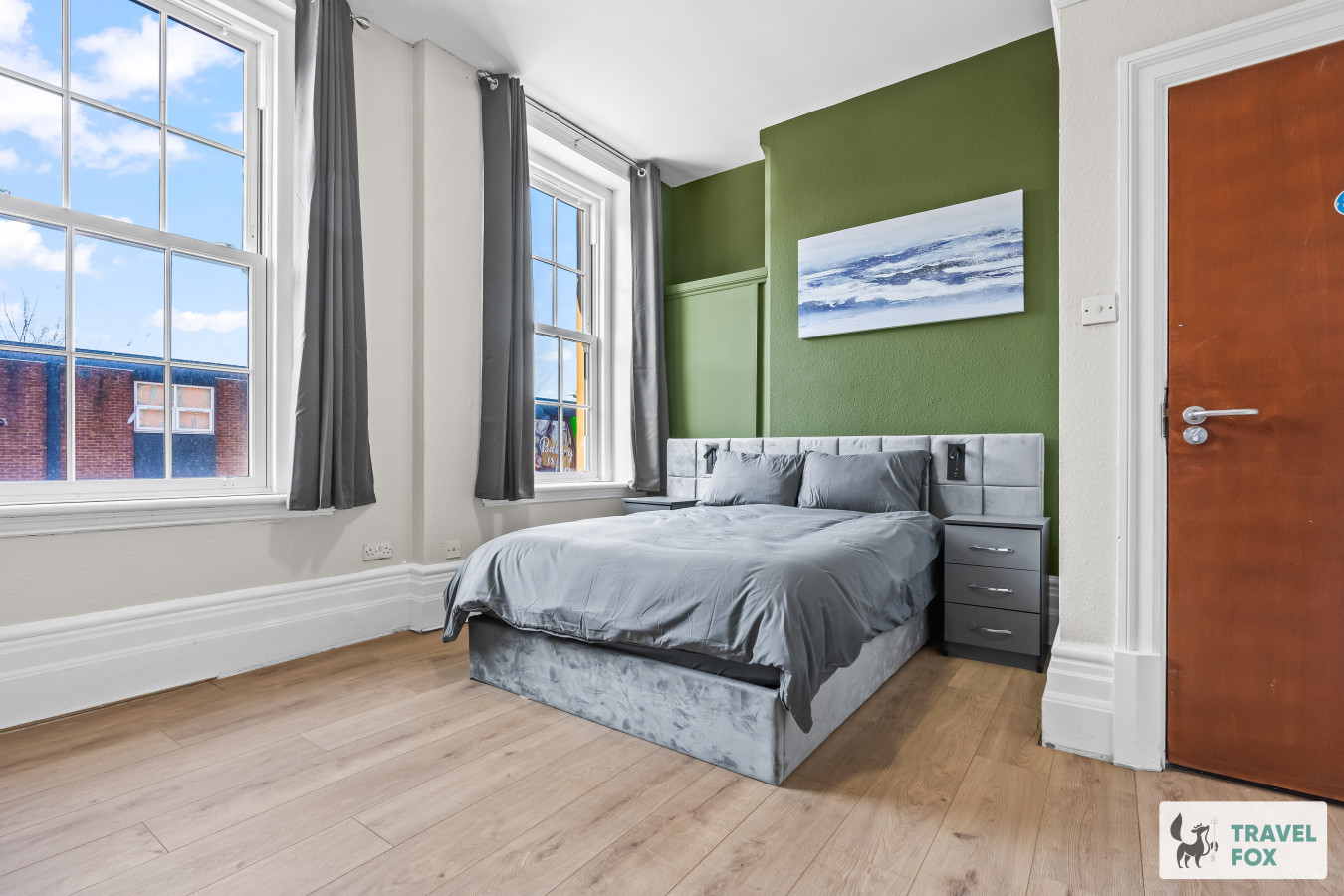
Nottingham
Melissa's Central Stay
- Sleeps 13
- 5 bedrooms
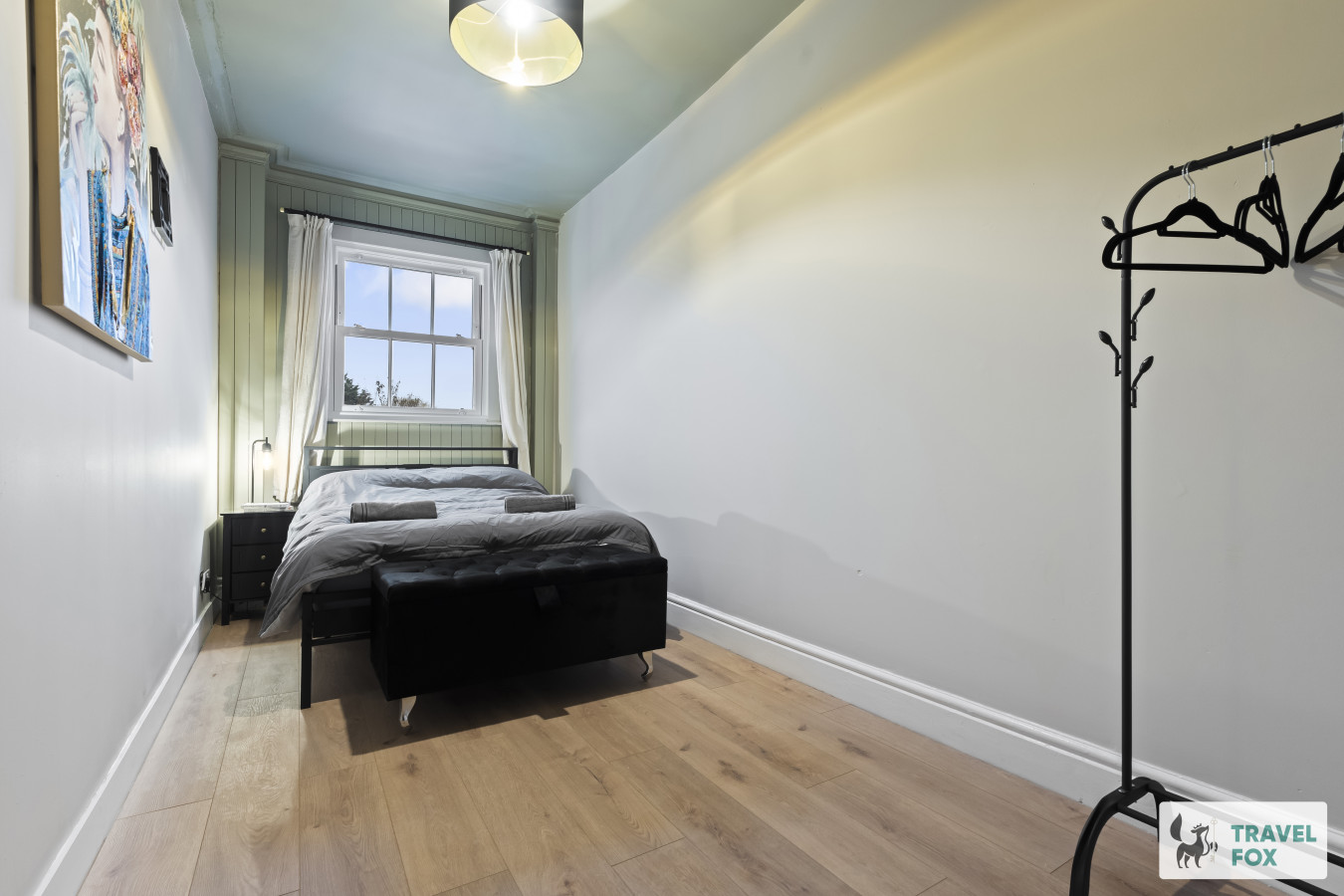
Nottingham
Callie's Central Stay
- Sleeps 9
- 3 bedrooms
For homeowners
Own a holiday home near East Leake?
We manage holiday lets across the UK from 12% commission, charged after cleaning costs, with no lock-in. A co-founder visits before you decide.
How our holiday let management works →
A guide with a point of view
Written from research. Edited for real journeys.
Use the Official site links for live practical details, then use this guide for context, ideas and room to explore.
Sources
Every place on this page is checked against a published source. Each entry links the record we used and names who publishes it.
- St Mary's Church — historicengland.org.uk statutory register or public authority record not machine-readable; publisher restricts automated access
- Meadow Park — rushcliffe.gov.uk statutory register or public authority
- The Nag's Head — thenagsheadeastleake.co.uk operator, sector body or destination organisation
- The Bulls Head — thebullsheadeastleake.co.uk operator, sector body or destination organisation
- Bryer's — bryerseastleake.com operator, sector body or destination organisation
- Birds Bakery — birdsbakery.com operator, sector body or destination organisation
- East Leake Leisure Centre — eastleakeleisurecentre.com operator, sector body or destination organisation
- Gotham & West Leake Hills Circular — nottinghamshire.gov.uk statutory register or public authority