
Above the Trent
East Bridgford
A ridge-top Nottinghamshire village with Saxon stonework, broad valley views and footpaths dropping to the River Trent.
- Best for
- Church history, ridge views and River Trent walks
- Give it
- About 2 hours 33 minutes for the Kneeton circular
- Don't miss
- The Anglo-Saxon cross fragment at St Peter's
The Fox verdict
A village where the ridge shapes the visit
East Bridgford pairs deep church history with Trent Valley views, a substantial circular walk and a village pub.
Begin with the Saxon fragments and later fabric of Grade I-listed St Peter's, then choose between the East Bridgford and Kneeton circular or the shorter link towards Gunthorpe Bridge, Lock and Weir. The Royal Oak offers a village food stop.
Where to go
Places in East Bridgford
Every place below is checked against a published source, listed with what it is and how long to give it.
Local signatures
3 placesSt Peter's Church
A Grade I church with Saxon origins, surviving Saxon cross fragments, a 1663 octagonal font and fabric dating mainly from the 11th century onward.
- Visit length
- Editorial estimate: Allow around 45 minutes
- Locality
- Main Street
East Bridgford and Kneeton Circular
A roughly 9.3-kilometre circular through fields to Kneeton, along the River Trent and back up the ridge, with water birds to watch for beside the river.
- Visit length
- Editorial estimate: Allow around 2 hours 33 minutes
- Locality
- Kneeton Road start, East Bridgford
- Access
- Moderate, undulating terrain with several steep sections and seven stiles.
Gunthorpe Bridge
The present three-span reinforced-concrete arch dates from 1927, replacing an 1875 bridge and the earlier ferry crossing.
- Visit length
- Editorial estimate: Allow around 20 minutes
- Locality
- River Trent at Gunthorpe
Food & drink
1 placeThe Royal Oak
A contemporary pub with a traditional twist, serving pub classics and Sunday roasts, with real ales, a large beer garden and dogs welcomed.
- Visit length
- Editorial estimate: Allow around 90 minutes
- Locality
- 9 Main Street
Walks & outdoors
1 placeGunthorpe Lock and Weir
A River Trent lock and weir, with the weir built in 1925 to maintain navigable depth and the riverside now used for picnics, walking, cycling and fishing.
- Visit length
- Editorial estimate: Allow around 60 minutes
- Locality
- Gunthorpe, across the Trent from East Bridgford
No places match this filter. Choose All places to reset the list.
Three ways to explore East Bridgford
Signature outings
Find the Saxon fragment
Look for the Anglo-Saxon cross fragment incorporated into the credence table at St Peter's Church.
Order the Sunday roast
Make time at the Royal Oak for the Sunday roast with roast potatoes, home-made Yorkshire pudding and fresh vegetables.
Pause at the lock and weir
Use Gunthorpe Lock and Weir for a riverside pause with picnicking, walking, cycling and fishing all identified in the research.
The village story
East Bridgford Village Guide
Saxon stone, Trent Valley views and a village story stretching from Margidunum to the Royal Oak.
Saxon Stone and Ridge Views
St Peter's church on Main Street has a credence table with an unusual base: a fragment of an Anglo-Saxon cross, worked into the stonework and rediscovered during restoration. Foundations of an even older Saxon church, only eight feet wide, were found under the chancel, along with reddened stone that suggests the building was burned by Danish raiders in the ninth century and rebuilt over the next two centuries.
You're on a ridge above the Trent here, and it shows. White's 1853 Directory called East Bridgford "a large and well built village, on the summit of a precipitous bank, that rises on the south side of the Trent, opposite Gunthorpe Ferry," and the description still holds. Walk to the eastern edge of the village and the view opens over the Vale of Belvoir; walk north and you're looking down over the Trent floodplain instead.
The Royal Oak and the Lost Reindeer
The Royal Oak, on Main Street, is close to the church. It's known locally for its Sunday roasts — roast potatoes, home-made Yorkshire pudding, fresh veg — run by the current landlords, Mark and Sarah, and rated the best restaurant in the village on Tripadvisor. There's a large beer garden, dogs are welcome, and food is served Wednesday to Sunday; Monday and Tuesday it's drinks only. One reviewer noted the drinks are "quite expensive for the area."
The village used to have a second pub. The Reindeer Inn, on Kneeton Road, was remembered for cinema nights and river views before it closed for good in September 2015.
Trent Walks and Ancient Brugeford
Kneeton Road leads out toward the river, and a footpath opposite Lammas Lane crosses the fields and drops down to the Trent. The fuller circular walk to Kneeton and back runs about nine kilometres, crossing seven stiles and climbing back up the ridge at the end. Shorter and flatter is the route to Gunthorpe, where the bridge — a 1927 reinforced-concrete arch that replaced an earlier bridge and, before that, a ferry — crosses to a lock and weir, good for picnics and fishing. The nearest station is at Bingham, about three miles off, and the 354 and Rushcliffe Villager buses both run through the village.
The village sits beside Margidunum, a Roman staging post on the Fosse Way that grew into a defended settlement of six ditches and a stone wall before it was abandoned around 500 AD. Domesday recorded it as Brugeford: fifteen villagers, twenty freemen, three smallholders and a priest, valued at five pounds to its lord, Roger de Bully.
Regicide and the Sunday Roast
Francis Hacker, born here, escorted Charles I to his execution and signed the death warrant, and was hanged for it in 1660. The village seems to have made its peace with this, or forgotten it, which comes to much the same thing on a Sunday afternoon at the Royal Oak, when nobody's discussing regicide, just whether to have the pie or the roast.
Stay around Nottinghamshire
Make a longer stay of it
Travel Fox holiday homes around Nottinghamshire, linked directly to their property pages.
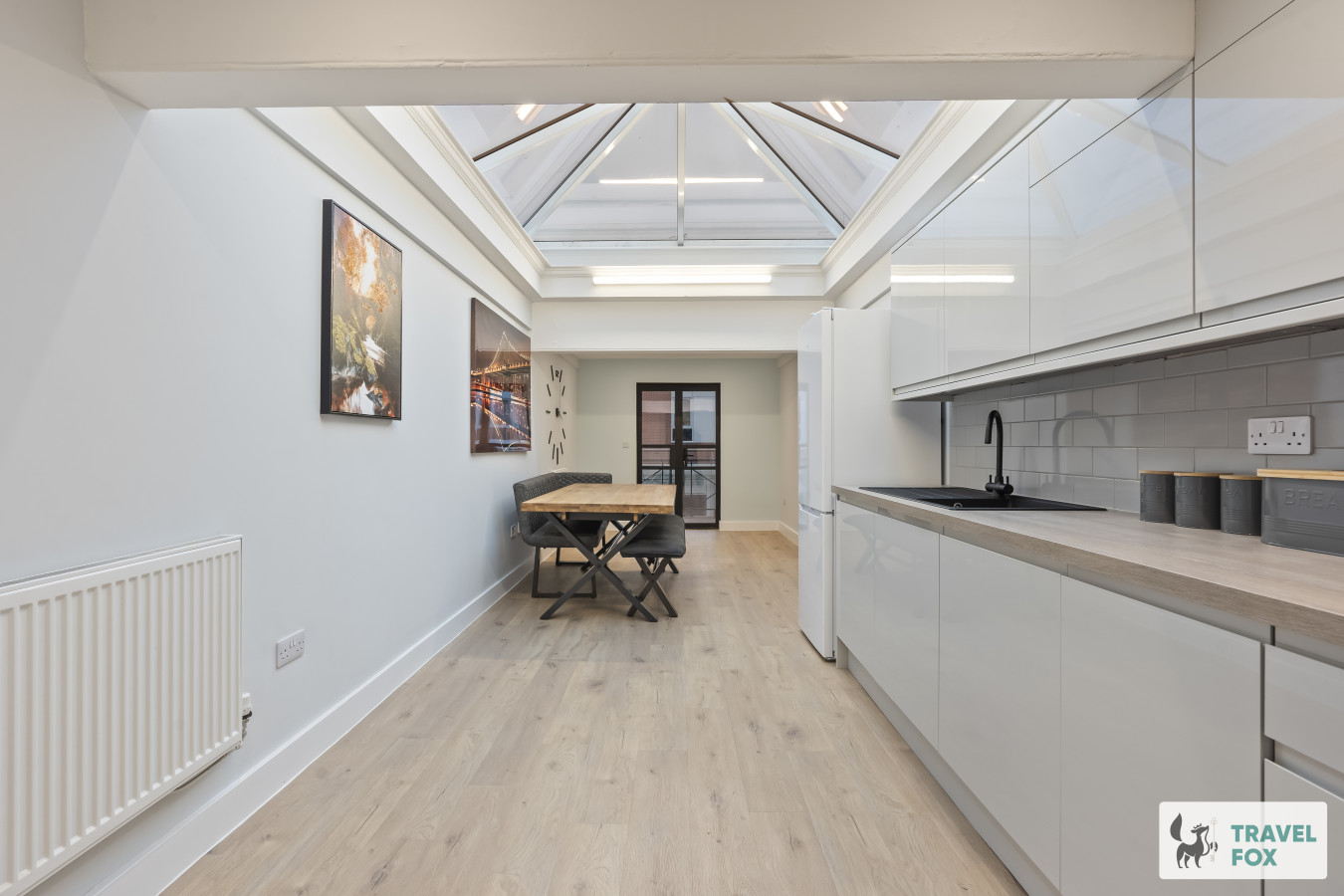
Nottingham
Camila's Penthouse Central Stay with Balcony
- Sleeps 16
- 5 bedrooms
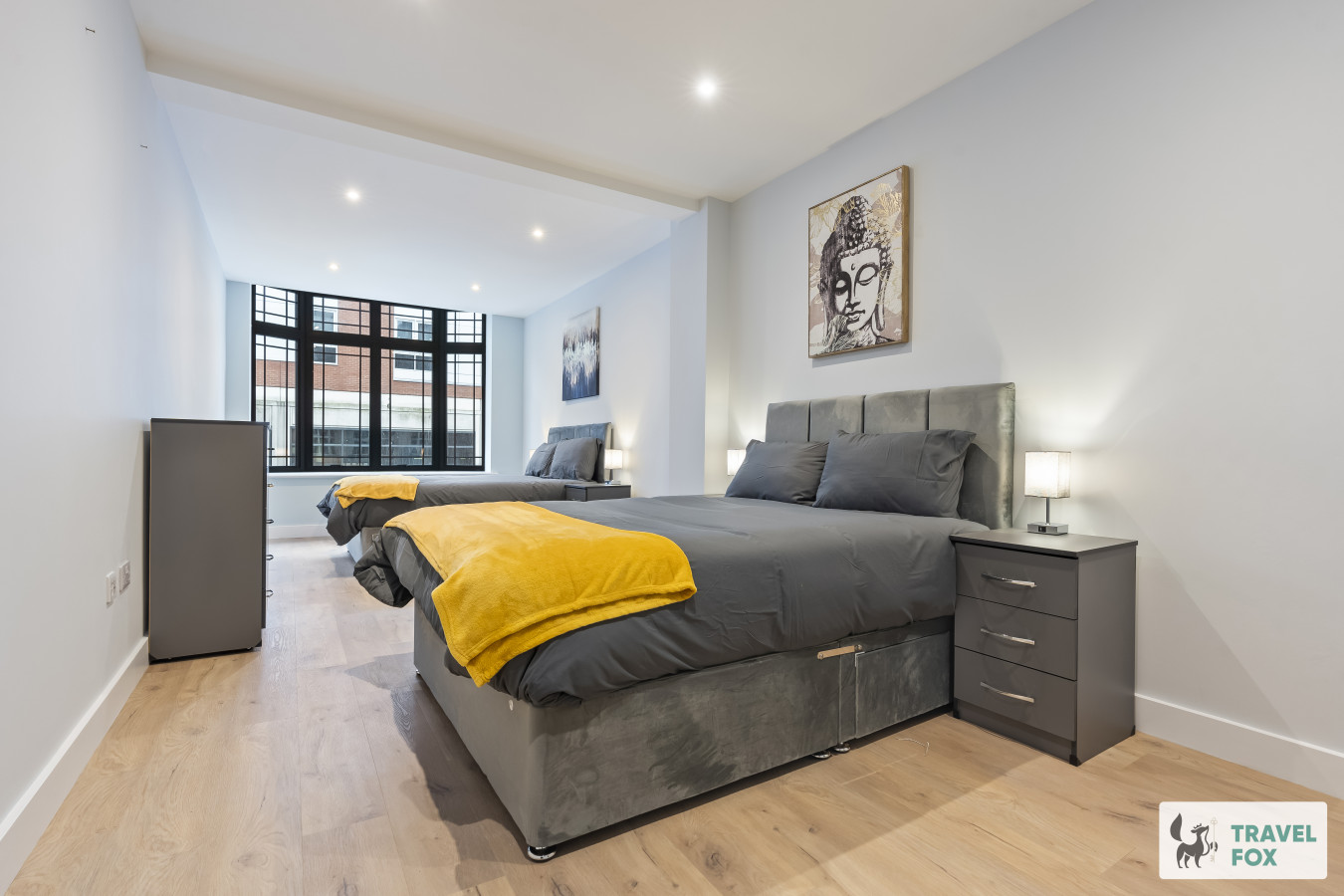
Nottingham
Blair's Central Stay
- Sleeps 16
- 5 bedrooms
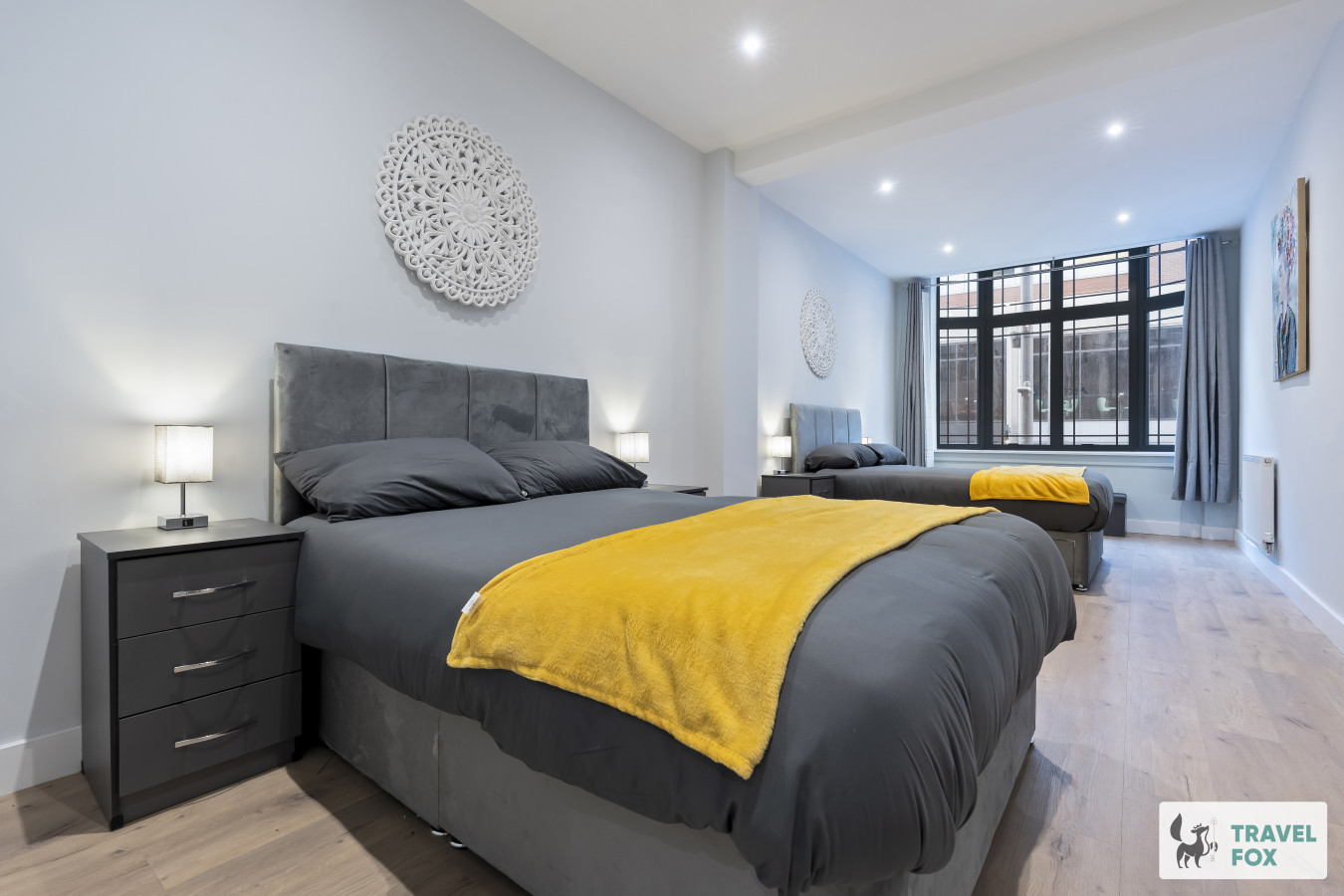
Nottingham
Anna's Central Stay
- Sleeps 16
- 5 bedrooms
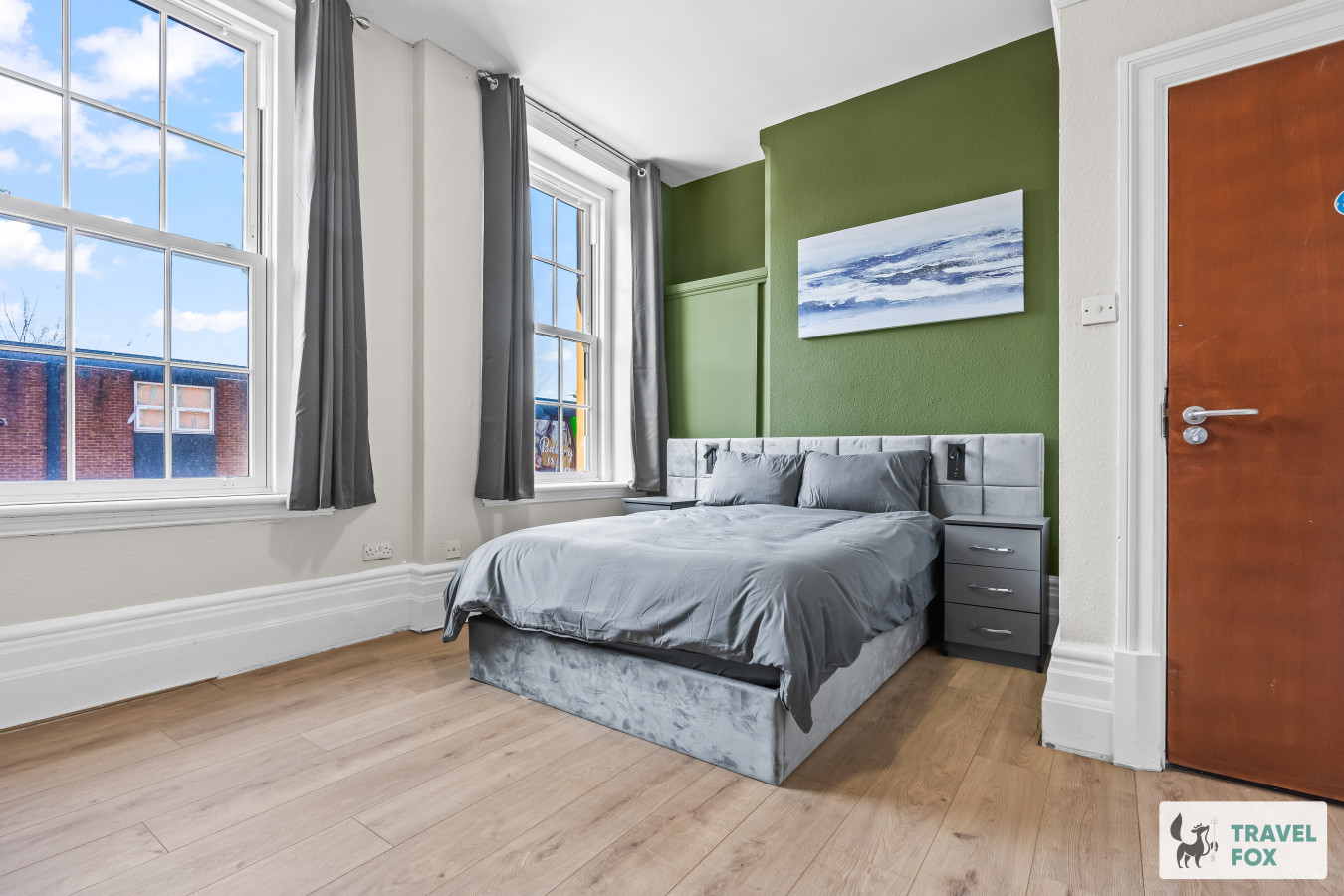
Nottingham
Melissa's Central Stay
- Sleeps 13
- 5 bedrooms
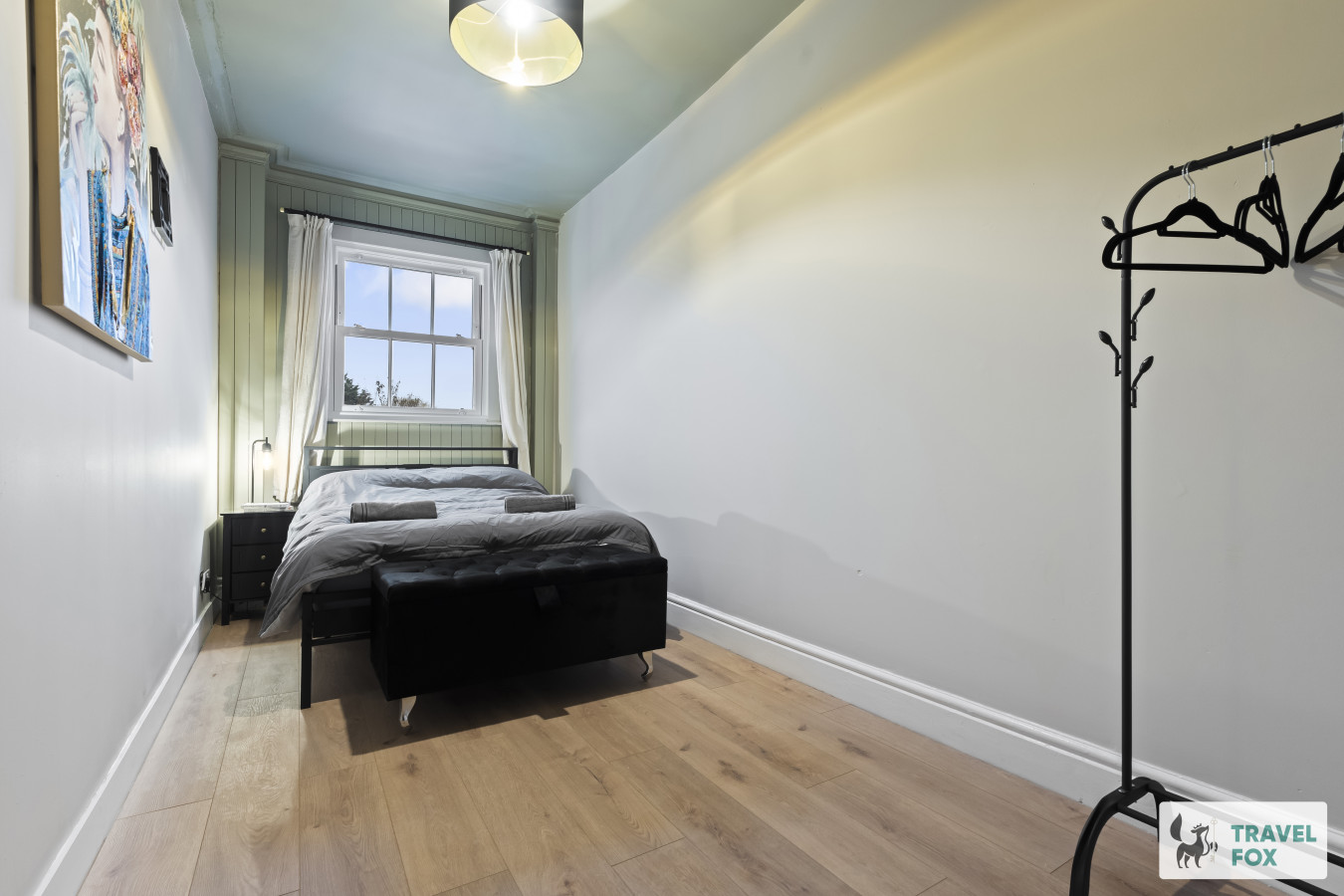
Nottingham
Callie's Central Stay
- Sleeps 9
- 3 bedrooms
For homeowners
Own a holiday home near East Bridgford?
We manage holiday lets across the UK from 12% commission, charged after cleaning costs, with no lock-in. A co-founder visits before you decide.
How our holiday let management works →
A guide with a point of view
Written from research. Edited for real journeys.
Use the Official site links for live practical details, then use this guide for context, ideas and room to explore.
Sources
Every place on this page is checked against a published source. Each entry links the record we used and names who publishes it.
- St Peter's Church — historicengland.org.uk statutory register or public authority record not machine-readable; publisher restricts automated access
- The Royal Oak — theroyaloakeb.co.uk operator, sector body or destination organisation
- East Bridgford and Kneeton Circular — ramblers.org.uk operator, sector body or destination organisation record not machine-readable; publisher restricts automated access
- Gunthorpe Bridge — her.nottinghamshire.gov.uk statutory register or public authority
- Gunthorpe Lock and Weir — canalrivertrust.org.uk national body or asset manager