
Vale of Belvoir · Nottinghamshire
Colston Bassett
A village where a working dairy, a deliberately unroofed medieval church and its ambitious Victorian replacement carry the story.
- Best for
- Blue cheese, church history and country walking
- Give it
- A few hours, or longer for the 8.4-mile circular
- Don't miss
- The Norman arcade at roofless St Mary's
The Fox verdict
Come for Stilton; stay for a village history told by two churches
Colston Bassett joins a famously focused dairy shop and an ambitious inn to a deliberately roofless medieval church, its Victorian successor and an old market cross.
The strongest visit pairs the dairy's two-product shop with the contrast between St Mary's surviving Norman arcade and St John the Divine, then leaves time for the market cross or the three-village circular beside the Grantham Canal.
Where to go
Places in Colston Bassett
Every place below is checked against a published source, listed with what it is and how long to give it.
Local signatures
3 placesThe Martin's Arms
A Grade II listed former farmhouse turned inn, with an award-winning restaurant, five ensuite bedrooms, six regular cask ales and one rotating guest.
- Visit length
- Editorial estimate: Allow around 1 hour 30 minutes
- Locality
- Colston Bassett
- Access
- Dogs are welcome inside and the garden is popular with dog walkers.
St John the Divine
The grand white-stone church built in 1892 to replace St Mary's, with five bells from the old church and a First World War memorial inside.
- Visit length
- Editorial estimate: Allow around 30 minutes
- Locality
- Colston Bassett
Colston Bassett Market Cross
A National Trust monument given in 1922, with a shaft and cross head dating from 1831 above medieval octagonal steps.
- Visit length
- Editorial estimate: Allow around 15 minutes
- Locality
- Colston Bassett
Food & drink
1 placeColston Bassett Dairy
A working dairy and farm shop established in 1913; the shop deliberately keeps to Colston Bassett Stilton and Colston Bassett Shropshire Blue.
- Visit length
- Editorial estimate: Allow around 30 minutes
- Locality
- Colston Bassett
Walks & outdoors
1 placeColston Bassett–Kinoulton–Cropwell Bishop Circular
A roughly three-hour circular linking Colston Bassett, Kinoulton and Cropwell Bishop and including a stretch of the partly derelict Grantham Canal.
- Visit length
- Editorial estimate: Allow around 3 hours
- Locality
- Colston Bassett, Kinoulton, Cropwell Bishop and the Grantham Canal
History & heritage
1 placeSt Mary's Church Ruins
A Grade I church ruin deliberately de-roofed in 1892, with a walled-up Norman north arcade as its oldest visible part.
- Visit length
- Editorial estimate: Allow around 30 minutes
- Locality
- A hilltop on the village outskirts
No places match this filter. Choose All places to reset the list.
Three ways to explore Colston Bassett
Signature outings
Choose between two blues
The dairy shop keeps its range to Colston Bassett Stilton and Colston Bassett Shropshire Blue.
Read a ruin made on purpose
St Mary's was deliberately de-roofed in 1892 after St John the Divine was completed, leaving its Norman arcade visible.
Link three villages by canal
The 8.4-mile circular takes roughly three hours and links Colston Bassett, Kinoulton and Cropwell Bishop with a stretch of the Grantham Canal.
The village story
Cheese, churches and a village in no hurry
Cheesemaking, ambitious pub cooking, two churches, a regicide and an old market cross give Colston Bassett an unusually concentrated story.
Two cheeses and an old inn
The shop at Colston Bassett Dairy sells two things: Colston Bassett Stilton and Colston Bassett Shropshire Blue. That's the whole range.
The dairy was founded in 1913 after the local GP, Dr William Windley, persuaded around 40 farmers and patients to put in roughly £1,000 and buy half an acre from the village squire. Milk still comes from four farms, none more than a mile and a half away. It's one of only six dairies licensed to make PDO Blue Stilton, and the current cheesemaker, Billy Kevan, running production since 1999, has picked up a Gold Medal at the World Cheese Awards and Supreme Champion at Nantwich.
The Martin's Arms started life as a farmhouse and became an inn in the 1800s, owned by the village estate — the source of its name — until 1990. The carved fireplace and bar shelves are said to have come over from Colston Bassett Hall in the 1960s. Five ensuite bedrooms have their own entrance, for early departure or morning walks.
At the table and by the fire
The kitchen, run by chef Laurence Henry of MasterChef: The Professionals, does a lentil, bean and radish shoot salad with Stilton and apple, seared Scottish scallops with Jerusalem artichokes and truffle, and a rump of lamb with new season champ, finishing with a baked rice pudding with plum jam and gingerbread. Six cask ales are on, plus a rotating guest.
"The fire had died but the atmosphere was still roaring," wrote Rachel Cullis Dorsett of the Great Food Club. The beer garden overlooks parkland and is popular with dog walkers; dogs are welcome inside too.
Paths to a roofless church
A footpath leads past the ruins of St Mary's Church to Cropwell Bishop; a longer circular route, 8.4 miles, takes in Kinoulton too, following a stretch of the Grantham Canal.
St Mary's stands on a hilltop on the edge of the village, and it's a ruin on purpose. Once the grand new St John the Divine was finished in 1892, the Church Commissioners had St Mary's roof taken off. Restoration led to a re-dedication service in 2005. The oldest part still standing is a walled-up Norman arcade, its piers round and its arches pointed.
A new church and an older reckoning
St John the Divine replaced it, commissioned by Robert Millington Knowles of Colston Bassett Hall in memory of his wife. Five bells came over from the old church, and a war memorial inside records at least 14 village men lost in the First World War.
Colston Bassett was home to Colonel Francis Hacker, baptised in 1605, one of three officers named on Charles I's death warrant. He gave the order to the executioner, then kept the warrant hidden for eleven years; its discovery led to his execution on 19 October 1660. The Domesday Book, earlier still, records the village as Coletone, worth £2 a year to its lord. The market cross, given to the National Trust in 1922, stands on medieval octagonal steps, possibly from the original cross of 1257.
Village games and the way home
The cricket, croquet and bowls grounds sit in the lee of the ruined church, and the cricket club fields younger teams from neighbouring villages alongside its own.
Bingham station is the nearest, five miles off, with trains to Nottingham; the A46 passes two miles west. On a Sunday afternoon, most people here don't seem in any hurry to be anywhere else.
Stay around Nottinghamshire
Make a longer stay of it
Travel Fox holiday homes around Nottinghamshire, linked directly to their property pages.
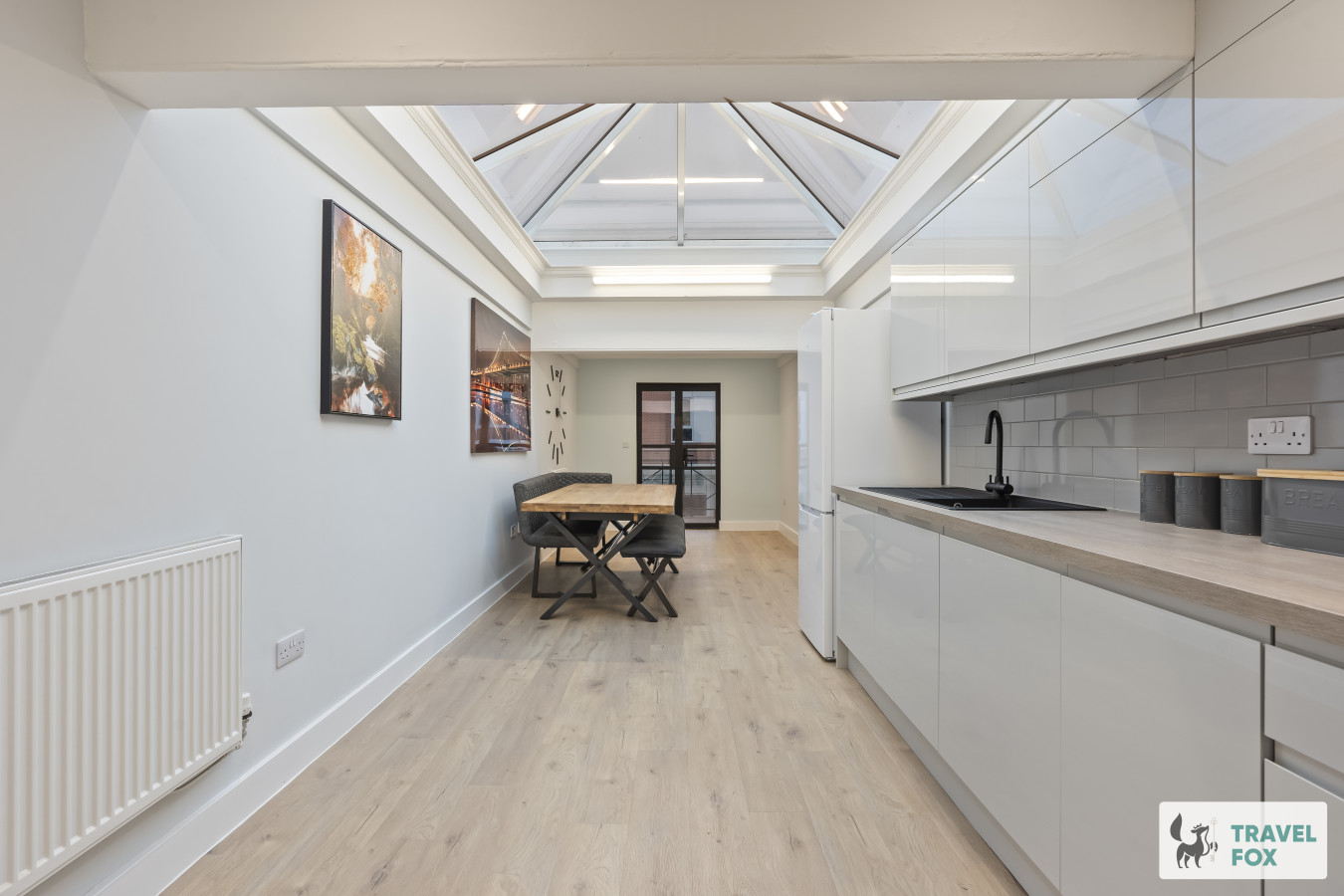
Nottingham
Camila's Penthouse Central Stay with Balcony
- Sleeps 16
- 5 bedrooms
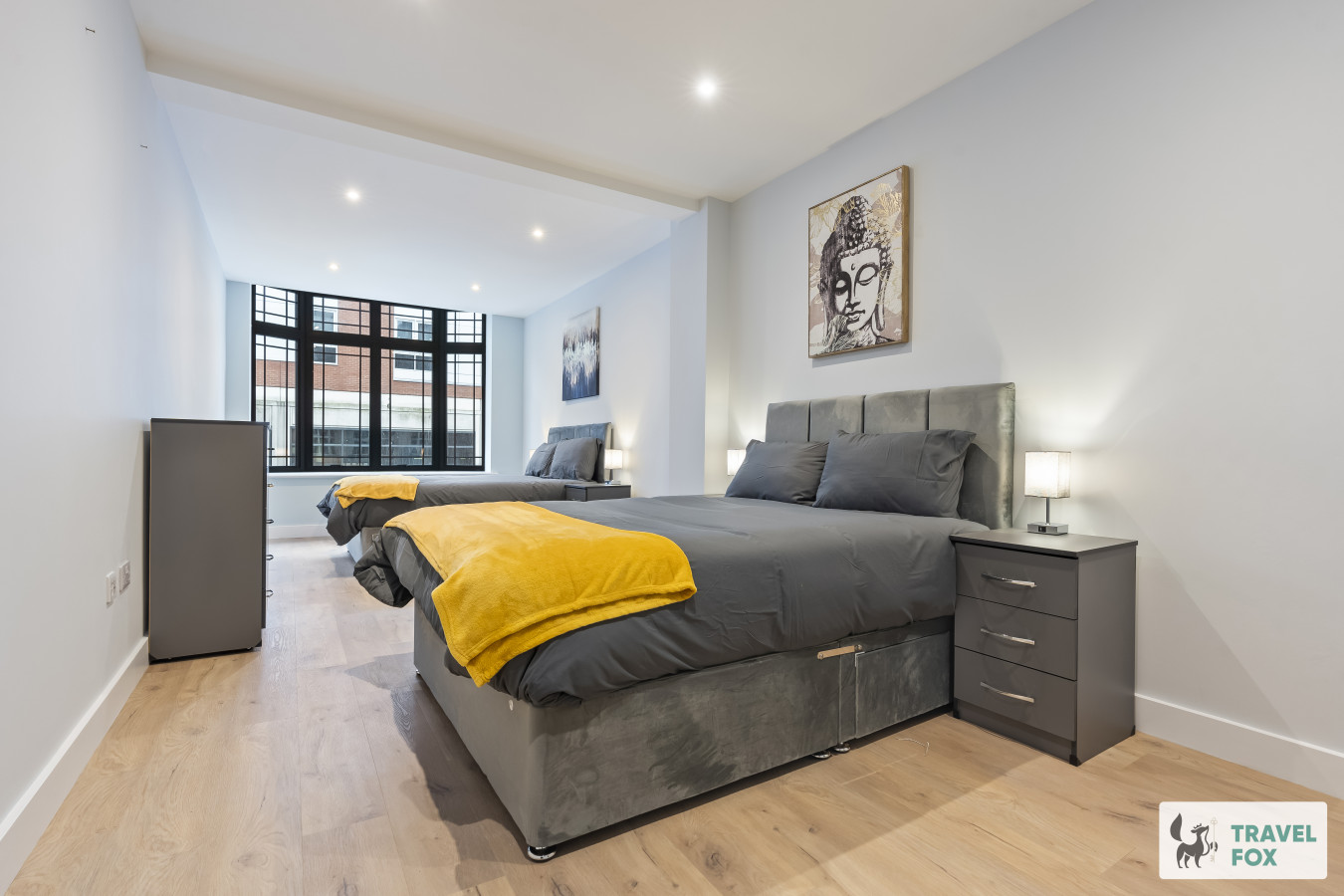
Nottingham
Blair's Central Stay
- Sleeps 16
- 5 bedrooms
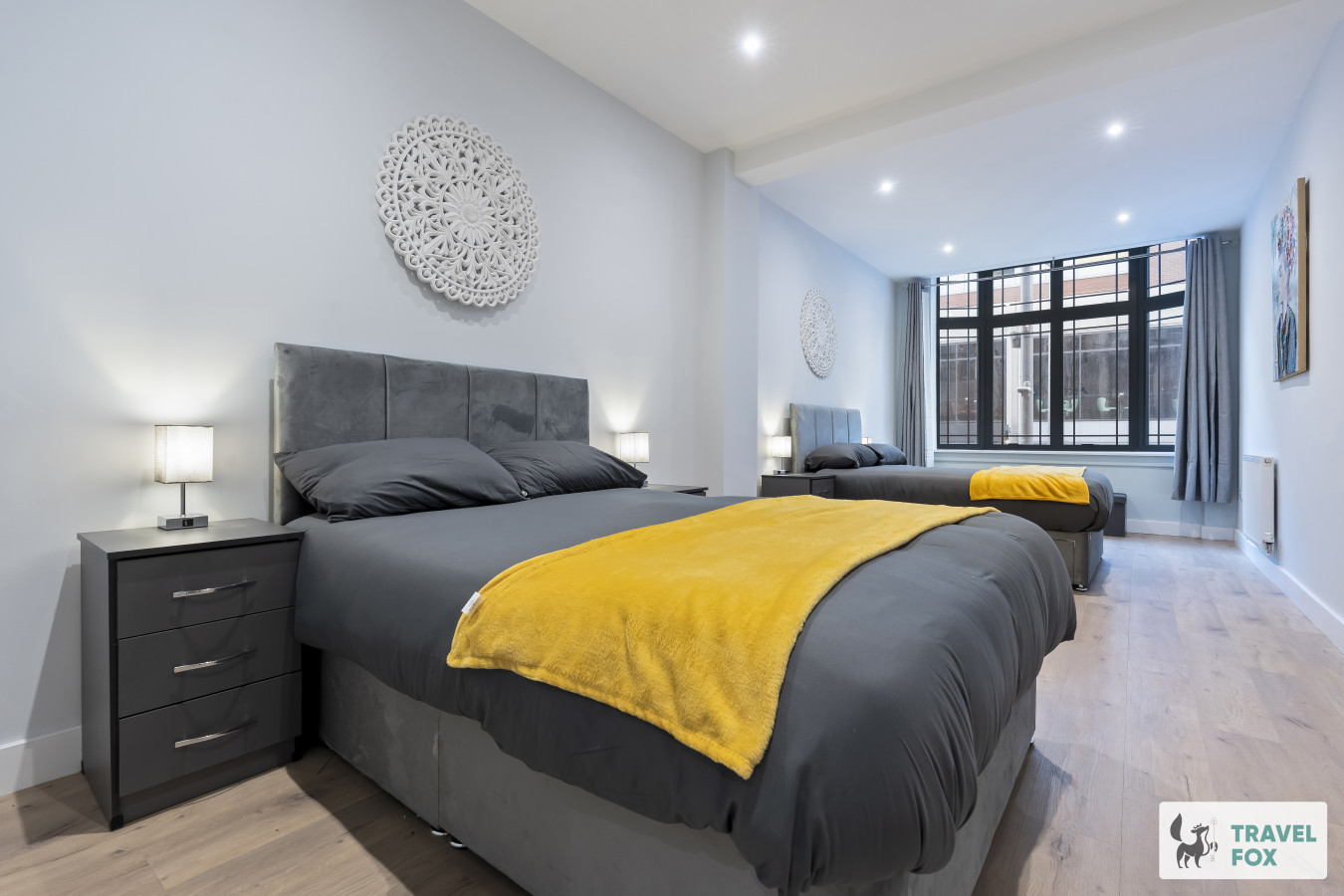
Nottingham
Anna's Central Stay
- Sleeps 16
- 5 bedrooms
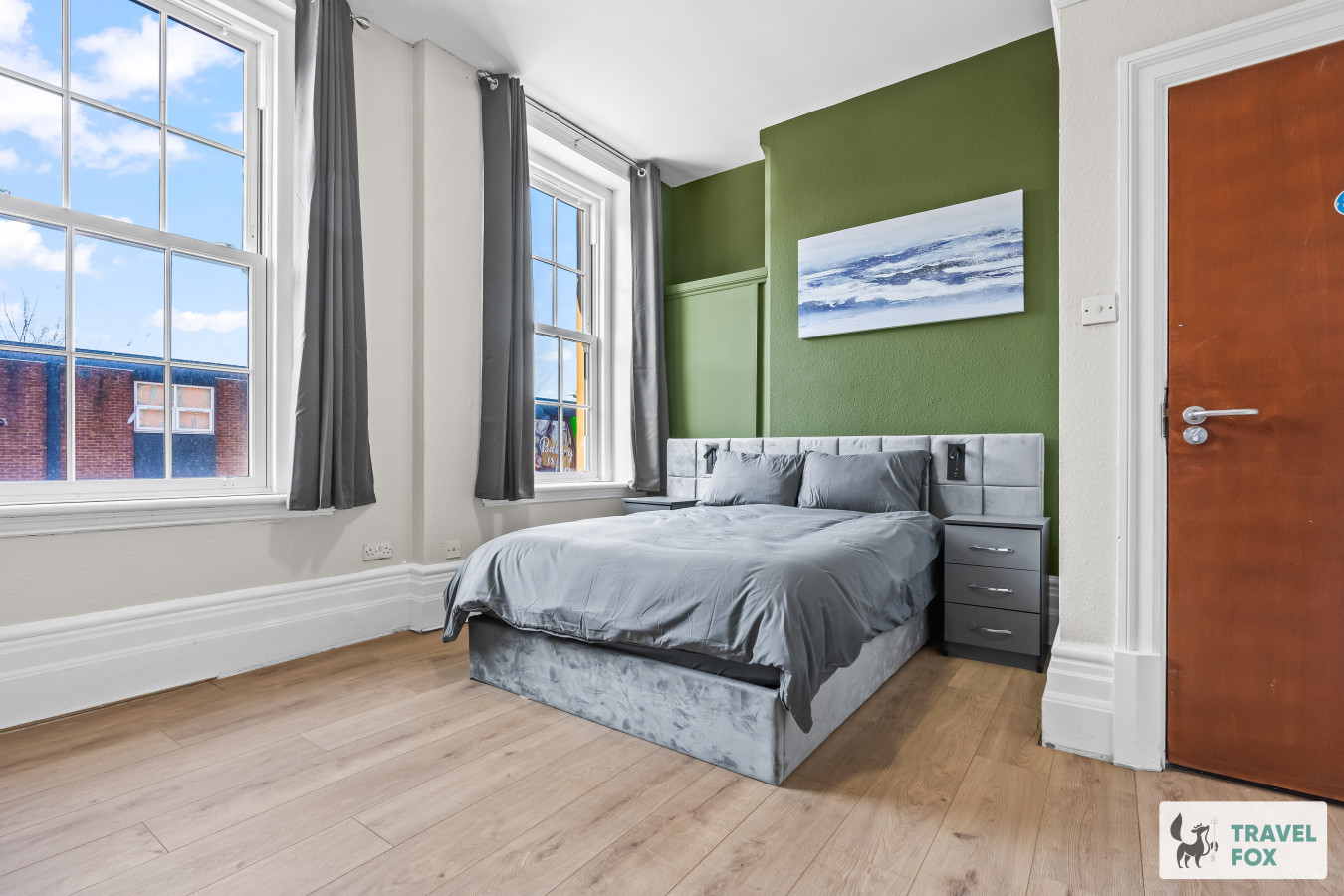
Nottingham
Melissa's Central Stay
- Sleeps 13
- 5 bedrooms
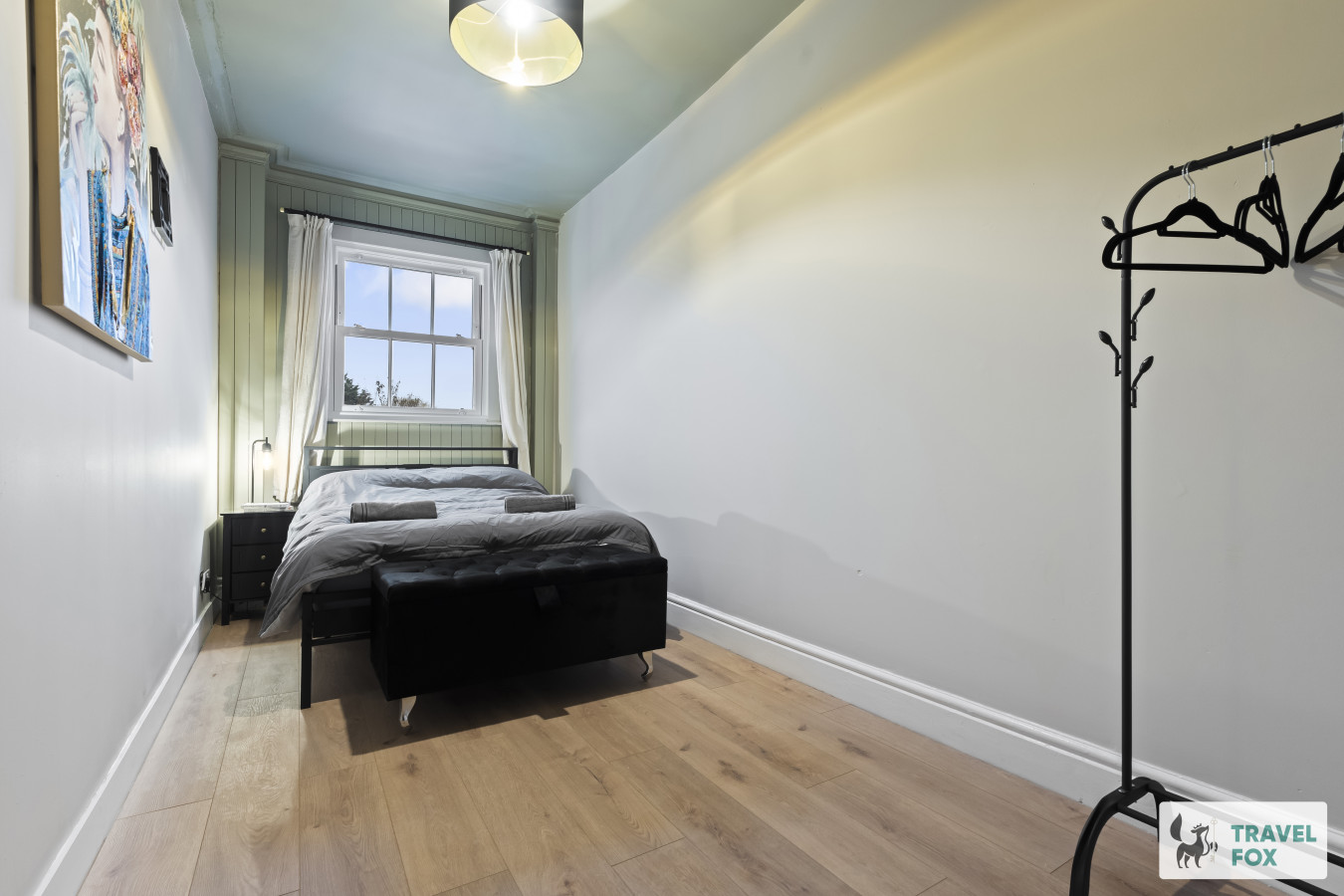
Nottingham
Callie's Central Stay
- Sleeps 9
- 3 bedrooms
For homeowners
Own a holiday home near Colston Bassett?
We manage holiday lets across the UK from 12% commission, charged after cleaning costs, with no lock-in. A co-founder visits before you decide.
How our holiday let management works →
A guide with a point of view
Written from research. Edited for real journeys.
Use the Official site links for live practical details, then use this guide for context, ideas and room to explore.
Sources
Every place on this page is checked against a published source. Each entry links the record we used and names who publishes it.
- Colston Bassett Dairy — colstonbassettdairy.co.uk operator, sector body or destination organisation
- The Martin's Arms — themartinsarms.co.uk operator, sector body or destination organisation
- St Mary's Church Ruins — historicengland.org.uk statutory register or public authority record not machine-readable; publisher restricts automated access
- St John the Divine — historicengland.org.uk statutory register or public authority record not machine-readable; publisher restricts automated access
- Colston Bassett Market Cross — historicengland.org.uk statutory register or public authority record not machine-readable; publisher restricts automated access
- Colston Bassett–Kinoulton–Cropwell Bishop Circular — visitbelvoir.co.uk operator, sector body or destination organisation