
Frames, faith and coal
Calverton
Main Street's framework-knitters' cottages introduce a village shaped by hosiery, a medieval church, colliery growth and woodland paths.
- Best for
- Framework-knitting history and woodland walks
- Plan around
- The Folk Museum's framework-knitting displays
- Don't miss
- Nine seasonal-work panels at St Wilfrid's
The Fox verdict
Frames, carved stone and colliery change
Calverton brings together framework-knitters' cottages, a Grade II* church, two village pubs and paths into the surrounding woodland.
A focused visit can pair Main Street's surviving framework-knitters' cottages with the Folk Museum and St Wilfrid's Church, then follow woodland paths through Thorndale Plantation or make the short drive to Papplewick's preserved Victorian waterworks. The village's two pubs provide distinct food-and-drink stops.
Where to go
Places in Calverton
Every place below is checked against a published source, listed with what it is and how long to give it.
Local signatures
3 placesThe Gleaners Inn
A traditional pub opened in 1876, with a cosy bar, separate lounge, beer garden and two changing cask ales.
- Visit length
- Editorial estimate: around 75 minutes
- Locality
- Calverton
St Wilfrid's Church
A Grade II* church with a mostly 14th-century core, nine carved sandstone panels depicting seasonal occupations and a Domesday record.
- Visit length
- Editorial estimate: around 45 minutes
- Locality
- Calverton
Calverton Leisure Centre
A leisure centre with an 18-metre swimming pool, gymnasium, sports hall, two squash courts, synthetic pitch and fitness suite.
- Visit length
- Editorial estimate: around 90 minutes
- Locality
- Flatts Lane, NG14 6JZ
Food & drink
1 placeAdmiral Rodney
A village pub serving tapas, pizza, loaded fries and classic dishes, with a rear patio garden, sports screens and live music.
- Visit length
- Editorial estimate: around 75 minutes
- Locality
- village centre
History & heritage
2 placesCalverton Folk Museum
A four-room museum in an old stockinger's cottage, with period displays and an actual Victorian frameworker's knitting machine.
- Visit length
- Editorial estimate: around 60 minutes
- Locality
- Main Street, next to the Baptist Church
- Access
- Seasonal visitor access.
Papplewick Pumping Station
A preserved Victorian waterworks built in 1882–85, with working steam engines.
- Visit length
- Editorial estimate: around 2 hours
- Locality
- Papplewick, about 2.7 miles from Calverton
- Access
- Seasonal visitor access.
No places match this filter. Choose All places to reset the list.
Three ways to explore Calverton
Signature outings
Nine Panels of Work
Look for the nine carved sandstone panels in the clock chamber, each depicting seasonal occupations.
Framework Knitting in One Cottage
See an actual Victorian frameworker's knitting machine inside the old stockinger's cottage that houses Calverton Folk Museum.
Steam at the Waterworks
See the preserved Victorian waterworks and its working steam engines at Papplewick Pumping Station.
The village story
Calverton Village Guide
Framework-knitters' windows, village pubs, carved church stone and colliery change shape Calverton's story.
Framework Knitters and Village Pubs
Main Street still carries terraces built for framework knitters: narrow cottages with wide upper windows designed to flood a knitting frame with daylight. More survive here than anywhere else in Nottinghamshire.
The Gleaners Inn dates to 1876, when William Wibberley was landlord. The former Home Ales pub retains an historic turn-of-the-century photograph, a beer garden and two changing cask ales, and is dog friendly. It became an Asset of Community Value in 2016.
The Village Centre
The Admiral Rodney serves tapas, pizza, loaded fries and classic dishes, with a Derbyshire-beef Rodney Burger among the menu highlights. Everards ales, a rear patio garden, sports screens, a children's playroom and the Galleon function room give it a broad village-pub character; live music is part of its programme.
The village centre has a Sainsbury's Local and a separate convenience store on St Wilfrid's Square.
Church Stones and Woodland Paths
St Wilfrid's Church is Grade II* and has a mostly 14th-century core; its nave and tower were rebuilt in the 1760s. Nine carved sandstone panels in the clock chamber depict seasonal occupations, and the church appears in the Domesday survey, one of 85 Nottinghamshire churches recorded in 1086. Calverton was valued at £2 to the Archbishop of York.
Paths follow the Dover Beck to Oxton, Woodborough and Lambley through Thorndale Plantation, while high ground near Oxton and Woodborough gives views back over Calverton and Dorket Head. Nearby Papplewick Pumping Station preserves a Victorian waterworks about 2.7 miles from Calverton in a straight line; the road journey is longer.
William Lee and the Stocking Frame
Calverton's best-known claim is that William Lee invented the stocking frame here in 1589, a story that links the village to the East Midlands hosiery industry. Historian Negley Harte found no evidence that Lee was Calverton's vicar or even in Holy Orders, while around 300 stocking frames were working in the village by 1832.
Calverton Folk Museum occupies an old stockinger's cottage next to the Baptist Church and contains four rooms of period furniture, clothing, fossils and domestic-room displays, including an actual Victorian frameworker's knitting machine.
From Colliery Village to Commuter Settlement
Calverton became a colliery village when the pit opened in 1952; coal extraction began the following year, and employment reached around 1,600 before production ended in 1999. The settlement then turned towards commuter life. Trentbarton's “calverton” service and Nottingham City Transport's Sky Blue Line connect the village with Nottingham, about seven miles south-west; Lowdham station is about four miles away.
Stay around Nottinghamshire
Make a longer stay of it
Travel Fox holiday homes around Nottinghamshire, linked directly to their property pages.
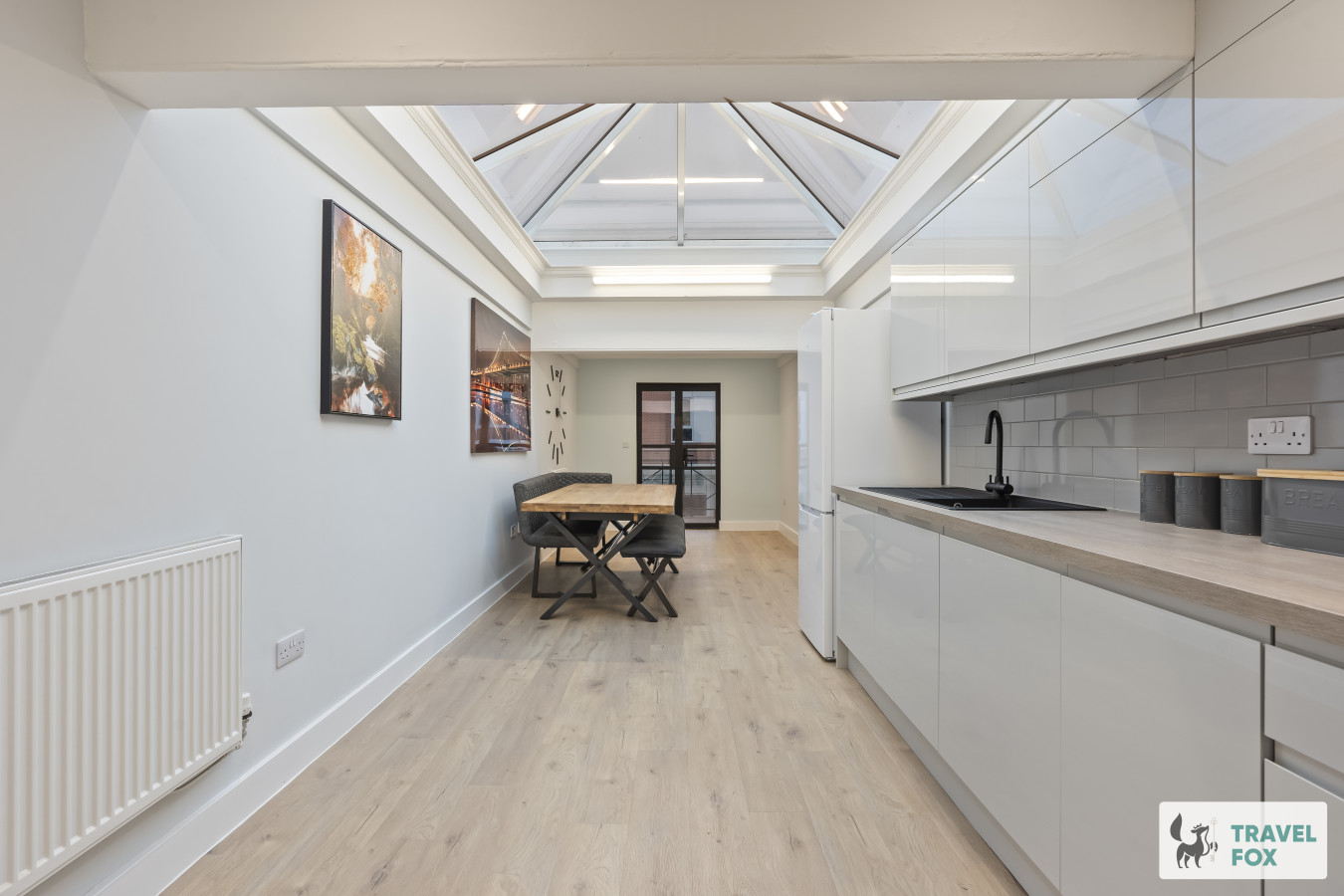
Nottingham
Camila's Penthouse Central Stay with Balcony
- Sleeps 16
- 5 bedrooms
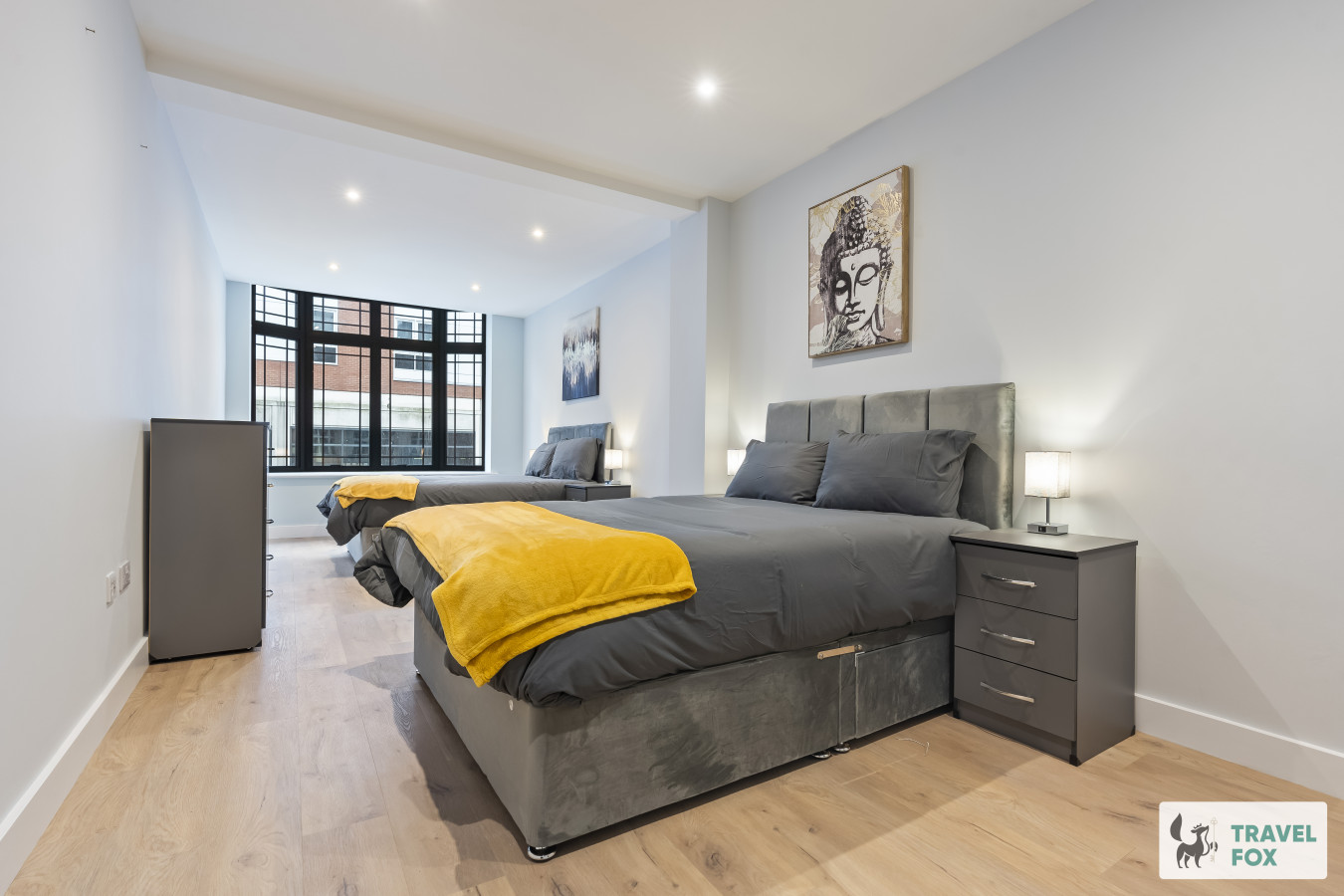
Nottingham
Blair's Central Stay
- Sleeps 16
- 5 bedrooms
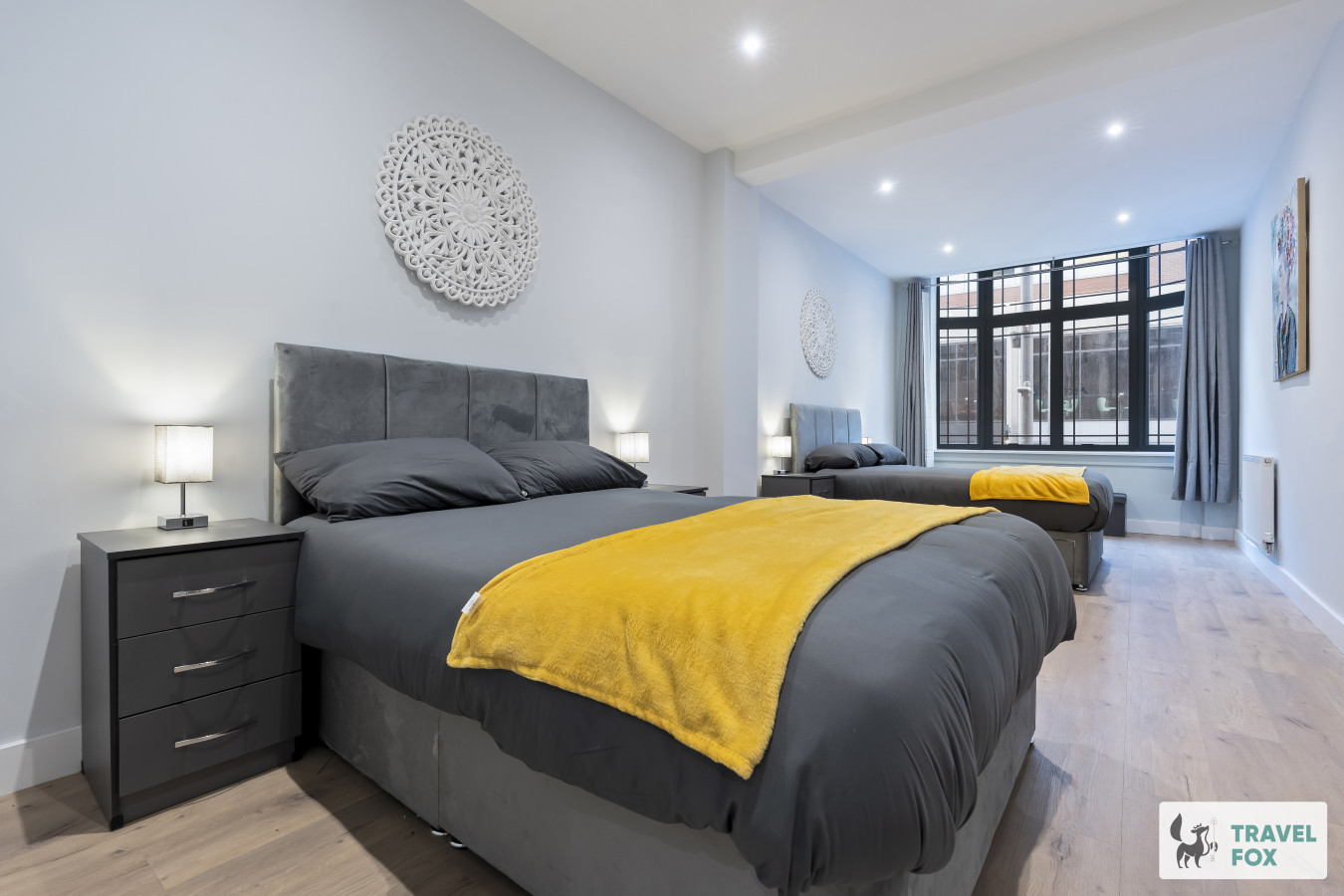
Nottingham
Anna's Central Stay
- Sleeps 16
- 5 bedrooms
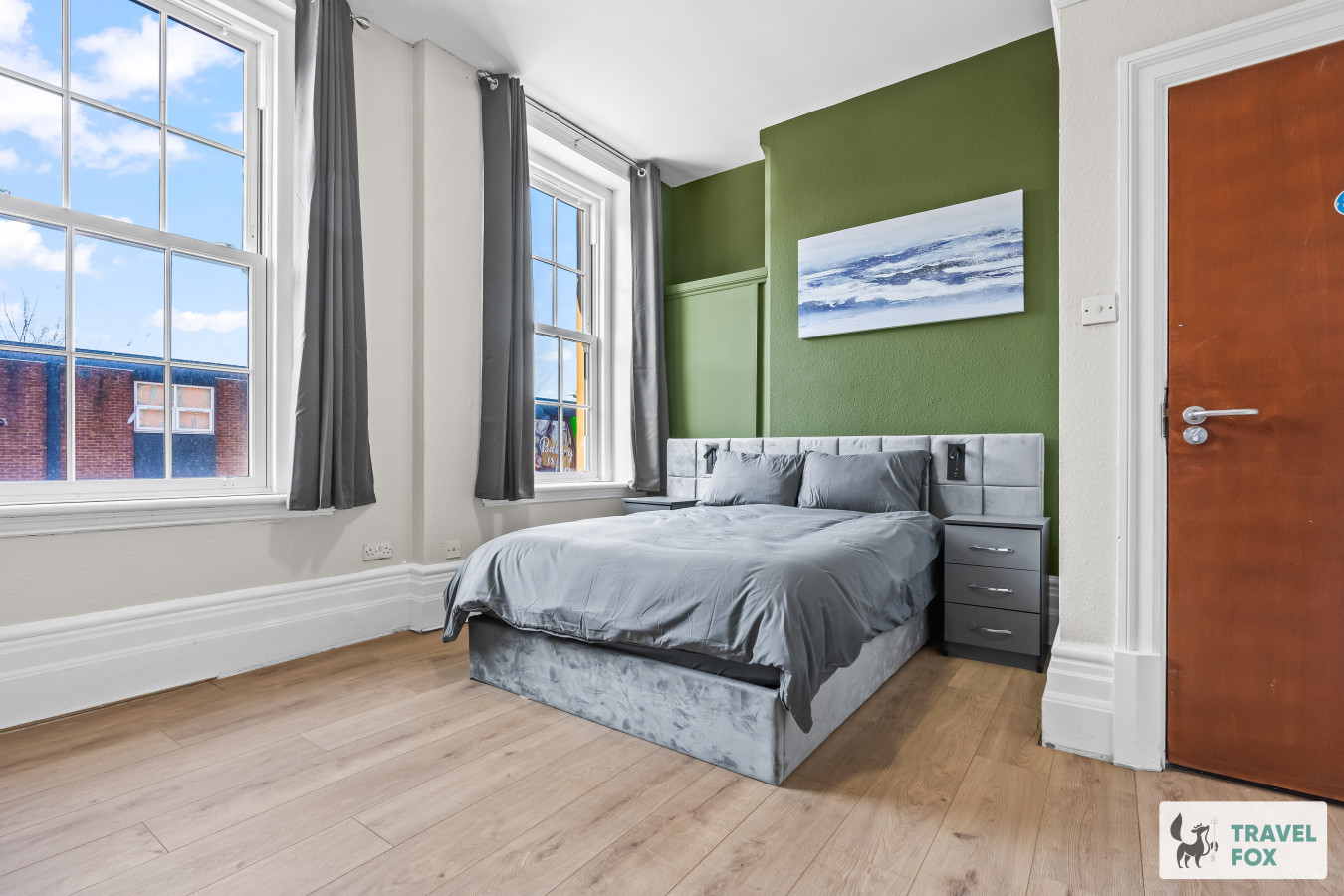
Nottingham
Melissa's Central Stay
- Sleeps 13
- 5 bedrooms
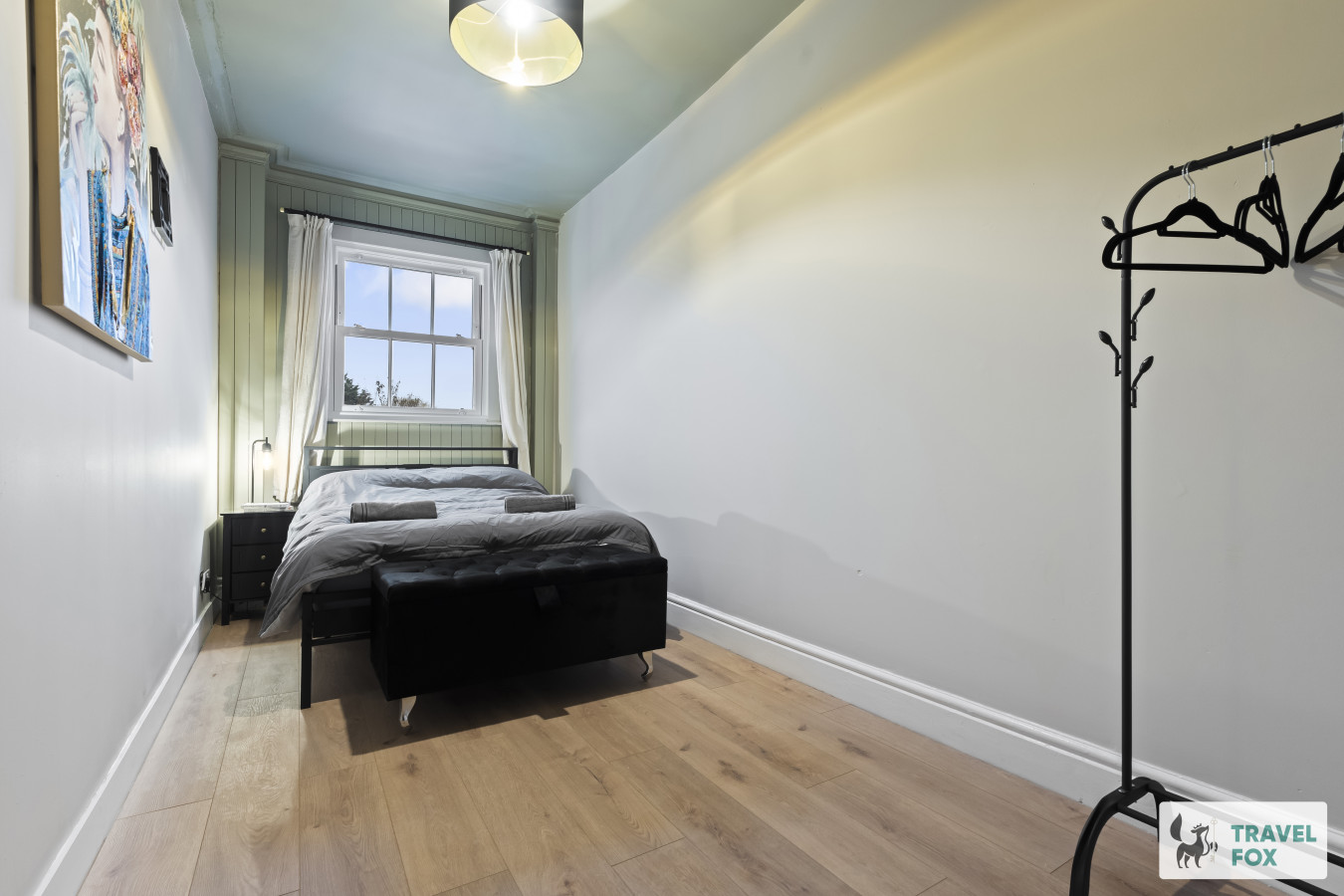
Nottingham
Callie's Central Stay
- Sleeps 9
- 3 bedrooms
For homeowners
Own a holiday home near Calverton?
We manage holiday lets across the UK from 12% commission, charged after cleaning costs, with no lock-in. A co-founder visits before you decide.
How our holiday let management works →
A guide with a point of view
Written from research. Edited for real journeys.
Use the Official site links for live practical details, then use this guide for context, ideas and room to explore.
Sources
Every place on this page is checked against a published source. Each entry links the record we used and names who publishes it.
- The Gleaners Inn — camra.org.uk operator, sector body or destination organisation
- Admiral Rodney — everards.co.uk other published source
- St Wilfrid's Church — historicengland.org.uk statutory register or public authority record not machine-readable; publisher restricts automated access
- Calverton Folk Museum — calvertonparishcouncil.gov.uk statutory register or public authority
- Calverton Leisure Centre — gedling.gov.uk statutory register or public authority
- Papplewick Pumping Station — papplewickpumpingstation.org.uk operator, sector body or destination organisation