
Market town layers
Bingham
A Thursday market around a Victorian memorial, listed pub interiors, parish history and an old-railway walk to the River Smite.
- Best for
- Market mornings, local history and nature walks
- Give it
- A market visit, a heritage stop and an old-railway walk
- Don't miss
- The Butter Cross's eight-pillared memorial
The Fox verdict
A market town with several histories in view
Bingham pairs its long-running market with a Victorian memorial, listed buildings, local food and a former railway line now used for walking.
Start where Thursday traders gather around the Butter Cross, then choose between the Grade I parish church, the historic fabric of The Wheatsheaf and Butler's Coffee House, or the former-railway walking path through Bingham Linear Park. Bingham Arena adds swimming and indoor recreation to the mix.
Where to go
Places in Bingham
Every place below is checked against a published source, listed with what it is and how long to give it.
Local signatures
3 placesBingham Thursday Market
An open-air general market with traders selling food, giftware, clothing, homewares and haberdashery around the Butter Cross every Thursday.
- Visit length
- Editorial estimate: Allow around 45 minutes
- Locality
- Market Place
The Wheatsheaf
A family-run freehouse and restaurant in a Grade II listed building dating to 1779, with flagstone floors, beamed ceilings, log fires and eight hand pulls serving six real ales and two cask ciders.
- Visit length
- Editorial estimate: Allow around 75 minutes
- Locality
- Long Acre
Bingham Arena
A low-carbon leisure centre with a 25-metre swimming pool, teaching pool, spectator seating, gym, exercise studios, community hall and café.
- Visit length
- Editorial estimate: Allow around 120 minutes
- Locality
- Mercia Court, Chapel Lane
Food & drink
2 placesHorse & Plough
A pub in a former chapel with Don Francisco's kitchen, rotating guest ales, a beer garden and a dog-friendly welcome.
- Visit length
- Editorial estimate: Allow around 75 minutes
- Locality
- Bingham
Butler's Coffee House
An independent café in a Grade II listed former butcher's shop, retaining meat hooks, shutters, a glass-paned screen and the marble slab now used for serving coffee.
- Visit length
- Editorial estimate: Allow around 60 minutes
- Locality
- Bingham
Walks & outdoors
1 placeBingham Linear Park
A walking path along the former railway line from Nottingham Road towards the River Smite, passing woodland and species-rich grassland.
- Visit length
- Editorial estimate: Allow around 90 minutes
- Locality
- From Nottingham Road to the River Smite at the parish boundary
- Access
- The Tithby Road entrance has steps.
History & heritage
2 placesThe Butter Cross
An eight-pillared memorial erected by public subscription in 1861 for John Hassall, later decorated with spring garlands of primroses by people who had known him.
- Visit length
- Editorial estimate: Allow around 20 minutes
- Locality
- Market Place
Church of St Mary and All Saints
Bingham's Grade I listed parish church has eight bells and was restored in 1845–46 by Sir George Gilbert Scott, with further restoration in 1912.
- Visit length
- Editorial estimate: Allow around 45 minutes
- Locality
- Bingham
No places match this filter. Choose All places to reset the list.
Three ways to explore Bingham
Signature outings
An eight-pillared tribute
At the Butter Cross, look for Gothic pointed arches and carved quatrefoils beneath its slate roof.
Grade I parish history
Inside St Mary and All Saints, look for the medieval effigy of Sir John de Bingham and a twelfth-century font.
Trackbed to the River Smite
The path leads towards open views of the Belvoir Valley; the gravel trackbed supports flowering herbs, mosses and lichens.
The town story
Bingham: Thursday Market and Butter Cross
Markets, listed buildings, parish history and an old railway line give Bingham several distinct ways to explore its story.
Market Morning and The Wheatsheaf
Thursday traders gather on Market Place. Edward II granted Bingham the right to hold a Thursday market in 1314; today's market was revived in 1975. The stalls surround a Victorian memorial, while the Wetherspoon pub facing it occupies the former Crown Inn.
The Wheatsheaf on Long Acre is a Grade II listed building dating to 1779, with flagstone floors, beamed ceilings and log fires. The bar has eight hand pulls: six for real ales and two for cask ciders. The restaurant changes its menu with the seasons and includes vegetarian and gluten-free options.
A Chapel Pub and a Butcher's-shop Café
The Horse & Plough occupies a former chapel on Long Acre, with Don Francisco's kitchen, rotating guest ales, a beer garden and a dog-friendly welcome.
Butler's Coffee House occupies a Grade II listed former butcher's shop in Bingham. It serves coffee from Nottingham's Outpost roasters alongside brunch, lunch, pastries and cakes prepared on site.
Rail, Roman Roads and Parish History
Bingham railway station sits on the Poacher Line, with trains to Nottingham taking around 18 minutes on average and onward connections to Grantham and Skegness. By road you're on the A52 close to its junction with the A46 — the old Fosse Way, which still carries traffic through the roundabout built in 1968 over the Roman posting station of Margidunum, where excavations between 1910 and 1936 turned up underfloor heating, window glass and large quantities of pottery.
The parish church, St Mary and All Saints, is Grade I listed with eight bells, restored in the 1840s by Sir George Gilbert Scott. Domesday valued the whole manor at £10, held by Roger of Bully, worked by four of the lord's plough teams and twelve and a half belonging to the men of the village. In 1643 seven hundred Roundhead troops, driven off from Wiverton Hall, took shelter here.
The Old Railway to the Vale
Bingham Linear Park follows the former railway line towards the River Smite, with a path through woodland and grassland. The Friends of Bingham Linear Park lead walks in summer and hold conservation work parties in winter. Thomas Cranmer was born in Aslockton, while Colston Bassett Dairy continues to hand-ladle its Stilton curd in the Vale of Belvoir.
John Hassall's Butter Cross
The Butter Cross itself was paid for by public subscription in 1861, in memory of a land agent called John Hassall, who died having "endeared himself to the people of Bingham by his charity and concern for their welfare." For years afterwards, people who had known him decorated its eight pillars every spring with garlands of primroses.
Stay around Nottinghamshire
Make a longer stay of it
Travel Fox holiday homes around Nottinghamshire, linked directly to their property pages.
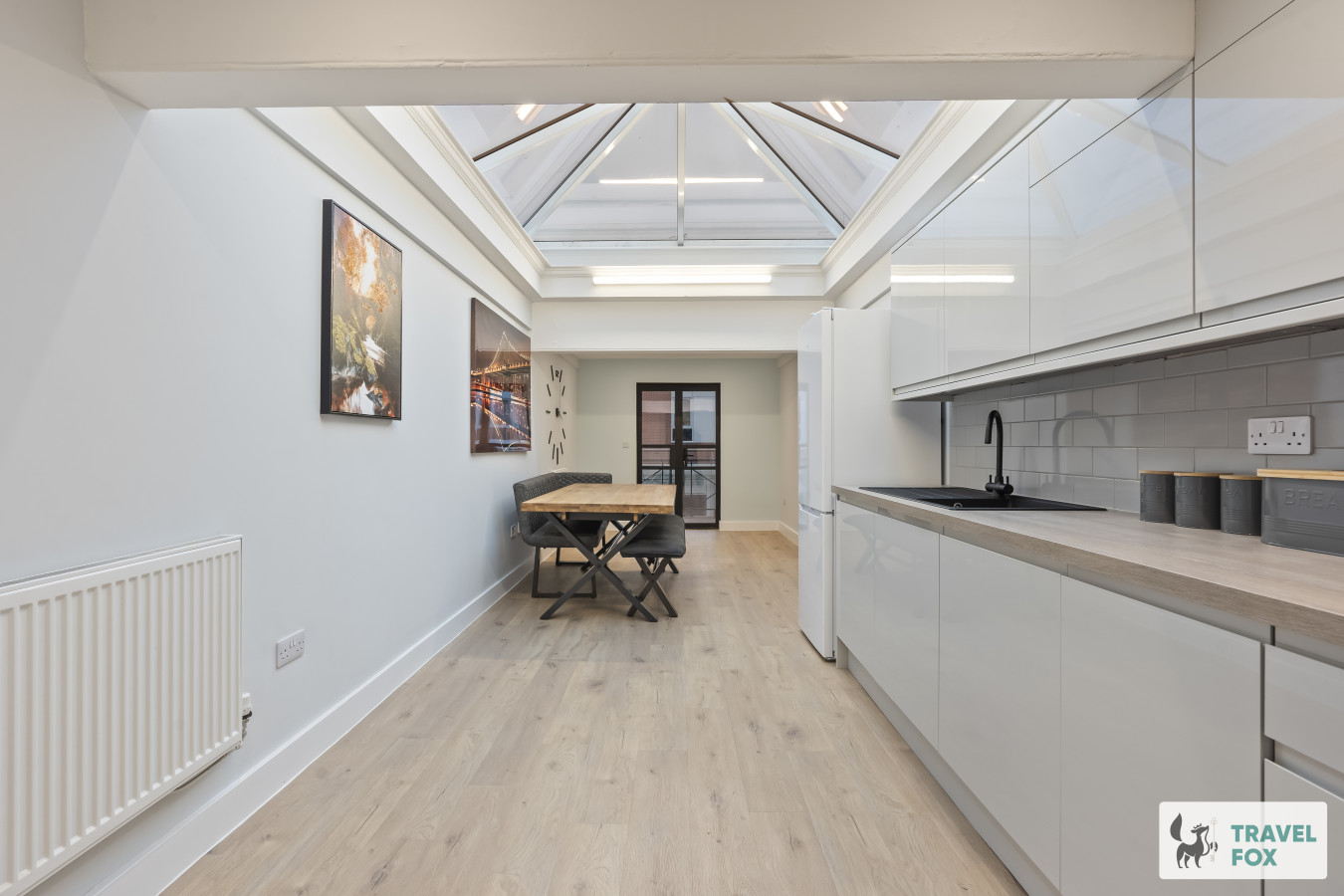
Nottingham
Camila's Penthouse Central Stay with Balcony
- Sleeps 16
- 5 bedrooms
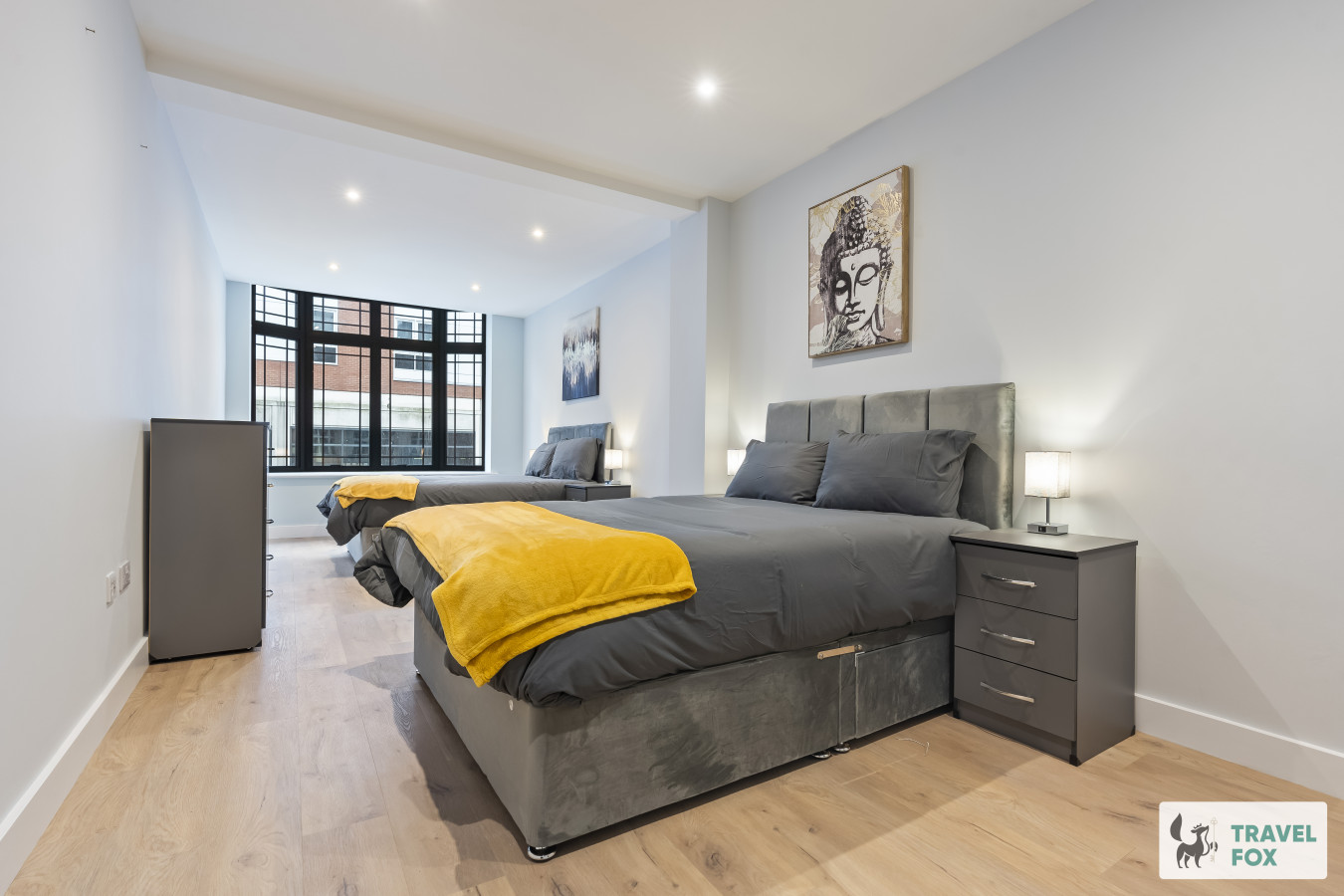
Nottingham
Blair's Central Stay
- Sleeps 16
- 5 bedrooms
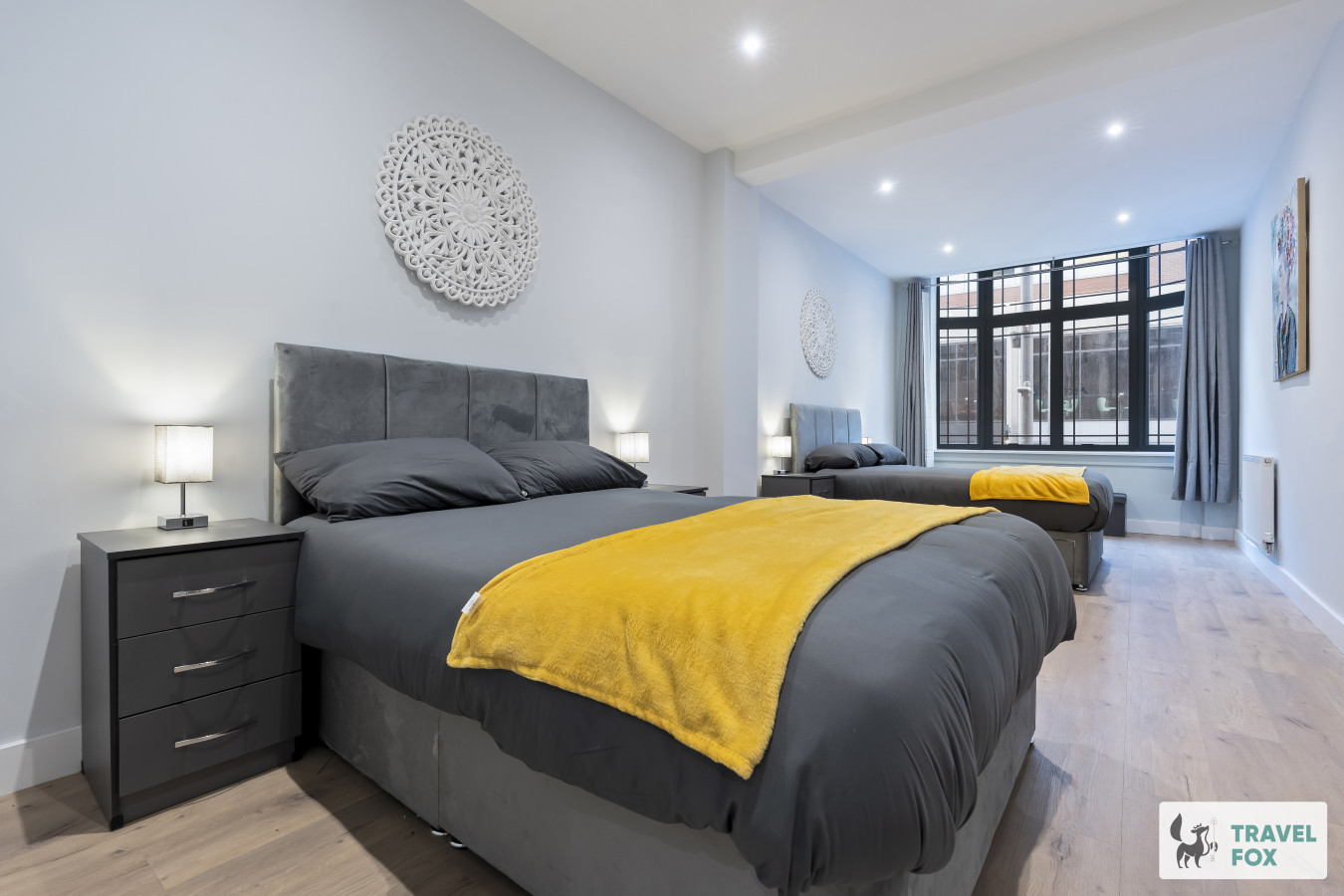
Nottingham
Anna's Central Stay
- Sleeps 16
- 5 bedrooms
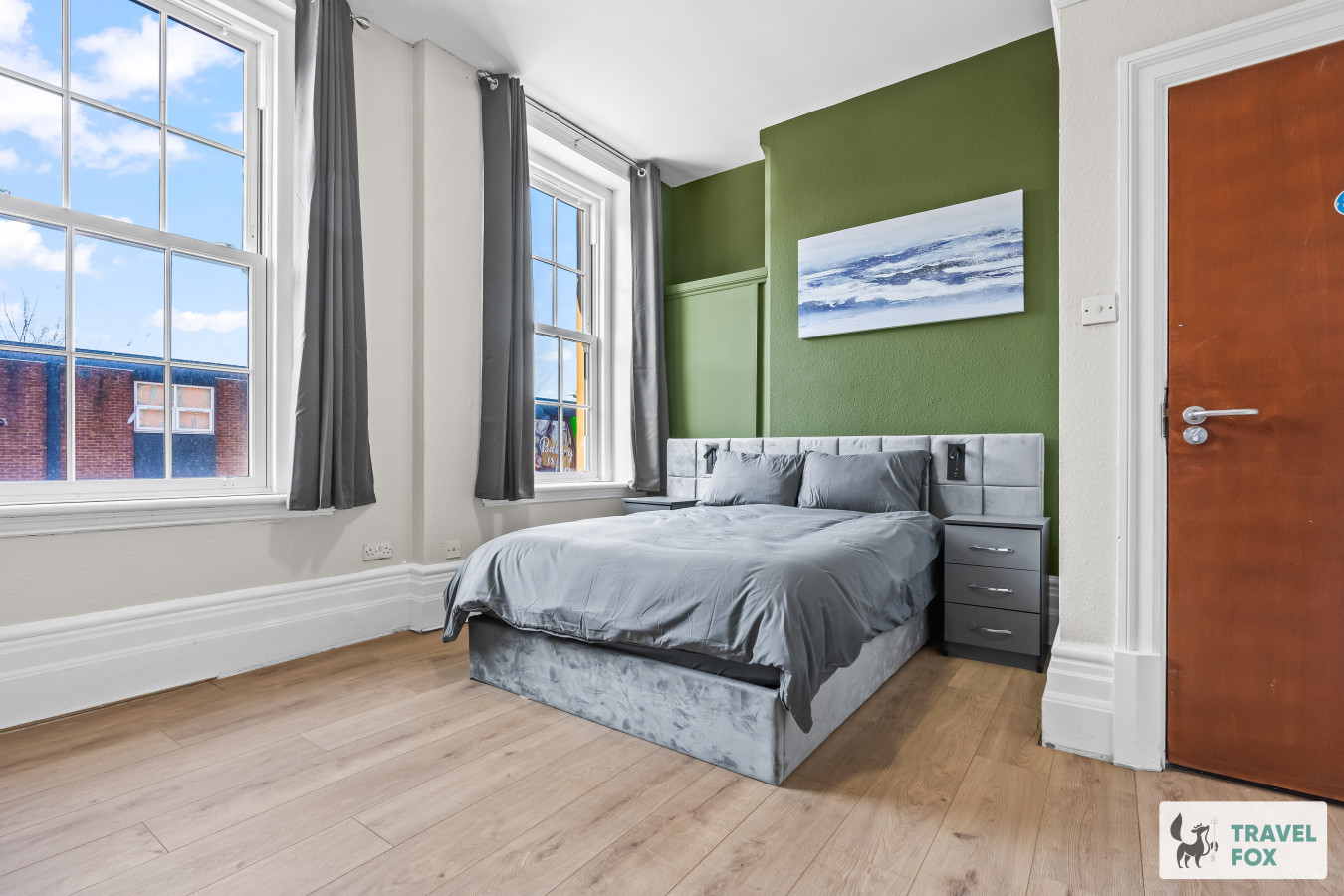
Nottingham
Melissa's Central Stay
- Sleeps 13
- 5 bedrooms
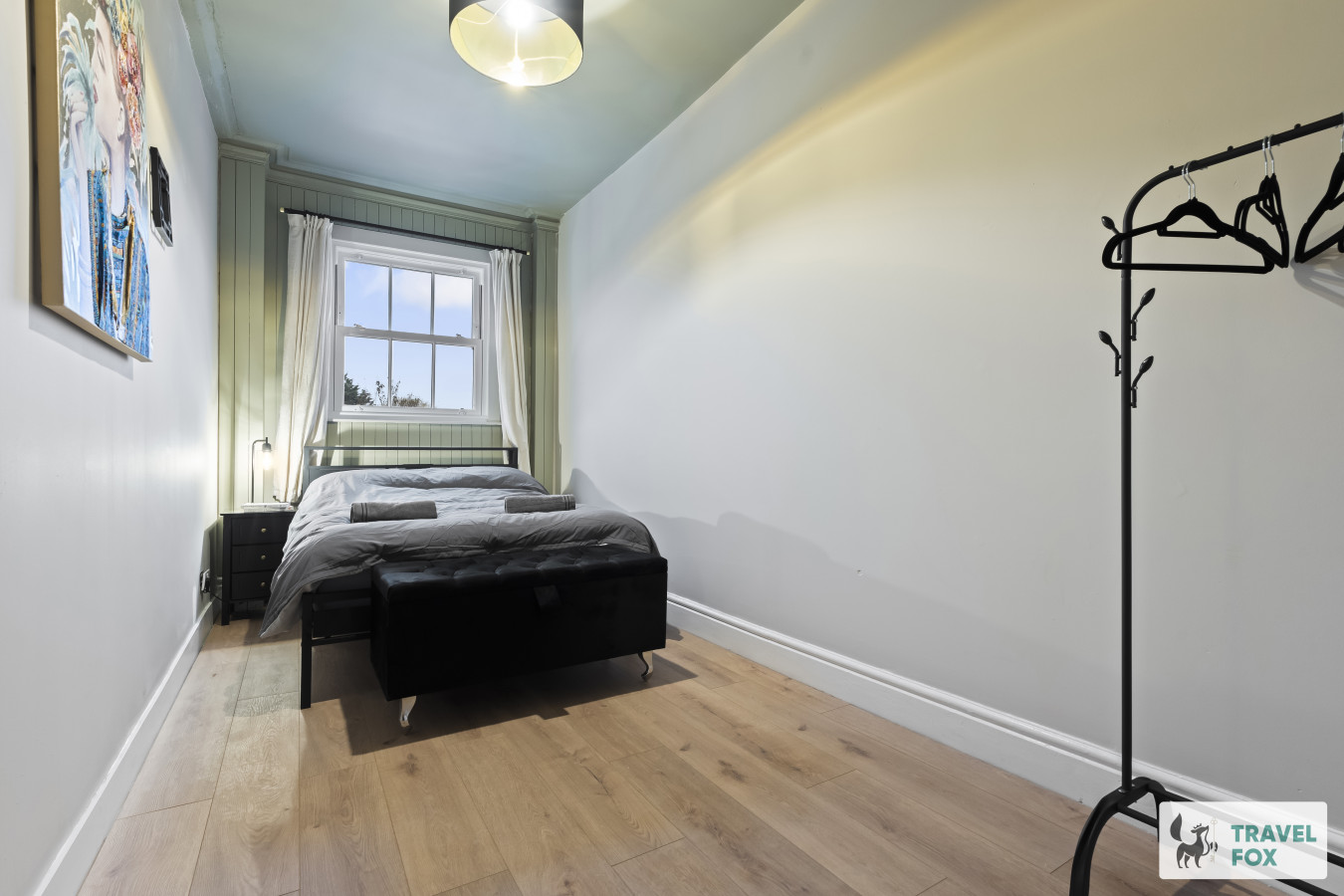
Nottingham
Callie's Central Stay
- Sleeps 9
- 3 bedrooms
For homeowners
Own a holiday home near Bingham?
We manage holiday lets across the UK from 12% commission, charged after cleaning costs, with no lock-in. A co-founder visits before you decide.
How our holiday let management works →
A guide with a point of view
Written from research. Edited for real journeys.
Use the Official site links for live practical details, then use this guide for context, ideas and room to explore.
Sources
Every place on this page is checked against a published source. Each entry links the record we used and names who publishes it.
- Bingham Thursday Market — rushcliffe.gov.uk statutory register or public authority
- The Butter Cross — bingham-tc.gov.uk statutory register or public authority
- The Wheatsheaf — thewheatsheafbingham.co.uk operator, sector body or destination organisation
- Horse & Plough — castlerockbrewery.co.uk other published source
- Butler's Coffee House — butlerscoffeehouse.co.uk operator, sector body or destination organisation
- Church of St Mary and All Saints — achurchnearyou.com national body or asset manager
- Bingham Linear Park — bingham-tc.gov.uk statutory register or public authority
- Bingham Arena — bingham-tc.gov.uk statutory register or public authority